Stairway to heaven….
I think not!
But it is a new beginning.
We know there are many of our friends in India and around the world looking forward to hearing about our latest tussles with the bureaucracy.
So here it is….
We’ve taken the big friendly giant (BFG) step and now fully registered Mysore Bed and Breakfast with the Police, the City Corporation and the Karnataka State Government. It’s been an absolute ‘joy.’ Yes, really 😉
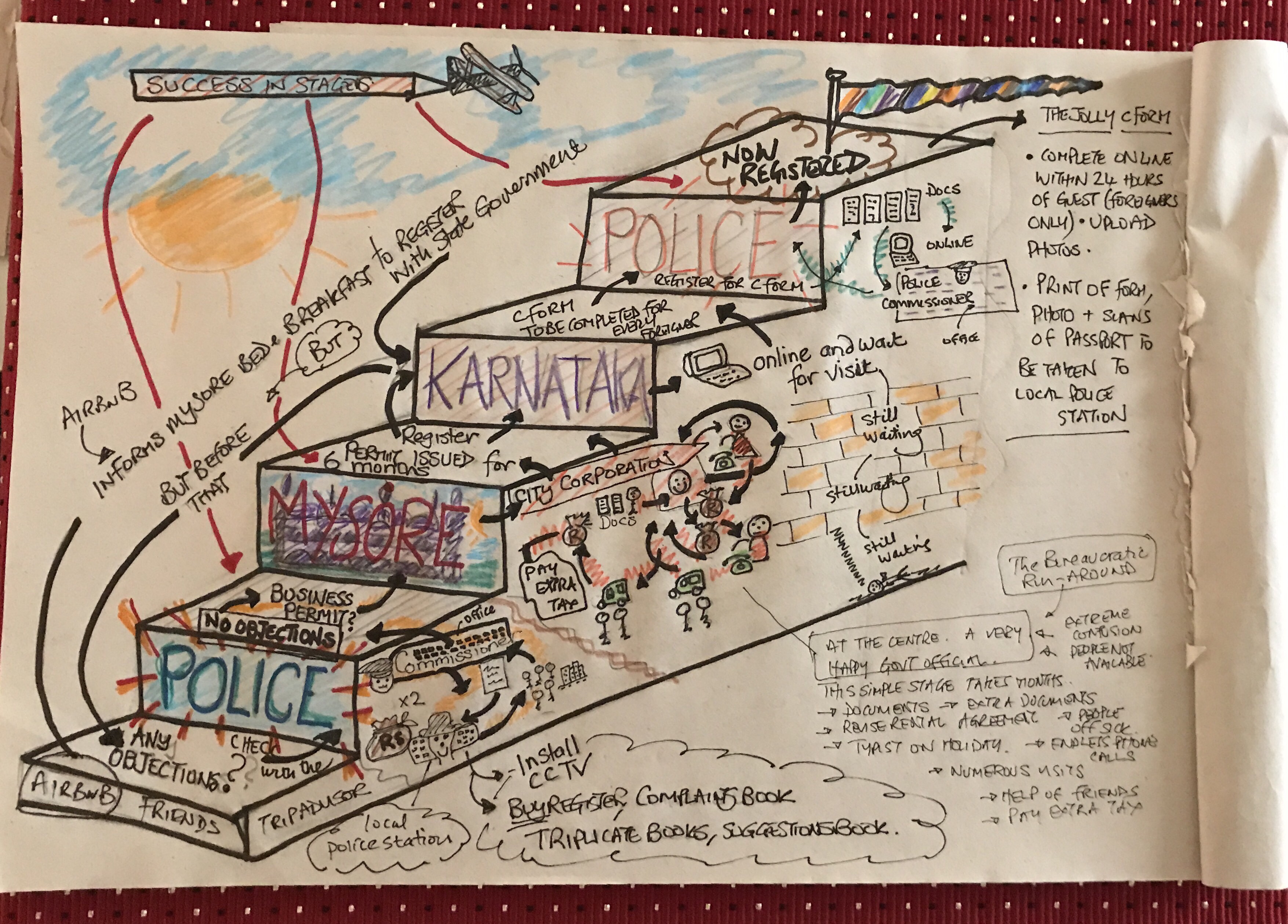
If you like to see ‘the big picture’ first check the one at the bottom.

Step One
Visit: The Police Commissioner, followed by the local Police Station, to get a letter saying Manjula is a cool chick. No no no…. to show there are no objections ie. she’s a great character, has no record and the Police and neighbours have no objections.
Please note we’re saving you the agony by missing out 90% of the actual experience of visiting and managing the differently organised police service.

Step Two
ok, so you’ve got your ‘get out of jail free’ card, or your statement saying there’s no objection. Now collect up your documents: rental agreement, letter from owner agreeing to you using the house as a homestay, receipt for payment of tax.
Go to the office.
Then sort out the mistakes: redo rental agreement (letter not good enough) and pay extra tax. Spend two weeks trying to meet up with the officials, get letter typed up, and on and on and on… you just wouldn’t believe it…
is it incompetence, ‘we don’t care’ attitude or an intentional wind-up?

Step Three
The registration with the Karnataka Government was relatively straight forward. Complete the online form, upload the documents provided by the Police and City Corporation and rental agreement. Pay the bill, electronically or face the ordeal of going to a state bank queuing up, paying in cash or bankers daft, getting a receipt, scanning it in, uploading it. Forget that option! paid-up…. We now await the visit of the inspectors.
Step Four
Register on line with the Police to have foreigners come and stay and complete the online Form C within 24 hours of each foreigner who comes to stay. We’ll provide more details of this wonderful…. time consuming employment creation ordeal…. later to enable me (Stephen) to fully flaunt my Yorkshire sarcasm.
So we’ve done it. The team has arrived at the top step, we’ve had our highs and lows, we’ve learned to laugh and cry, we’ve met formidable obstacles, gone with the flow, we’ve sunk our flag in the hallowed ground. It’s taken time, almost a year, we’ve grown as a team and Manjula has made it happen. Phew!
She’s a star!
Next…. we’ll we do it all again next year.
The big picture
The A team includes:
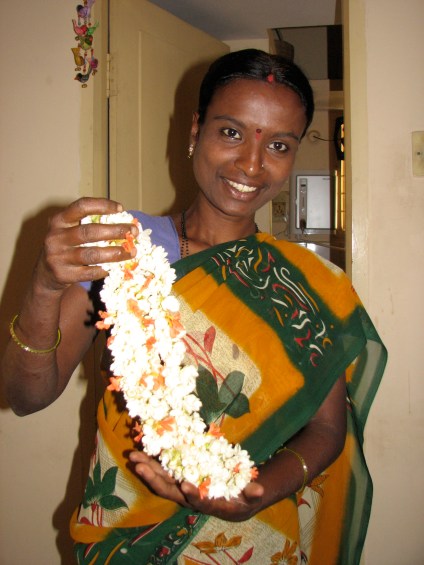
Manjula, aka the boss, on point, who has traipsed around all the offices, made endless phone calls, been endlessly put off, turned up at the key offices to find the ‘houdini’ *official/policeman/Babu/patriarch (*delete as appropriate) has disappeared…. gone for lunch, on holiday, maybe hiding in the toilet, who knows? She gets a gold star for determination, fortitude, strength, with just a little innocence in the mix. madam has seriously been through it all!
Akram, auto driver extraordinaire, helping Manjula face the torture, mysticism and labyrinth workings of the Mysore City Corporation, and hiding outside when she faced the officials of the police commissioners office or the helpful smiley chaps at the local Police Station. To be fair he’s an auto rickshaw driver, rightly with an innate fear of coming into close contact with the constabulary.
Vidya and Tanu. Our knight-ettes in shining armour. Being Manjula’s counsellor, advocate, comforter, advisor and support in dealing with the Police.
Stephen, The clerk, computer operator, form filler, recorder and scribe. He lurks in the background. In the belief that to show his pale face will significantly add to the costs of said registration process.
Thank you for your invaluable help!


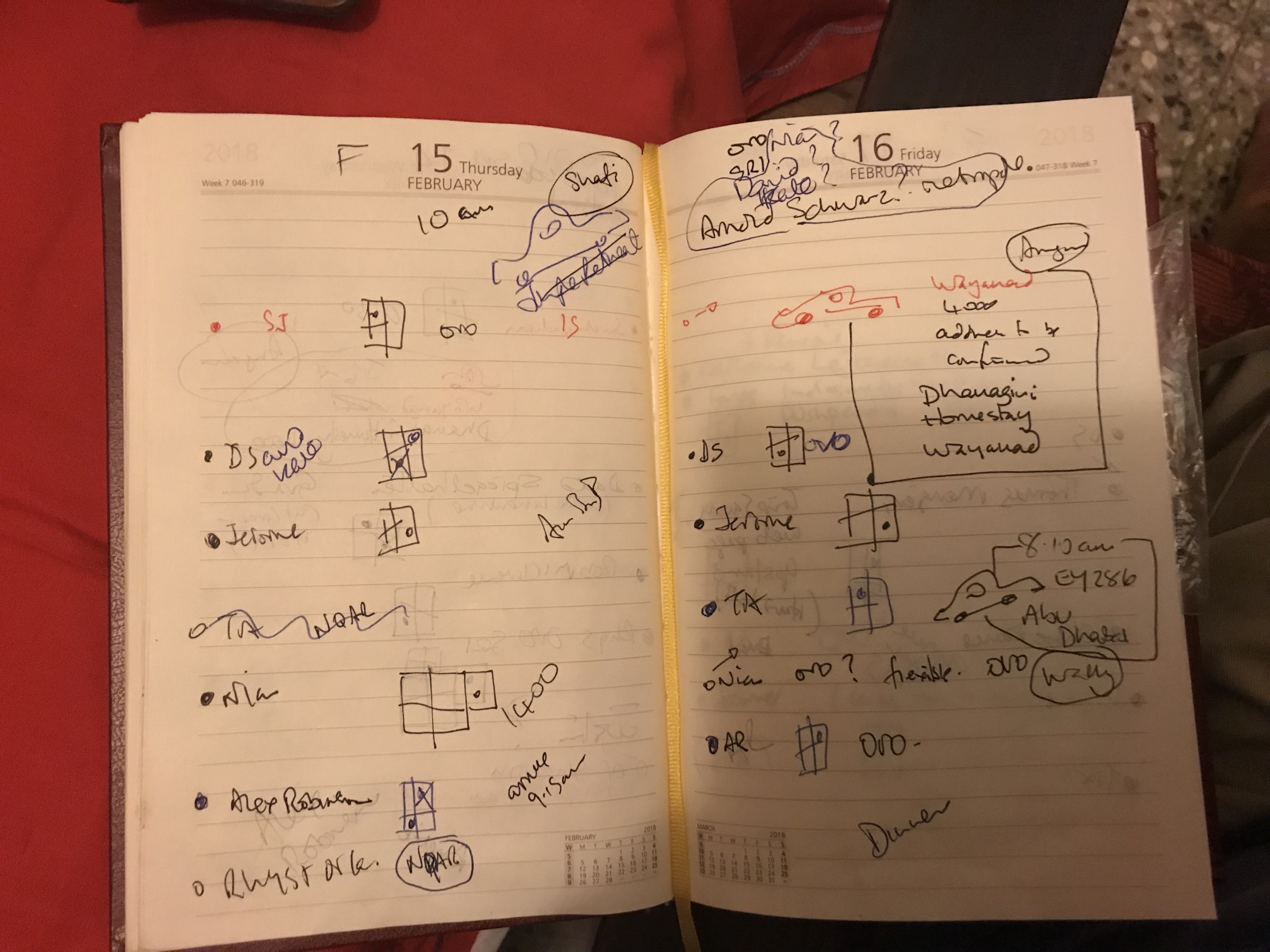
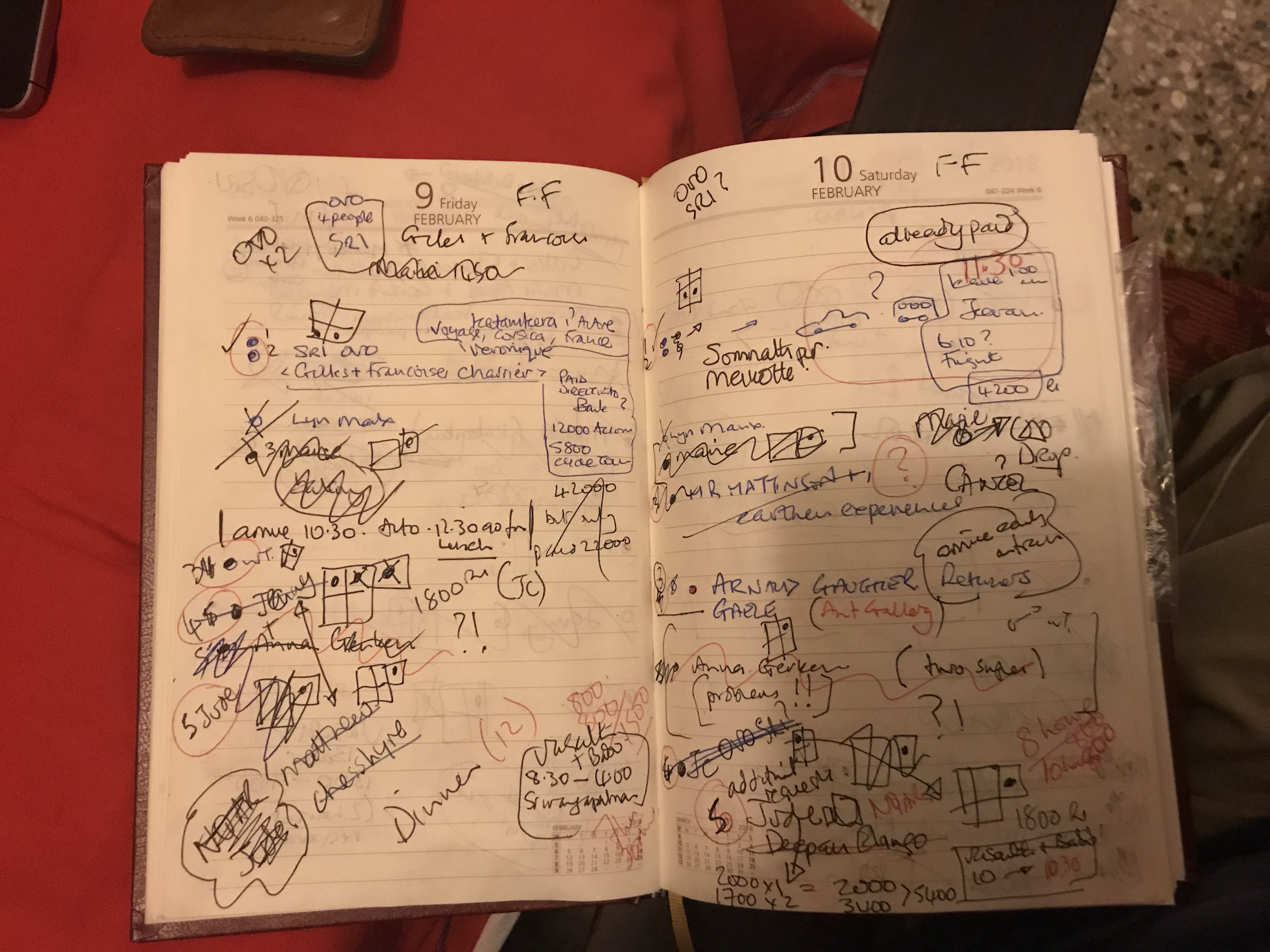





 we’ve had requests to provide a bit more of an explanation.
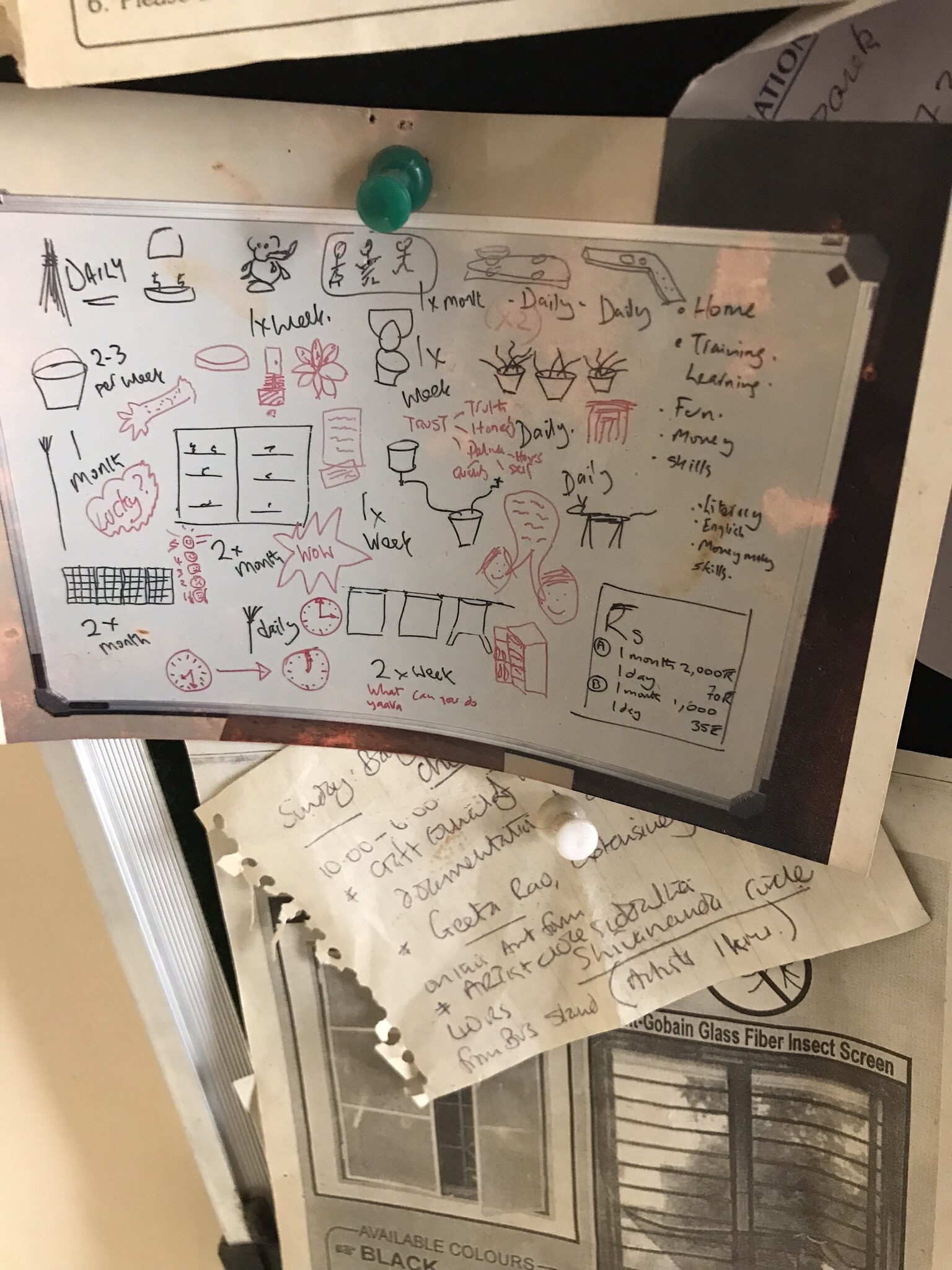 so, to explain the job. Ok we don’t speak the same language, she’s probably a little worried and intimidated, coming to work for an unknown quantity: foreigner, male, living on his own, can be a bit loud and over-energetic… so of course, I used my well developed training skills. …… and got out the whiteboard, flapped my arms and generally danced around a bit. I seriously wonder what she thought. On many occasions she shown people the photo of my drawings. Promptly followed by sniggers and giggles.


 Me and MYCycle