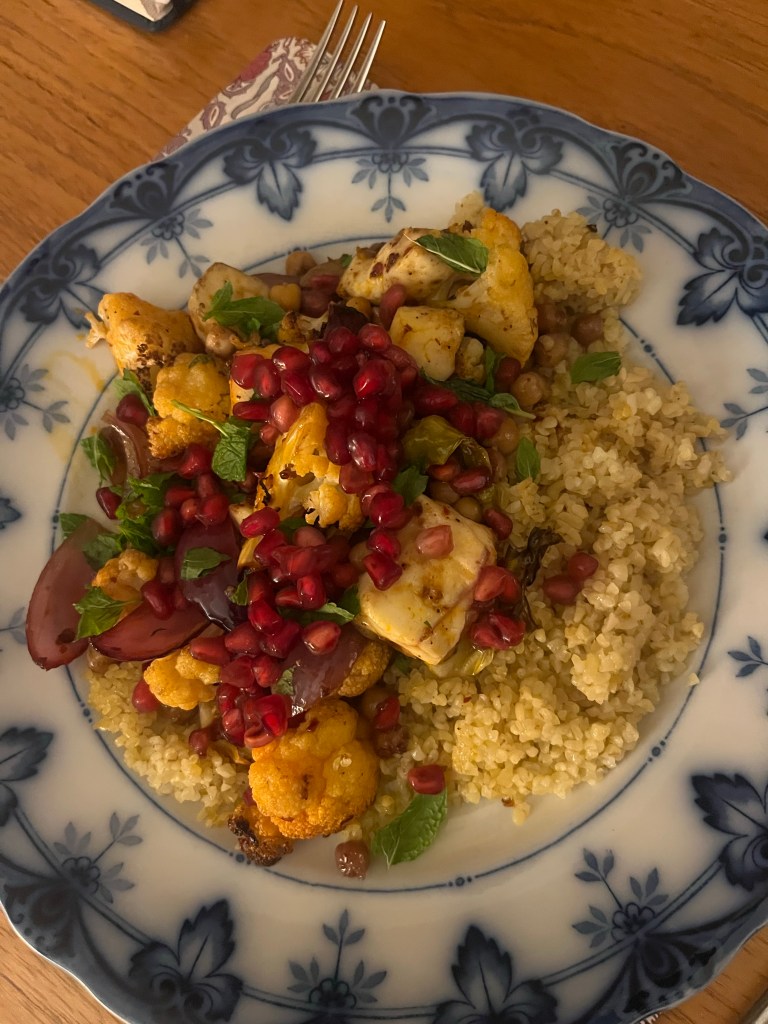
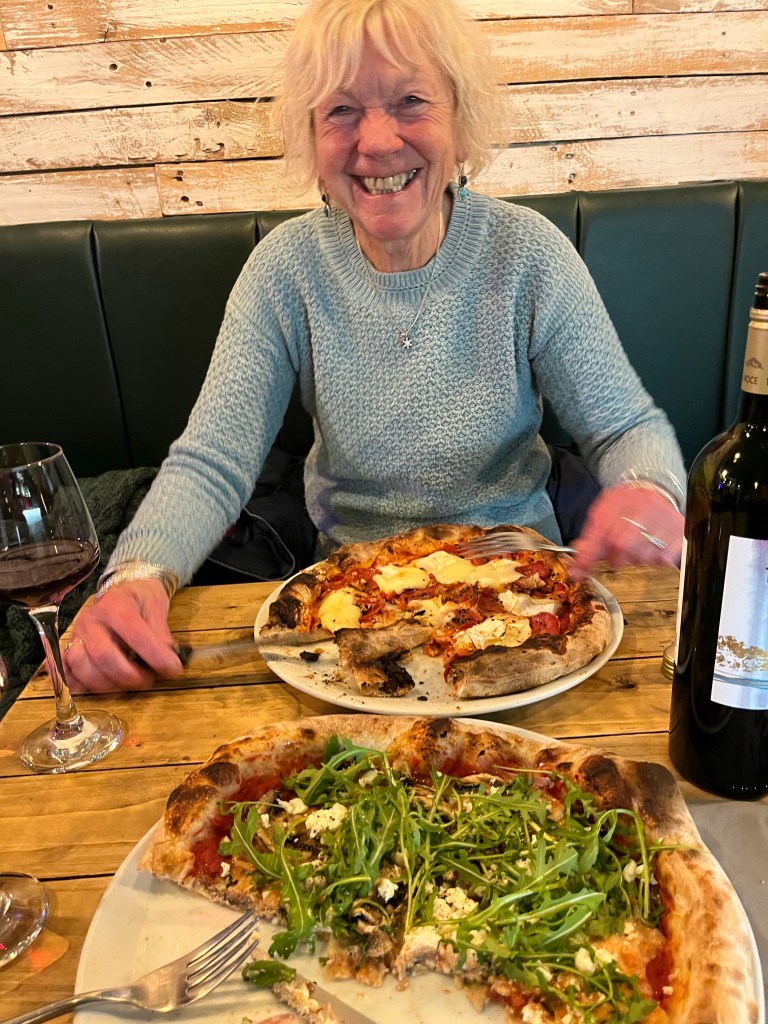
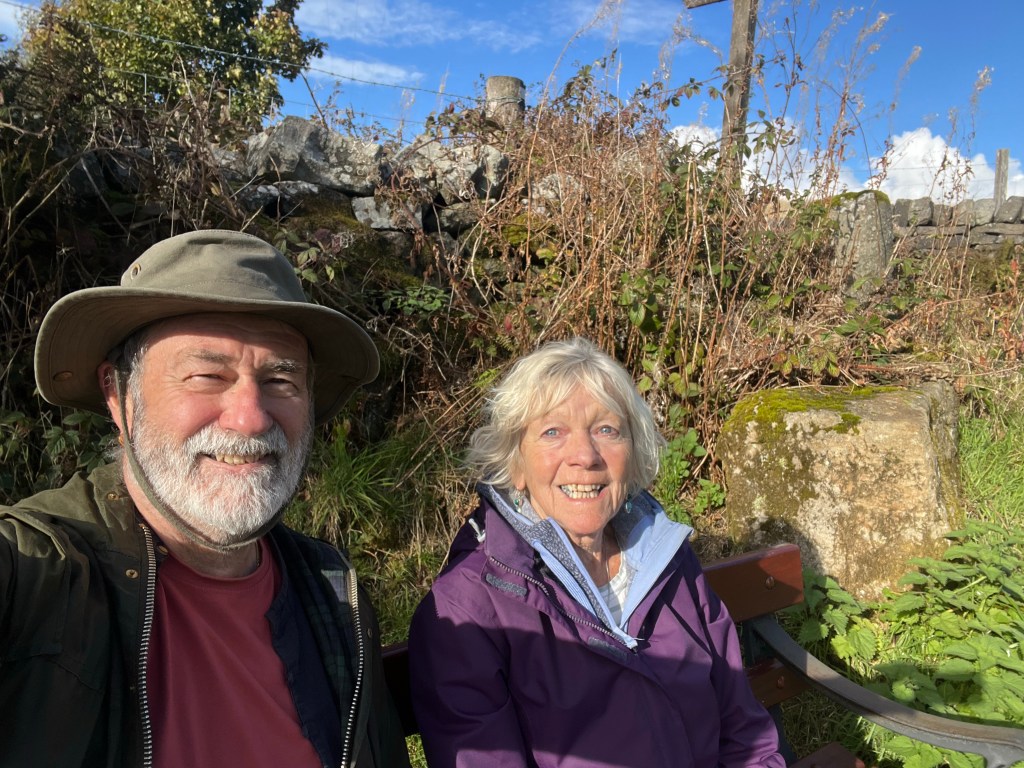
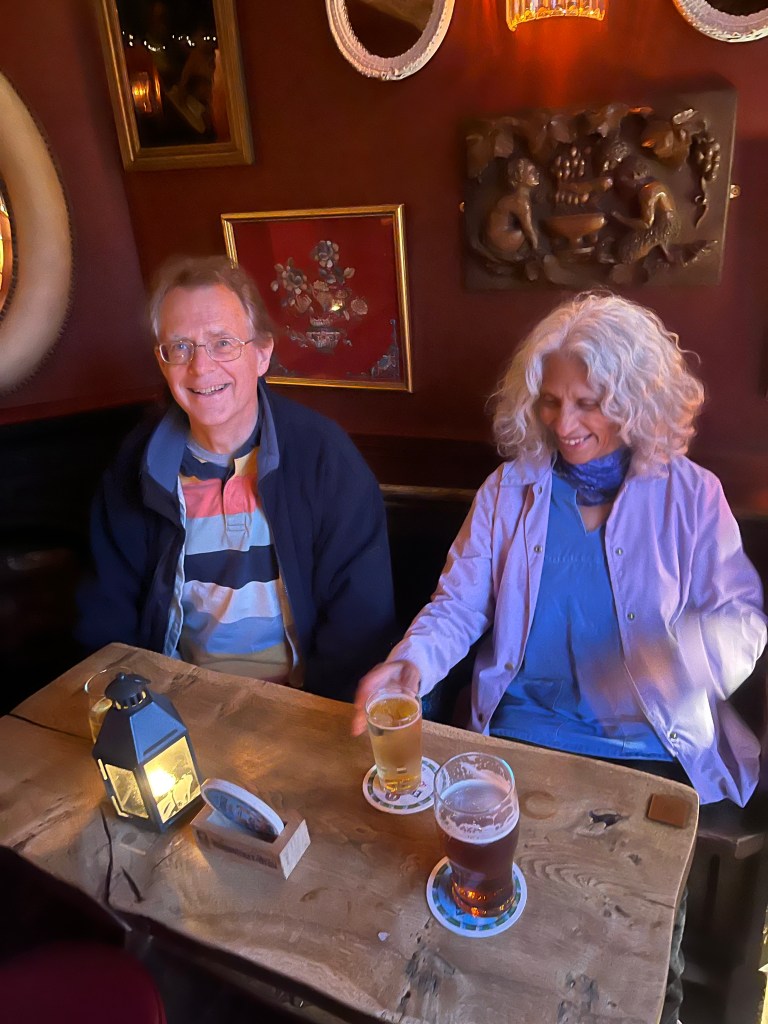
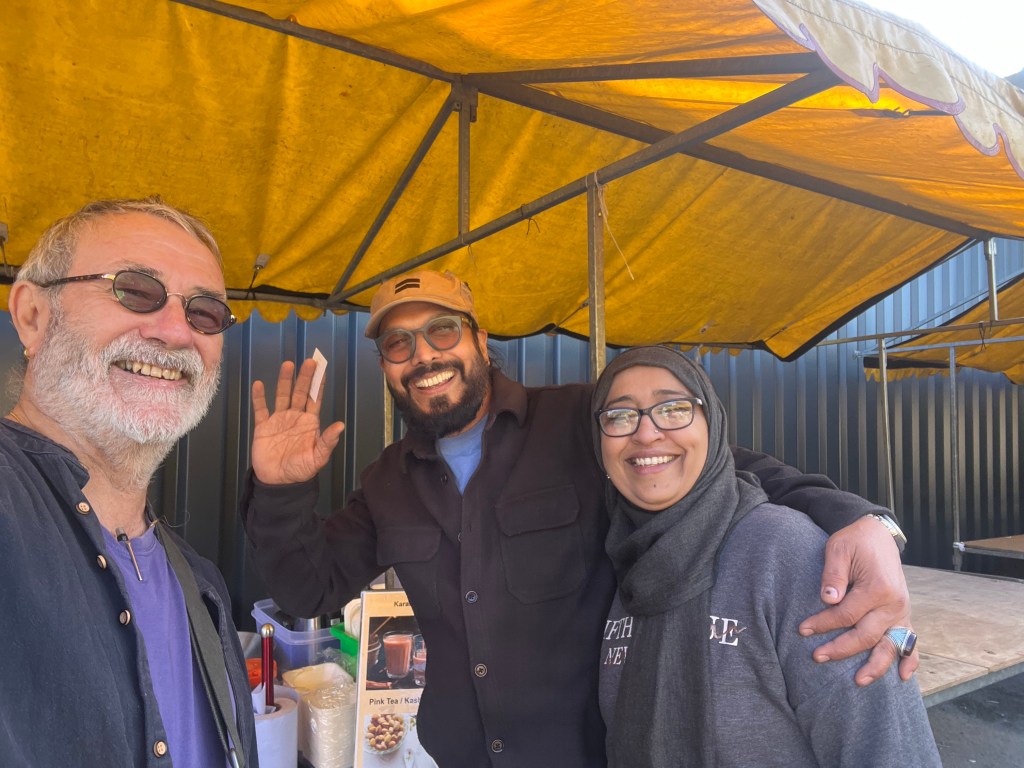
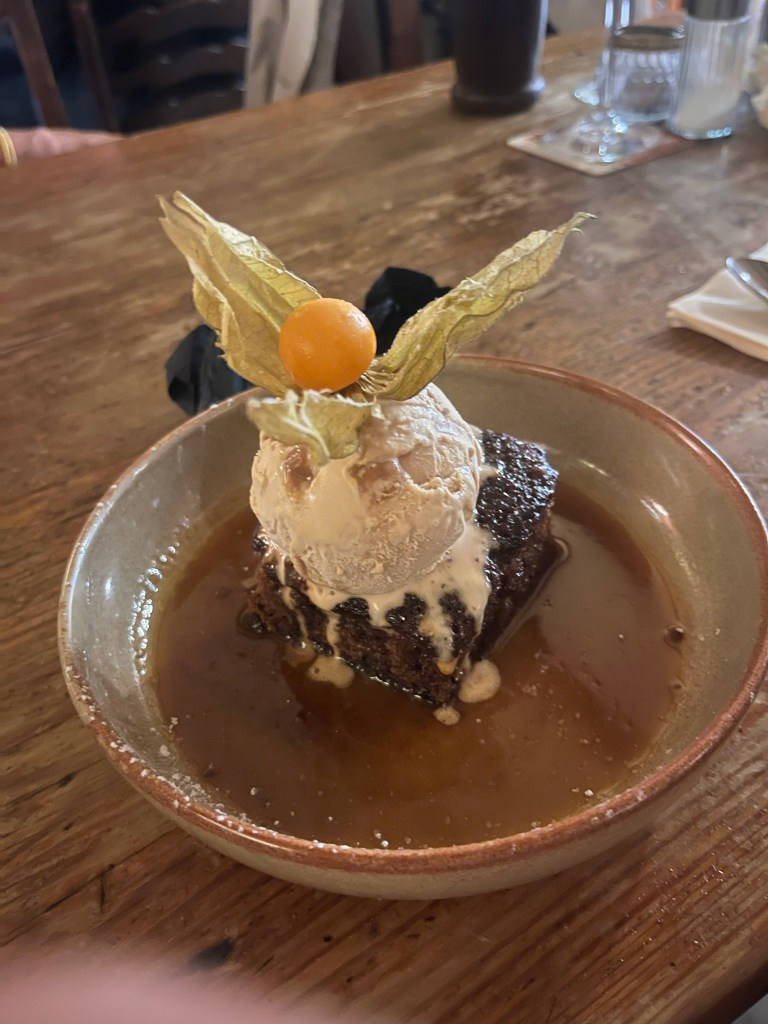
We’re at one of our fave eateries this evening — Depth and Green— for a great mix of food, drink and experience.
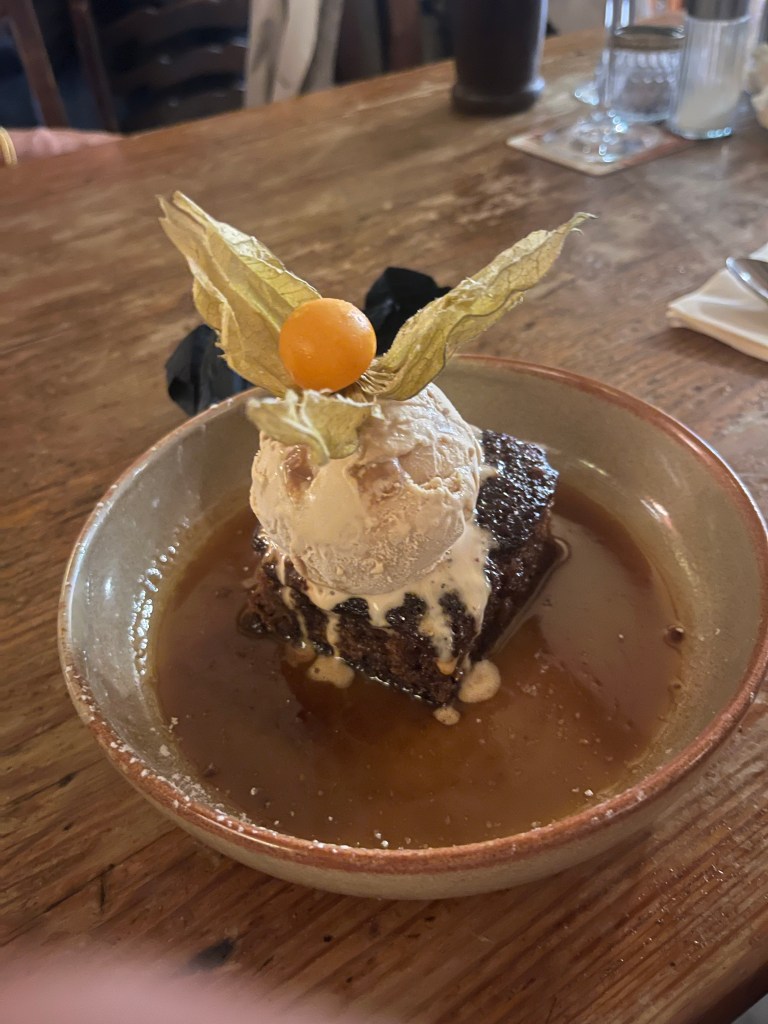
We both had a lovely green smoothie — delicious, with humous and toast for her and sandwich with egg and cheese and veg for me.
A young woman (I wasn’t organised enough to take photos) walked over to introduce herself.
She’d been watching us and was so impressed with how we related , wanting to know something about us and our magic.
We recalled our first meeting in the park opposite my house in Siddartha layout. Kaveri had been visiting her grandmother who was night-watch woman at a construction site next to the park.
That was five years ago. Wow. It’s hard to believe.
It’s disputed but I recall her saying helloooooo as I crossed the park. She reckons I said hello first. Whatever.
…
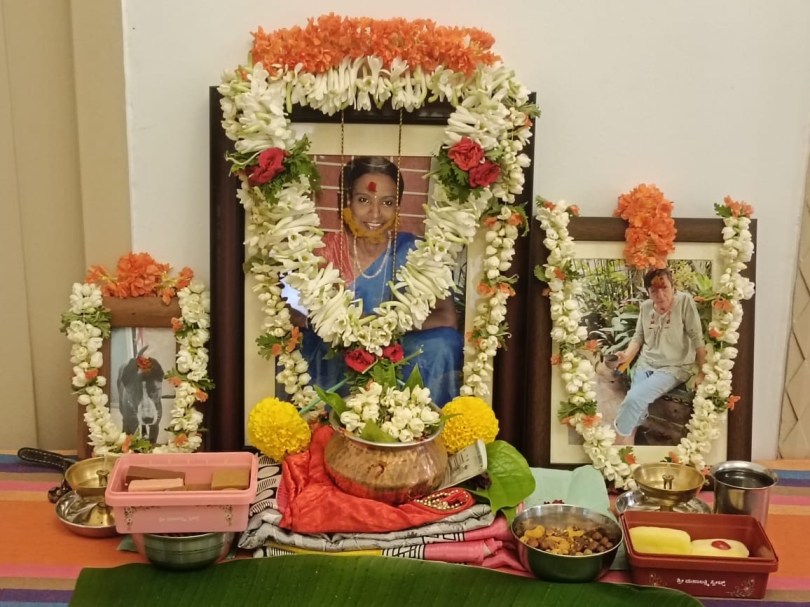
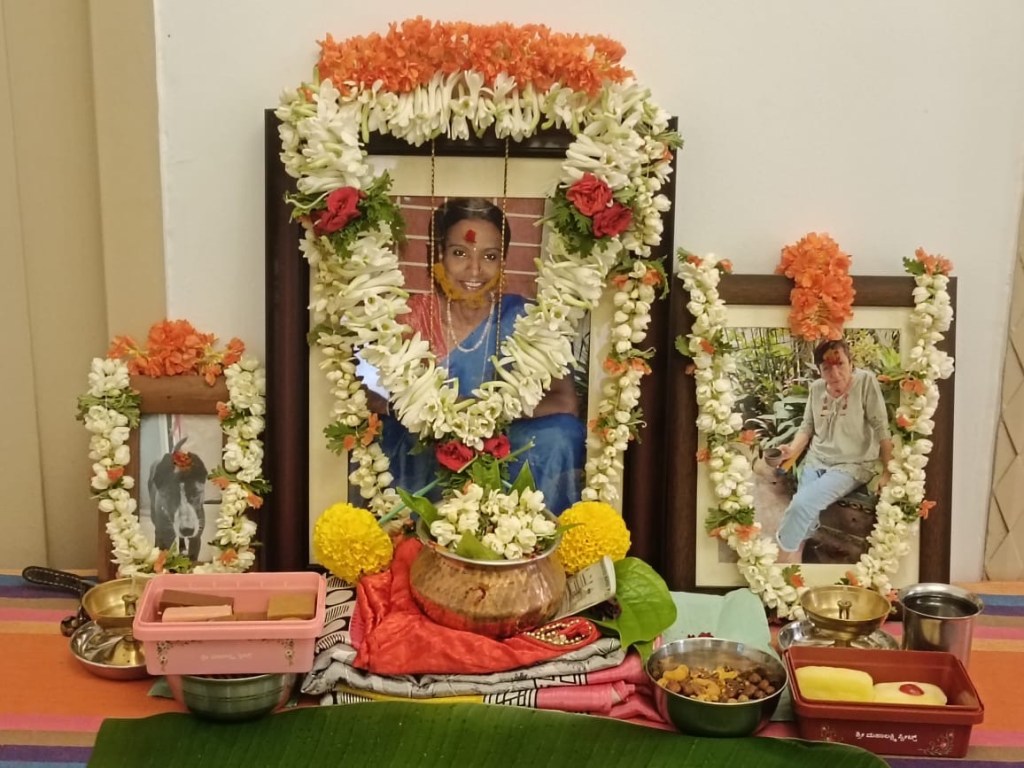
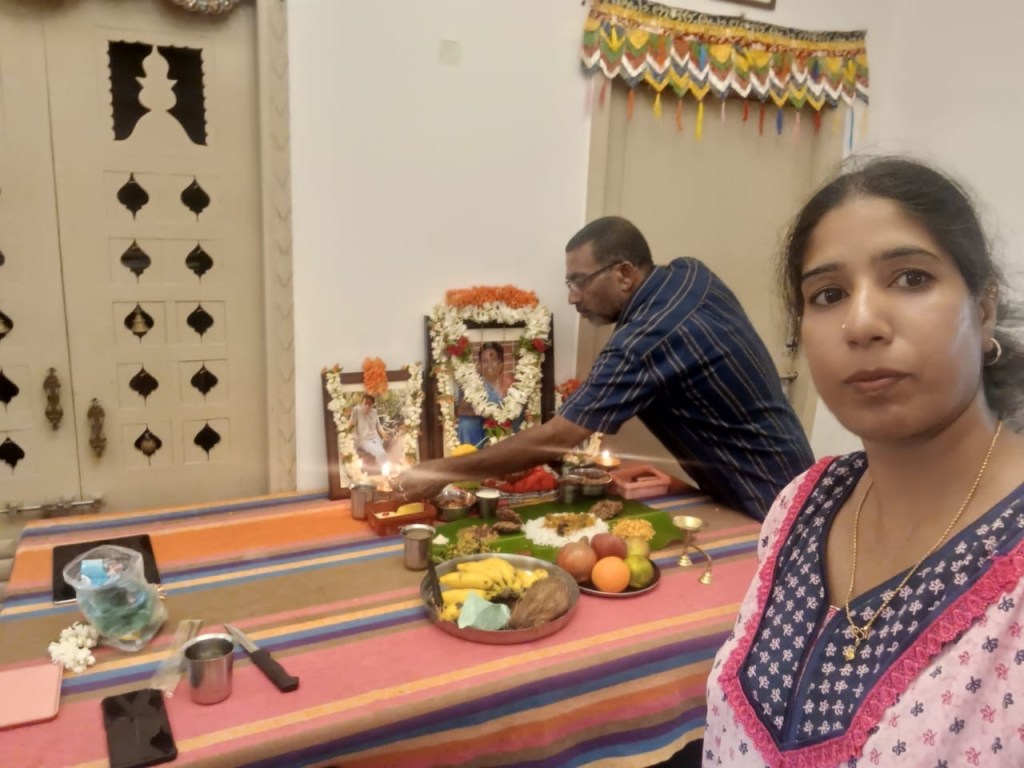
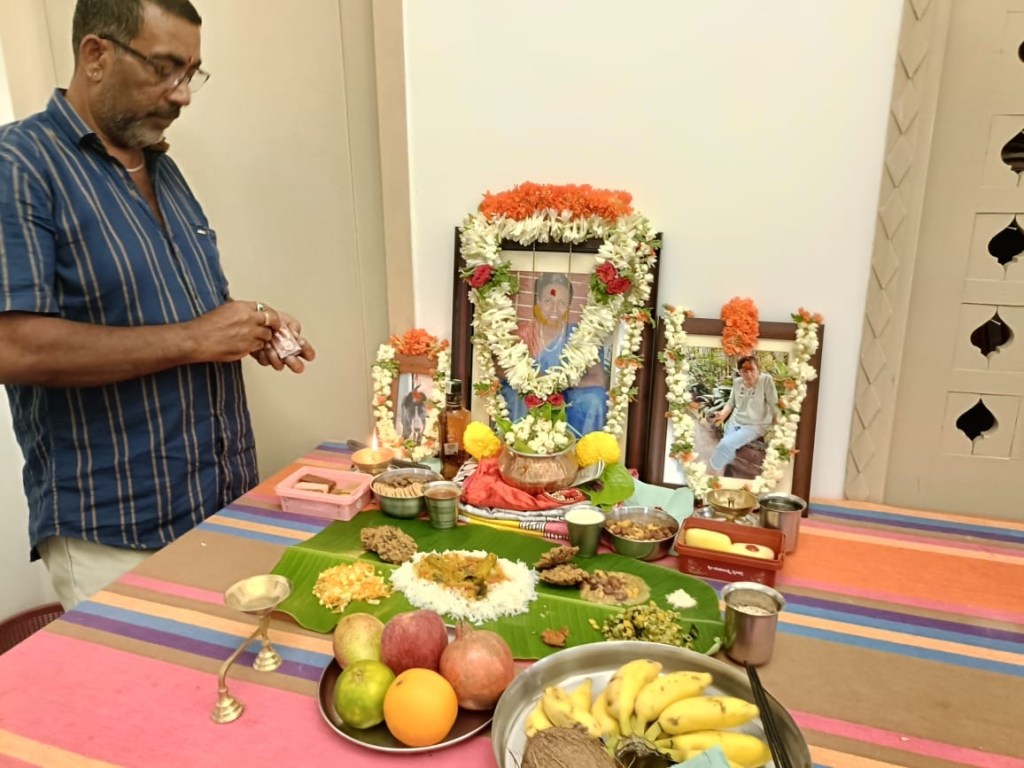
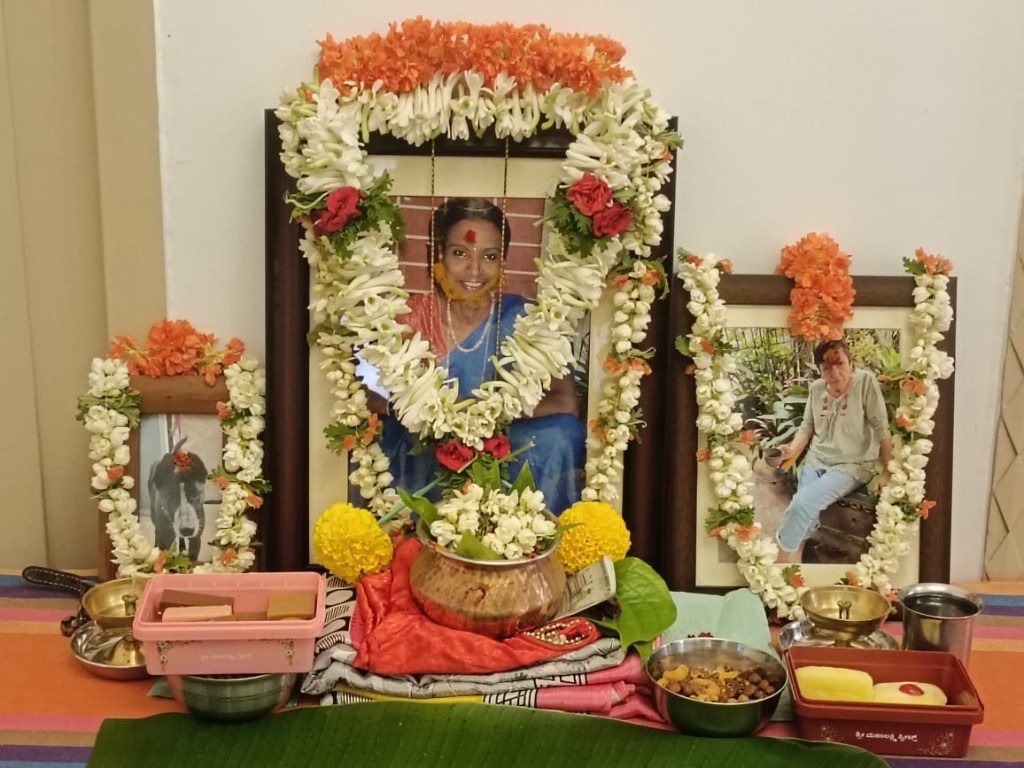
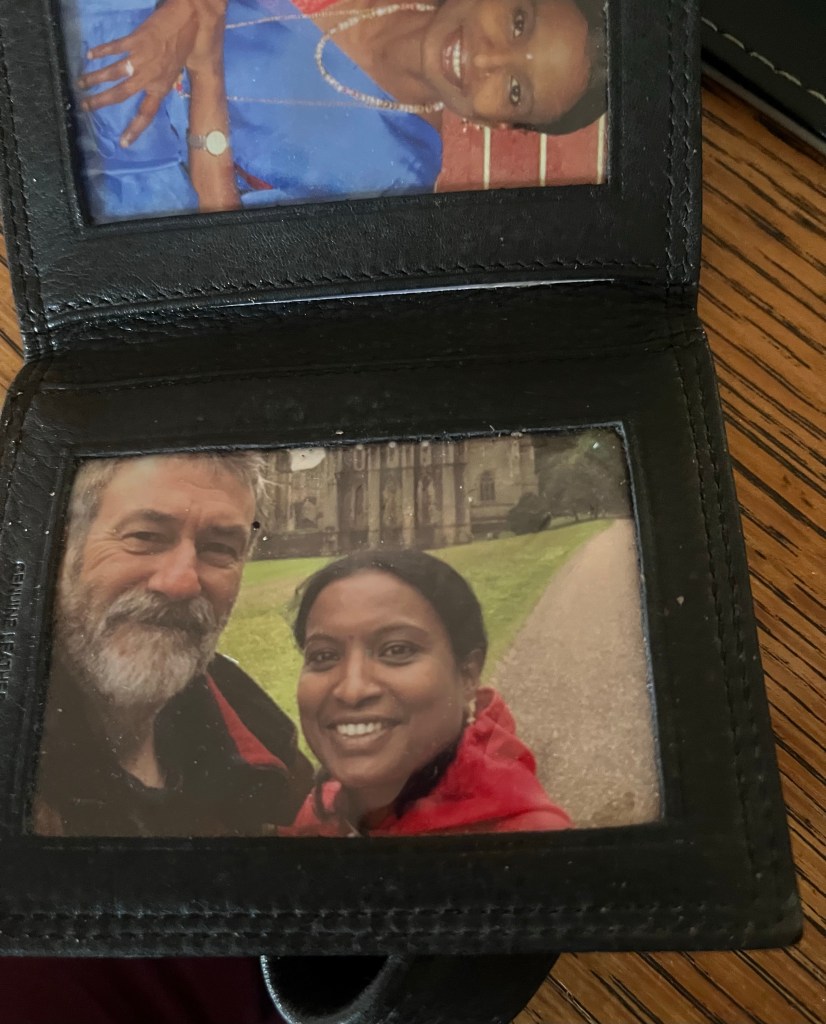
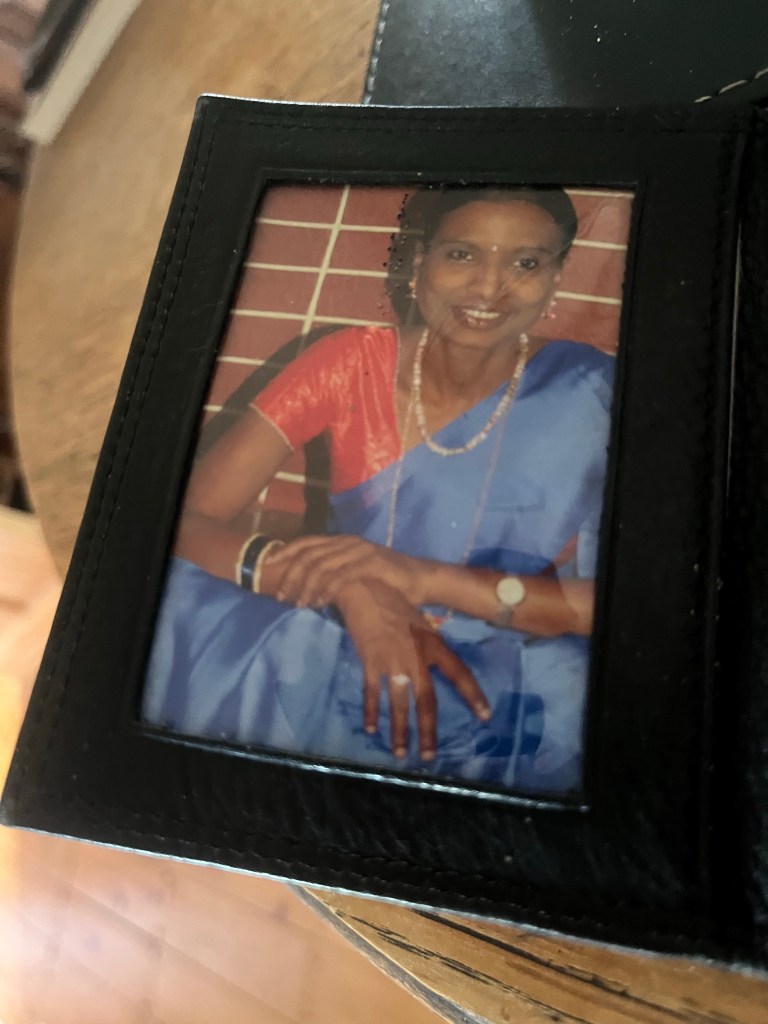
I explained, to the young woman, that my wife MAnjula had died seven years ago. She wanted me to help others from a similar background to her. So I appealed for any suggestions for young people I could support. None came forward, until the fateful day I met Kaveri.
She was impressed how we’d created such a positive bond.
We acknowledged how people might misunderstand our situation (old man and young girl hanging out together) but it made her happy to meet us and realised what a positive caring relationship we had.
My role (and that of the other director) in supporting Kaveri is on behalf of our business ‘Manjula’s Mysore’ which has an agreement with her mother and active involvement of her grandmother and auntie.
Footnote
When people get to know my background :
Qualified social worker from over forty years ago.
Manager of social (welfare) services in U.K. including teams of social workers, assessors and carers
Experience working with children and families, intervening to support and protect children, in some senses a ‘policing’ role on behalf of the state.
Risk assessment of families, ensuring they’re supported when experiencing difficulties and intervening to ensure the children are safe
Assessing prospective adoptive parents
Delivering workshops and providing consultancy on values and ethics, guiding businesses to socially responsible (CSR)
Working with Hindu, African-Caribbean, Bangladeshi, Sikh, white working class and disabled people’s communities
Plus I’m supported by a network of childcare professionals and we’re operating on behalf of our company subject to the agreement it has with Kaveri’s mother.
… they realise this is a professional set up with Kaveri’s development and safety as our utmost priority.
So there’s much more to our Manjula’s Mysore’s involvement over the past five years.
In India, nothing is quite as it seems.
Our successful support of Kaveri involves money, skills and help-in-kind from our business and contributions from past guests from around the world. .
Manjula’s Mysore’s Corporate (CSR) Responsibility has now included: creativity days in schools and for forty visually disabled young women, gifting bicycles, teaching/presentations, memorial garden, cycle tours,, accommodation, ‘reflective space’ for young adults, our care for our community.