Cosmopolitan and coincidences

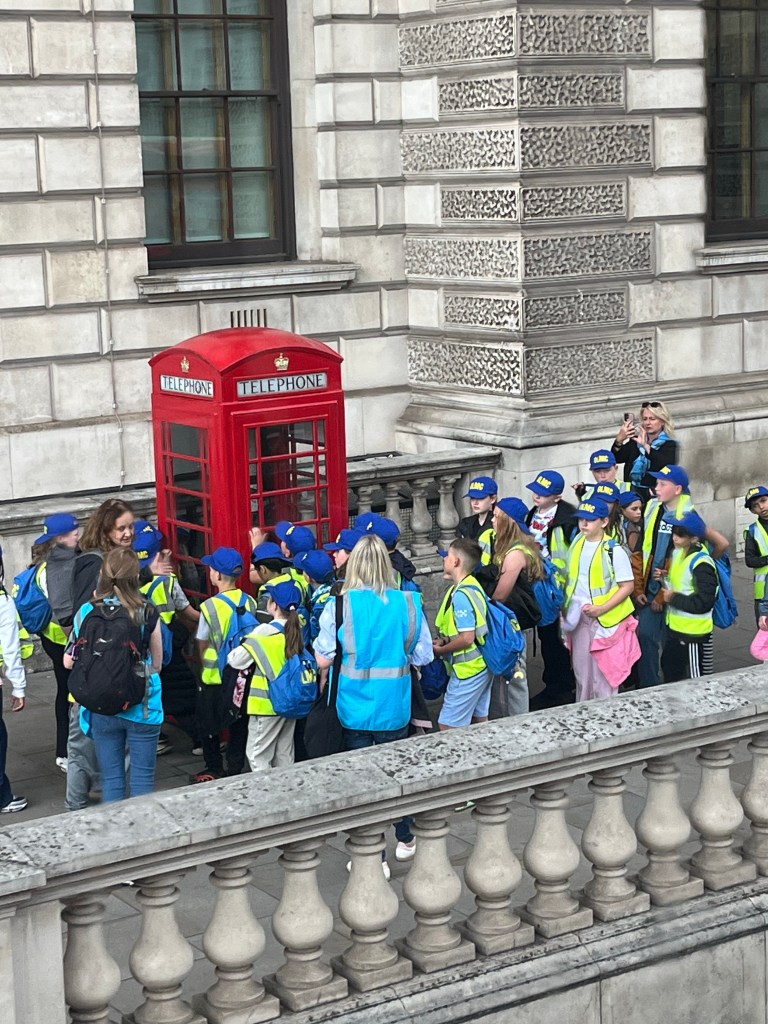
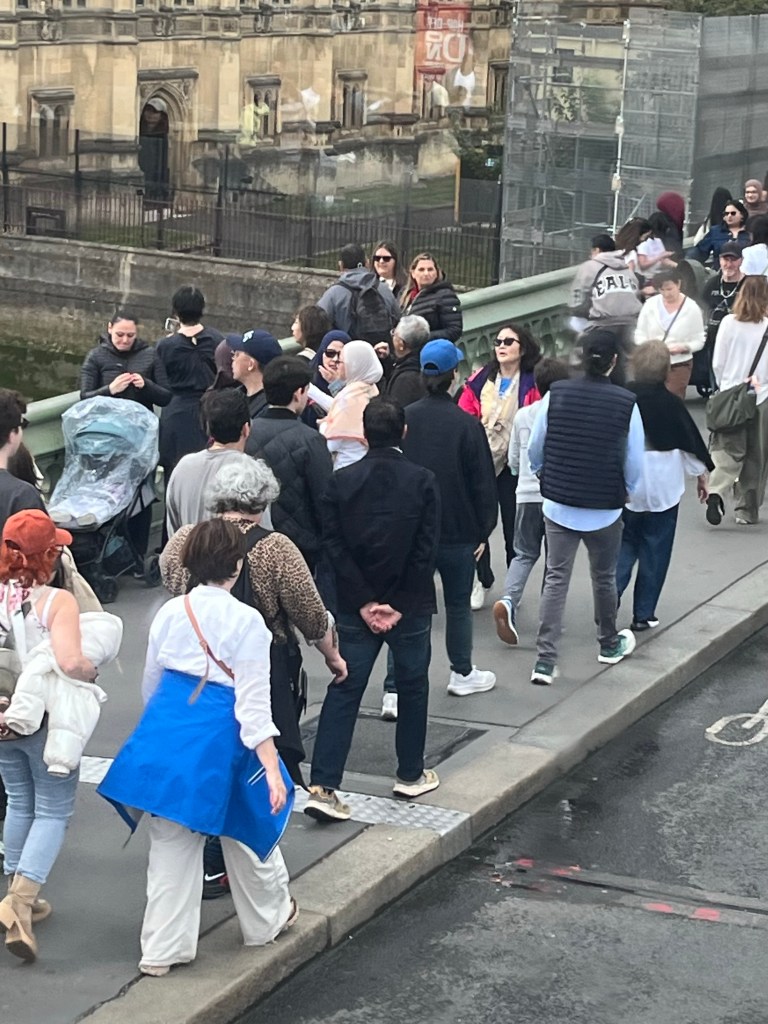
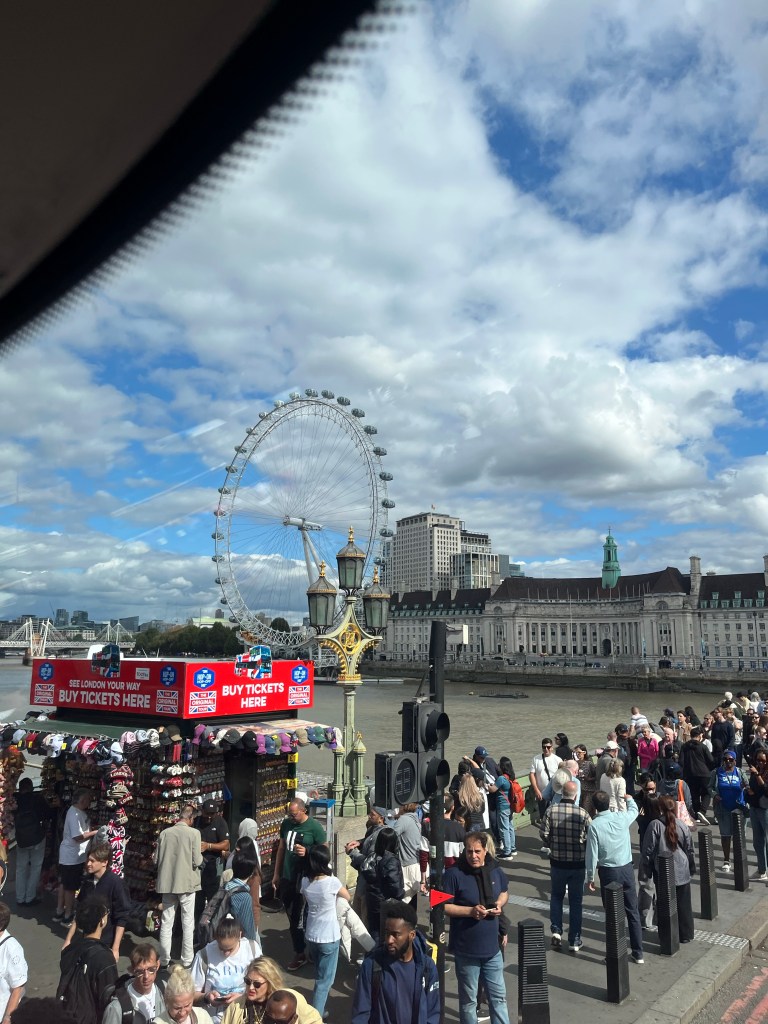
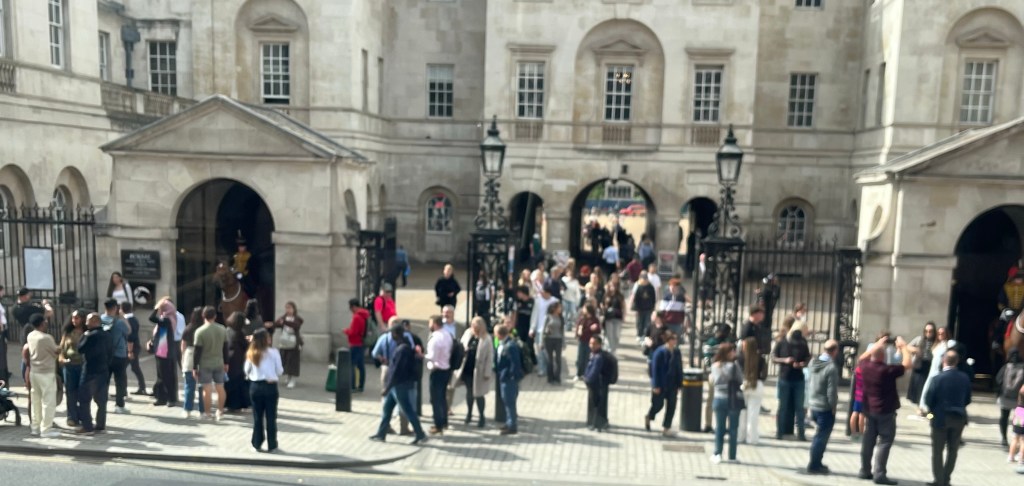
London is an incredible mix of people and cultures.

Manjula was amazed when she first visited U.K. and especially Brixton where there’s a great mix of people of different nations/ethnicity/races/colours….

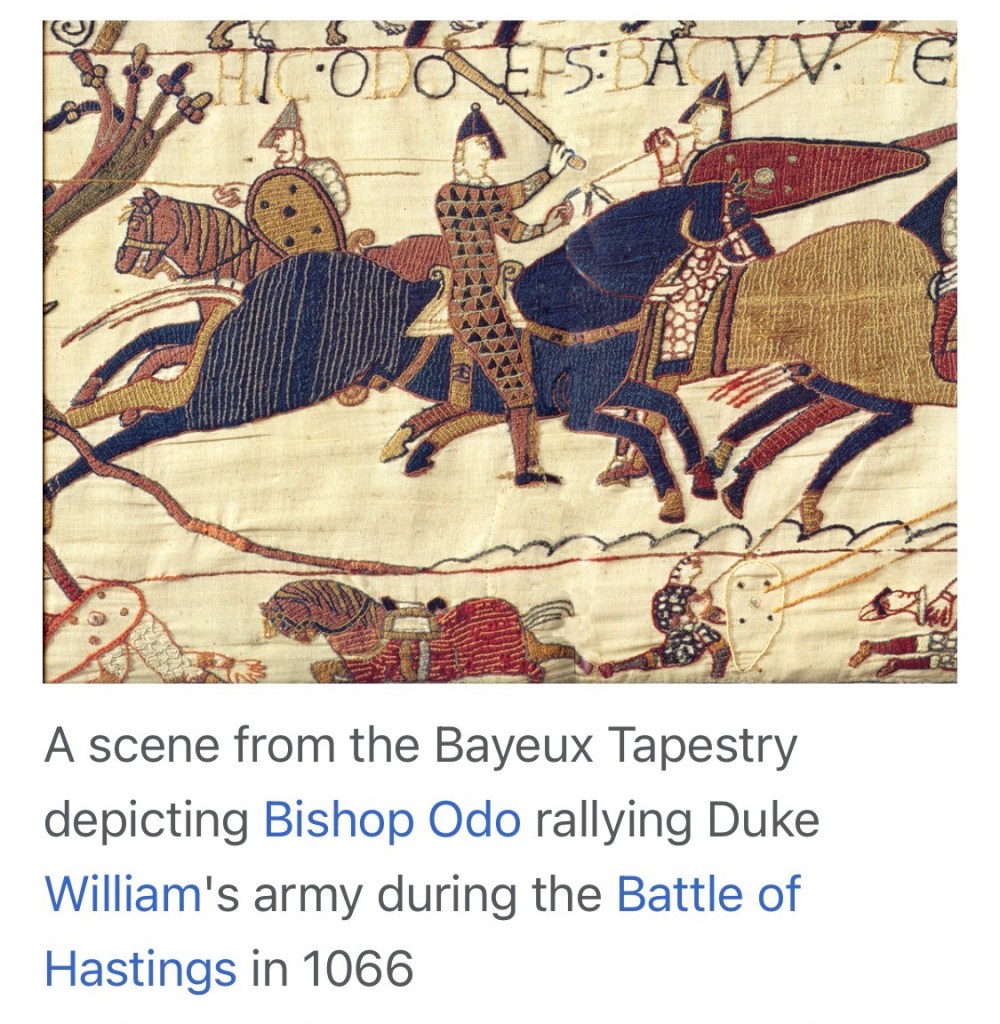
On my bus now, less than 50% are white. I think that’s great and even the white people are a big mix mainly as the place (pre UK) was invaded by many others for a thousand years before the last take over by the Normans in 1066.

Coincidentally that invasion is featured in an amazing tapestry currently on loan from France and exhibited in London.
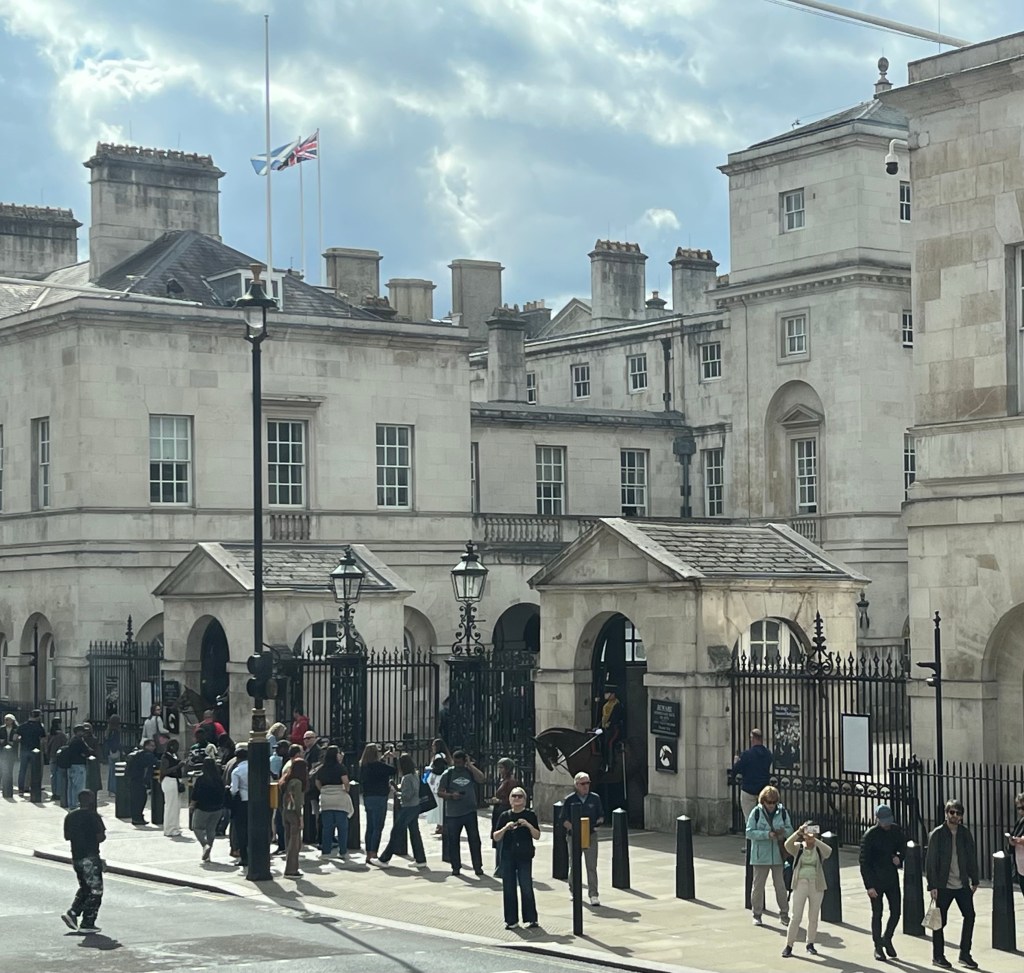
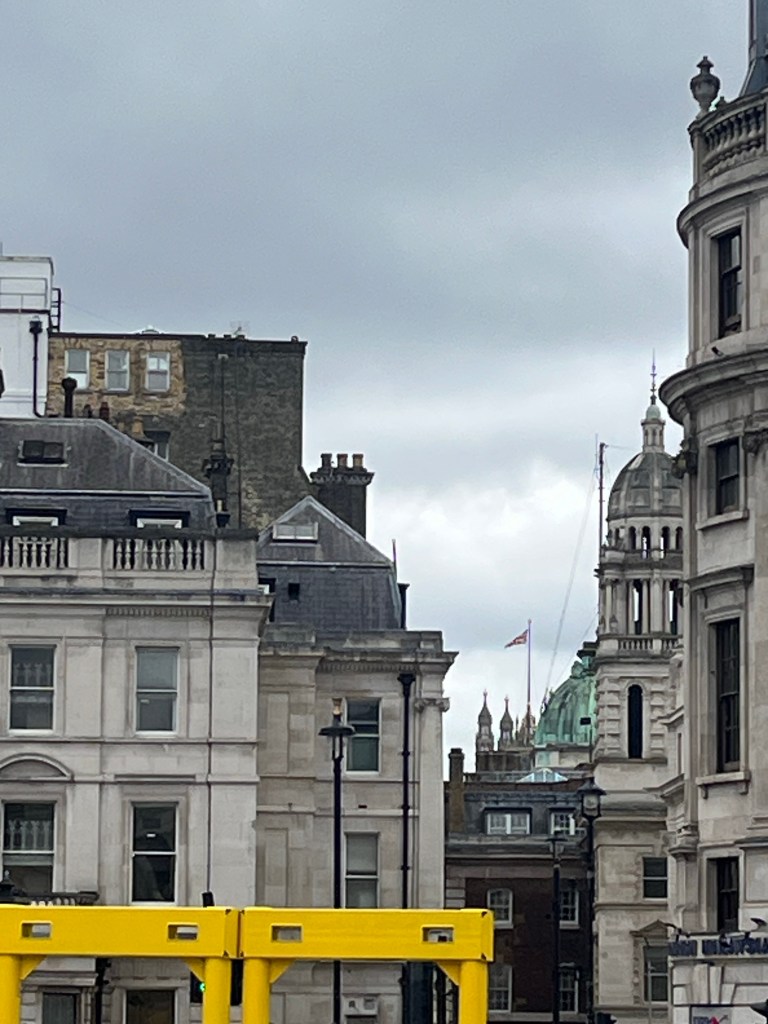
Today I have noticed the following restaurants in just a few minutes from the bus travelling through London…..

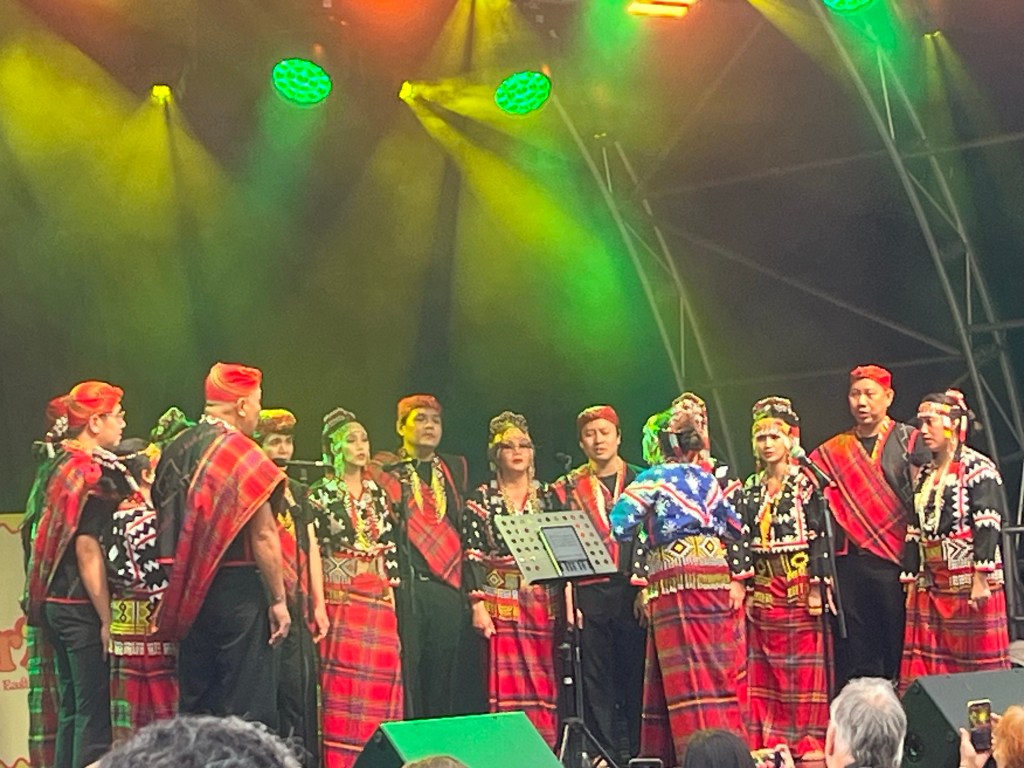
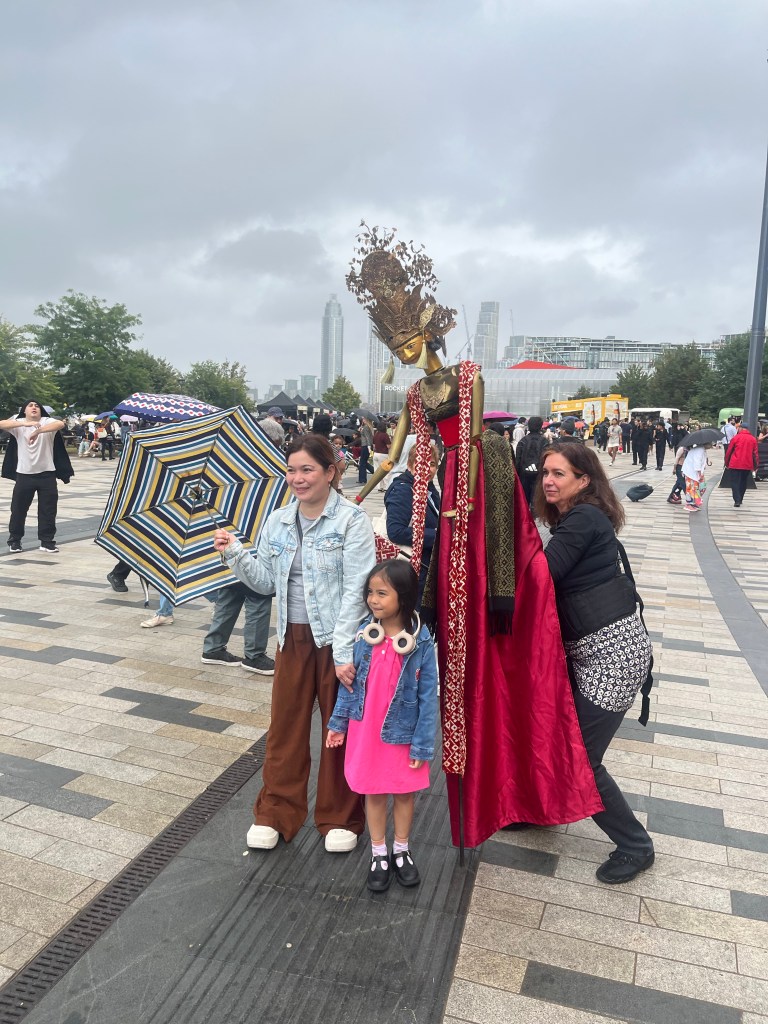
Eritrean, Keralan, Lebanese, French, Bangladeshi, ‘Indian’ mostly run by Bangladeshis), English (whatever that means), American (so many fast food joints mainly selling burgers and chicken), you name it… every country is represented in the restaurants and just last week there was a big event celebrating Asia
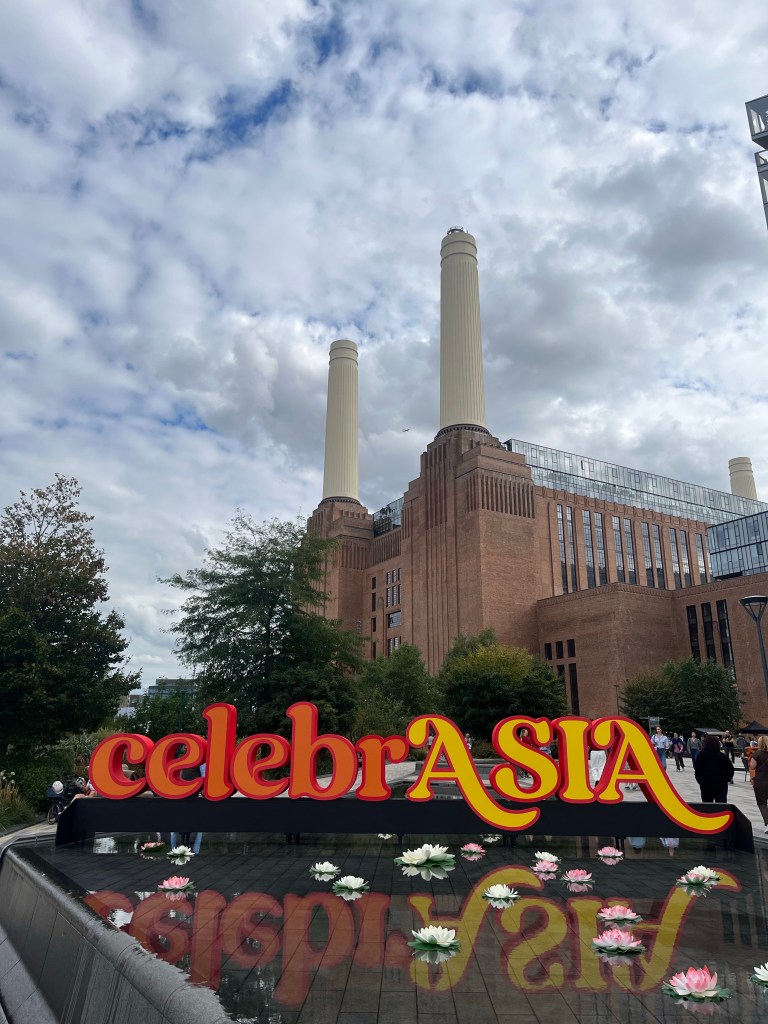
With street food, entertainment and shoppping.

Just look at the people in the city.
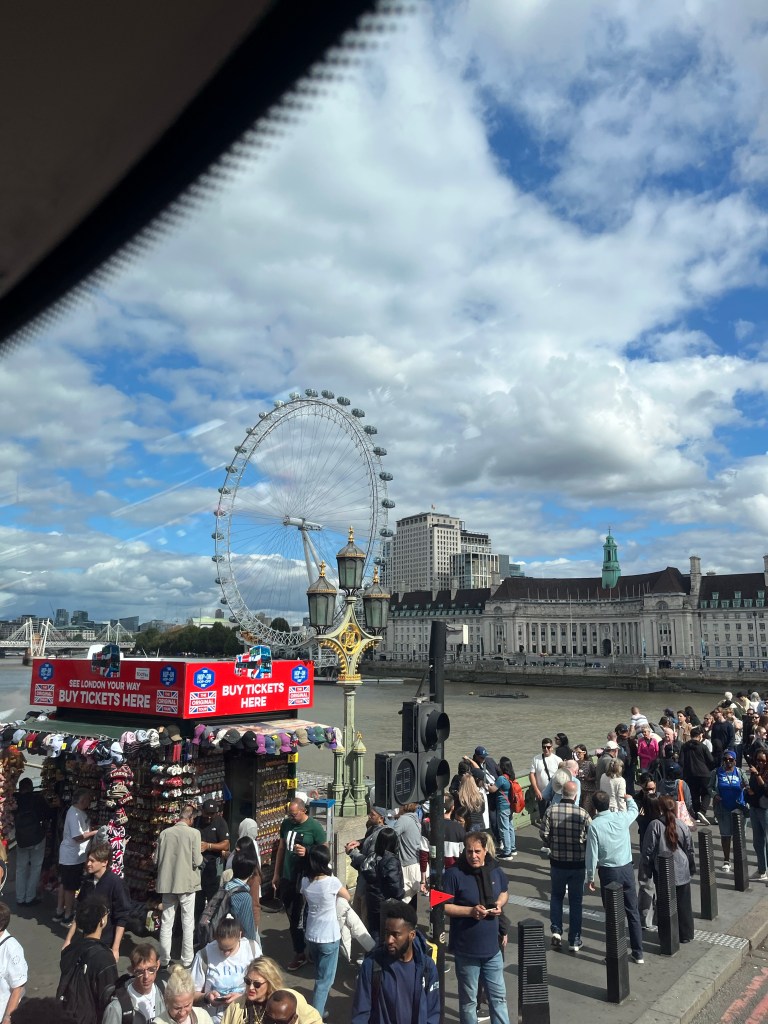
..,

Teasing
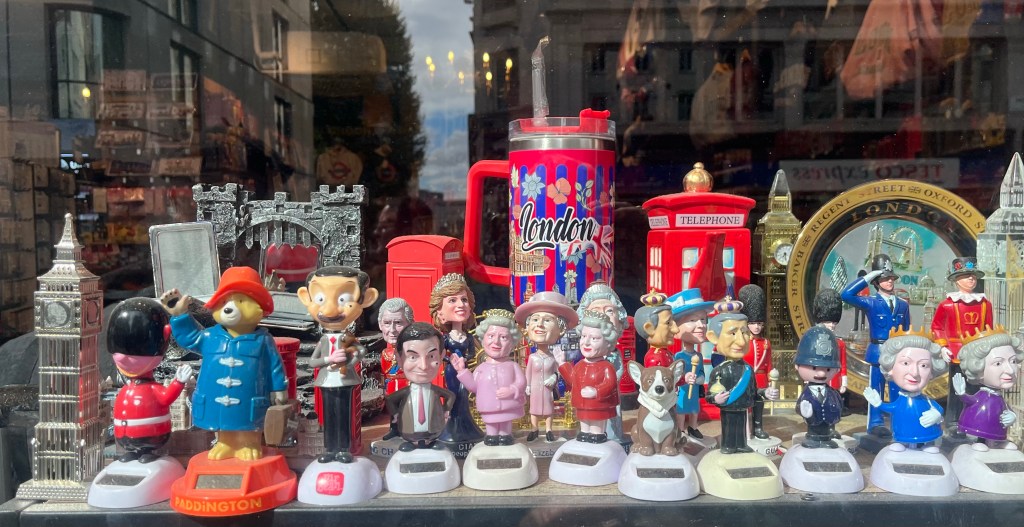
Can you name any of the characters, in the window?

Just to prove what an amazing place the world is ..

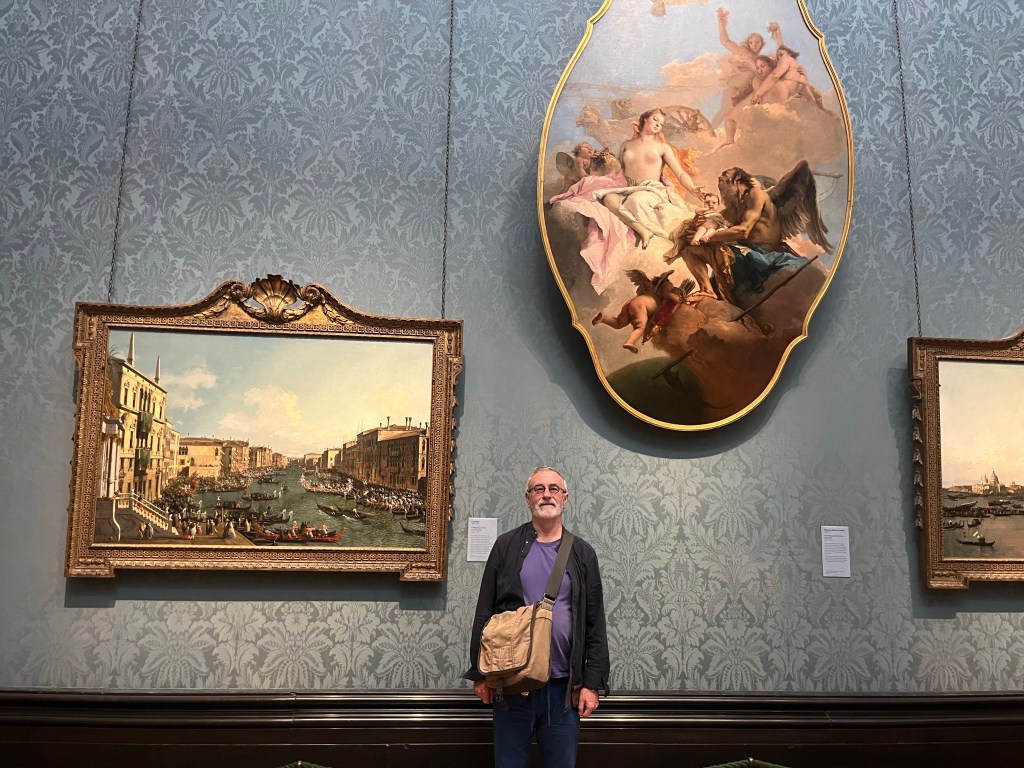
I was out with my son Ben today and we bumped into Rhonda from Australia, at the National Portrait Gallery, who was a guest at Mysore Bed and Breakfast.
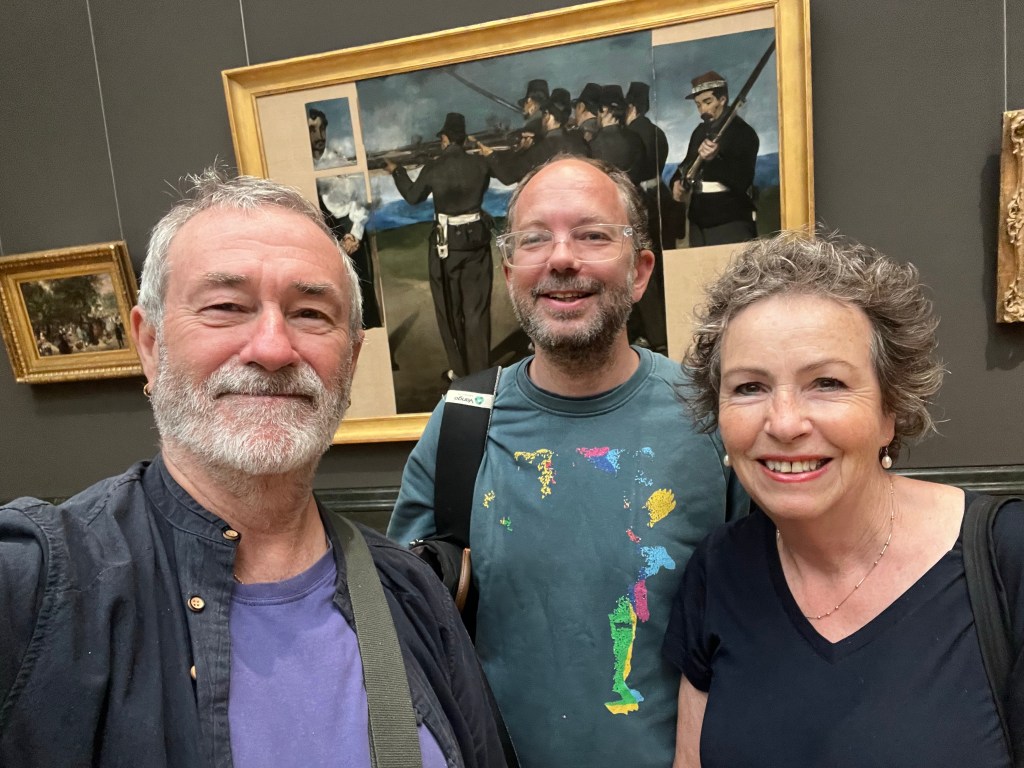
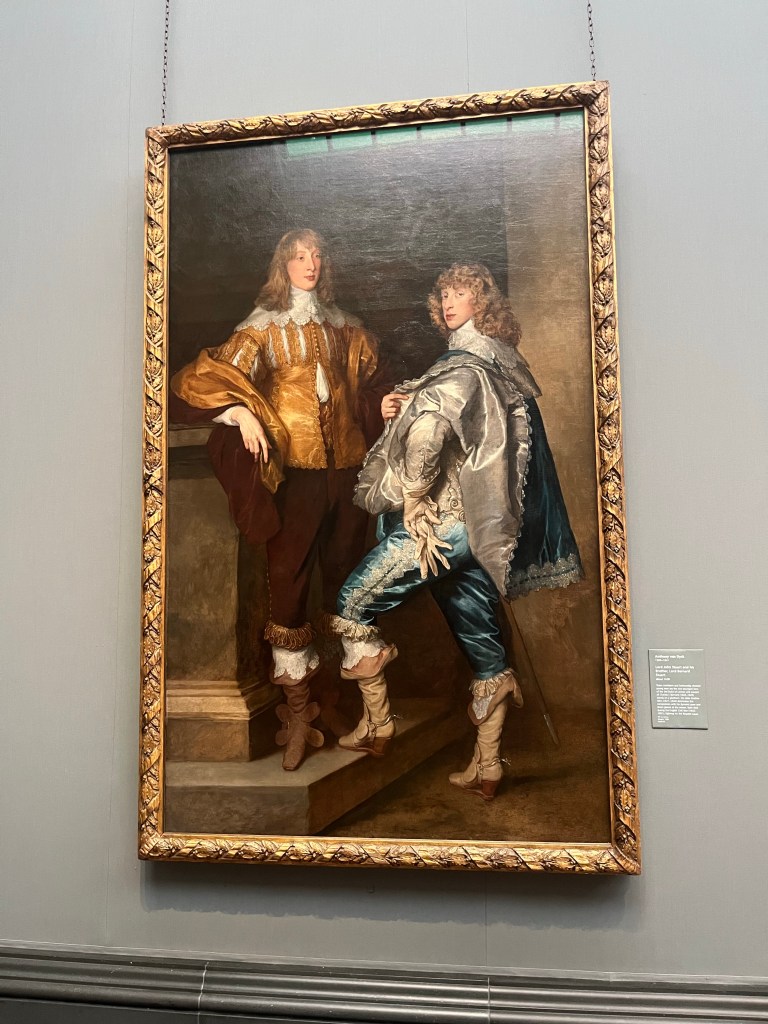
How cool is that?
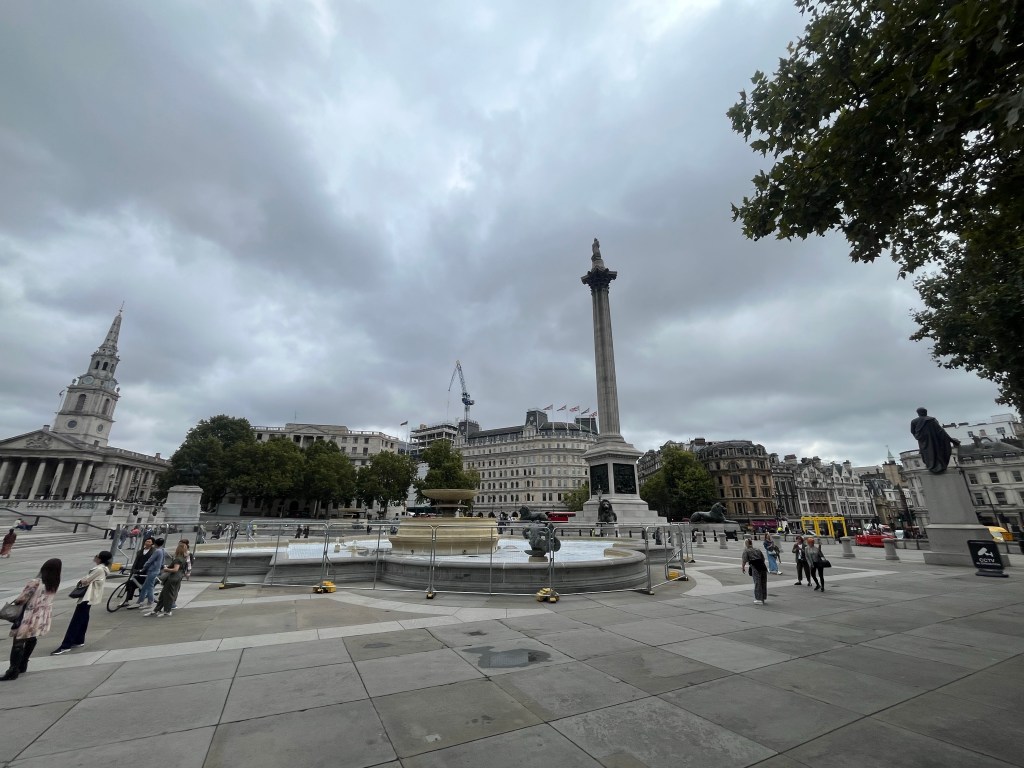
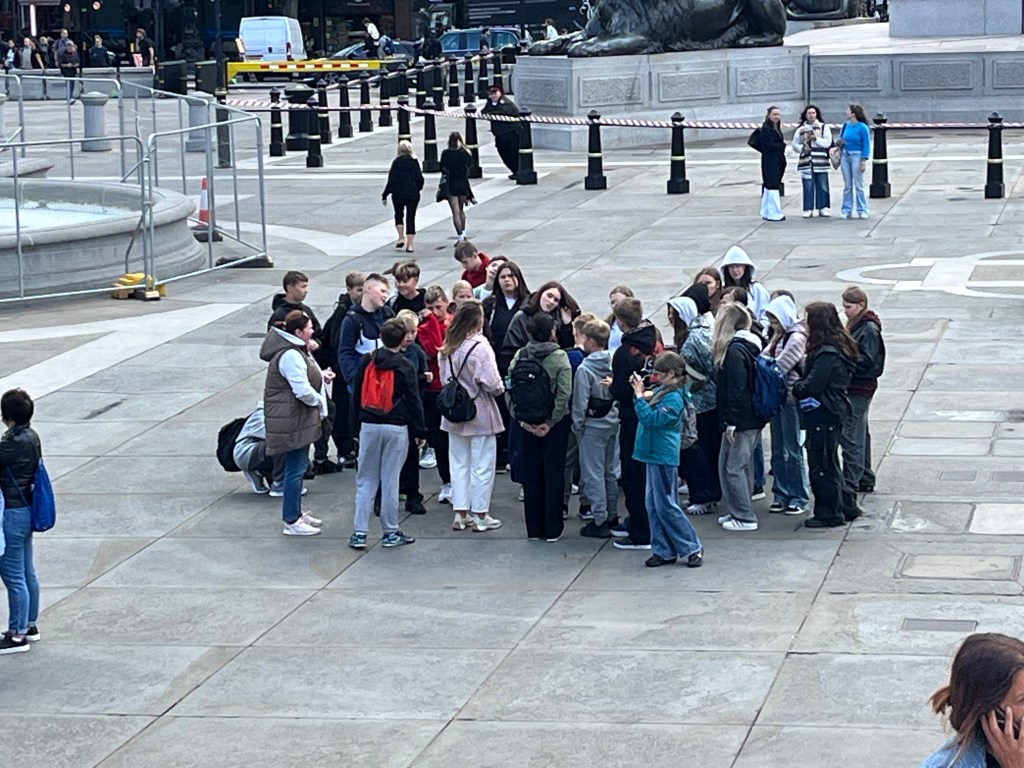
Trafalgar Square

I’m a central London tourist hanging out before I meet Brian.

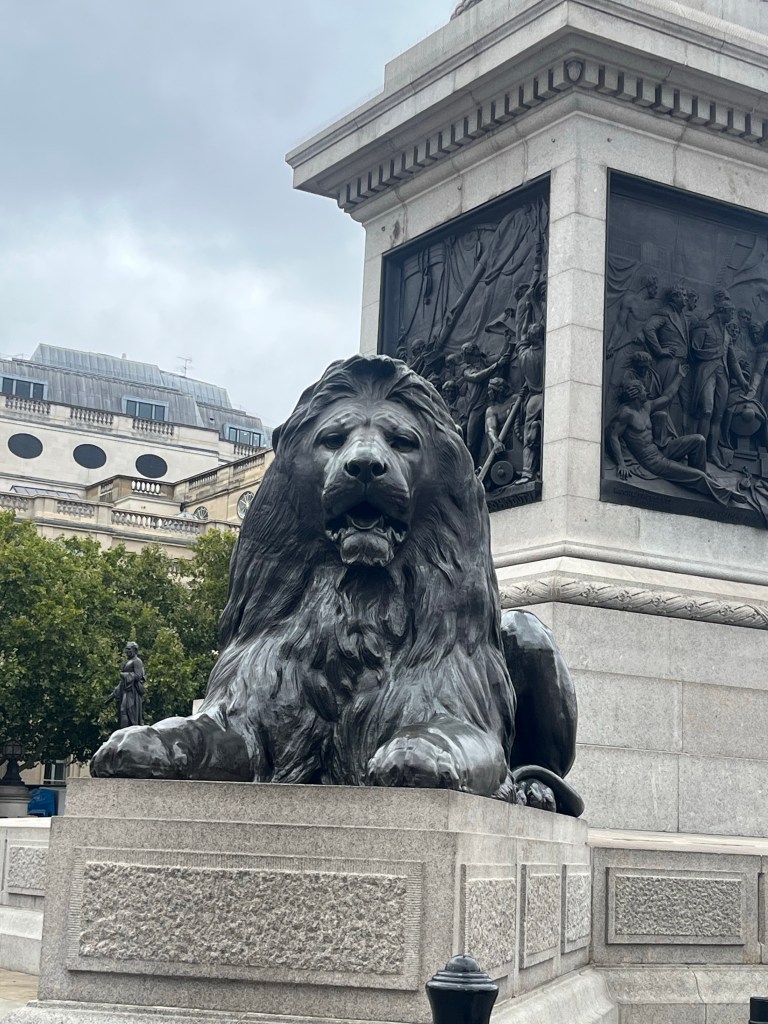
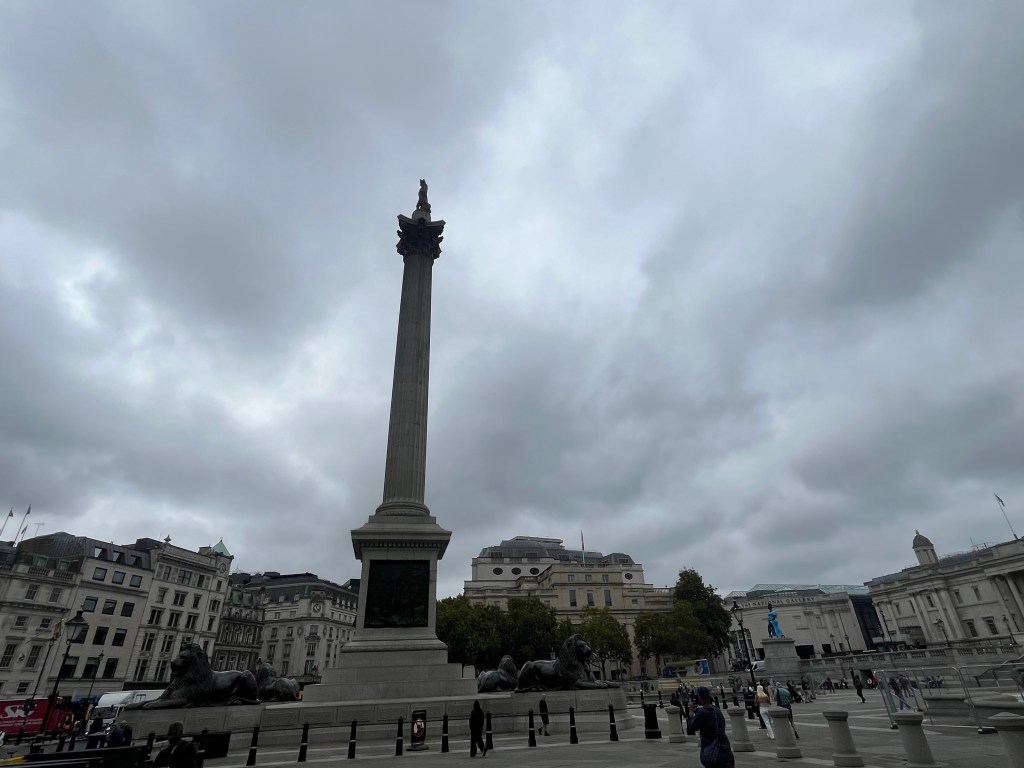
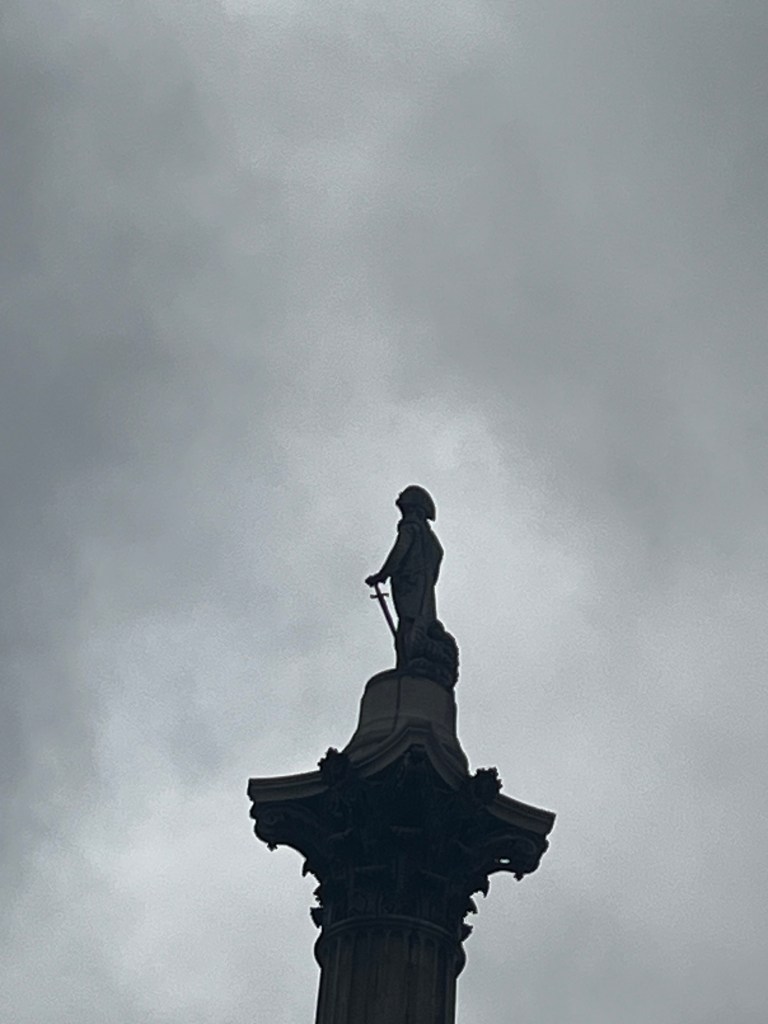
There’s Nelson’s column,

surrounded by a king and army leaders (aka known as donkeys in the First World War — the saying is ‘Lions led by donkeys’ as a jokey attack on our leaders, not much change there then ), his pet lion and …

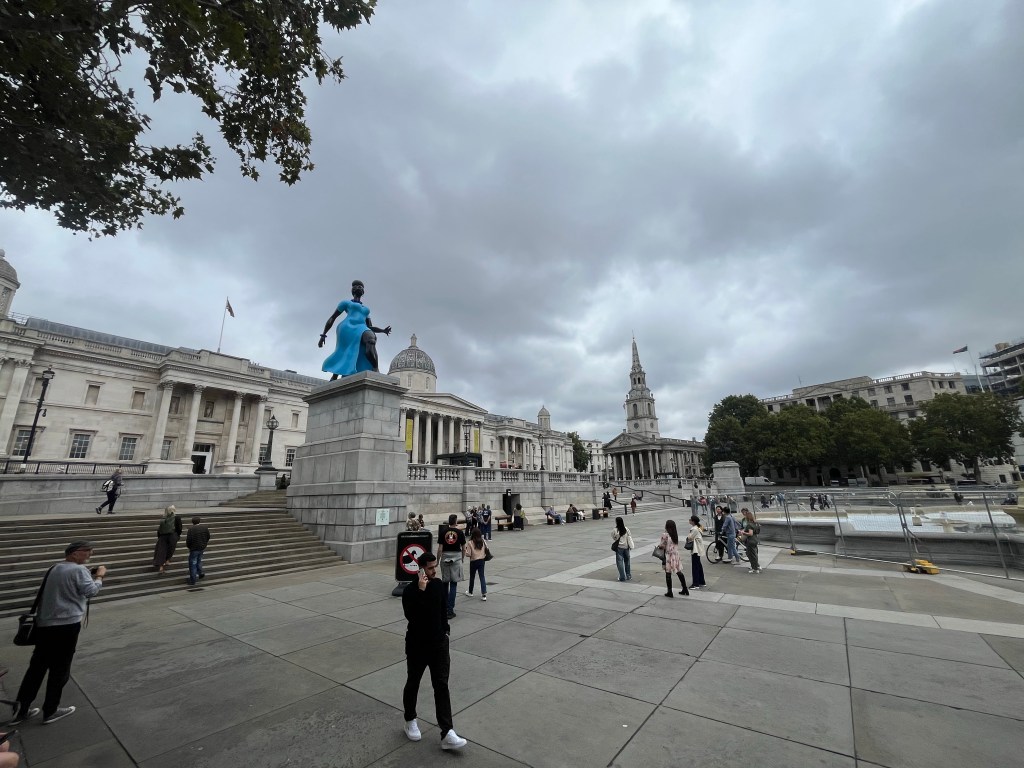
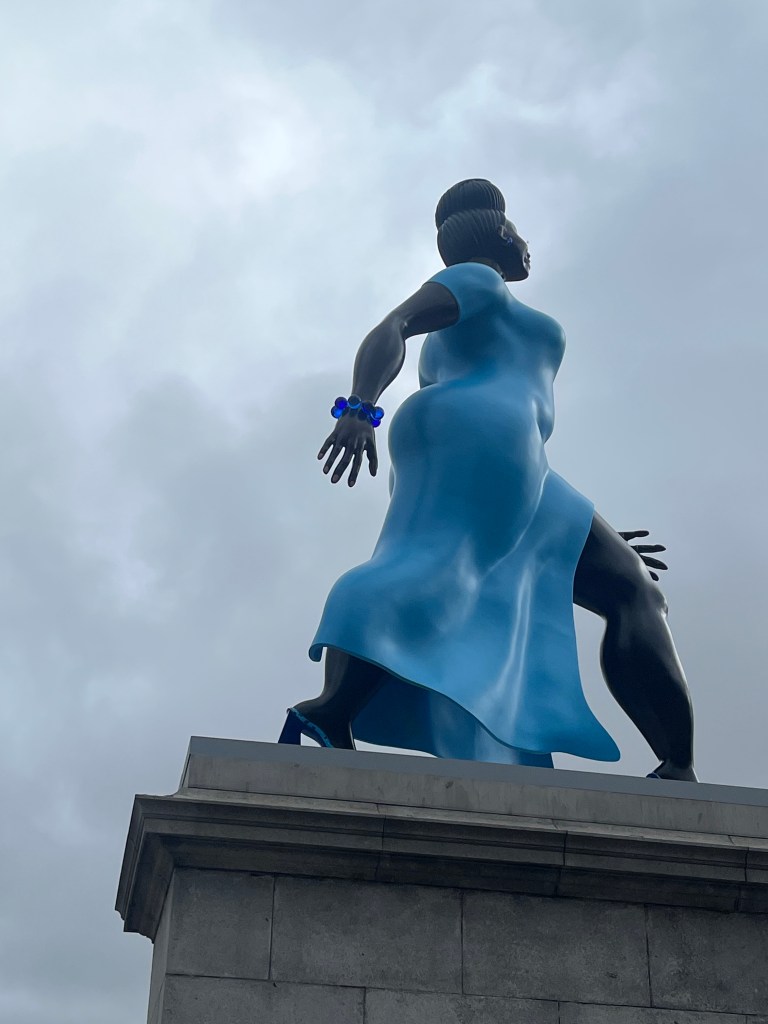
a new addition on the plinth for the latest commissioned art
I don’t fancy Nelson’s chances with her, good job he’s on a stick.

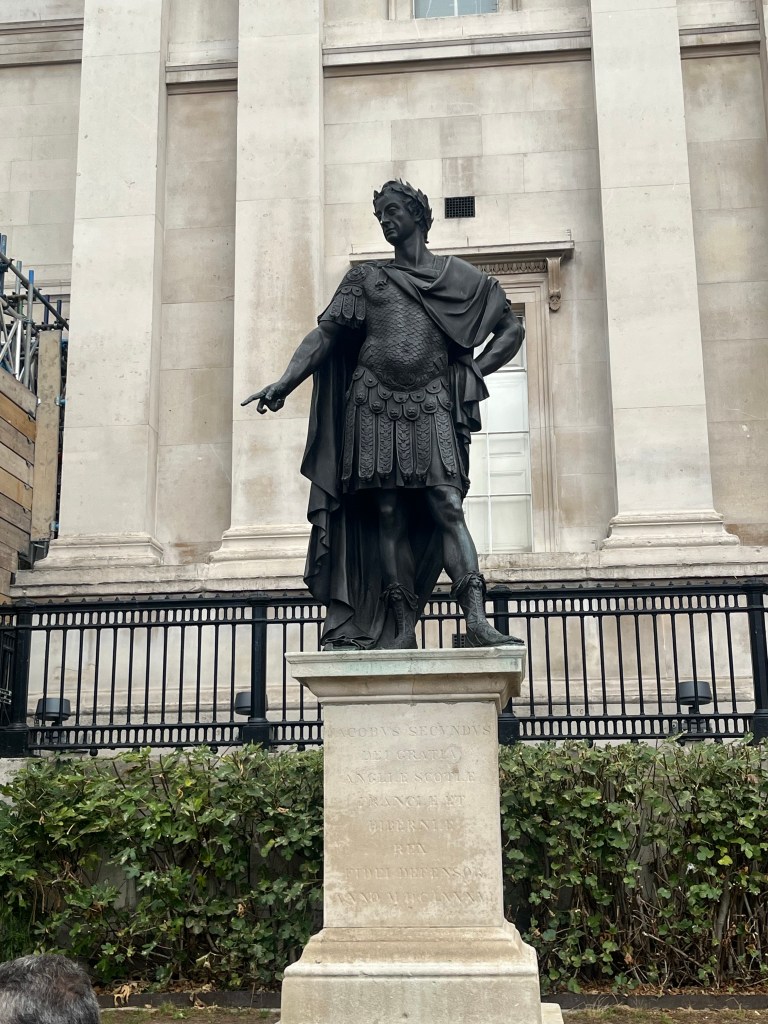
There’s also a statue of one of our Roman colonialists from around 2000 years ago. This ‘country’ having been colonised by all and sundry for a thousand years before the Normans finally took over in 1066

Interestingly we also ‘celebrate’ the British colonialism of India in the square with a statue of the British military leader who crushed the Sepoys in 1857 which led to the British Raj.

As with donkey leaders I’m not responsible for current or past leaders nor supportive of their irresponsible behaviours.

Here’s one guy who helped me from over forty years ago

Greenwich (pronounced ….

Gren—itch, not Green-witch, another of those English words pronounced differently to what you’d expect

Todays cycle ride

took me to another stretch of the river Thames

Where I found .,

The Cutty Sark. A high speed sailing ship that carried tea from India to Britain

Its in Greenwich a famous location in London with many sea going links.

The entry and exit to a tunnel under the Thames

I was opposite Canary Wharf office blocks in the east end of London

The first time I’ve explored South London, where I used to live, in over forty years. Actually I’m discovering so much more, including the extensive network of cycle lanes.

Factoids

… words from the t’internet.

Greenwich is famous as the home of Greenwich Mean Time (GMT), the Prime Meridian Line, and a rich maritime and royal history recognized as a UNESCO World Heritage Site.

Time and Science

Greenwich Mean Time (GMT): The starting point for the world’s time zone system, established here in 1884.

Prime Meridian Line: The 0° longitude line at the Royal Observatory Greenwich, where you can stand with one foot in the eastern hemisphere and one in the western hemisphere. 

Landmarks and Maritime History

Cutty Sark

The world’s last surviving 19th-century extreme tea clipper ship.

Permission to sit

The elitism and prejudice knew no bounds.

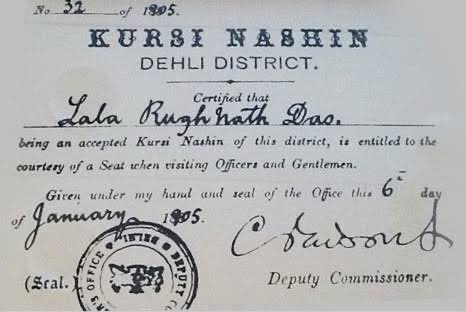
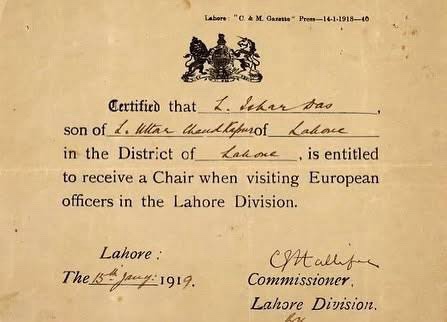
The “Kursi Nashin” (chair-sitter) certificate was a discriminatory 19th-century British Indian permit allowing select Indians the privilege of sitting on a chair in the presence of British officials.

These official certificates maintained rigid, racialized, and social hierarchies, forcing most Indians to stand or sit on the floor, thus treating them as inferior.

Key Details of the Kursi Nashin System:

Definition: Kursi Nashin translates to “chair sitter”.

Purpose: It was an instrument of imperial control and social status granted by the British to favoured individuals, such as landholders, respectable citizens, or those who served the government, to distinguish them from the common populace.

Operation: Those not holding this certificate were generally prohibited from using chairs in British offices, reinforcing social subordination.

Time Period: While rooted in earlier colonial dynamics, the practice became formalized and widely used during the 19th century, particularly after the 1857 revolt, and remained active through the early 1900s.

Regional Variation: It was not issued everywhere in the country but was common in regions like the Delhi District.

These certificates were typically signed and stamped with official insignia, making them a tangible piece of “submissive” colonial history

Thanks for the insights from Mahesh of the speak history group in Mysore.