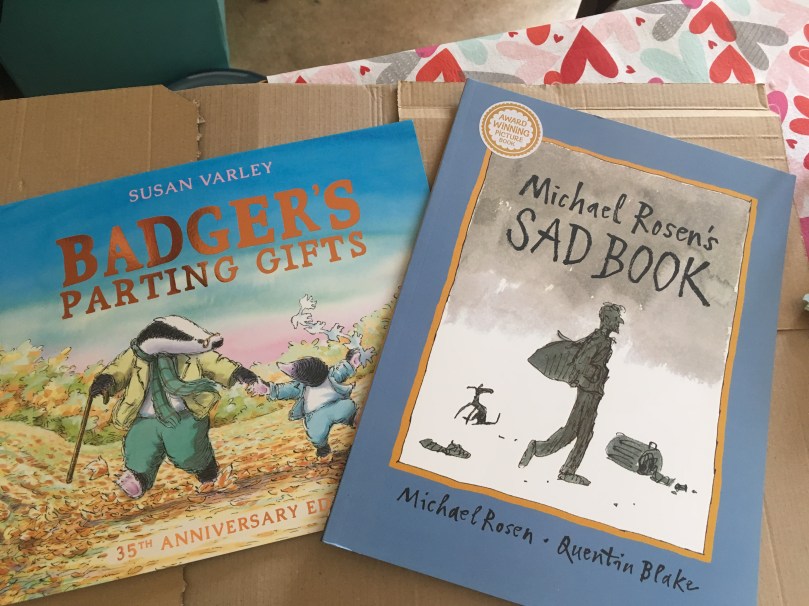
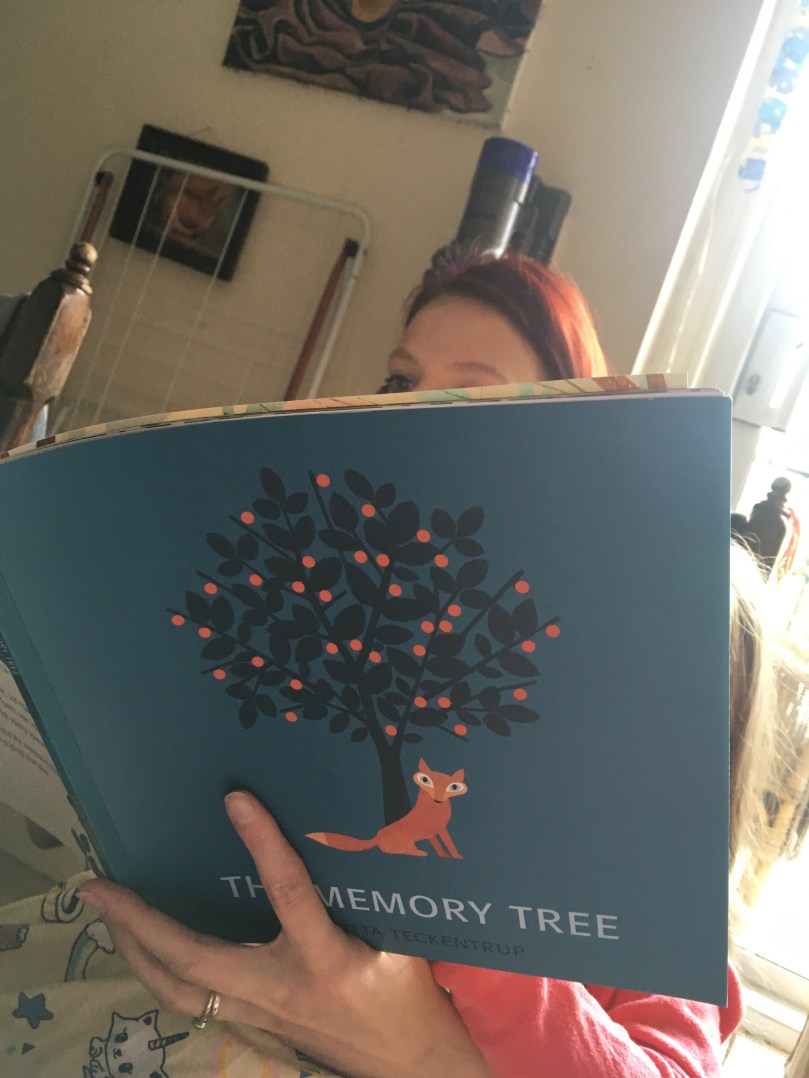
I’ve found three great books to help discuss loss and grief with children.

This is my earlier attempt through a read out letter to my granddaughter Poppy.

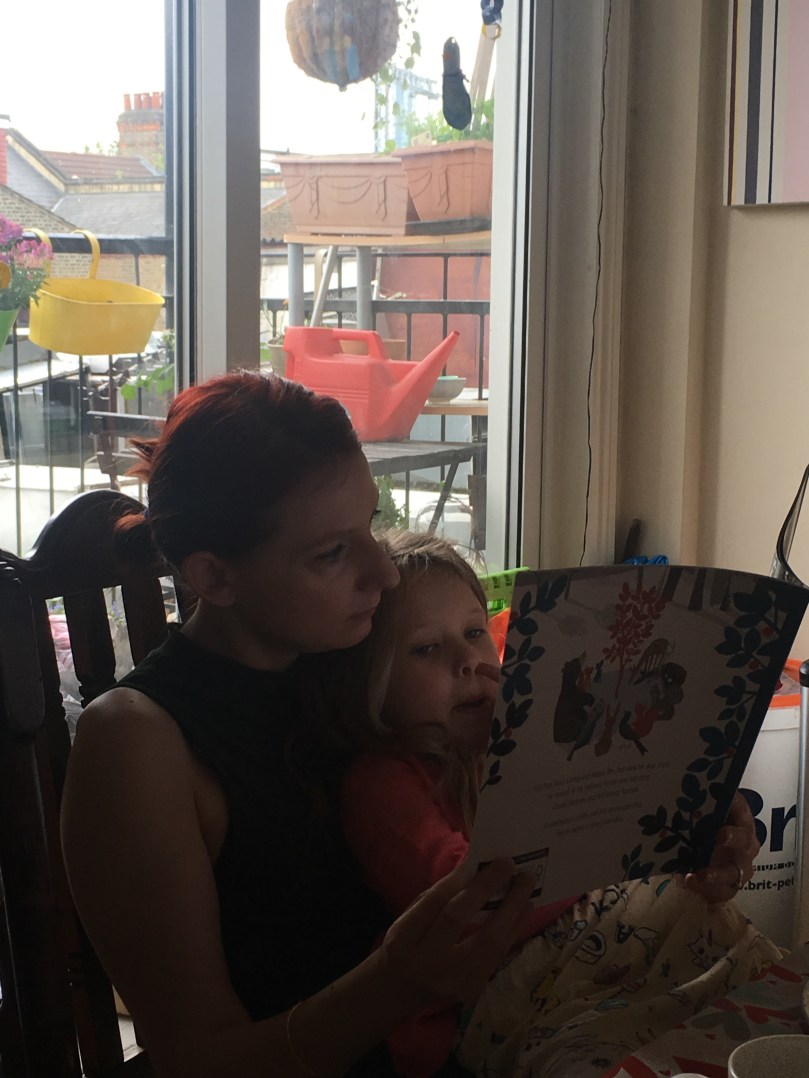
My daughter in law Alice reading one of the books to Poppy.

I’ve found three great books to help discuss loss and grief with children.

This is my earlier attempt through a read out letter to my granddaughter Poppy.

My daughter in law Alice reading one of the books to Poppy.

Thank you …. thank you …. thank you.

Friends, yes guests who have always become friends and all our other worldwide friends have been wonderful supporting me through email, messages, likes, you name it.
I’ve been in London less than a week, managed a days work, granddaughter sitting and met up for wonderful support from four different sets of guests. Amazing!

OK we’re English so invariably beer is involved.


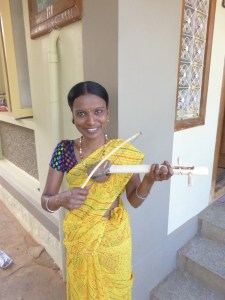
It’s eight weeks now. I’m in London and carrying with me a photograph of my beautiful Manjula.

We don’t have access to Mysore Market and it’s wonderful selection of beautiful fragrant flowers.
Manjula did however love receiving roses and the local Sainsbury’s has obliged.
Manjula is, of course, in my thoughts, every single minute but I also especially remember her by placing her photo somewhere prominent and displaying flowers on the monthly anniversary of that Saturday morning when she died.
I chose Manjula and she chose me. That made us very happy for which I am very grateful.
From The Guardian
Mary Kane

Photo by Getty Images
Many of us worry about what our lives will be like in our final years. But after spending a year following six people ages 85 and older, The New York Times reporter John Leland came to some surprising conclusions about old age and contentment later in life. His work inspired his book, Happiness Is a Choice You Make: Lessons From a Year Among the Oldest Old (Sarah Crichton Books, $16), which comes out in paperback in January. In this lightly edited conversation with Associate Editor Mary Kane, Leland talks about applying the wisdom of the oldest old to our lives at any age.
You write, “If you want to be happy, think like an older person.” Can you explain how that works?
We know from a lot of research that older people are more content with their lives than younger people are. Thinking like an older person is thinking about resilience and focusing on what is as opposed to what is not. Accepting your mortality by not being so afraid of it. When you are older, you view the time horizons in front of you differently. You understand the days are finite, and we might as well enjoy the ones we have left. The big lesson for me, the really practical one, is waking up in the morning and saying, “Thank God for another day.” It’s the conscious practice of gratitude.
Can you explain what you call “selective forgetting”?
We do forget the horrible things in our lives to a great extent but not entirely. The traumas of our lives stay with us. But we’re constantly writing the stories of our lives, and there are lots of things we’re filtering out. Usually our stories are about the positive things. That flu that almost killed you—you forget about how miserable you were. You just remember that it didn’t kill you. That friend you made when you were 14—that’s something you remember.
[The people I interviewed] saw loss as part of what it is to be human. It doesn’t make loss any more fun. But you’re not being singled out for punishment. You’re sharing that same experience with every other person that’s ever lived.
What do you mean when you say happiness is a choice?
You come to understand that the quality of our lives isn’t based in the events of our lives. It’s really in the reaction to the events in our lives. That’s a really useful thing, to realize “I don’t have control over some of the events in my life, like the weather, but I actively have a say in how I respond to the weather.” The title of the book is Happiness Is a Choice You Make, but the key word isn’t happiness. It’s choice. It’s declaring that you won’t be defined or determined by the circumstances of your life. You have a say in this. That declaration is liberating. That liberation is happiness. Happiness isn’t just the thing you choose; it’s the act of choosing it that makes you happy.
You talk about the essence of what you learned: “to shut down the noise and fears and desires that buffet our days and think about how amazing, really amazing, life is.” Can we all do this?
There are things we can do to change our ways of thinking and improve the quality of our lives. I’m not talking about depression, which is a serious illness that kills people and needs to be treated. But you can be focusing on what is, not what you don’t have and what you’re missing. Optimism doesn’t mean the future is going to necessarily be better. It means seeing that the present is better.
We are so detached from the oldest old, in a way previous generations were not. How can we address that?
We think of old age as some sort of place to visit—and not a pleasant place. But just spending time with the old is sometimes all we can do, and the most important thing we can do. Give older people a chance to talk. Find out what they care about, and what’s important to them. Older people aren’t being asked about what they need. They are being told what they need by people who have never been old.
This article was written with the support of a journalism fellowship from the Gerontological Society of America, Journalists Network on Generations and Silver Century Foundation.
This post originally appeared on Kiplinger and was published December 31, 2018. This article is republished here without permission.
I’ve had a bit of a wobble over the past few days. (Nothing surprising there, at the best of times).
With the invaluable and repeated help of Tom and Ann and of course my support hammock of friends (including Amy, Sue, Dave and you) around the world. I’ve reached a certain stage.
Clap of Thunder just came to Mysore nicely timed to emphasise.
I know it’s not absolute and there maybe some wavering or even three steps back in the board game of life.
Fact is I’ve been haunted by that final instruction to the Doctors to ‘let her go’ and not resuscitate Manjula after her second heart attack.
There is no way of knowing, there is no ‘best’ or ‘if only’. I did what I could do in the circumstances, in line with Manjula’s wishes to stop any further suffering, there was no choice really. She was very poorly, lost a lot of weight and was unable to fight anymore.
Intellectually that’s it, no argument, sort of accepted. Emotionally I continue to bounce around on the roller coaster.
Thank you for your support in this impossible situation.

I want to help Manjula get off and get back on at an earlier time, let’s relive…. let’s try again…. if only

The special flexi specs (First introduced here) aren’t good enough. I need a Tardis. (Dr Who’s time travelling gizmo)
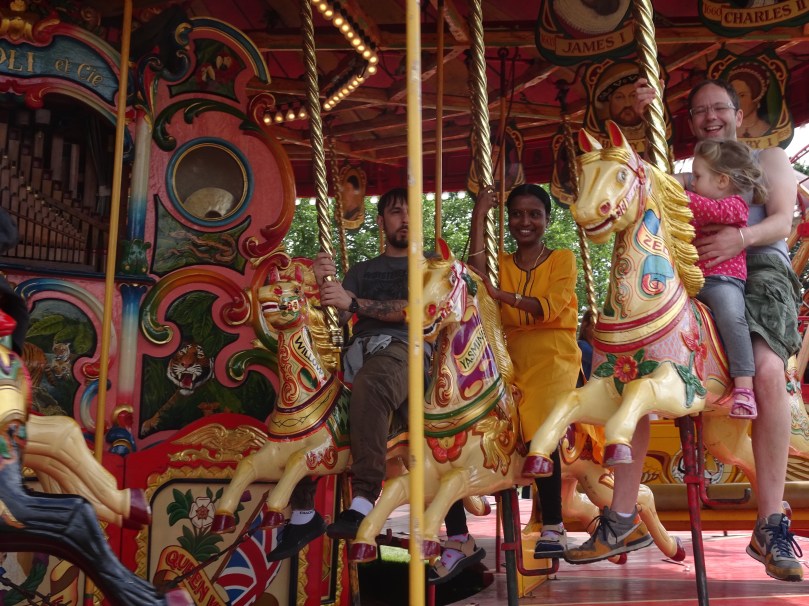
or….. I want to jump to an alternative reality rather than just time travel so that I can rerun our life but with a different outcome!. Let’s try again. I help Manjula get off one merry go round and then jump on another. In my magical thinking in this alternate world…. We meet, fall in love, this time she doesn’t get the series of crushing illnesses and we live happily ever after.
Maybe in this current world where she’s died she only had a very limited cache of ‘good’ luck; she used all the good luck that was left over in her life in the nine years we were together and thats why she had to go. In this alternative world she’d have more good luck.
You will see more of the total picture when I share her story. She did have a very very very tough time throughout her life and what seems like astonishingly bad luck in the 36 years before we met.
Yet she remained positive, a bright light with a beautiful smile she radiated joy.
Since we met she’s had better luck and we’ve had a wonderful life but Manjula still had to deal with her illness and its impact.
Maybe this bad luck in Manjula’s life would be interpreted by some Hindu’s as repayment for ‘mistakes’ or even repayment for ‘bad’ in a previous life. Whatever, there can be no doubt that she has now well and truly repaid her debt for any transgressions in that life.
Surely she now has a massive deposit of wealth in the Karma bank because of the good soul she has been in this life. So I hope and believe she will be kindly rewarded in her next life.

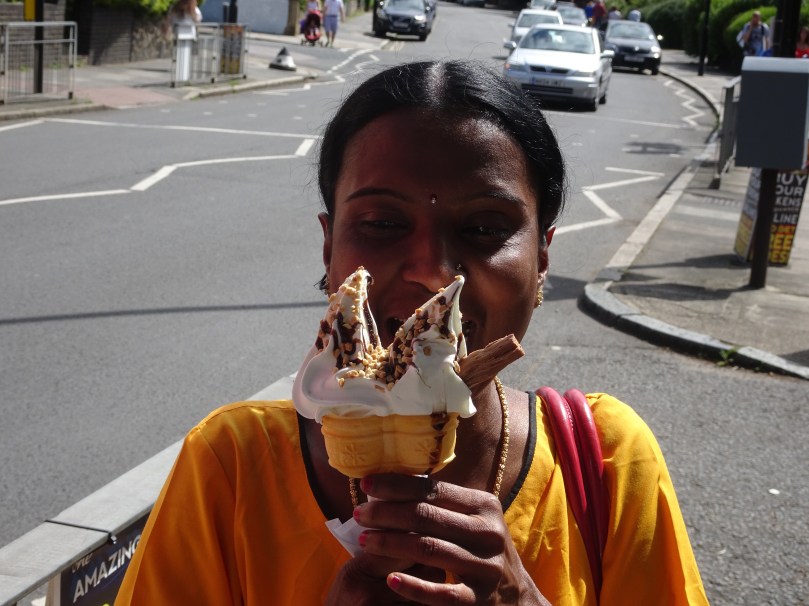
and not just with ice cream
So where is that other magic roundabout to jump onto and experience the different alternate reality? I realise I’m rambling now but miss her terribly and want her here with me now.

We have sent her off with our love and kept some of her in our own hearts.
Today is a difficult day
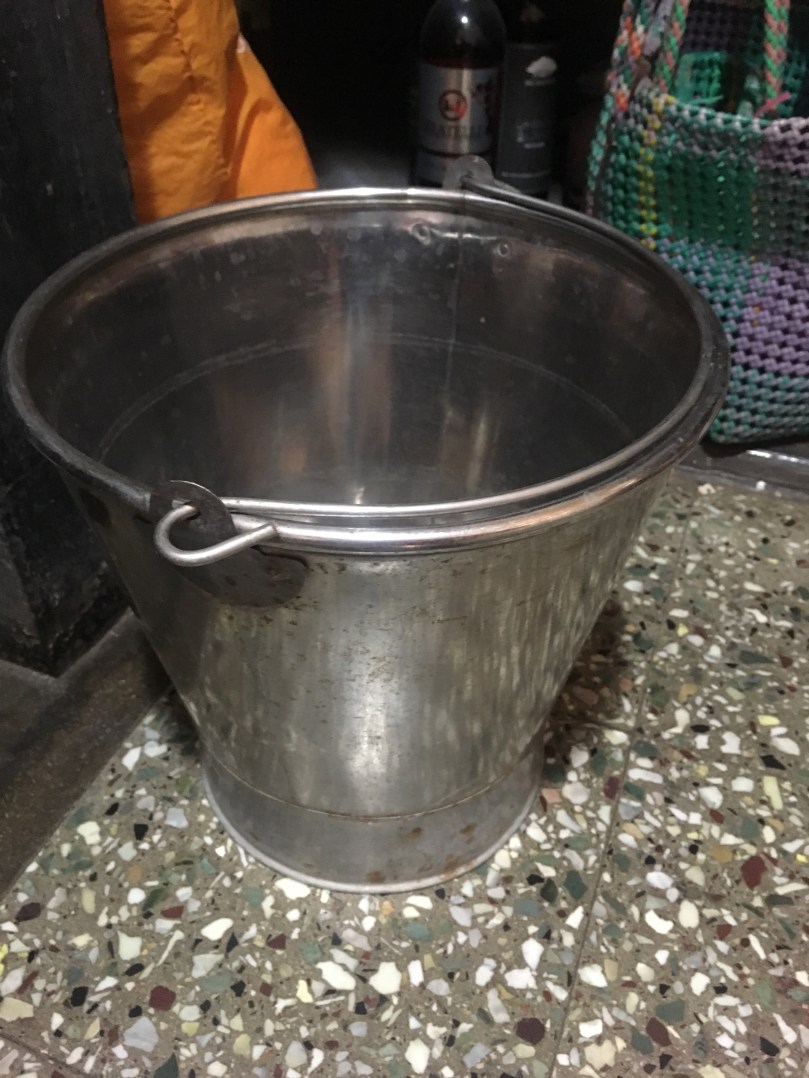
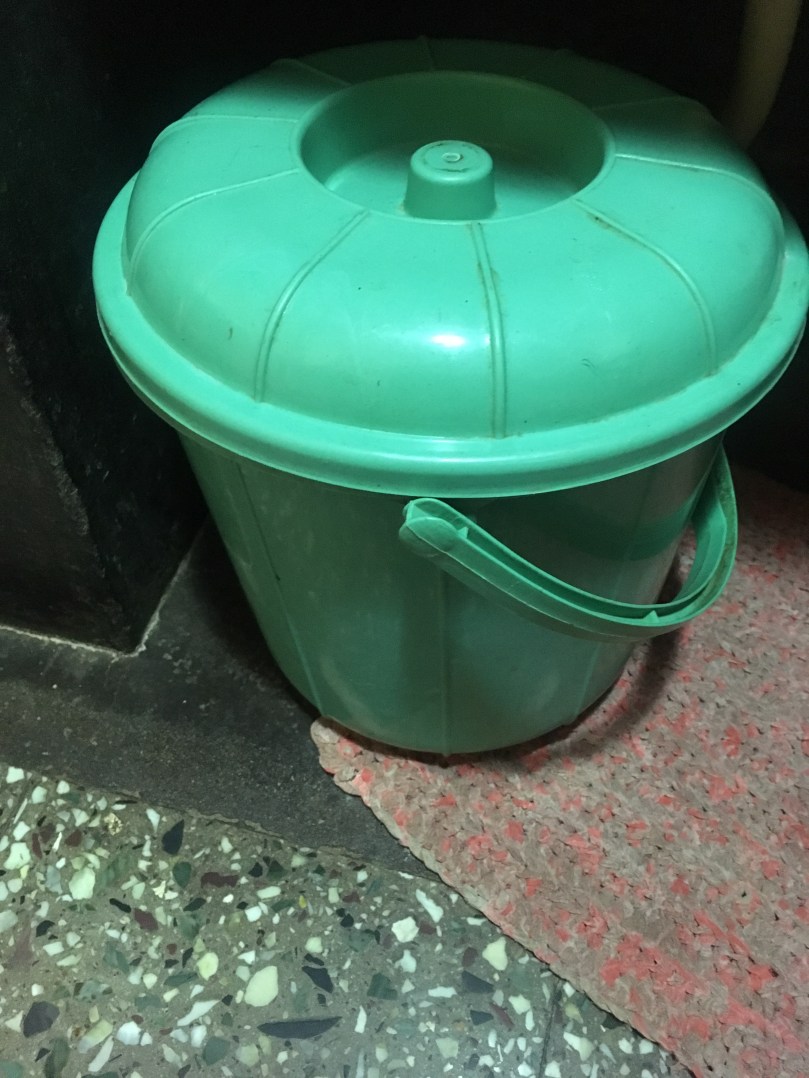
So far I’ve found three buckets (pails) of grief. As I share this, I realise that it might resonate with your own experiences. (See I’m moving on from me me me). As you know, I’m new to this. Maybe it might help others, who knows?

In bucket one is the stuff you just can’t avoid. The absolute challenges which you face when your loved one dies. The sudden trauma, the shock, the breathlessness of the realisation that she’s gone. Bam
Just like that! A wacking great big black hole.
No matter how much you think you prepare, or plan or maybe you had realised what might happen. …… It’s not enough. It has actually happened and you’ve just got to deal with it.
Your personal resilience might help, your belief system (they’re still here and gone onto greater things?) could wrap it up nicely, time will also be the proverbial healer, or so they say. My mate Tom says it’s like walking down or further away from the hill, you see more of the total picture and put it in perspective.
Bottom line is…. You ‘choose’ how to deal with it.

In the second bucket is the grief you can give yourself. You know the sort of thing. The what ifs? The guilt trips. The preoccupations. Missed opportunities. Recriminations. Regrets. The whispers you ignored. The stress.
In my view, this is the big challenge and again you choose. In this case you can maybe control how much you open the tap and fill the bucket.
So how much angst is there to be?
I don’t live a life with regrets but this is a whole different ball game. The smallest chink of light, the smallest possibility to catch the grief and you’ve got it. It’s hard.
In my and Manjula’s situation.
We’ve been dealing with a series of serious illnesses for over three years. I wonder if we could have handled it differently. More regular tests, quicker responsiveness to trying new things, better lifestyle such as exercises, different opinions, complementary medicines. I know though that it was very tough for Manjula, she hated the tests (usually with disapppinting results) the clinic merry go round, the manic mother hen husband, the too many tablets.
The second main choosing-to-give -myself-grief issue is how well we used the last twelve months.
After a spell in intensive care a year ago and her unhappy experience on a ventilator she was given another lease of life. I look back at the photos. We sort of had the old Manjula. After six months she began to lose weight, they thought she might have TB and her drugs didn’t seem to work. She was slipping away and I just didn’t know what to do.
At the end she’d had a heart attack and real difficulty breathing. This was on the Friday evening. They’d resuscitated her and not intubated her in line with my (her) request. On the Saturday morning she had another heart attack. Immediately before we managed to discuss and she only wanted to be on ventilator if it was a day or two. There was a real likelihood she would never be able to come off it. I decided to let her go.
We did do good things. We have so many happy memories.
She was keen to properly celebrate her birthday in August, she wanted to continue the BnB even as she lost more weight and lived between her bed, the downstairs lounge and outdoor sit out. She loved and livened up when meeting the guests.
We managed a final holiday in Kannur, the site of our first holiday together after becoming engaged three years ago.
Our time was precious. We had a wonderful, odd maybe but amazing relationship. From different worlds but all the better for it.
In that final year there were times we both knew where it was heading. Manjula would once or twice talk about death. Me forever the coward didn’t want that, couldn’t deal with it and worried that might in itself help bring it on. We had to remain positive. We should however have discussed it properly. Some might say I was in complete denial.
We seem to choose whether and how much to give ourselves the grief in bucket two, maybe not even the time of day or perhaps the full flow.
I realise now it’s useful to create your own narrative or ways of fathoming it all out. It requires a balanced view. I think we did the best in the circumstances.
Bottom line is ‘it’s how it is’

In bucket three the grief is more existential. What’s the purpose or point in life? What happens when we ‘move-on’ ?
That can remain with its lid on!
So now as we approach The fourth week since Manjula died we have a few more things to do to help her on the way.
It may now be time to step aside from the angst. It’ll still keep popping up but I’ll hold it with me
I thank you for allowing me to share and your kindness, patience and support by being there for me and Manjula.

Next I plan to bring you herstory.
Yes, I’ll lighten up…