Why does the foreigner

Save that old stuff

The neighbours think I’m bonkers and a joke.

Art work from every place in India is throughout the house. They can sort of understand that, but it’s not practical or functional.

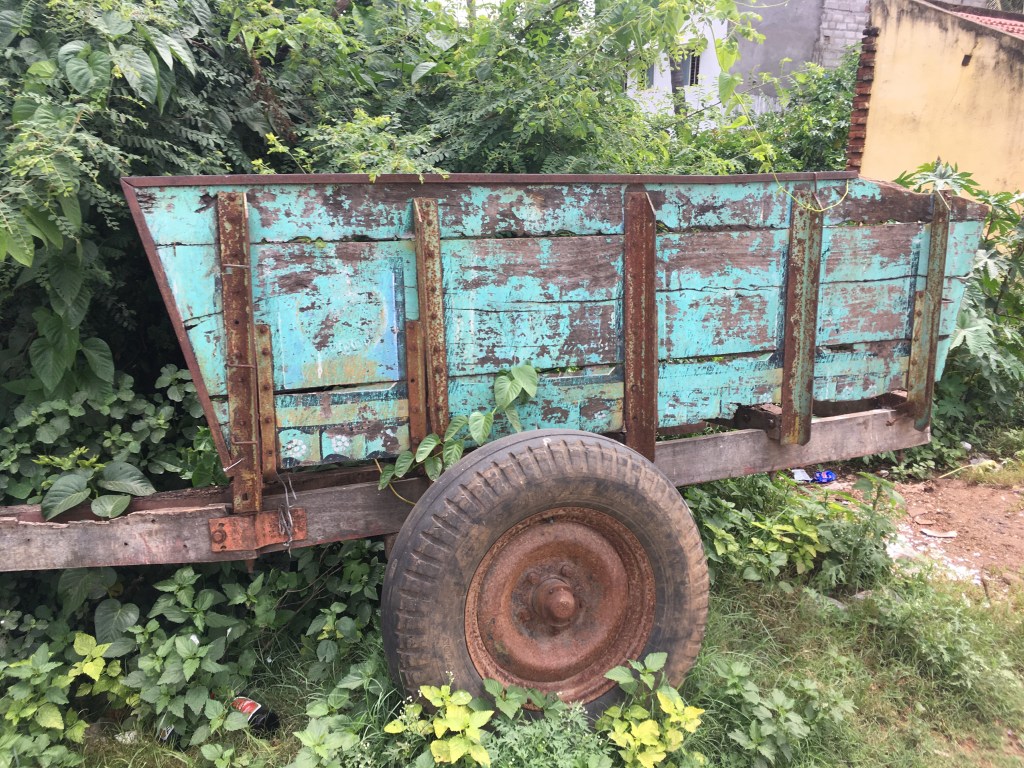
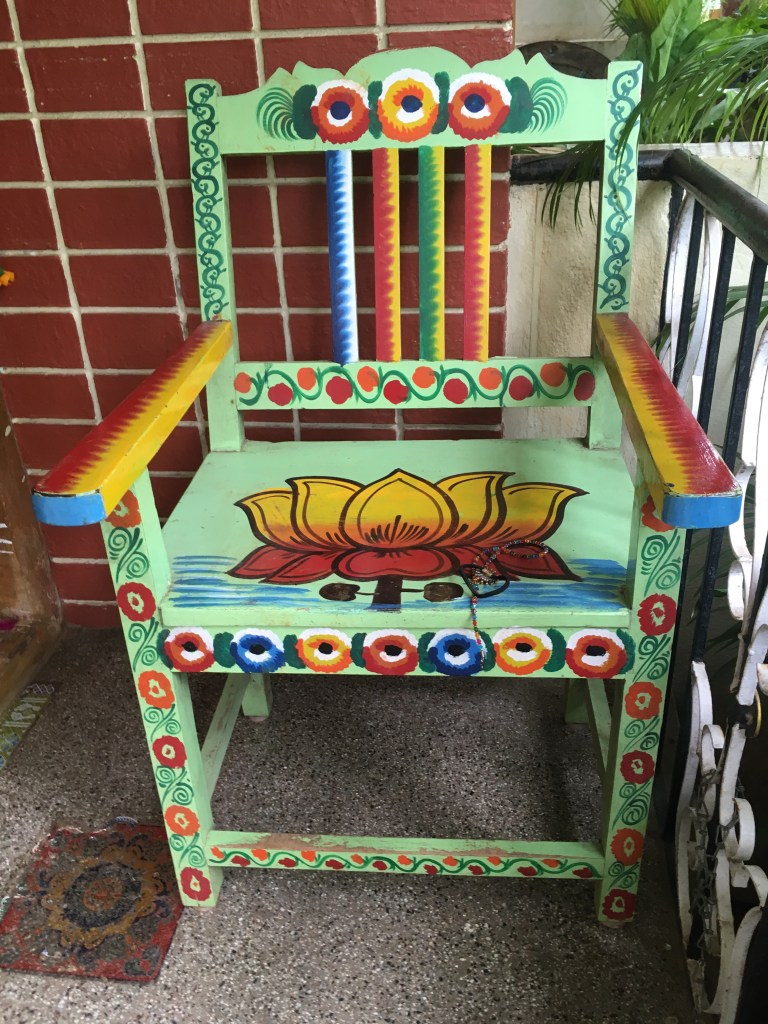
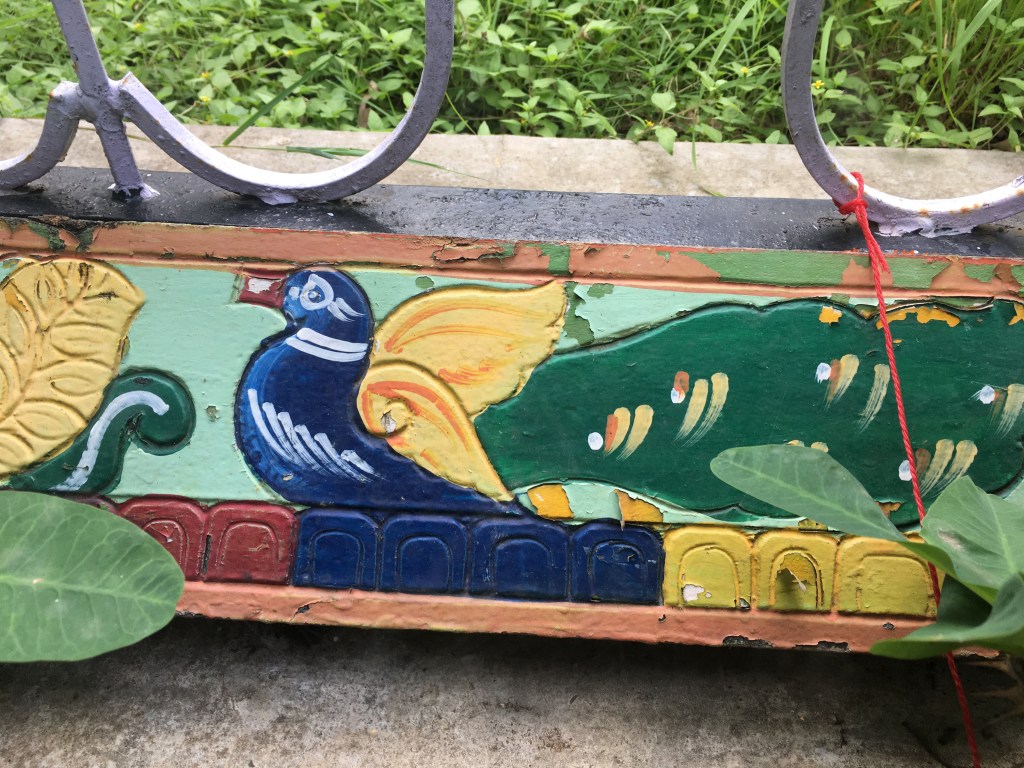
Why save the wooden wheels, the cart sides, painted chairs?

I remember as a child, the horse drawn wagons, workshops repairing wheels and tailors in every town. They’ve all gone now.

We still have them here but they’ll go. In the eight years of mycycle tours the number of wooden ox carts being made at the workshop we visit has decreased by over eighty percent.

Hopefully some will recognise what is happening and work to preserve the heritage…, fab city, life affirming trees, characterful market, .. beautiful colourful women, skilled artisans there so much wonderfulness. , Otherwise in future years the neighbours will remember the crazy foreigner and realise he was right and understand what they’ve lost.

New things

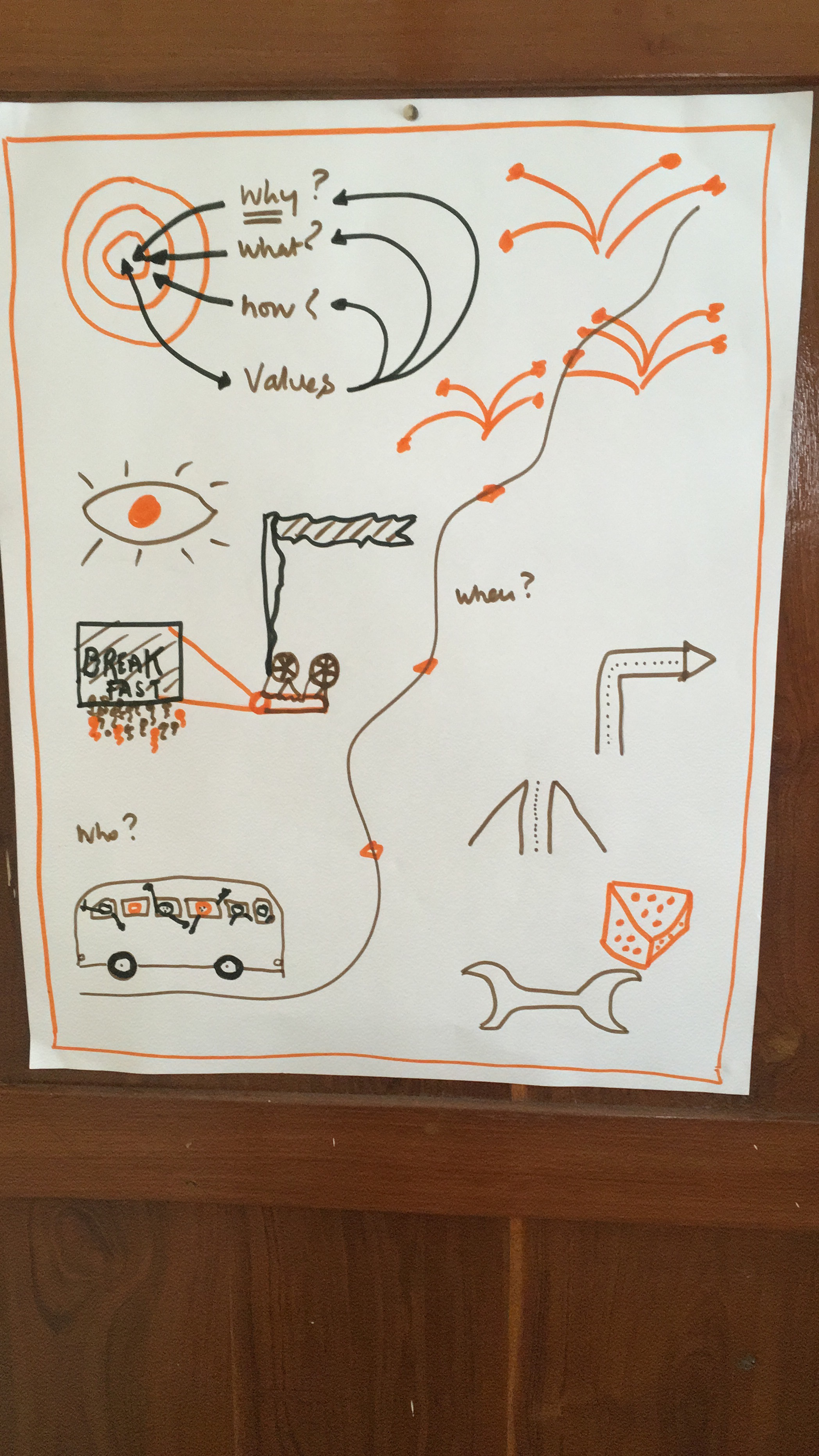
My good friend Faizan introduced me to the Mysore Storytelling Network. A lovely group of people working to promote storytelling. I’ve joined a couple of their meetings to help where I can in creating the foundation. Here’s our last agenda.

I’ll try develop a reading and storytelling project as an example of MAnjula giving.

Here’s why the New Yorker think this is important:

“Storytelling is the oldest form of entertainment there is. From campfires and pictograms—the Lascaux cave paintings may be as much as twenty thousand years old— to tribal songs and epic ballads passed down from generation to generation, it is one of the most fundamental ways humans have of making sense of the world. No matter how much storytelling formats change, storytelling itself never gets old.

Stories bring us together. We can talk about them and bond over them. They are shared knowledge, shared legend, and shared history; often, they shape our shared future. Stories are so natural that we don’t notice how much they permeate our lives. And stories are on our side: they are meant to delight us, not deceive us—an ever-present form of entertainment.”

From New Yorker 6th July

guests become friends

……. become family

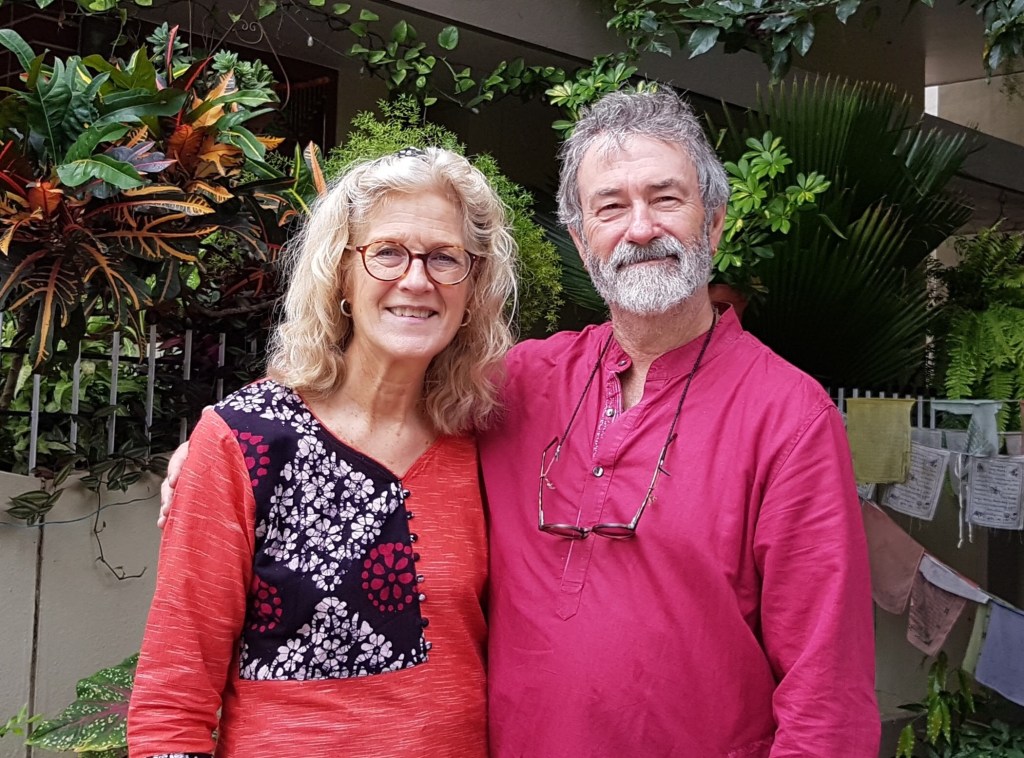
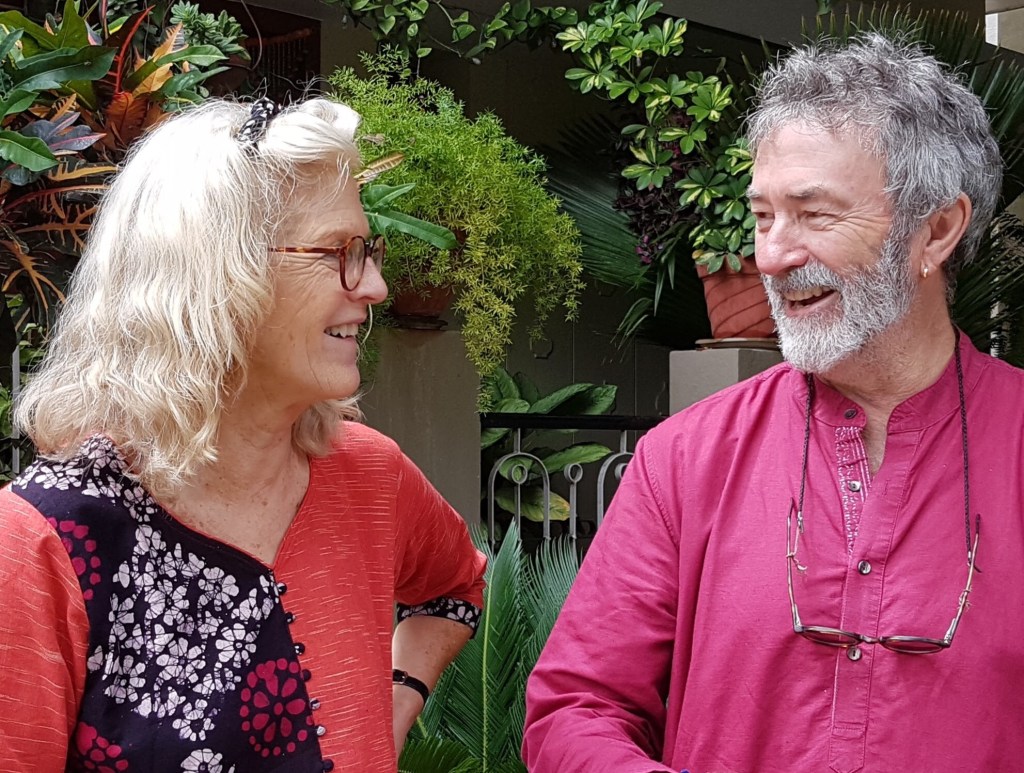
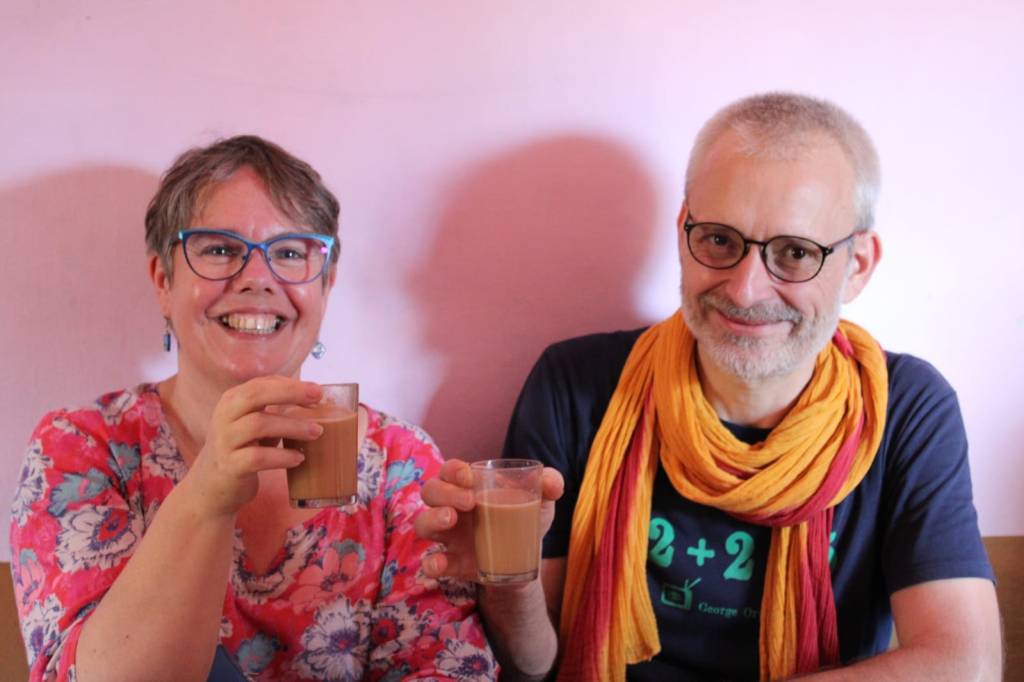
Meet Jean-Yves and Nathalie from Paris came to share our home, meet Manjula, me and Lucie. It was our first season after Manjula in her strong independent way slipped through my clumsy fingers but we all felt her presence.

Jean-Yves is a nurse and works in an ‘addictology’ department in a hospital. Previously a psychiatric nurse, he likes and is very committed to his job. He always raises questions about society, inequalities and he is waiting for the Grand Soir for more social justice.

Nathalie, is passionate about human relations, also has a strong conscience and ethics who is responsible for social action for the archaeologists department. She likes to participates in and creates actions for the climate and social justice.

They live in a small apartment in the XIVth district of Paris, in a charming little cobbled street. They like to walk together for hours in Paris and enjoy travelling to countries like India. Together they are looking to broaden their insights and gain a more accurate view of the world.

It was fun and a real pleasure getting to know Jean-Yves and Nathalie while welcoming them to our home. They are an interesting, thoughtful and caring couple. We had a great adventure together on a mycycle tour but I’ll let them tell you themselves about their visit through their wonderful online presence. There are two entries here:

Meet SB

Sowbhagyhya aka SB aka lucky lucky (I’m not passing comment on her good fortune in finding a job here, it’s what her name means) has now been at Mysore Bed and Breakfast almost nine months. SB’s responsible for cleaning, preparing rooms and tolerating the English guy and has now realised that her job grows and becomes more interesting.

SB has watched Manjula’s cooking videos (check here and here) and made a great meal last night. She’s realised one of the ways Manjula made wonderful tasty food is to not cook too much. We look forward to reintroducing Evening meals over the next season. That’s October through to March, assuming we get any guests in these uncertain times.

Thank you SB for doing a great job. I know you’re happy to be here and I’m happy we found you.

As you’ve found out today, with your role in managing the gardener, your role, your tasks, your appreciation and fun will change.

Why write?

I’m trying to create something new in my life since misplacing the beloved one.

It’s to try my hand at writing, specifically to share our story.

Last year I wrote a few short stories posted on this site as factly fiction. They were to help me learn, improve my writing and find my voice (it’s still lost).

As a trainer and guide I’ve been telling stories anyway and I’ve realised that writing is an extension of that to share ideas and insights.

One example of a fictional story is the Phoenix Coup. I was taking ideas of how we could organise differently. Shift away from endless growth, decentralise control and localise our activities. Some of the changes we’ve seen and need to see more of at this ‘time of virus’ such as a guaranteed minimum income, reducing the working week, more active participation in organising things themselves are being reported on. For example local labs or a town that has sorted out its own testing for the virus

So why write? It’s to share ideas and connect with people in a different way.

I hope you find some of interesting and even entertaining.

Consistently inconsistent, that’s my India…


1 Bearded ladies

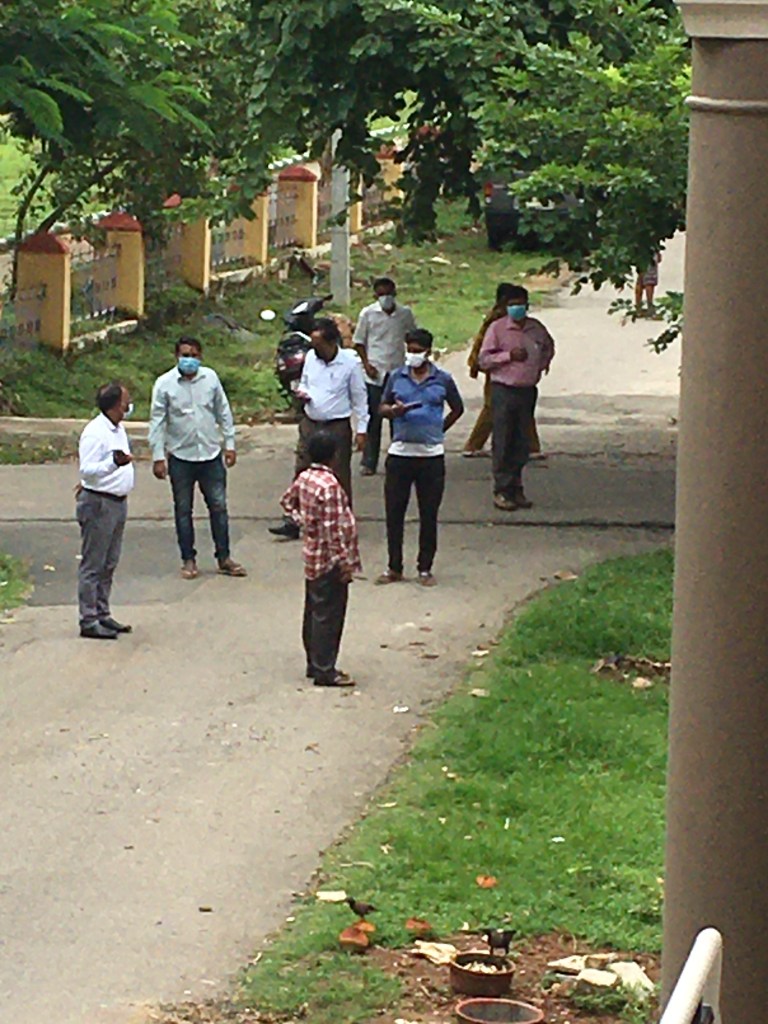
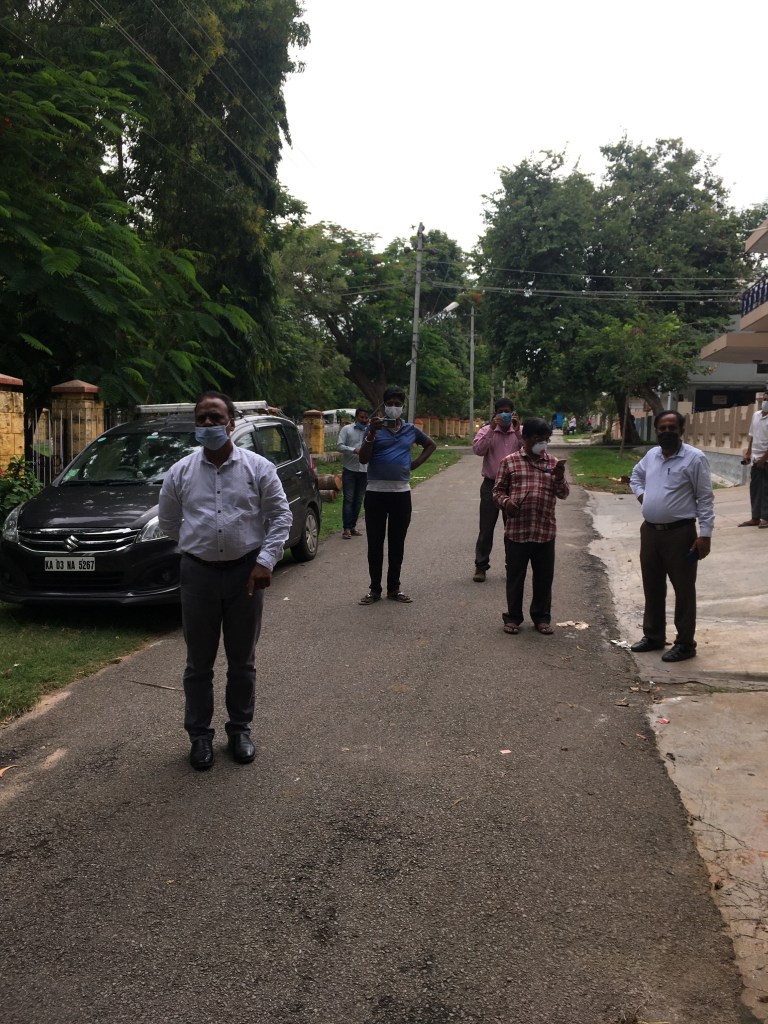
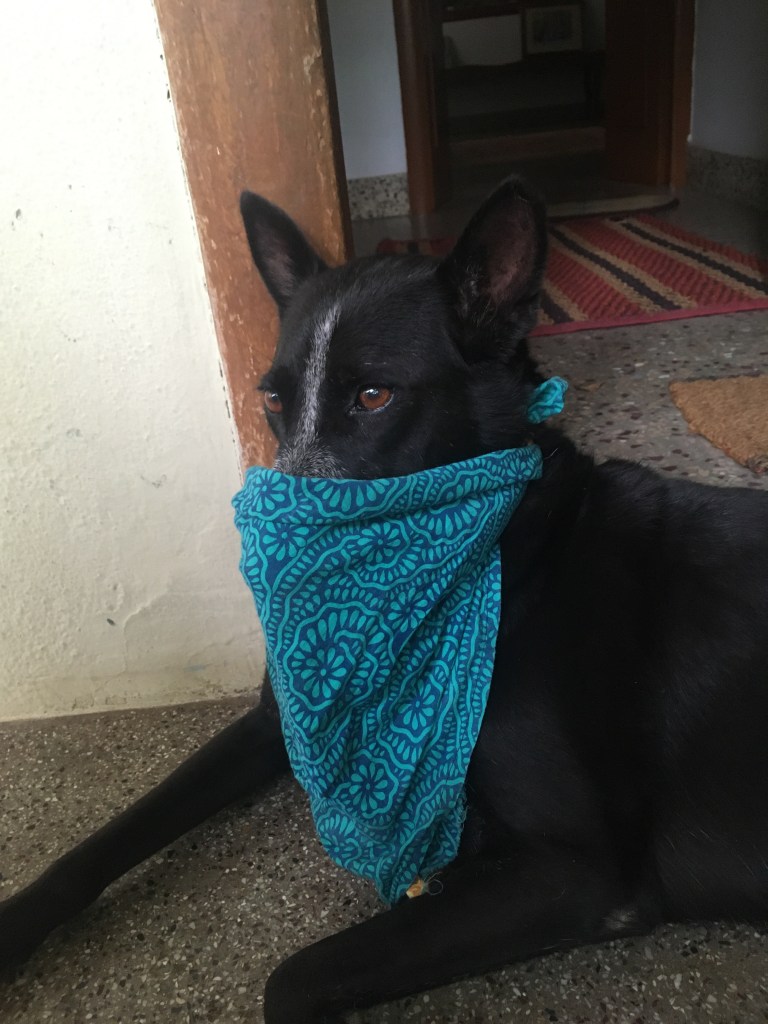
Bearded ladies, I’m joking, it’s about people wearing face masks, they do sometimes look like bearded ladies. At lockdown 90% of people walking the streets were wearing facemasks, astonishing to see that level of compliance, it wouldn’t happen in England. Now that lockdown has loosened its 80%. That’s worrying as over the next few weeks expecting thousands of repatriated Indians from abroad should be even more careful but credit where it’s due people are unusually for India, following the rules.
bearded lady with a disguise.

2 mobile phones

not driving while using the phone, haha, you must be joking… on a carefully calibrated sophisticated sampled study, yes random cars driving past me standing on a corner, before the ‘time of virus’, over 50% were using their phone. Hardly any were on hands free and a fair proportion were even texting. and the number one loser was a policemen.

He was in his fancy big SUV/Jeep type police vehicle, driving along the double road (dual carriageway) with his arm out of his window texting on the phone. Bad.

This is normal in a place with normality, that’s NOT following the rules.

This is not to say it doesn’t happen elsewhere in the world, this just happens to be were a live, it may be exactly the same everywhere else, it just isn’t

3 Drinking water

Now this is the most consistent thing I’ve ever found in India. When drinking an unbelievable 99.9% of people don’t let their lips touch the glass or bottle and this, in the land of inconsistency. Apart from being a great safe practice, this is probably number one example of people in India following an ‘unwritten rule’ seriously. It’s true, even where water is in a jug at a chai shop , or yes, on a wall alongside a construction site, everyone does it. Astonishing!

Virus 5

On your own in lockdown? Who do you talk to?

First and foremost MAnjula. In the morning, last thing at night and as I write, aspects of her story. This is her favourite colour and one of her chosen flowers. It’s on of five crore and one memories. Roses were for specific events such as birthdays or just to say I love you. Yes, me, fab.

On solo lockdown I’m here walking with Lucie who together with the crows and squirrel in the tree by my balcony are my feathered furry friends.

I’ll say hello to neighbours and pass the time of day but my closer friends are further away. I get regular calls and emails to check I’m OK

Zoom and FaceTime are of course essential. Particularly to be in touch with daughter-in-law (aka family lubricant) and sons Ol and Ben. Oh and of course my granddaughter when she has time in her busy life and is telling me to wait. 🙃🙂😉☀️☝️

Don’t forget the plants

Or create an entertaining video about the very subject.

Or see how untouchability serves this new situation and helps create a new other

Social distancing

Social and physical distancing, our new normal, in this time of virus has different cultural implications here in India. For more, check this article

Manjula has helped illuminate, for me, something of the prejudice arising in society related to religion, caste, class, race, gender and colour. Aspects of this will feature in our story.

The virus and society’s response highlights those inequalities. This isn’t solely about two distinct groupings of the untouchables and the non- untouchables (savarnas) It’s far more complex and relates to a finely layered strata that’s not confined to Hindus and India.

The right wing shift experienced in most of our societies, does by its very nature exaggerate these differences for political advantage. The social, economic, political distancing is therefore a tool which we’re now reinforcing.

So here’s the next giant leap. This prejudice, elitism, separation of the haves and have-nots, call it what you will, is nothing new, fact is it’s obvious and everywhere and been here for aeons. It’s fundamental to all our societies but it doesn’t have to be.

The factor that connects all these seemingly dispirate disconnects is the way we organise ourselves, our hierarchy, dog eat dog mentality. It might have served us in the past (that’s debatable) but it (yes including brutal free market ways of organising focussing on growth regardless of consequences) is NOT fit for purpose.

It doesn’t serve our needs.

By ‘our’ I mean everyone and not just the self appointed master class or the people in the ‘developed’ countries and not just humans. Another interesting article in two parts here and here covers this.

It’s no accident that the poor in the UK have been demonised in recent decades to support and reinforce a range of political policies including ‘austerity.’

We’re in a sorry state, in so many ways which are clearly interrelated and need to realise it and act. We have opportunities now.

.

Says he, sitting on a balcony in south India who can’t even activate himself to do yoga.

Our separateness politically, economically, socially, spiritually is not sustainable. Rant over…..

And I’ve just found a New Yorker article helps illustrate aspects of what I’ve tried to cover.

Another article here helps illustrate how extreme this was traditionally in India and how a new ‘other’ forms

Manjula was full of them.

Ideas and jokes that is.

It all did begin as a joke. Justin is leaving Mysore so we’ve craftily fetched a couple of useful items that he can’t take with him.

That’s our first stage.

Manjula’s concerns included what to do with all the stuff I was bringing home. Especially art and books. She reckoned there wasn’t enough room. Wrong!

Second she wanted to give me things to do when I couldn’t lead cycle tours anymore. When I was 75, or so she thought.

Well it all started with Faizan borrowing. Now we have Manjula’s library. She’s left it a bit messy.

There’s also a work area and..

Balcony.

Available for guests and our friends in Mysore

Sunflower day.

Hello from lockdown land here in Mysore. Lucie and I were getting bored with each other so we’ve created sunflower day. It’s a day to invite friends to visit. Here they are in the photo. Can you spot them?

How many are there?

Someone’s sneaked in five pictures of Manjula. That’s cheating and only counts as one.

Update: I can see three gods clearly, and there are two hidden away.

There’s more detailed photos below

There’s three gods in this photo, where’s the Australian animal?
One god and a dog
We have so many friends…