Maid in India 1

Quotes taken from ‘Maid in India’ by Tripti Lahiri :


11023900603_31641bd177_o
an image from a postcard that we publish


“We eat first, they later, often out of food portioned out for them; we live in the front, they in the back; we sit on chairs and they on the floor; we drink from glasses and ceramic plates and they from ones made of steel set aside for them; we call them by their names, and they address us by titles: sir/ma’am, sahib/memsahib”


Think that’s in the past?

Well, think again.

“In today’s India its not unusual to see, often in largely empty restaurants, a couple seated with their child at a table for four, while the help is despatched to sit not one but two tables away….. or a nanny dandling a child on her lap at a nightclub while her employers and their friends drink cocktails as it creeps towards midnight, her hours of sleep dwindling since she is no doubt expected to be up and ready for another day at sunrise…. or for example children playing in a neighbourhood park, seeing a plump, light-skinned boy on a swing crook his finger at the petite darker woman standing nearby and utter a single word: Push”

Womens’ life experience is an incredible indicator of how a particular society works, from top to bottom.

In India the situation of women and particualrly those who are most socially and economically excluded, in this case, the ones that serve others, shines a spotlight on the social mores, the rules by which we operate, the structures and belief systems that helps maintain the status quo.

It also shows something else.

That is, how these women in often extraordinarily challenging circumstances not only manage but can thrive, can flourish and through that, show their astonishing abilities. In a sense, the influence they subtly exert and how they deal with the changes facing them can also demonstrate to us, on a macro level, how to deal with some of the challenges and opportunities facing contemporary India.

Let’s take a look.


The disconnected

He’s talking about coal but makes fascinating points about contemporary society, political challenges we face, how we’ve created this mess and the actions we need to take

We are, today, at the end point of a millennia-long process of disconnection. Since we first built cities and started leaving the land we have been disconnecting from nature; losing sight of it, quite literally; losing our vocabulary of it, to the extent that blackberry is no longer a fruit to be plucked and eaten but a device to tie us to our desks when we’re on the toilet.

Nature was just the beginning. While this slow severing has been going on for thousands of years, the last few centuries – the reformation, the enlightenment, the industrial revolution, and capitalism – performed the amputation.

In capitalism, we have created the first social organising principle based on selfishness, the first system to make greed, competition, non-cooperation its credo. In Thatcherism, we have the declaration that there is no such thing as society. In neoliberalism, we have a system which alienates us from each other, from our labour, from democracy; a system which declares we have great choice while turning everything into a supermarket aisle full of different but identical toothpastes; a system which insists we have great freedoms while systematically removing more and more of our capacity to have any real control or influence over, or stake in anything real in our lives.

That’s why we can have politicians actively discussing doing something which not only makes no economic sense but will actually kill people, while most of the population turns away to binge-watch the next series on Netflix.

There is only one way through this – we have to reconnect. And it’s already happening. Around Australia and the world, people are seeking out reconnection in all sorts of ways. We are starting community groups, getting involved in community gardens and food co-ops, starting childcare and health co-ops, joining sharing groups instead of buying more stuff. Instead of always doing things on our own, as disconnected individuals, we are looking for innovative ways to work together, to eat together, to live together. And, excitingly, we’re banding together to create social and political forces to be reckoned with.

Check the full article here

Special 


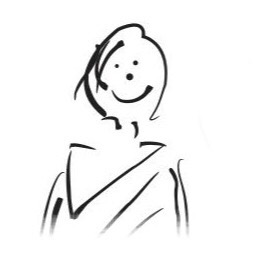
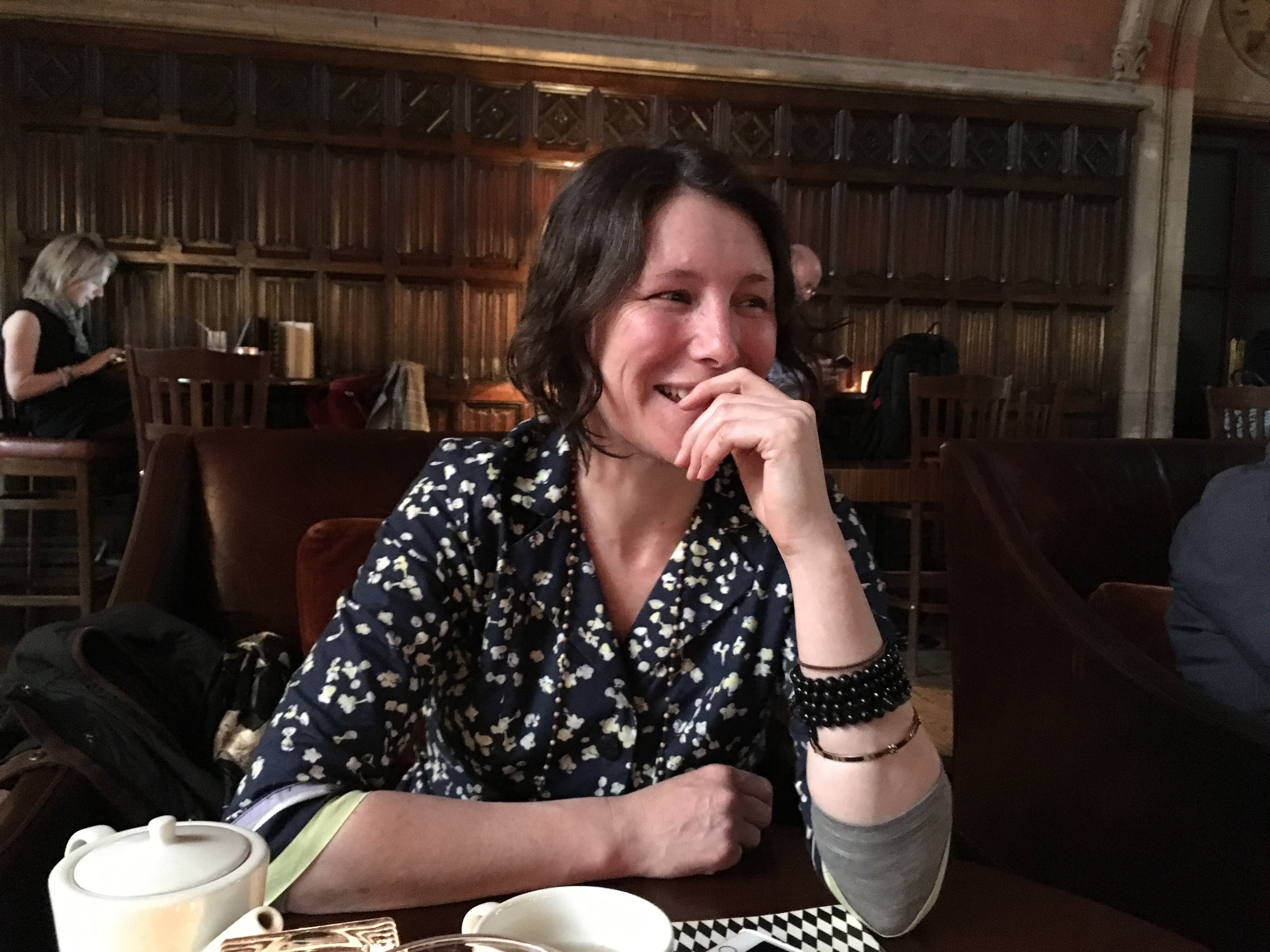
A very special friend, the lovely Leela, invited me out for a drink, to celebrate my ‘significant’ birthday. (Yes, I’ve been celebrating it for quite some time now!) this was during my April trip back to Blighty.


Well Leela. Is something of an innovator and is really great at helping others as a facilitator and coach. She’s especially good at using her artistic skills to help people create a shared understanding and most importantly act on it.

Come on Farrell. Get to the point!

well she’s working her magic on me.

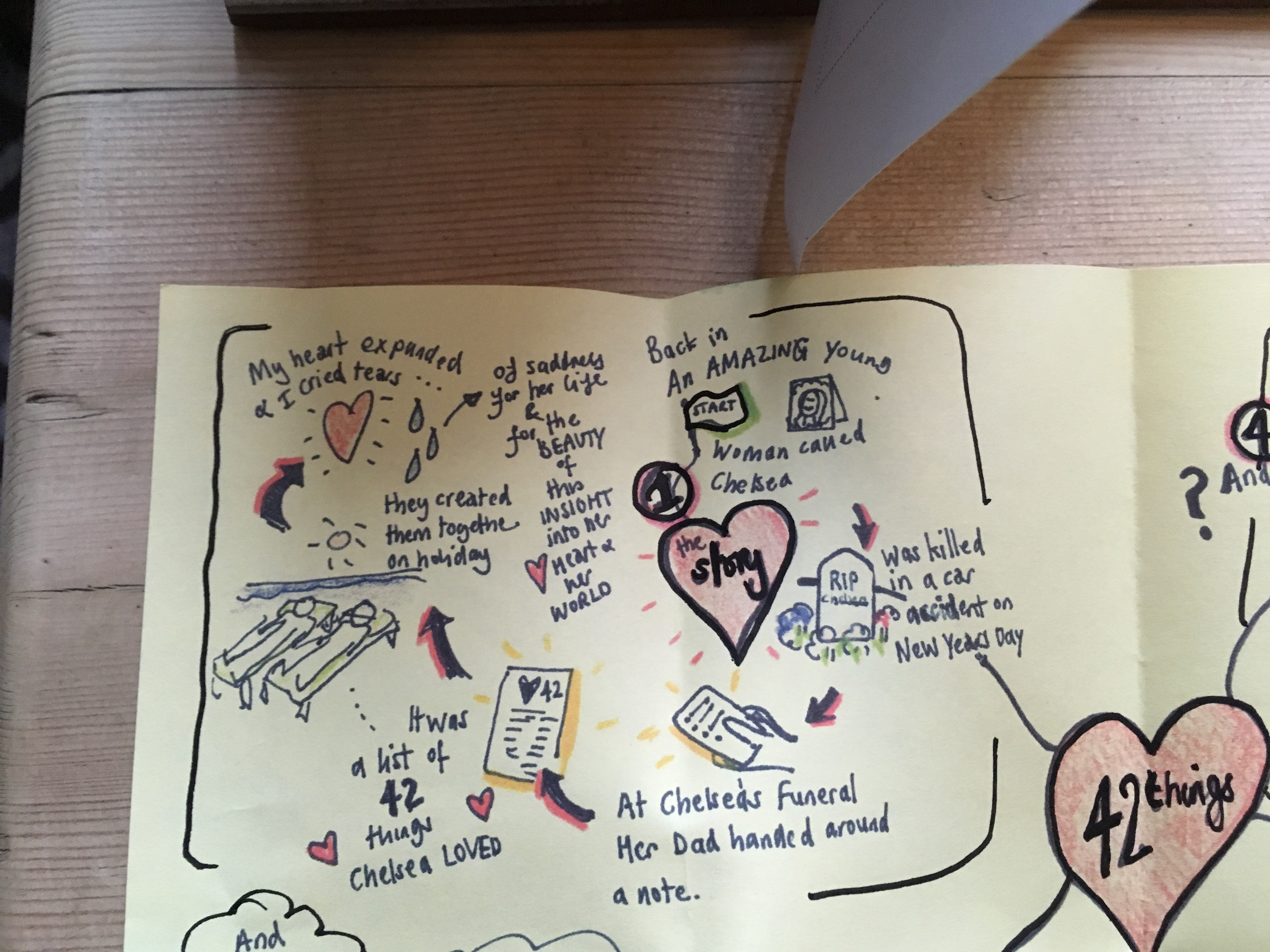
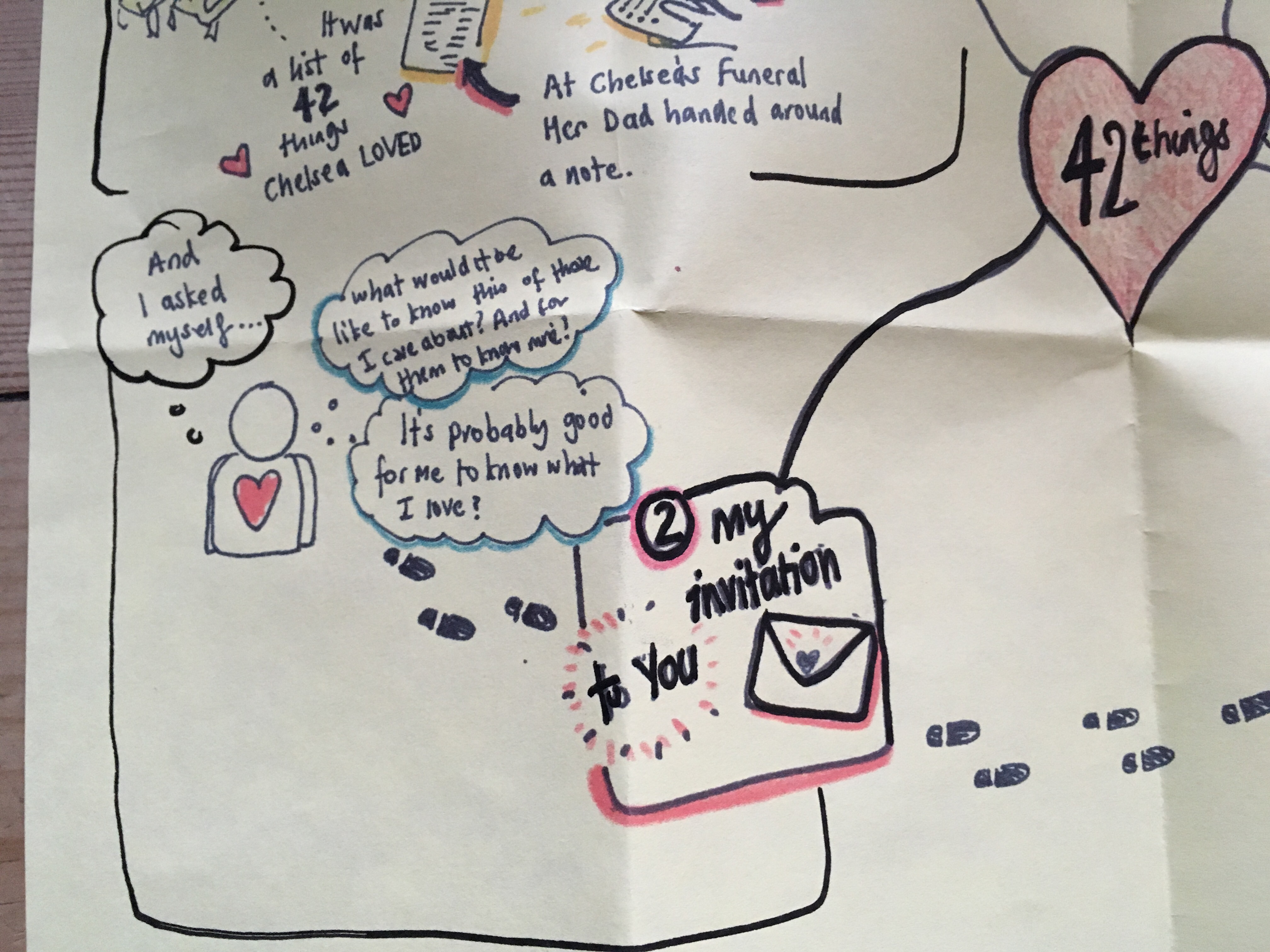
Here is my birthday gift, drawn in the next four pictures…… and  no that’s correct I’m not 42 😉


Its an invitation.

to work out what it is I love.

what would be your 42 things?

more to follow…

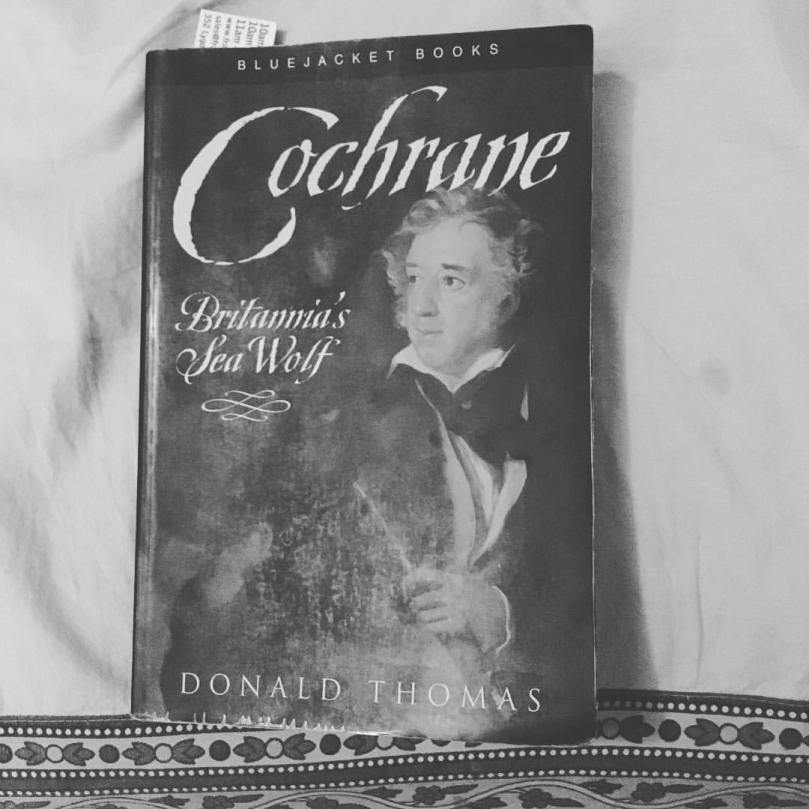
Who is Cochrane?

img_1182

According to ‘The Times’ (in UK) :

“He was a Radical, whereas those were the palmy days of Toryism. He was outspoken, whereas officials admire reticence and discretion. He was resolute in exposing abuses, and therefore constantly creating trouble. He was impractible – a term still in favour for describing inconvenient excellence; and he head a strong spirit of independence – a quality which as very recent controversies have shown is singularly obnoxious to the official mind.”

This biography of a unique man, helps illustrate how institutions such as the Royal Navy in late 18th and early 19th century were corrupt and how the establishment ‘looked after its own’ and wouldn’t countenance the challenges represented by the radical movement and in this case Lord  Cochrane.

In some ways it helps show how Britain might have introduced or at the very least encouraged those practices through the British Raj in India.

Back to Cochrane. Historian Sir Archibald Alison stated…

Lord Cochrane was, after the death of Nelson, the greatest naval commander of that age of glory. Equal to his great predecessor in personal gallantry, enthusiastic ardour, and devotion to his country, he was perhaps his superior  in original genius, inventive power and inexhaustible resources.


want a boy or a girl 2

Remember back in November I relayed Manjula’s discussion with friends about whether they would want a boy or a girl? Its here if you wish to check back.

It was triggered by the pregnancy of one of her friends.

Well, as I mentioned in the postscript, the pregnant woman’s husband subsequently died

Now we’ve just heard even more news of the suffering of this poor woman. Her mother has just died during a visit to her daughter whose baby is due this week. Manjula and her other friends have now gone to console her.

I’ll let you know how things develop but imagine what the poor woman must be going through.

Well she can’t

Wedding update….

On the very next day we get news that the father of the boy has called the girl to ask what her fathers job is and to how much money will be given by them as dowry.

It works out that the boy’s family is quite rich, the dad is a civil engineer and they have cars and maybe three houses.

So it’s off. There is a mismatch on wealth and occupation. Quite why this wasn’t sorted by the broker before they even met, who knows.

So mum is a bit sad, daughter says she doesn’t care, even if she doesn’t ever get married.

So the apple cart is upset. This must be a very stressful situation. The individuals involved must feel the rejection very personally and familially.

So whilst it might be illegal, dowry is still a BIG issue. I think it’s just one of the ways that suitability and comparability is clarified. It’s a short cut. Back in England in the upper classes, the man would approach a woman’s father to ask for her hand in marriage. Their suitability would also be determined maybe by their wealth, and income but above all by class. Is this really much different?

In life, in India, caste is incredibly significant. It not only reflects one’s position in life and how one will be treated by others, it will affect life chances and experiences. And as we’ve seen with this example, even caste alone is not good enough to determine someone’s suitability.

In my view it’s one of the most corrosive things in Indian life.

want a boy or a girl?

Manjula was hanging out at her friend the tailors. It’s become quite a place for women to gather, to pass the time of day and chat!

A customer four months pregnant was wishing for a girl. She already had a three year old boy but now wanted a girl. It created a big conversation of the relative merits of boys and girls.


“my husband is no good, my husband’s brother is no good” (drinking every day, not bringing money home, lady is therefore having to work) “so I don’t want a boy”, said the pregnant lady.

the lady tailor says boys are good, come back home no problem if girl comes home late big problem, with ‘monthly’ starting things start to get expensive, clothes, gold needed for the marriage

Manjula says girl is good, looking after Mummy and Daddy if there is any problem, boys don’t care, some boys are good. Some boys are bad. Our next door neighbours son, maybe unusually, has a disabled mother and he is still unmarried carries her around and generally looks after her.

Manjula reckons that girls are like our dog Lucy, she didn’t mean that in a pejorative term. Lucy is sort of allowed out to do what she wants but must back in by a certain time!


Saris are in!

The tailors seem to be a bit of a hangout. Another customer gifted a Sari for, the Ganpati festival has brought it to leave at the tailors to sell. It’s yellow with red border. Another of the gathering asks Manjula … Why doesn’t she buy it, her friend and our cleaner Kamlama interjects, “Manjula has over 50 sarees  and doesn’t need or like it, Manjula has good taste and you should go with her when you go shopping for sarees.” 🙂


So there!

Manjula’s attitude is if you don’t like it, give it to someone else in you family such as your daughter, the woman says no, I want and need the money


Postscript

that conversation was a couple of weeks ago

Just this week we learned that the pregnant lady’s husband has died of jaundice.

The husband’s family where she lives will now look after her and her children.

things will however be very hard

Death is of course a regular occurrence but happens for what seems to be avoidable reasons. Jaundice does seem to figure a lot, maybe it’s the alcohol.

This does however show how difficult things can be. Families have to pull together and deal with the situations that arise with limited if any help from the State.

Farrell Factoid

please note: all photos are posed by models

traditionally a boy is seen as more desirable for a whole host of reasons, it leads to abortion and even infanticide and in some areas there is a massive imbalance between the sexes. For this reason that it’s actually illegal for a doctor to reveal the gender of a foetus after a scan. It’s led to some doctors winking a lot.

wow 3

well the shortage of cash is now beginning to affect me.

I jokingly refer to Indian being consistently inconsistent and don’t misunderstand me, I love the people and the place but sometimes it just takes the biscuit! and can be sooooo annoying.

I didn’t have enough money to buy train tickets this morning. So I ended up with a single instead of a return.

img_1148

I’d also taken the scooter for a service.


Would they accept a card or cheque?

Not at either the Post office or the scooter main dealer. So I go to the  nearest Bank (branch of Canara, my personal bank) massive scrum around the bank door. No chance. Next, the five ATMs in the vicinity, all not working. So I get the motorbike out to go to the city and visit the bank branch to cash a cheque for 12,000 Rupees (its around 140 devalued pounds after Biscuit (aka Brexit)). That’s my max allowance now for the week.  Then back to the Post Office to get my return ticket. The clerk has my form, from the first trip to the Post Office in front of her, on the desk (its required to show what ticket you want). There are all the details of the return part of the journey on the same form, she uses that form to complete the details into the computer.

img_1146

“Sorry sir can’t take the details from this form” where it listed all the details of the train, its name, number, our names, ages, address, out and return dates and times, preferred class and berth, starting station, getting on station, getting off station. “You need to complete a new form”.

Its at this point I begin to lose it!

later, back home…..

what next?

Half the money has now gone. I suddenly have the realisation that at this rate we’ll not have enough cash to go on holiday next week. That’s why I bought the bloody train tickets.

half a rant

at the bank I asked for my pass book to be brought up to date but have to call back as recent entries are not in the book, is there are a problem? Sorry sir each update (printing of deposits and withdrawals in the book) can only have twenty entries per day/visit. So I have to go back to the bank tomorrow for another printing session to see the other deposit/withdrawal entries. What!? Really?

Farrell’s dodgy factoid and questioning.

I seriously wonder what would have happened if the UK Govt had unilaterally deleted ALL the five and twenty pound notes in circulation overnight and then severely restricted how many of the replacement notes each person could withdraw so they just didn’t have enough cash! Would we have been so accepting and tolerant?

Yesterday a guest managed to cash 2,000 Rs of old money at my bank and had indelible ink marked on his finger nail so that he couldn’t go to another bank to exchange more. Mad!?


older


img_1142

Signs of Ageing:

forgetfulness

greying hair

dribbling

poor concentration

impatience

wrinkles

irascibility

squashed mosquitoes in peripheral vision

amongst the challenges now is to work which did one’s did actually arrive with age and which one’s can be reversed

Wow

what a day!

Biscuit (aka Brexit) pales into insignificance. UKAOs just seems so small and so less relevant.

img_1137

India was MODI-fied, over two years ago, with the election of the BJP party to govern India. Today in a country of one billion people Modi announced that OVERNIGHT all large denomination notes (500 and 1000 Rupees) would be abolished, imagine that? In a country with so many people, where the majority have a stash of notes at home and a significantly large minority aren’t known by the tax authorities, operate in an under-the-table-informal economy will now have to take their cash to the bank to get it exchanged. It is intended to tackle counterfeit notes, bribery, corruption, ‘black’ money and add to other polices such as IDs, bank accounts for poor people etc. that together help contribute to formalise society fully onto the ‘radar screen’.

Astonishing! img_1138

There will be much more to come. Banks are closed, ATMs not working. Once they reopen cash can be exchanged up to a maximum of  4000 Rs per day or put into a bank account within the next fifty days! These new notes will be issued in limited quantities from Thursday.

Cash chaos.

But it’s India so somehow it will all work out.

Next, we can now look forward to a President Trump!

img_1134

There’s an Elephant in the room.

Is this another example of how people in UK and now the US have become so disconnected with the political classes, the establishment power and the orthodoxy they represent? People are angry and are providing a strong message, wanting a different future.

Meanwhile, ‘laid-back’ Manjula relaxes, munching on the Roses Chocs I smuggled in (equivalent of five tubs) from the UK. She gives them out to friends, neighbours and relatives…..

img_1136