
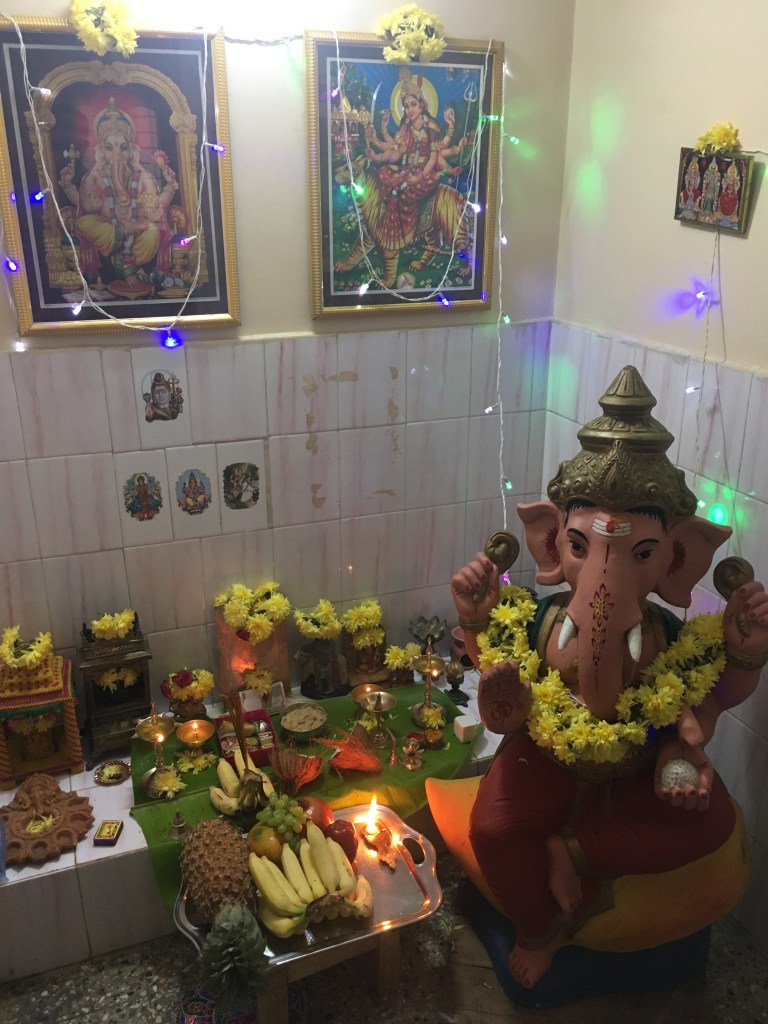
Each year we’d buy a terracotta Ganesh, place him in our Pooja room with the appropriate rituals with lots of food (he’s a hungry god).
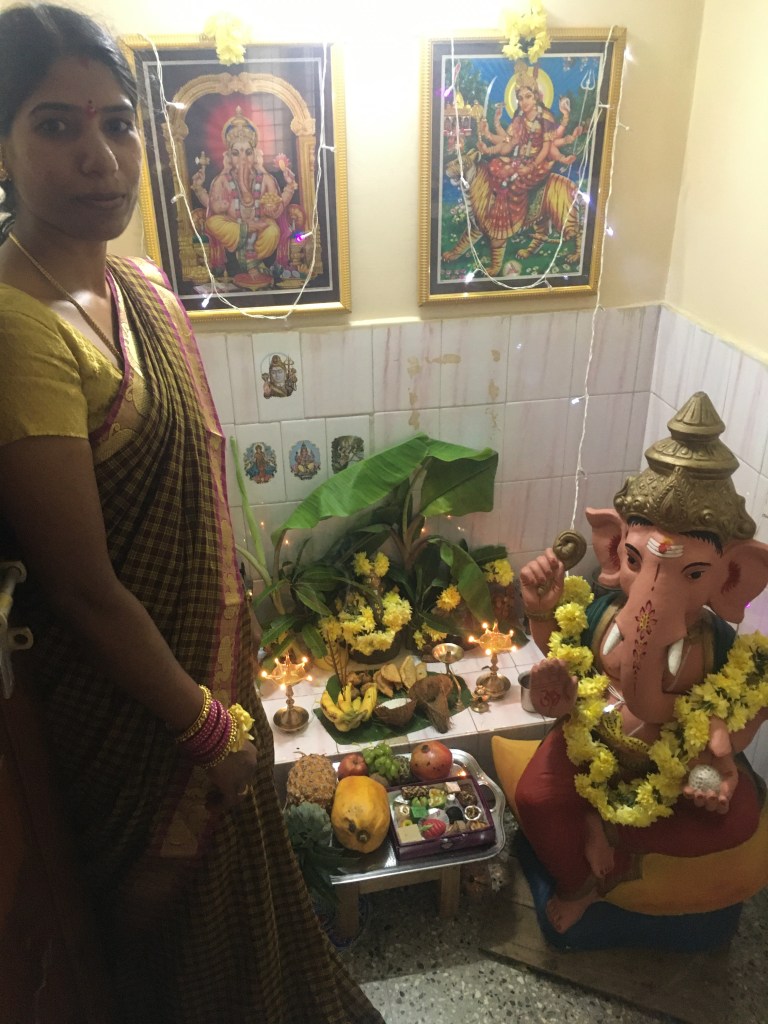


After the stipulated number of days he’d be taken and immersed in the Kaveri river near Srirangaptnam.
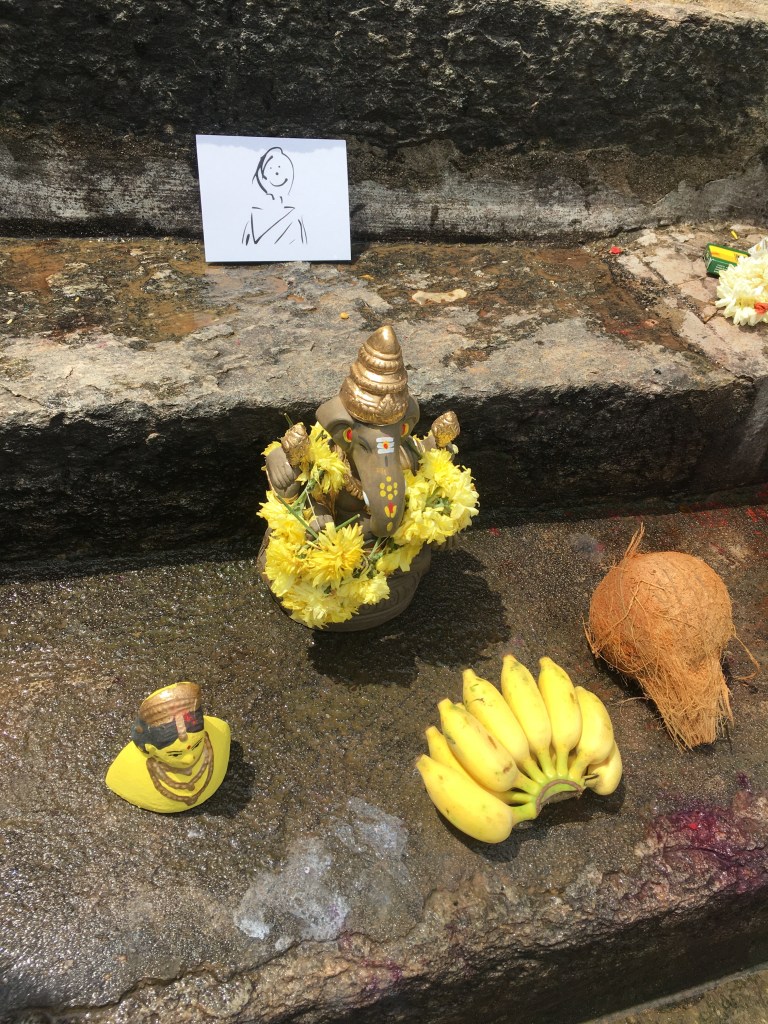
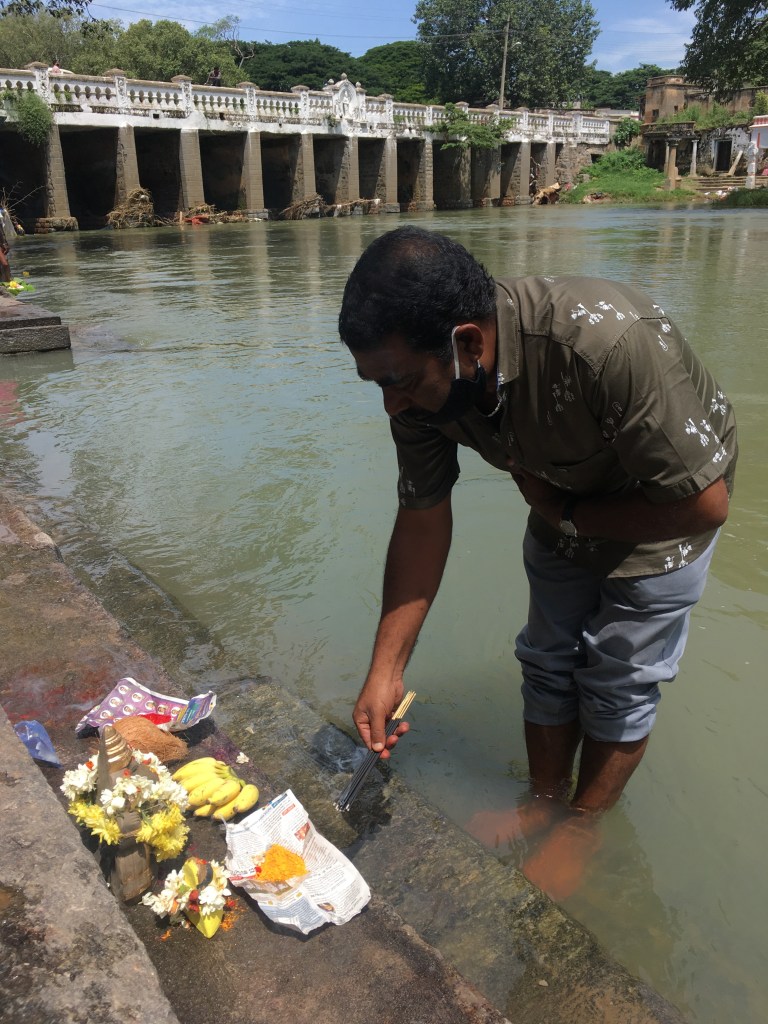

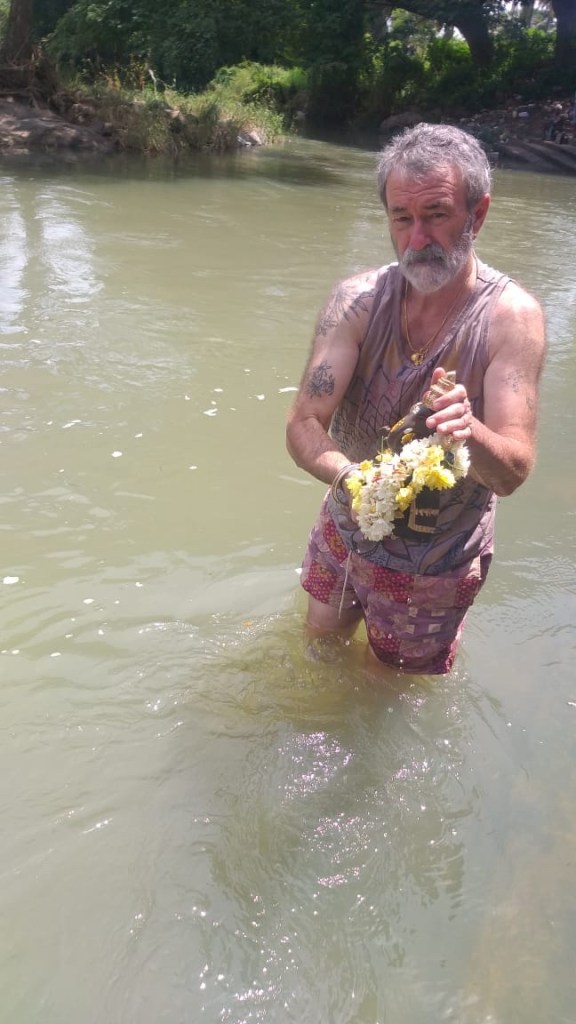
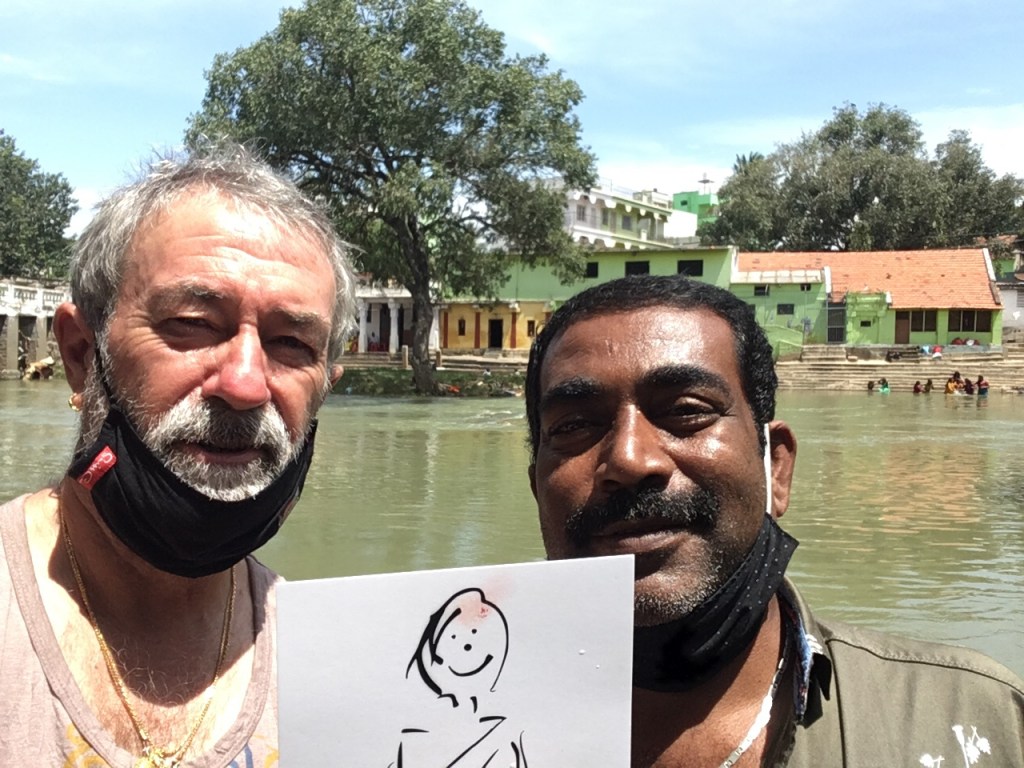


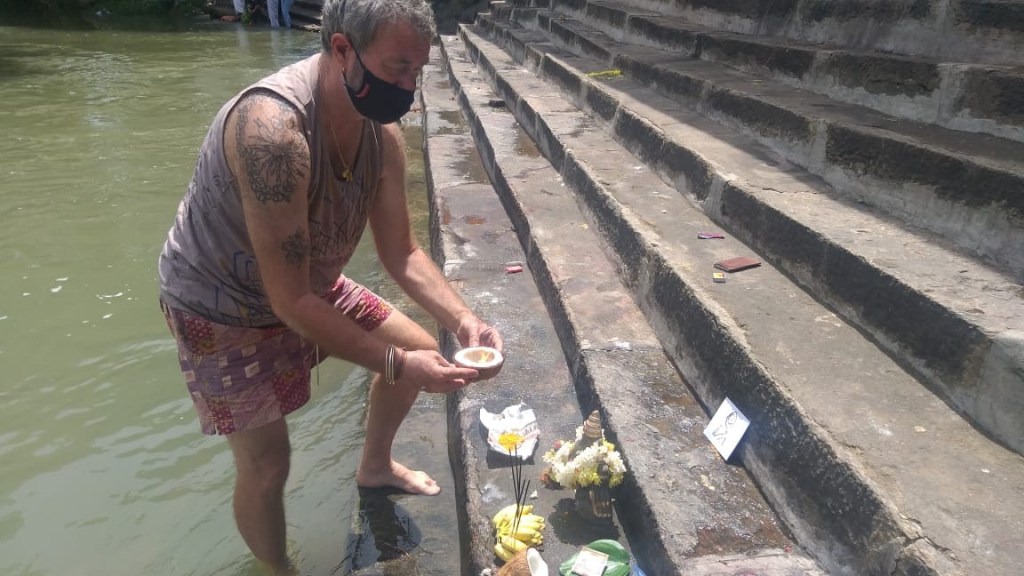
Each year we’d buy a terracotta Ganesh, place him in our Pooja room with the appropriate rituals with lots of food (he’s a hungry god).
After the stipulated number of days he’d be taken and immersed in the Kaveri river near Srirangaptnam.



We captured each other’s heart
Cycling Manjula around Mysore

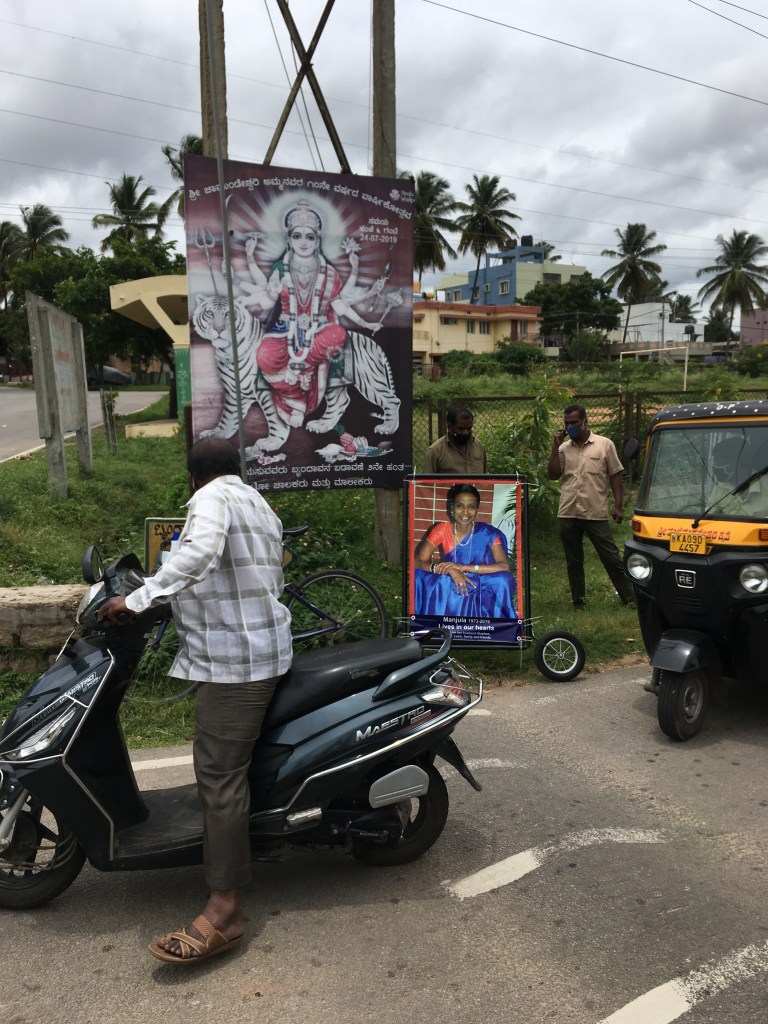





Nothing ever seems to go to plan in India……
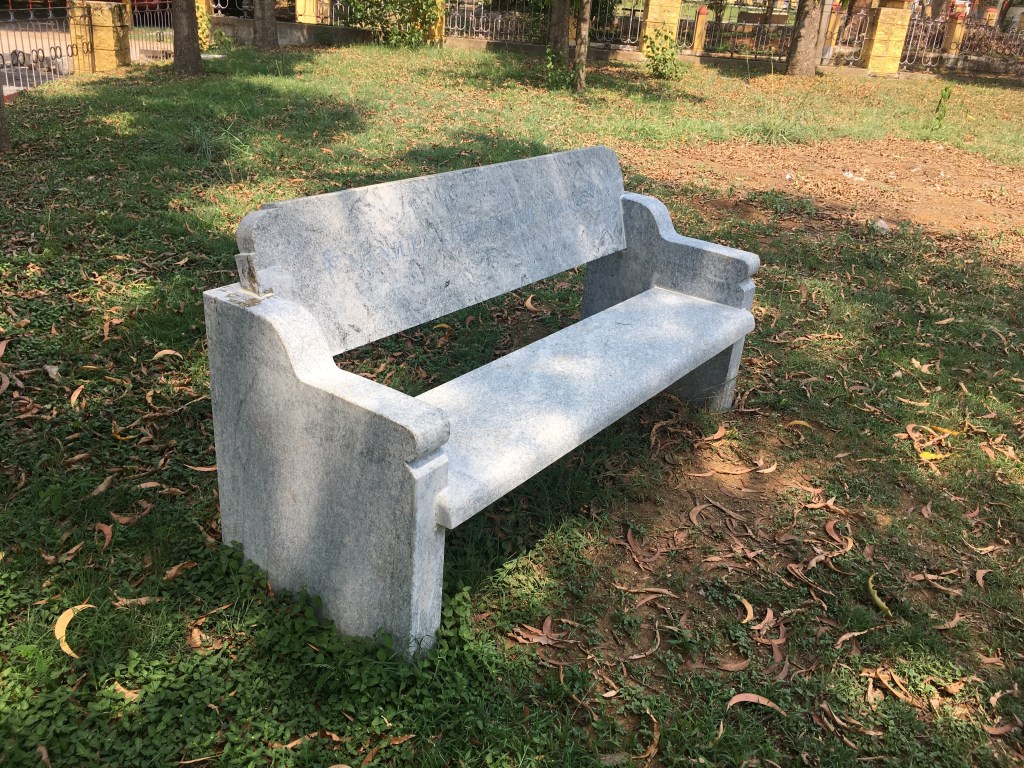
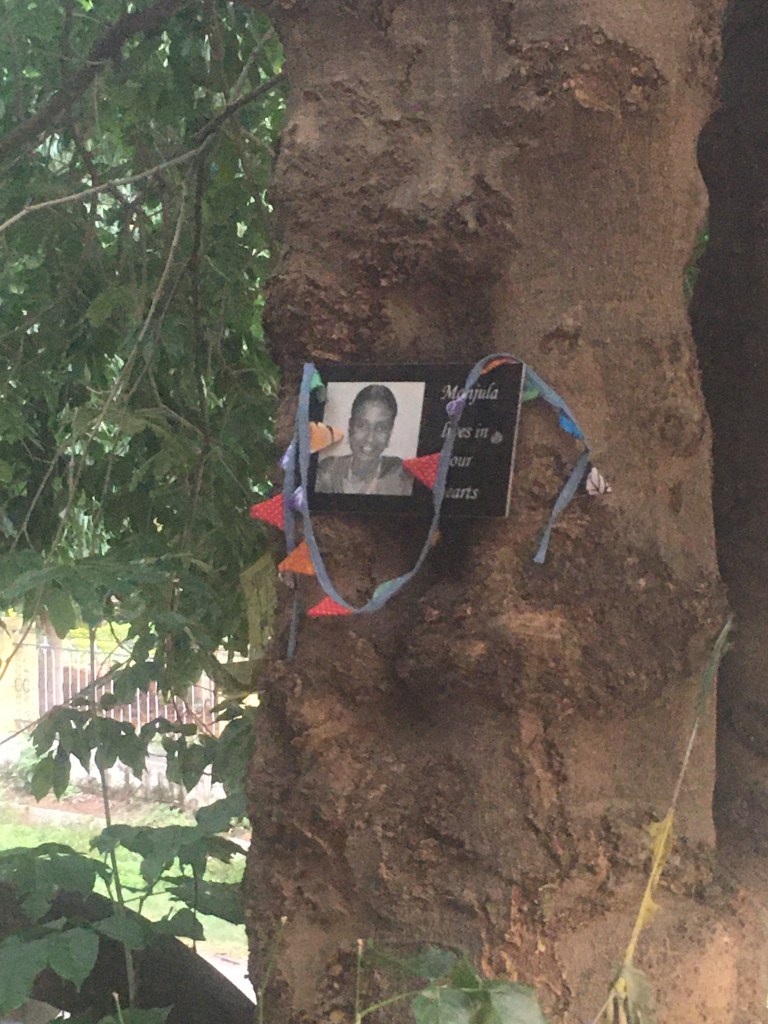
to help commemorate Manjulasness on her birthday we’d invited a few friends to celebrate in the park opposite where we’ve placed three benches.

But two days before, this happened…..
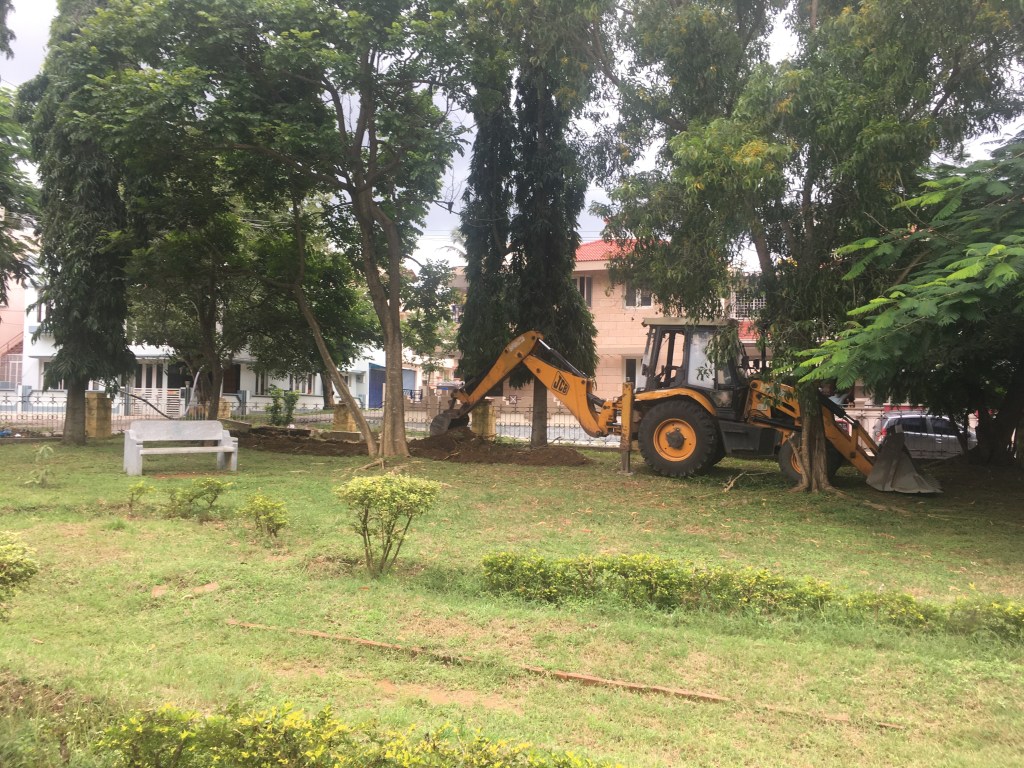
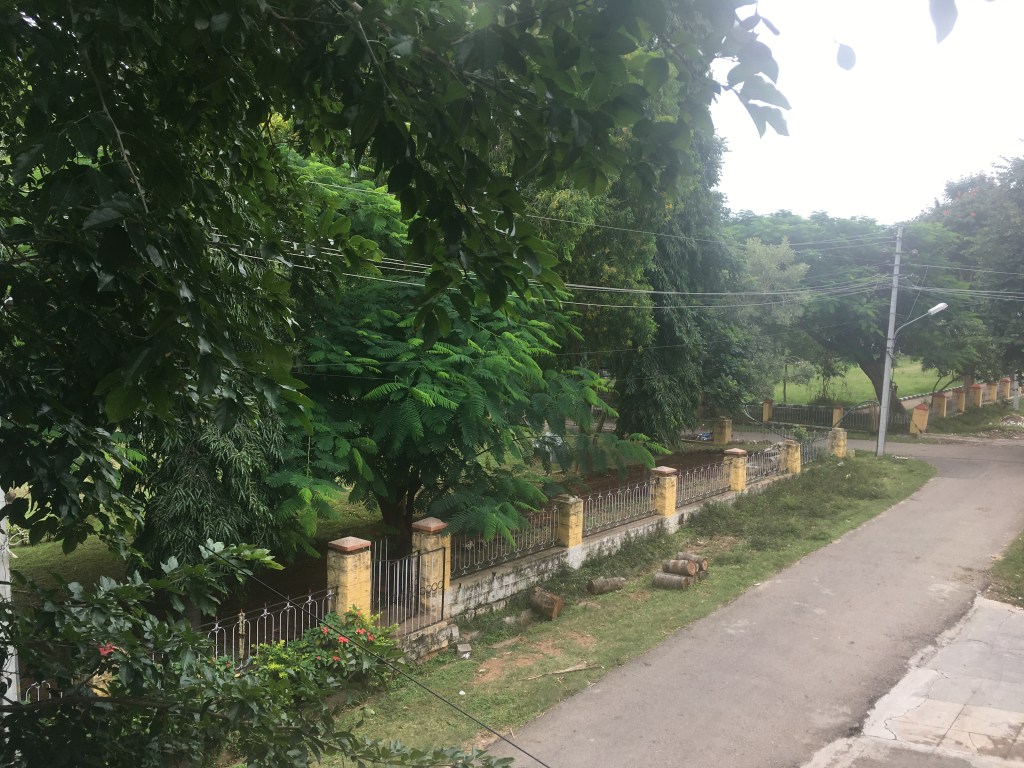
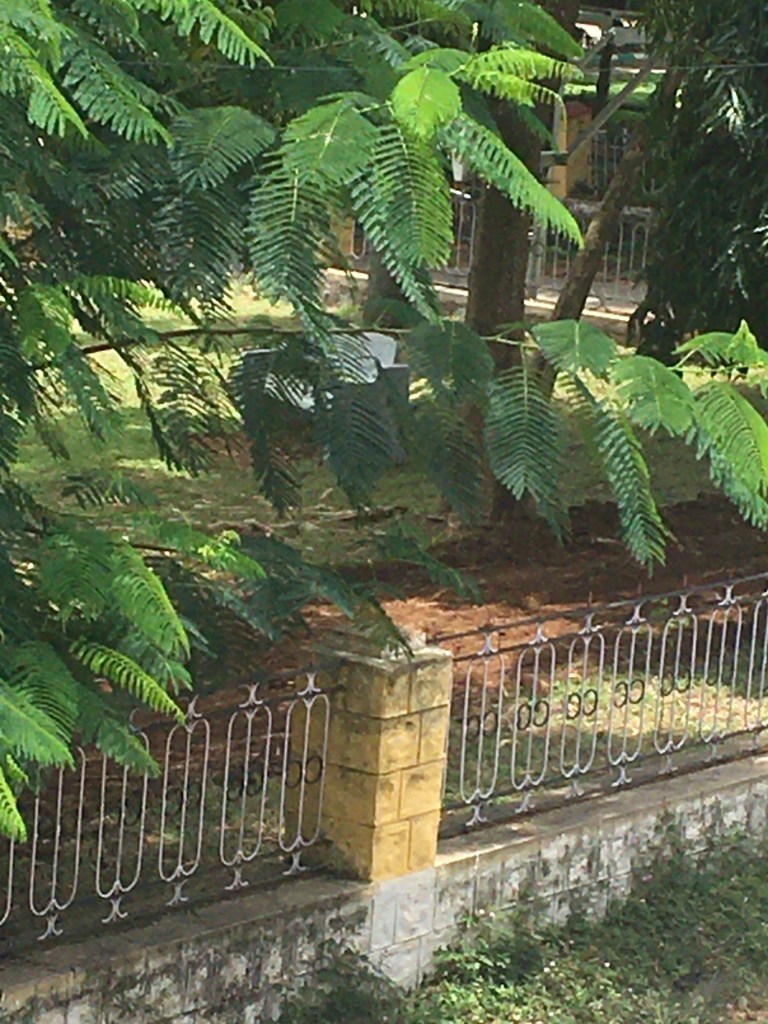
There’s now the beginnings of a new path. We’ll just about manage if it doesn’t rain and create a river of mud.
In Manjula’s library on grieving…..
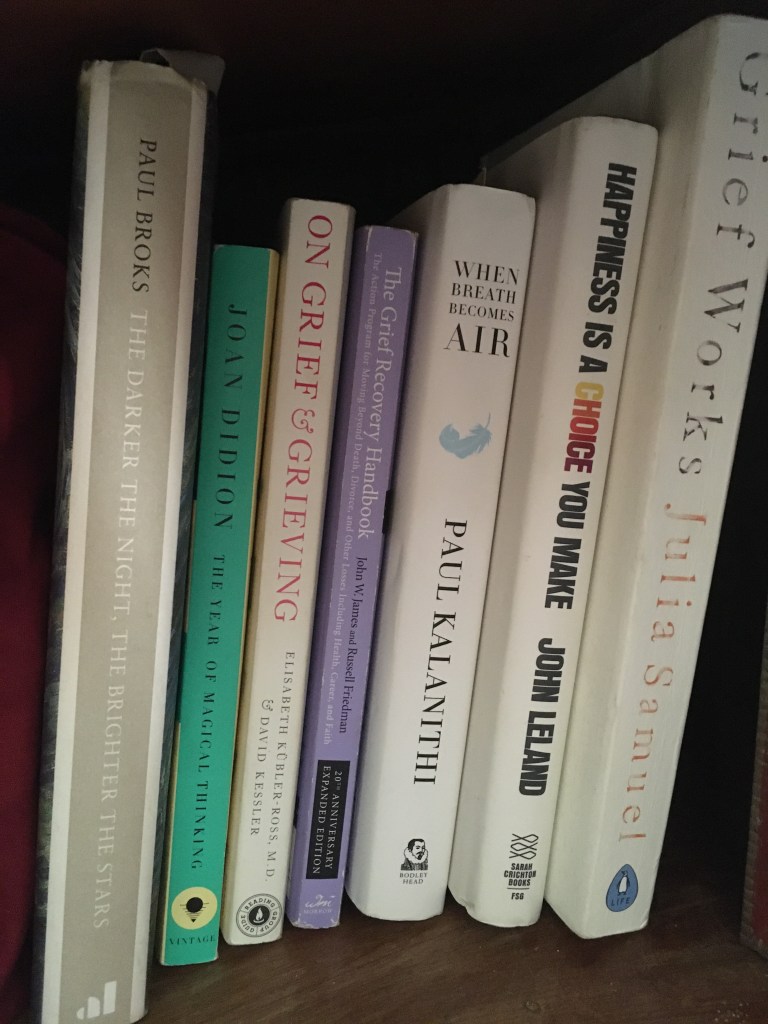
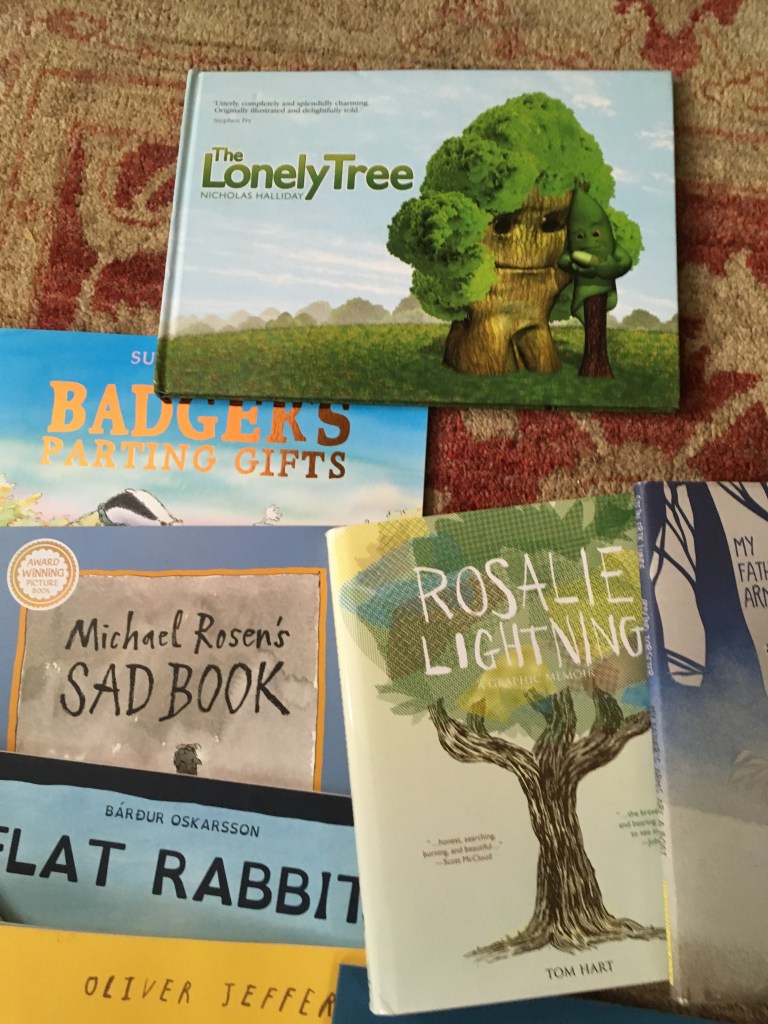
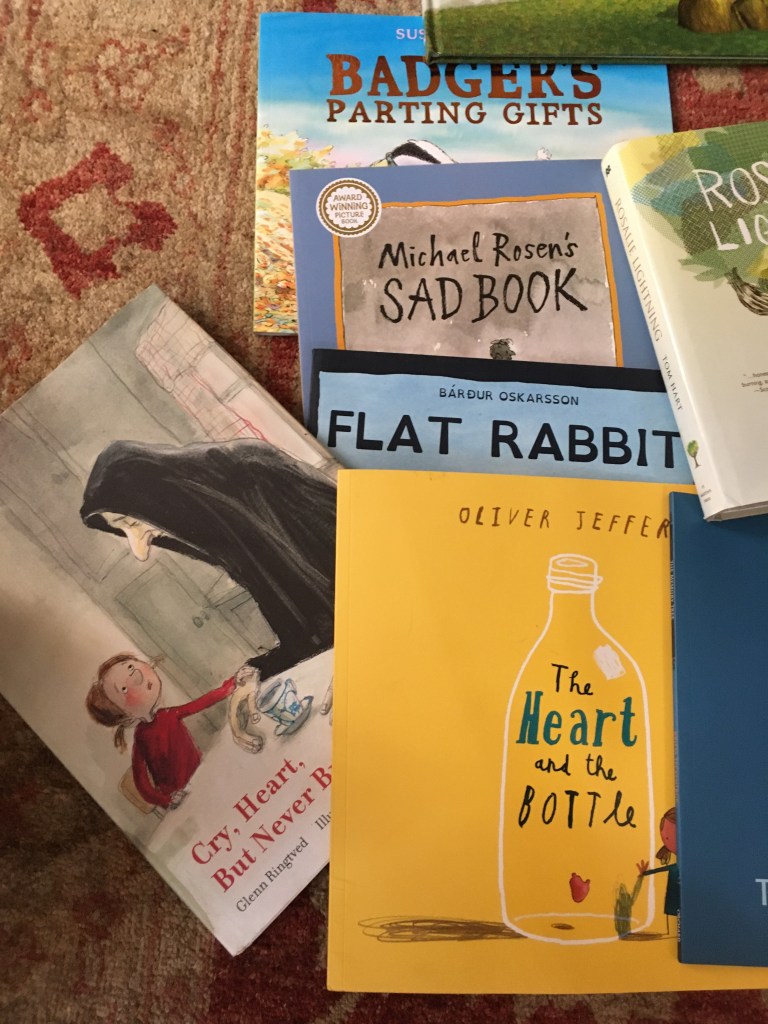


Manjula wanted something a little less exposed to the wind than the open-topped machine, so I borrowed the Tardis (compliments of Dr Who?) to take her on another trip or ‘rounding’ as she used to describe our outings in our Ambassador car.
Somehow we became younger

Manjula loves this as it suits her highly developed (English?) sense of humour 😉
It’s not the first time we’ve time travelled like this. She was keen for adventures into the unknown. We also discovered parallel worlds at the WOMAD (World of Music Art and Dance Festival) in England.
I admit to being disappointed as we’ve not heard directly from her. There’s time yet and I still hope
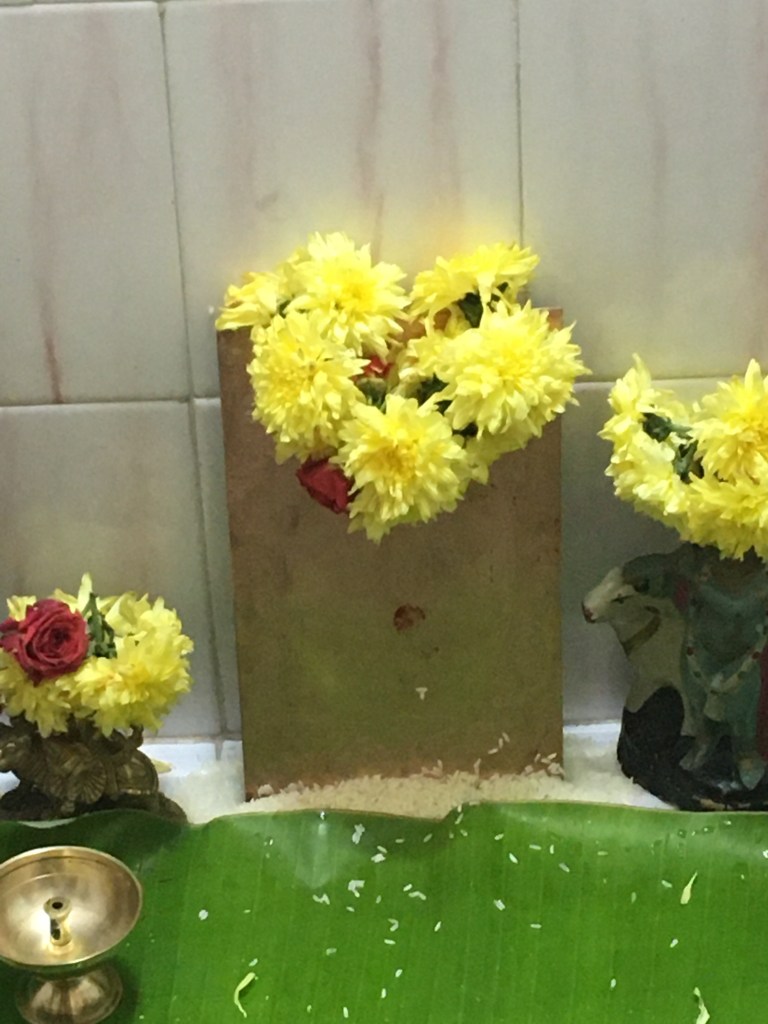
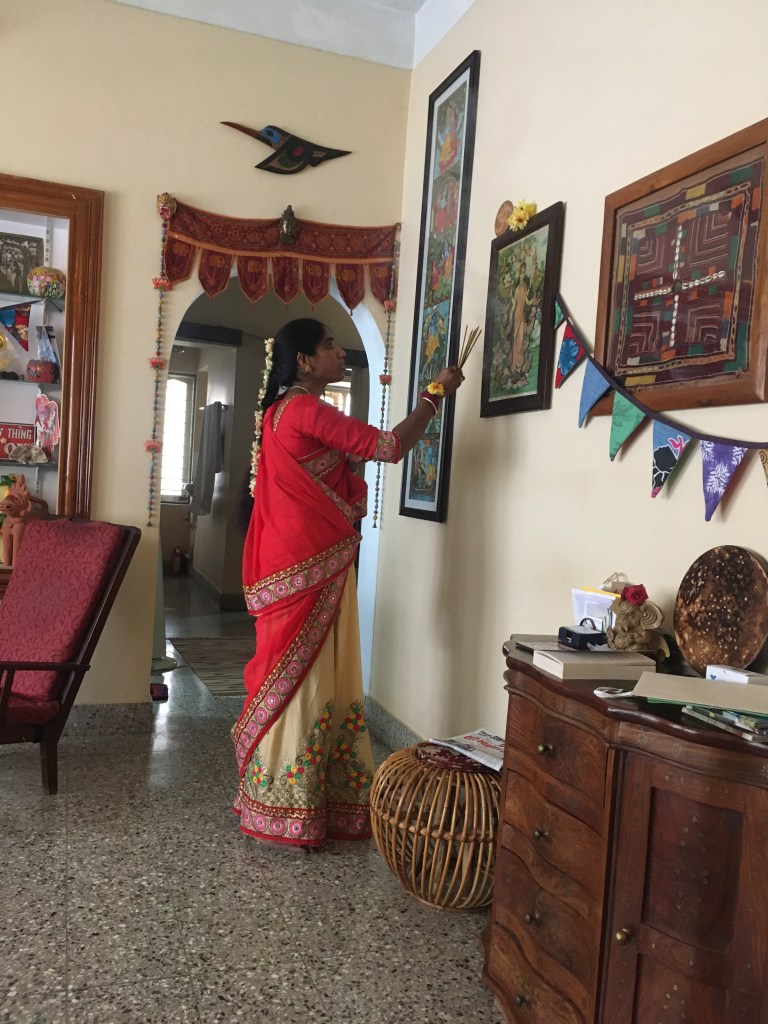
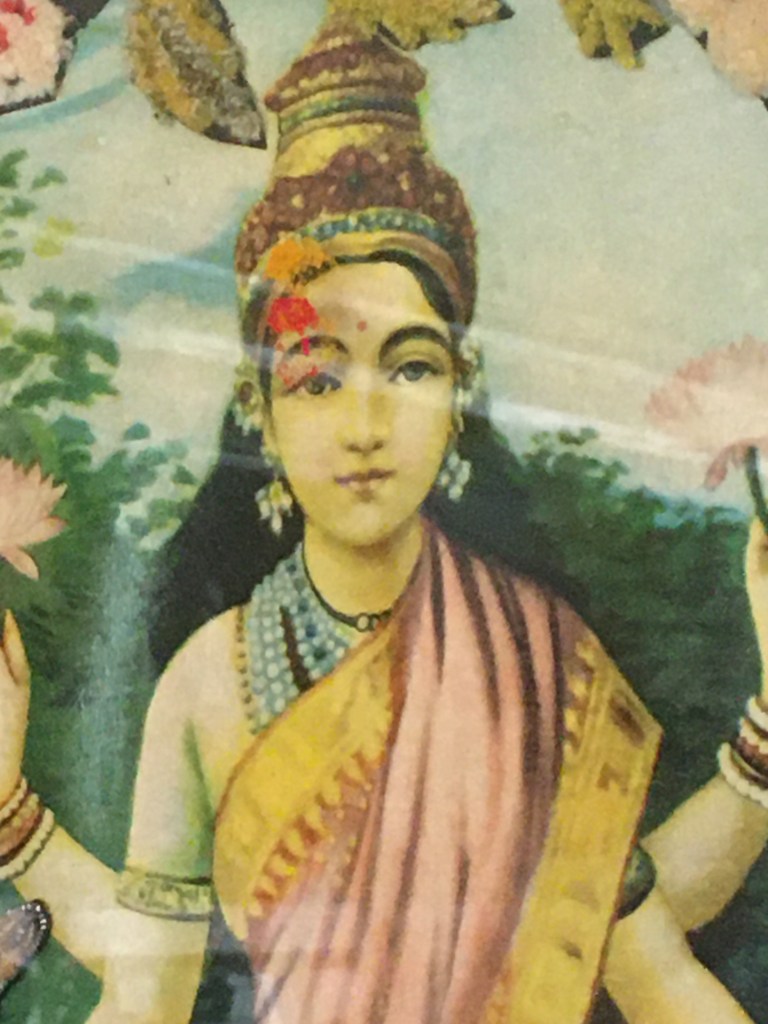
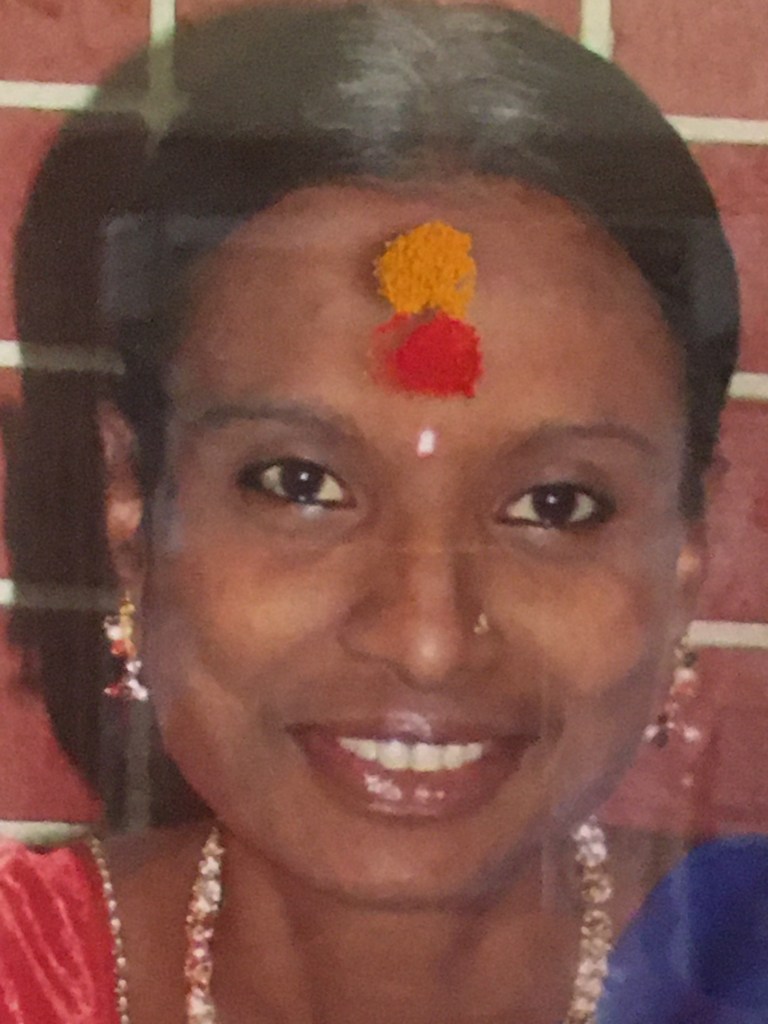
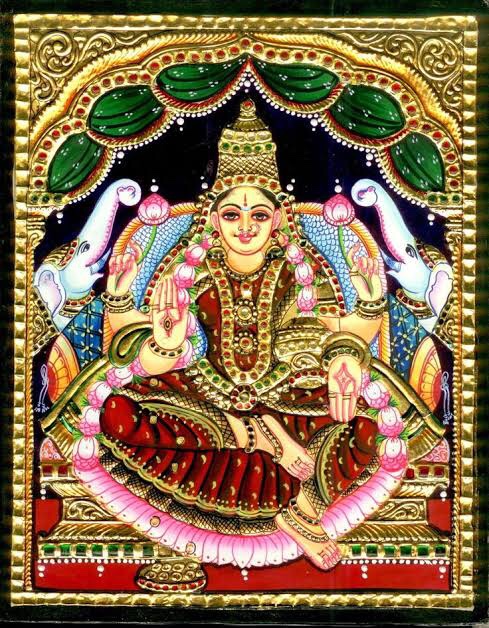
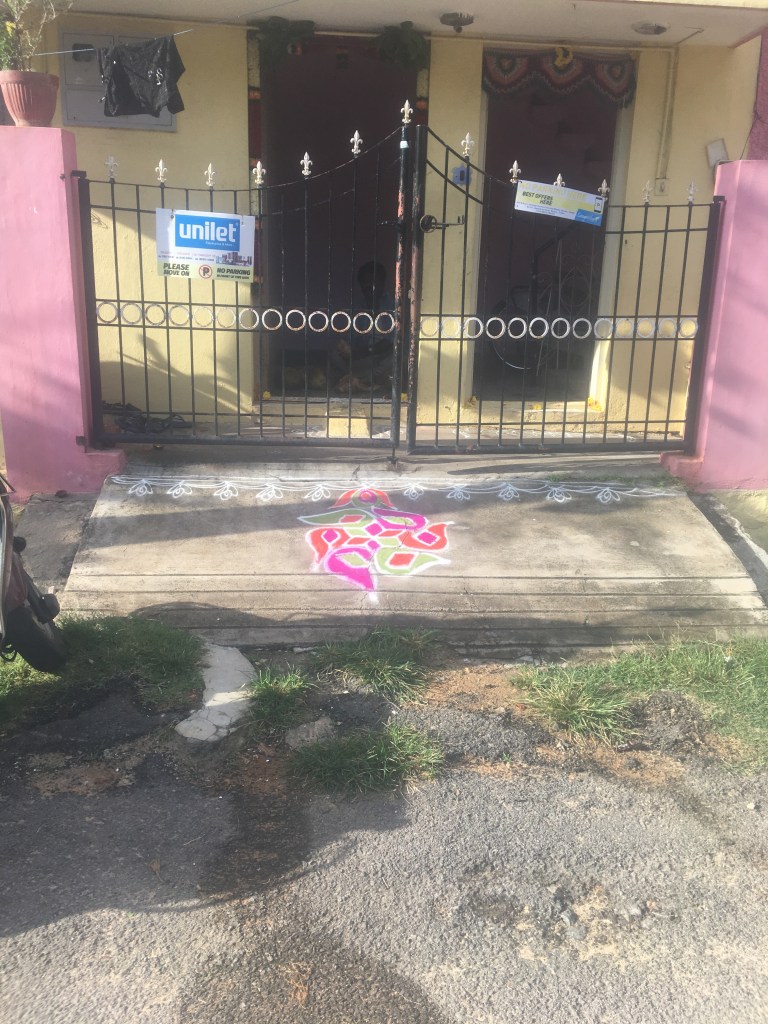
Sowbhagyhya has done Pooja here for Mahalakshmi and one or two other goddesses.









Here’s two things that maybe of interest to storytellers:
1 resources, links, information that maybe useful and entertaining
2 what it is and why it’s important.
But before I get to that I wish to declare: I’m a writer and storyteller. How do I know?
I have writer’s block so I must be a writer 🙃 😉
I have shared my writings (through our sites) for eight years with people from around the world (a handful in England, at least one in Canada, some in India, and a smattering in Australia, Europe, Europe and US.) I didn’t say there were many but at least one reader on every continent, except Antarctica. I now plan to give more attention to writing stories.
I’m also a storyteller, as I believe we all are. It’s only recently though that I’ve realised how much I have shared stories. The first training and puker presentations I gave we’re in my early twenties. I’ve done it lots but was it any good?. 🙃🙂😉 I’m not the judge.
I have a particular problem. The English will joke that as I’m from North England I don’t know proper English whether written or spoken.
Any way back to the two things:
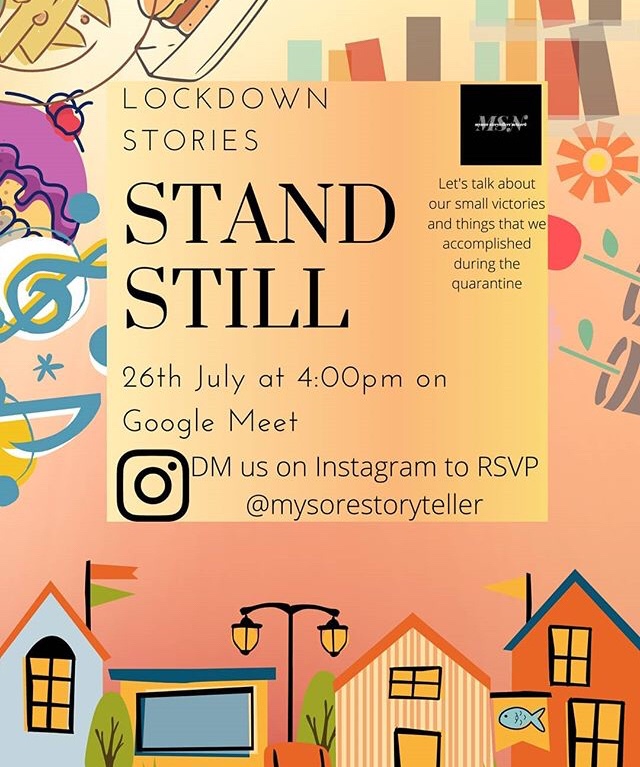
1. Recently, I’ve joined a lovely group: the Mysore Storytelling Network (MSN) who organise events and are a great source of information and help. They are on Instagram. Great group, check them out.
An ex-president of a fanciful country far far away and his wife Michelle like stories.
I’ve also read stories for children during lockdown. They are on this site listed as storytime. Here’s a couple: wonky donkey and a different take on Snow White for others just search
A good friend Victoria sent details of storytelling near where she lives in London . A serious training school with some great descriptions about what it’s all about at the school of storytelling and Storytelling clubs, examples are the crick crack club and story circle
2. What is storytelling? We will, of course, have different views. Here’s a start.
Stories are for entertainment, they enliven, enrich, make us think, stop us in our tracks bring us together, help us manage conflict or disagreement and because it’s sharing and helping connect they create communities. They might be written or spoken and can reinforce, change, adapt people’s behaviour, stimulate interest and stir us to act, or maybe just reflect, learn and have fun.
They introduce and reinforce beliefs, that enable us to relate to each other, without that where would we be?
What do you think?
Other and wise
There’s so many examples of the negativeness of the ‘other’ in society and politics.
Before the time of virus, people would cross the road to avoid walking by my black dog Lucie. It’s a cross-cultural fear.
Now in the time of virus they’re as likely to walk across the road because of me.
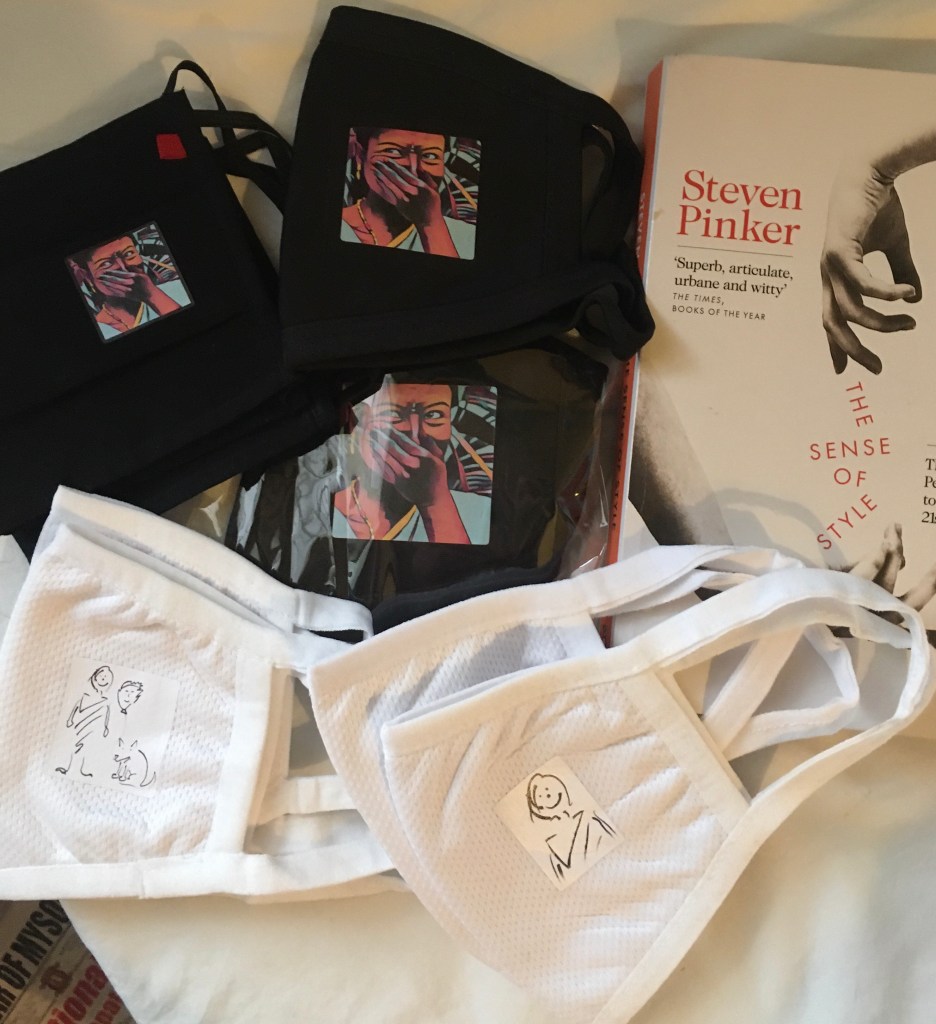
Recently, I was cycling on a local road busy with people doing their early morning exercise walk. A woman on the opposite side of the wide road lifts her Sari to cover her mouth on seeing me, a white foreigner. The Indians walking next to her had not been seen as a risk.
She didn’t know better but at the very least, it’s annoying.
The negative other.
Later that day three young children, sitting astride a wall laughing, smiling giggling, waving to me, a wonderful hello.
Shortly afterwards a man pushing a cycle gave a smile and wave.
The positive other
This took me back fifteen years to my first visit.
I came to India and christened it the land of a billion smiles and then I fell in love with and married Manjula, a woman with a billion smiles.

We find what we look for….
Now Manjula is my guru
I spread her smile with a friendly wave.

We might however at this ‘time of virus’ need to look a little closer to spot the smiling eyes shining above the face mask .
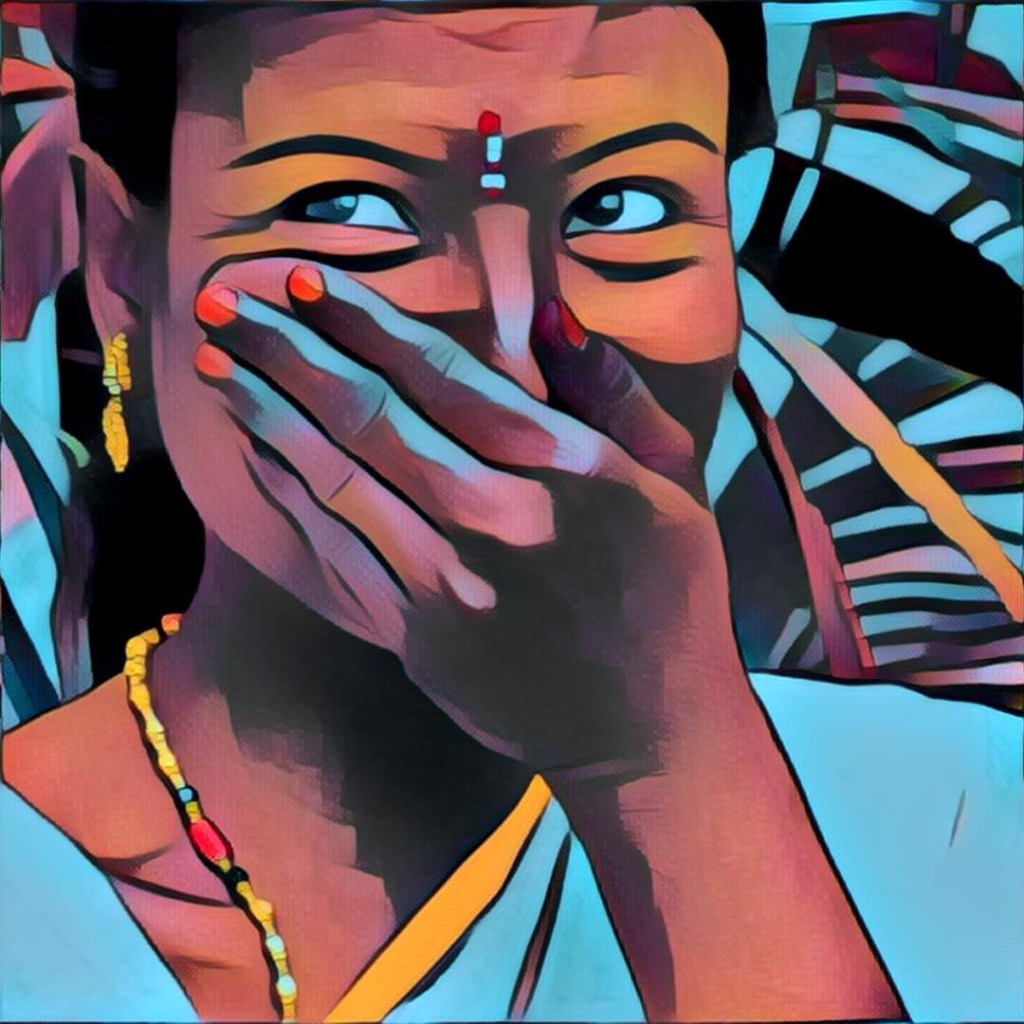
This was my story at today’s meeting of the Mysore Storytelling Network. A great new group for me of mostly young things. 🙂🙃😉
Sally is one of those guests that you’ve no idea when they first arrived and keep popping up so much you wonder if they ever leave. She’s clearly become besotted by India.
Sally is a creative who works in broadcast media in the UK on one of the most iconic soaps as Costume Designer. But can turn her hand to many things: design, textiles, writing, costume making, continuity, tours, and her beautiful home and garden, all while supporting her mum.
I’ve lost count how many times she’s been to visit and has now set up her own business providing carefully curated textile travels in south India. She’s also on Facebook and as Textile Travels
On Manjula’s first holiday to the U.K. we had an amazing adventure with Sally and her partner Mike in a narrowboat adding travel along the canal to Manjula’s list of great experiences in our all too short time together.

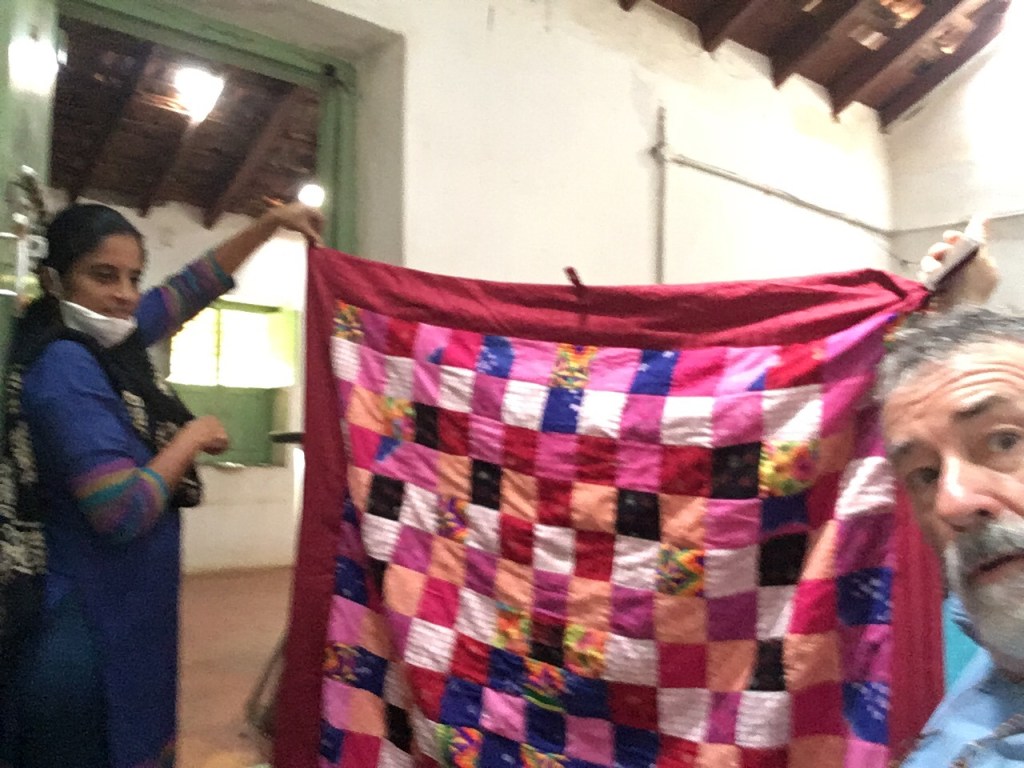
We have a lot in common, not least that we both recently lost our loved ones. Recently she’s taken the lead in helping us design a patchwork quilt and appliqué banner from Manjula’s clothes that will soon appear at Mysore Bed and Breakfast.
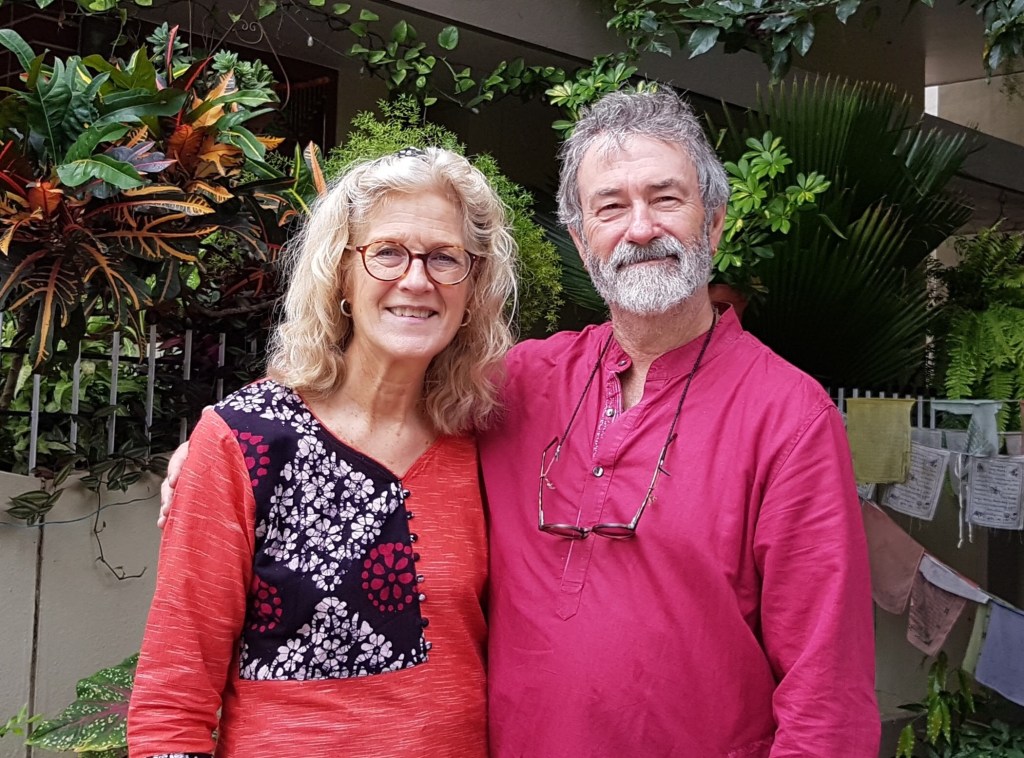
I look forward to her return and the way she’s going think she’ll spend more and more of her year in India.
Sally is a diamond gal (what does that mean Stephen? Your writing is supposed to be improving – the gentler Ed) officially now ‘family’ and has joined those who’ve returned here to provide incredible support over the most difficult time in my life.
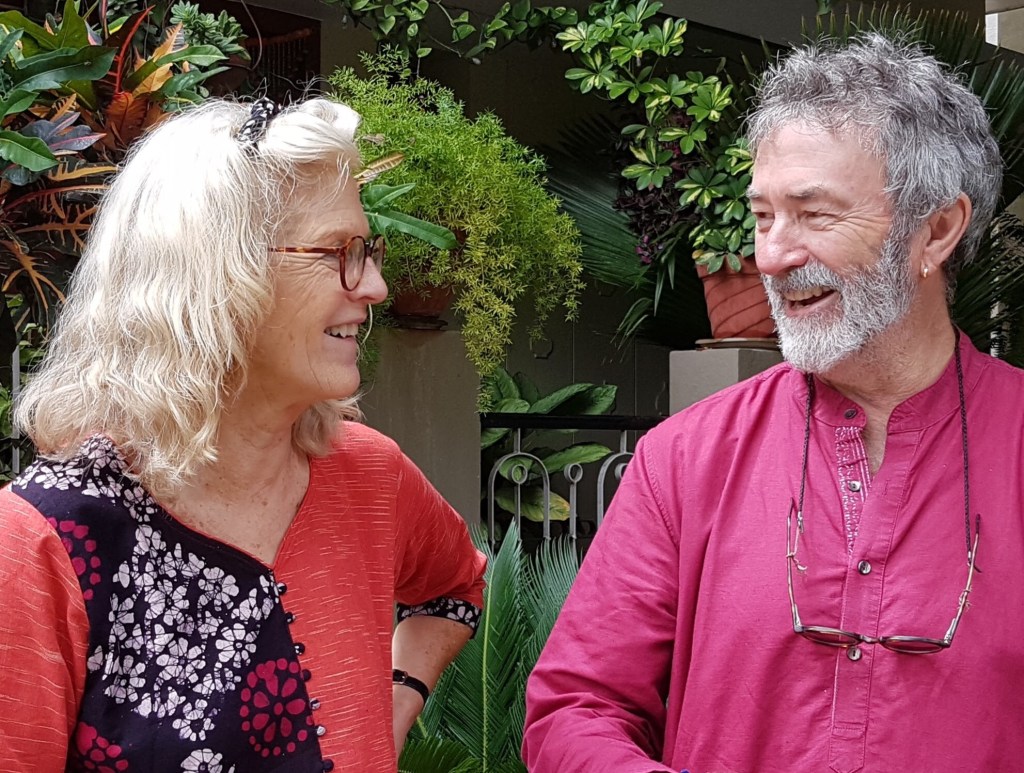
Thank you Sally

