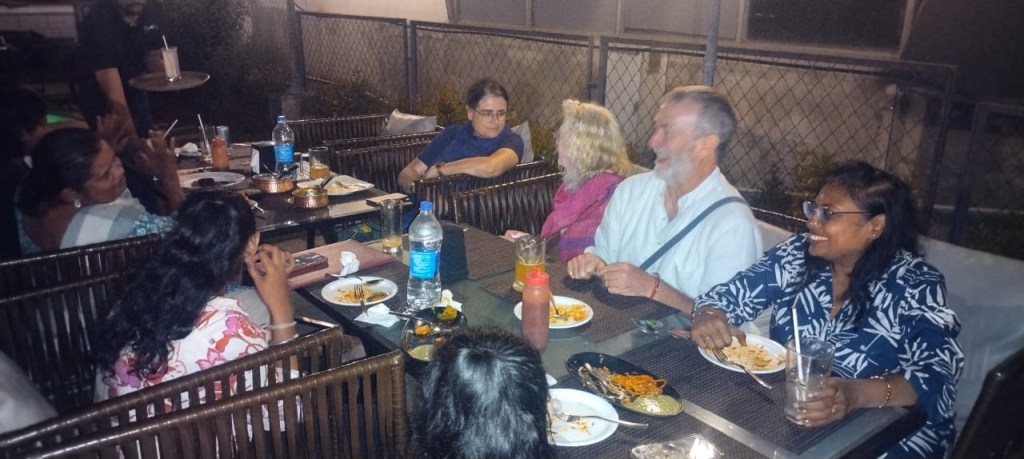
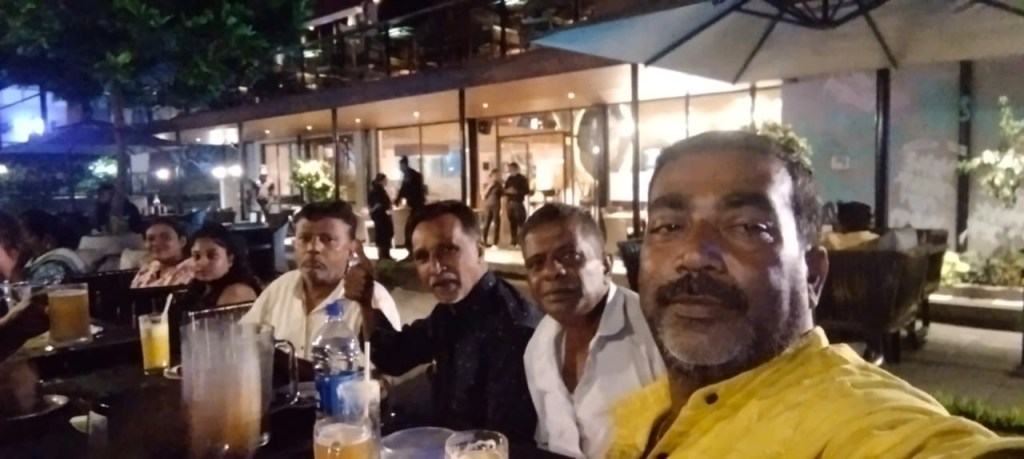
What then is love? Not much, not much; I come back to this idea. Sensitivity, imagination, fatigue, and this effort to depend on another; the taste for the mystery of the other and the need to admire… What is worthwhile, is friendship… this profound mutual confidence between [two people], and this joy of knowing that the other exists.
“The ancient Greeks, in their pioneering effort to order the chaos of the cosmos, neatly taxonomized them into filial love (the kind we feel for siblings, children, parents, and friends), eros (the love of lovers), and agape(the deepest, purest, most impersonal and spiritual love).”
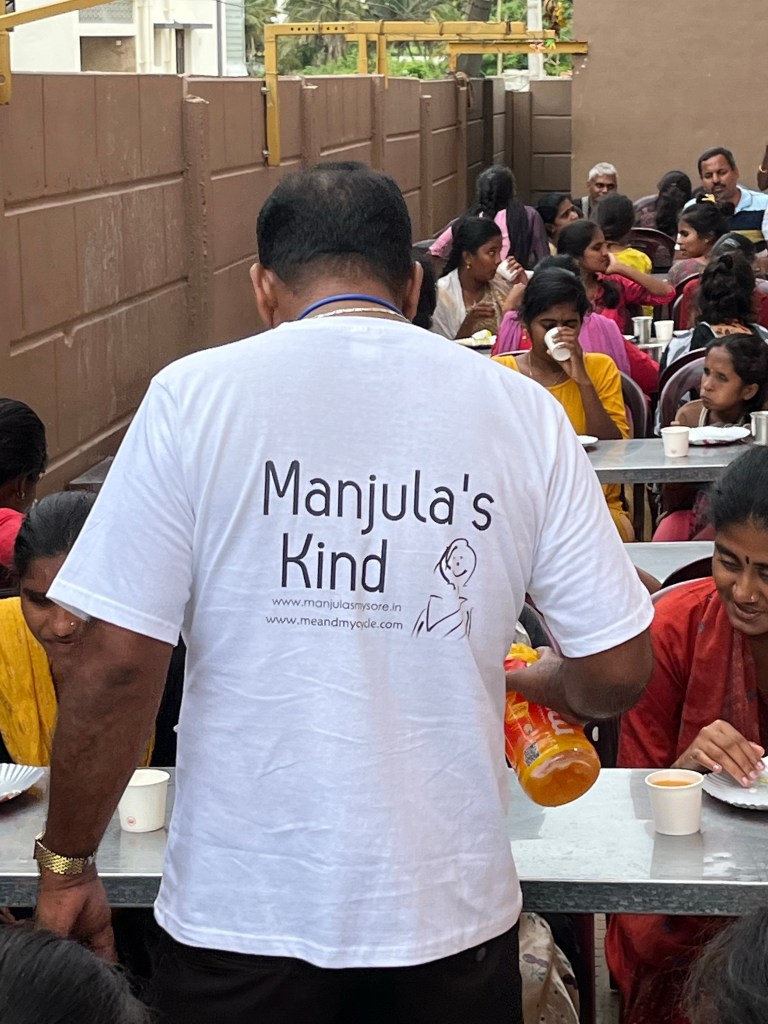
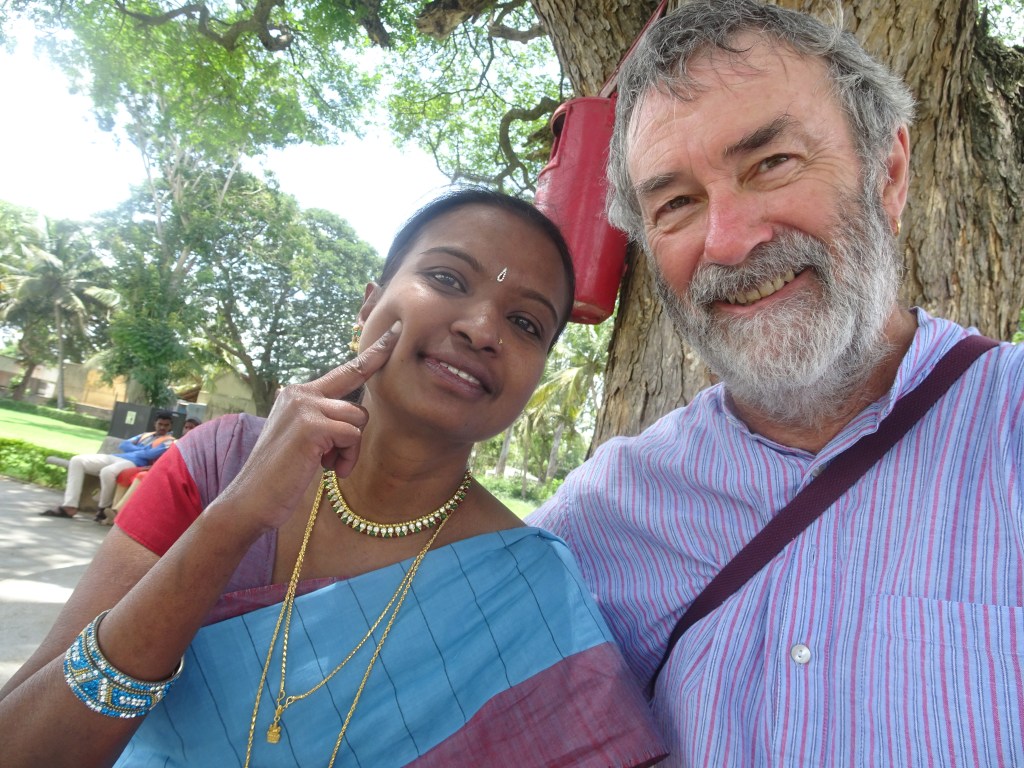
I decided that we would continue Manjula’s sunshine goodness, sharing her love, through events and activities for young people.
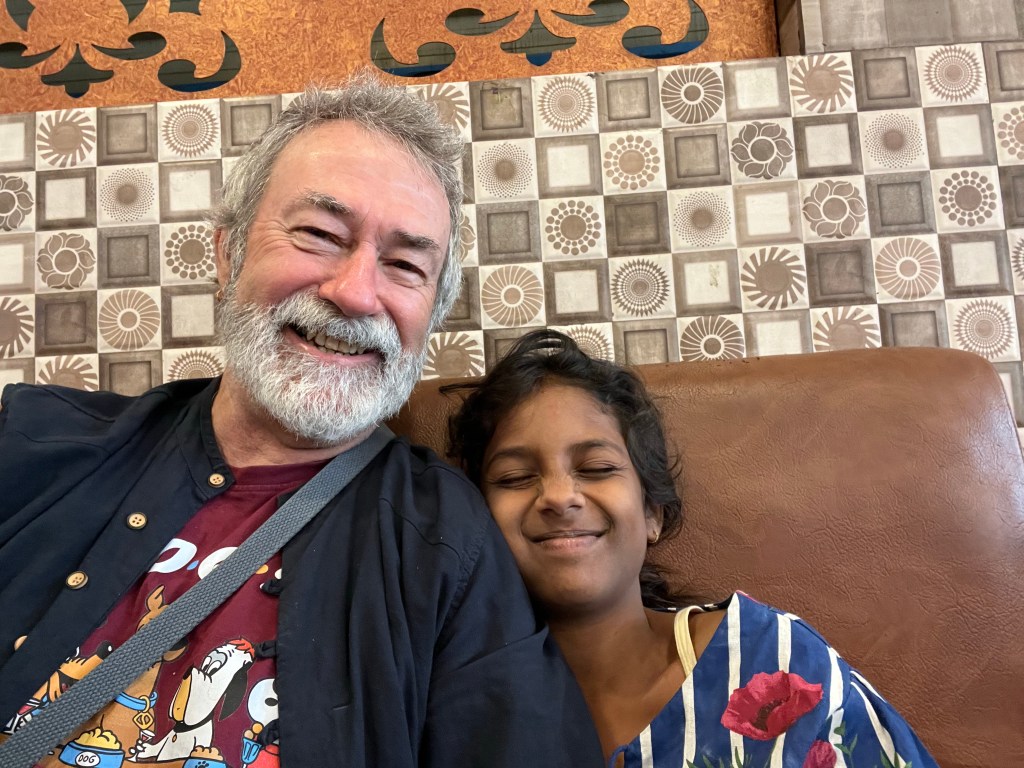
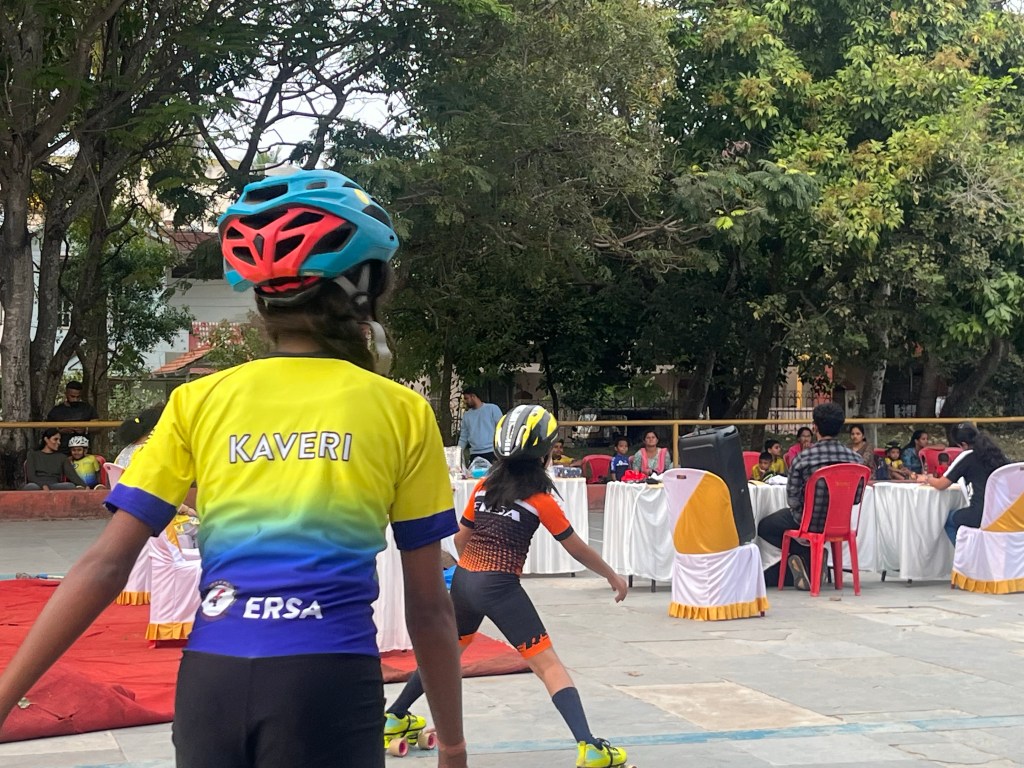
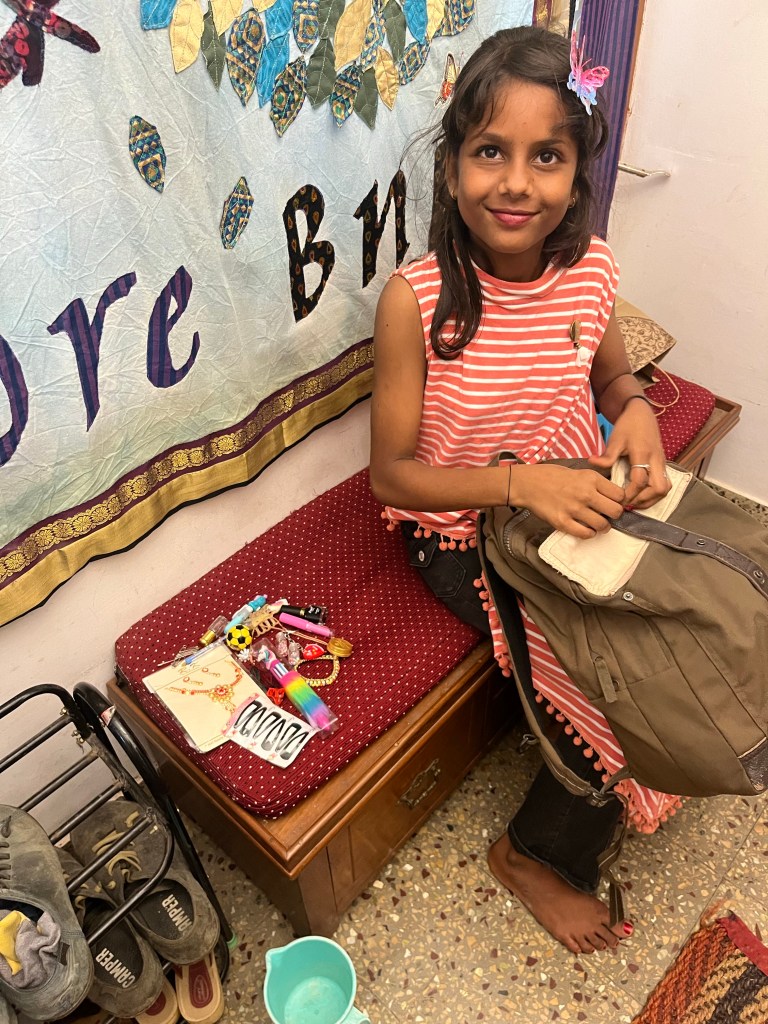
The most obvious example is our continuing support for Kaveri.
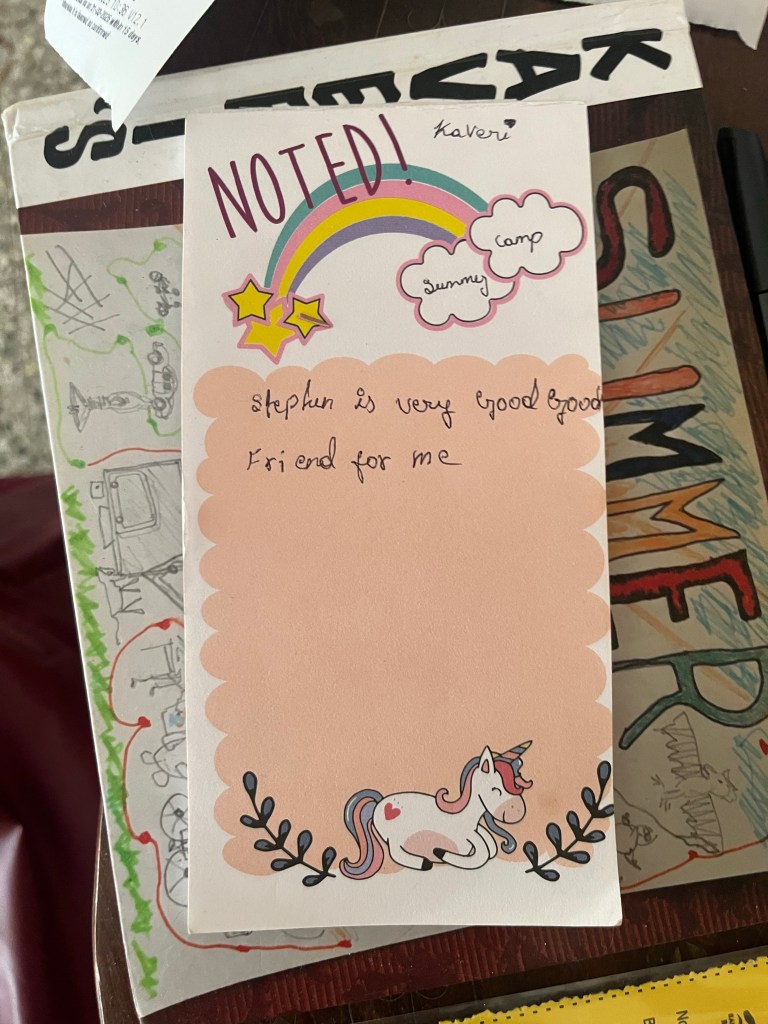
Kaveri’s most recent art from this weeks summer camp She also leaves me little messages.
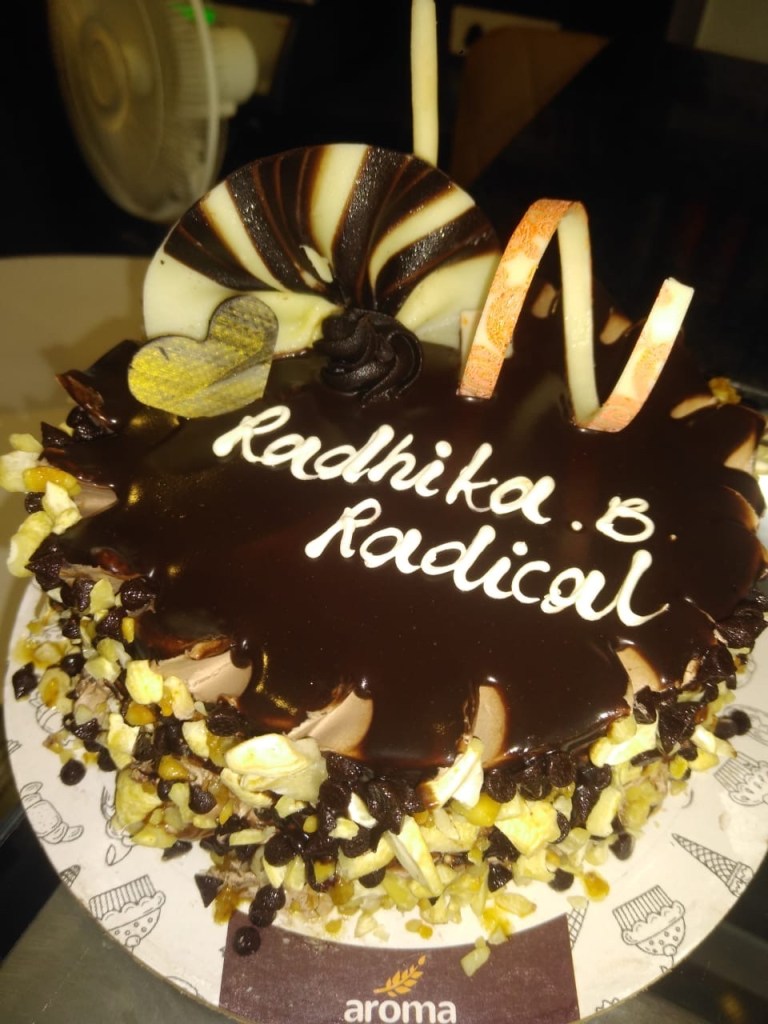
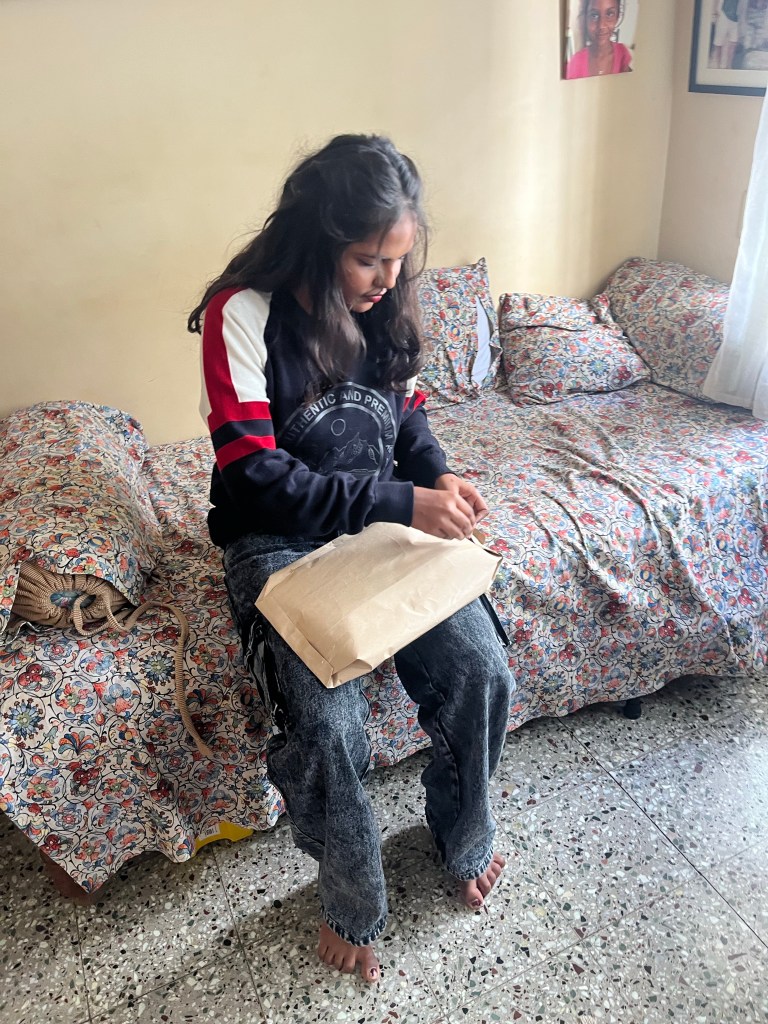
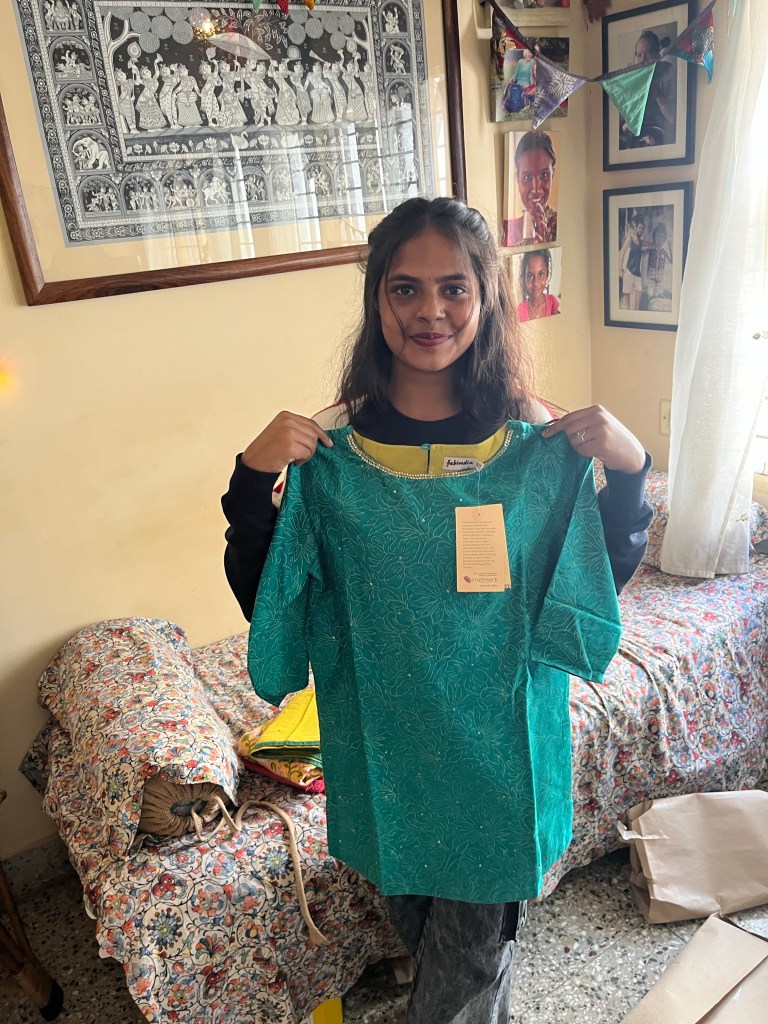
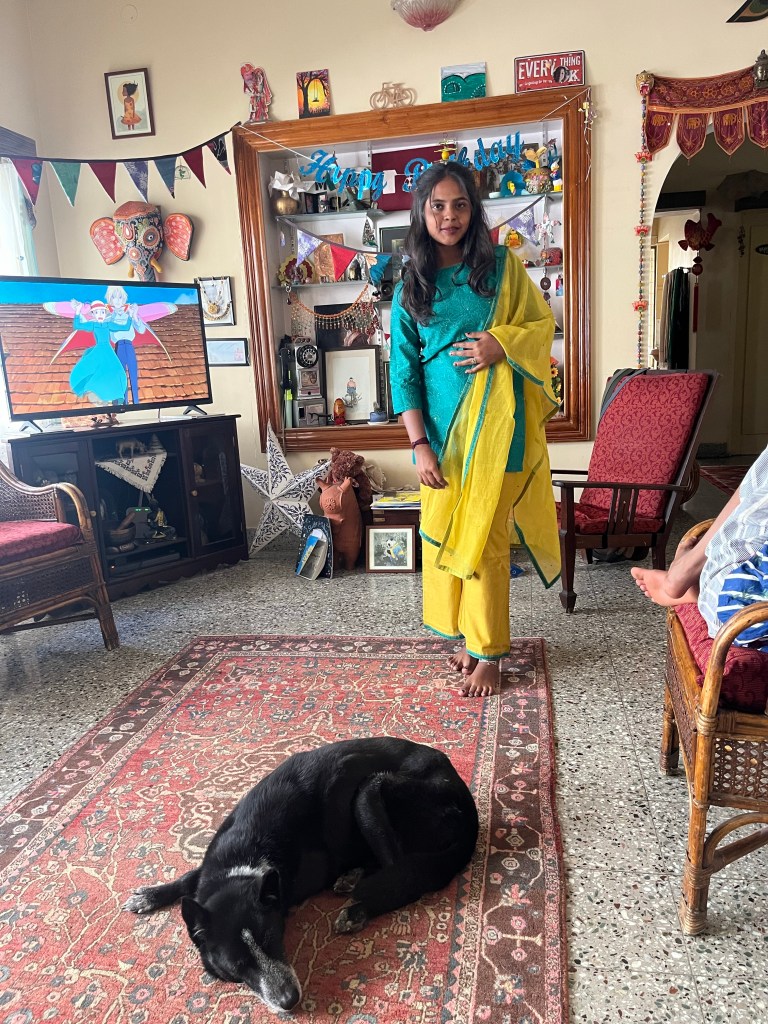
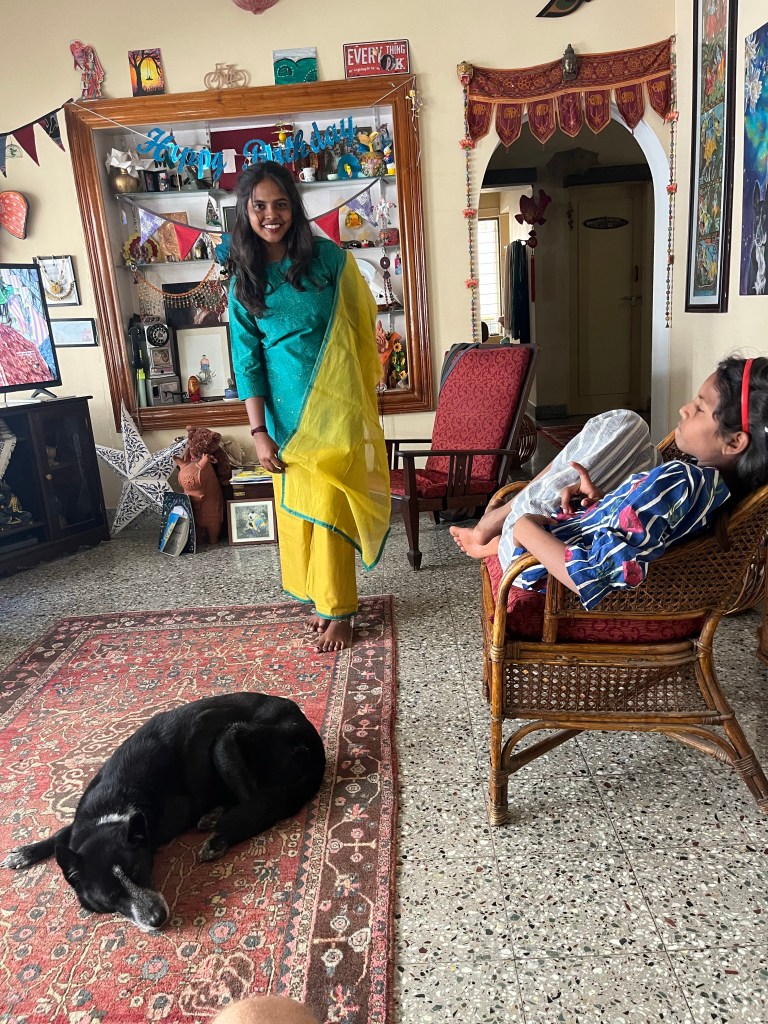
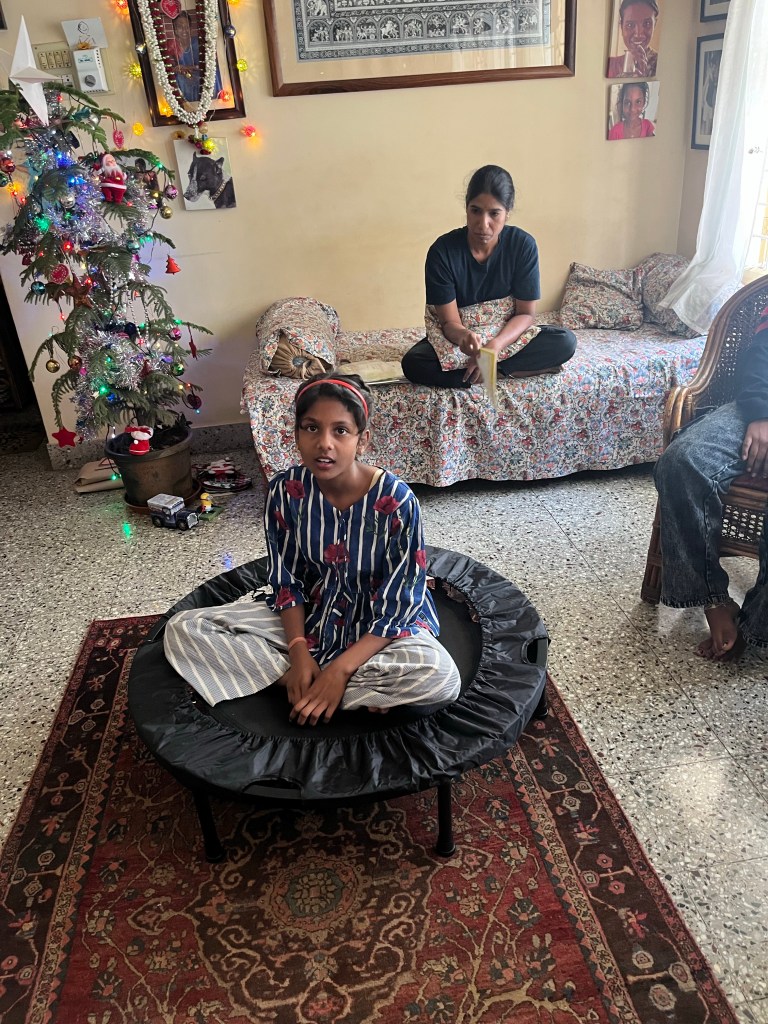
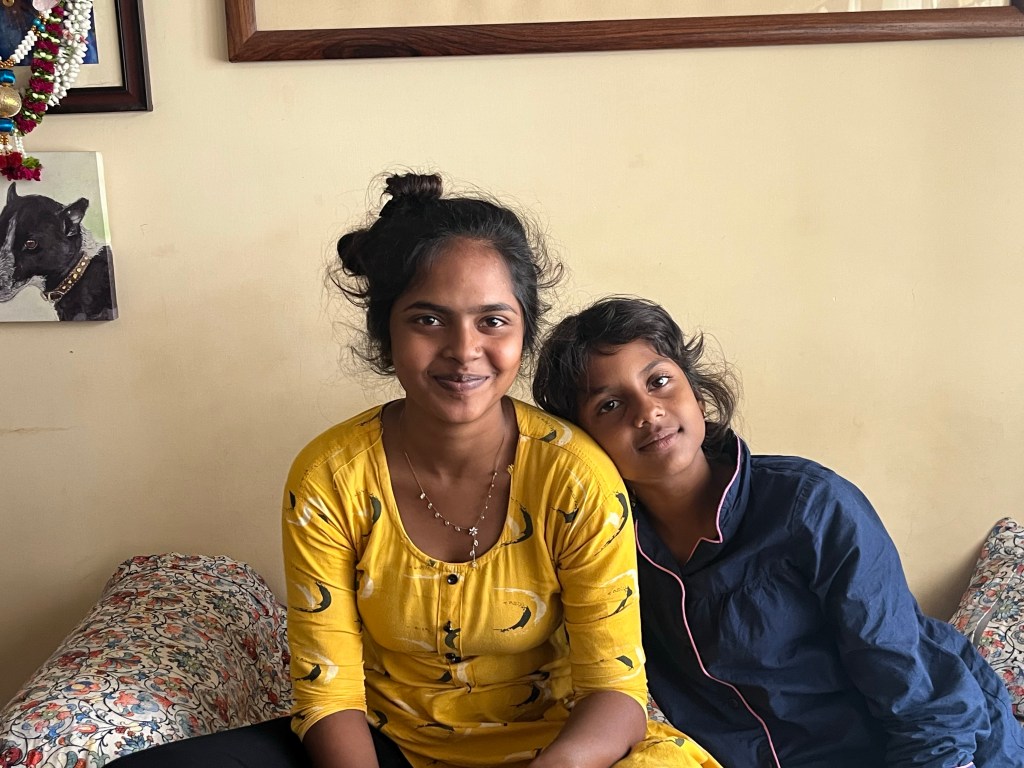
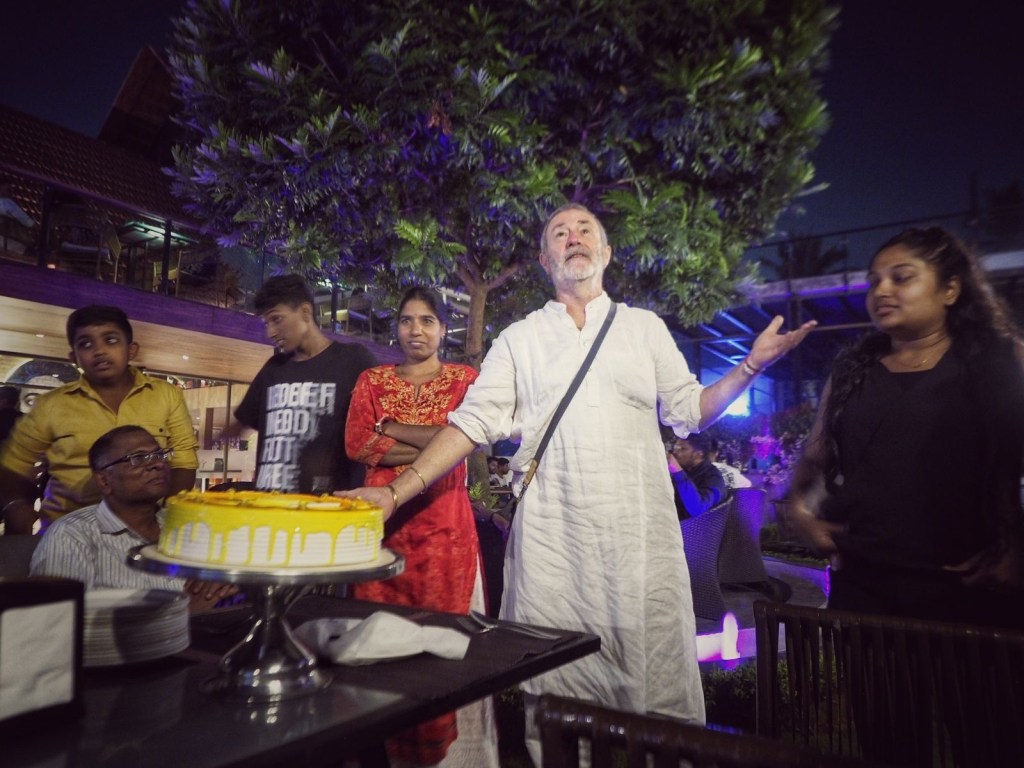
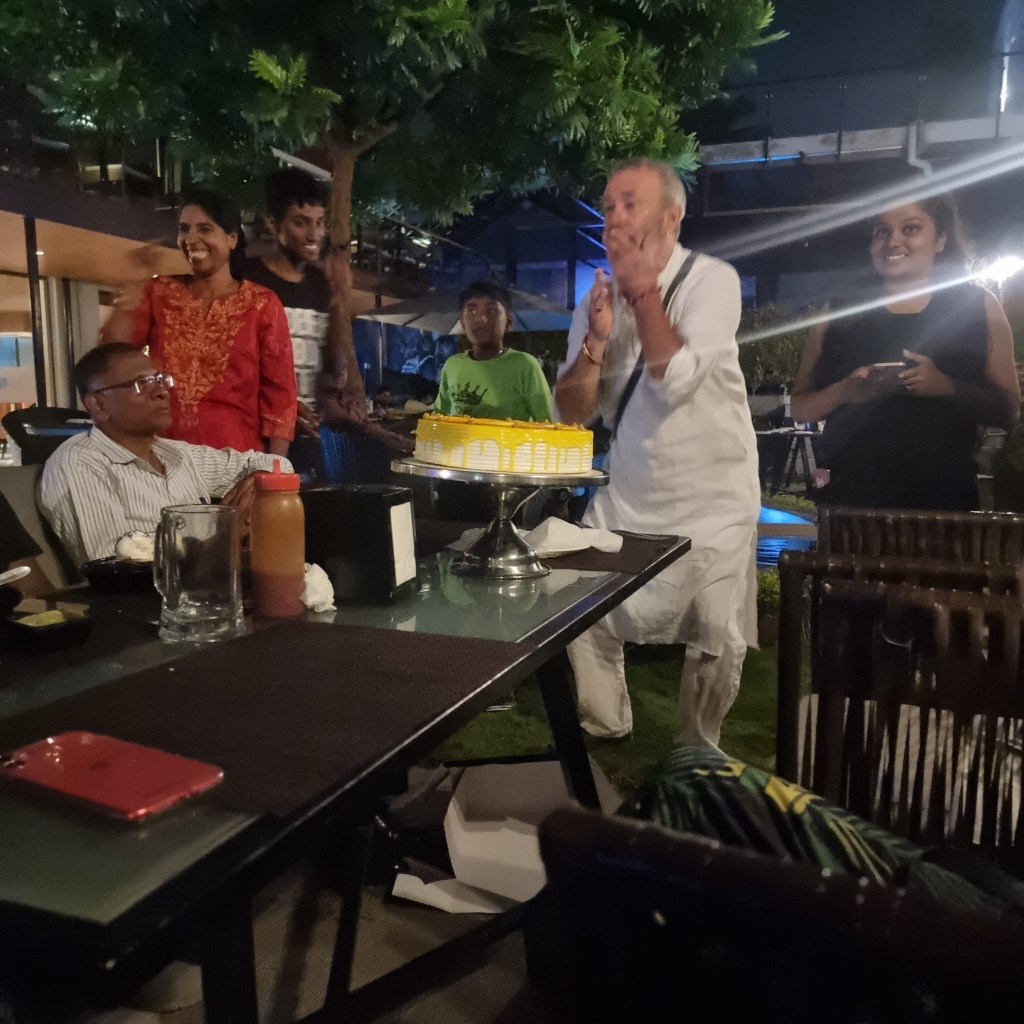
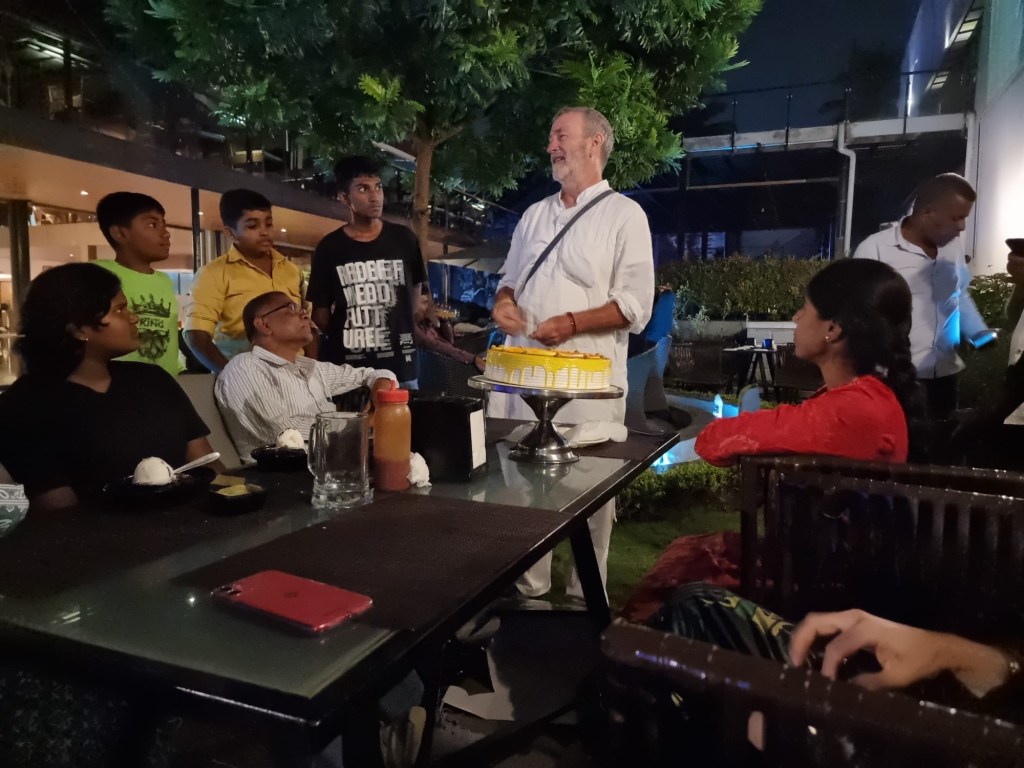
Radhika was 17 this week so with Kaveri back for a skating race we made Sunday into an extra celebration.
Happy Birthday
Radhika B Radical
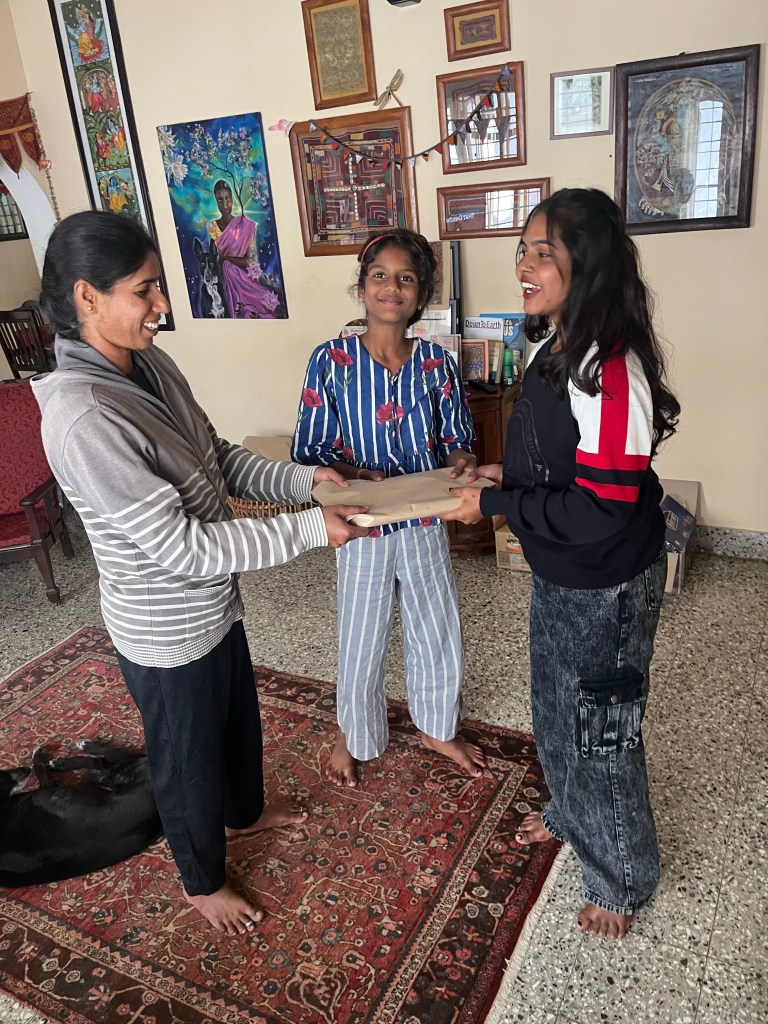
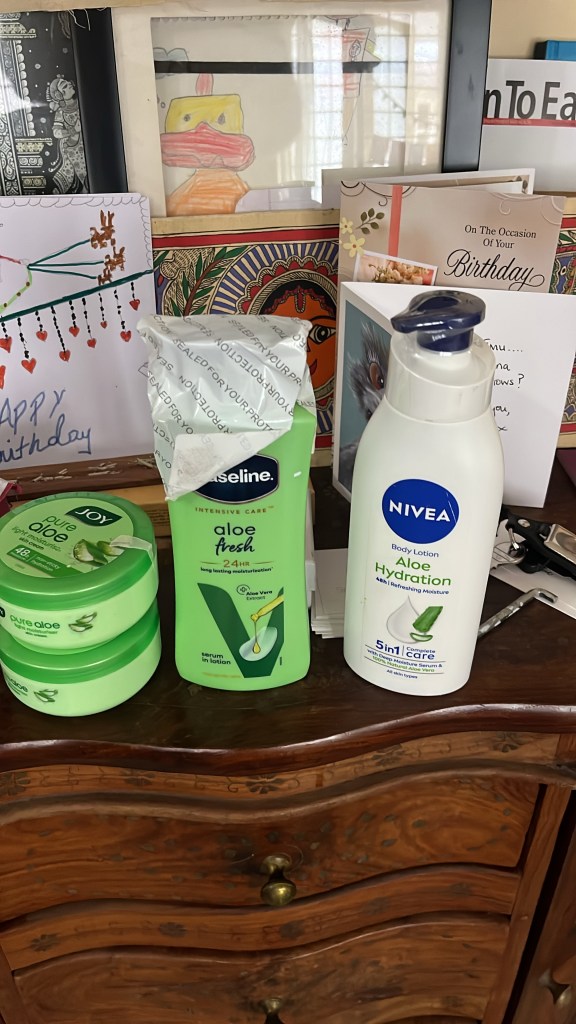
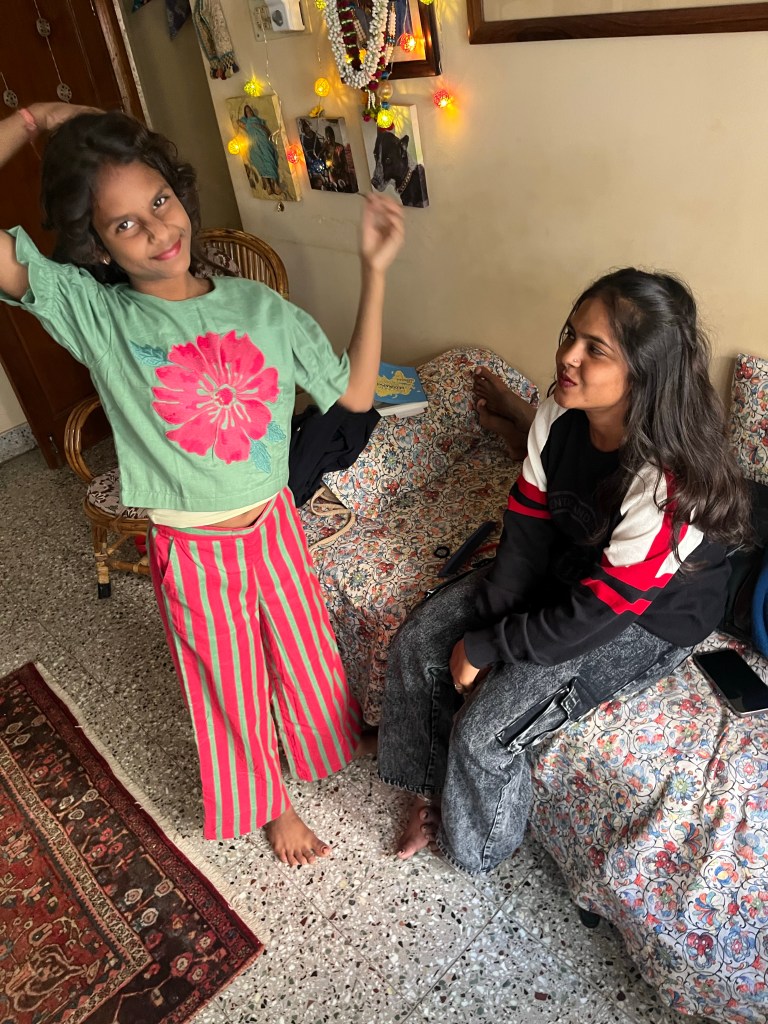
Skating and school was tiringRadical’s fiancée did the honours and it now lives in what’s fast becoming Kaveri and Radhika’s room at the BnB In my role as one of Kaveri’s extra mums I’m finding the best moisturiser.
Manjula complained about me filling the house with art and books —- and we were running out of space.
She decided that when I was seventy-five (that’s right, i’m —not yet) and stopped leading MYcycle tours (big assumption there) we’d open the house as a library.
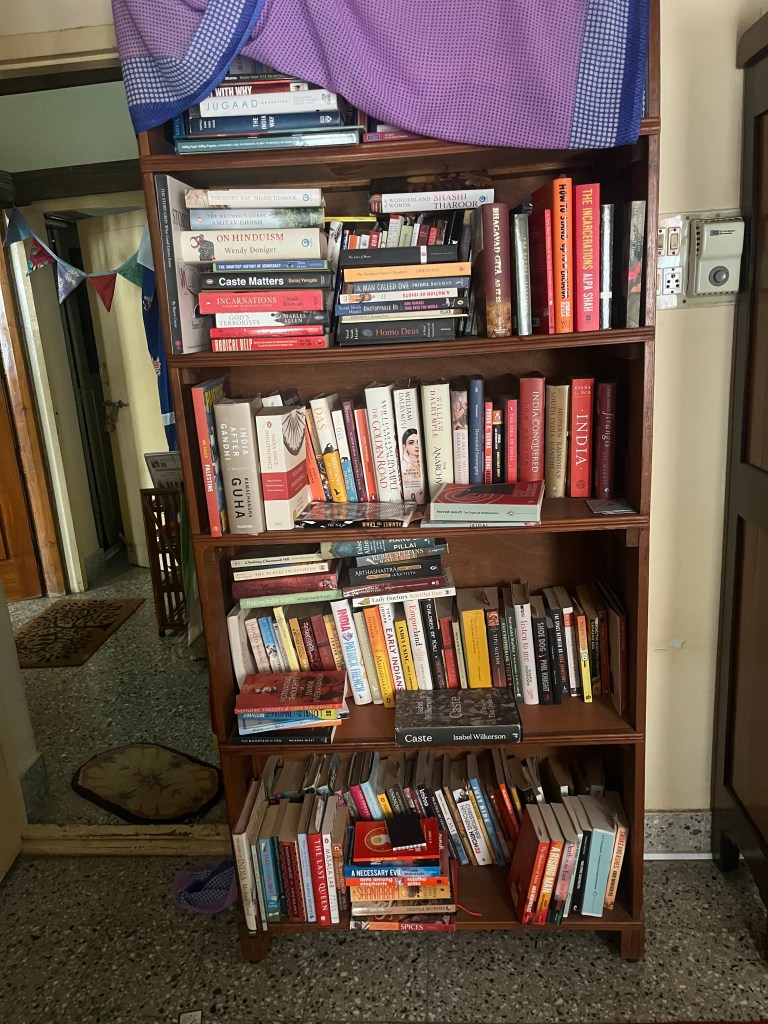
In her memory I closed one of the bedrooms to reopen it as ‘Manjula’s Library’
Just one of the bookcases
There’s now hundreds of fiction and non-fiction books in English, including those about education, India, history, philosophy, for adults and children.
It’s an idiosyncratic mix already used by our guests, the members of ‘reflective space’ and the time I spend with young people.
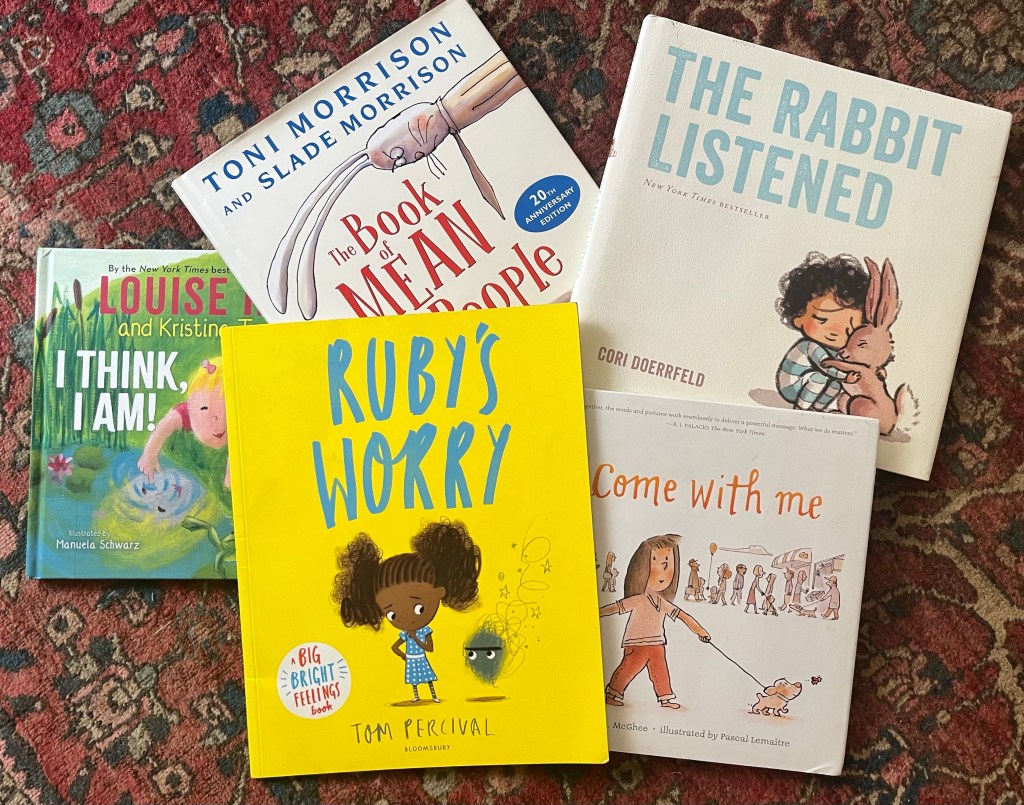
My own favourites are the picture books.
It changes by the day ….
… check out the new arrivals.
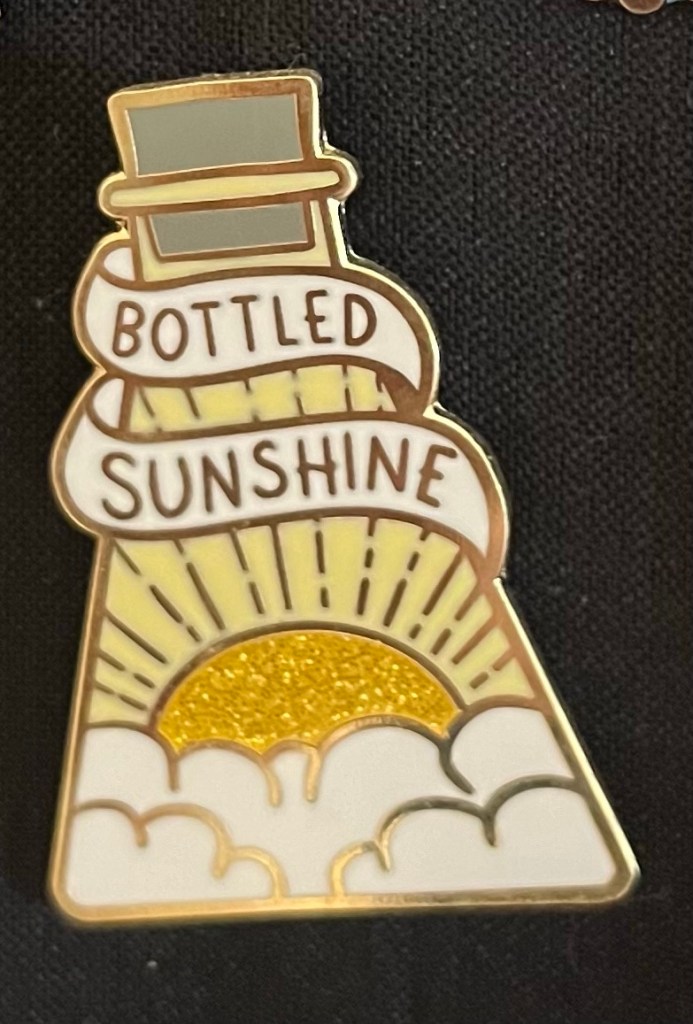
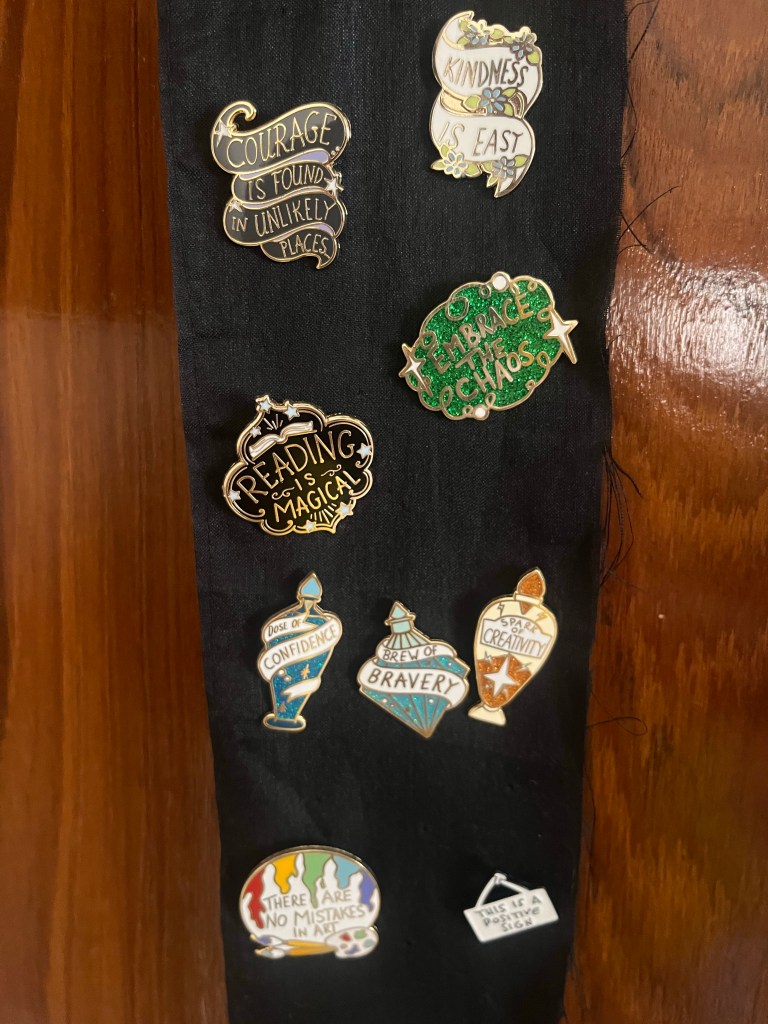
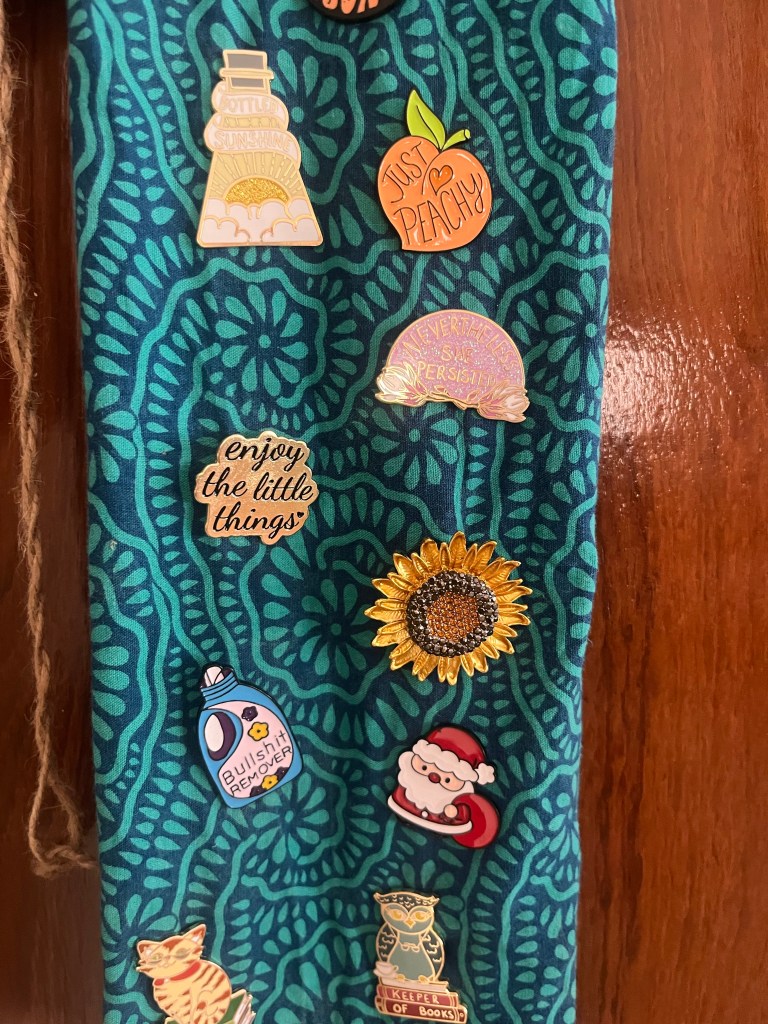
Yes, it’s not JUST books, we now have a selection of cool badges.
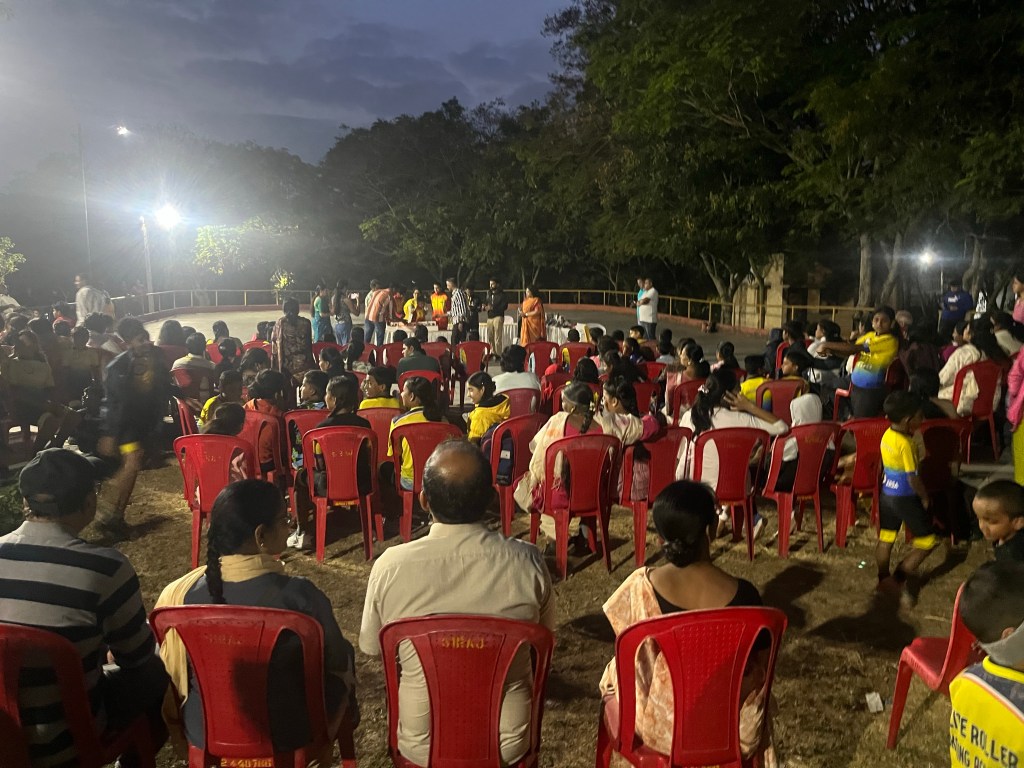
Were organised by Manjula’s Mysore at Kaliyuvamane, the ‘open’ school that Kaveri attends in Mysore and separately for an NGO working with visually impaired young women.
Why?
… because it’s an ‘alternative’ approach we think reflects our way of thinking and that of the school.
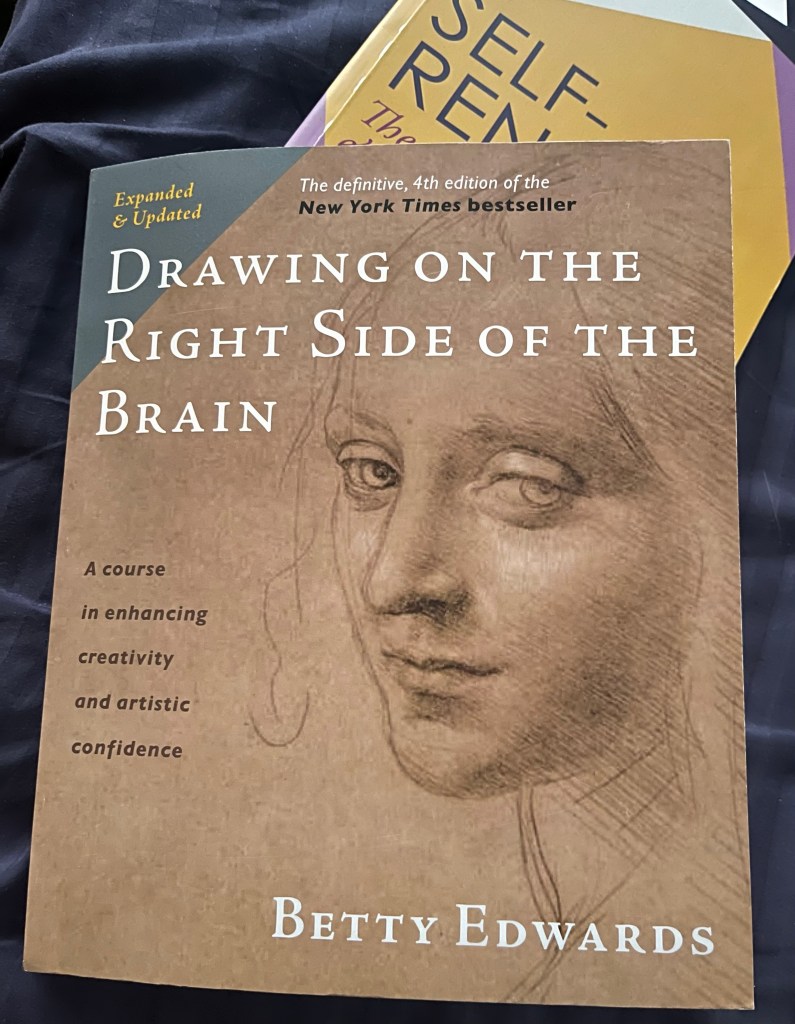
Betty Edward’s writer of ‘Drawing on the Right Side of the Brain’ puts it well…
“throughout many cultures … there is much talk of creativity and our need for innovation and invention. “ …. Yet …
“our education system seems bent on eliminating every last bit of creative perceptual training of the right side of the brain, while overemphasising the skills best accomplished by the left side of the brain: memorising dates, data, theorems, and events with the goal of passing standardised tests.”
Edwards believes that “with careful teaching transfer, drawing and reading together can educate both halves of the brain.”
Indeed the management guru Tom Peters declared innovation as the no 1 competency for successful, thriving organisations. That was also reflected in the work of John W Gardner author of ‘excellence’ and ‘self-renewal: the individual and the innovative society’
As I look into this more, I realise that creativity helps us develop and use the right side of the brain to enhance our perception and to bring meaning into our increasingly complex worlds.
It’s therefore no accident that we’ve promoted “two vital global skills: reading and drawing.”
I hope MAnjula was happy and proud that in her memory we’ve tried to better equip young people for the challenges they’ll face, bringer greater equilibrium and help them find their passion.
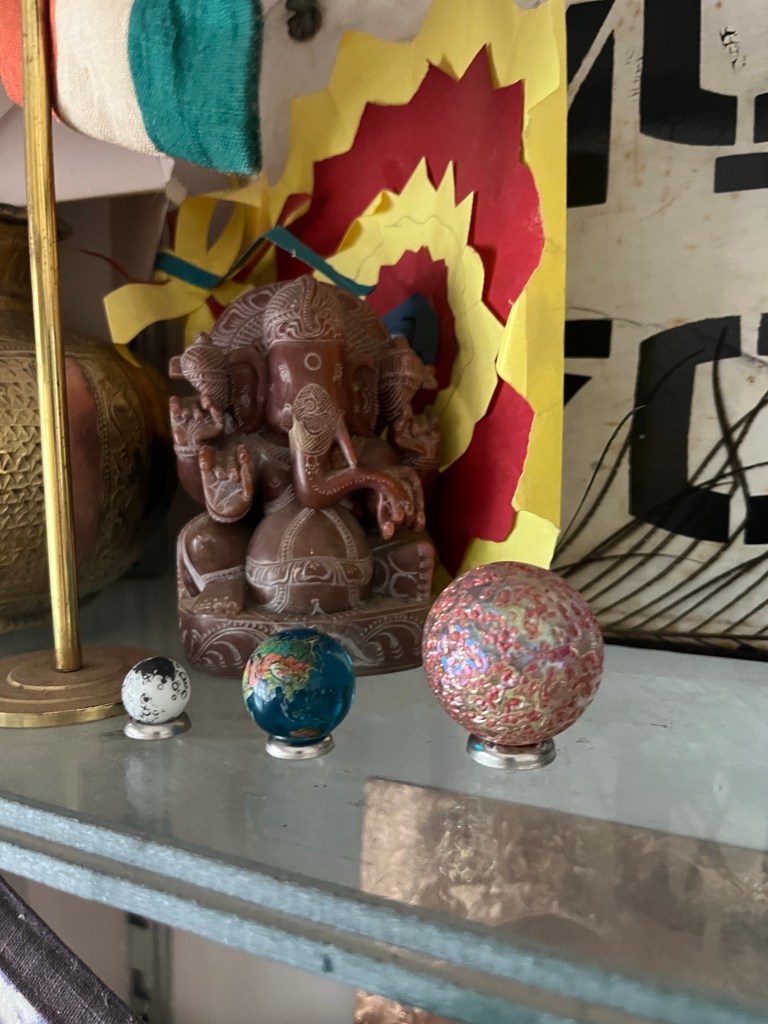
Ganesh, originally bought from the stone carvers in Tamil Nadu with representations of — (from the left) the moon, earth and sun.
I’ve adapted one of his key stories to share with Kaveri and Radhika.
It traditionally goes like this …
Ganesh and his brother have a race round the world to prove who’s fastest.
If we were asked to predict who would win we’d think his brother, as Ganesh aka Ganpati isn’t lithe and doesn’t look fit. Plus .. He eats a lot!
His brother is shocked to find Ganesh already there when he breathlessly reaches the finishing line.
It turns out Ganesh raced around his world (his parents) and his brother raced around the whole world (planet earth).
My addition.
There’s no right or wrong here, both raced around important worlds. Fact is — we occupy many worlds— at school, where we live, amongst our friends, work. It’s important for us to realise these different worlds — an understanding of which — helps us realise how people see things differently.
Only then … can we — Be Kind— (a regular message to Kaveri), as that depends on us understanding how each person sees things. No point ‘being kind’ in ways that ‘the other’ person doesn’t value or recognise.
Manjula’s Library
Factoid !?
Kartikeya ), also known as Skanda, Subrahmanya, Shanmukha and Murugan, is the Hindu god of war. He is generally described as the son of the deities Shiva and Parvati and the brother of Ganesha.
Lifted off the t’internet
All images are in Mysore Bed and Breakfast but non of his brother as he’s still racing around the world.
Help girls (and boys) prepare for adult life by introducing yourself and sharing your insights.
Manjula’s Mysore is inviting its guests and members of its monthly meeting: ‘reflective space’ to create a short Introductory video — talking to camera — to reveal what’s possible.
I often use the story of Ganesh and his brother racing each other to reveal to young people that we live in many different worlds — with our immediate family, at home, with friends, at work, our extended family, while travelling.
It’s important to recognise and value difference reflected in those different worlds. That helps us to realise what wide variety of opportunities exist for us.
Many young people don’t understand how different their lives could be.
If we know more, we’re more enlightened and can better choose the life we wish to have, and find what suits us best.
Breaking the crate.
It might mean challenging the status quo and breaking away from what’s traditionally expected of us.
Sharing examples gives others strength.
This idea came from how much Kaveri learned about other people’s worlds by meeting guests of all ages — from India and around the world—- at Mysore Bed and Breakfast.
I hope this helps broaden her horizons and seize opportunities
Manjula realised — that even with a limited education, from a poor background having experienced so many difficult challenges throughout her life — she could create a wonderful home, share it with people from around the world, become a company director, manage our business and teach a Firangi a thing or two!! (Many things actually)
The choice is ours, whether it’s on an individual, organisational or societal level.
Some changes come easier then others but let’s stick with the question of — should we challenge and change?
In my view there’s an unequivocal yes.
As an individual and the networks, groups or communities we form, of course we change.
What’s learning if it’s not adopting and adapting to changing situations, and developing new ways of doing things (and thinking!).
Some people and organisations will challenge change and prefer to stick with the status quo.
When that happens, look a little deeper.
What’s their motivation not to want to change? Fear? Retaining or enhancing power?
One of the most important aspects of change is personal development, it helps create who we are.
But it’s also nonsensical to suggest there shouldn’t be change in our wider groups and society
It’s critical that we innovate and adapt, developing the requisite abilities. That might be number one priority.
Well not quite.
Our actual biggest challenge is friction, and by this I mean between people, their organisations, communities, and nations.
We need to develop effective sustainable relationships and to achieve that we need to learn to be kind.
That requires us to see things from the others’ point of view, to communicate, to connect, to be flexible and adapt.
Yes… change, constantly.
Maybe we can actually reduce violent conflict …. Now that would be cool.
So we can choose to change and not be stuck …
… in what previous generations have handed down to us
NOR
…. in our personal experiences and traumas
We can shift.
Simple eh?
Admittedly. It’s not straightforward … No it’s our life long challenge, to choose who we want to be and hopefully find happiness and contentment.
But if we’re not conscious and try we might just lose this lifelong opportunity.
There’s books I’d recommend, in Manjula’s library that help cover this.
So when we next hear someone rejecting change, said in so many ways: ‘that’s not our tradition’, ‘that’s how we do it here’, ‘it’s our culture’ we can’t, etc etc then it’s for the WPB
Ok, that might be a bit harsh, at least dive into more reflection and re-evaluation.
– Are our ways of thinking and doing fit for purpose anymore?
– Is it appropriate in this day and age?
Now that’s maybe opened a reactionary can-of-worms.
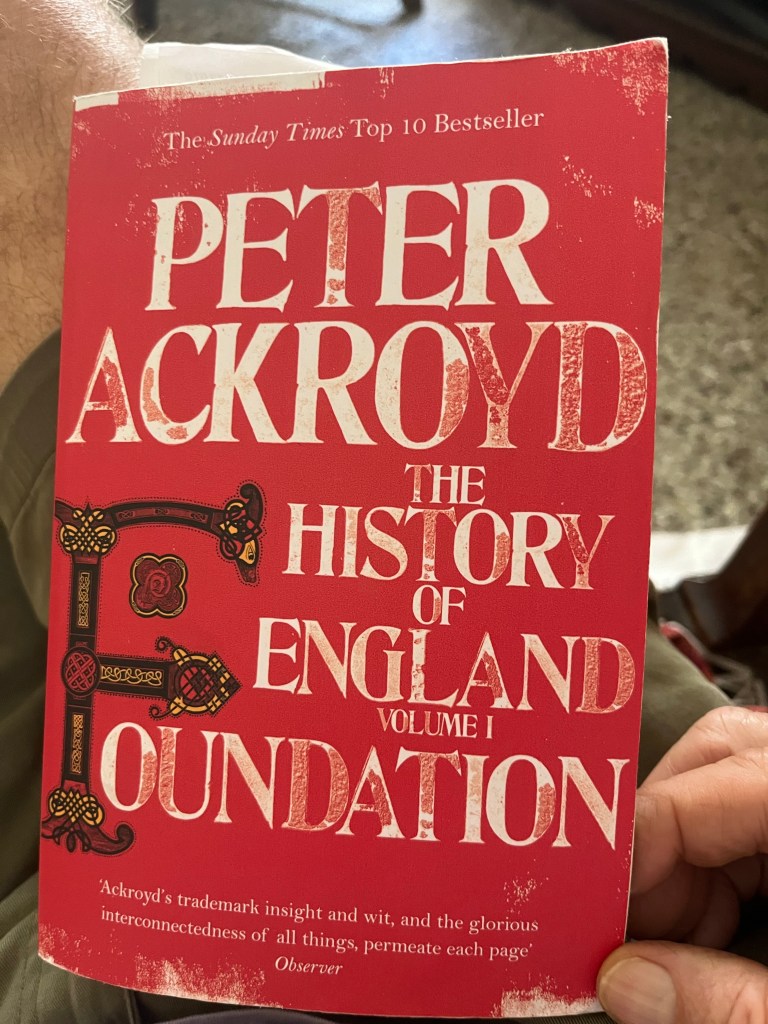
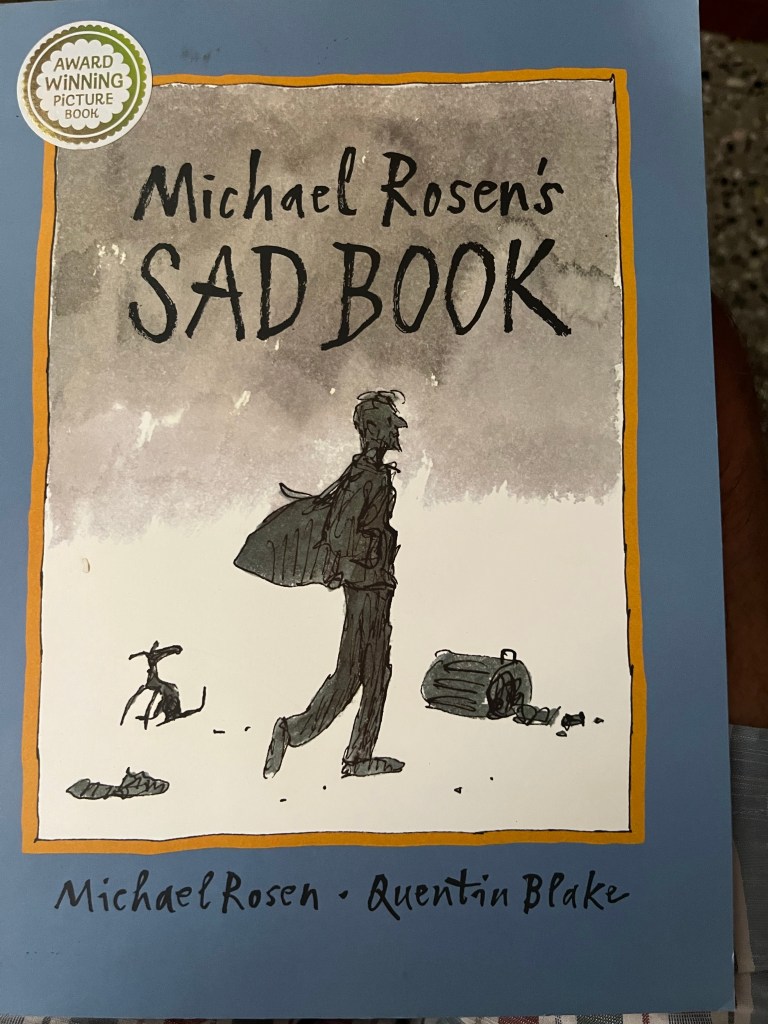
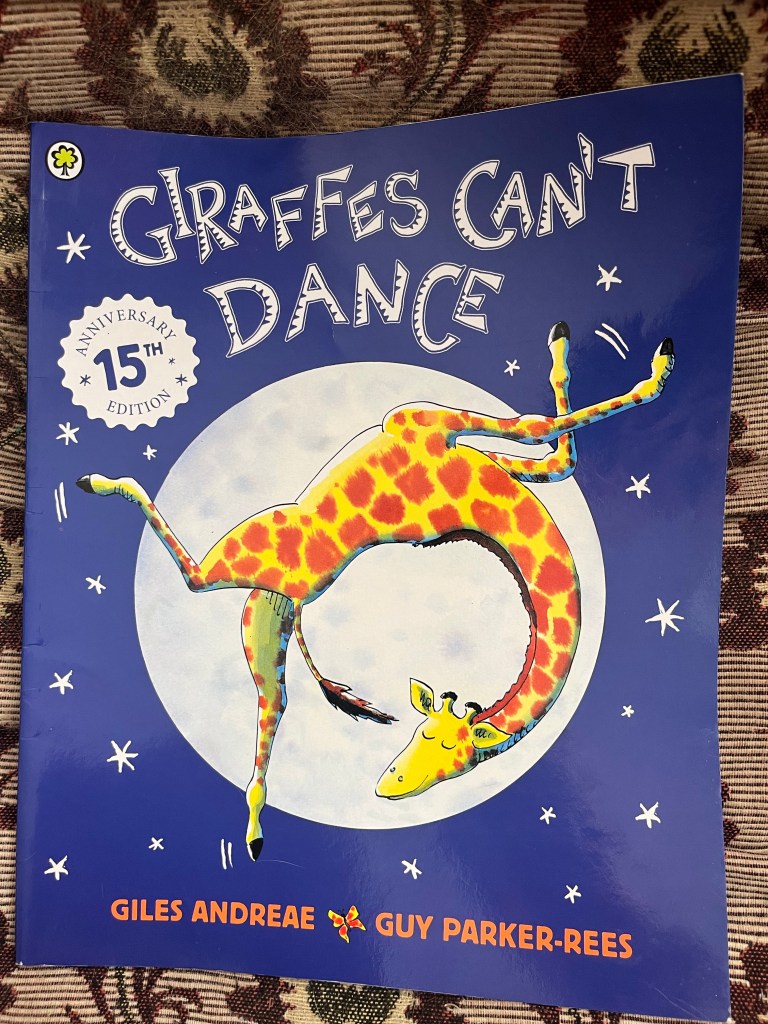
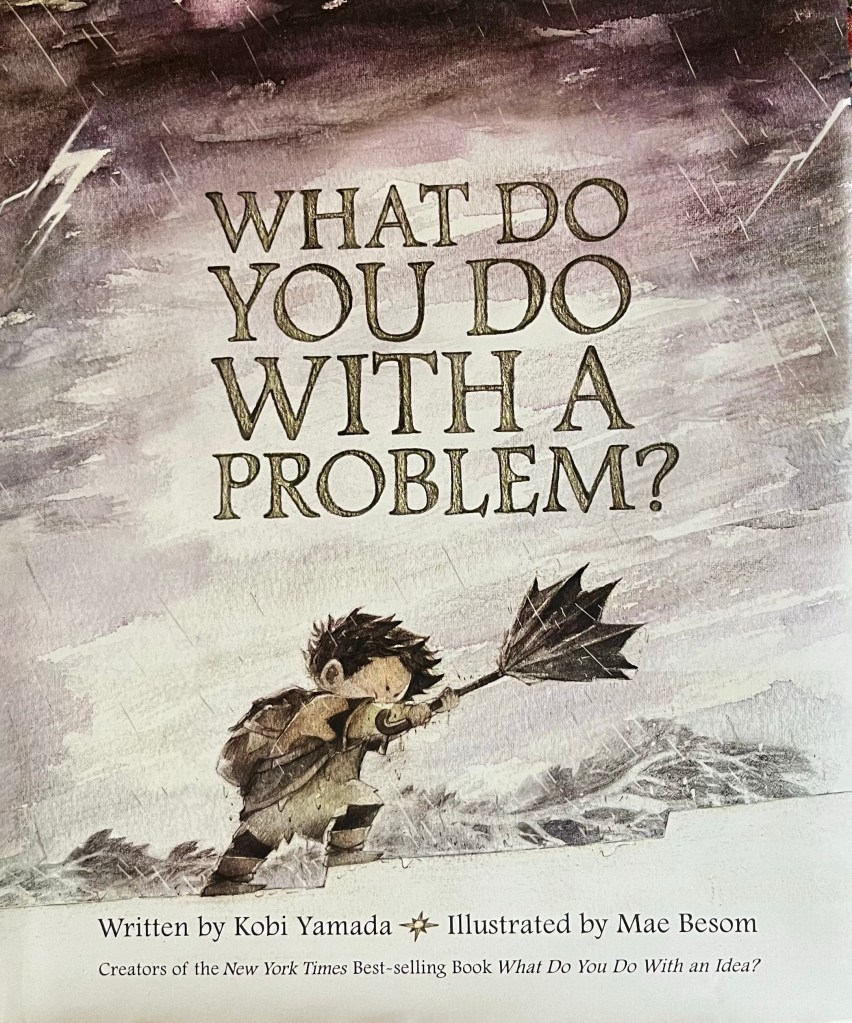
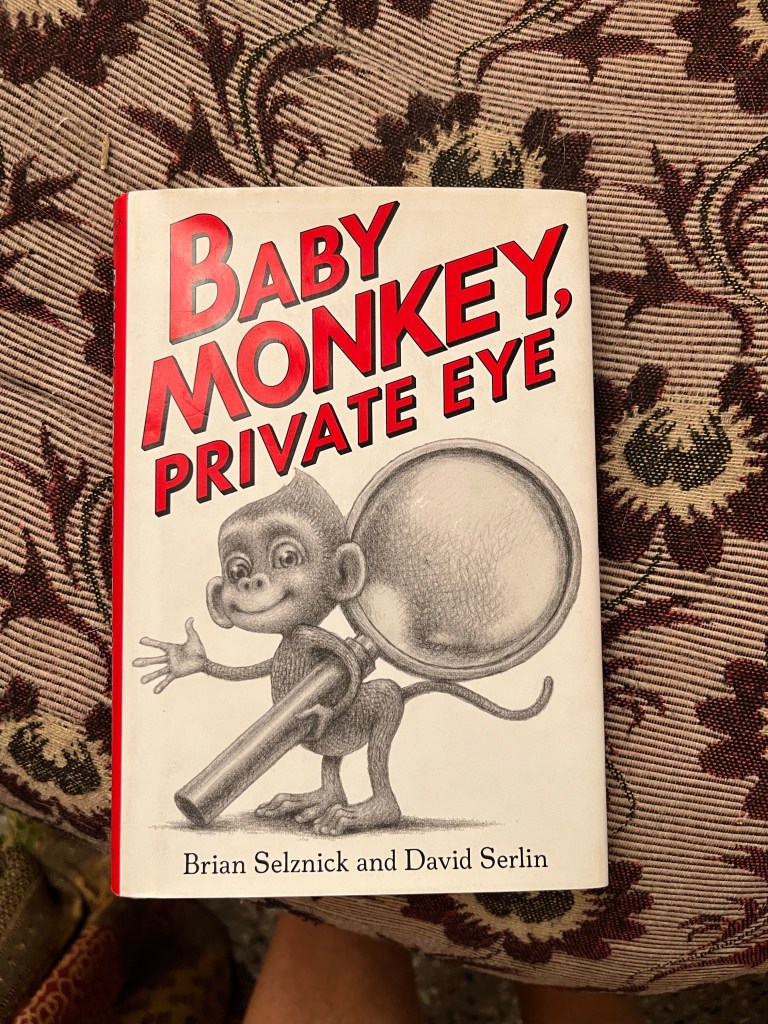
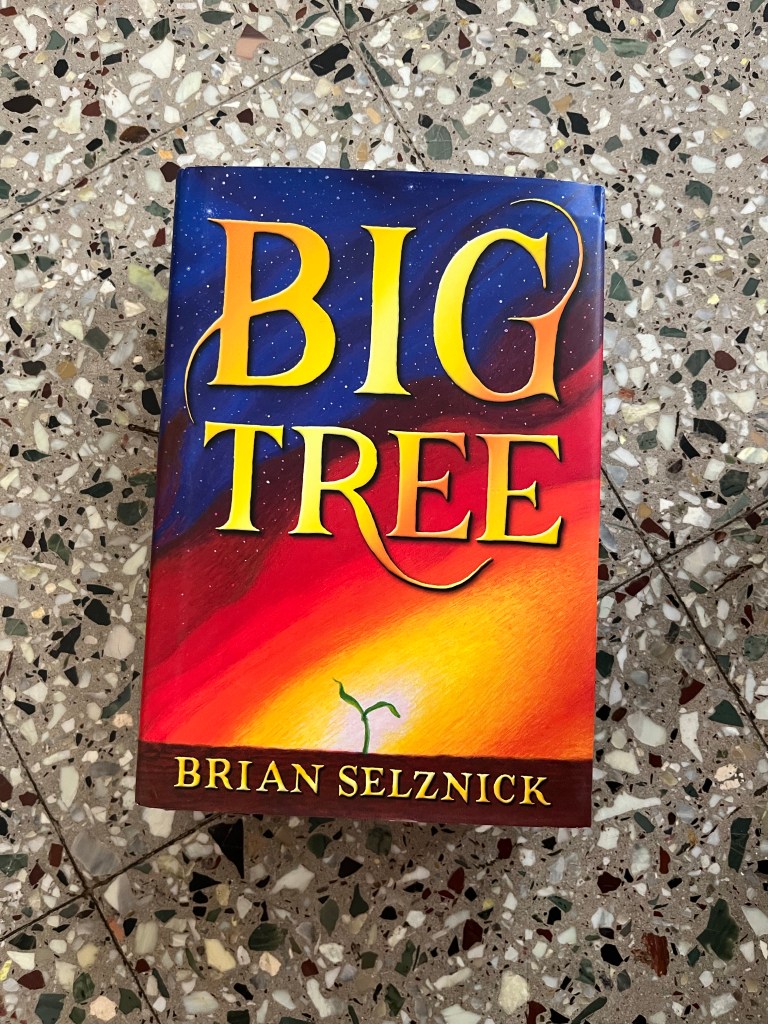
The following books are in Manjula’s library.
You might also want to check Vedanta! Perhaps recommend a book for the library.