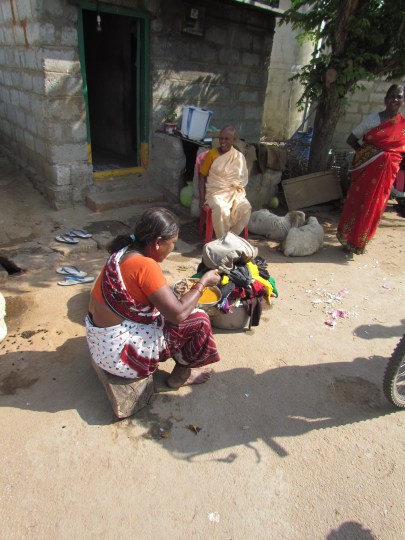
Maid in India 5

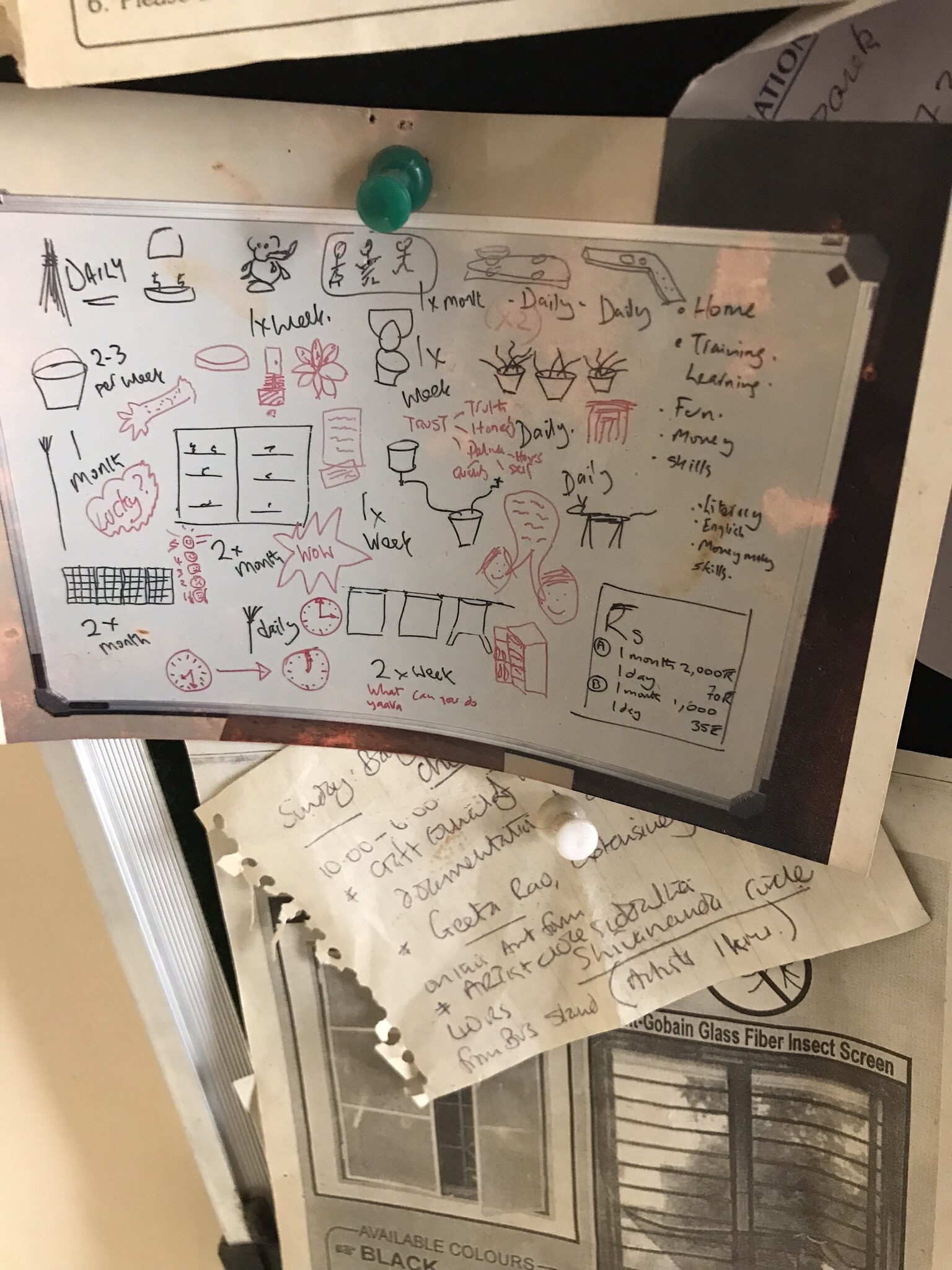
so, to explain the job. Ok we don’t speak the same language, she’s probably a little worried and intimidated, coming to work for an unknown quantity: foreigner, male, living on his own, can be a bit loud and over-energetic… so of course, I used my well developed training skills. …… and got out the whiteboard, flapped my arms and generally danced around a bit. I seriously wonder what she thought. On many occasions she shown people the photo of my drawings. Promptly followed by sniggers and giggles.

So I wonder what she really thought of working for a Firangi!

Maid in India 4

Well it’s pretty obvious it wasn’t a deal breaker. Not only did Manjula start working for me, that was almost eight years ago, she’s now taken over in more ways than one!

So what was the problem?

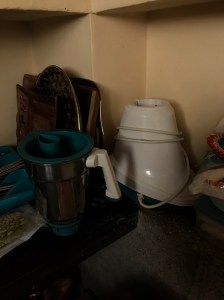
There was no electric mixer!

I can assure you one was bought the very next day. It’s done sterling service ever since.

The panic was actually created by the traditional method of grinding…..

Which just wouldn’t do. Manjula, as I was to find out is a very modern miss.

So, what next?

Explaining the job.

Maid in India 2

It’s almost eight years ago that I moved to India and mentioned to my grown-up sons that I was looking for a maid. They were horrified.

We’re from the UK, are quite liberal and left wing. I’m actually from a relatively poor working class background. The idea of having a servant was also way beyond the usual more acceptable (in the UK anyway) middle class practice of a cleaner.

It introduces a class dimension. It’s seen as a bit 19th century, old-fashioned, elitist and servants are employed by people who are not like us! Who see themselves a cut above the rest, or the hoi polloi , a case of upstairs/downstairs. In our world view, its all completely unacceptable.


img_7314
as you can see its a big house and I need help! Fact is, I only had the first floor eight years ago


I explained as best I could. It was important to provide employment particularly as there was no real welfare safety net in India. I was fitting in with the way things are, and my approach would be different (yep, it would be!) I would be a sensitive and caring employer.

So I asked my friends Ganga and Cariappa if they could recommend someone. The maid network came up with someone pretty quickly.

I was called round to meet someone.

img_0077

So what’s the bigger picture? once again Tripti Lahiri helps out:

“Britain saw the number of servants drop from 250,000 in 1951 to 32,000 two decades later.”

India followed a similar trajectory until that is, the 1970’s when there began a dramatic increase in the numbers of servants (we’ll come back to terminology later) employed and this is a situation reflected globally.

“According to international labour groups, as of 2010. there were more than 50 million such workers globally, an increase of nearly  20 million from 1995, most of this made up of women. There are now over 40 million female domestic workers globally.” 

So OK that’s enough with all the big numbers, what does this mean in practice for the women involved? who are they? where are they from and what lives do they lead?


Maid in India 1

Quotes taken from ‘Maid in India’ by Tripti Lahiri :


11023900603_31641bd177_o
an image from a postcard that we publish


“We eat first, they later, often out of food portioned out for them; we live in the front, they in the back; we sit on chairs and they on the floor; we drink from glasses and ceramic plates and they from ones made of steel set aside for them; we call them by their names, and they address us by titles: sir/ma’am, sahib/memsahib”


Think that’s in the past?

Well, think again.

“In today’s India its not unusual to see, often in largely empty restaurants, a couple seated with their child at a table for four, while the help is despatched to sit not one but two tables away….. or a nanny dandling a child on her lap at a nightclub while her employers and their friends drink cocktails as it creeps towards midnight, her hours of sleep dwindling since she is no doubt expected to be up and ready for another day at sunrise…. or for example children playing in a neighbourhood park, seeing a plump, light-skinned boy on a swing crook his finger at the petite darker woman standing nearby and utter a single word: Push”

Womens’ life experience is an incredible indicator of how a particular society works, from top to bottom.

In India the situation of women and particualrly those who are most socially and economically excluded, in this case, the ones that serve others, shines a spotlight on the social mores, the rules by which we operate, the structures and belief systems that helps maintain the status quo.

It also shows something else.

That is, how these women in often extraordinarily challenging circumstances not only manage but can thrive, can flourish and through that, show their astonishing abilities. In a sense, the influence they subtly exert and how they deal with the changes facing them can also demonstrate to us, on a macro level, how to deal with some of the challenges and opportunities facing contemporary India.

Let’s take a look.


What a lovely little tent!

Camping is in the blood.

As a family we camped in South West Wales most years. I sold my first grown up tent, a classic Force Ten, to myself at age 16 when I worked in a camp store in Sheffield.

This year we had a grand reunion camp in Wiltshire and at the WOMAD festival.

Every year we used to camp as a family in South West Wales, now I live in India but every year manage to get to camp in the UK.

So why am I telling you all this?

because we’ve found a wonderful tent, designed and sold by Hari in Bristol, England that is so good I want you to know about it.
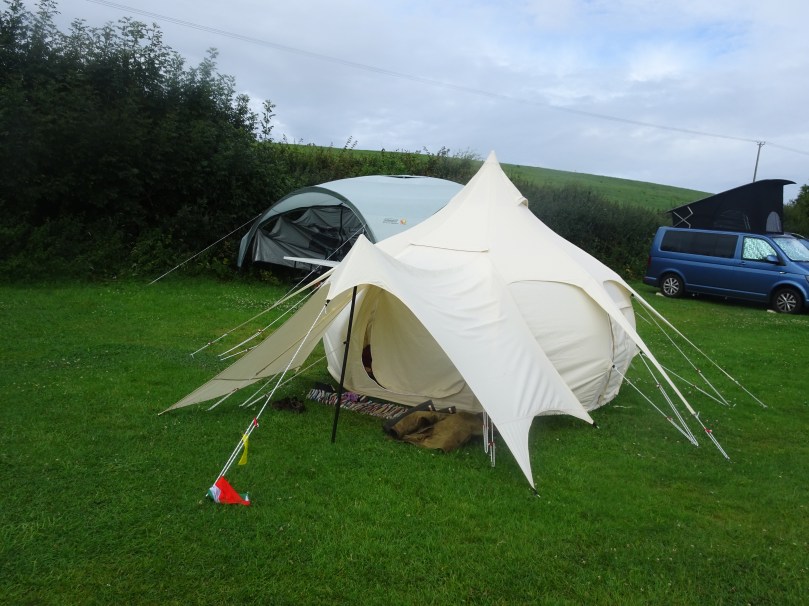
DSC07690

This year as a 60th birthday present to myself I bought a new tent, the one that Hari built ;-). The first I’d bought since the early 90’s (our tents are looked after and last). It’s the one above.

I say small and it is if you compare it with it’s bigger family members but it can take two people, even a family and there’s space for lots and lots of gear. Its quite bulky and heavy when packed up but nothing more than you would expect of this type and size of  tent made of canvas. It is however absolutely gorgeous, easy to put up, a great feel of round ness inside and with no centre pole!
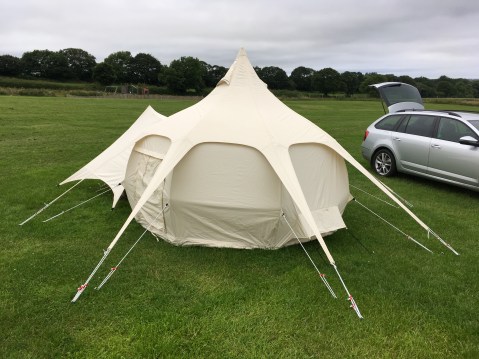
IMG_3009

My grandaughter reckons its a pumpkin or maybe Cinderella’s coach.

Everyone is attracted to it and want to know more. Its not cheap but fairly priced for what it is but then again what is cheap in the UK?

There are a couple of nice personal tie-ups. Lotus is of course a Hindu symbol, it was also part of my logo for my consultancy business set up in the early 90’s and is now even a tattoo on my arm! It is a bell tent, has a clever collapsible-poles-system,  so there are no poles restricting the inside space.

Manjula has got to grips with putting it up and taking it down.

She does however still ask me why to people go camping!? It might be something to do with the rain, wind and completely unpredictability of our weather in the UK …. or perhaps camping in India is seen as something for the military or poor people.

I’m working on her.

Its perceived as a festival or Glamping tent and the big versions we’re being used at WOMAD this year

We’ve camped with the new tent in the gloriously crappy English Summer in Yorkshire, Dorset and Wiltshire. Its been super!

more details are at Lotus belle

its listed as a bud, and now they’ve got an inflatable one!

More photos are available on flickr

or come find us at WOMAD in 2018 where we’ll be using the tent

Special 


A very special friend, the lovely Leela, invited me out for a drink, to celebrate my ‘significant’ birthday. (Yes, I’ve been celebrating it for quite some time now!) this was during my April trip back to Blighty.


Well Leela. Is something of an innovator and is really great at helping others as a facilitator and coach. She’s especially good at using her artistic skills to help people create a shared understanding and most importantly act on it.

Come on Farrell. Get to the point!

well she’s working her magic on me.

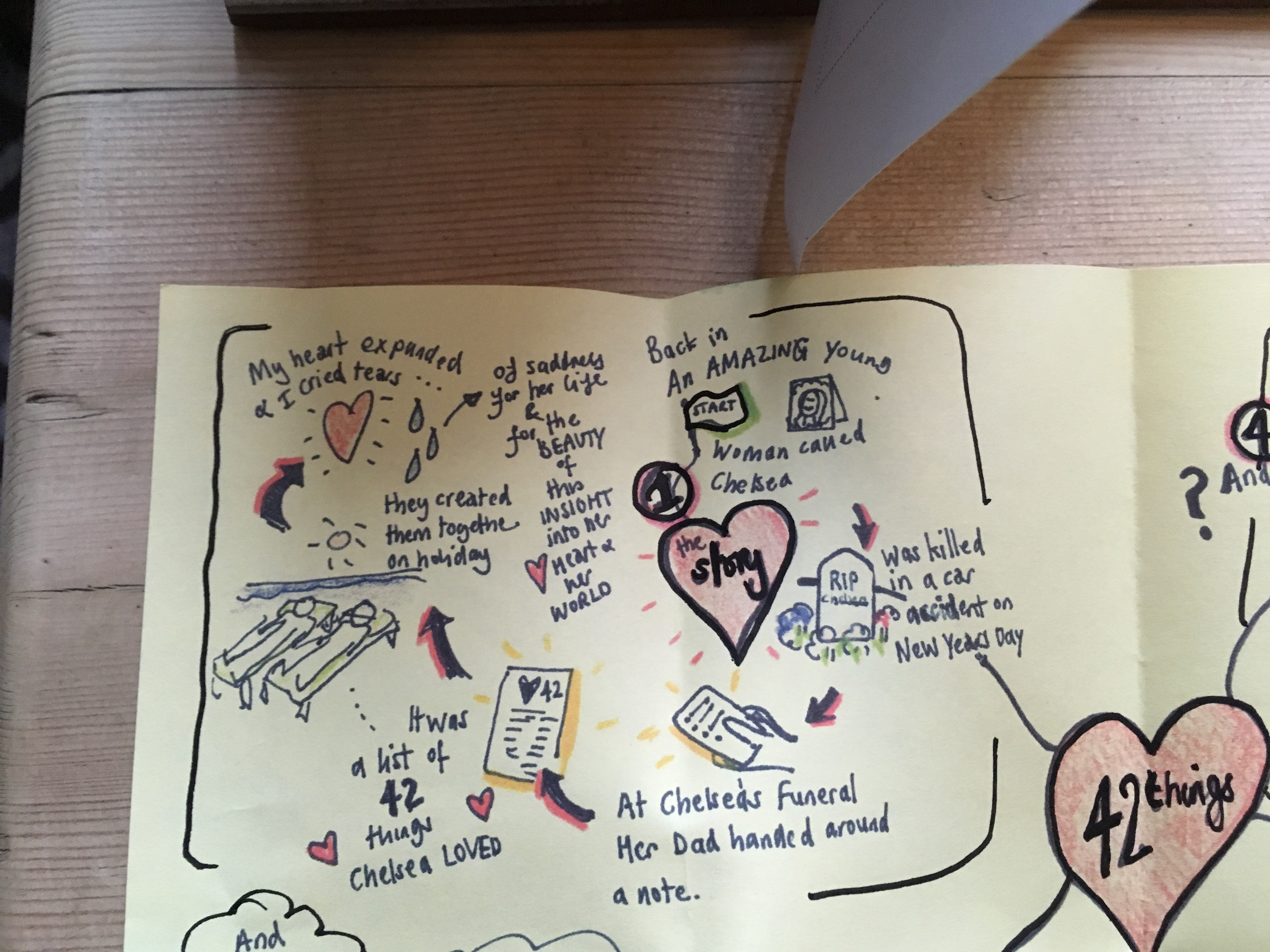
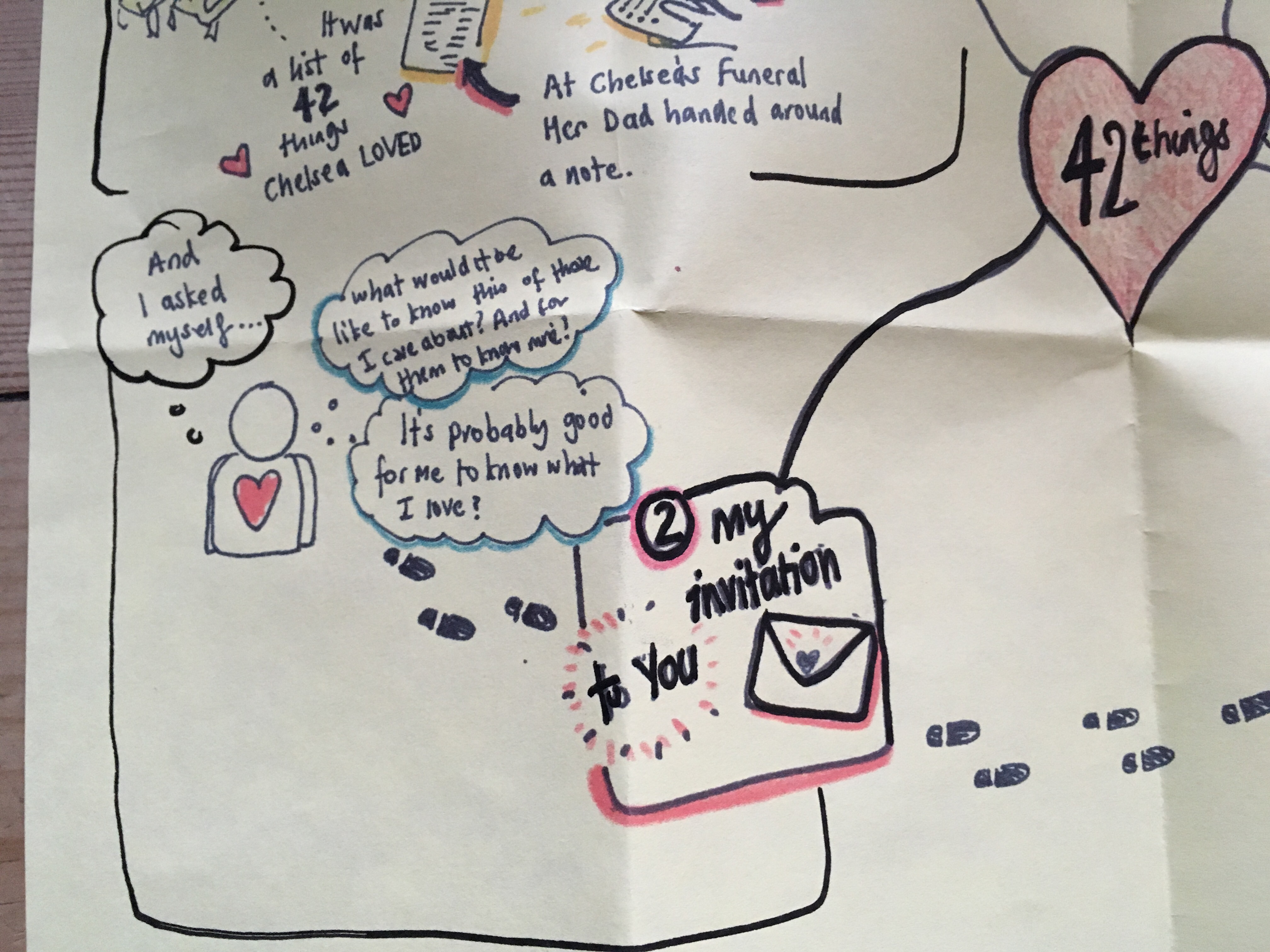
Here is my birthday gift, drawn in the next four pictures…… and  no that’s correct I’m not 42 😉


Its an invitation.

to work out what it is I love.

what would be your 42 things?

more to follow…

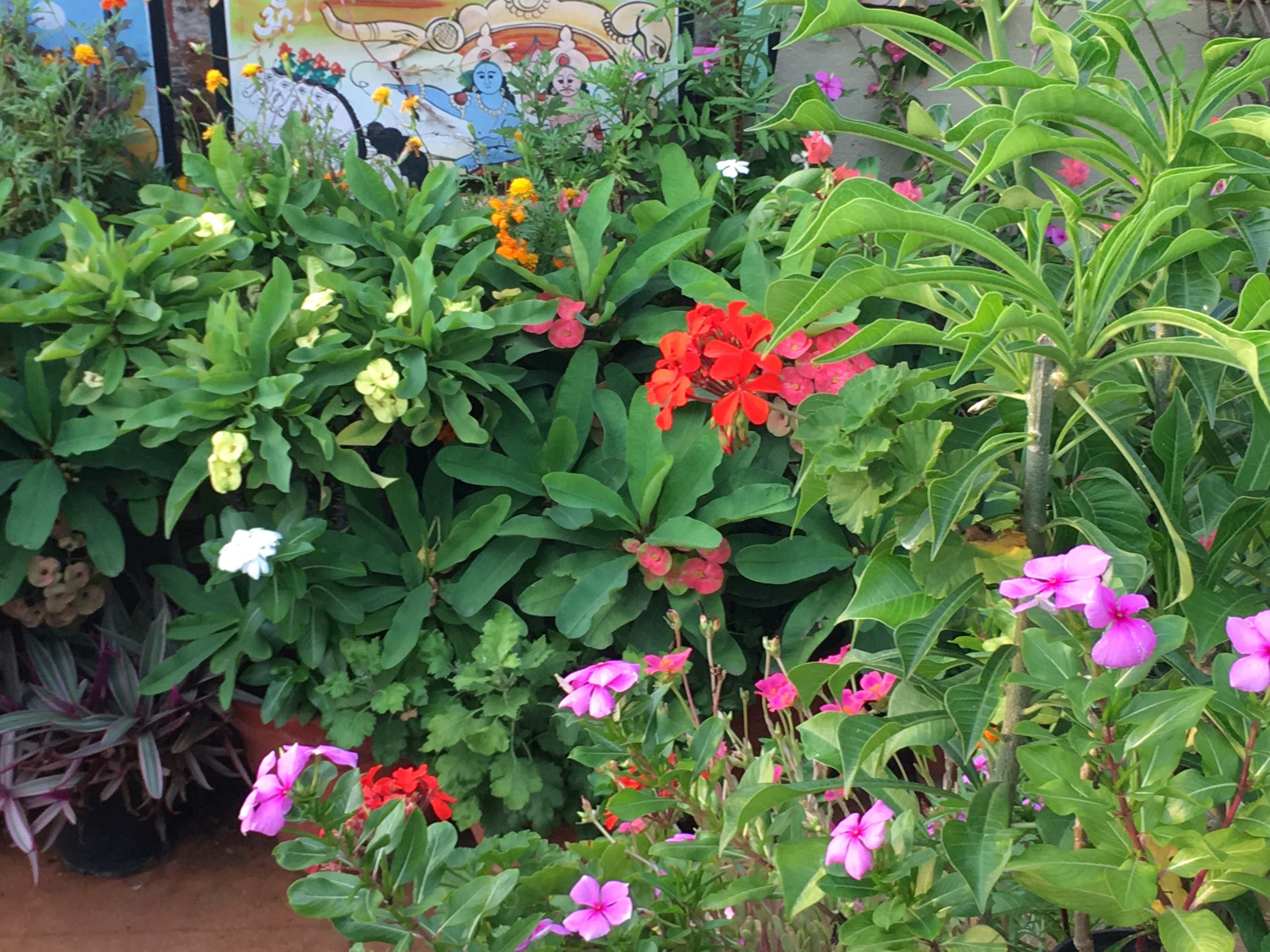
Wildlife in our garden. 

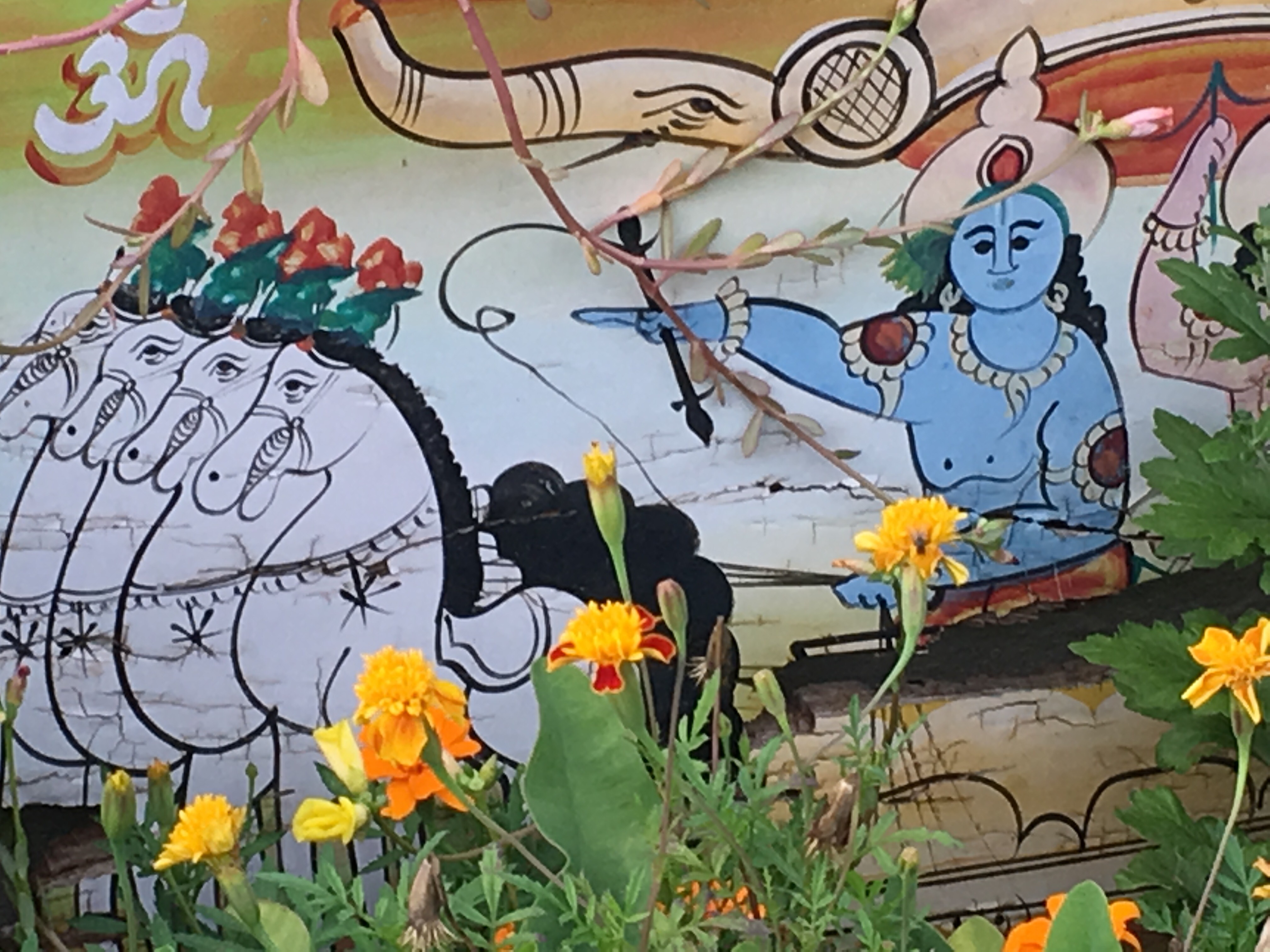
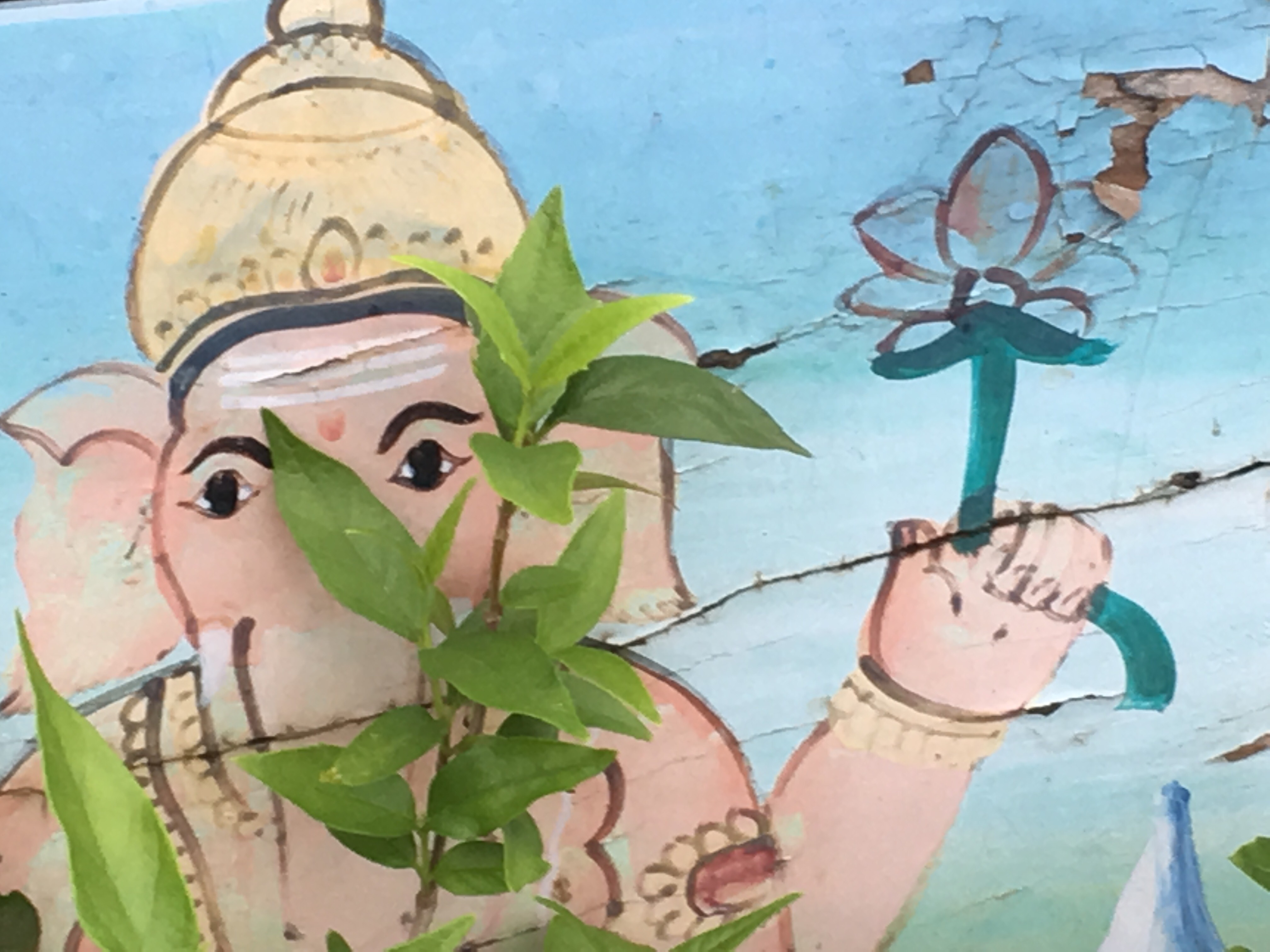
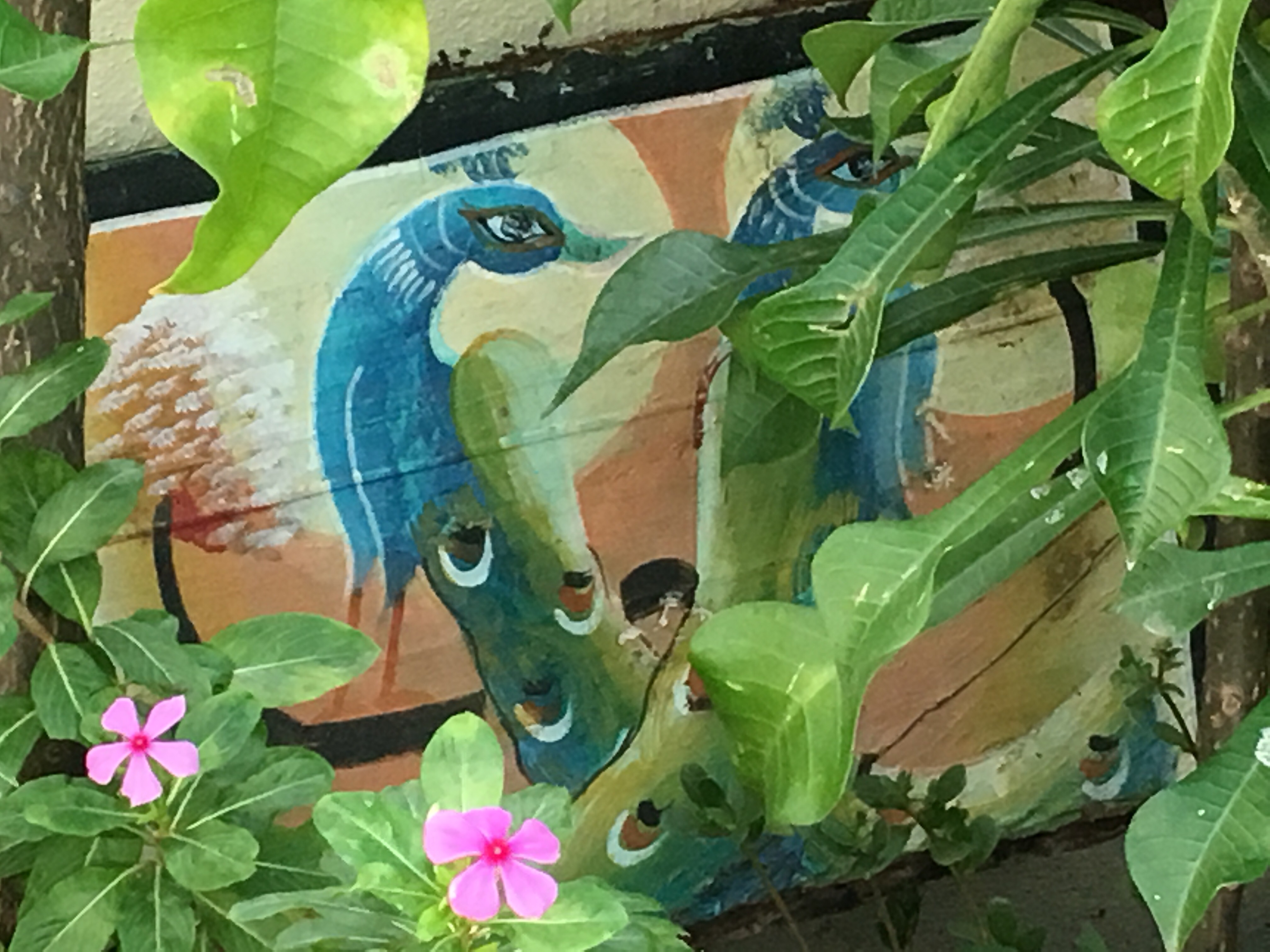
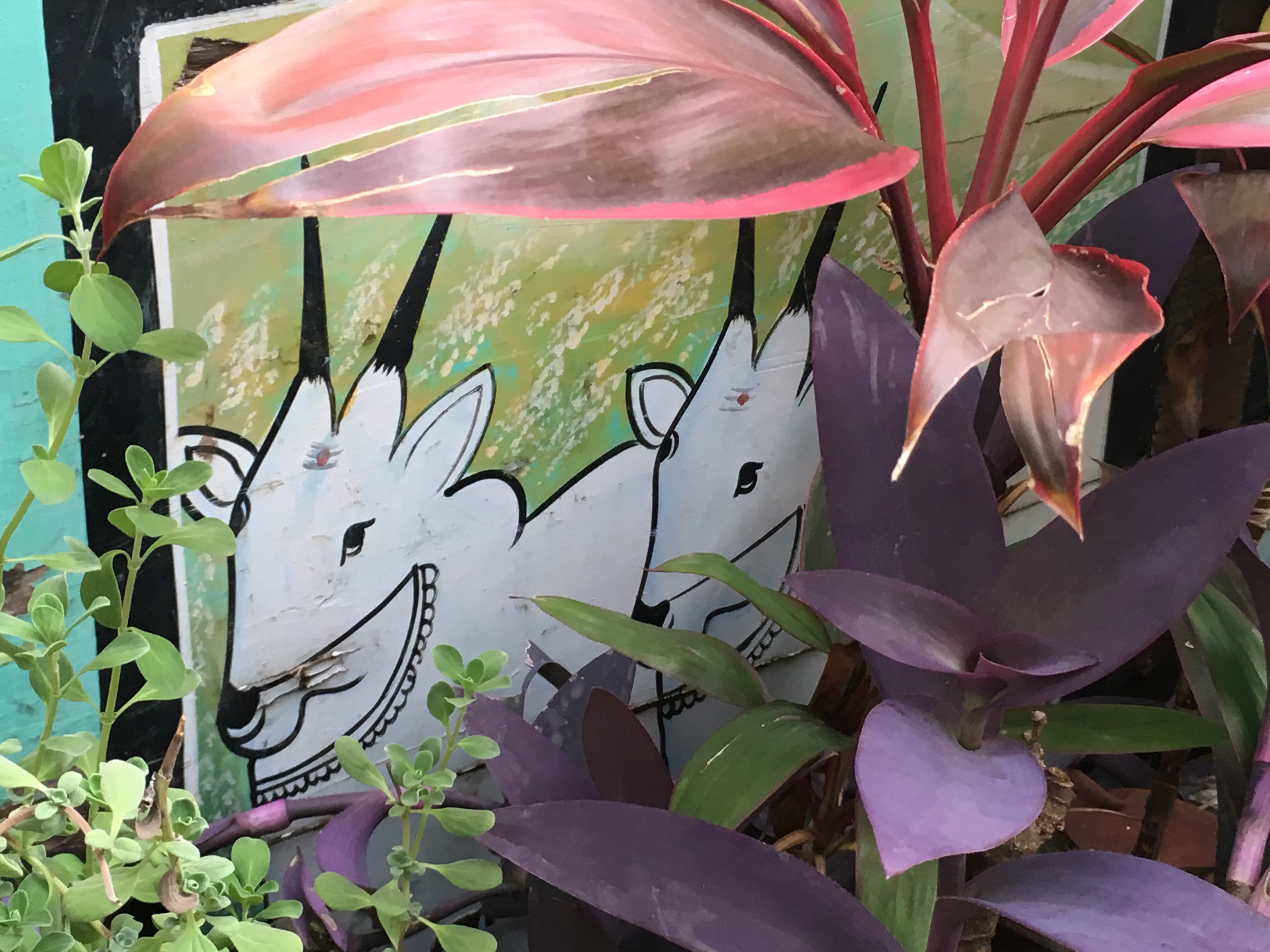
We have beautiful art both natural flora and fauna on our roof terrace and peeking  through are images from the painted sides of bullock carts.


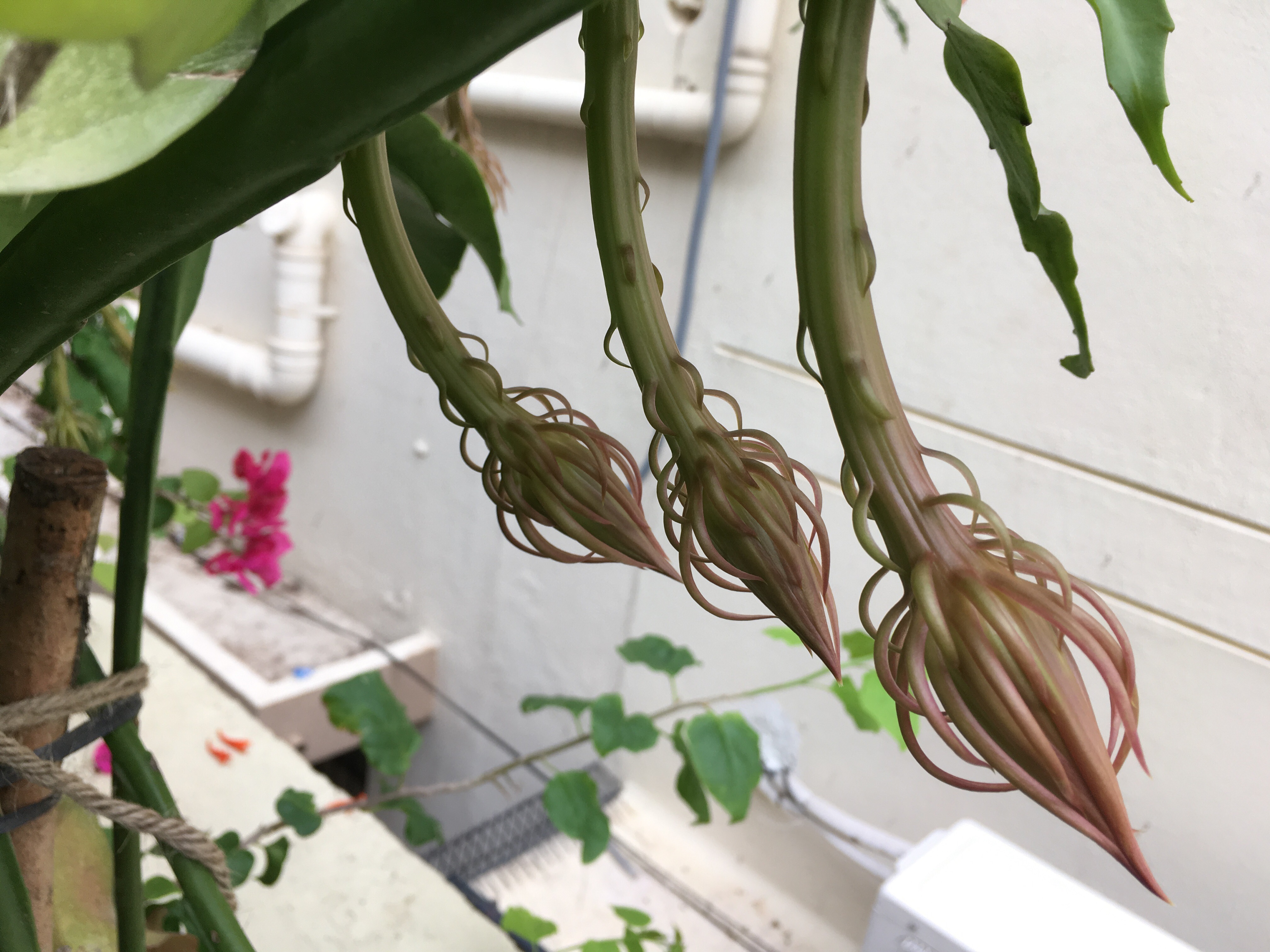
The new buds on our Brahma Kamla plants are also coming out. We hope to see them flower over one night  in the next two weeks.

Manjula’s Meals Number two

Dhal 

Manjula provides lovely Indian vegetarian meals at Mysore Bed and Breakfast for our guests from India and countries throughout the world. Our international guests, in particular, are interested in learning more about Indian cuisine.

She can often be seen with the kitchen full of guests while she demonstrates and provides lessons on how to cook various dishes. It does get a bit cramped!

Our meals together are an important part of sharing our home.

After many requests we’ve decided to post recipes, even demonstrations here on our journal/bloglet. We’ve started with a couple of simple examples, first: Ragi Soup (Ragi is fast becoming a smart-ish food) check here for the recipe and on this page follow the link to our first home made (and it shows!) video featuring how to make Dhal. The recipe is below. check the video

If you wish to see a really good video of Manjula cooking. It’s not a recipe but a great video of Manj at work, created by our lovely friends Tom and Amy. This is a serious professionally made video, not to be missed! 🙂  Its here.

The recipe for Dhal
Ingredients for the first stage
11/2 tsp Turmeric powder
11/2 tsp Cumin seeds
3 Tomato
4 green Chilli
1 small Garlic
Small bunch Coriander
2 cups water1 cup Dhal

1 cup Dhal

Chop veg in small pieces
Add all ingredients together in pressure cooker.
With lid on and gas lit, leave cooking for twenty minutes or 4-5 whistles of the cooker.
Switch off and leave to cool for twenty minutes.
Check and if necessary add a little more water and boil for a few moments
Ingredients for the second stage
1tsp cumin seeds
1tsp mustard seed
2-3 red chilli

add oil to a saucepan, then mustard seed, fry for a moment, then add cumin seeds, fry for a moment then add red chilli, fry then add Dahl. Fry for ten minutes. Then it’s ready.
Farrell Factoid

Manjula’s meals have become a great success at Mysore Bed and Breakfast. She doesn’t, however, cook every night (so please note its availability is not guaranteed). Guests usually do however get at least one dinner. We are a vegetarian household. I’m the vegetarian, not Manjula who eats out with me or other friends to get her regular meat input!

Manjula’s meals, number one


img_1244
Manjula’s Ragi Soup

Ragi 
A staple of the diet here in south India. A form of millet grown with limited water. Traditionally made into Ragi Balls and eaten as a highly nutritious breakfast before heading out into the fields. Here’s a very simple Soup recipe.

 
As simple nutritious Ragi Soup

 
Carrot

Green Beans

Peas

Sweet corn

Maybe spring onion. Whatever veggies you would like to add!
First finely chop the veg and boil a little to leave the veg a little crunchy.
Ragi flour
Mix a small (steel glass) of Ragi flour with 2-3 cups of water to create a paste.

Add to the veg and boiling water and gently mix.

Add salt, black pepper.
Switch off gas and add lemon (maybe half) to taste, .
Some people use cornflour but I don’t use any other flour.
Manjula


IMG_6868
Eating Ragi Ball with gravy

Farrell Factoid on Ragi Balls
They are highly nutritious and low cost. People in the villages would have a large one in the morning before heading out in the fields which would keep them going for hours.
I asked Manjula a couple of years back why we hadn’t had Ragi Balls, so she made some, and now I know, why.
It’s a large ball similar to a dumpling. To eat it, wet the fingers with the gravy (curry) pull a piece off and roll it into a small ball. Then throw it to the back of the mouth and swallow it straight away. Why?


I now know the answer to that too.

IMG_6869
Swalow it straight!


It tastes like earth and sticks to the roof of your mouth! Simple really.

Ragi is becoming quite trendy and you can get Ragi Dosa among other inventive things. It’s a good thing for our health and the health of the environment as it uses much much less water than the other main crops, namely rice and sugar cane.