What’s the first classroom of the day?

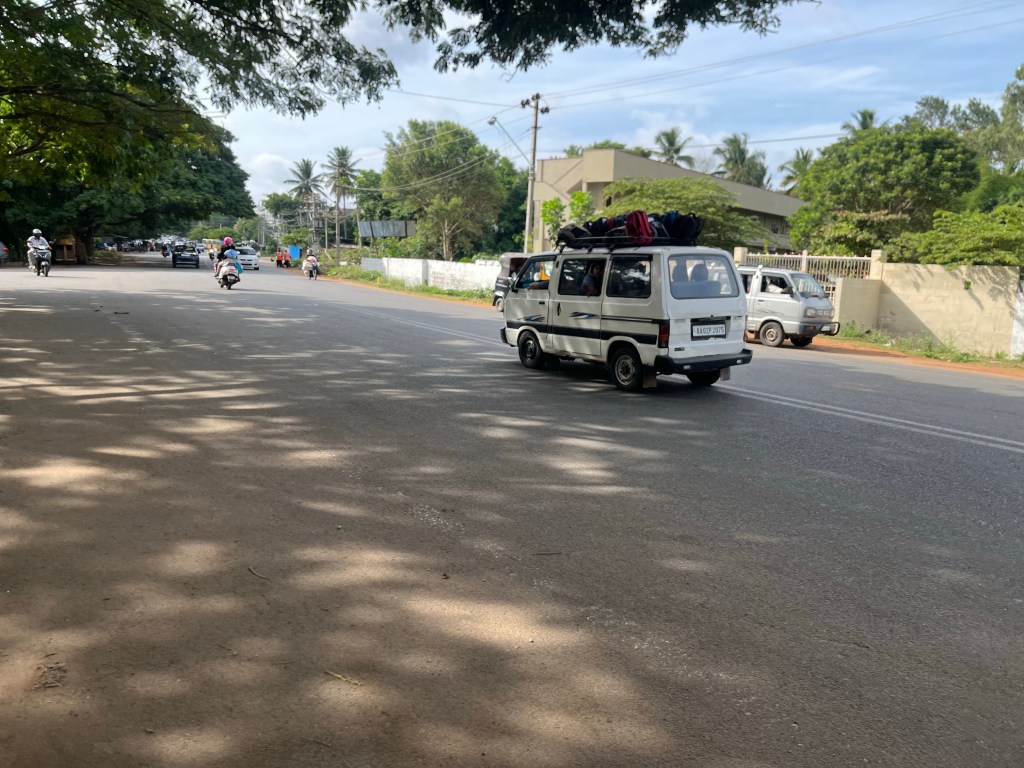
After leaving home the first space they enter for many students is the ubiquitous van.

As we know our children (aka future adults) are constantly learning

Through observation, sounds sights, our behaviours show them ways to be —- not always thought through or the best examples.

Imagine for a moment what they pick up from that first space in the morning after leaving home.

Is it calm, kindness, helpfulness?

Maybe but most likely in that van —- they’re recklessly sped around, constant horn, regular screeching, aggressive insensitive behaviour of a seemingly uncaring driver.
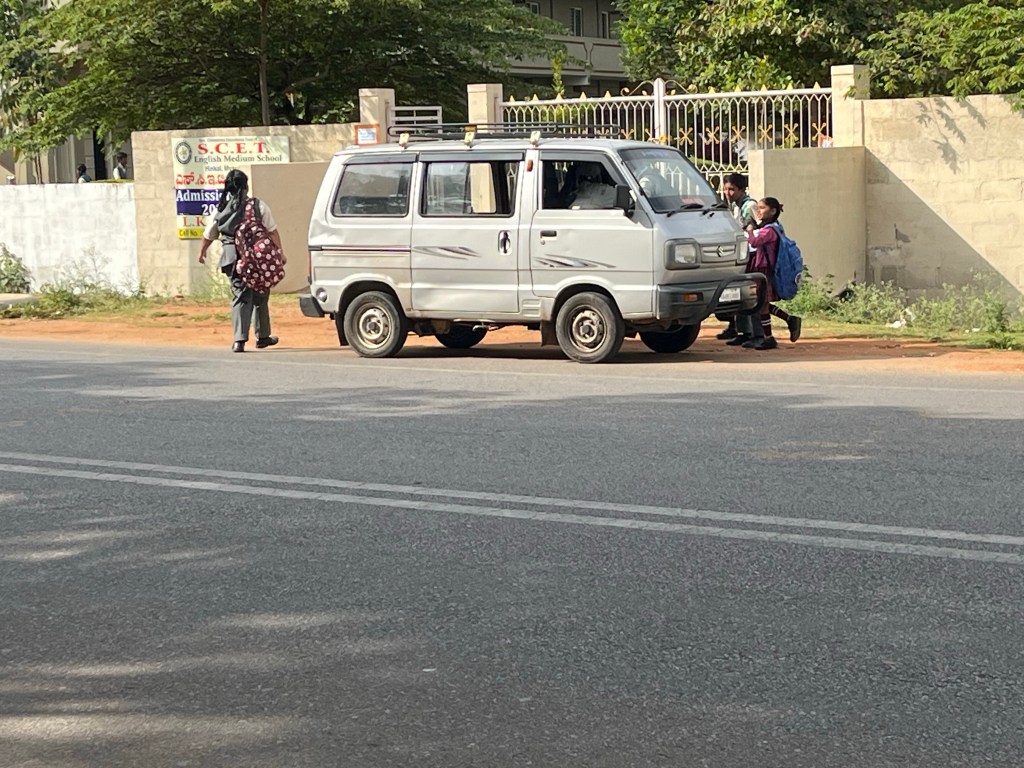
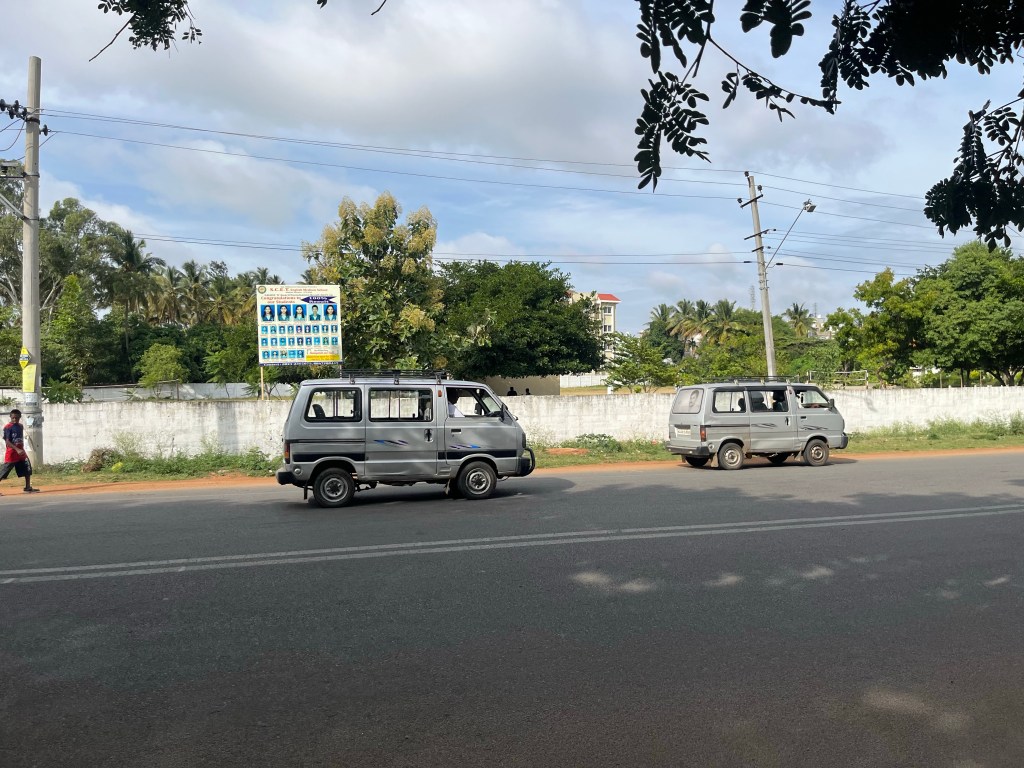
Not all the apples are bad.

So let’s not assume they’re all the same —

I’ve observed careful, safe drivers

—- but too many demonstrate the worse road behaviour.

So often our children are transported in a bad van and shown the worse behaviour.

So should we be surprised if we are creating future inconsiderate aggressive pushy people on the roads and maybe elsewhere?

What can we do about it?

Challenge bad behaviour when we see it?

Discuss this with our children?

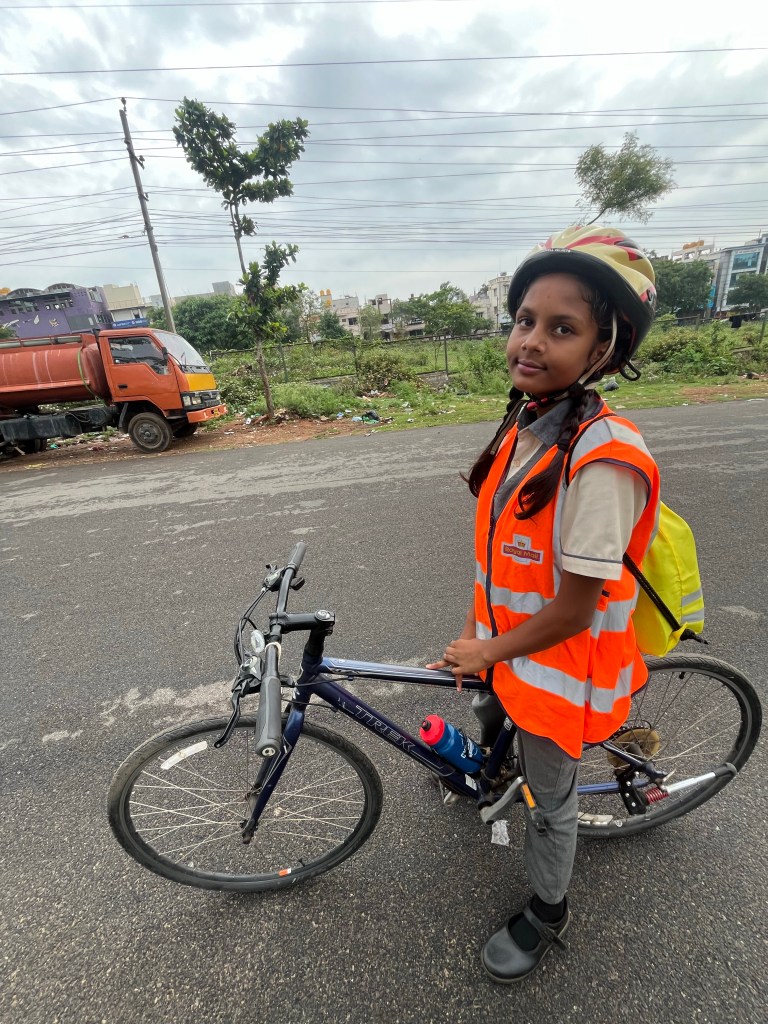
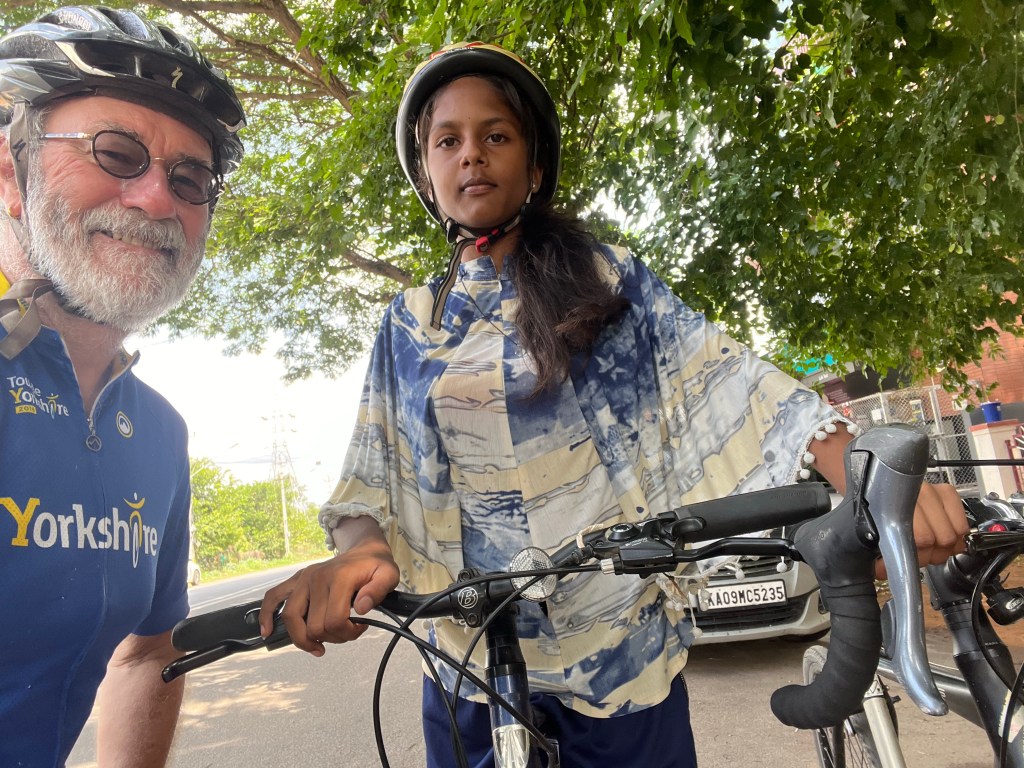
Kaveri isn’t taken to school in a van.
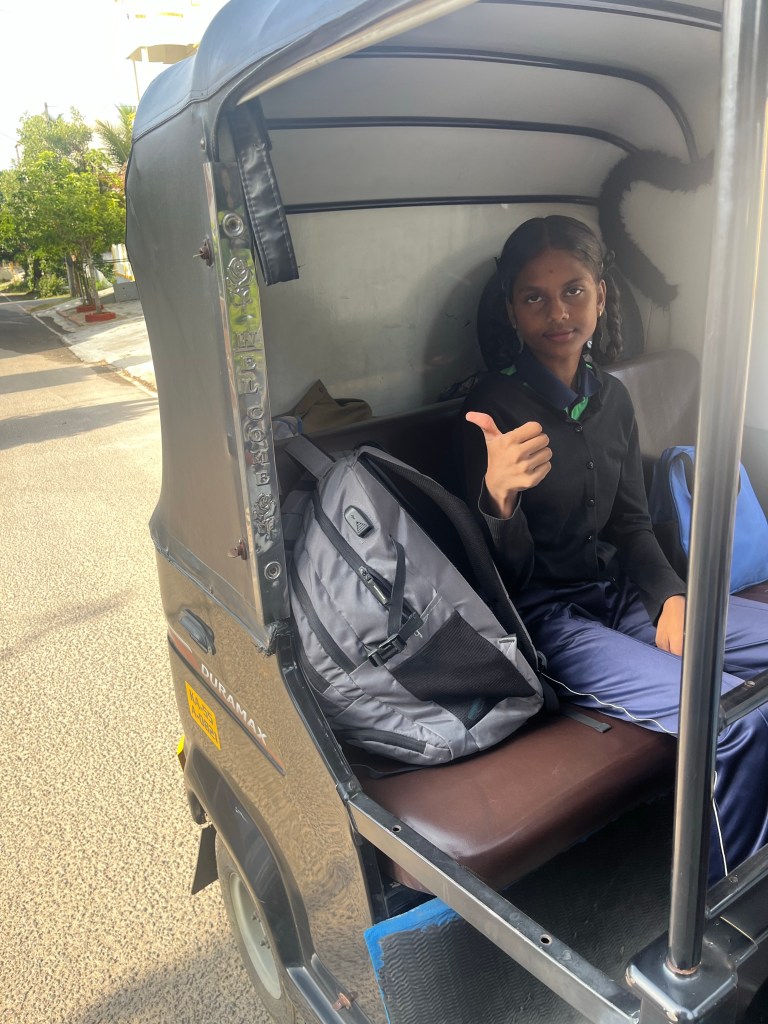
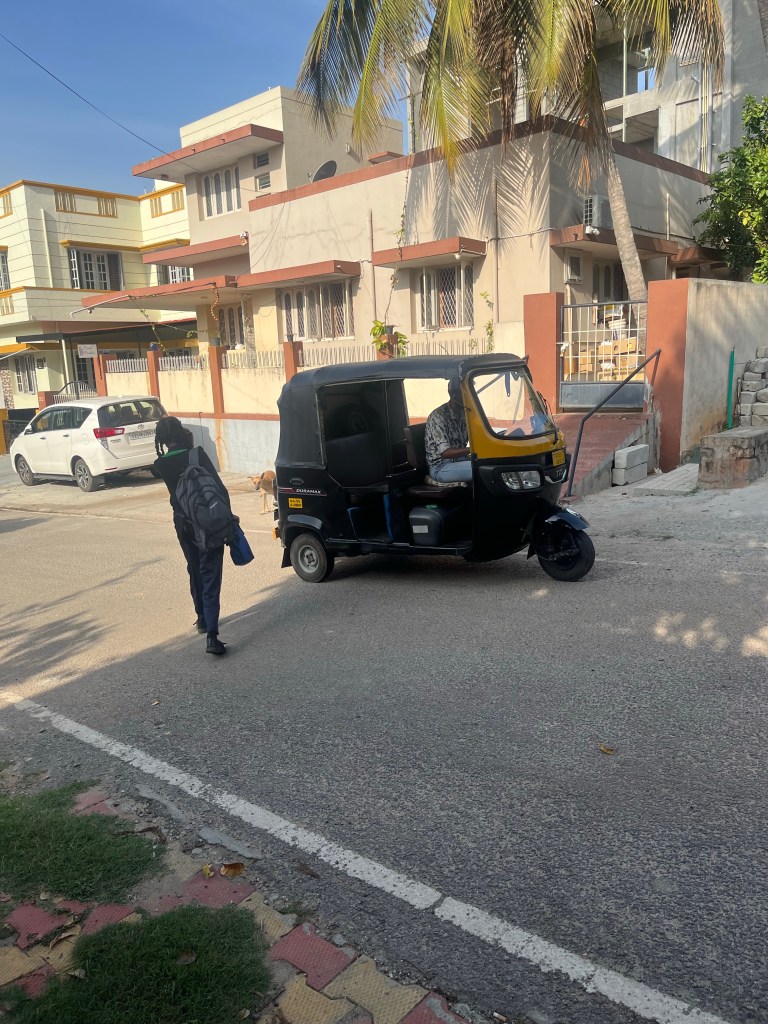
But when we walk the streets, or she rides pillion, or cycle, we both notice and comment on both good and bad behaviour on the road.

My duty is to help her observe, evaluate and ultimately think for herself

We often forget that everything is an experience that we can learn from.

Well she can’t

Wedding update….

On the very next day we get news that the father of the boy has called the girl to ask what her fathers job is and to how much money will be given by them as dowry.

It works out that the boy’s family is quite rich, the dad is a civil engineer and they have cars and maybe three houses.

So it’s off. There is a mismatch on wealth and occupation. Quite why this wasn’t sorted by the broker before they even met, who knows.

So mum is a bit sad, daughter says she doesn’t care, even if she doesn’t ever get married.

So the apple cart is upset. This must be a very stressful situation. The individuals involved must feel the rejection very personally and familially.

So whilst it might be illegal, dowry is still a BIG issue. I think it’s just one of the ways that suitability and comparability is clarified. It’s a short cut. Back in England in the upper classes, the man would approach a woman’s father to ask for her hand in marriage. Their suitability would also be determined maybe by their wealth, and income but above all by class. Is this really much different?

In life, in India, caste is incredibly significant. It not only reflects one’s position in life and how one will be treated by others, it will affect life chances and experiences. And as we’ve seen with this example, even caste alone is not good enough to determine someone’s suitability.

In my view it’s one of the most corrosive things in Indian life.