


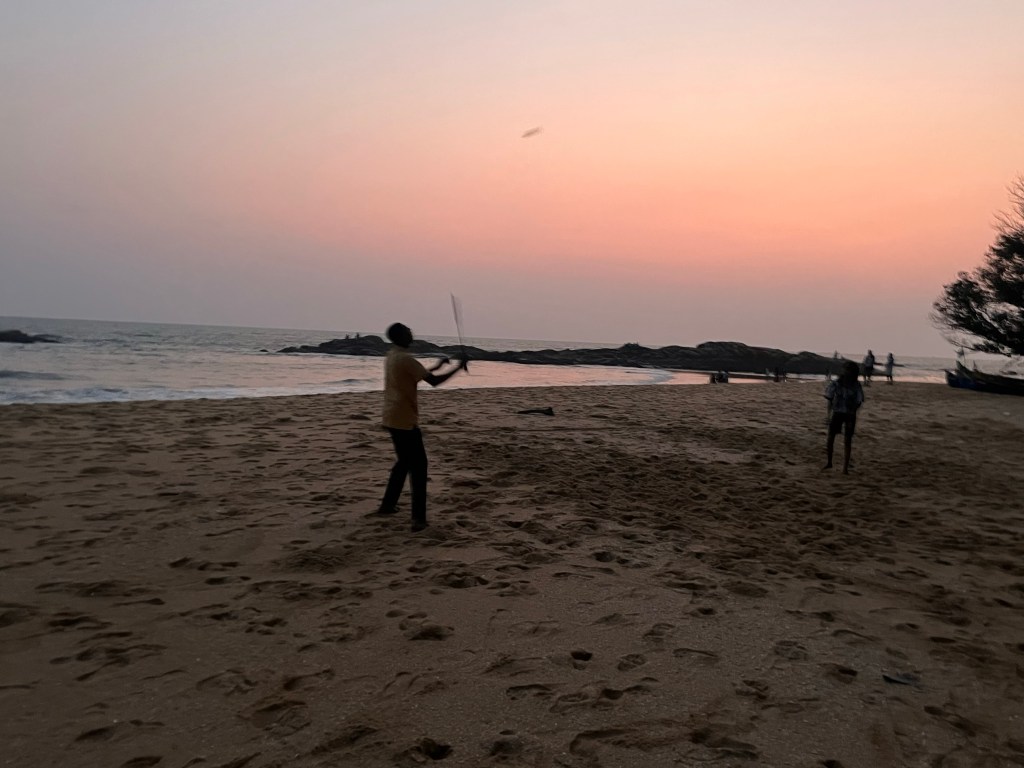

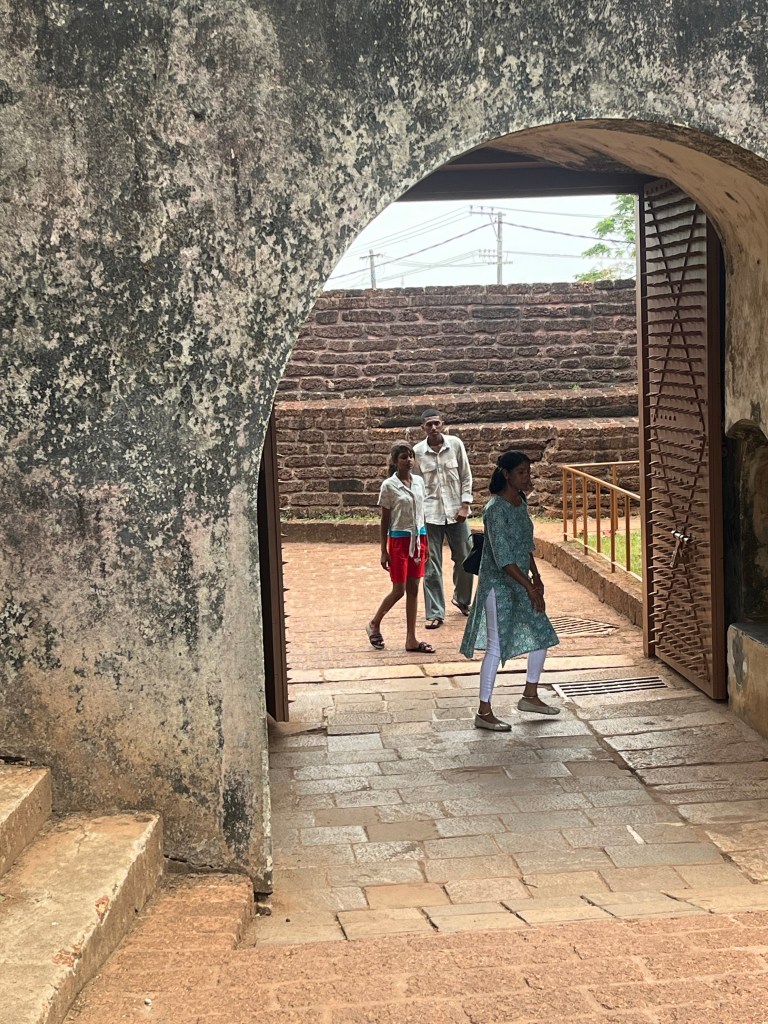
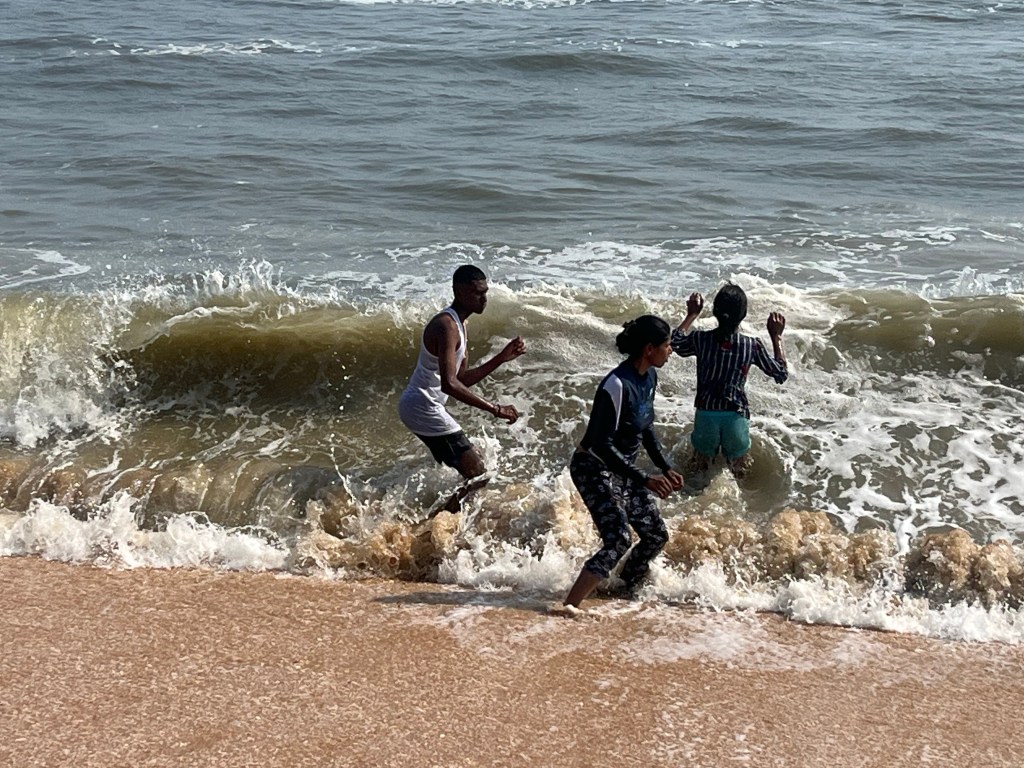
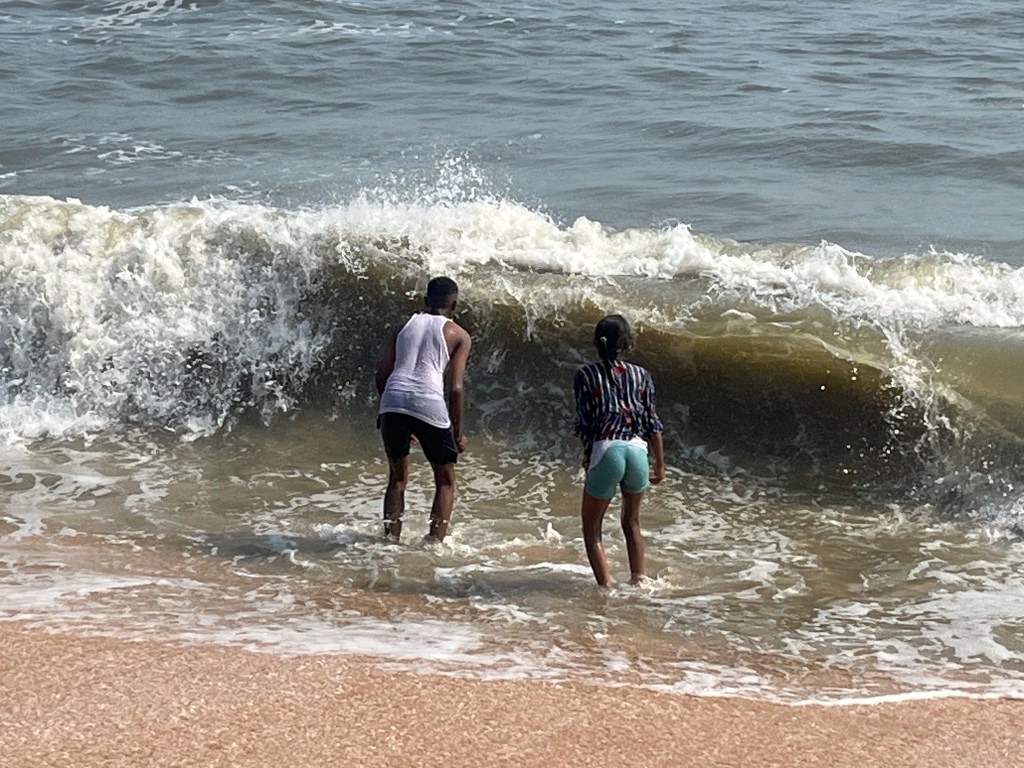
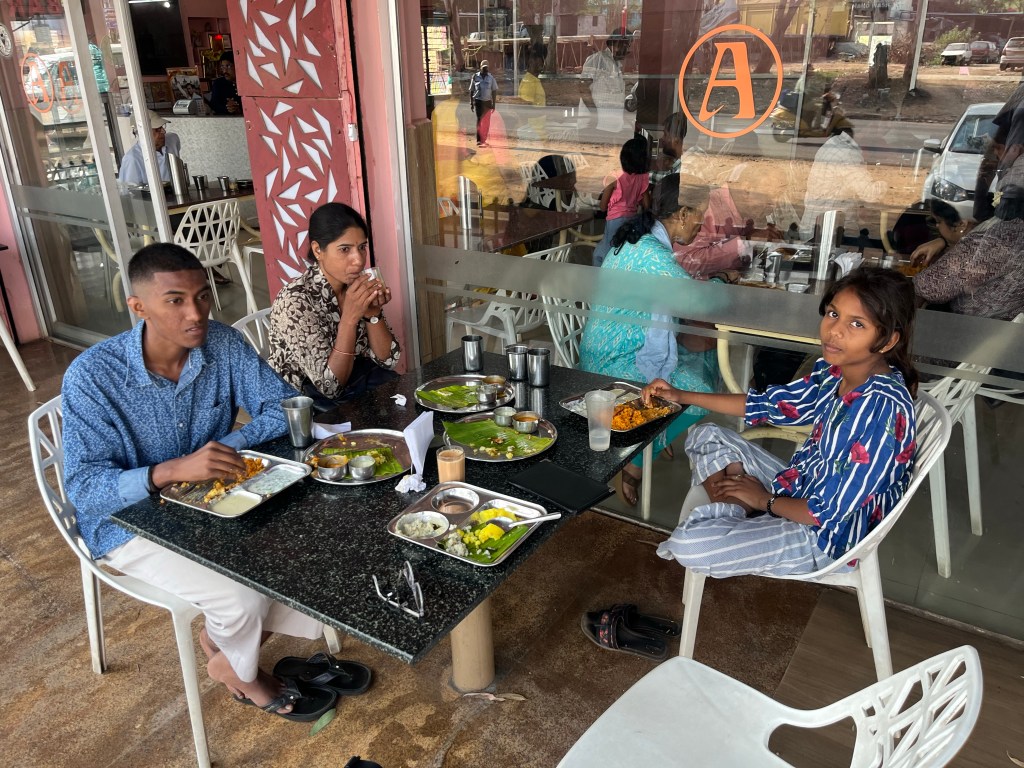
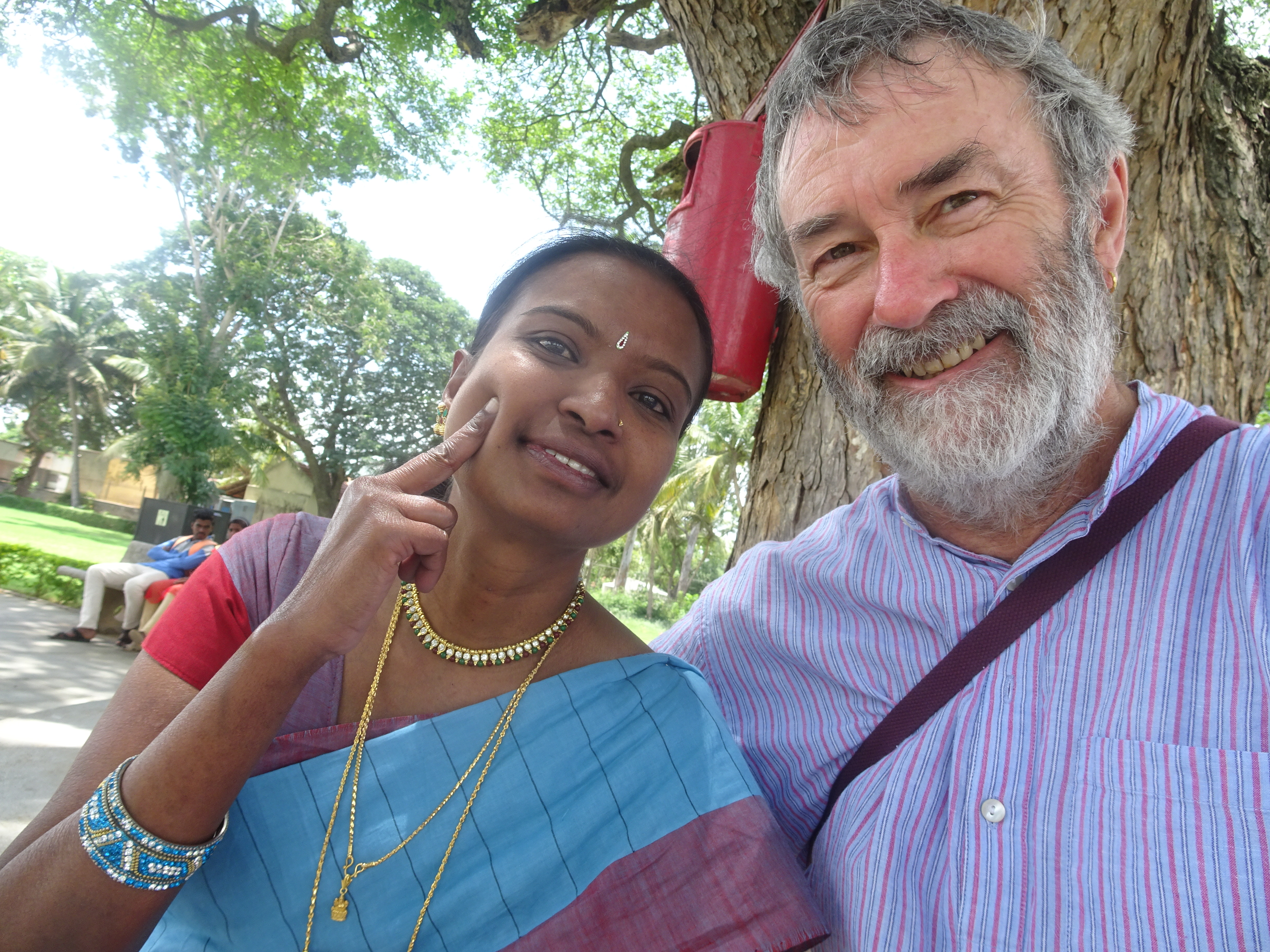
I’m away with Kaveri for a few days with Naveen and his mum Sowbaghya.


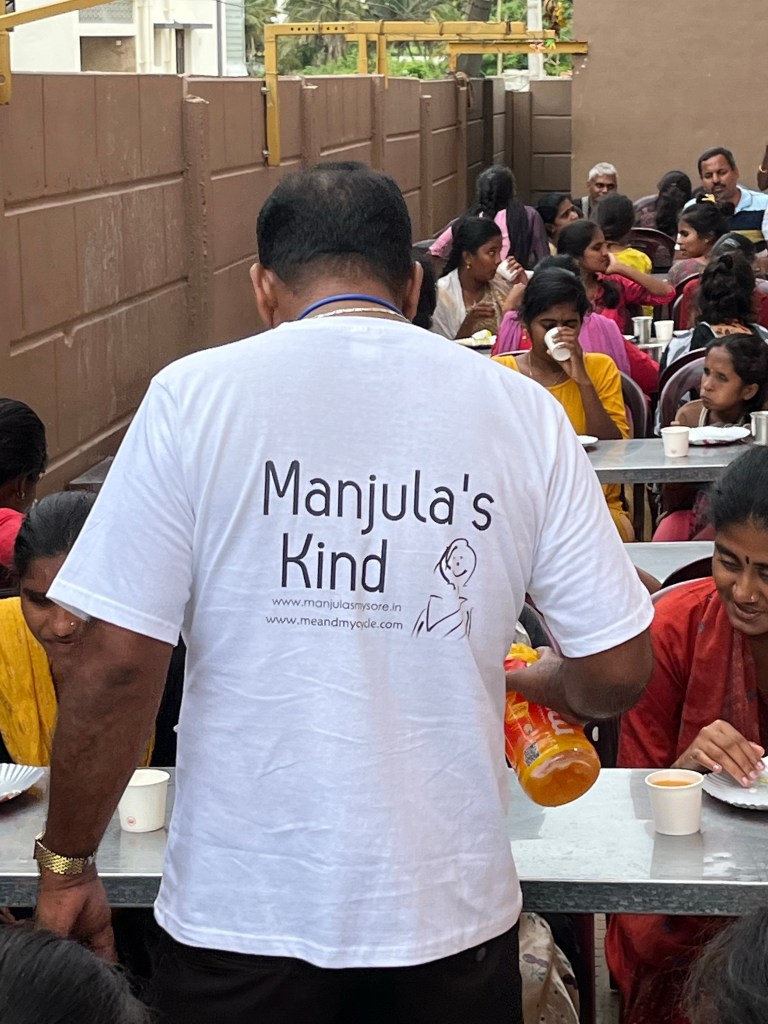
Manjula’s Mysore supports their education and now we’re on holiday together.
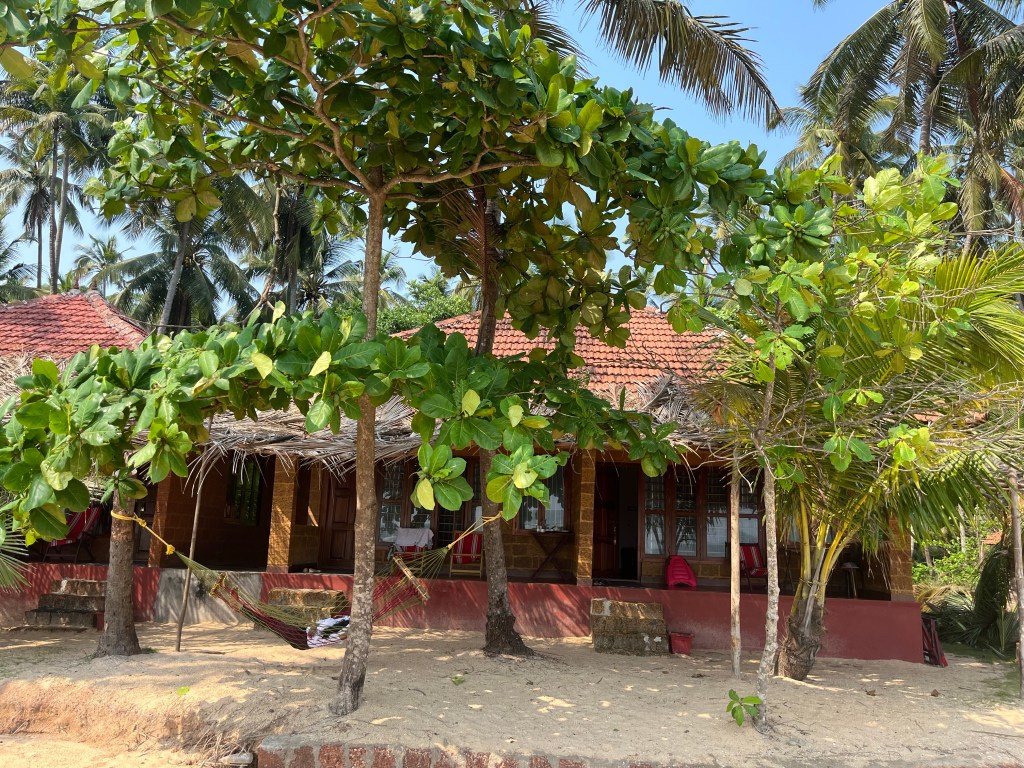


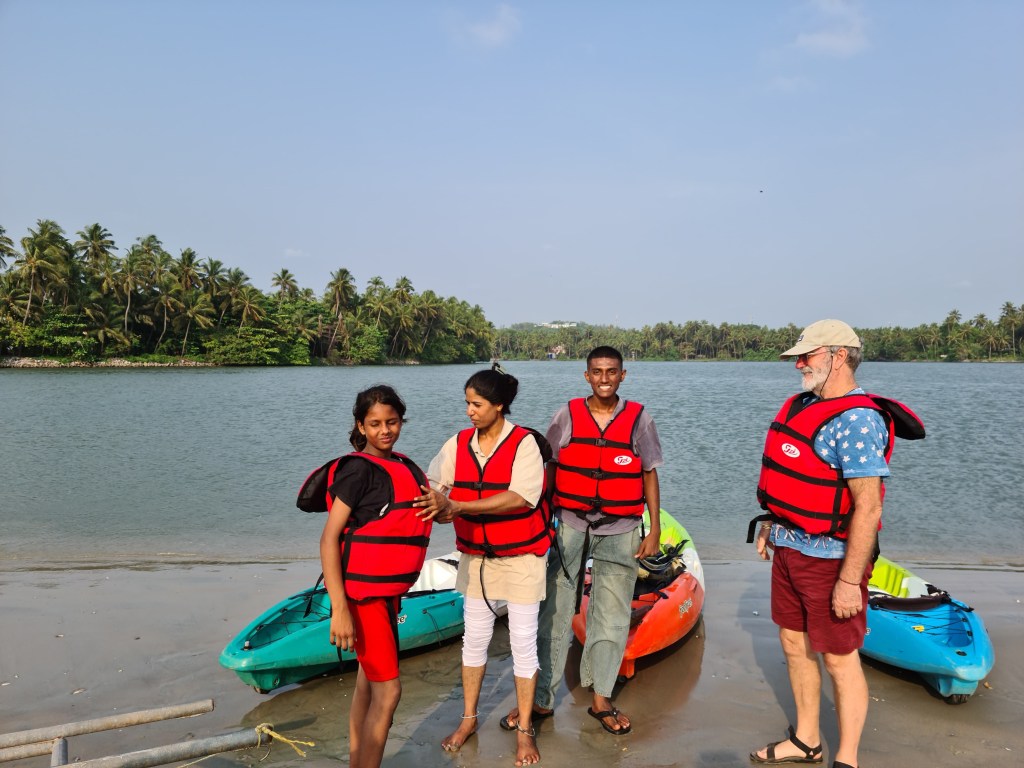

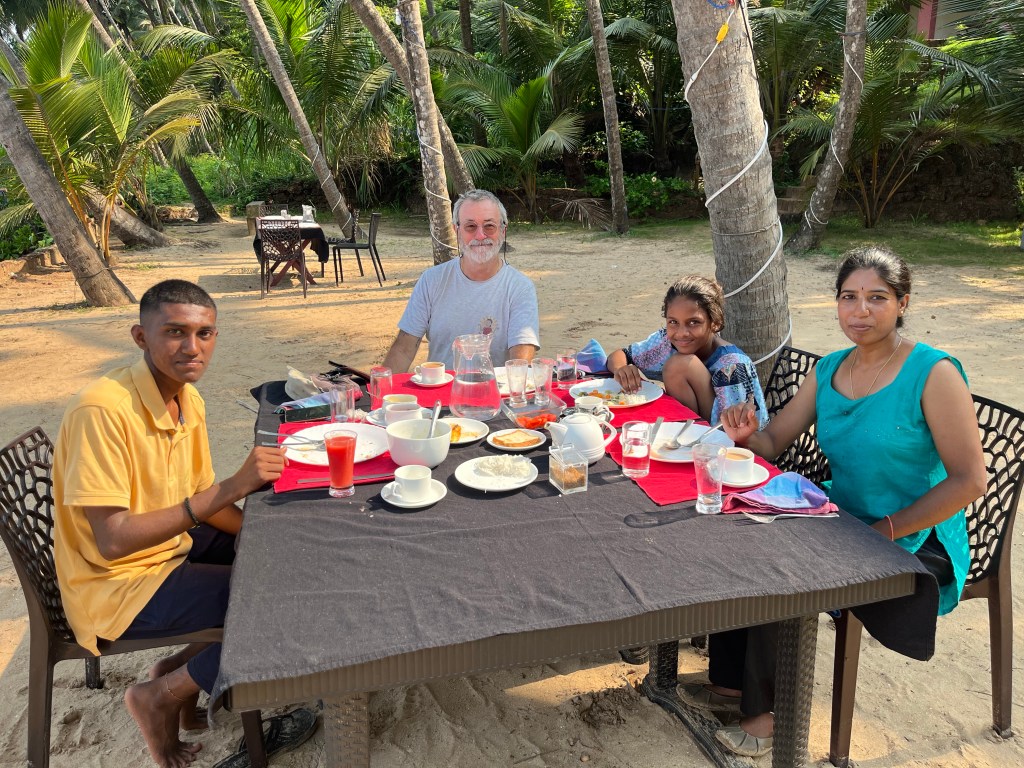
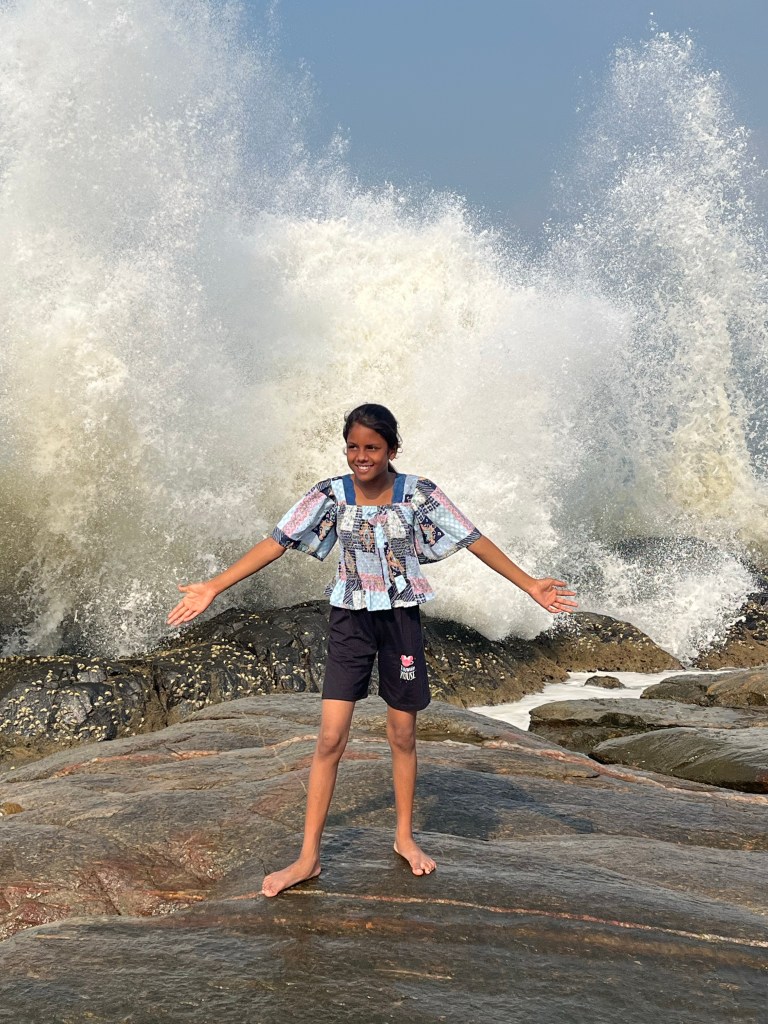

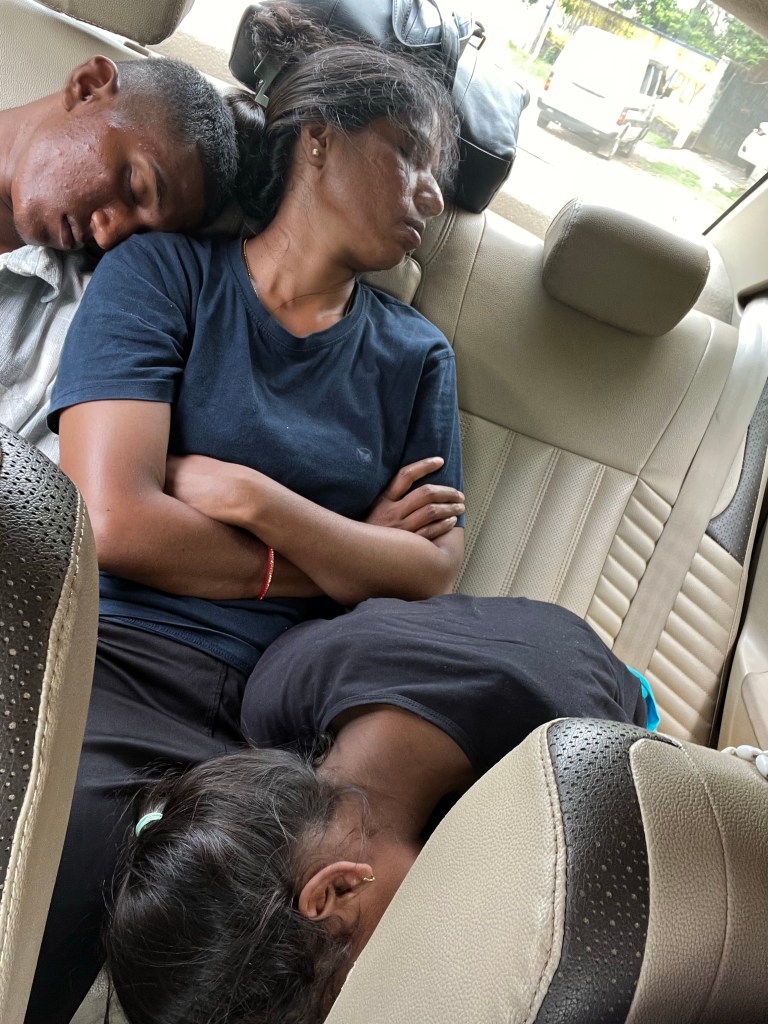
I’m away with Kaveri for a few days with Naveen and his mum Sowbaghya.
Manjula’s Mysore supports their education and now we’re on holiday together.
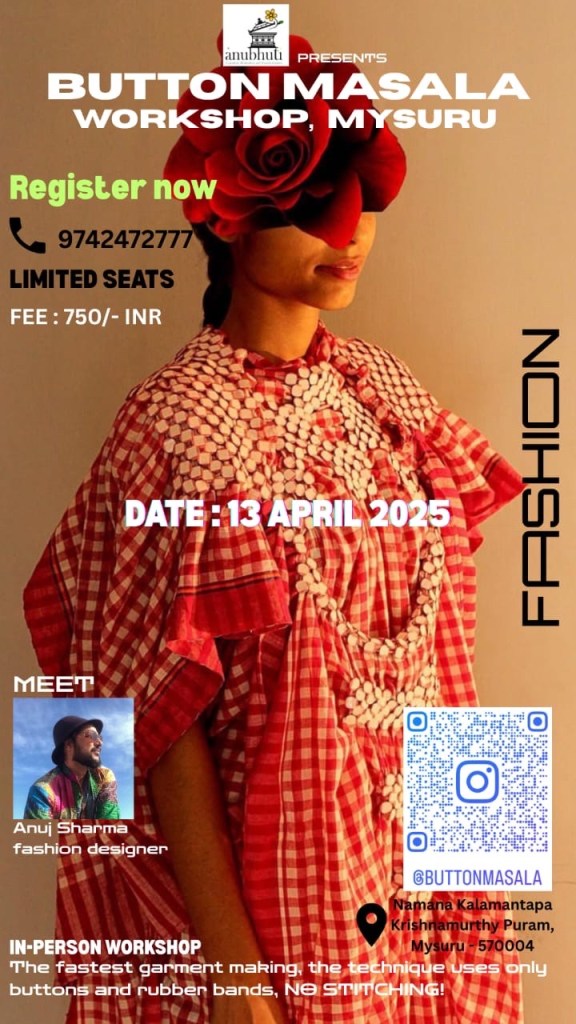

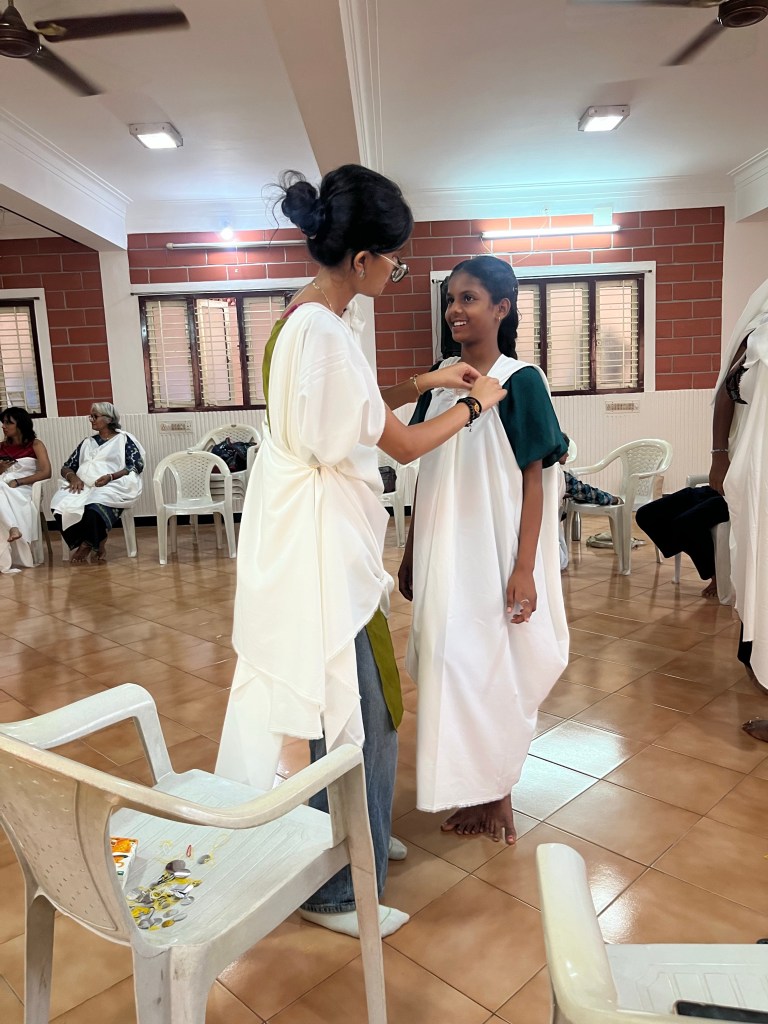
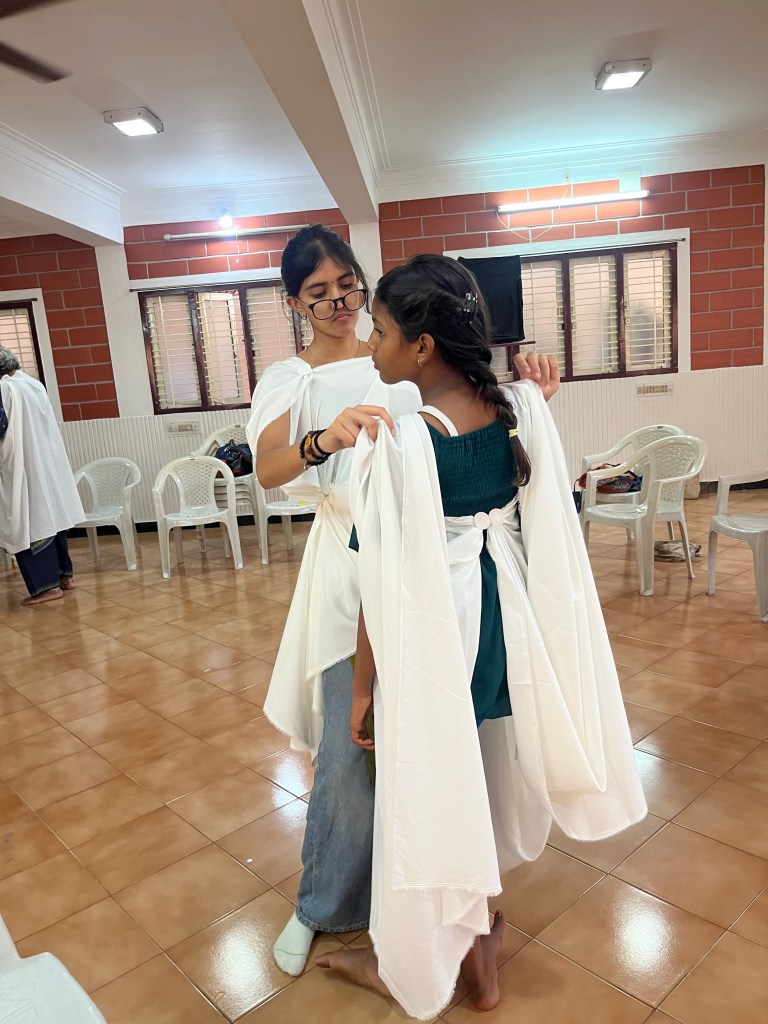
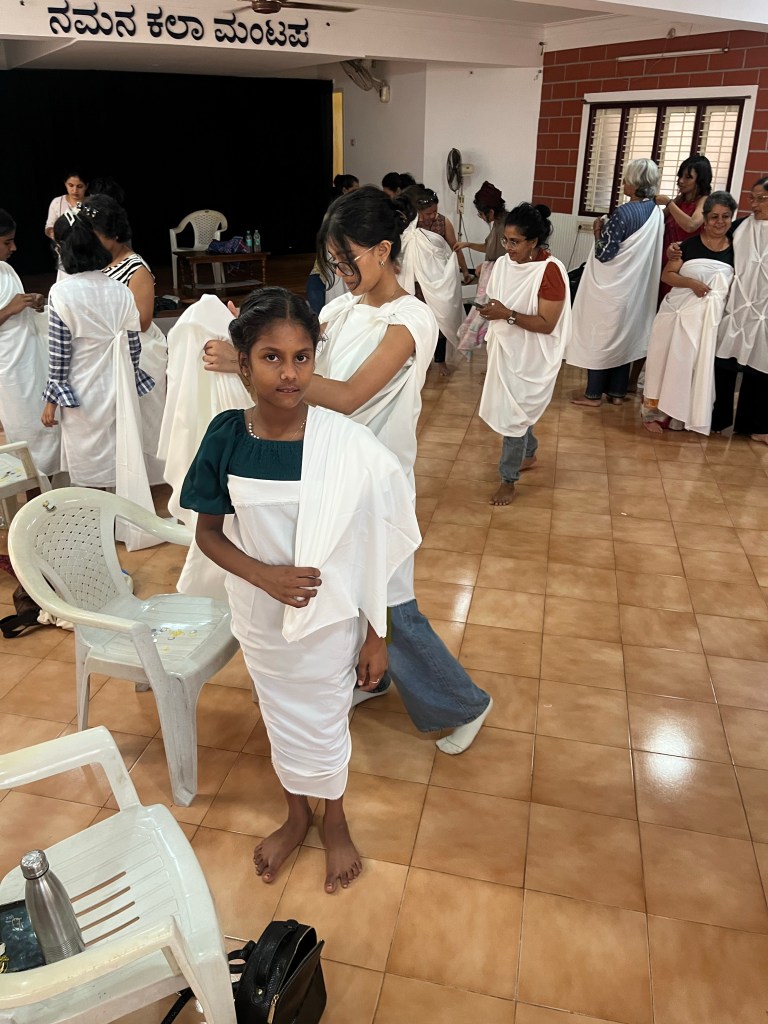
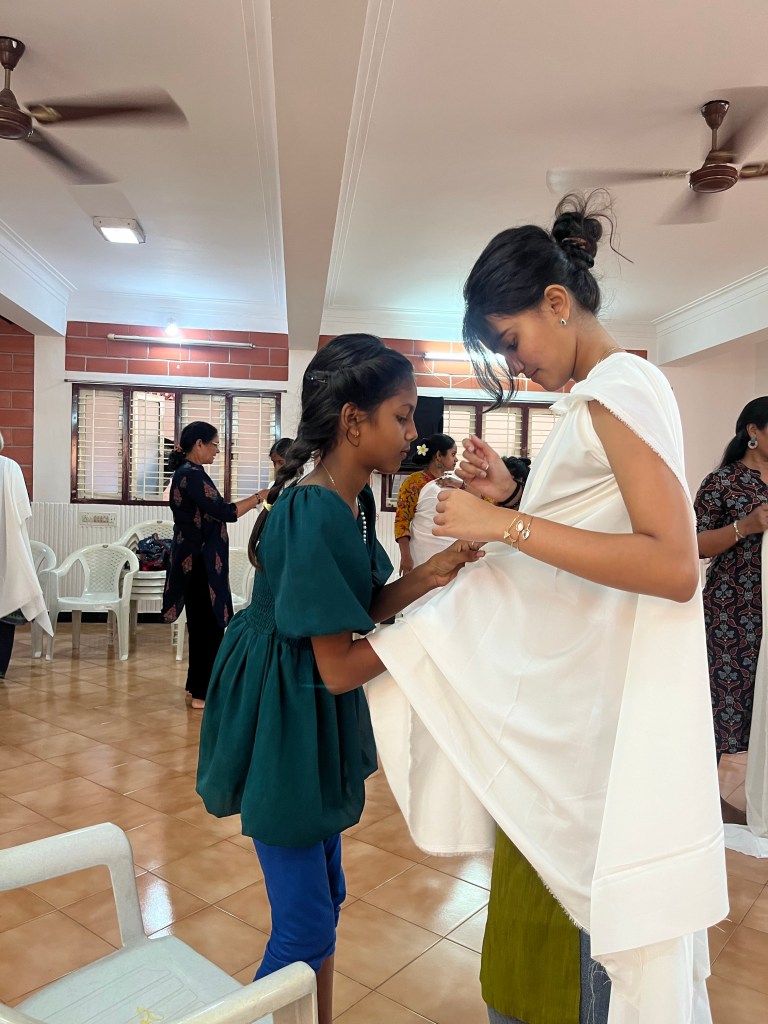
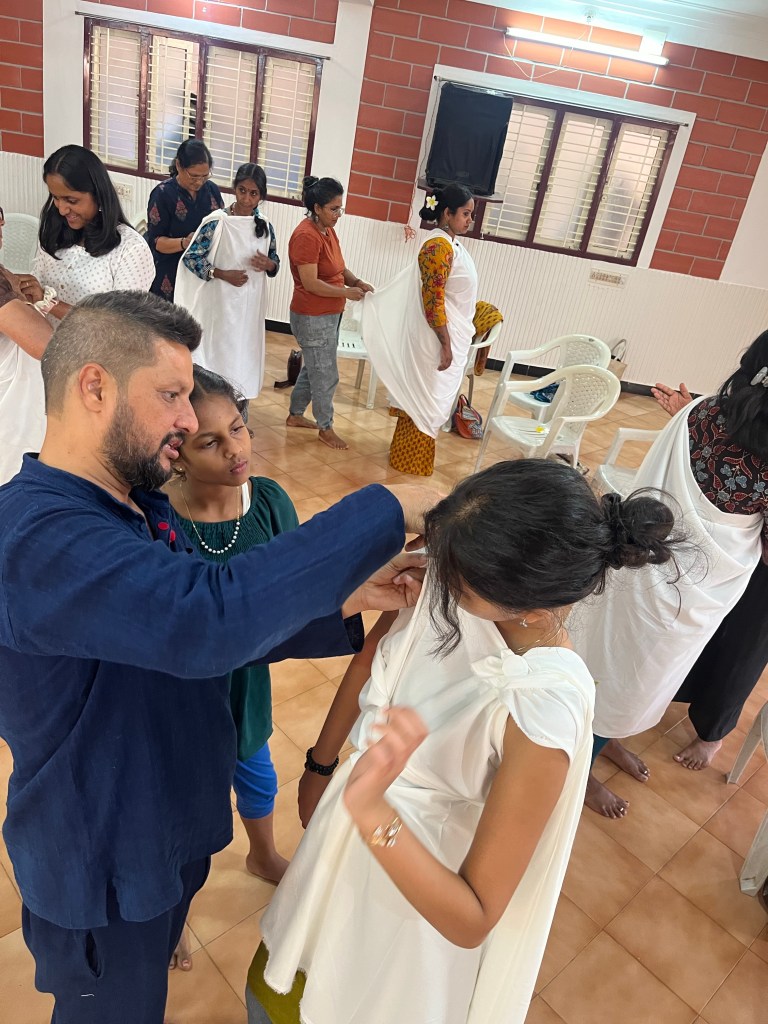

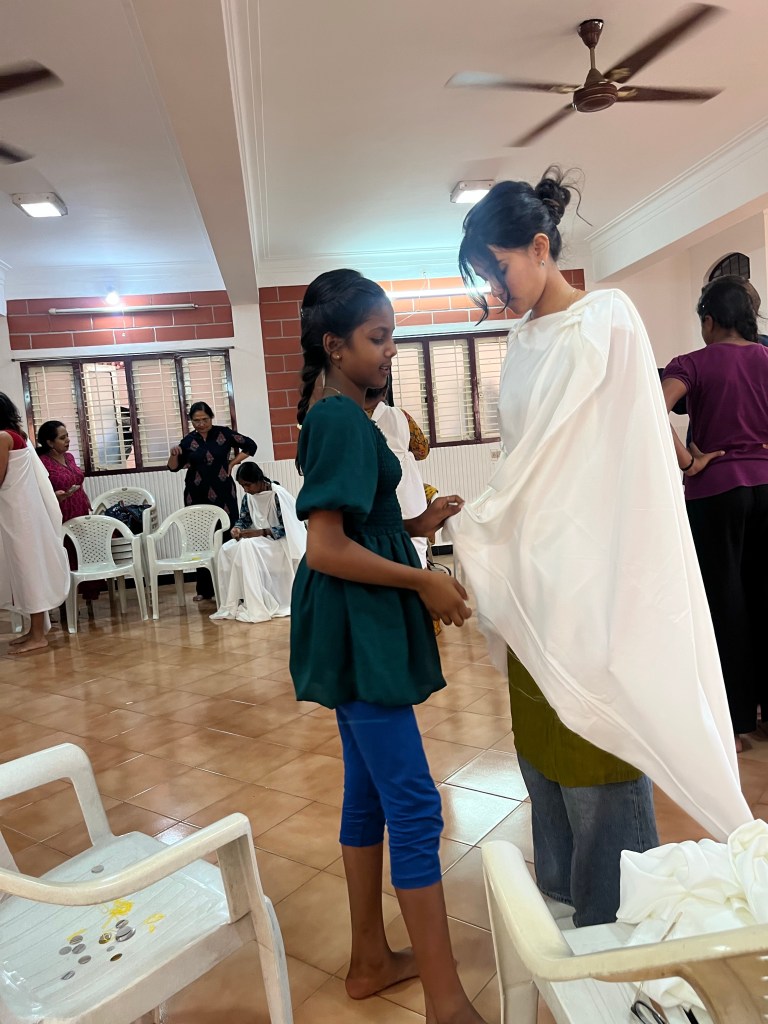
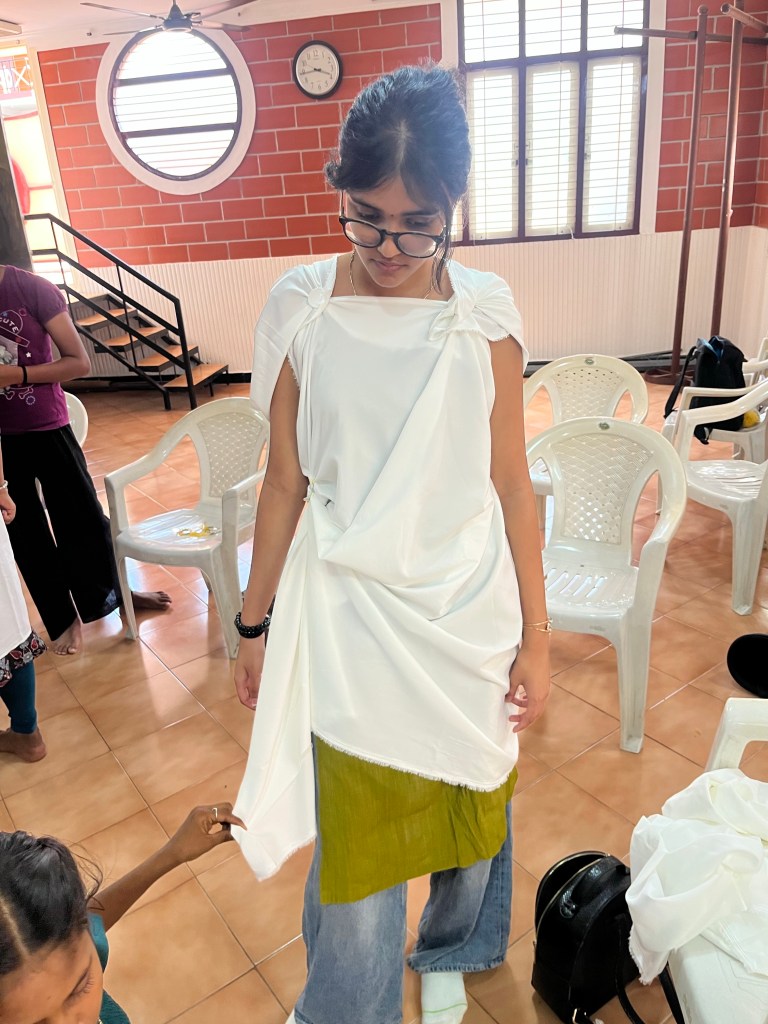

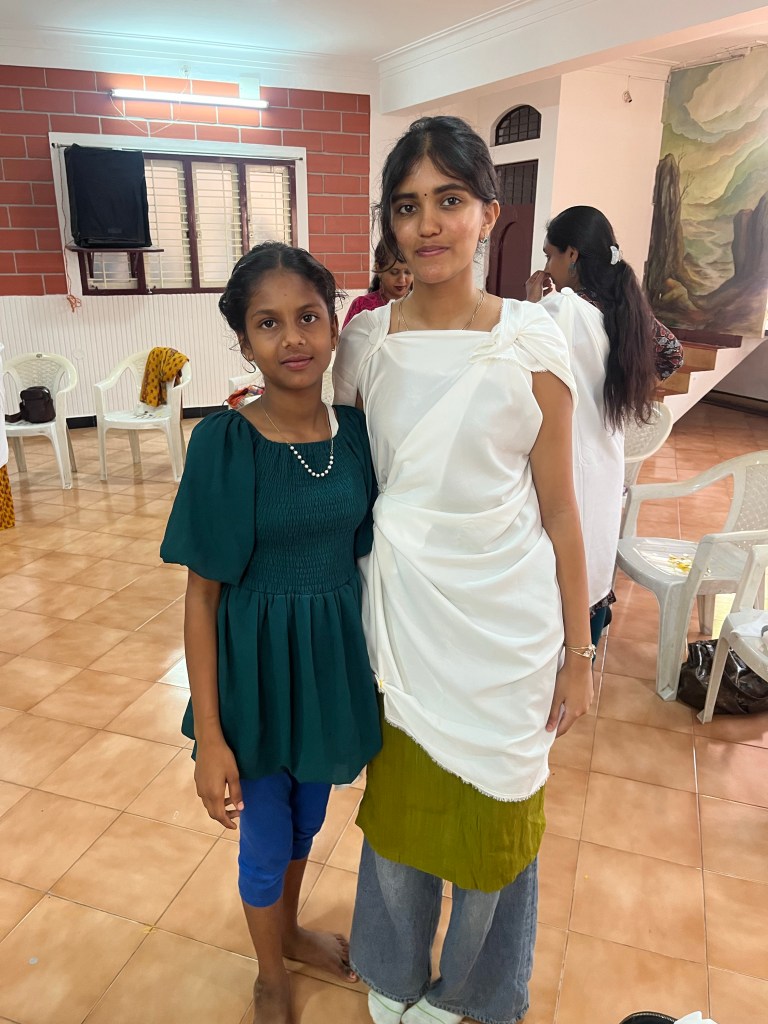
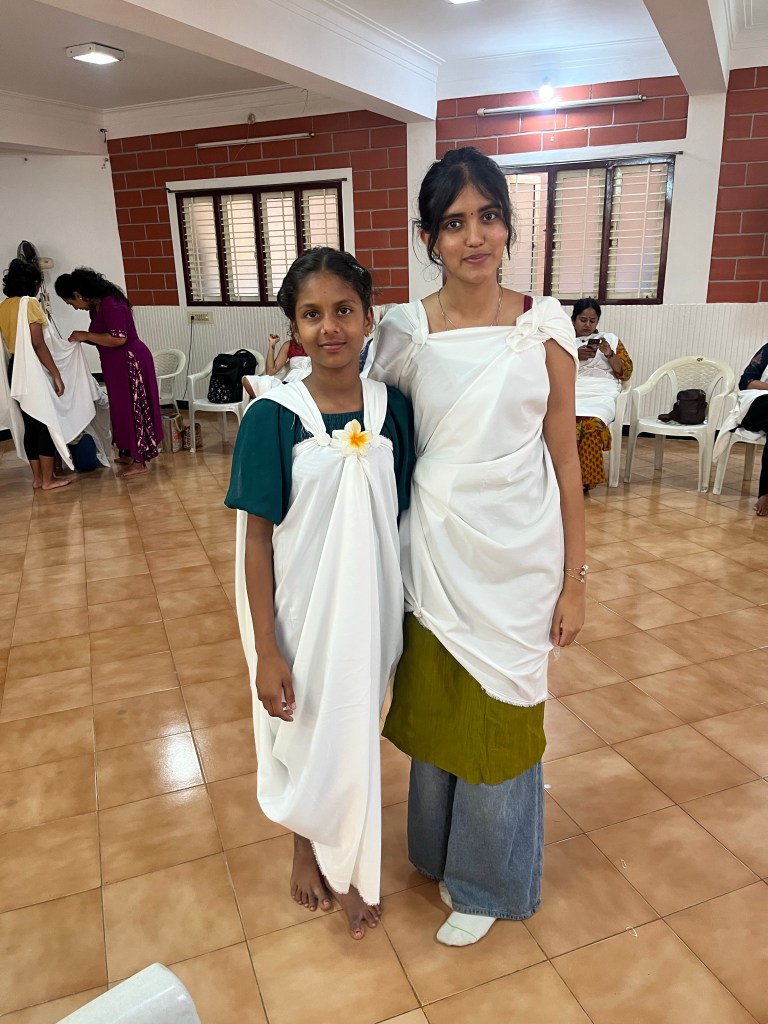

A new summer school holiday activity — Button Masala.
Incredible creativity and innovative design from cloth, button and rubber band!

A great addition to the swimming, summer camp, reading, storytelling, crafts, skating, seaside, badminton, cycling, TV and phone that’s become a staple of Kaveri’s school holiday
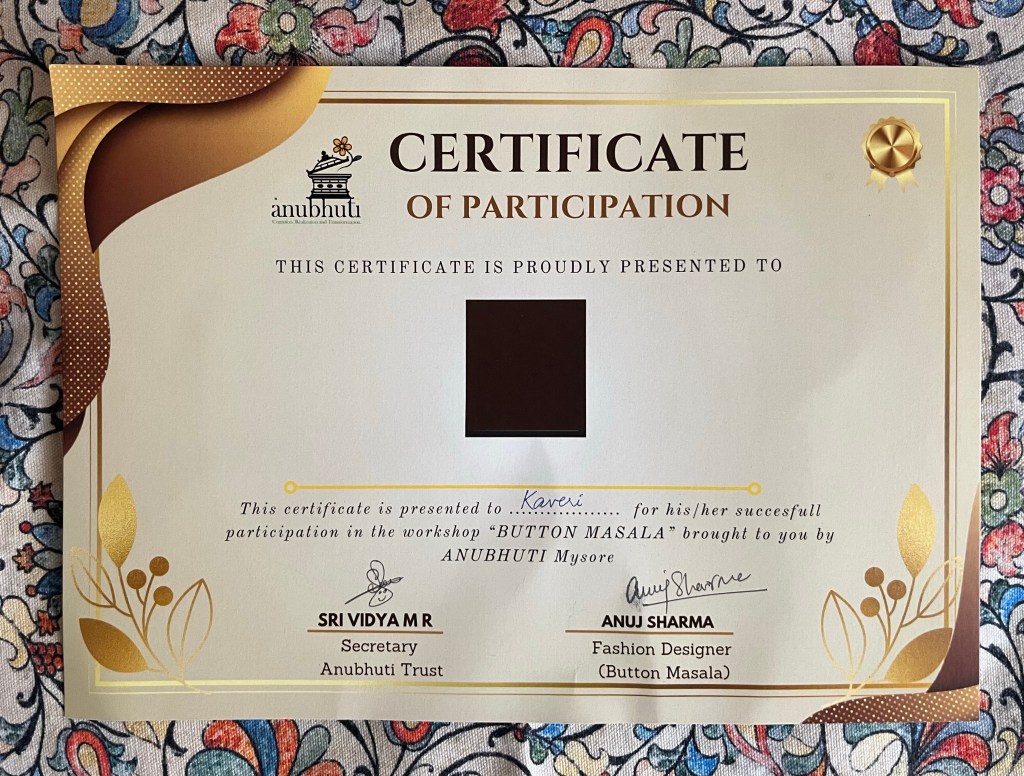
A really cool event presented by the creator of Button Masala —Amuj Sharma and supported by Sri Vidya MR of the Anubhuti Trust.

Marginalian
Comes up trumps again with great literary, political and philosophical connections.
I like her quote from Simone de Beauvoir

What then is love? Not much, not much; I come back to this idea. Sensitivity, imagination, fatigue, and this effort to depend on another; the taste for the mystery of the other and the need to admire… What is worthwhile, is friendship… this profound mutual confidence between [two people], and this joy of knowing that the other exists.

“The ancient Greeks, in their pioneering effort to order the chaos of the cosmos, neatly taxonomized them into filial love (the kind we feel for siblings, children, parents, and friends), eros (the love of lovers), and agape(the deepest, purest, most impersonal and spiritual love).”

I decided that we would continue Manjula’s sunshine goodness, sharing her love, through events and activities for young people.
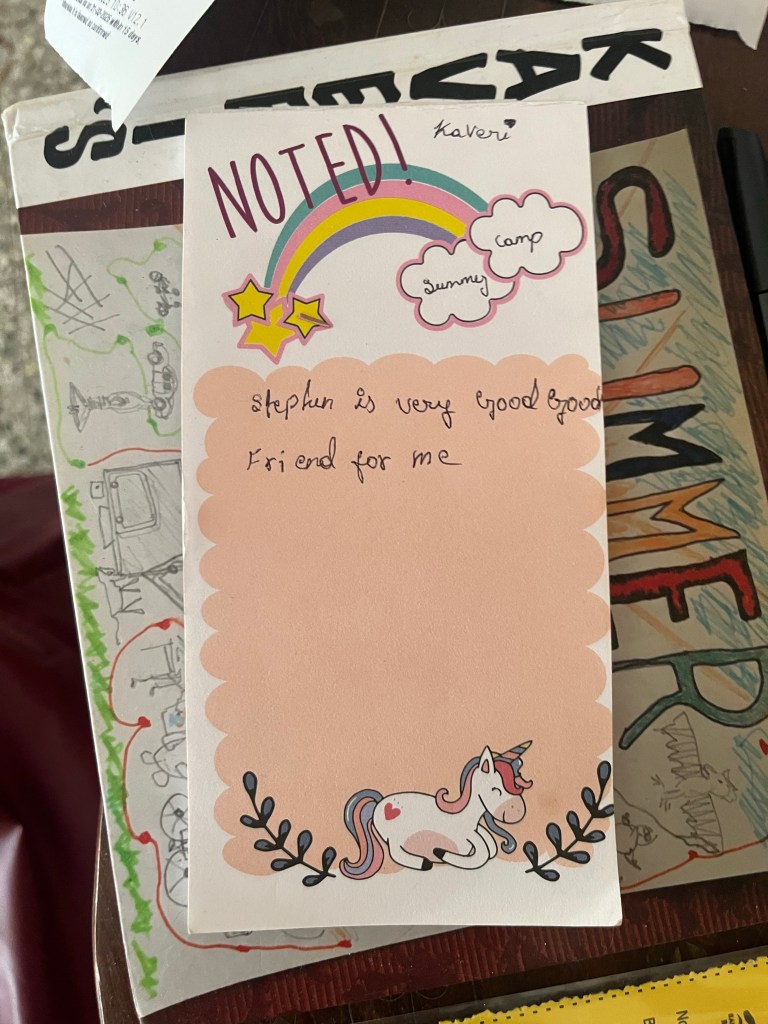
The most obvious example is our continuing support for Kaveri.


If I can find a guide (supervisor?) I hope to do a PhD
I’m about to ask people at the university if they can help.
A big challenge is to work out what type of research to use and what to study, especially as I tend to cut across disciplines.
But I wonder if I can find someone to help me do a PhD using the sort of research I prefer?
I’ve researched things before but not what we normally associate with (empirical) more traditional scientific research; which starts with some assumptions (such as a hippopotamus sorry hypothesis), then you go gather information to check them out, analyse and conclude. That will indicate if you agree with the assumption or reject it. Hopefully at some point it leads to action.
I understand why it’s done that way but — my attempts have been a bit different to that — a bit more ‘off the wall’.
In the late 80s we used public meetings, market research panels, a reference group and interviews to find out disabled people’s wants and needs and then writing a business plan from what we learned. This enabled us to reorganise their services provided by the local authority (like a city corporation/council), using the money, the best way
It was called LEVEL BEST. We organised a conference to share our work.
Later, I read a book ‘Being Digital’ by Negroponte about the internet and the future of technology. We wanted to help all the communities to access the internet so invented — ‘cyber coffee morning’ — which was an introduction to the world-wide-web a year or so after it was launched. We set up a team, and delivered it to hundreds of people in the locality. People loved it. My MPhil (critical management) research was to learn about how a project develops, the key roles people take on and what motivates them. I was in and amongst what was happening and changed things in real time depending upon what I learned.
I’ve used the knowledge from that research in many ways, since then. This projects title was CYBER CITIZENS.
Career-wise, it helped me shift from being a manager in government to be a facilitator and consultant with multi-national companies.
A few years later I was asked to work in a small town to help bring people and organisations together. I facilitated it on behalf of the council to help respond to the community needs in our planning, help organisations collaborate and respond by developing new projects and practices.
A challenge for all governments is to develop continuing relationships with its voters between elections. Things change so quickly and representation needs to be supplemented. As I began the project I was interviewed by the local journalist. He asked me how I’d decide what projects and ways of consulting I’d develop. My response was that I’d try different things and go with what worked. Over thirty years later some of the projects are still going strong. That’s a form of action research. It was called CANDo
I develop slogans and brands and my methods are most like market research which always involves action and continual analysis. I was often the participant who is constantly observing and analysing with groups and networks to advise and support
All of my research has been ‘suck it and see’ and actually sometimes lead to quick responsive action.
It’s usually been about …
Creating opportunities to involve stakeholders (those with interest and influence) and making things happen, as we go along. That’s not waiting for wisdom to be handed down.
If I even go back to my earliest jobs after graduating I supported groups of young people who were ‘in care’ to share their opinions with their social workers, helped develop half way houses to help them develop the skills to become independent. This was critical as many had lived in institutions.
I became coordinator of Notting Hill Social Council continuing their work from the 50s. This involved working with the diverse communities (African Caribbean, Moroccan, Indian sub continent, Filipino peoples) to raise people’s voices, influence the council and develop community responses
It’s probably no accident that I’ve facilitated workshops in London for over twelve years based on developing values based organisations built on stakeholder engagement.
When I helped organise events in India starting in 2006 we created interactive experiences with Indian communities for company directors from multi-national companies to learn and inform their business strategy. I featured pukar at the first of these events as they followed a similar approach to mine https://pukar.org.in in engaging stakeholders.
So, I’ve done lots of research but usually through the active engagement of the communities themselves.
I wonder if I can find someone who help me do a PhD using the approach I have experience of: participant observer, dialogue, reflection, real time action?
I hope so.
This idea of doing a PHD isn’t really new, in some ways I’ve been building up to it for years. In each of my roles I’ve tried to help people learn by doing and becoming active participants. More recently it’s arisen from Manjula Mysore’s support to young people through creativity days, reflective space and the sponsorship of Naveen and Kaveri.
It’ll somehow relate to this.
It also reflects the work I first stared on my BA in the 1970s
I just hope I can find someone at the university who will support a slightly different approach.
So what will it be about?
Watch this space.
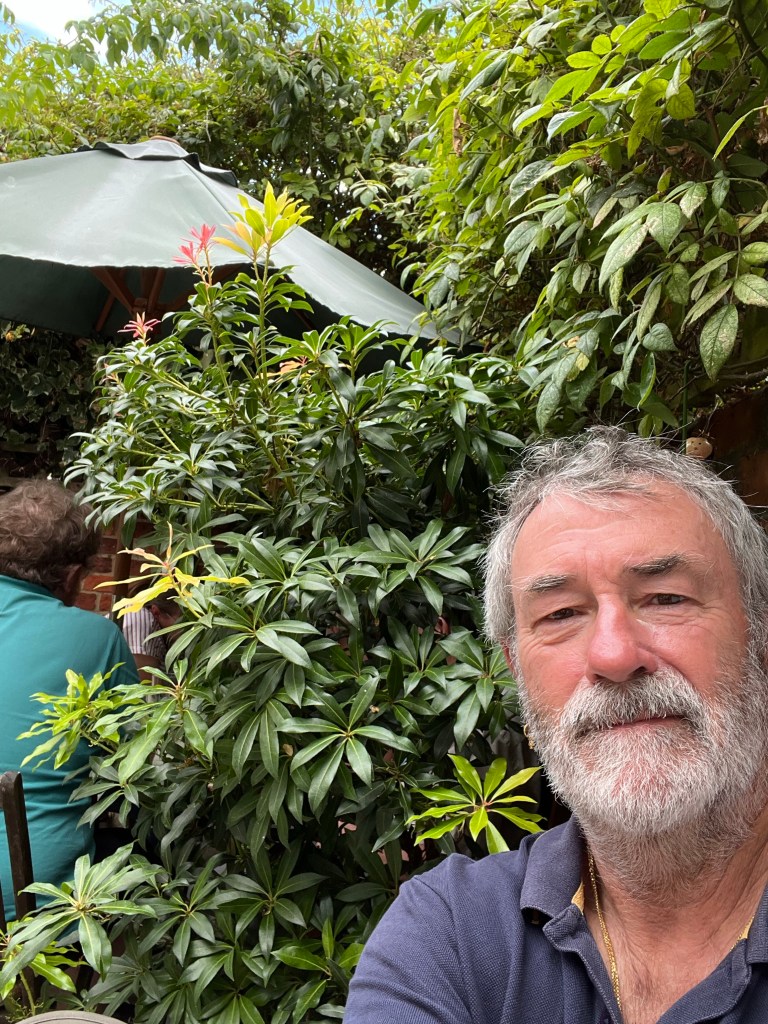
It started out as a joke.
Manjula complained about me filling the house with art and books —- and we were running out of space.
She decided that when I was seventy-five (that’s right, i’m —not yet) and stopped leading MYcycle tours (big assumption there) we’d open the house as a library.
In her memory I closed one of the bedrooms to reopen it as ‘Manjula’s Library’
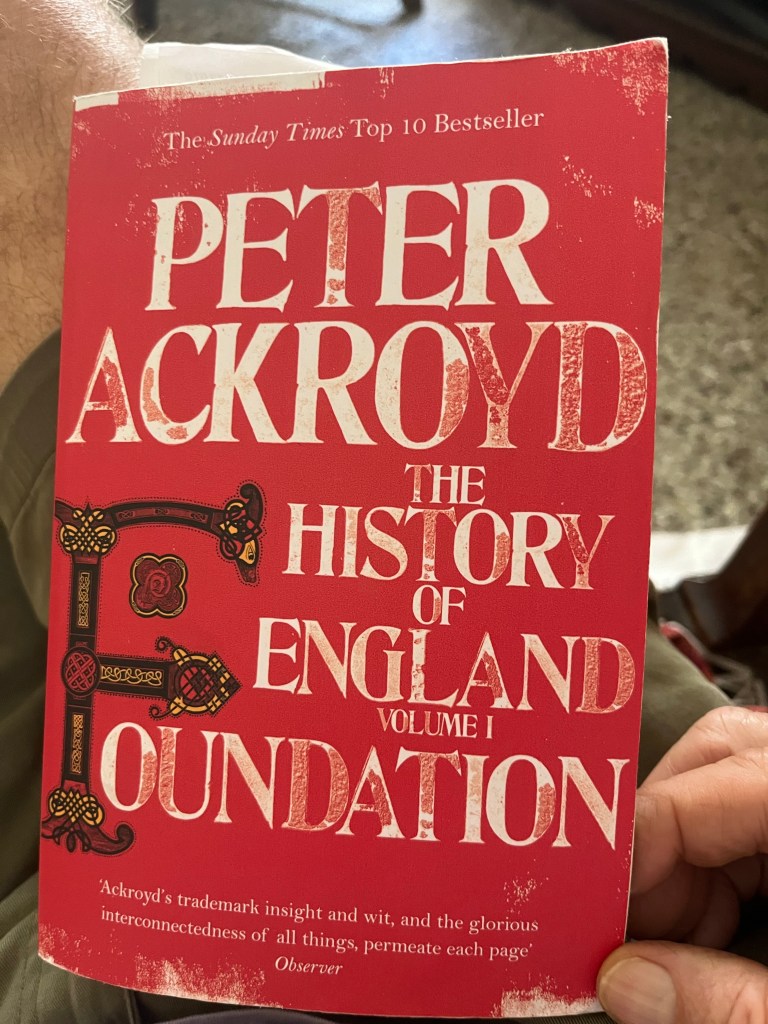
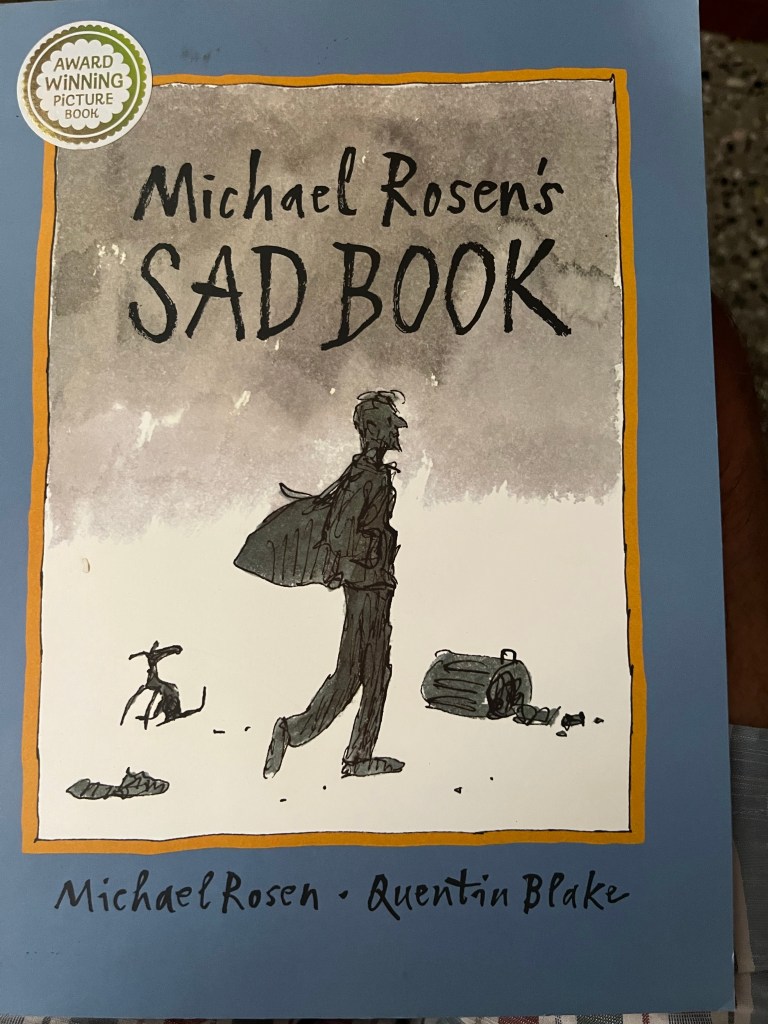

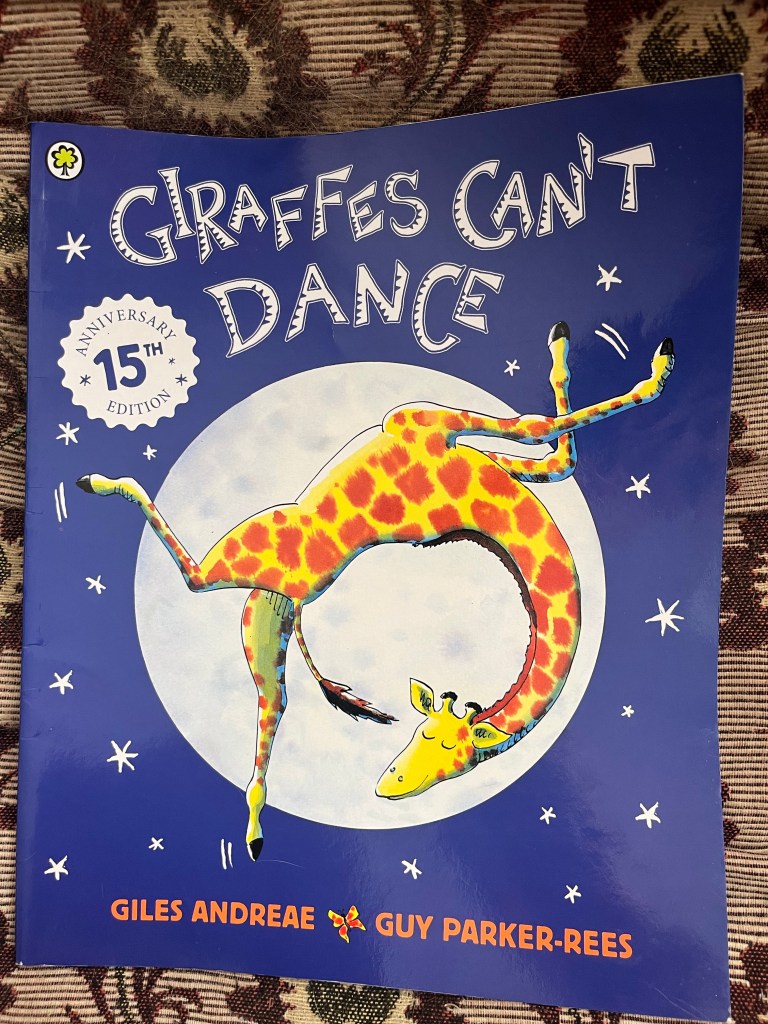




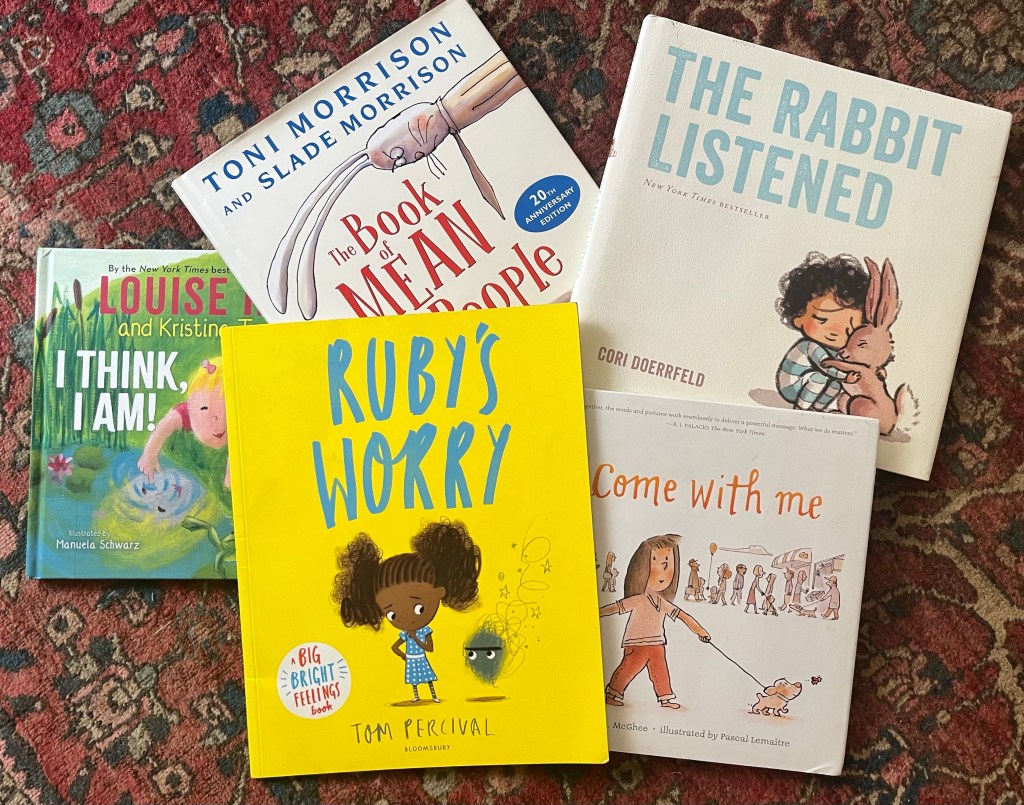
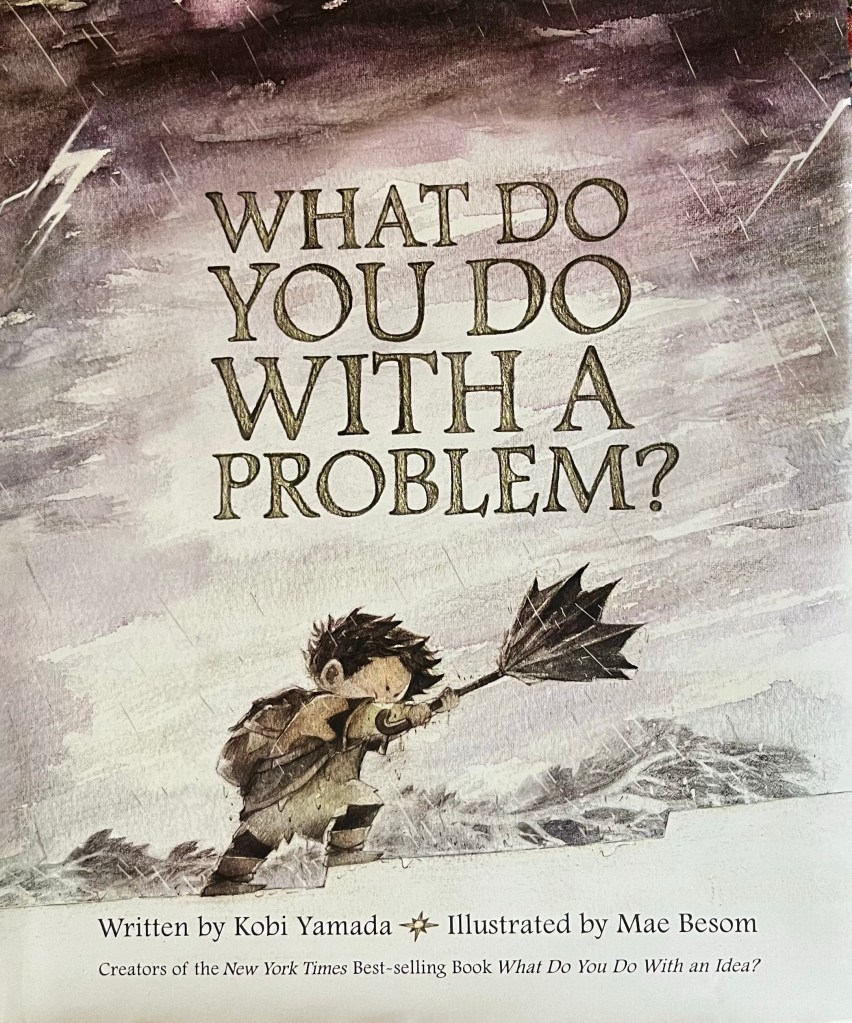
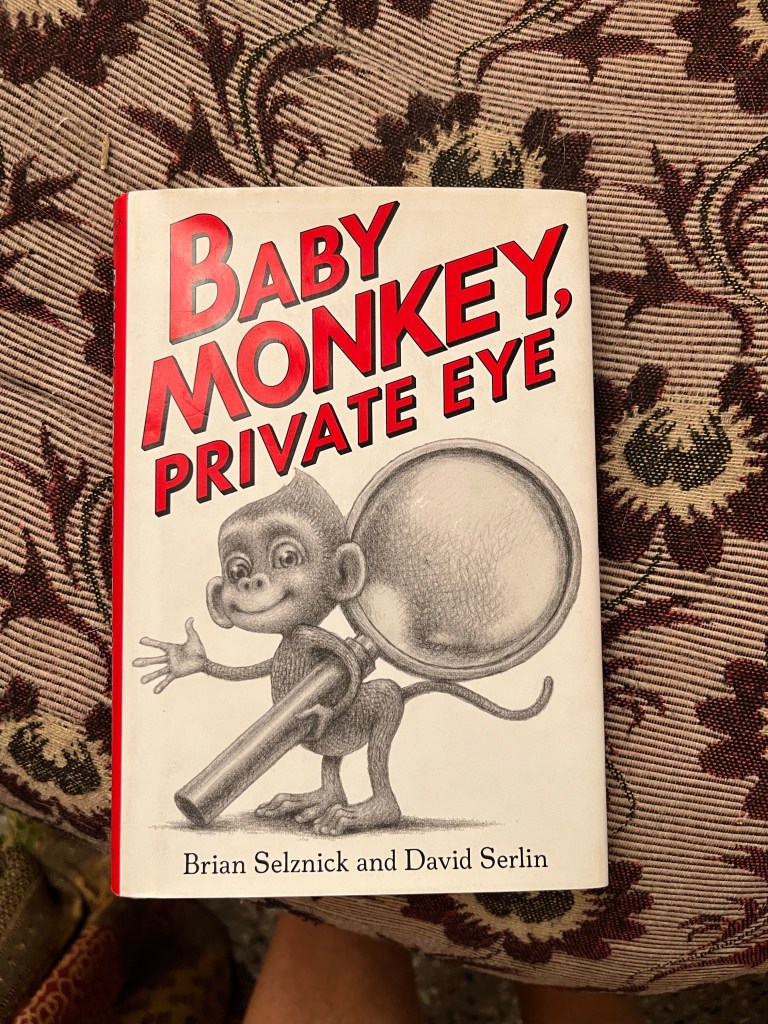

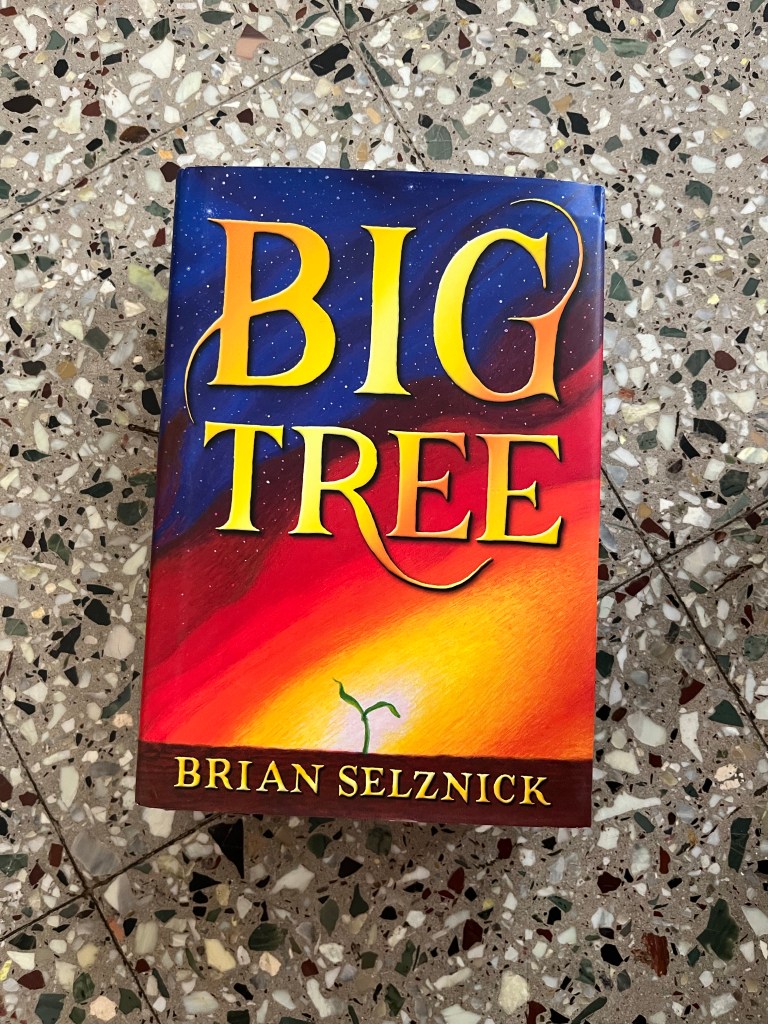
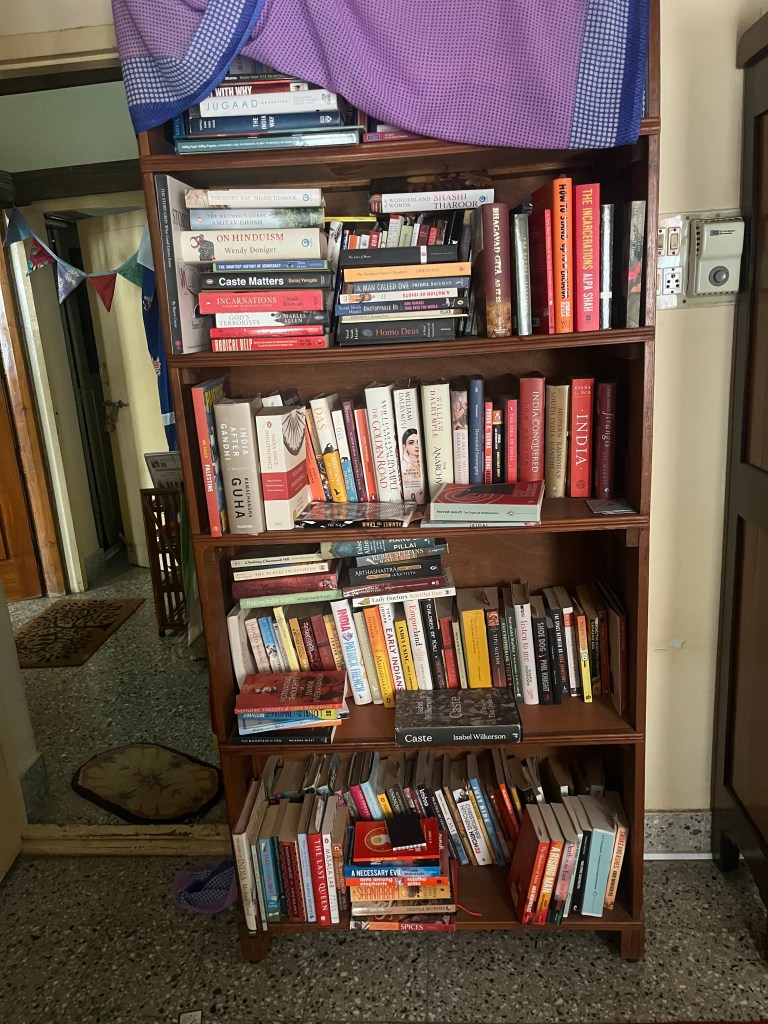
There’s now hundreds of fiction and non-fiction books in English, including those about education, India, history, philosophy, for adults and children.
It’s an idiosyncratic mix already used by our guests, the members of ‘reflective space’ and the time I spend with young people.
My own favourites are the picture books.

It changes by the day ….
… check out the new arrivals.


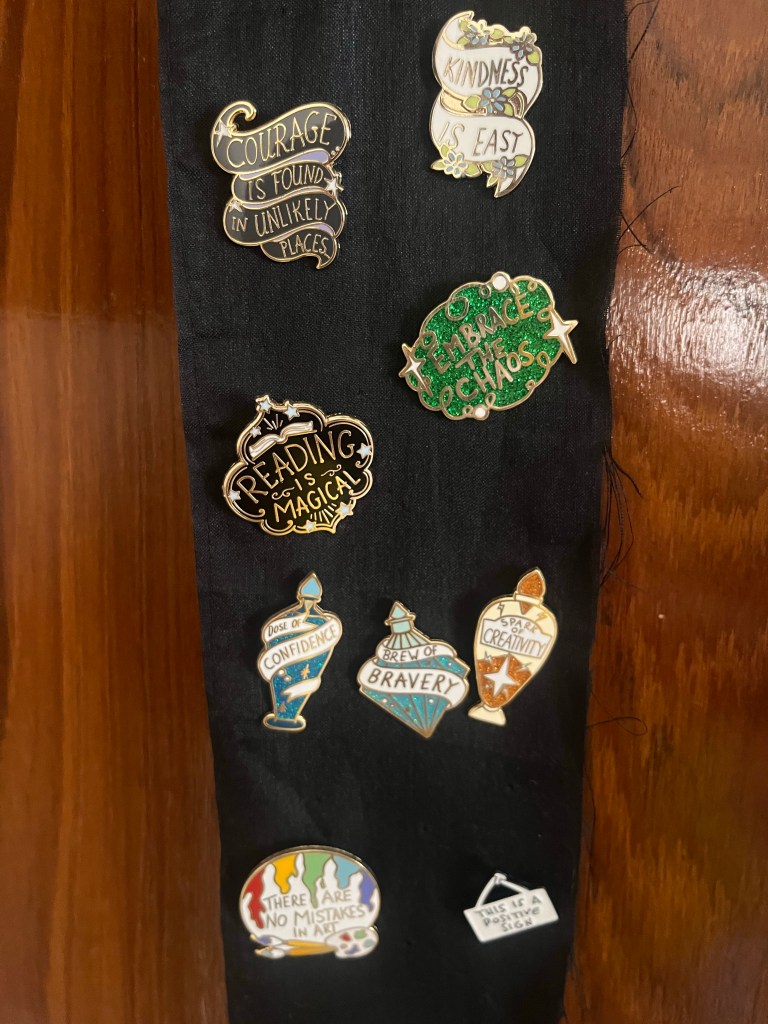

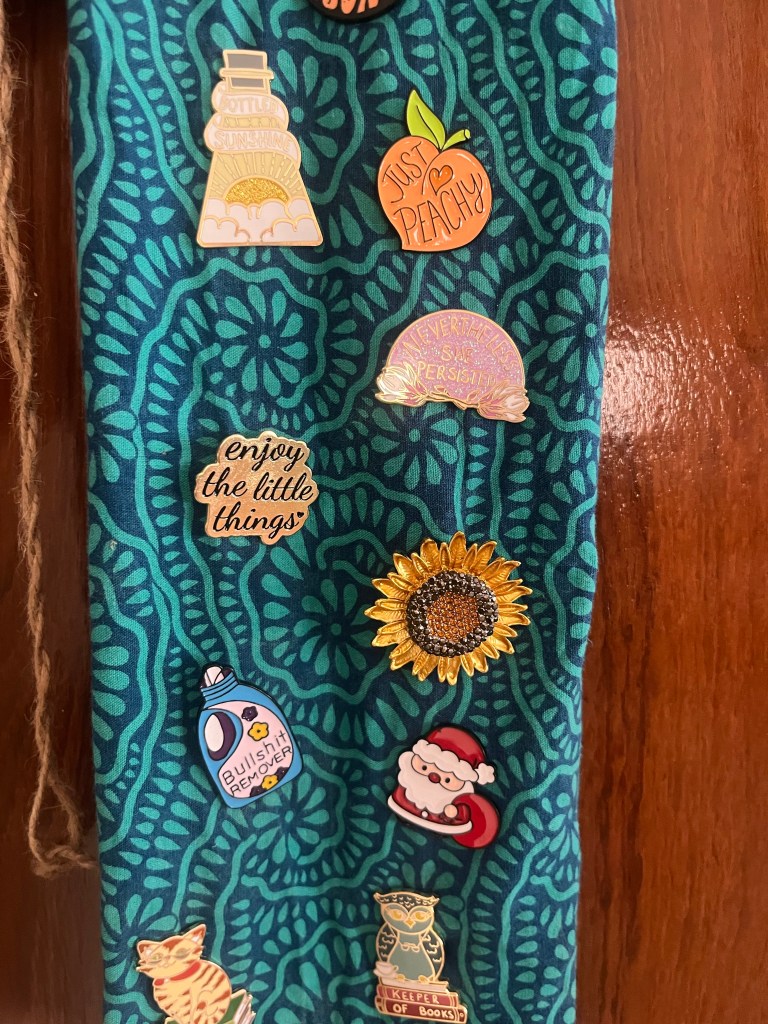

Yes, it’s not JUST books, we now have a selection of cool badges.
Even in our first year we were no 1 in Mysore on Trip Advisor but there were no contact details. Guests couldn’t quite believe it
As they realised, I’m Yindian, (Indian by marriage, Yorkshire by birth) the Yorkshire bit means I’ll not spend money unnecessarily. (that’s one way of putting it)..
We’d also joke that we only wanted guests that would put the effort in and find us!!
Our Facebook entries also meant we were on Google. All that helped.
AirBnB was our other big thing. We’re still on it but sometimes forget as most guests come as returners, byword of mouth or recommendations.
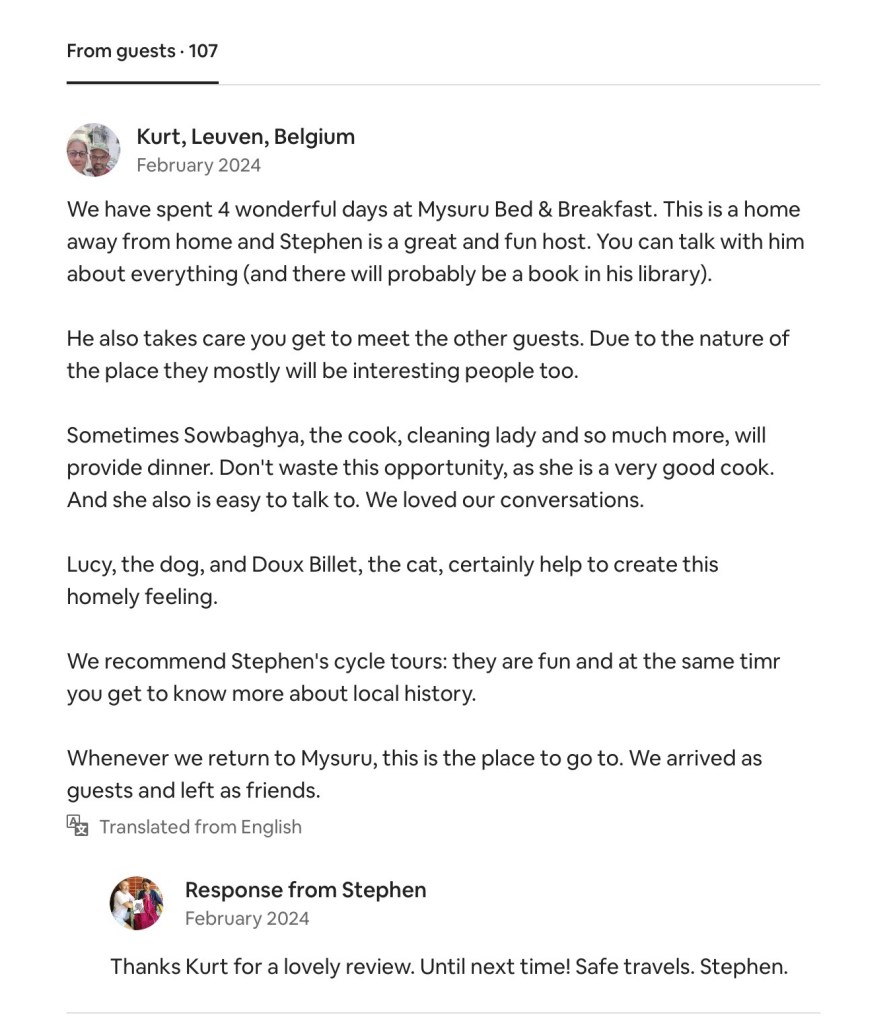
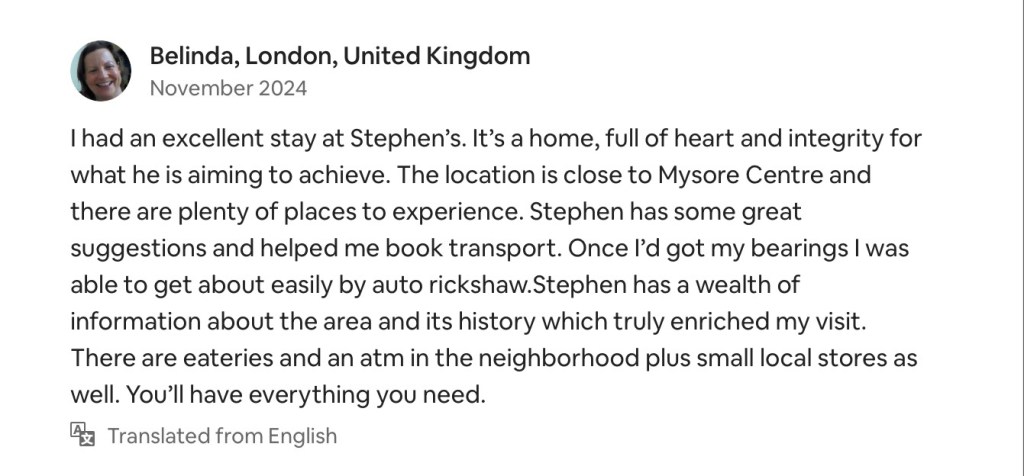
Just to prove it, here’s some of the reviews from our lovely AirBnB guests.
We can assure you, that we don’t chop people’s heads off
Yours, Alice




Revealing possibilities
Broadening Horizons
Passing through Barriers
Help girls (and boys) prepare for adult life by introducing yourself and sharing your insights.
Manjula’s Mysore is inviting its guests and members of its monthly meeting: ‘reflective space’ to create a short Introductory video — talking to camera — to reveal what’s possible.
I often use the story of Ganesh and his brother racing each other to reveal to young people that we live in many different worlds — with our immediate family, at home, with friends, at work, our extended family, while travelling.
It’s important to recognise and value difference reflected in those different worlds. That helps us to realise what wide variety of opportunities exist for us.
Many young people don’t understand how different their lives could be.
If we know more, we’re more enlightened and can better choose the life we wish to have, and find what suits us best.
Breaking the crate.
It might mean challenging the status quo and breaking away from what’s traditionally expected of us.
Sharing examples gives others strength.
This idea came from how much Kaveri learned about other people’s worlds by meeting guests of all ages — from India and around the world—- at Mysore Bed and Breakfast.


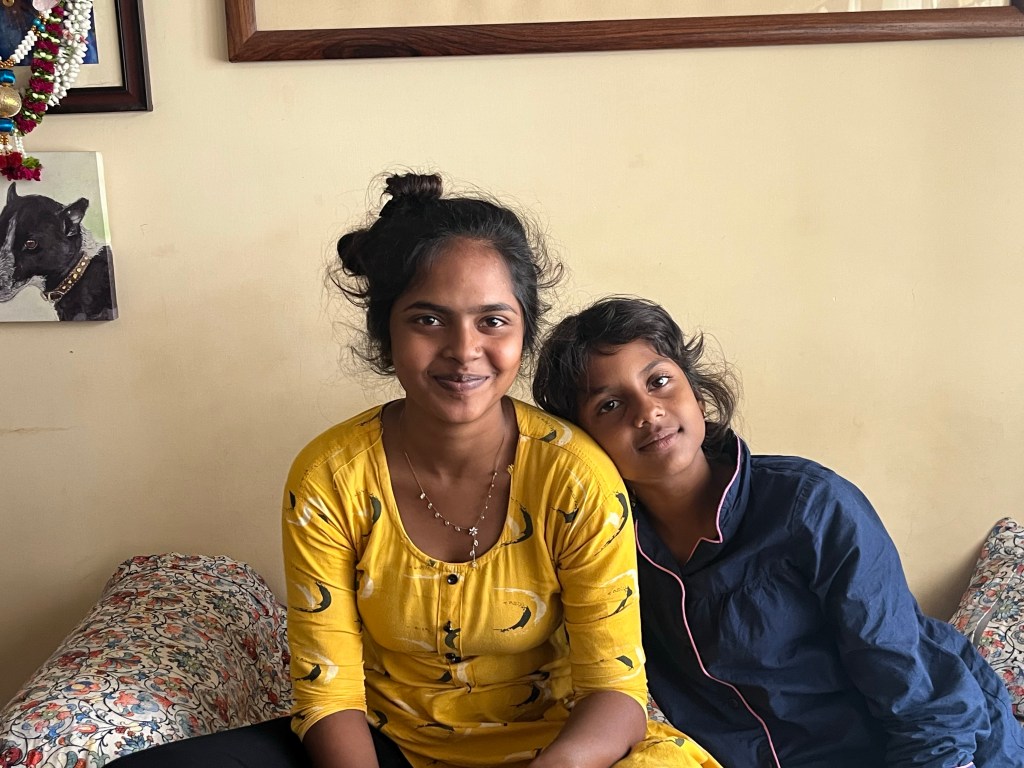
I hope this helps broaden her horizons and seize opportunities


Manjula realised — that even with a limited education, from a poor background having experienced so many difficult challenges throughout her life — she could create a wonderful home, share it with people from around the world, become a company director, manage our business and teach a Firangi a thing or two!! (Many things actually)
Manjula continues to give.
Look at what she had to put up with …
Another example of our wonderful guests, that become friends and how our chosen family now spans the world.
How lucky are we?
Here’s this weeks Facebook posting from them. ….
Ten years ago when we planned a visit to Mysore with children for the first time, we wanted to give them a unique experience. After lots of googling we chose an english man Stephen Farrell’s , Mysore Bed and Breakfast. It was a home away from home where travellers from different part of the world prefered to stay during their Mysore visit.
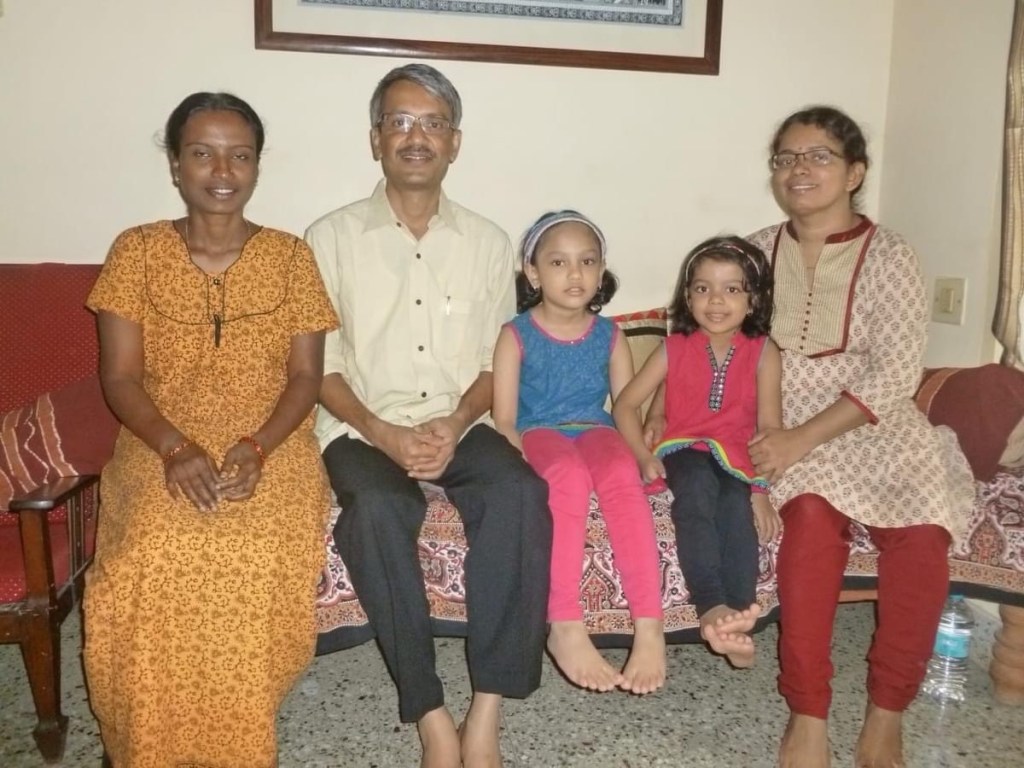
Stephen shares his home with guests and offer complimentary home cooked tasty breakfast. All the guests share the same table conversing with each other during breakfast.
Warm hospitality shown by Stephen, Manjula and their lovely Lucy remained as fond memory with us, especially with Dhrithi n Diya.
We were in touch with Stephen through Facebook and we knew what’s happening in his life. He married Manjula but unfortunately their time together after marriage was only for short duration due to untimely demise of Manjula. Stephen gave a beautiful experience to Manjula during her life time. He traveled with her to different tourist destinations, took her to his home country twice, Introduced her to his family and friends. He loved her unconditionally, gave best treatment possible and tried to fulfill her dreams. The days spent with Stephen might be the happiest moment in Manjulas life.
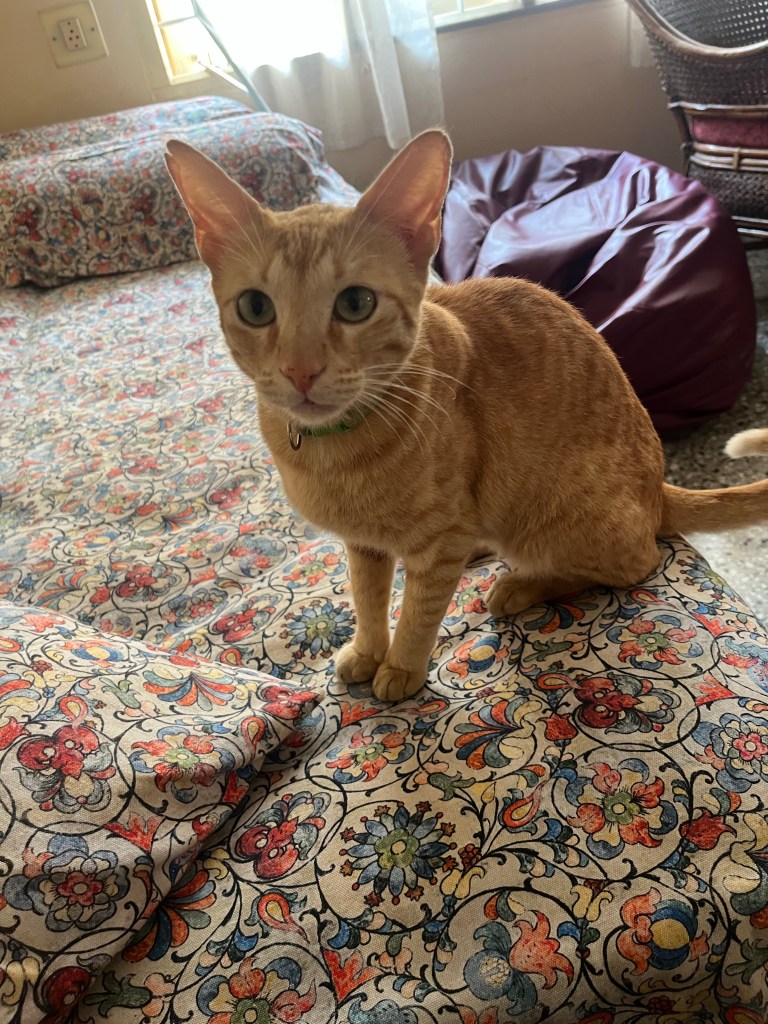
Few days ago, i. e. After ten years we got the opportunity to visit Mysore again with daughters. Dasara Celebration was just over but vibe was still there. Dhrithi Diya didn’t show any interest in seeing palace, decorations, exhibition or lightings. Instead they wanted to meet Stephen at his place. We were meeting him after ten years but surprisingly we didn’t feel the time gap and the connection was instant. He interacted and narrated stories with same enthusiasm, Lucy was as lovely as she was before. Beadu cat is the new addition to the family. Even we could feel the presence of Manjula in every room every corner of that house. Stephen manages public garden in front of the house in her memory. Stephens eternal love towards Manjula is incomparable.
He converted one room to Library in Manjulas memory. He showed his collection of books to Dhrithi Diya. He is keeping Manjulas memory alive through various activities including reading activity for youths. Dhrithi n Diya received godfather card from Stephen . And he said only few children recived that card from him so far and he will support them always .

Stephen conducts MyCycle, tour on Cycle to various parts of Mysore and surrounding villages. He has good knowledge about India, he apreciates cultural diversity, craftsmanship, artifacts & practices of India. He loves to interact with people from diverse background , celebrate festivals. He has deep understanding about the essence of India and some time I feel he is more Indian than many of us.
He shares his experience and memories in his blog
https://meandmycycle.com/2023/10/31/guests-become-friends-2/
Their Facebook entry
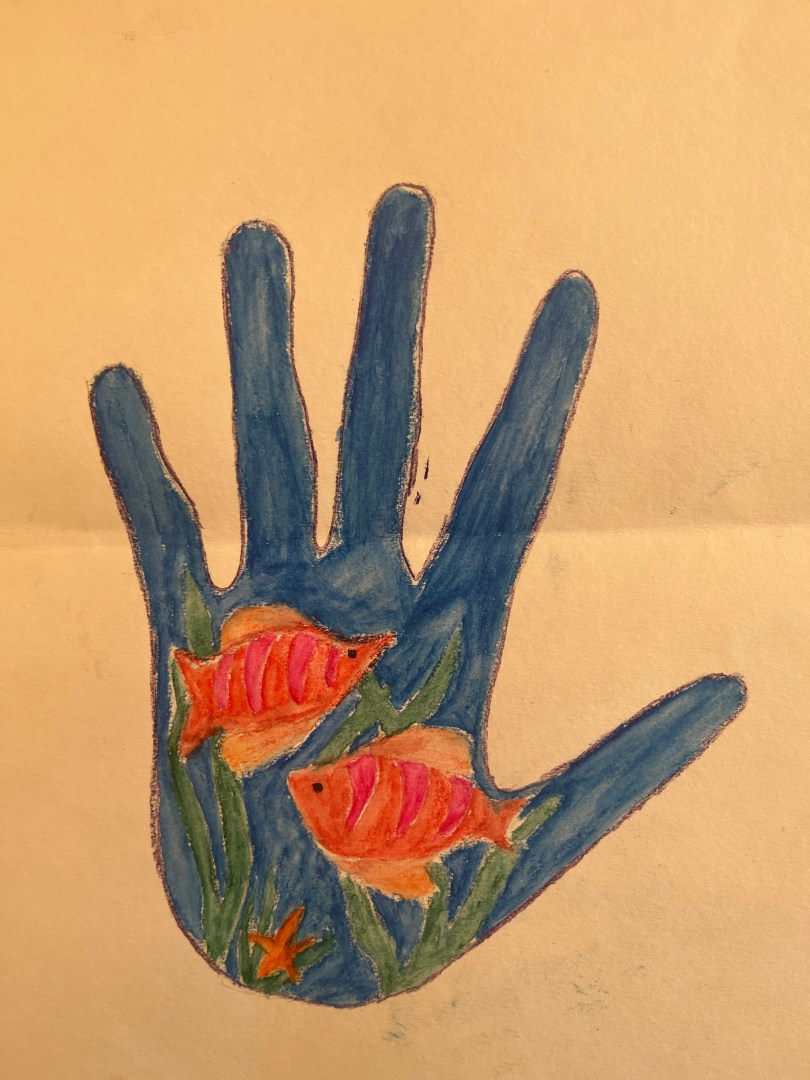
Creativity from Manjula’s Mysore and her friends
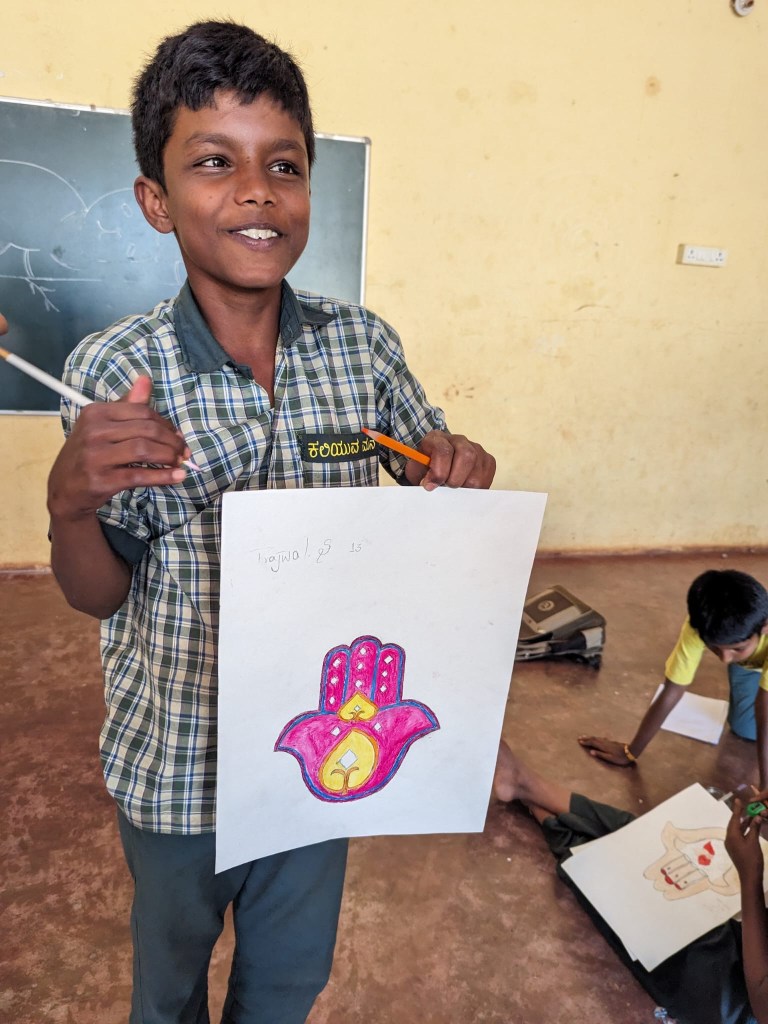
At Kaliyuvamane with a focus on hands

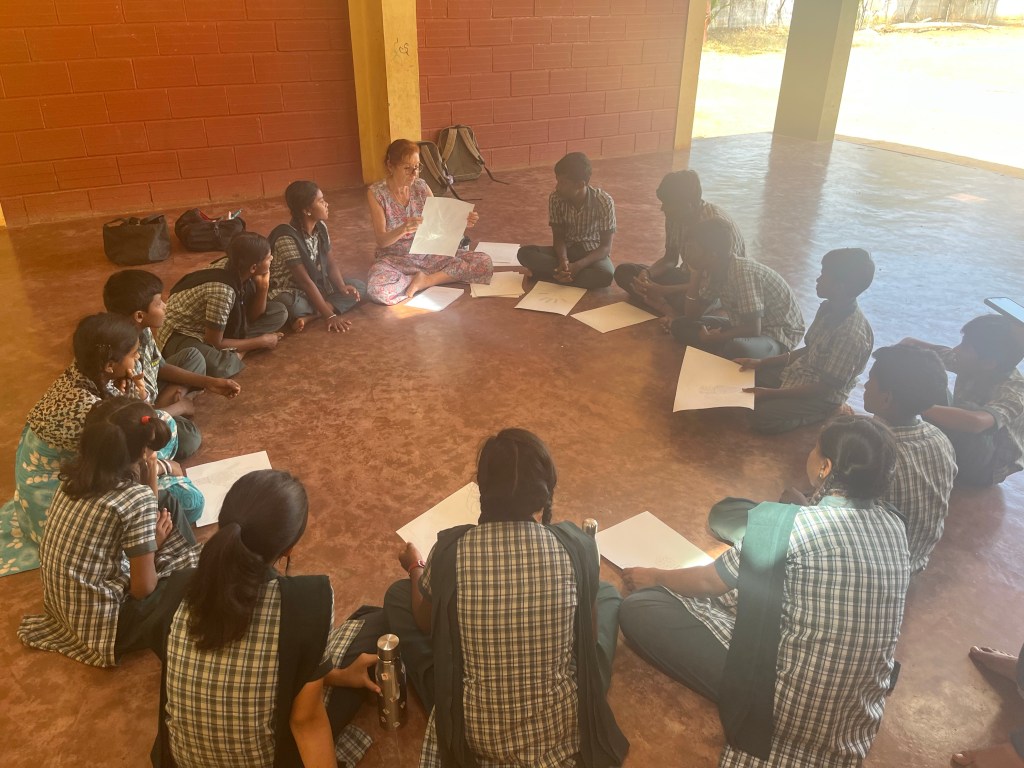
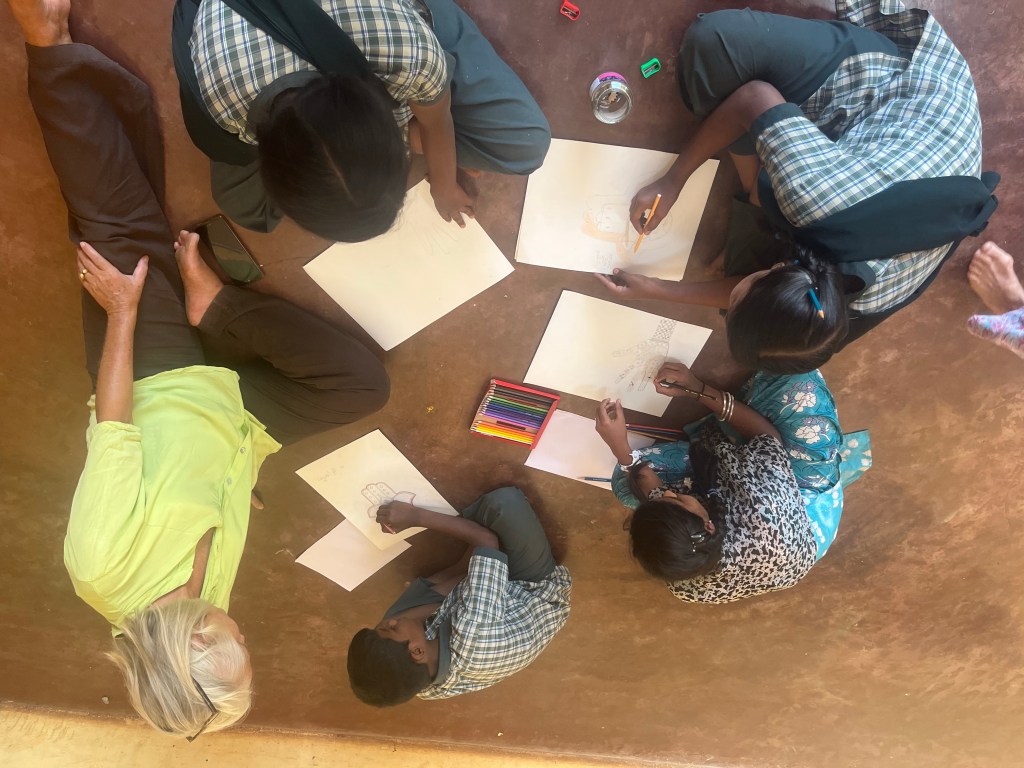
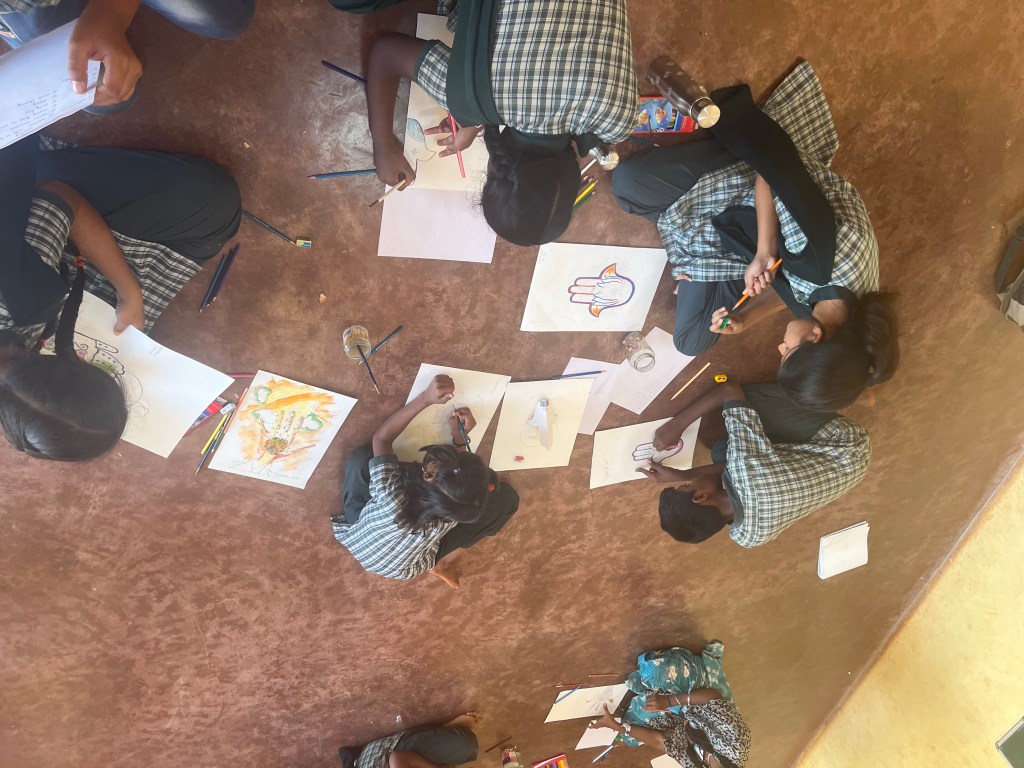


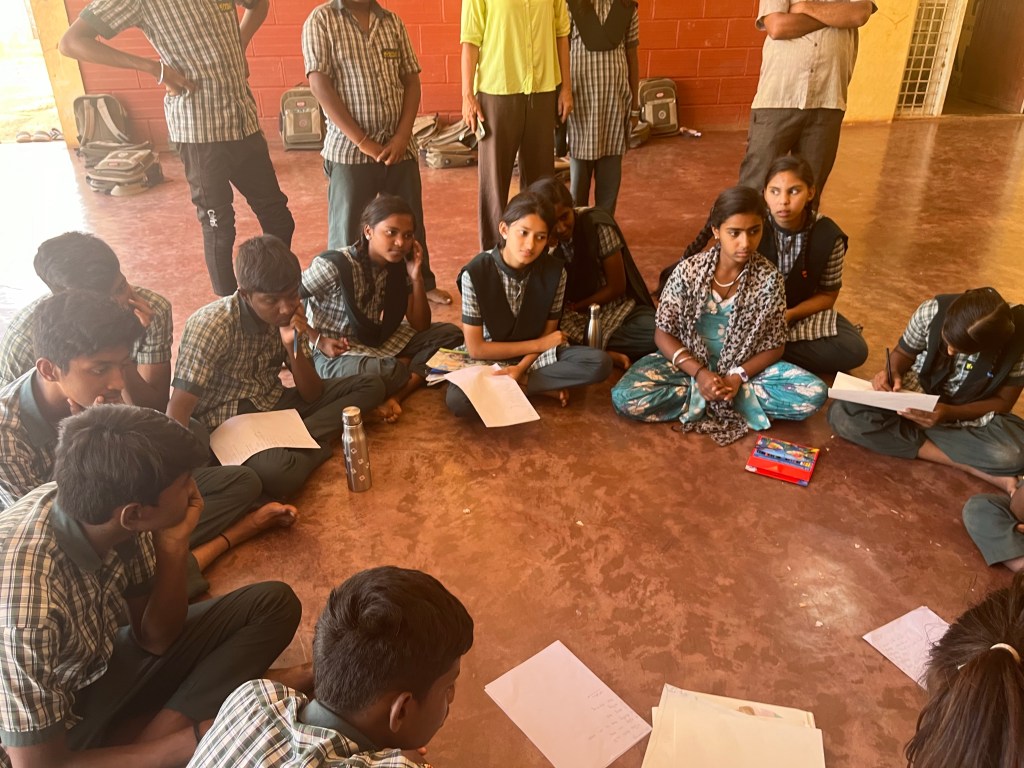


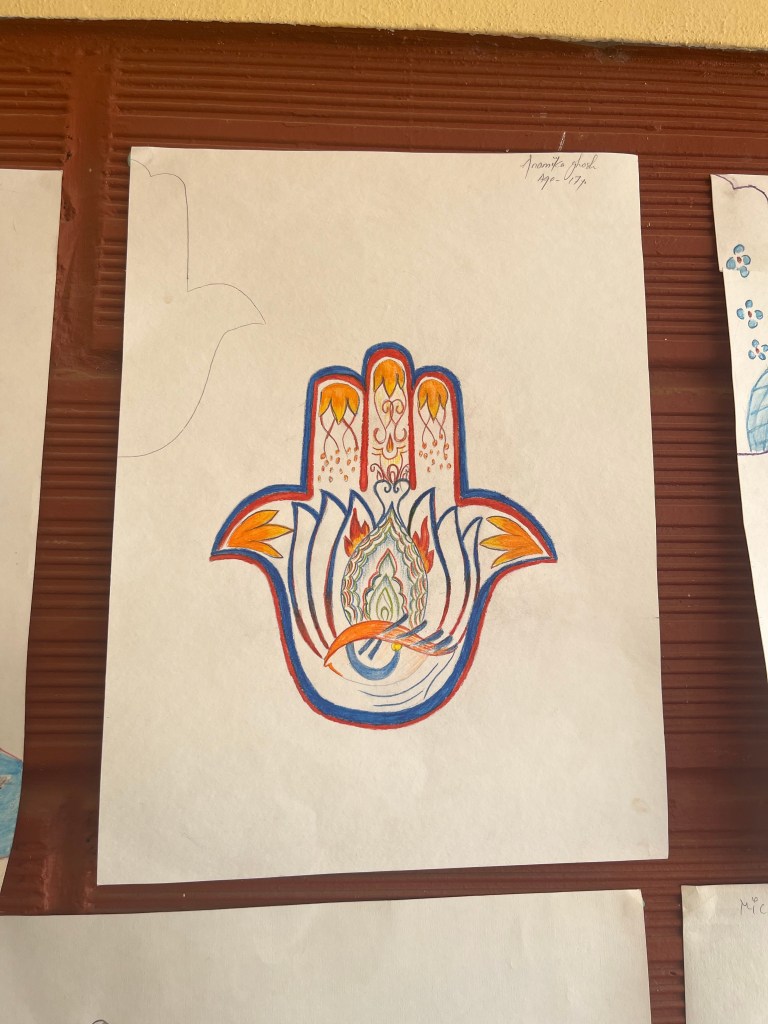
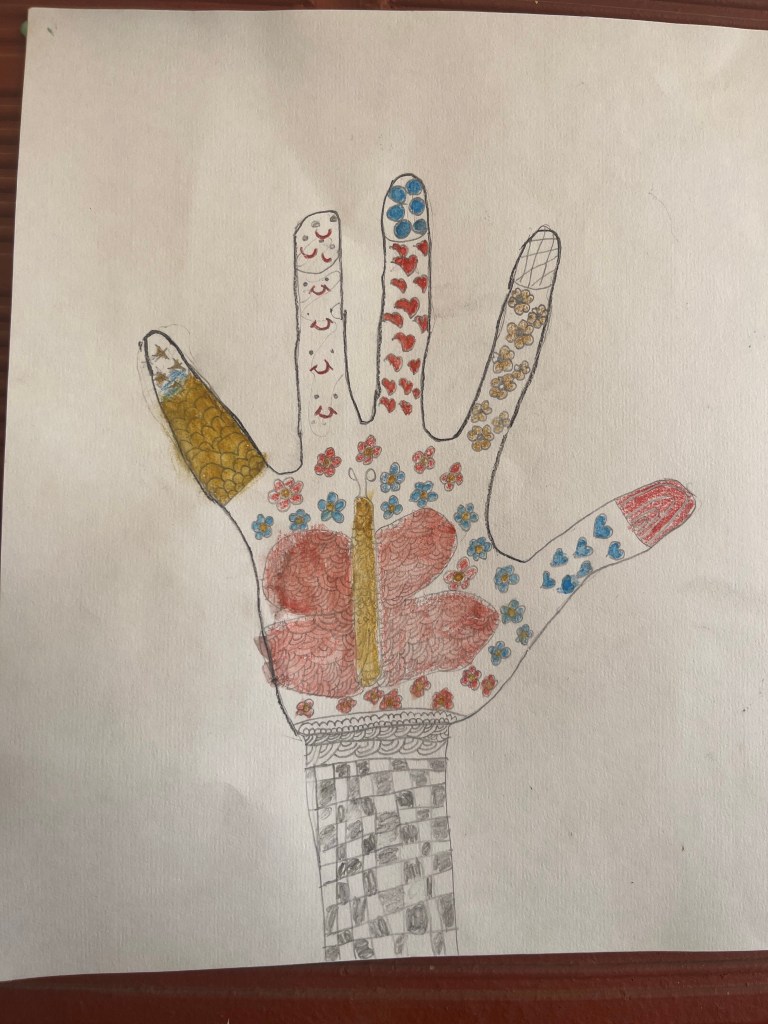

Thank you to Antoinette visiting from New York who designed and delivered the workshop.




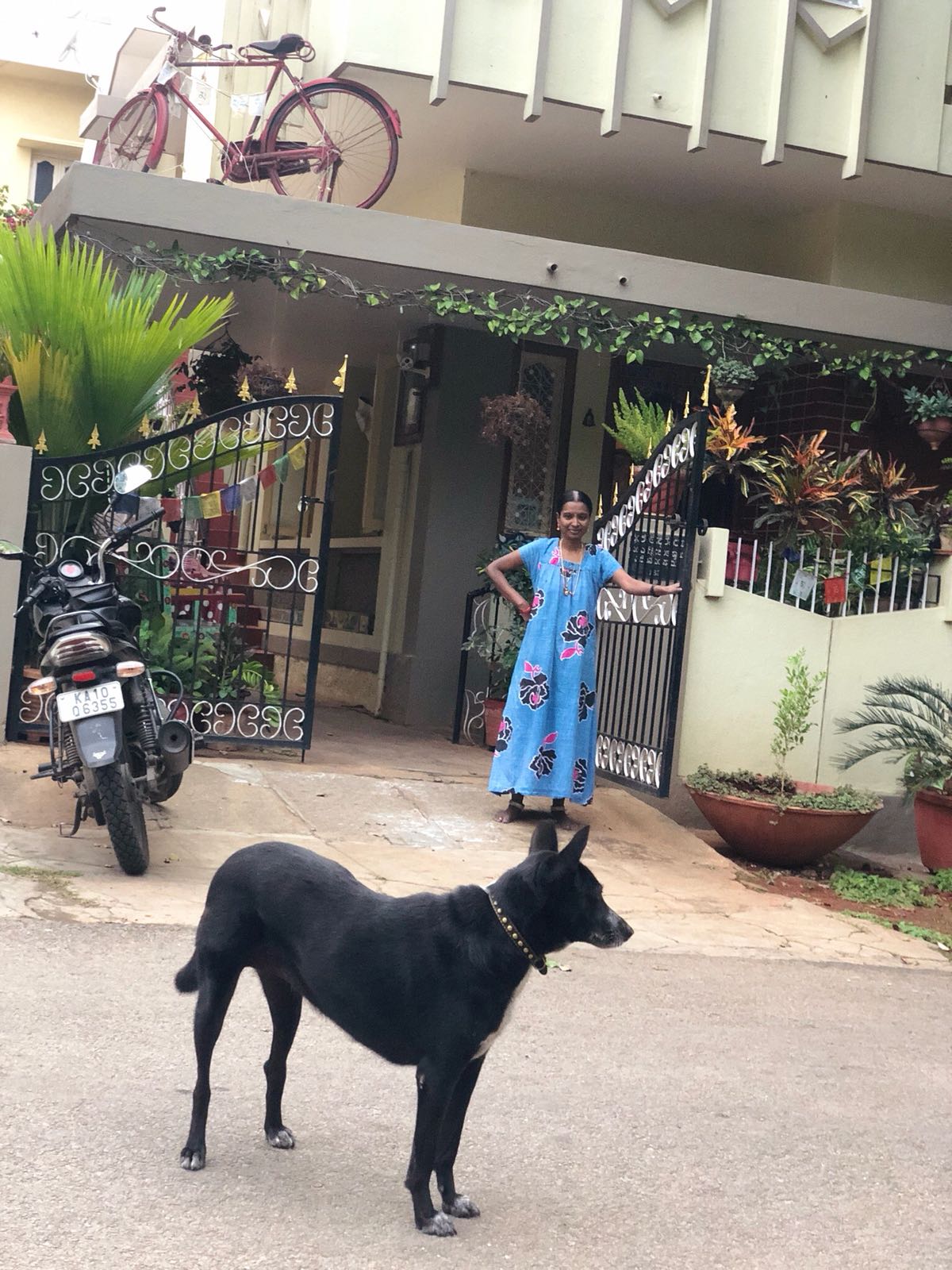
After that first visit she would field questions from our guests who came to share our home — Mysore Bed and Breakfast– were we a couple?
Ina acknowledged before us that we’d fallen in love.

Ina came every year (except during the pandemic) from that first visit, for a total of ten years. She became a very close friend of my wife Manjula and a great support to me helping me grieve Manjula. She was our favourite and most regular guest, here Ina is promoting us with the new mug and proving she became an essential part of the team (furniture!).

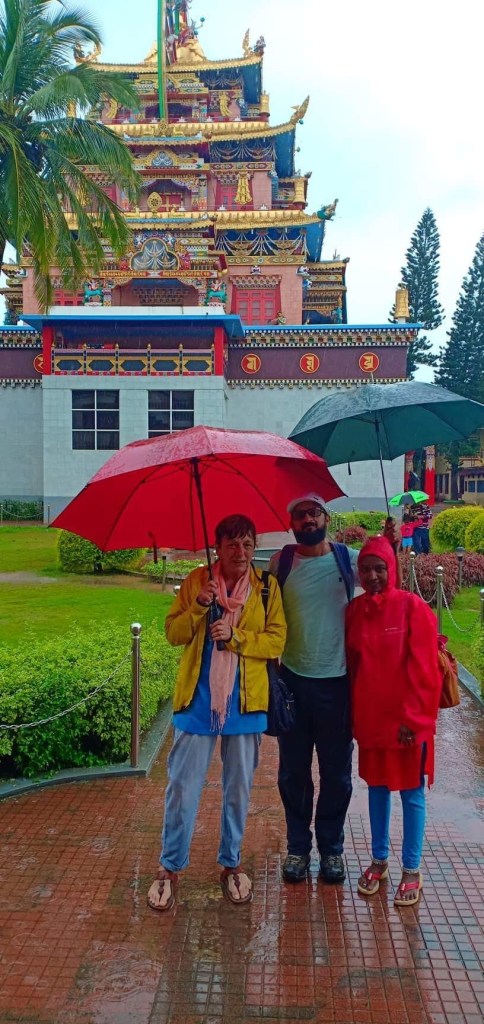
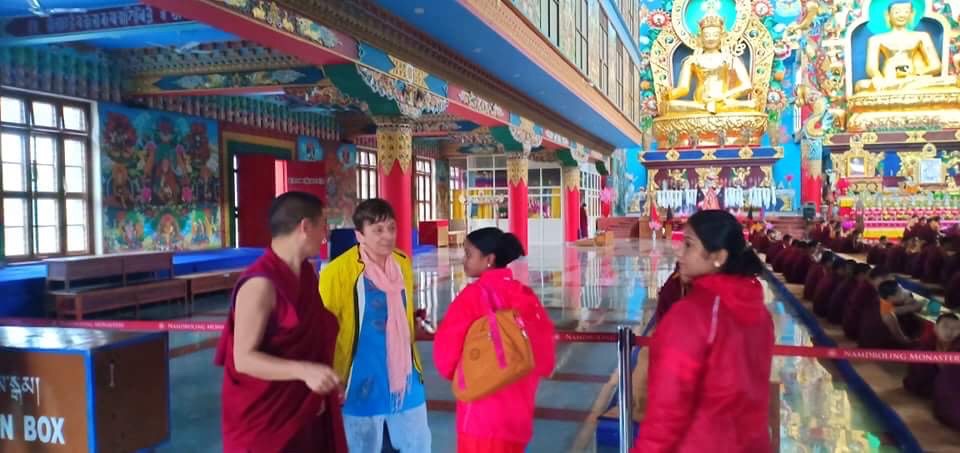
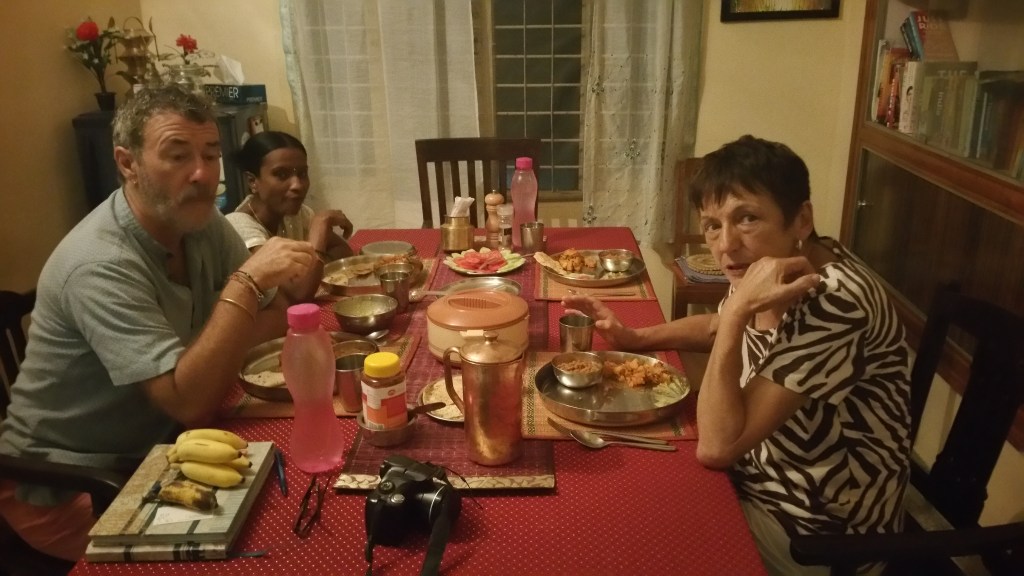
The photos are from our last year with Manjula visiting the local Tibetan settlement and Somnathpur Temple. Ina, Manjula, Willan (our workawayer in 2018) and myself, Stephen

I was their sometime chauffeur

Together, celebrating Manjula’s last birthday in 2018
There’s more here including Ina’s visit a month ago
We will miss Ina, a wonderful caring character, who has become part of our life, here in Mysore. After Manjula died she often referred to her as a Lotus who had survived and thrived through the mud. They both radiated their goodness as sisters and had a wicked sense of humour
Ina lit a candle for her and what we’ll do each year is a Puja for both Manjula and Ina to help their spirits find their new home.
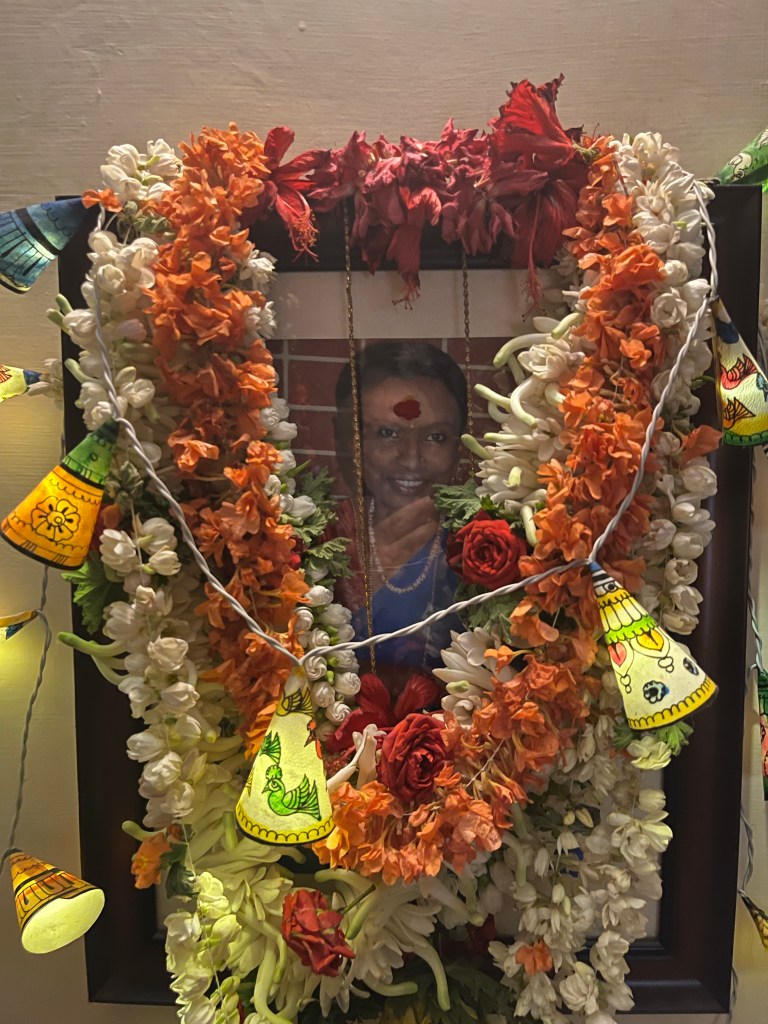


Just as we recently did for Manjula
We look forward to meeting again
Stephen

