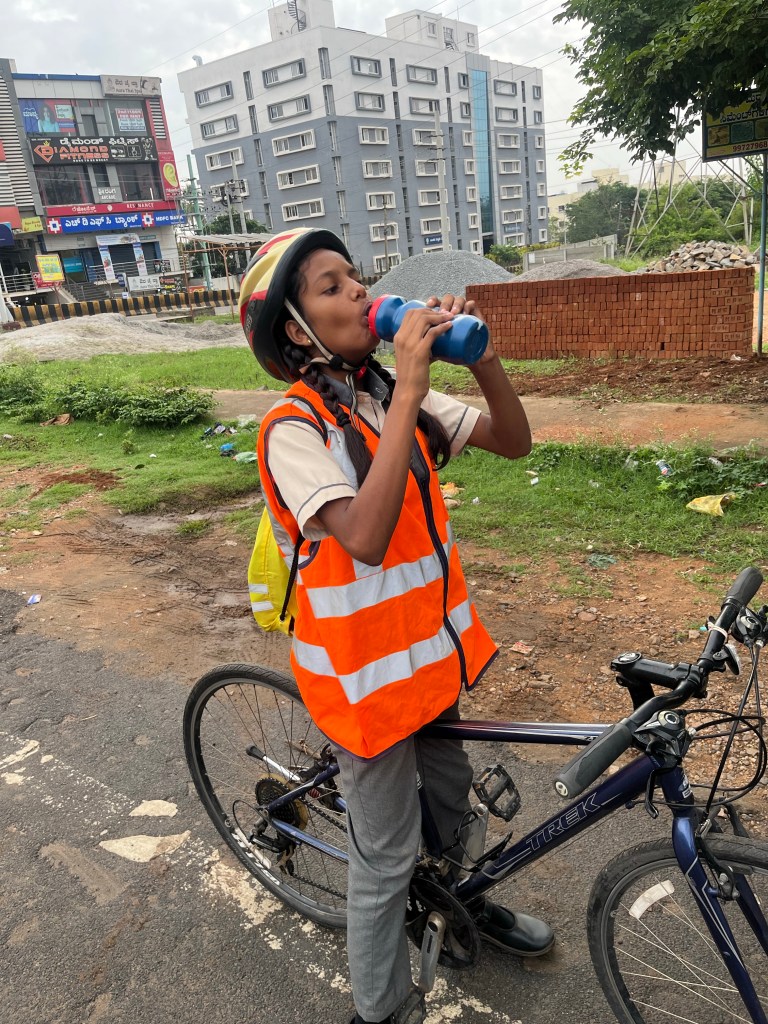
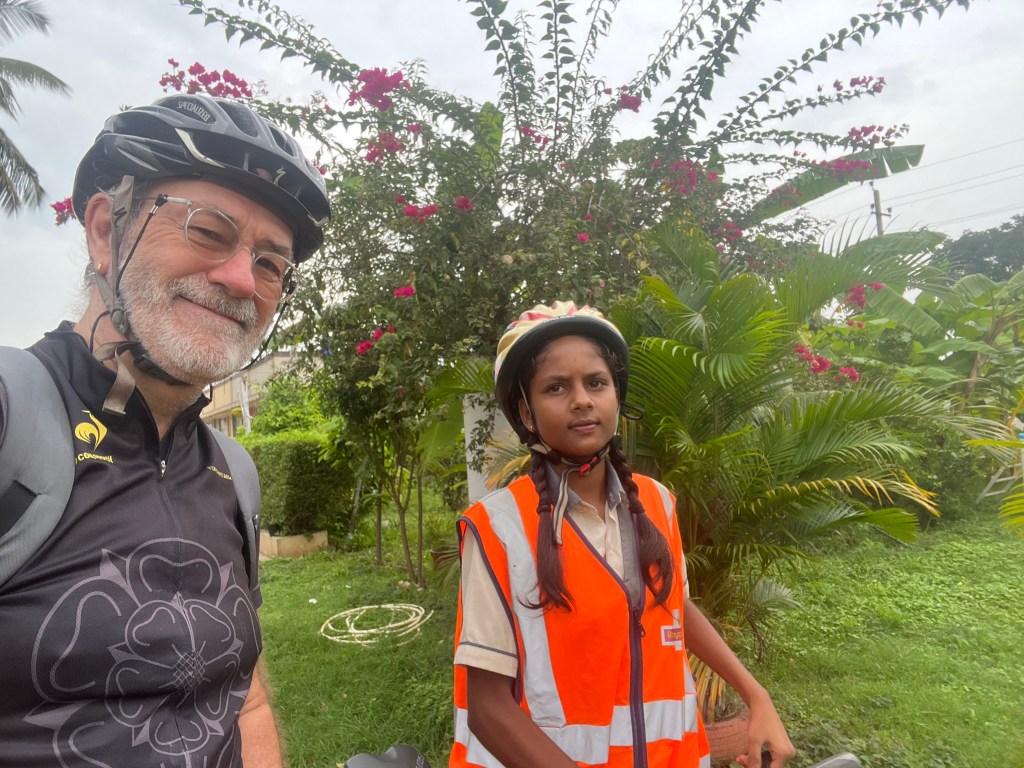
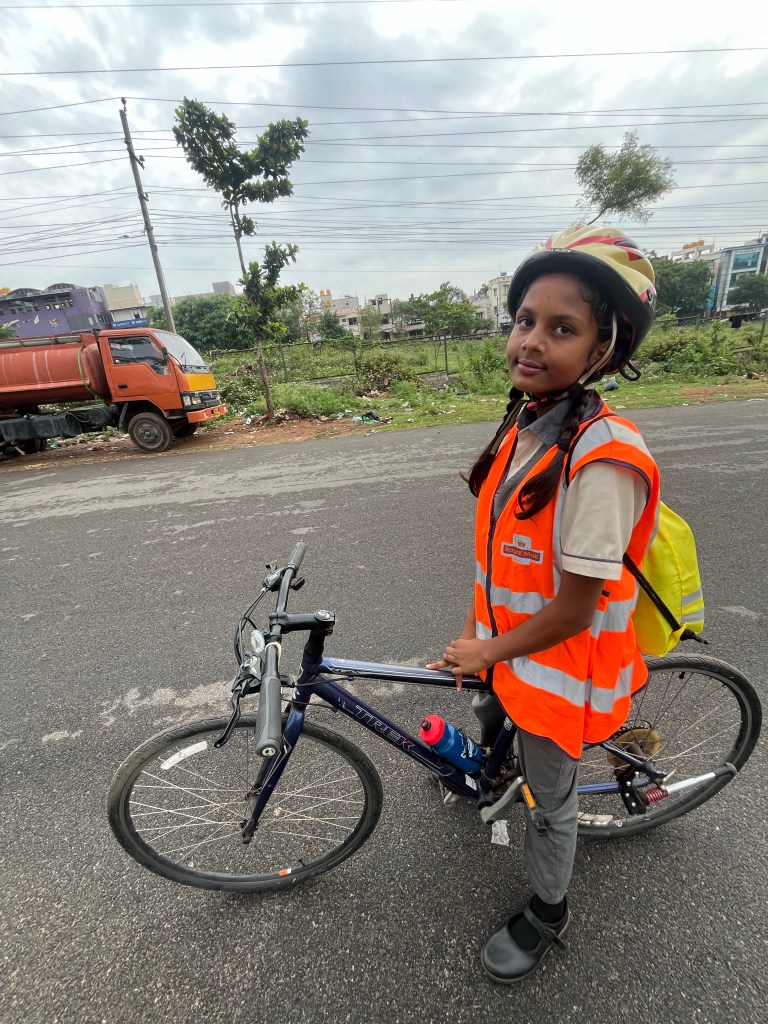
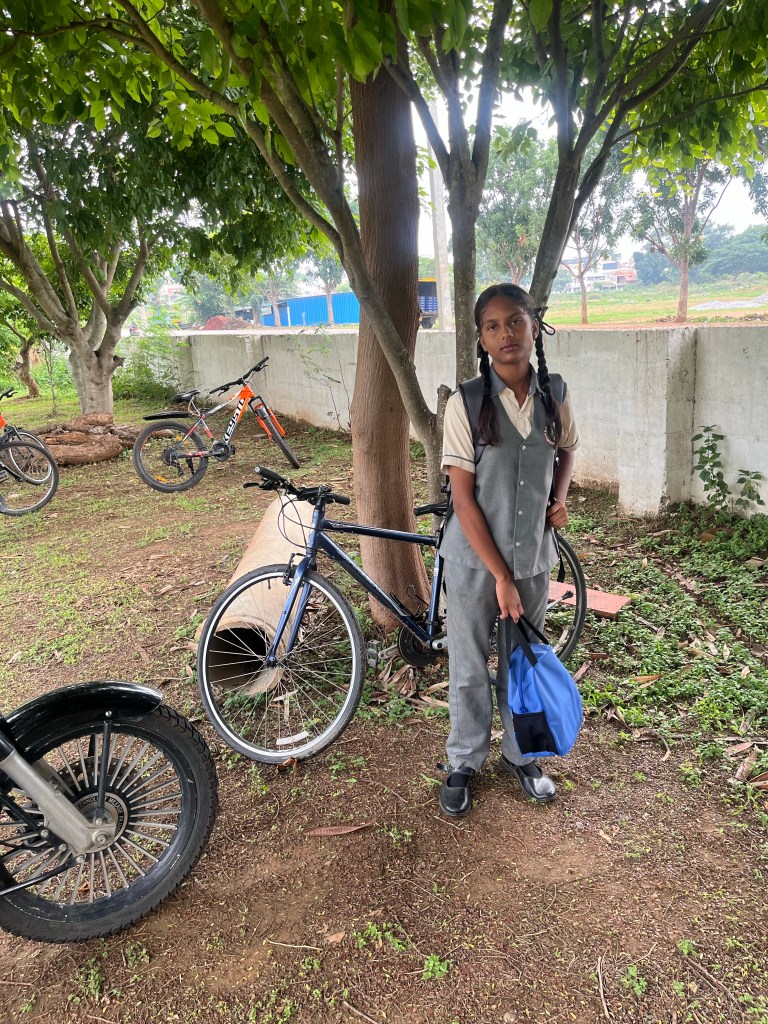
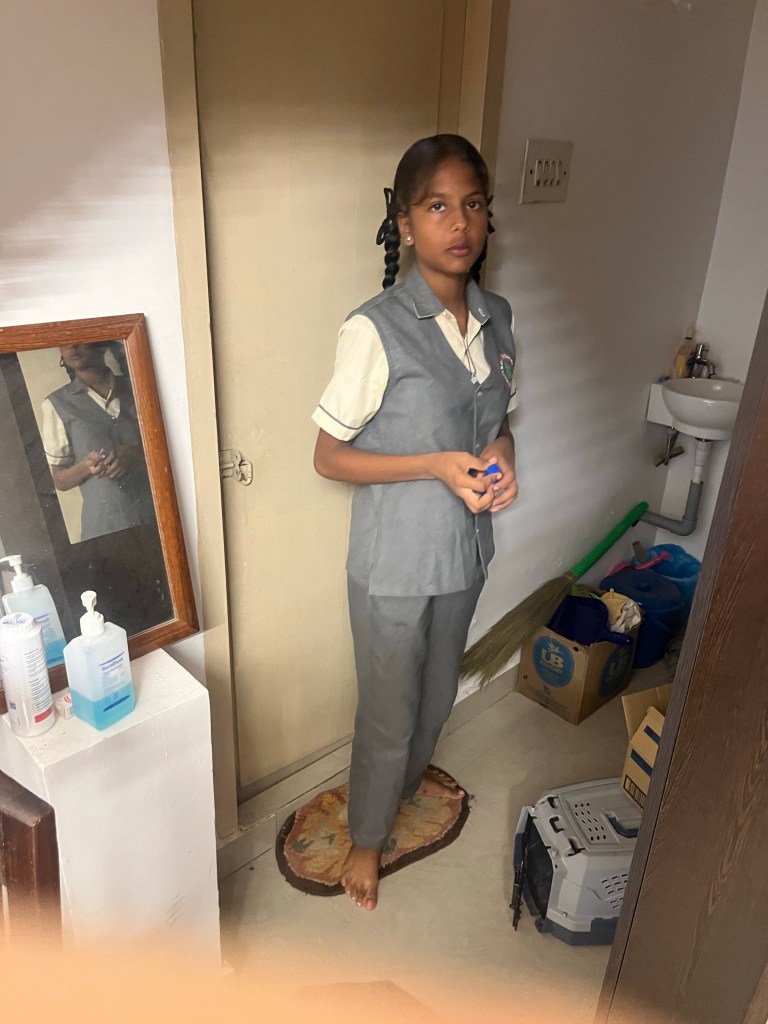
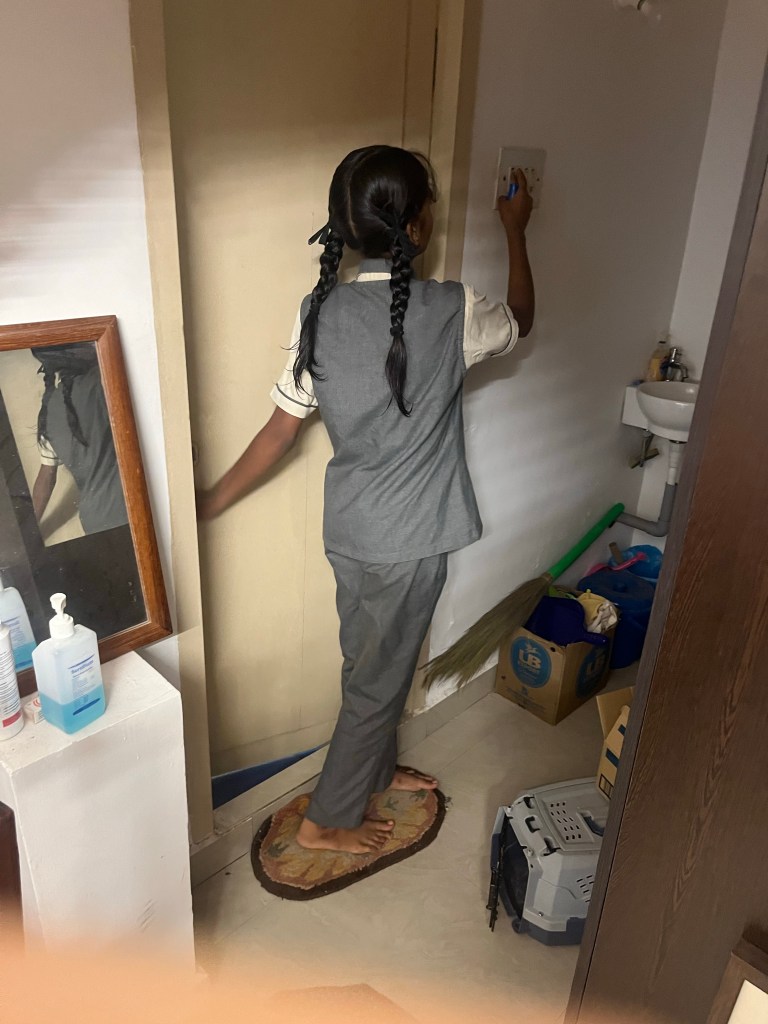
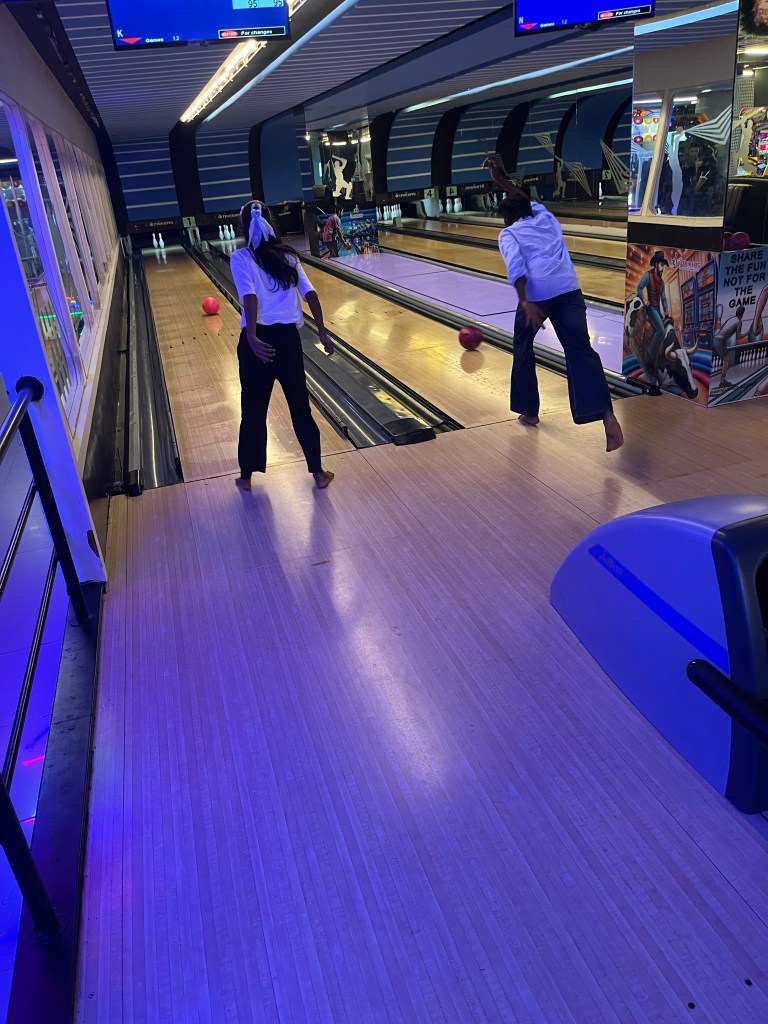
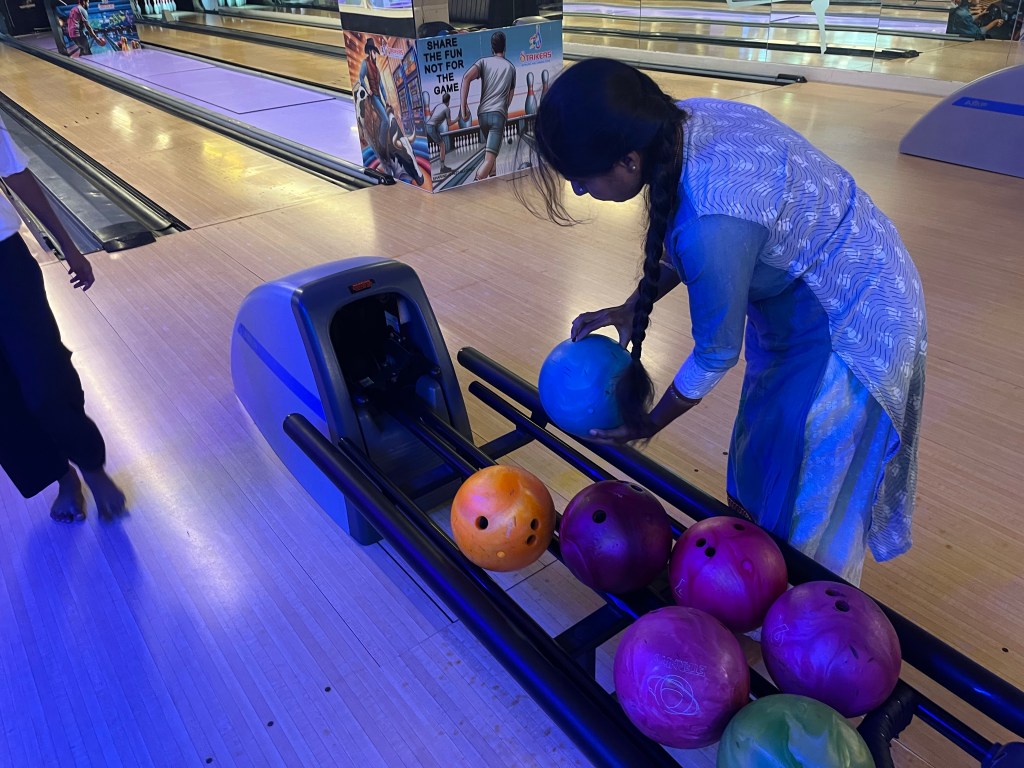
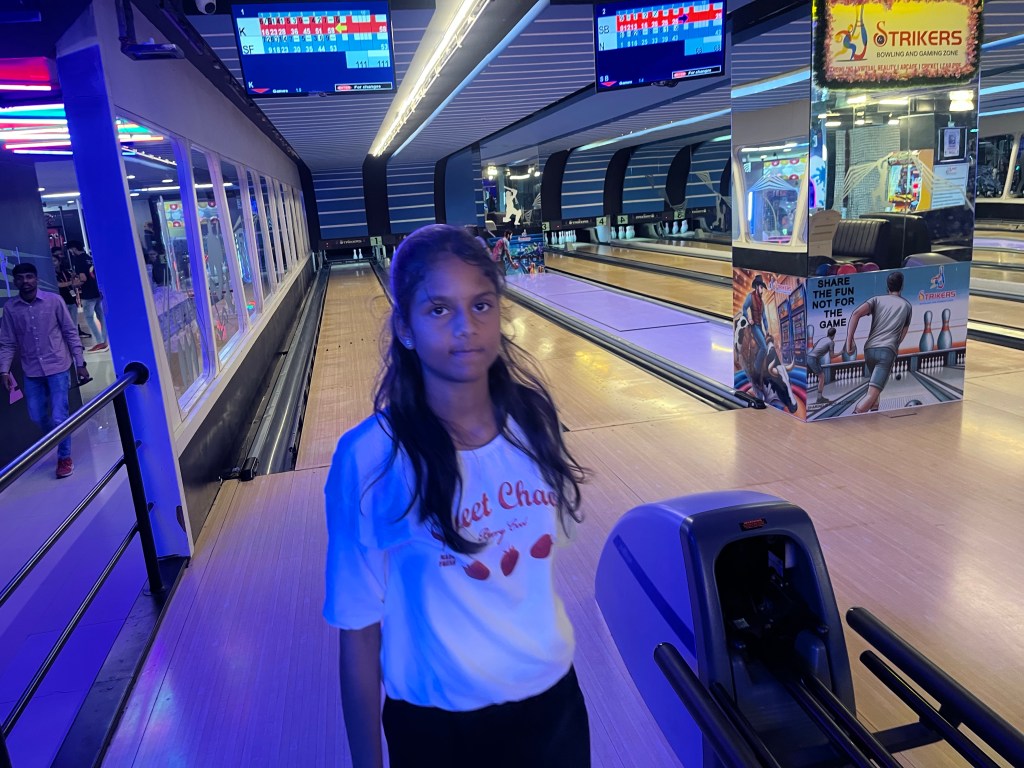
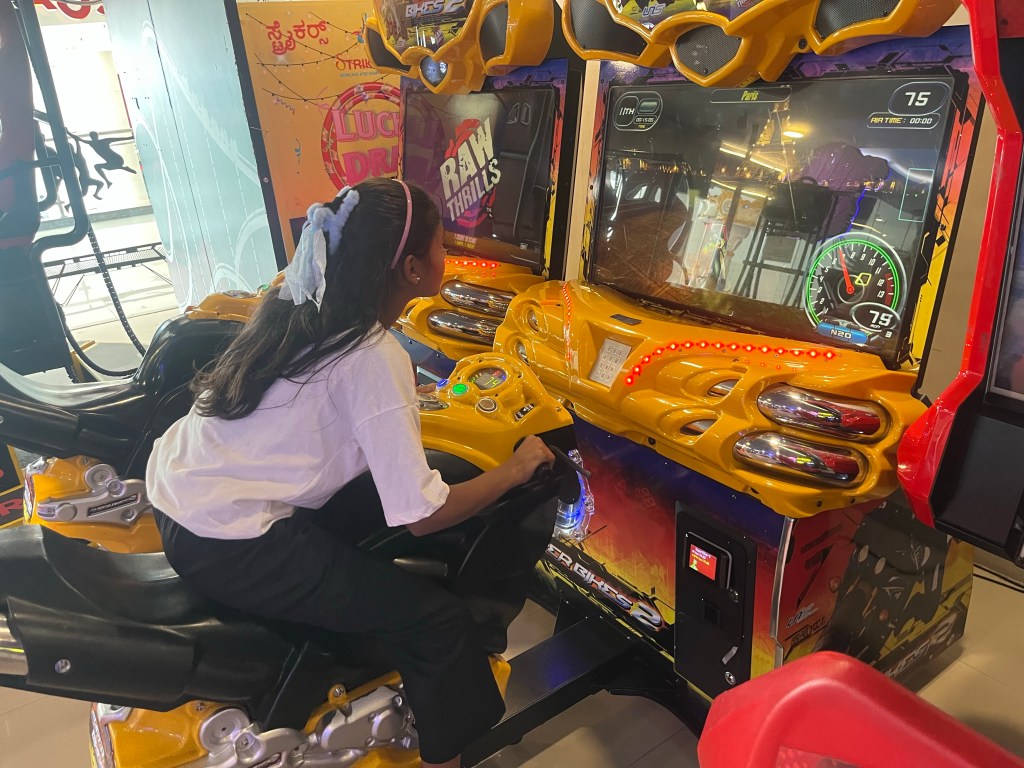
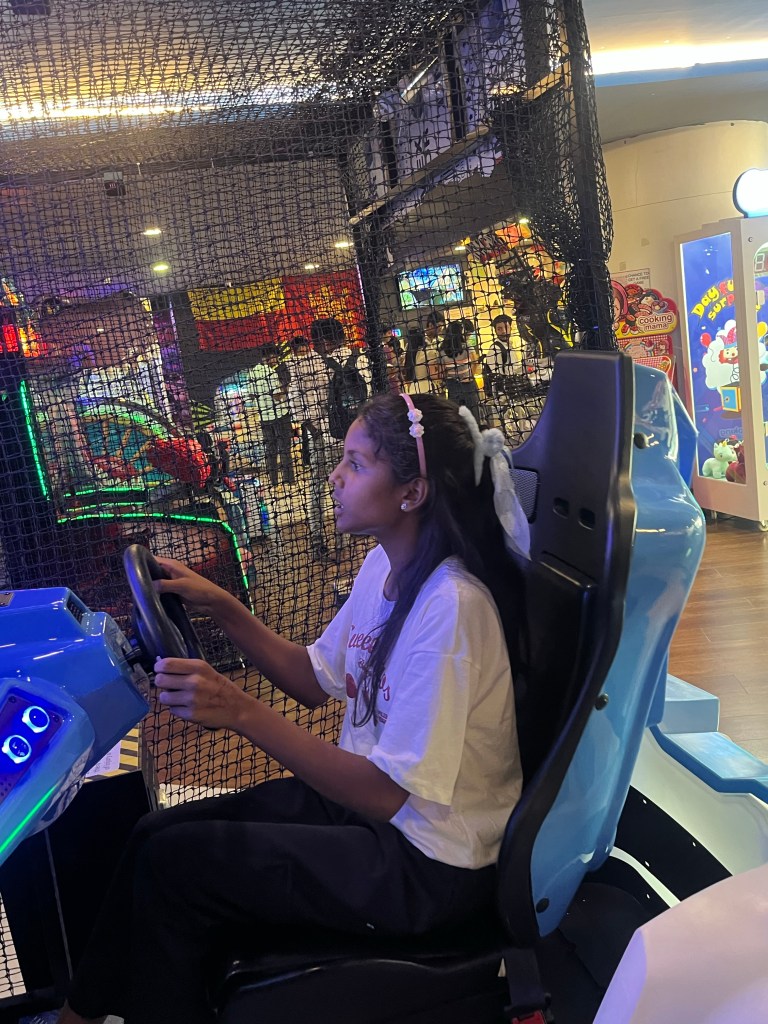
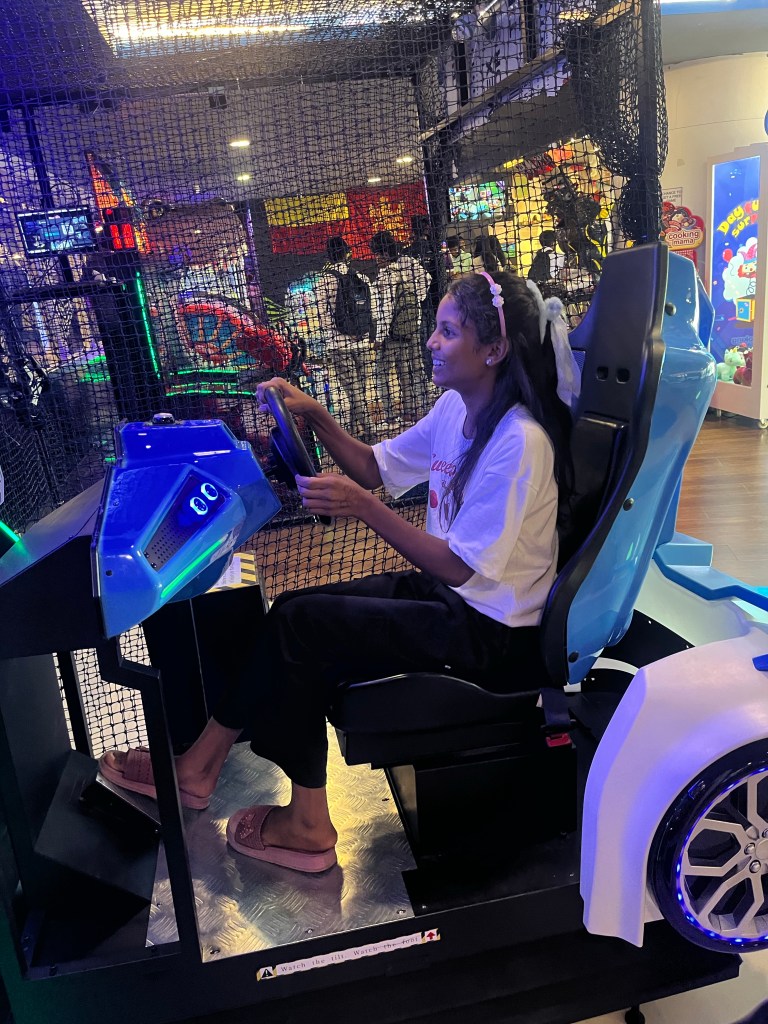
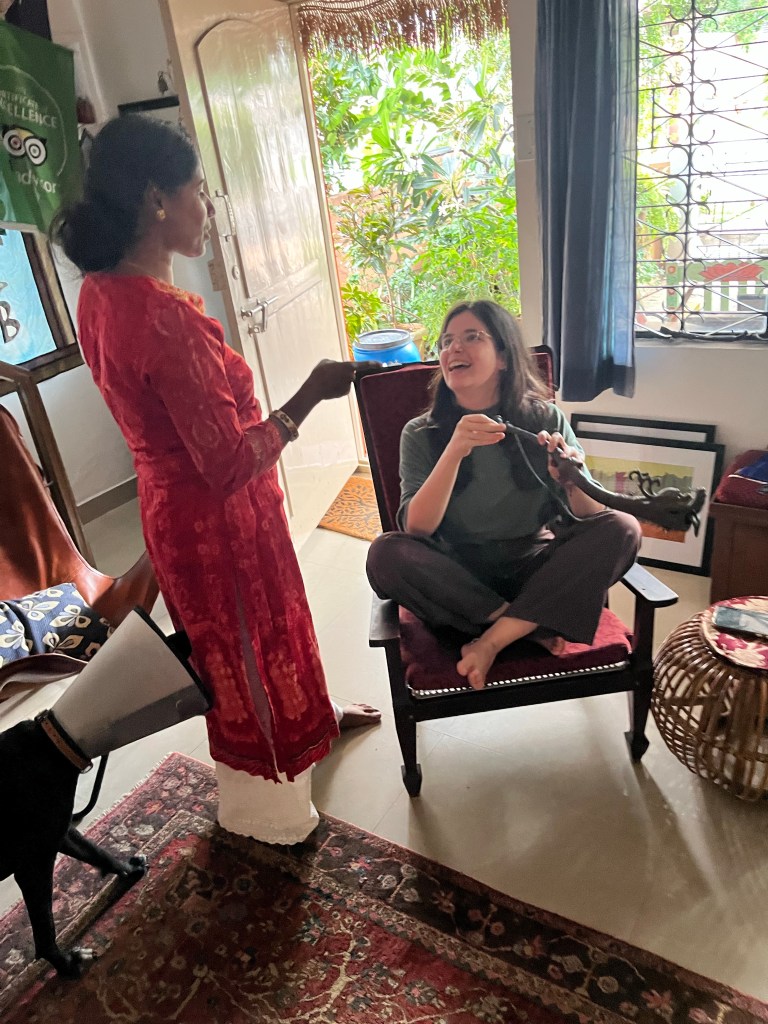
It seemed a little hectic this morning. Malis staying with us but not to be seen — yet. Cats fighting in the house in the middle of the night. Kaveri doing last minute revision (maybe) and off to school early for yoga and exam with sports after school.
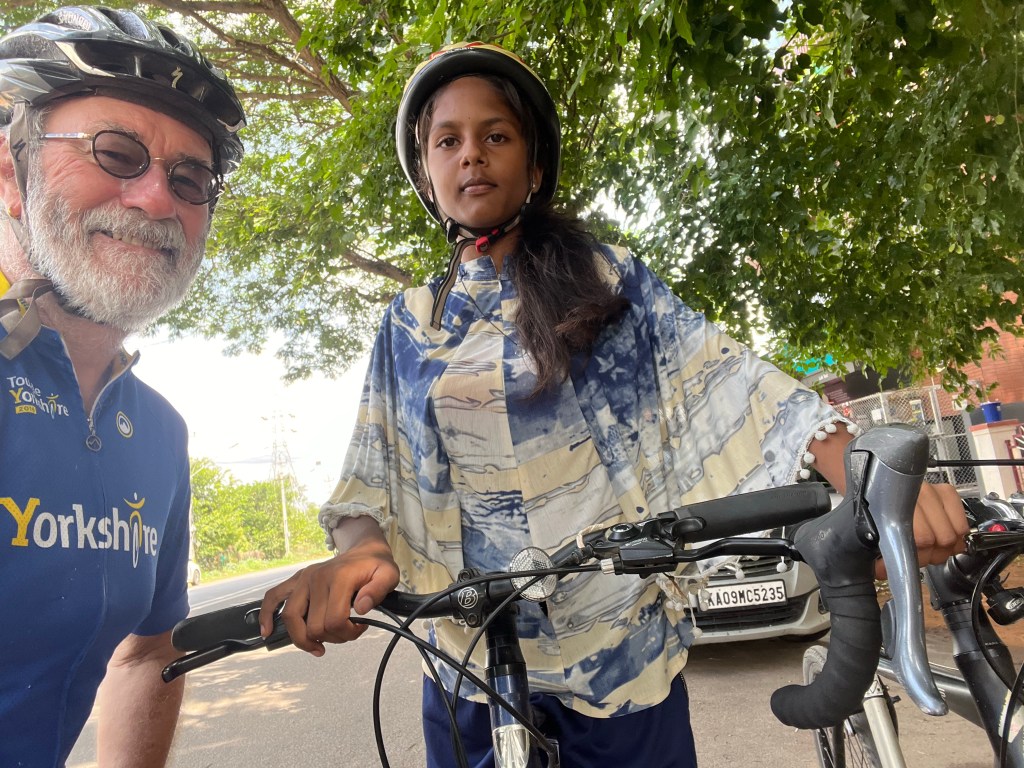
Yesterday planning the cycle route to school
Kaveri and I had planned to cycle to school this week but that’s delayed to Thursday —- we can’t have too many changes in one day!
Sowbhagya still holding us all together — has now left to do home cooking for her business and will return later.
…
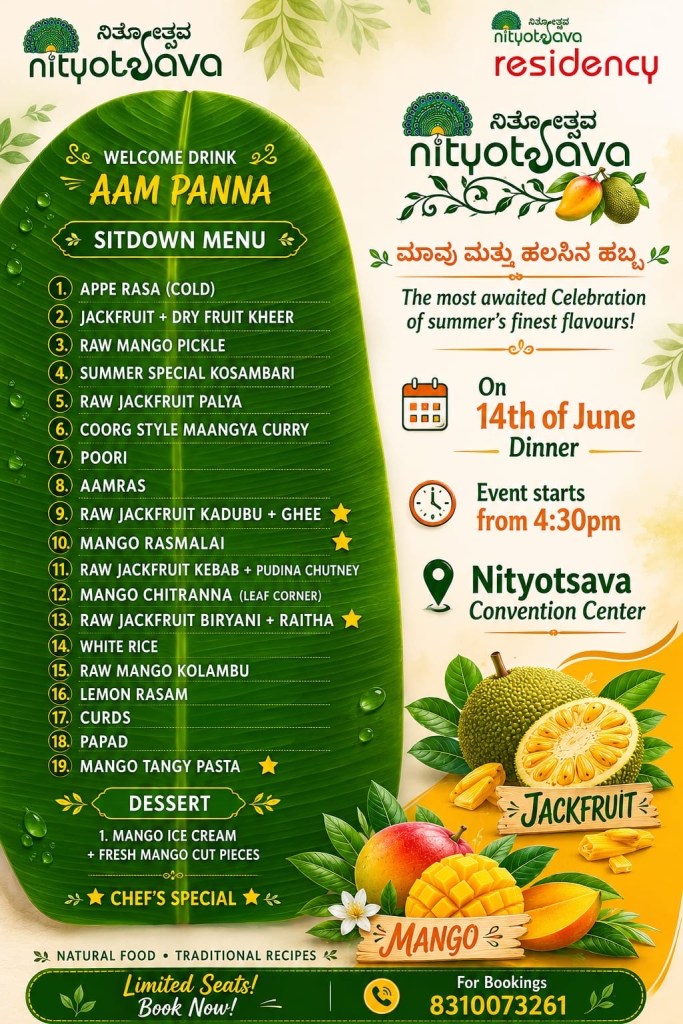
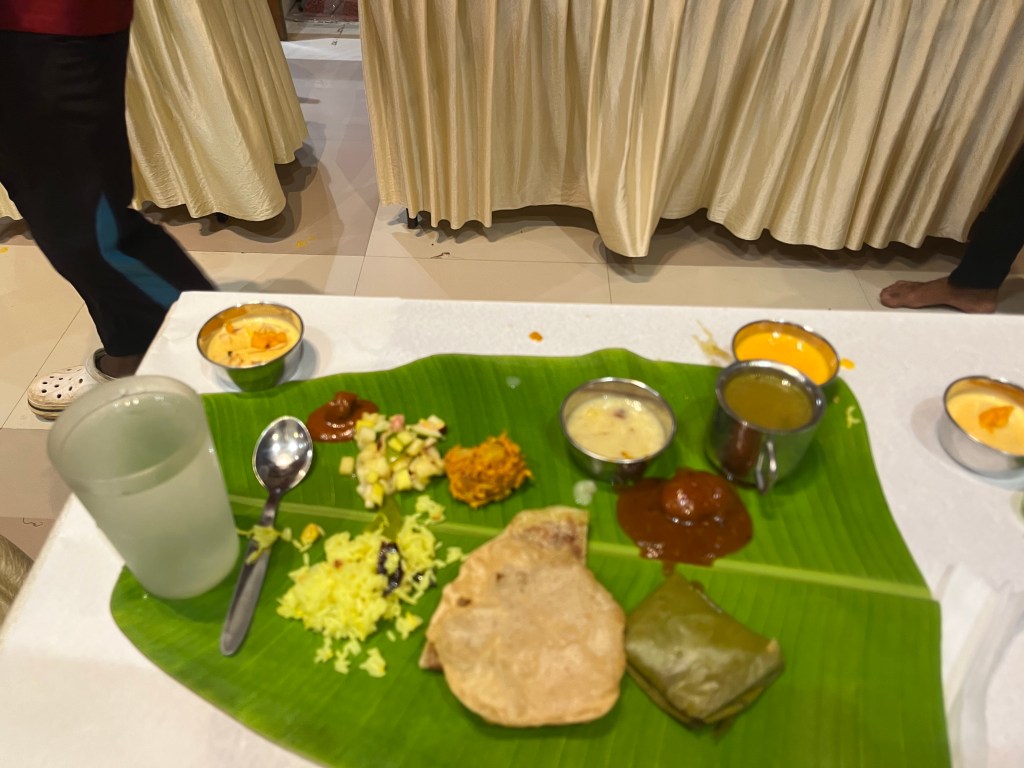
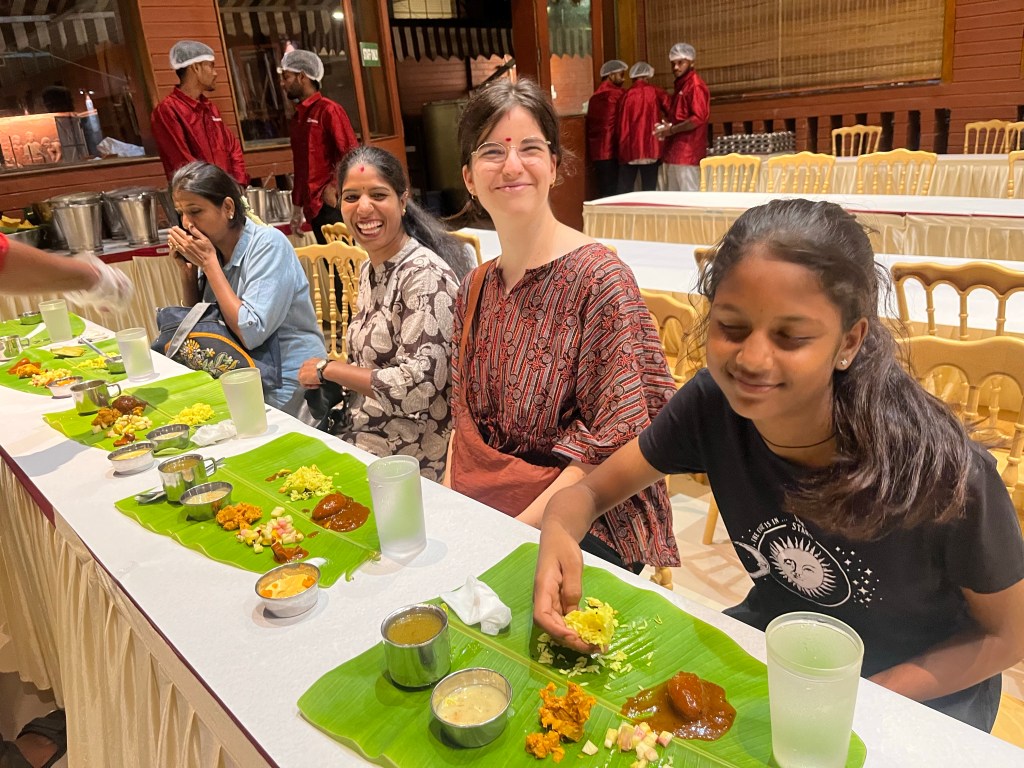
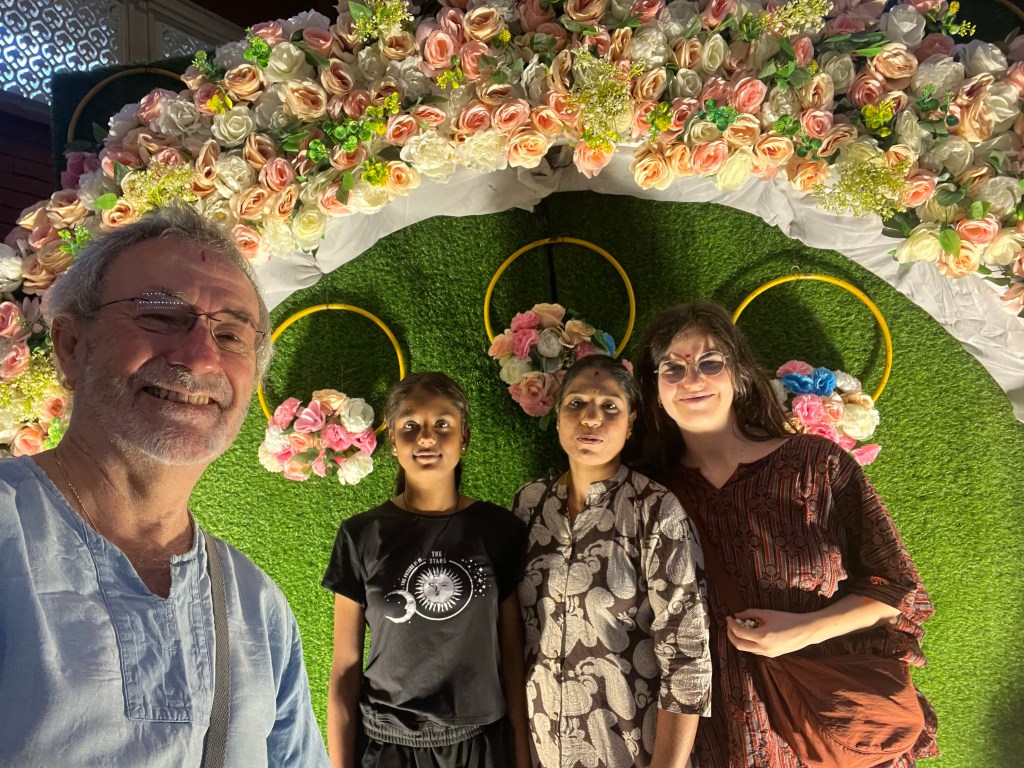
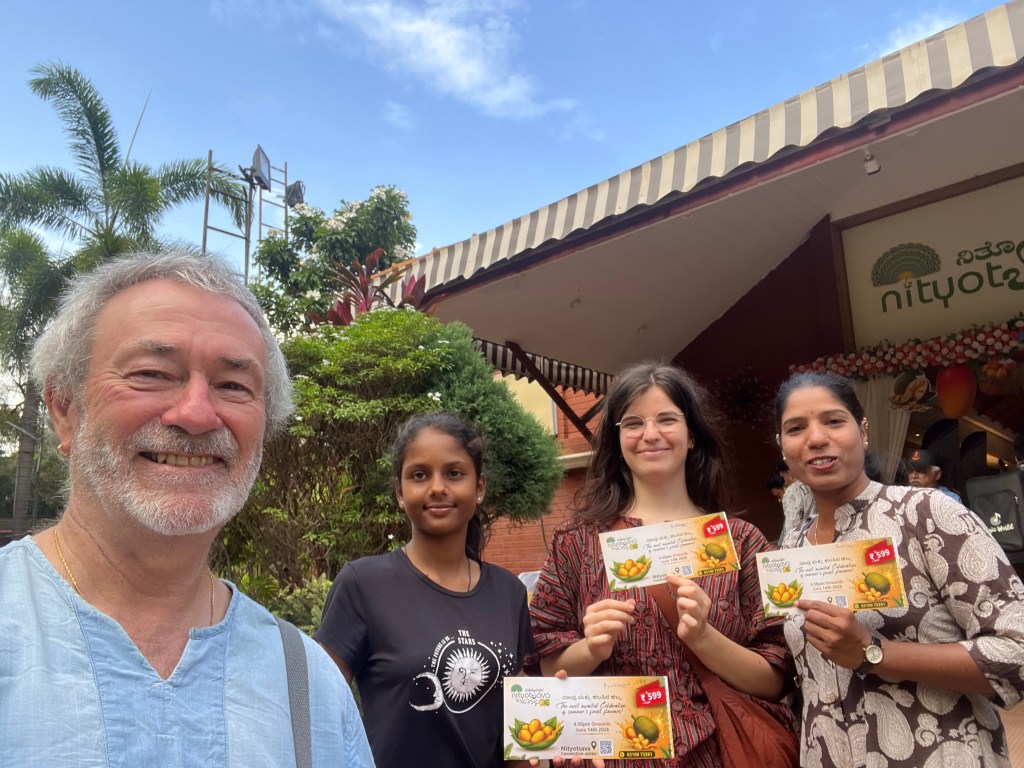
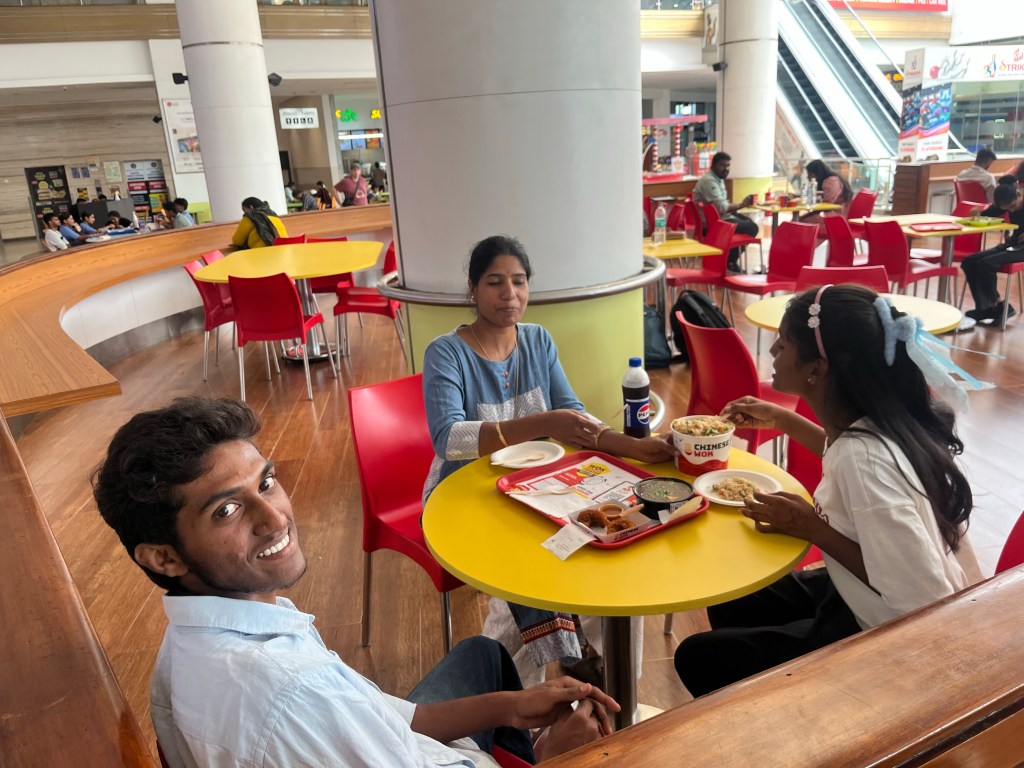
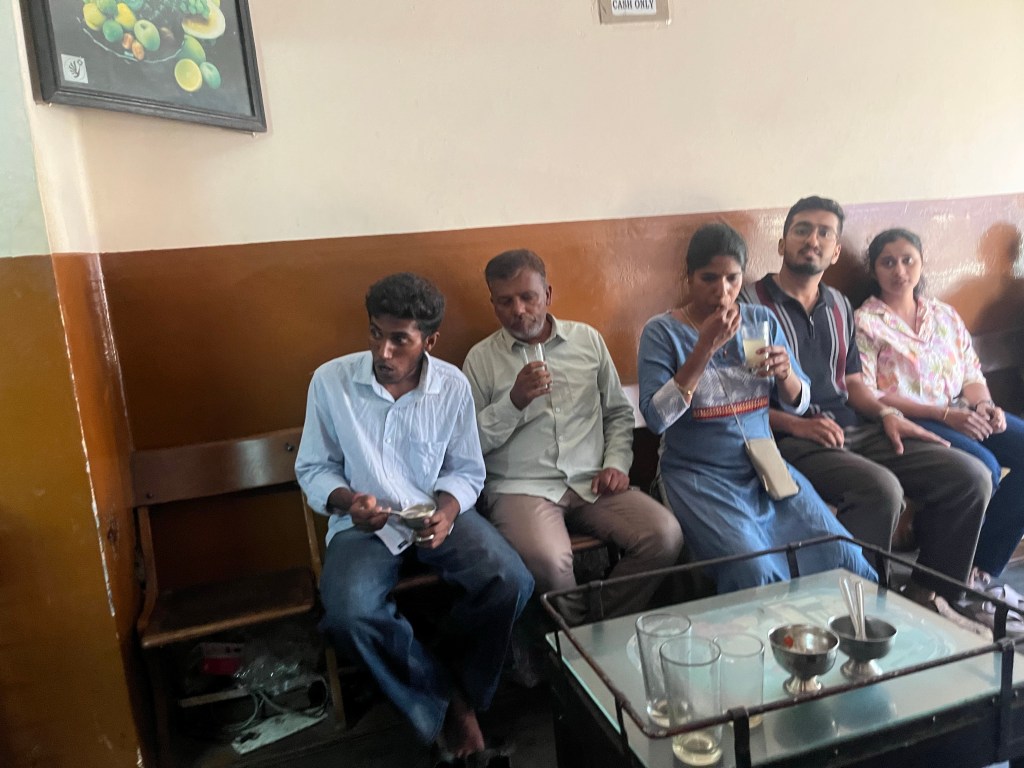
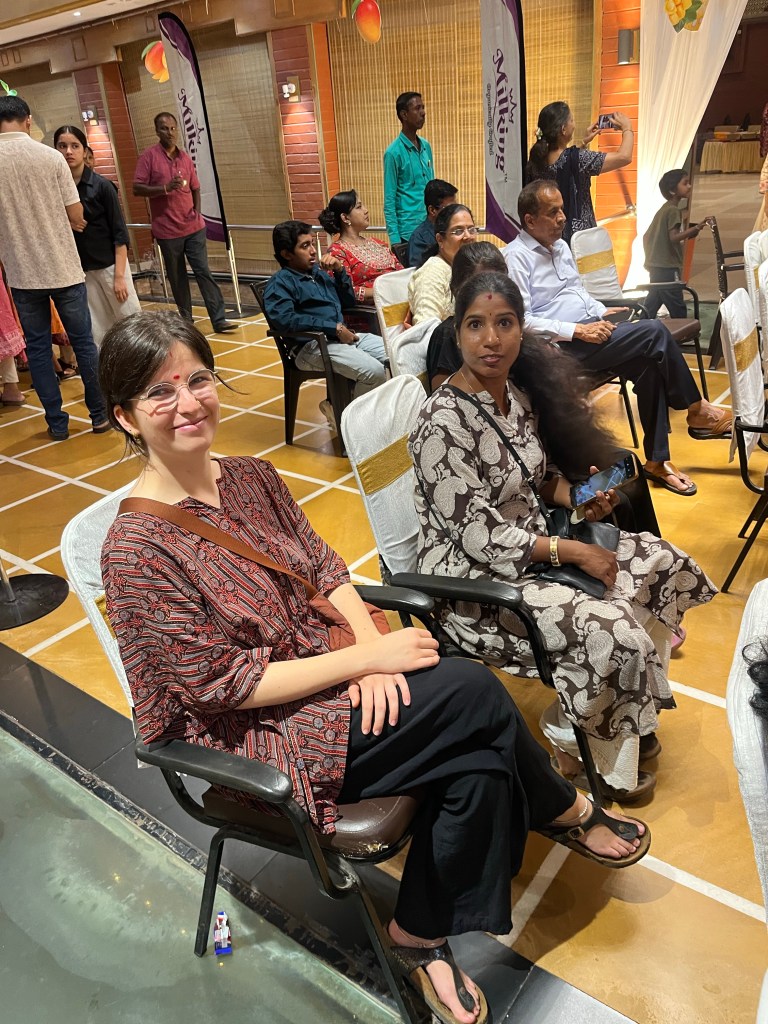
Last night we attended a great new event, it’s where we got a thali of fruit… fab!
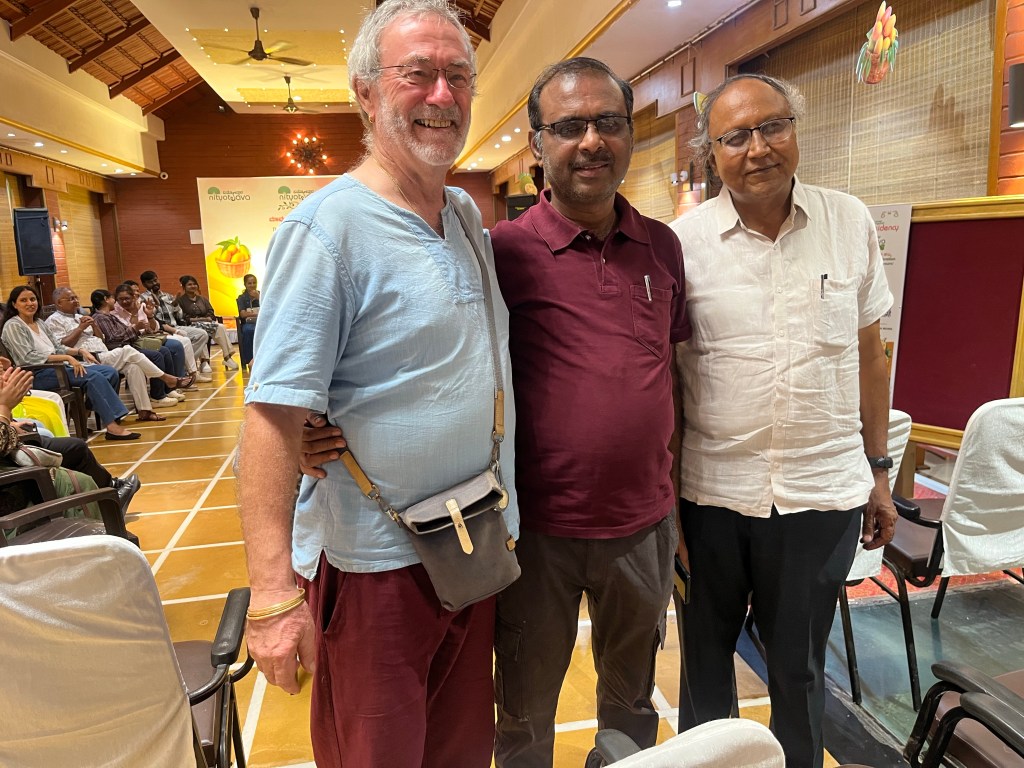
Great venue, we met the owner and an old friend Sham Sunder the environmental sustainability head of Crest at NIE – National Institute of Engineering who I first met — on a great cycle ride that he arranged — shortly after arriving in Mysore
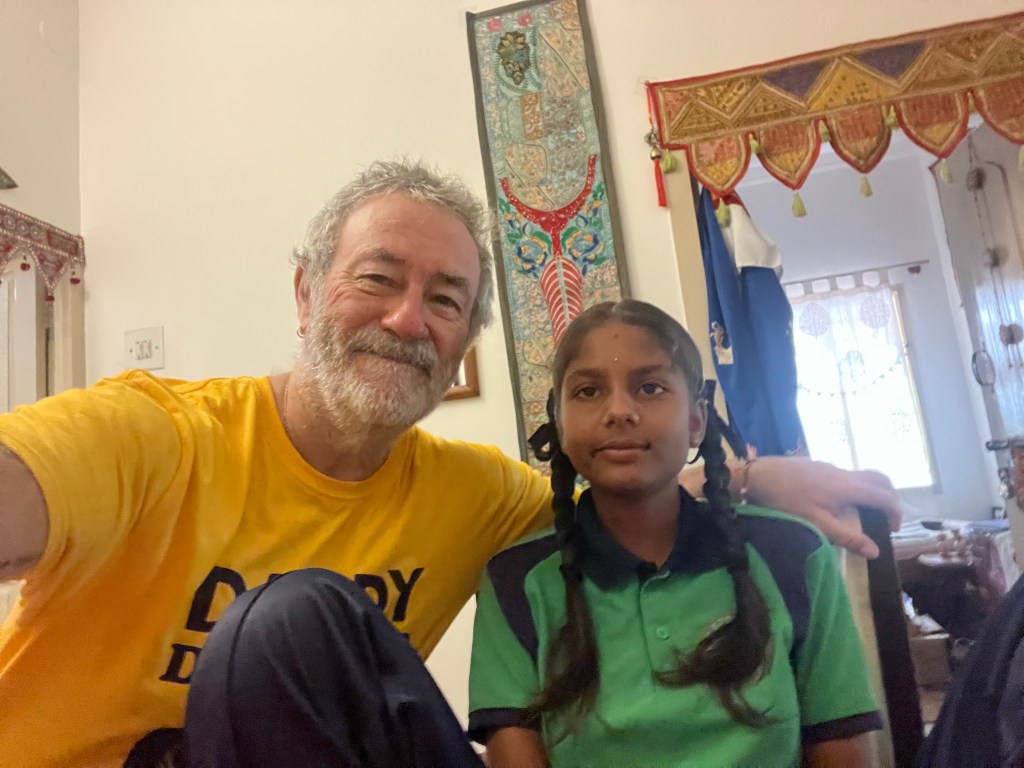
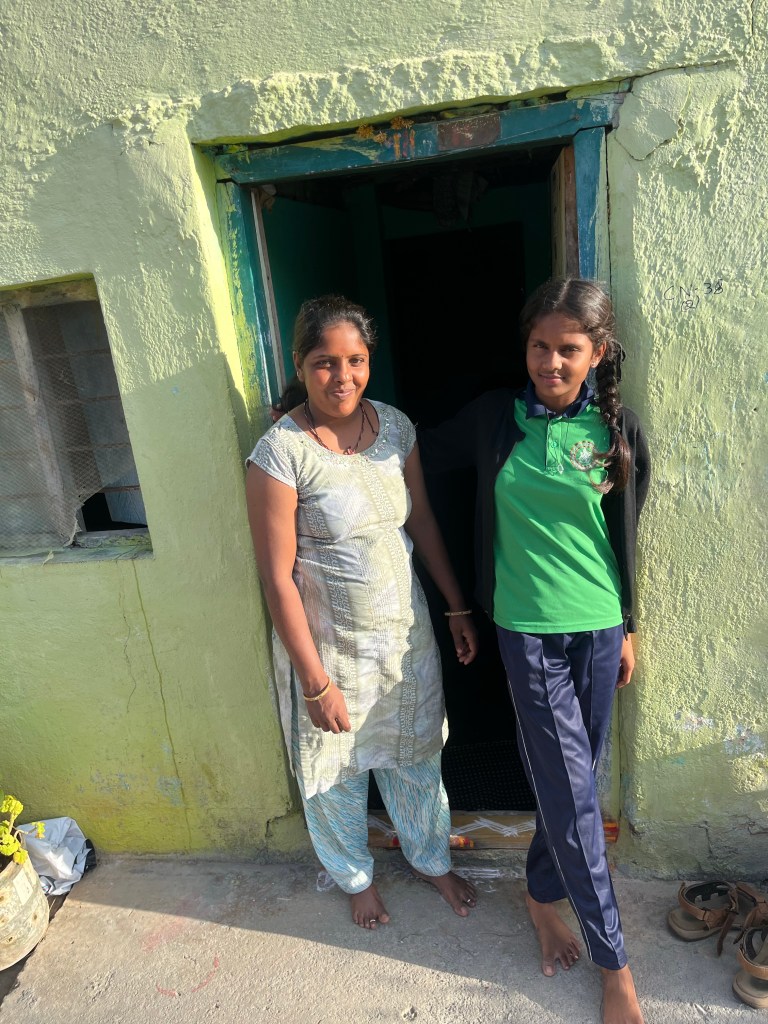
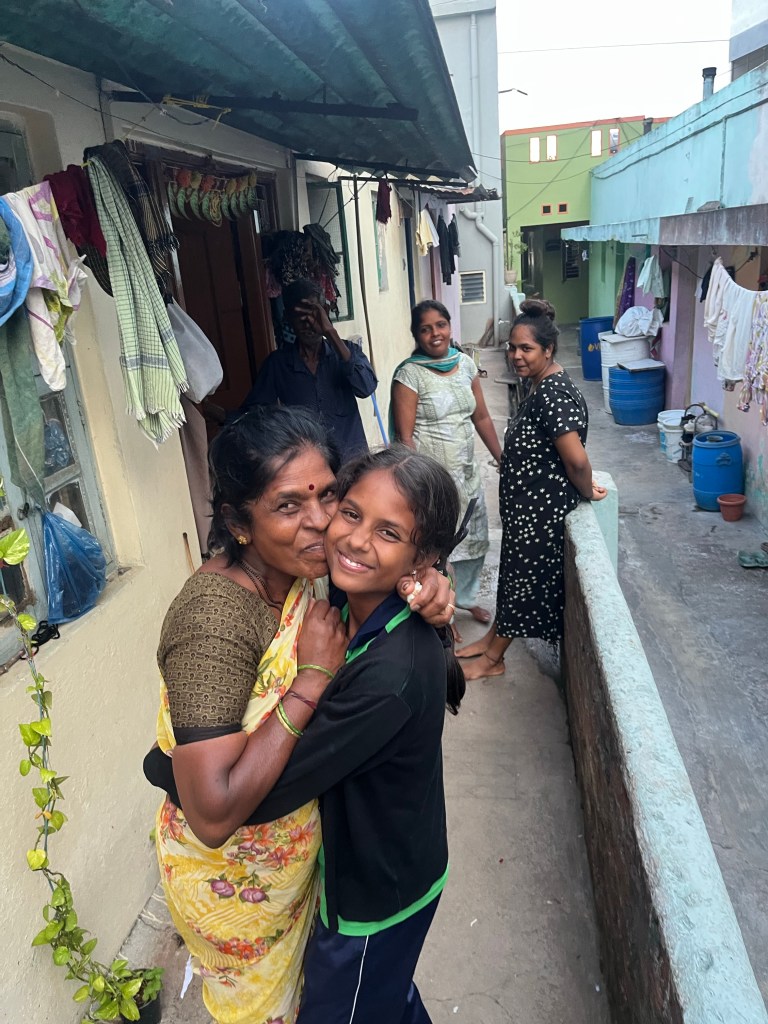
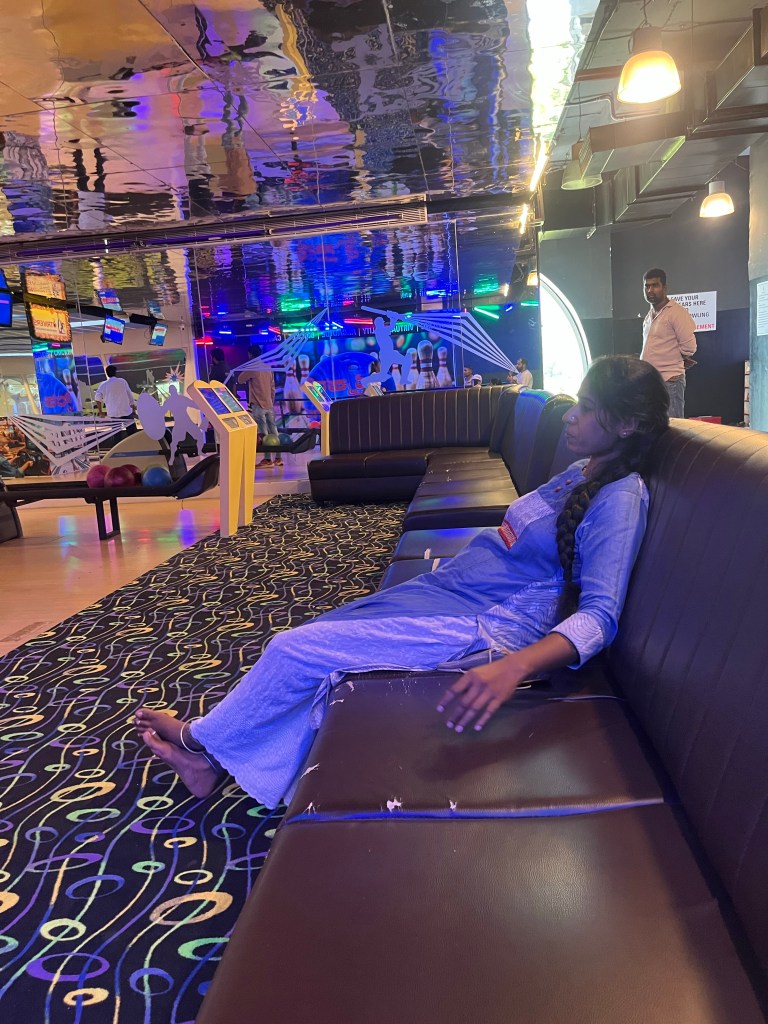
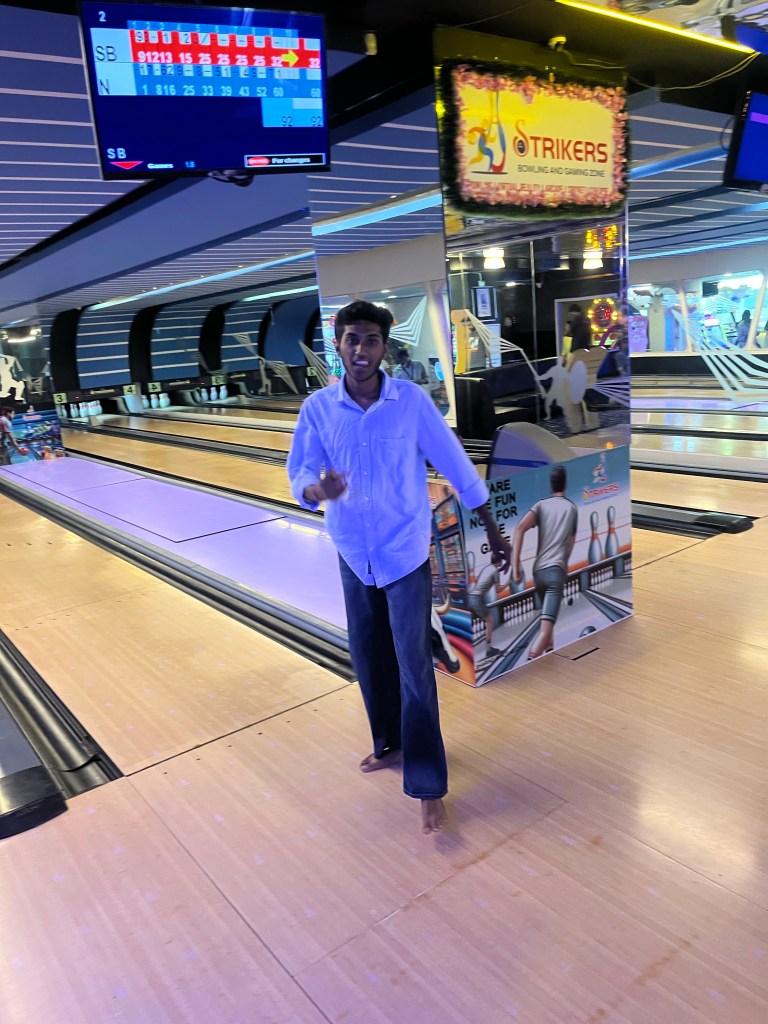
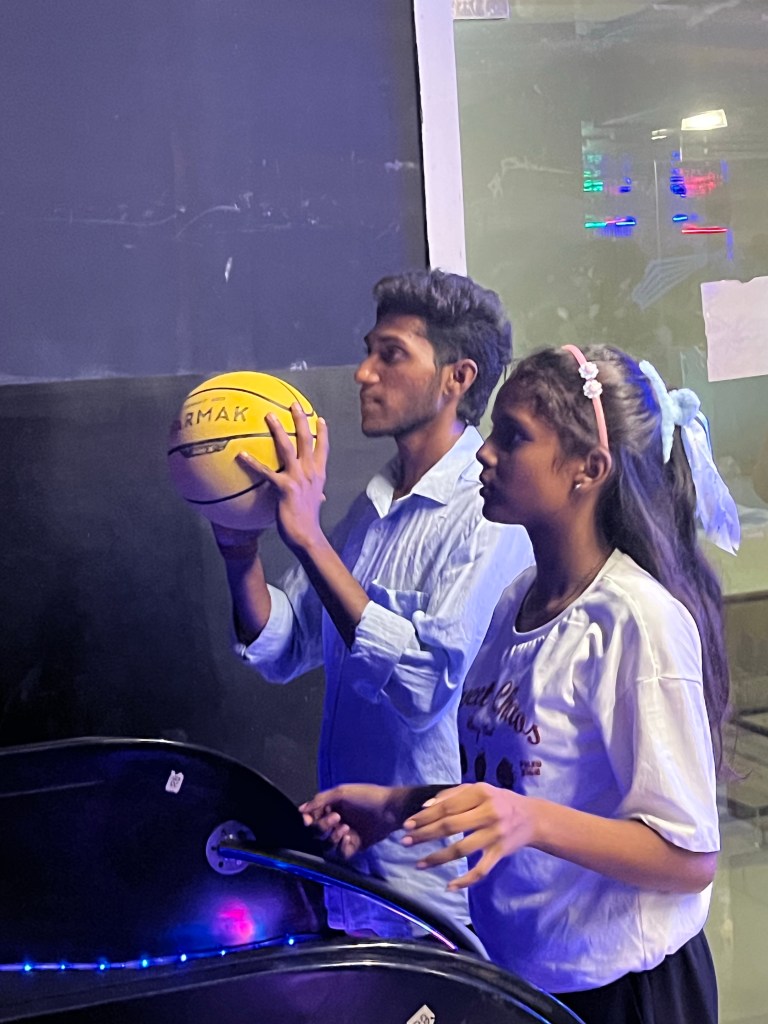
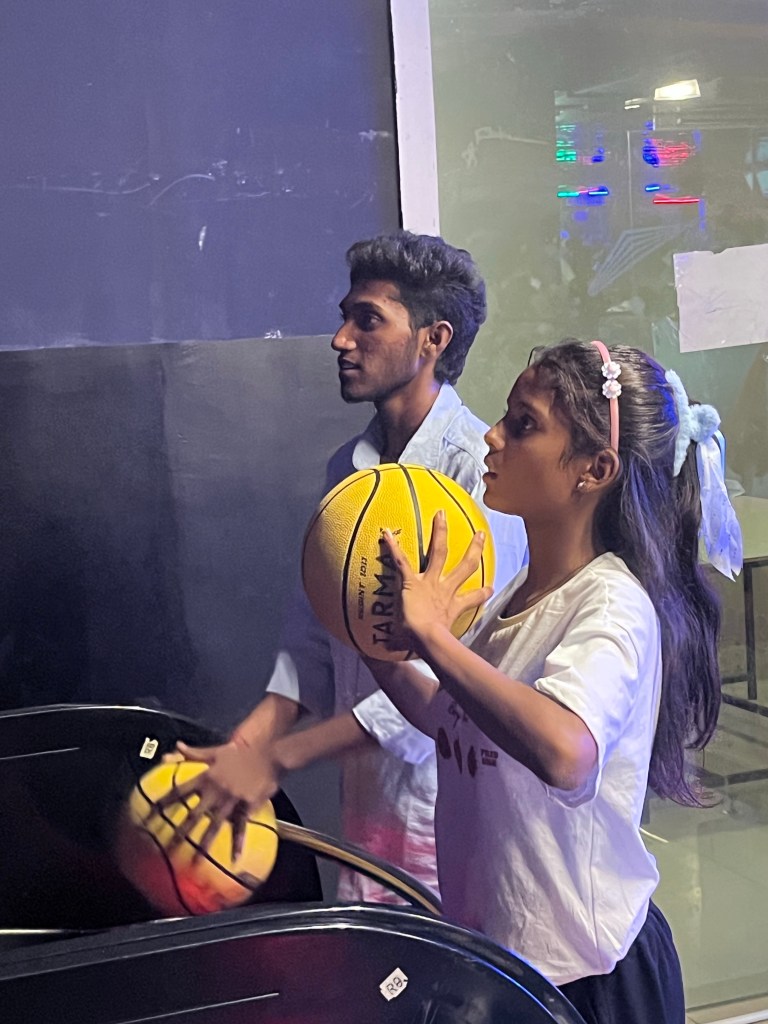
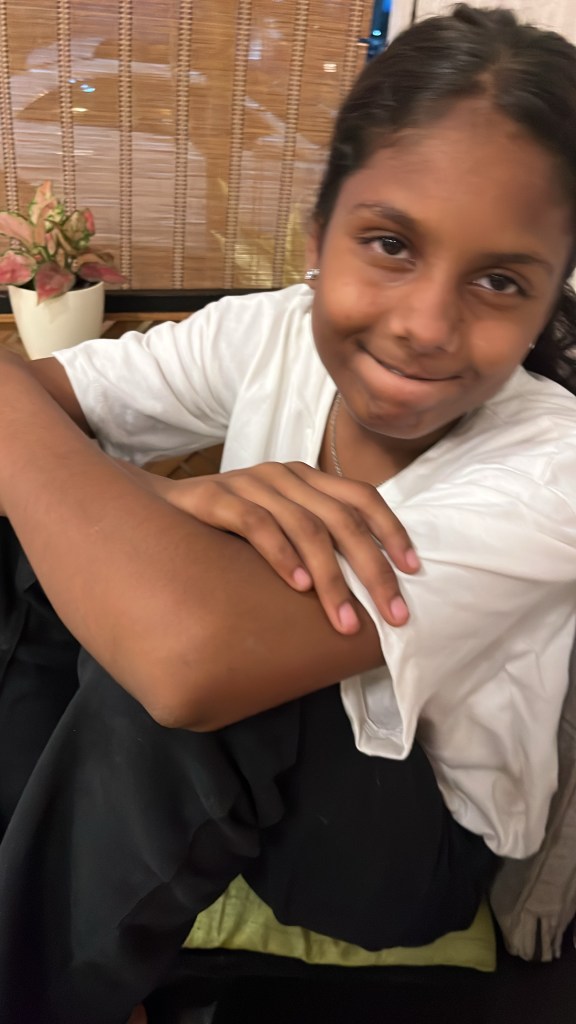
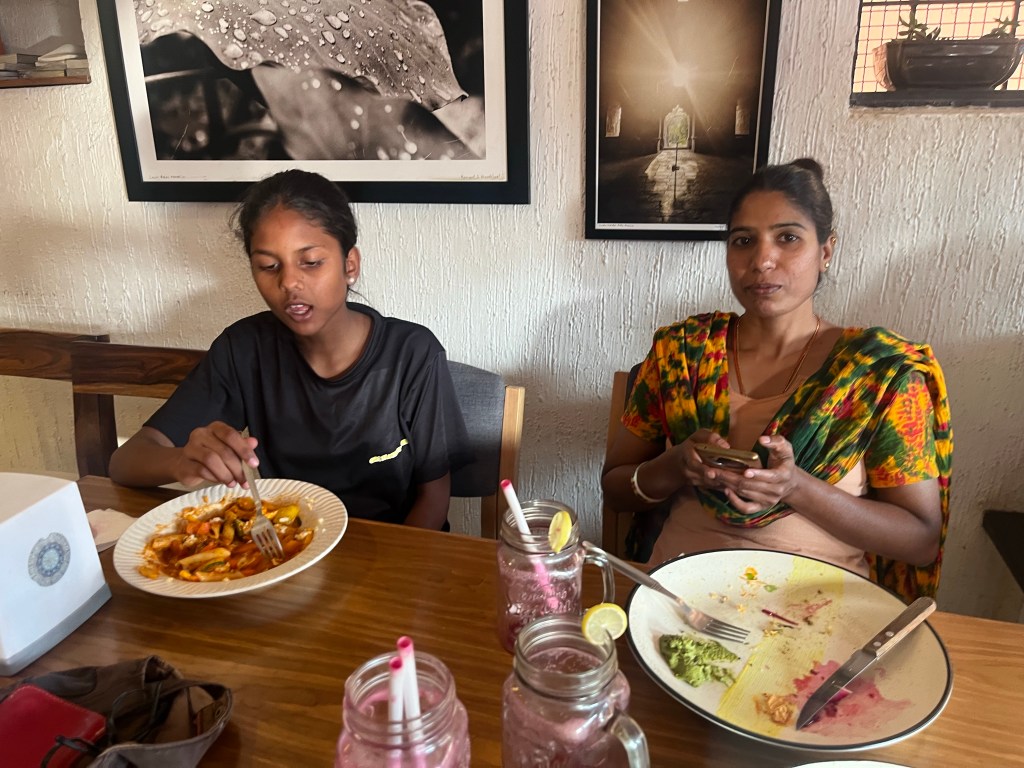
I had the pleasure of meeting Kaveri from school and spending some time with the women of the family.
…
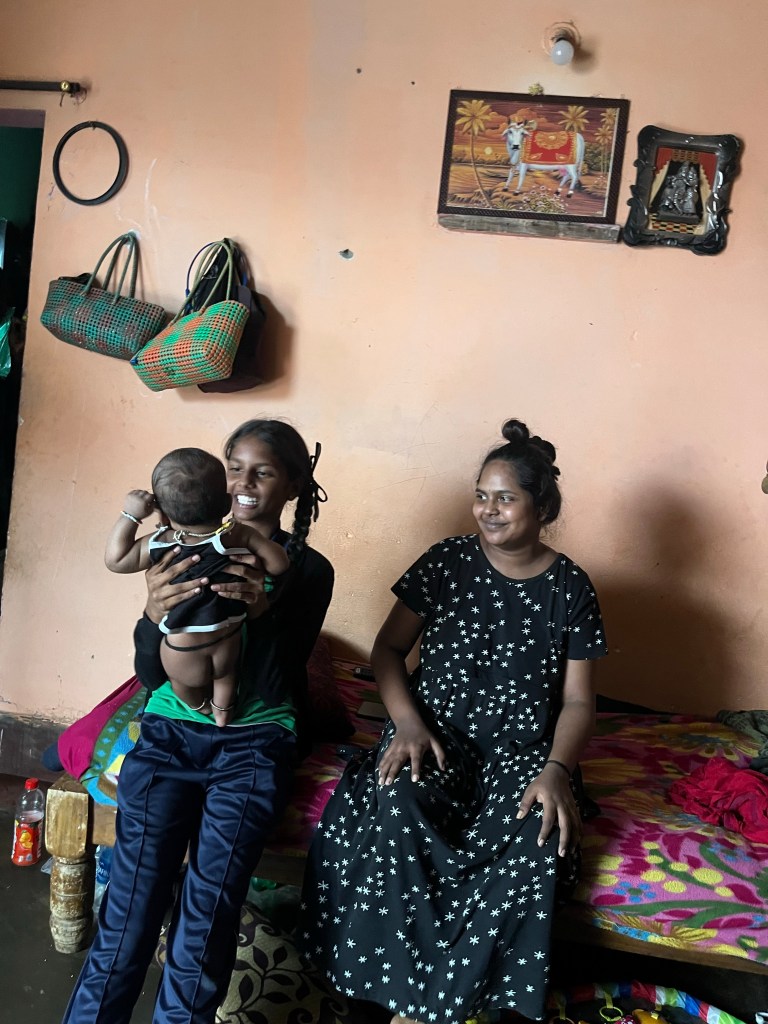
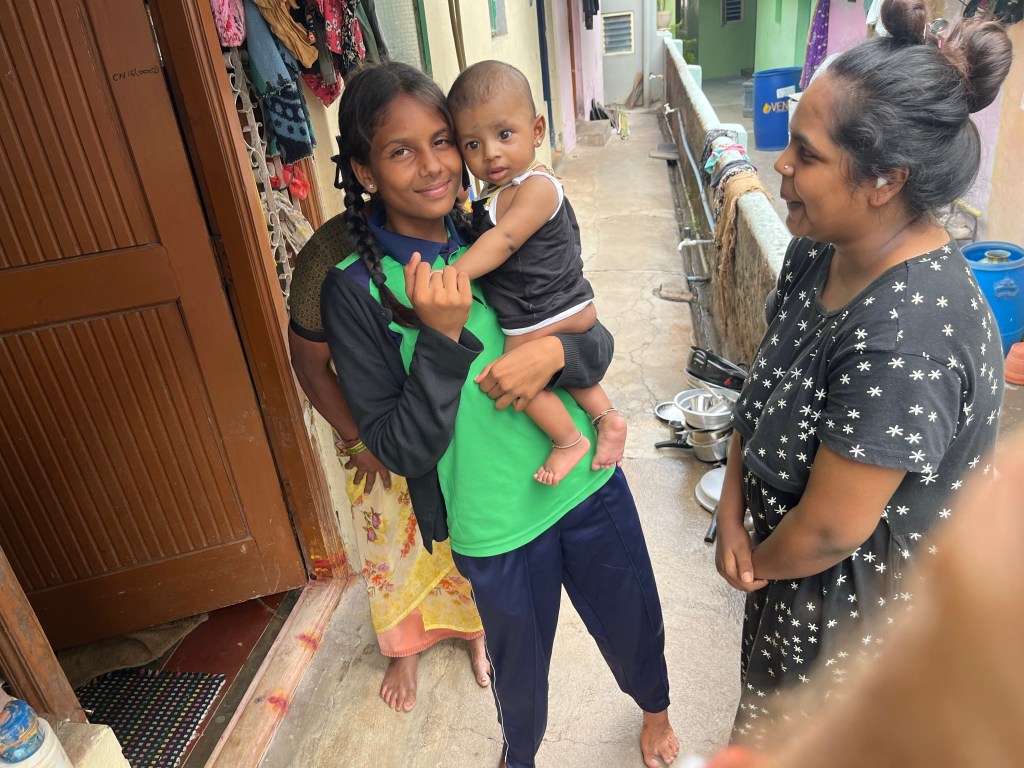
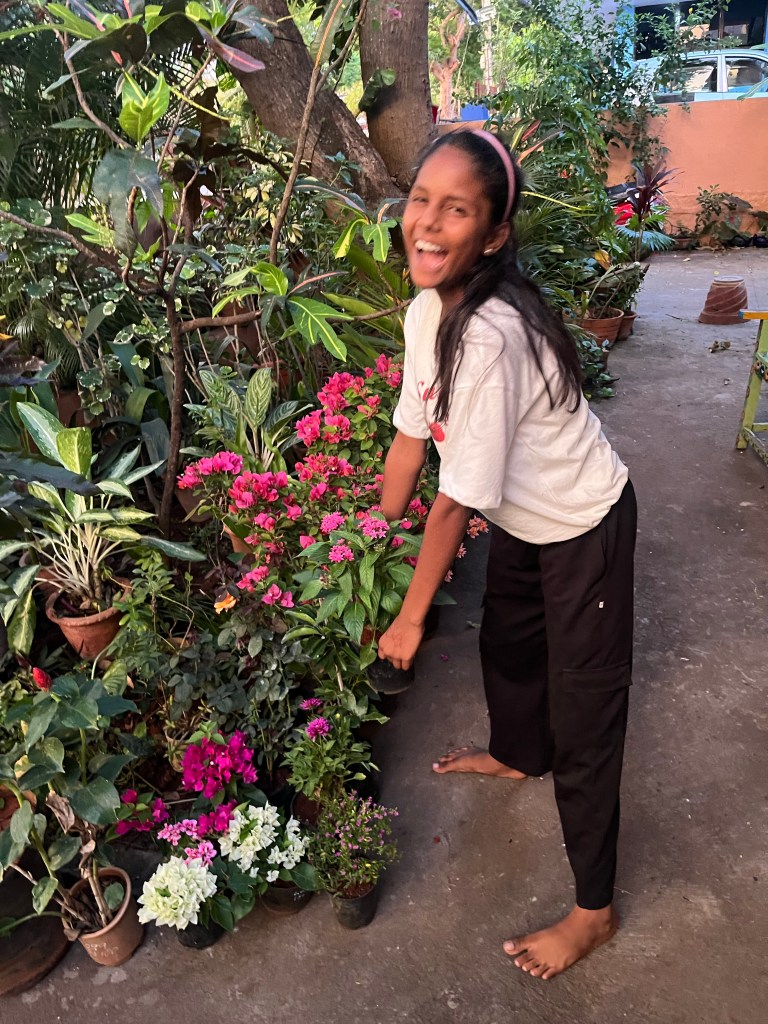
Kaveri and I first visited the new babe.
His mum Radhika (her auntie) Kaveri and I have spent much time together over the past few years, especially in school summer holidays when they’d go to swimming lessons, stay with me and we’d have vacations in Kannur and Wayanad.
The little one, entertained by Kaveri and Radhika. Gotcha
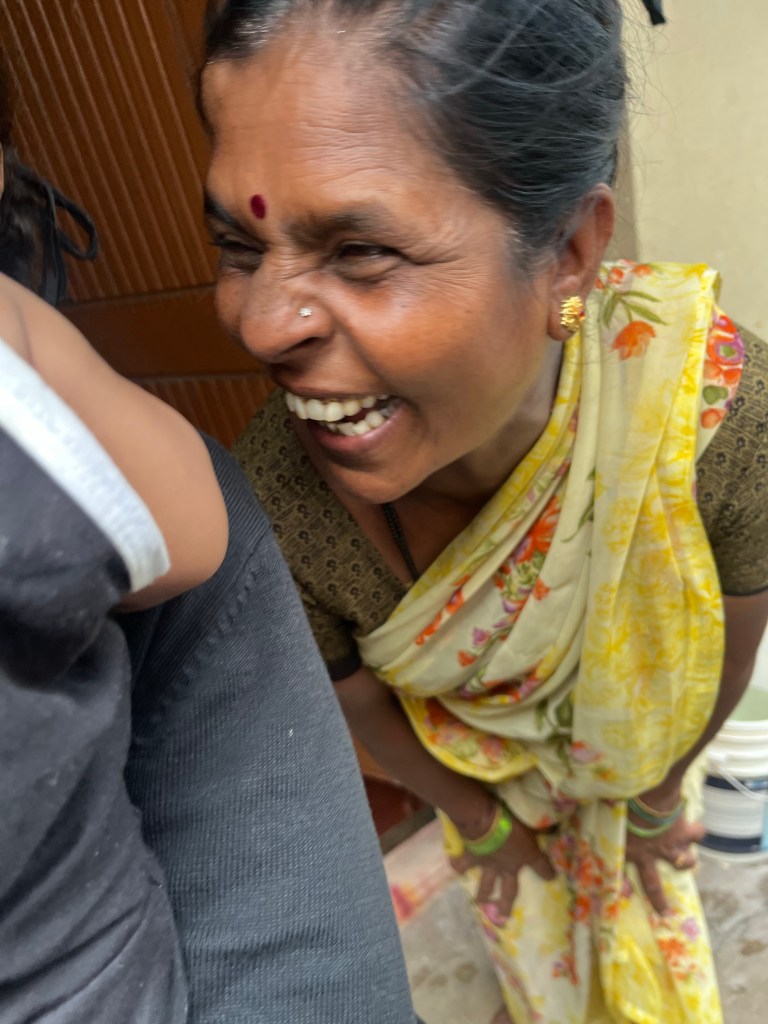
Grandmother is forever avoiding my camera.
Next I visited Chandrika’s (Kaveri’s mum’s) new home for dinner
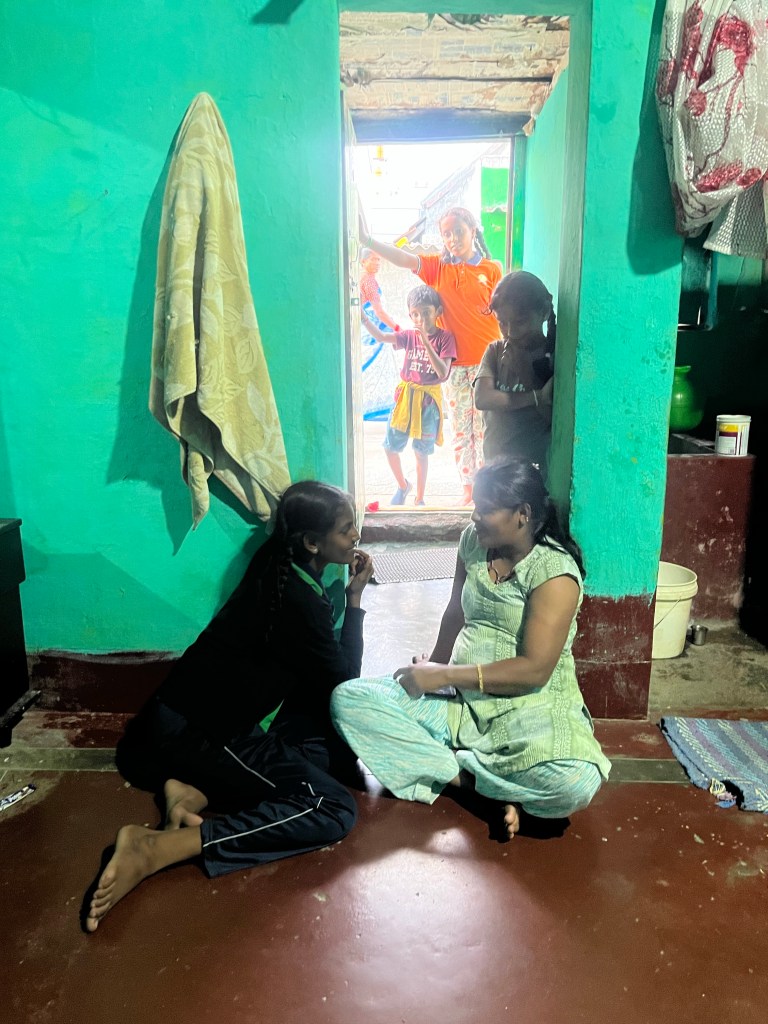
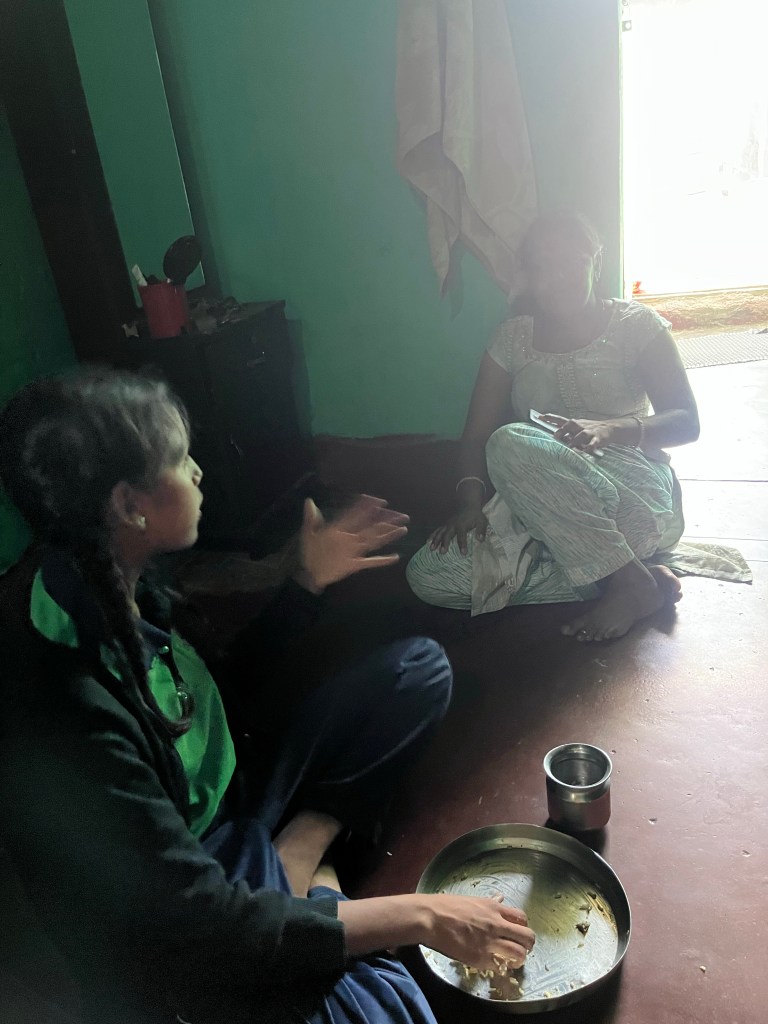
I had a lovely catch up with Kaveri and Chandrika drawing the neighbourhood kids in to say helloI reminded them of the agreement Chandrika and I (on behalf of the business, with the invaluable help of Sarvesh) had for us to support Kaveri and work with Chandrika to help Kaveri do the best she can be
I used the opportunity (hobby horse —soap box) to emphasise we should help Kaveri to be strong, a good communicator, and be kind. This was more important than stuffing her full of facts, in order to pass exams.
Kaveri was the full on interpreter.
We needed to encourage, support, even put pressure on Kaveri — who can be a bit lazy— to do better
Just before I left Chandrika, Kaveri and I went back to bring all the girls together again.
I explained that my current meetings with advocates were to enable me to stay in India My priority being continue to support Kaveri for ten years into adulthood.
I am so proud of Kaveri, MAnjula is sooooo pleased.
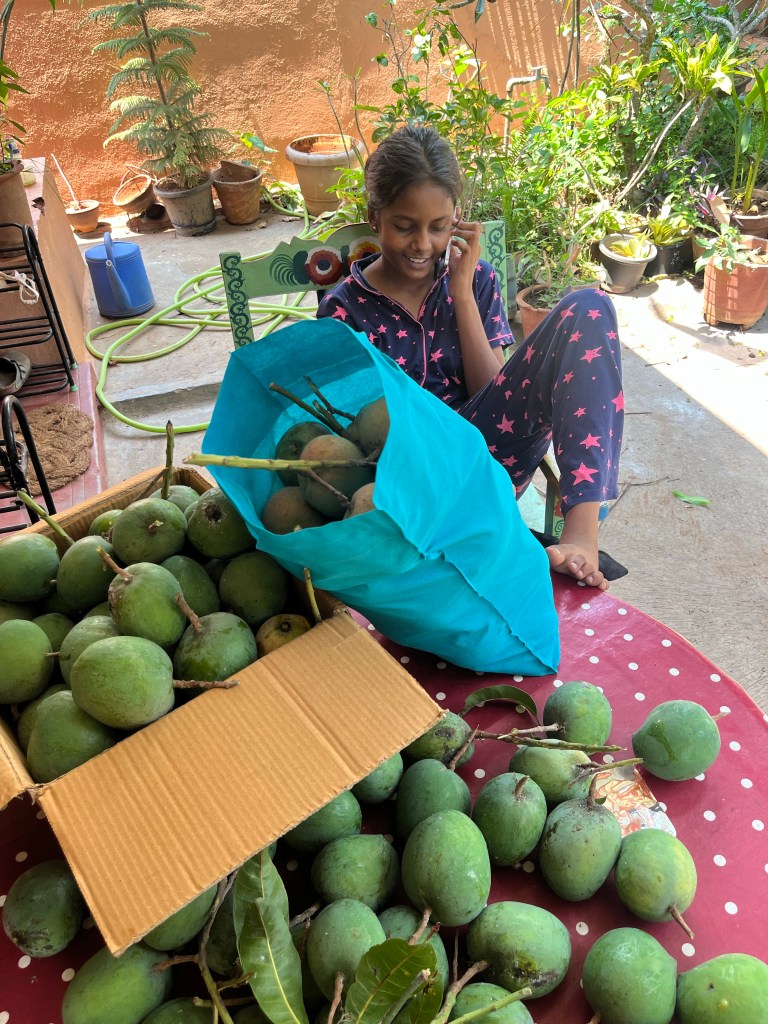
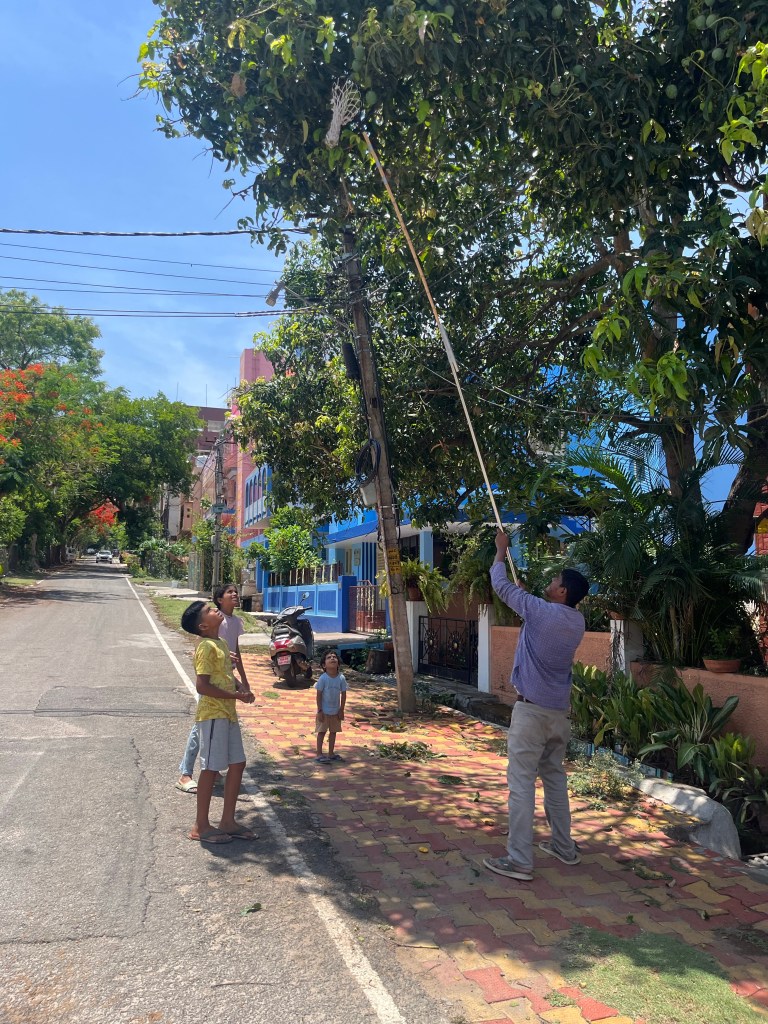
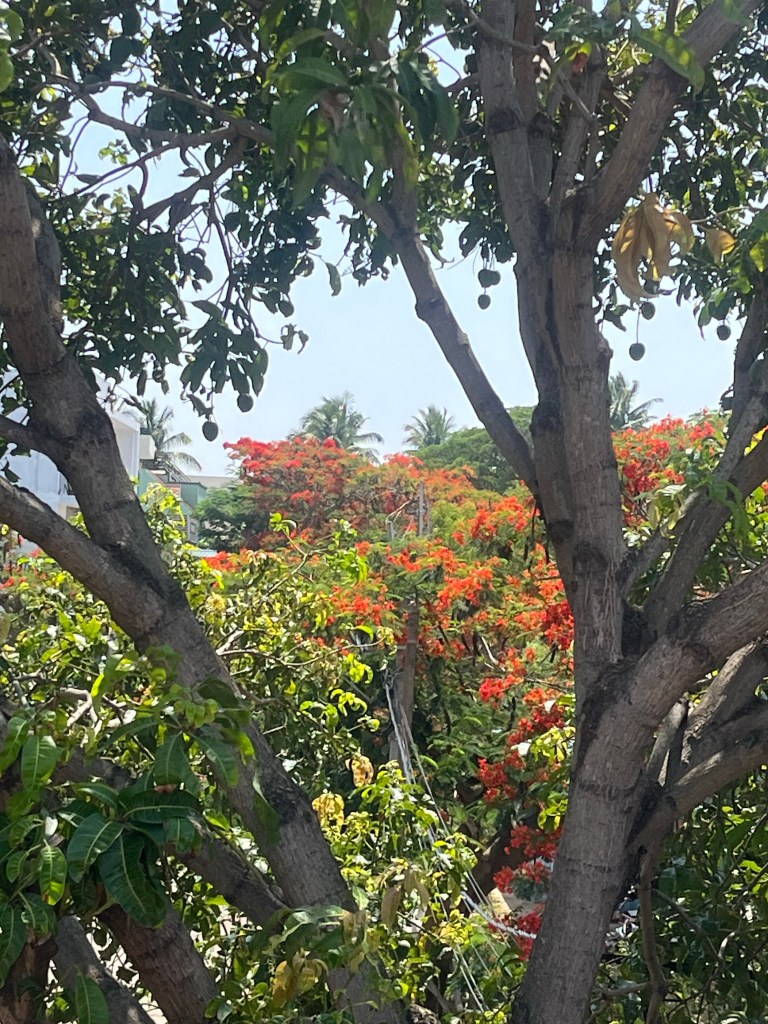
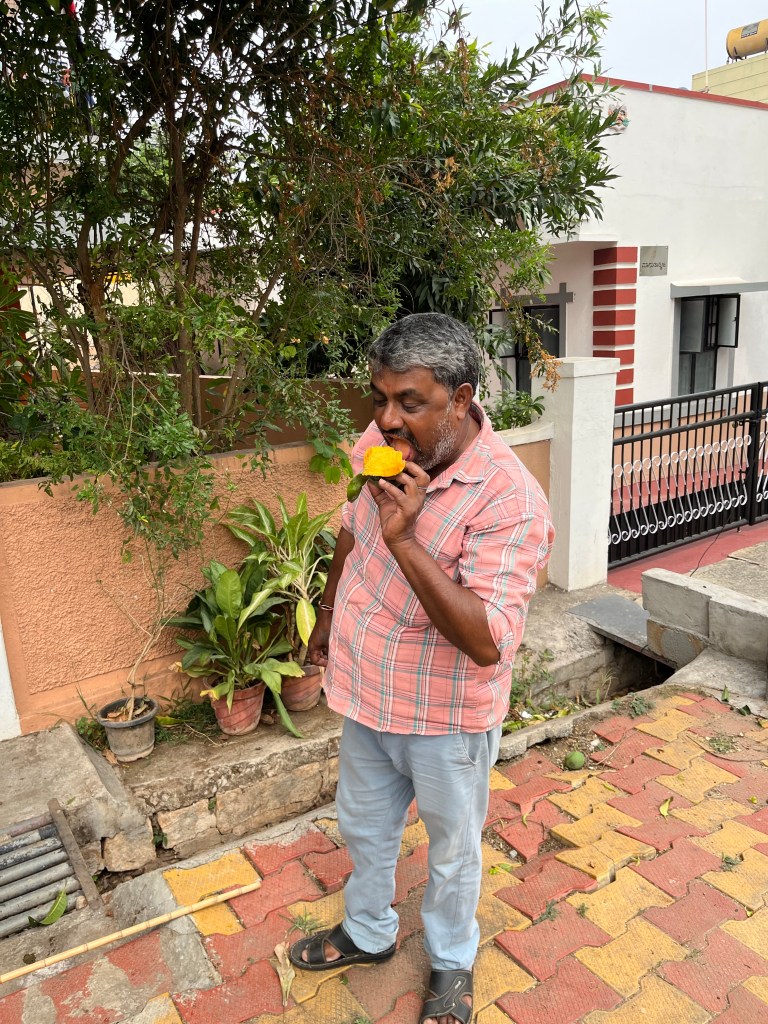
I’m slowly learning mango farming. Well reaping the product at least.
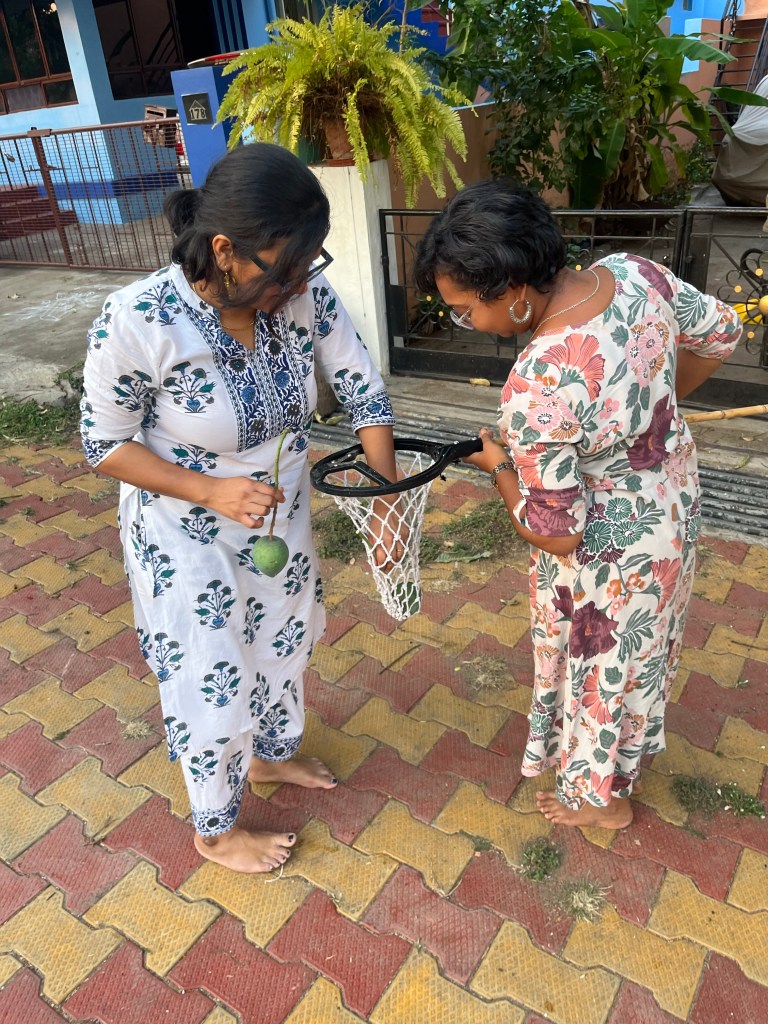
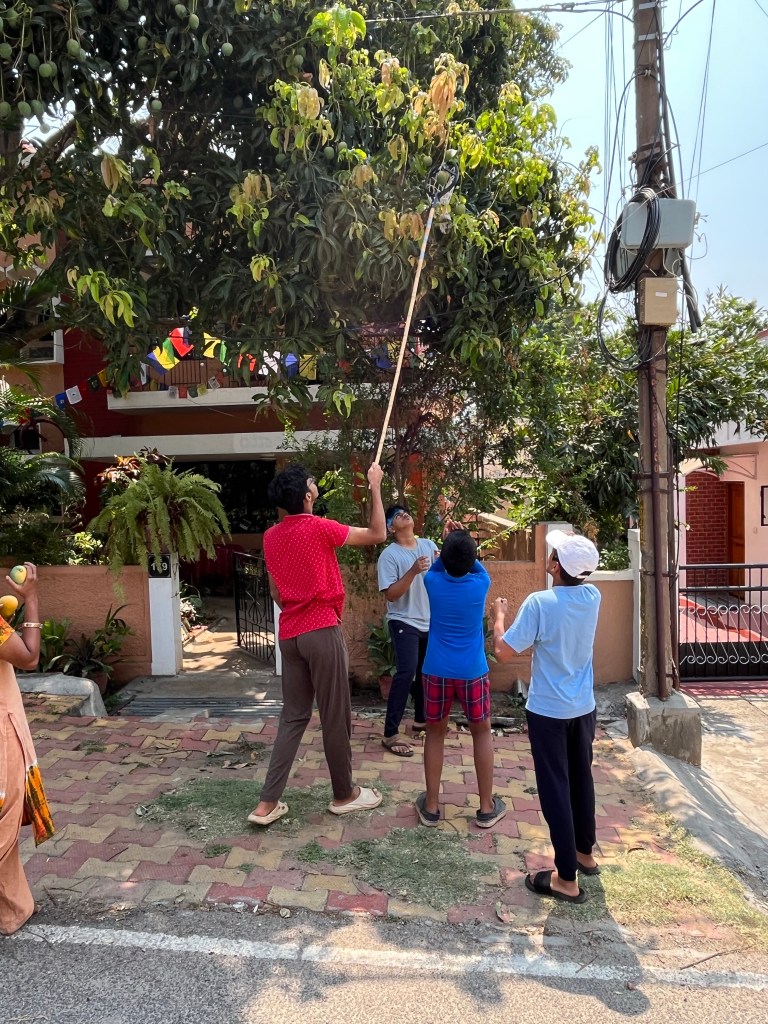
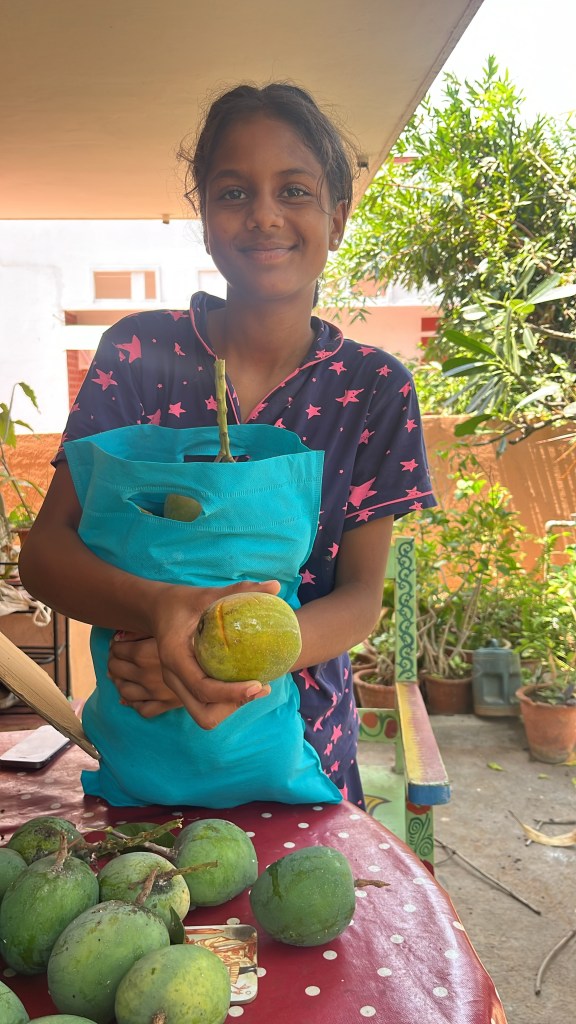
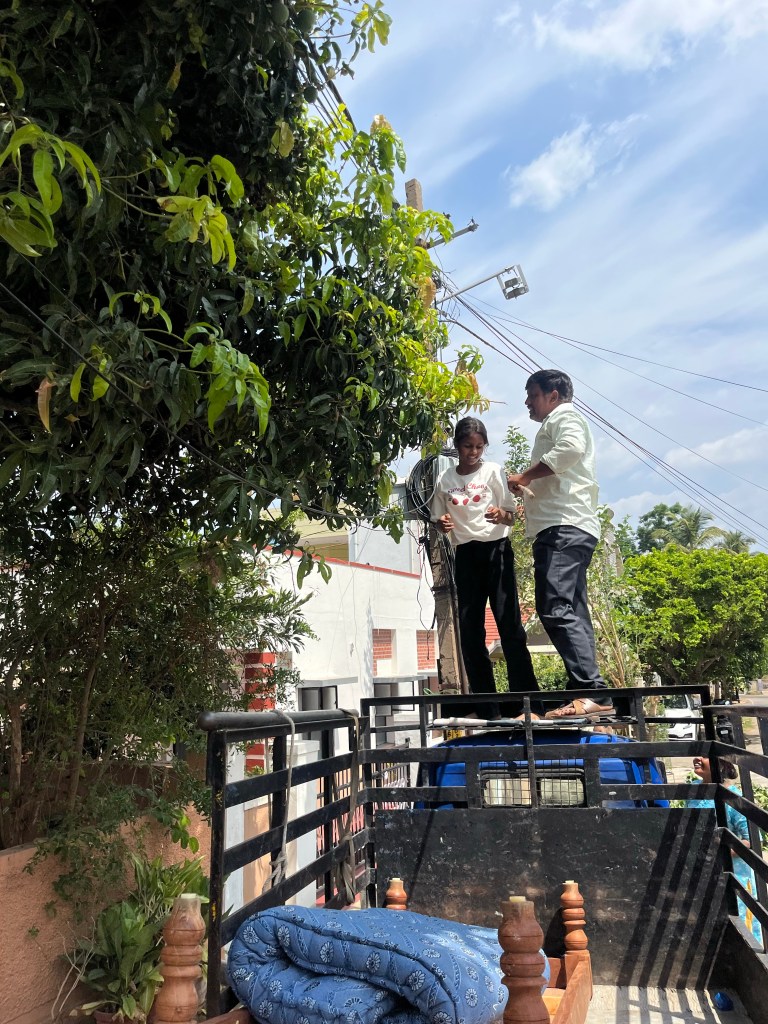
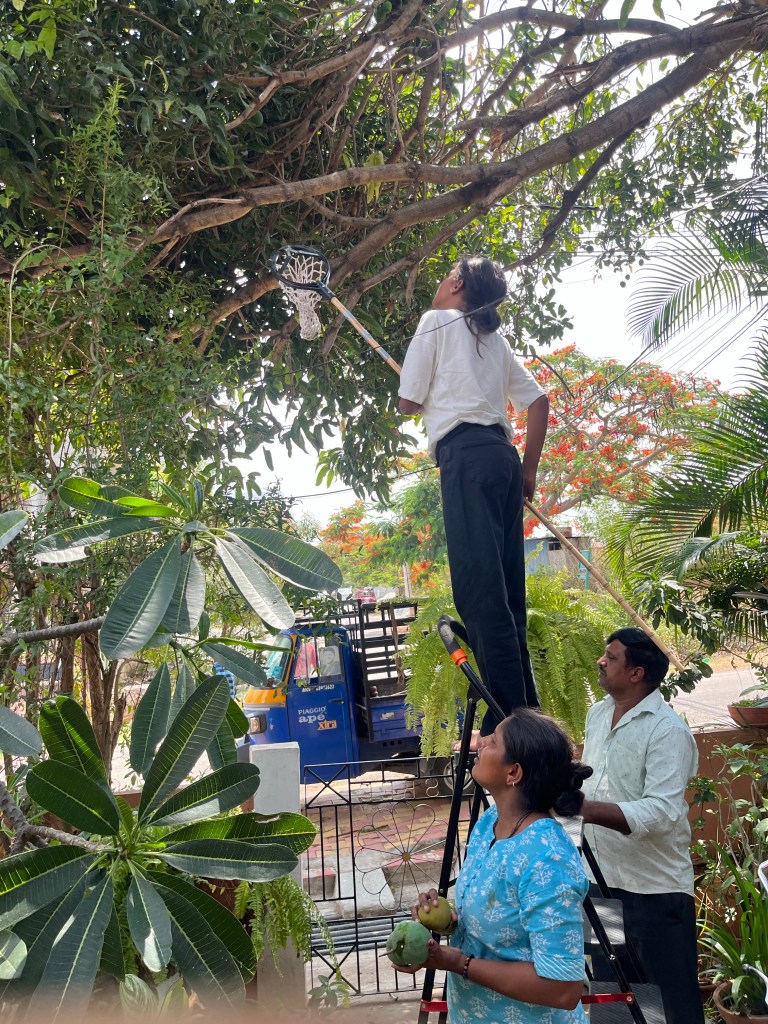
We’ve had streams of friends and neighbours on PYO – pick your own and donated kilos of the beauts.
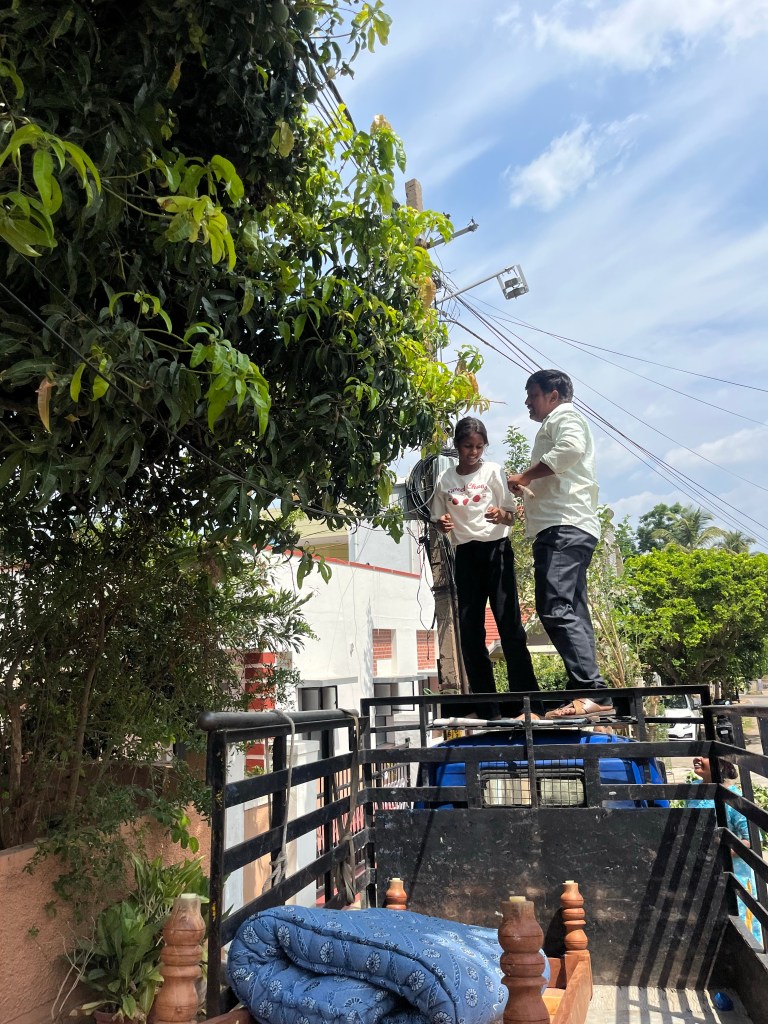
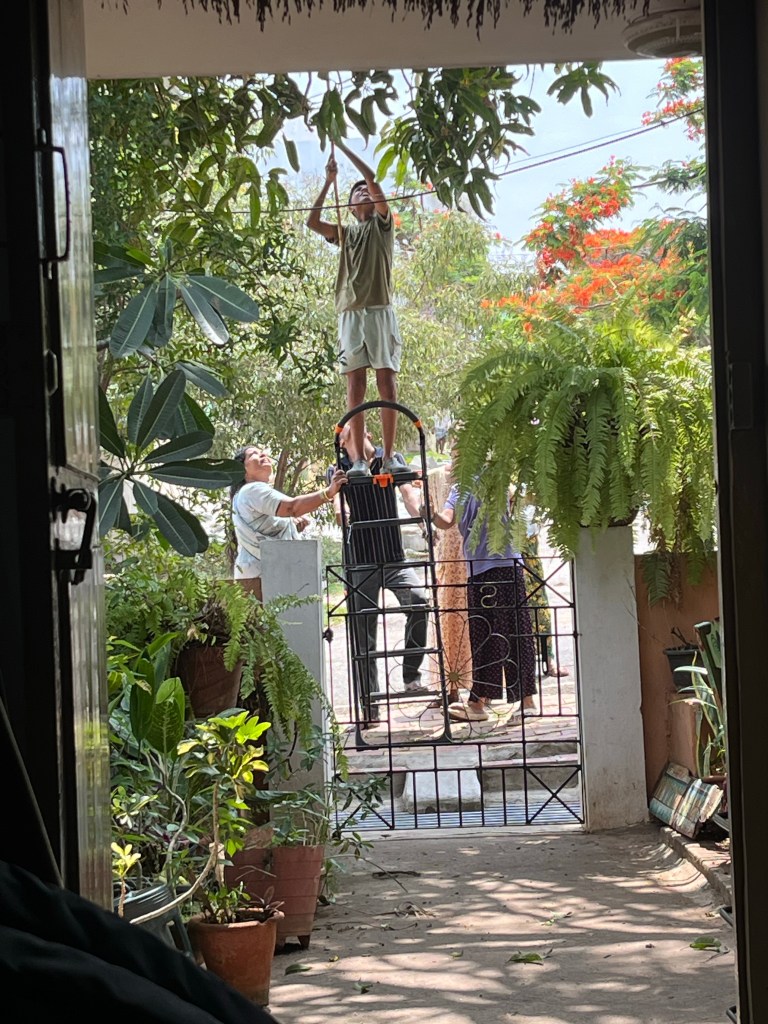
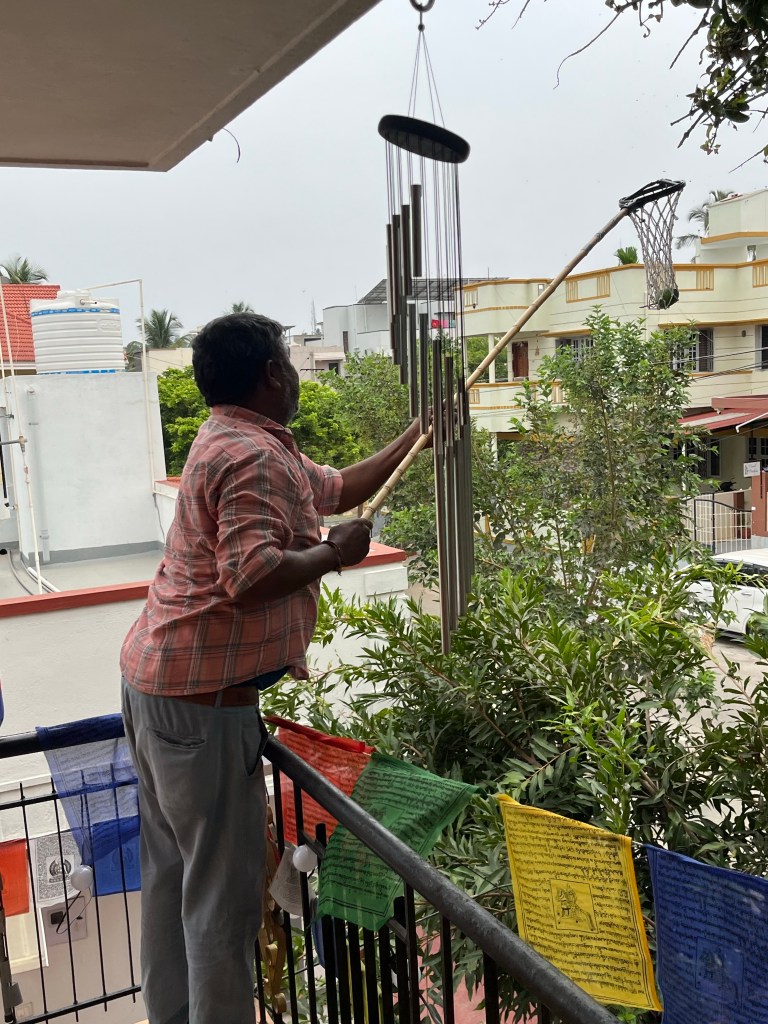
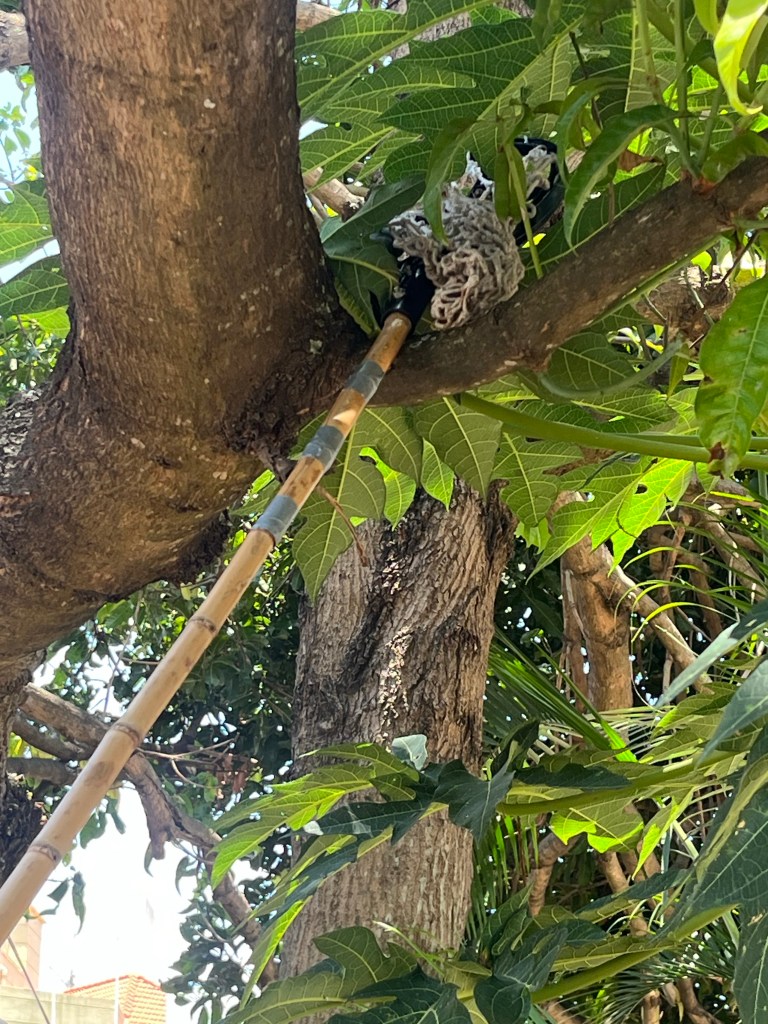
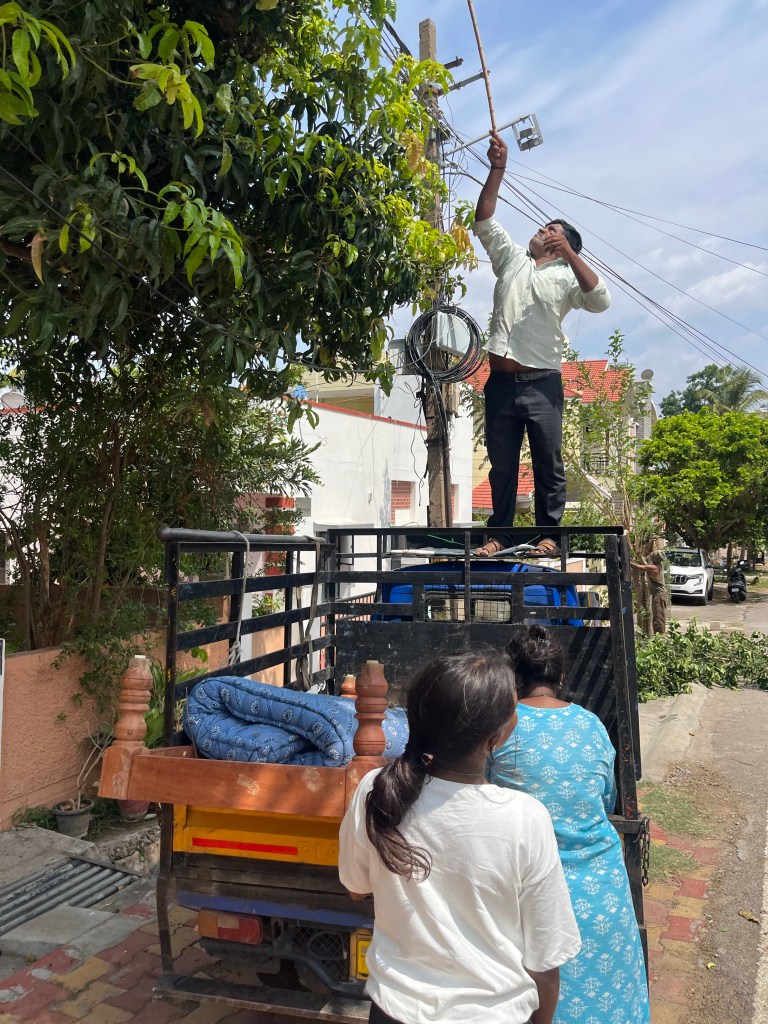
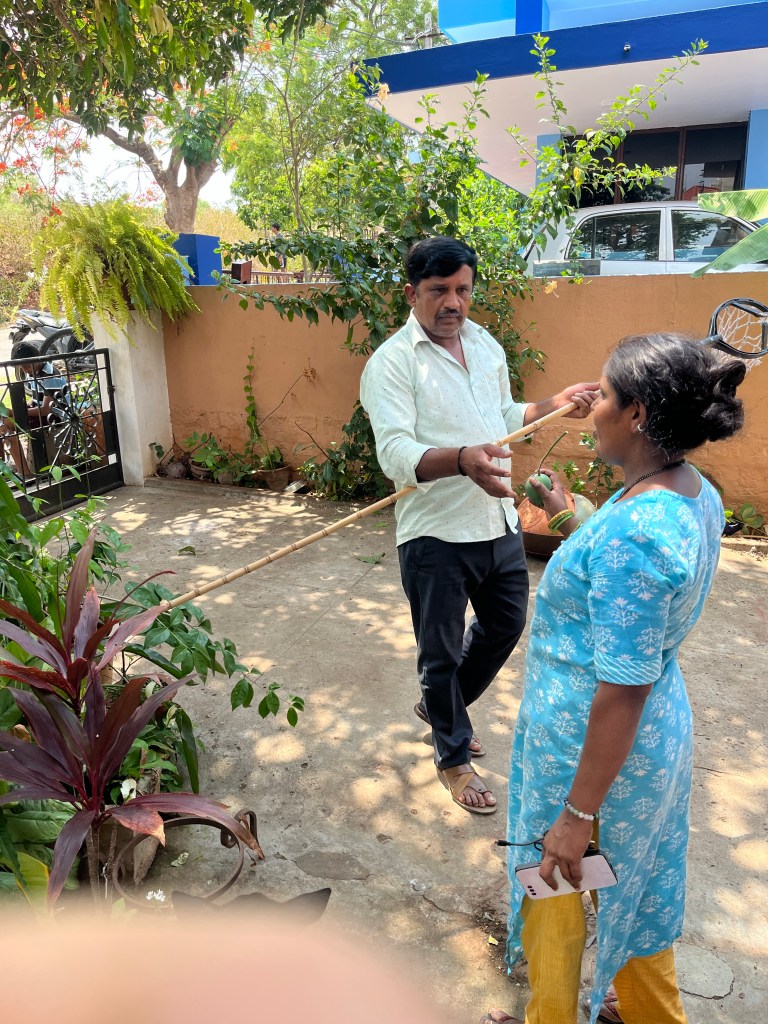
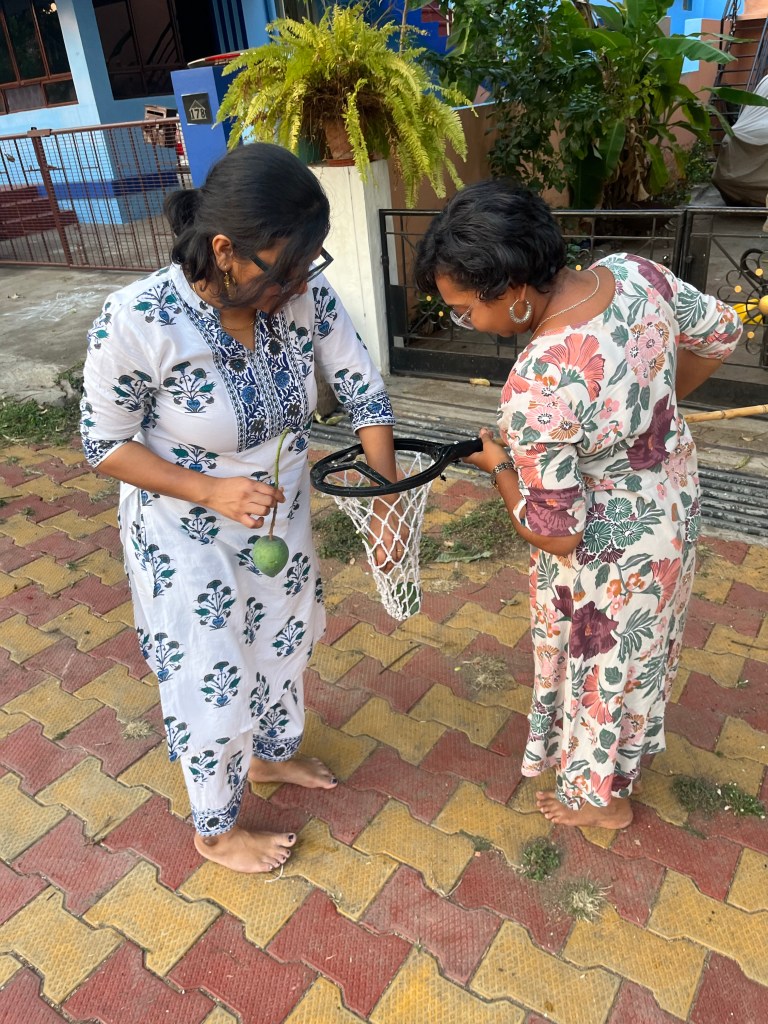
We’ve moved on from the hook on a stick, to the giant butterfly net (not) and used two types of blades to get to a tool standard that works for the reachable ones
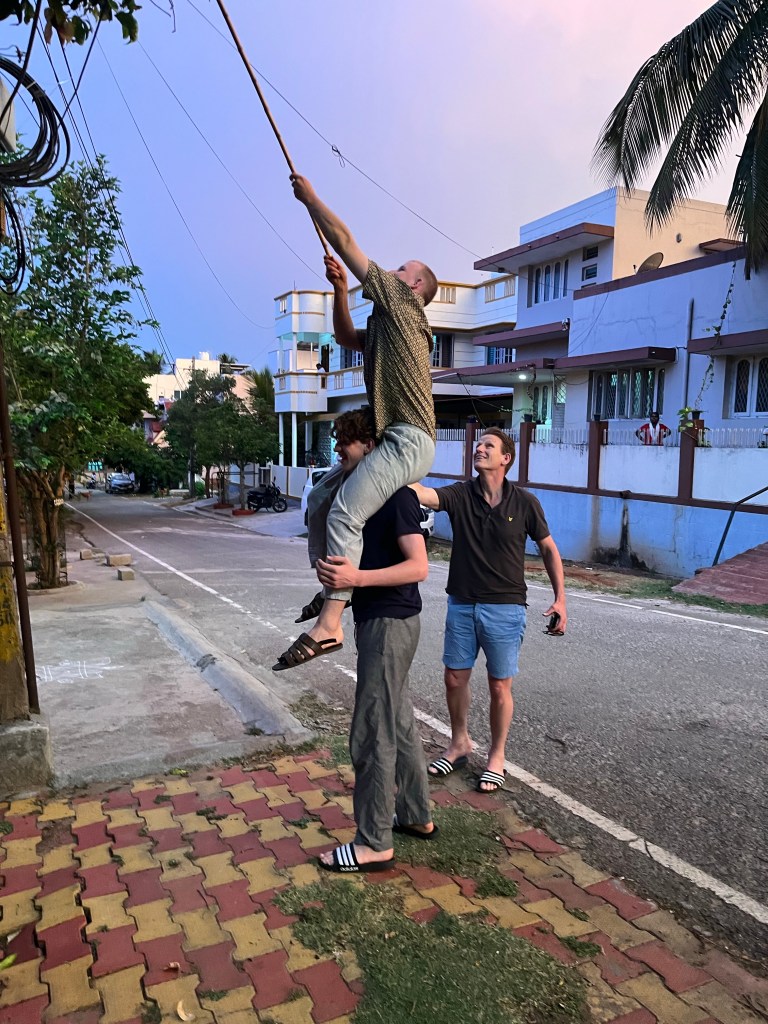
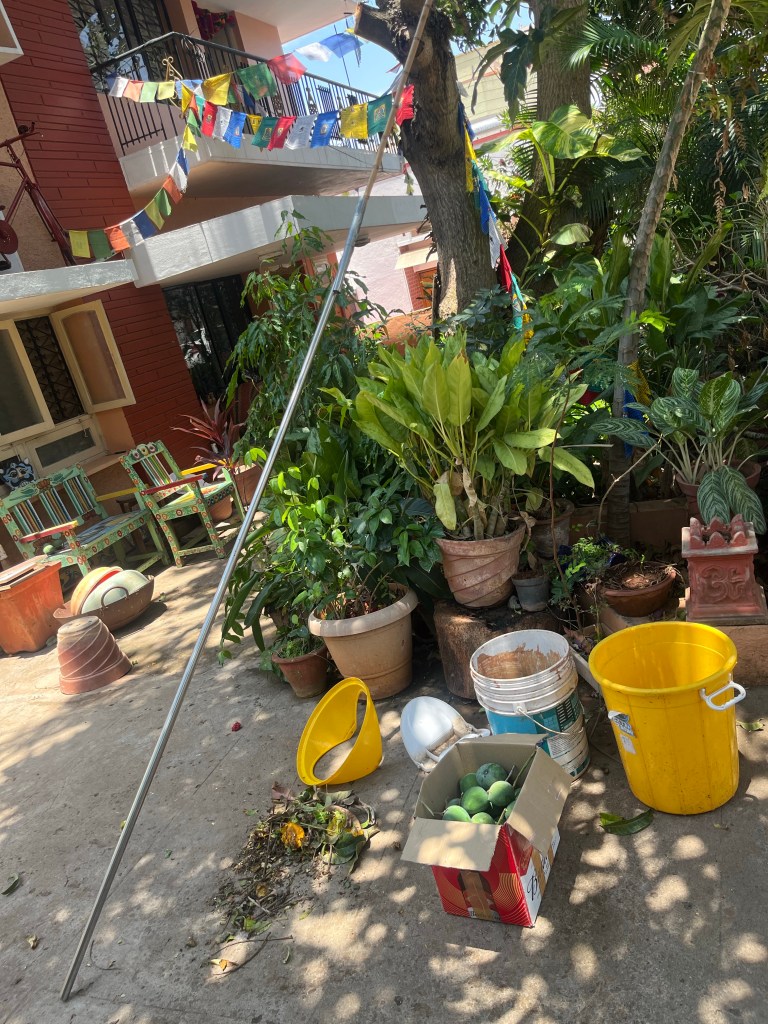
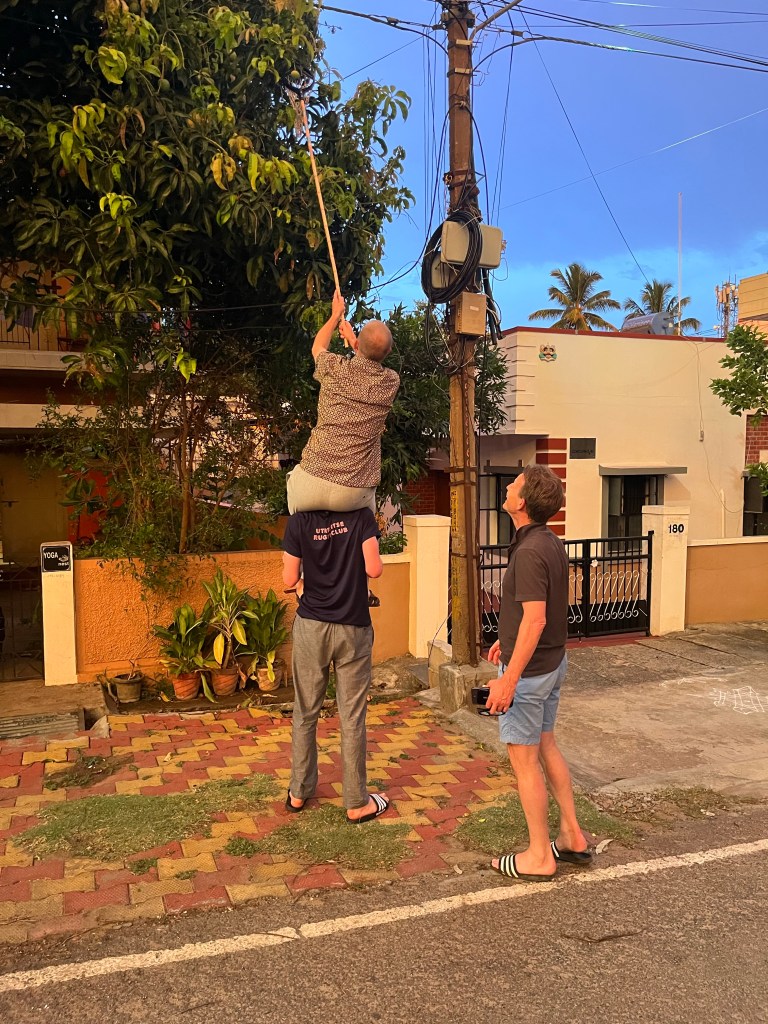
I’ve created an extra long pole (metal curtain rod and bamboo) to help reach to the top of the tree and its outer perimeters. The ‘unreachable’ ones are a challenge. The first extension broke, the next couldn’t quite reach
We’re not complaining. Well the old woman that cleans is… as I’ve not achieved the usual standard (I’m certain that’s not true)
Next stage is for someone to climb the tree. Two requests (farmers and experienced friends) haven’t worked out but maybe the grandson might step in.
BUT
We have collected hundreds of mangoes (this is one productive tree) and I’ve ordered a professional telescopic pole.
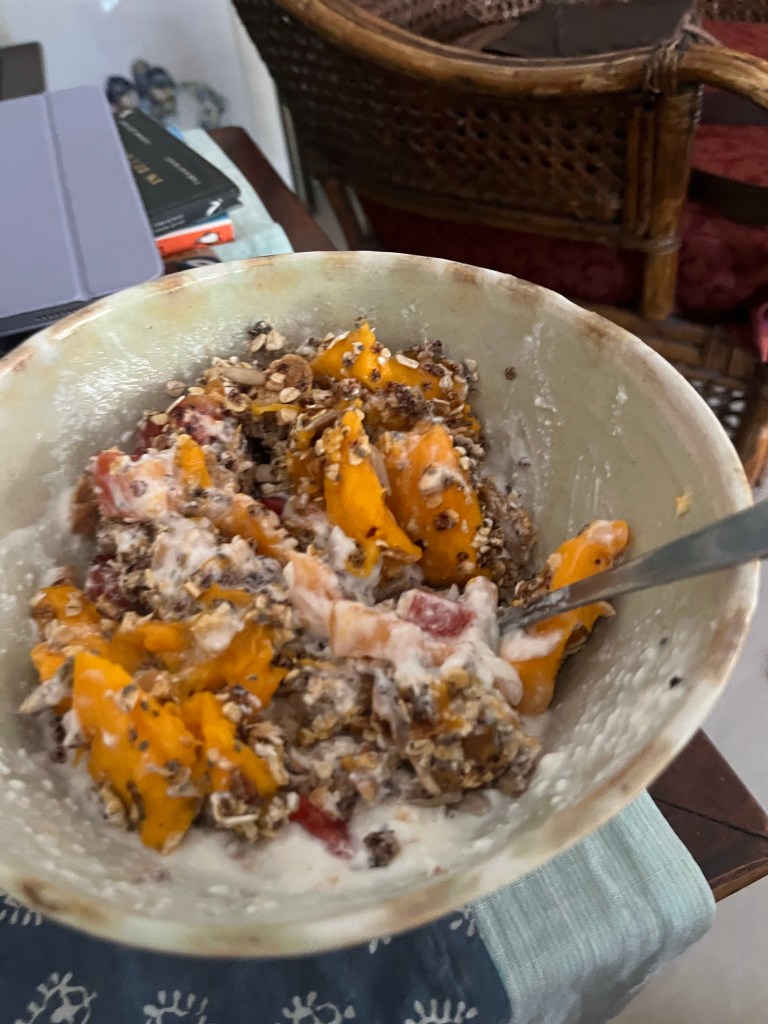
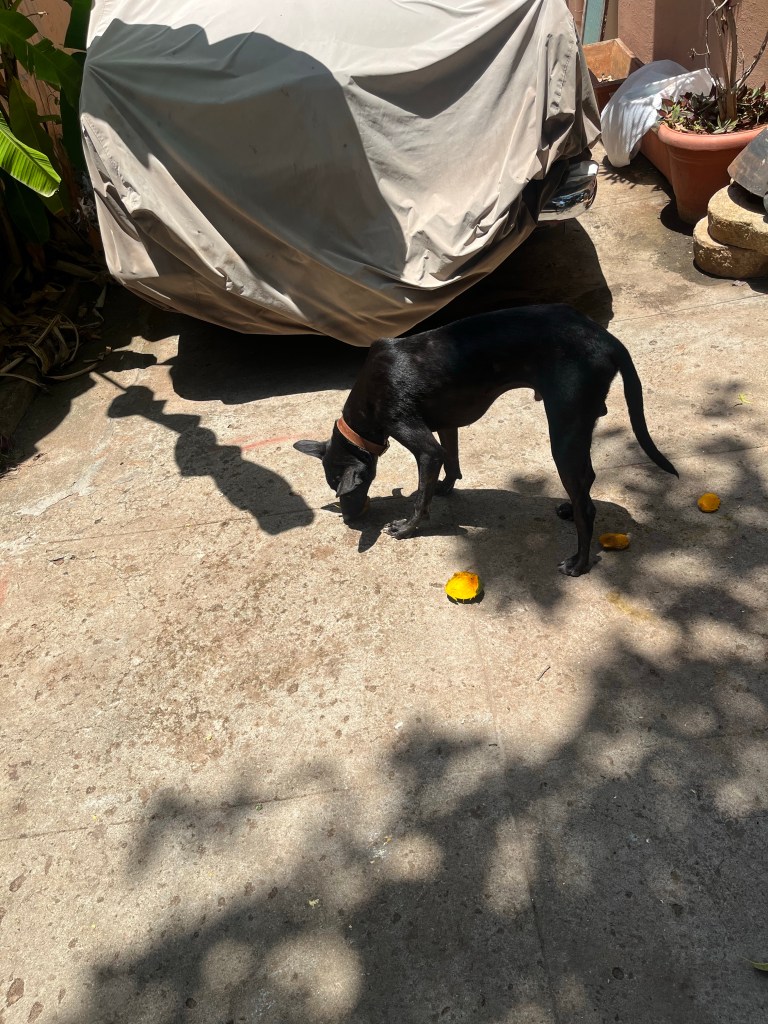
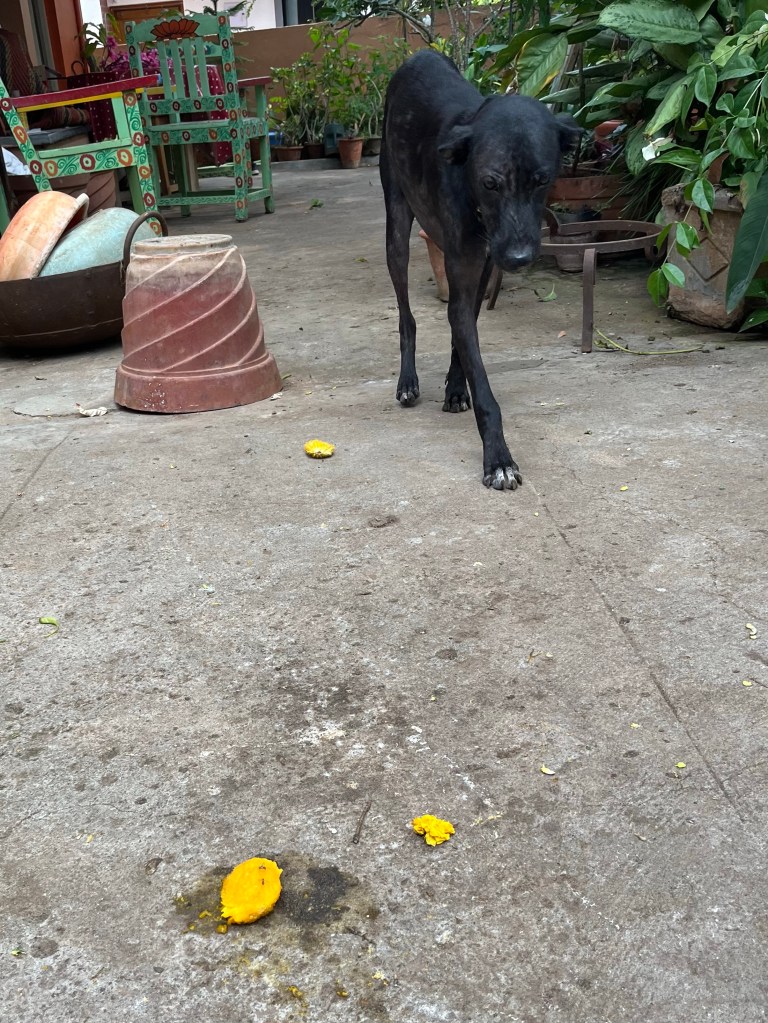
Delicious breakfast, family from round the back came for Mangoes (but they’re getting harder to reach) and Luca tucking in.
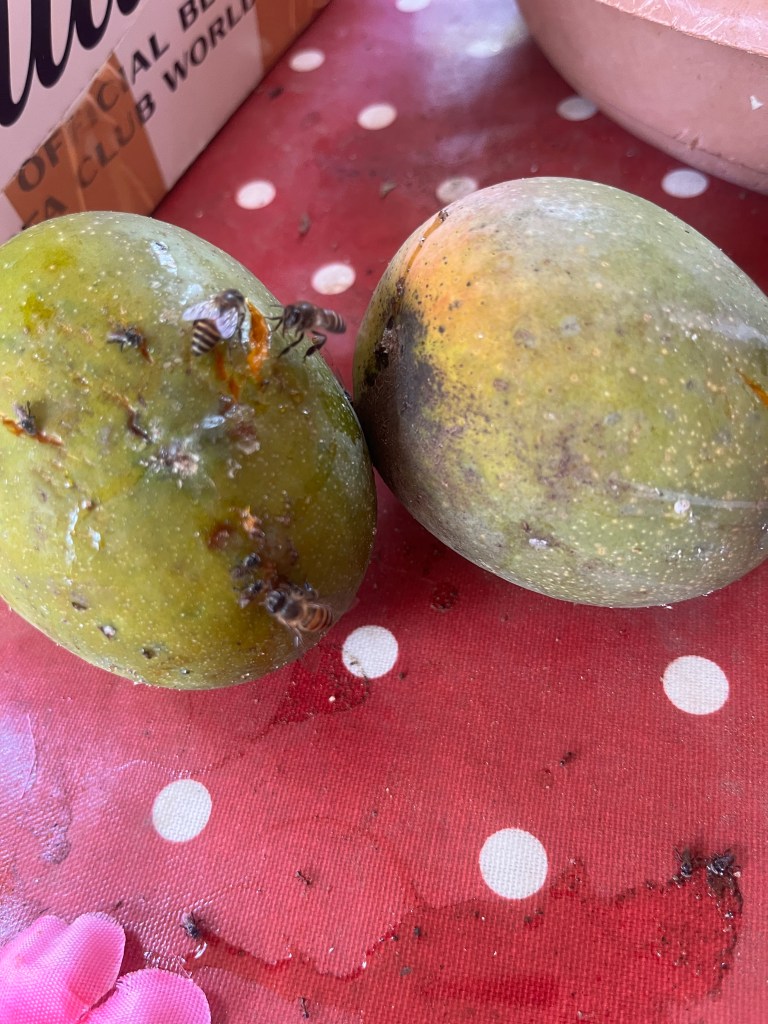
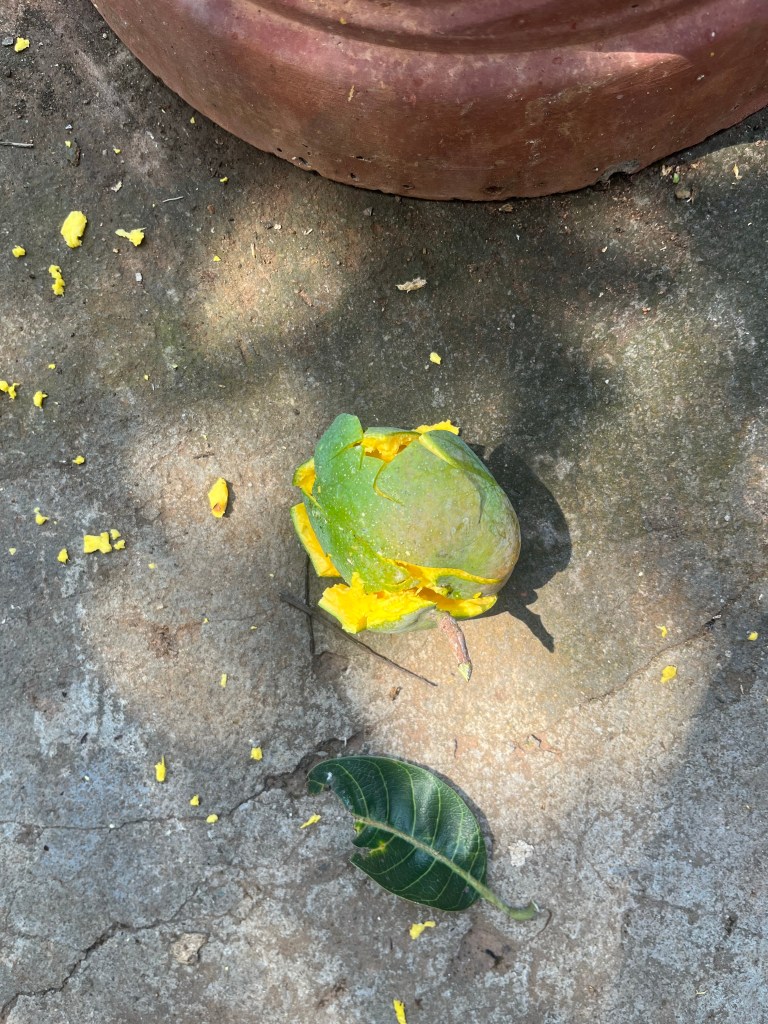
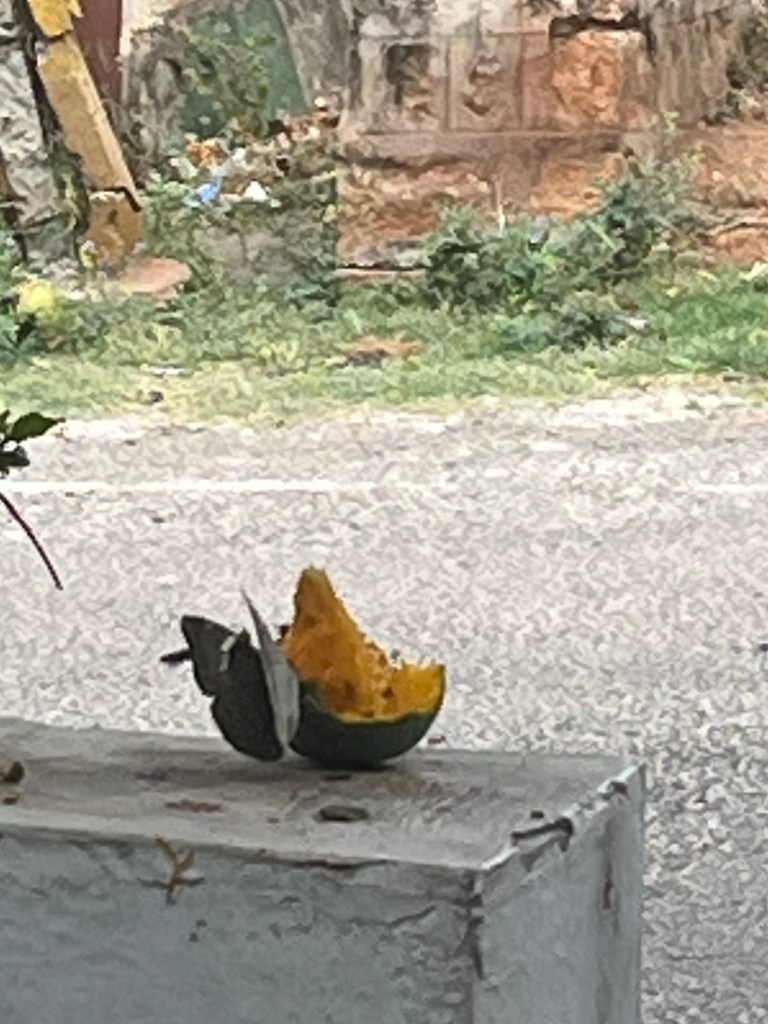
We’re sharing caring types —- some to our human friends, others to fruit bats, squirrels and insects, some have lost patience with me and dived to smash their mango brains on the ground.
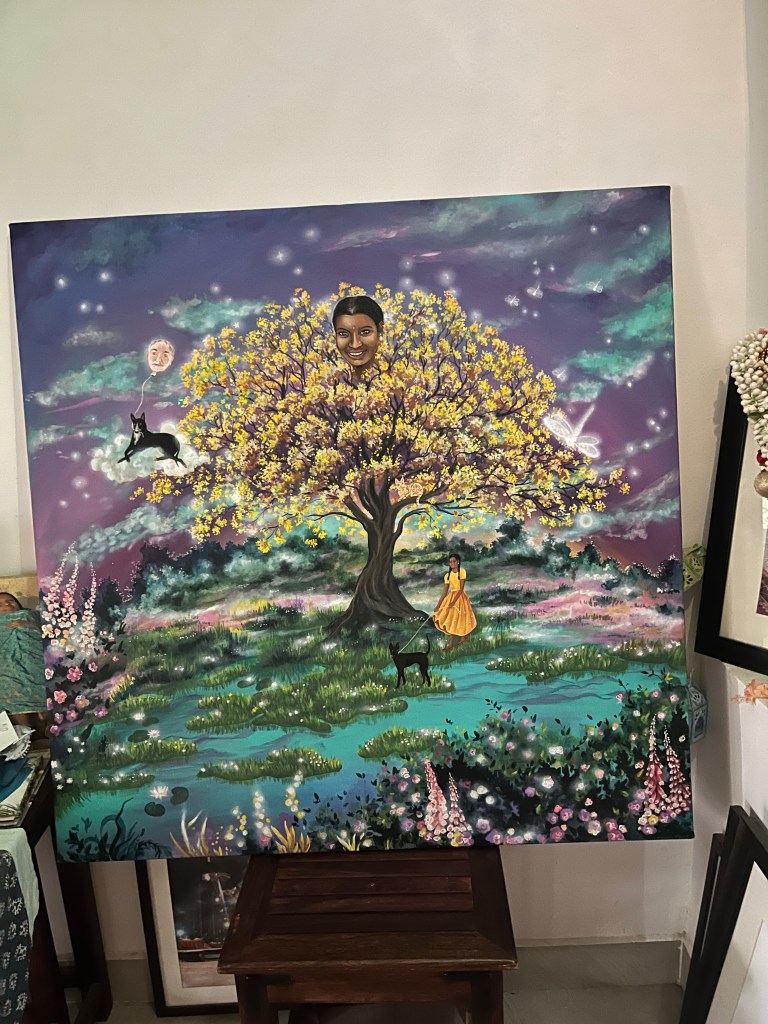
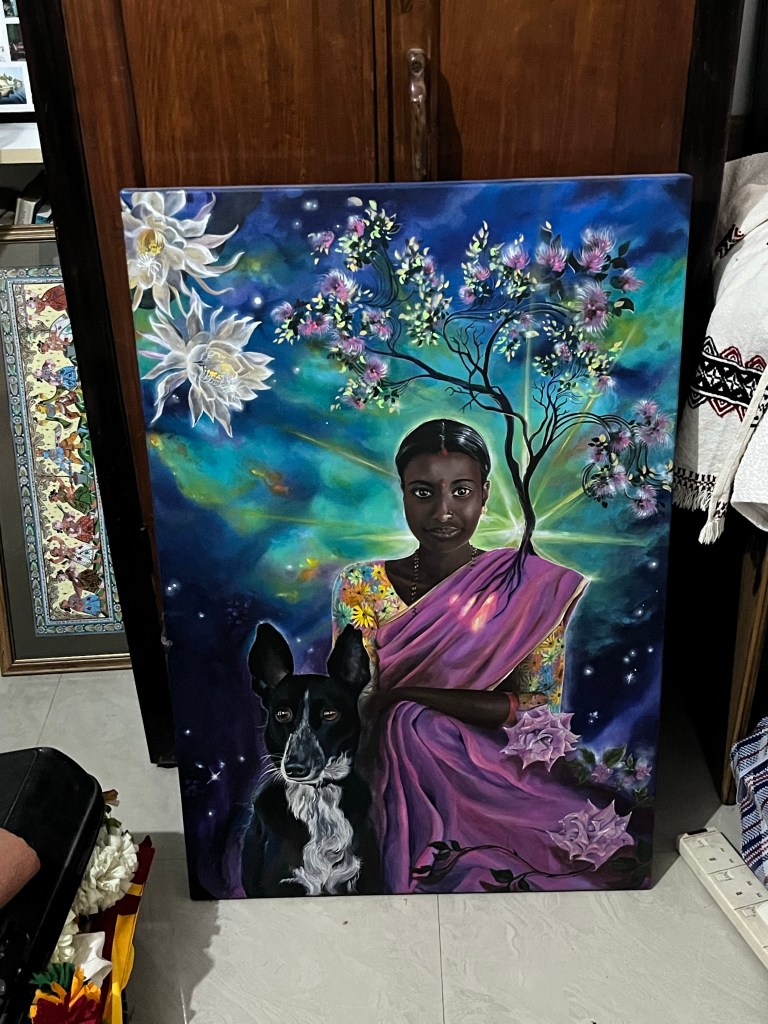
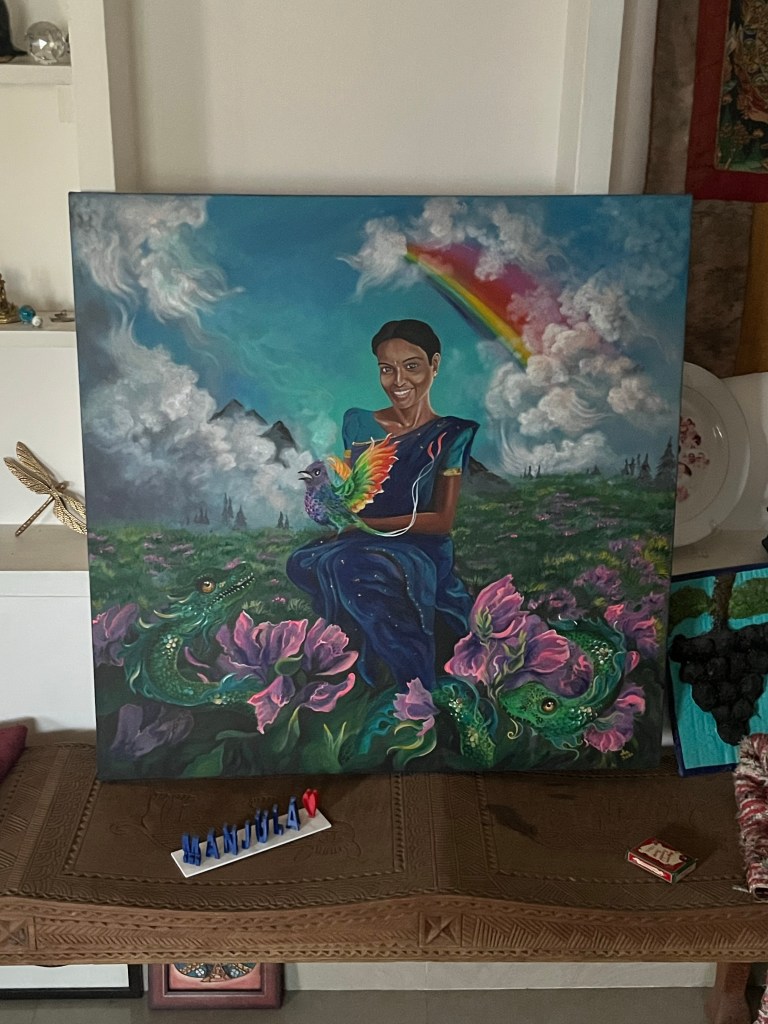
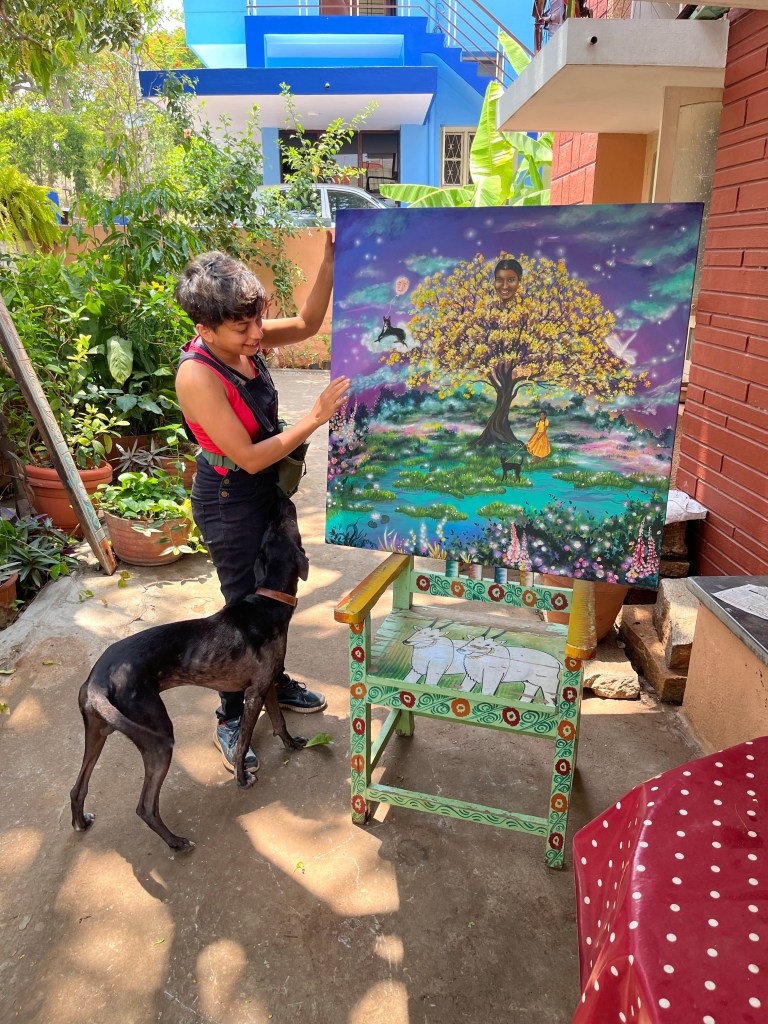
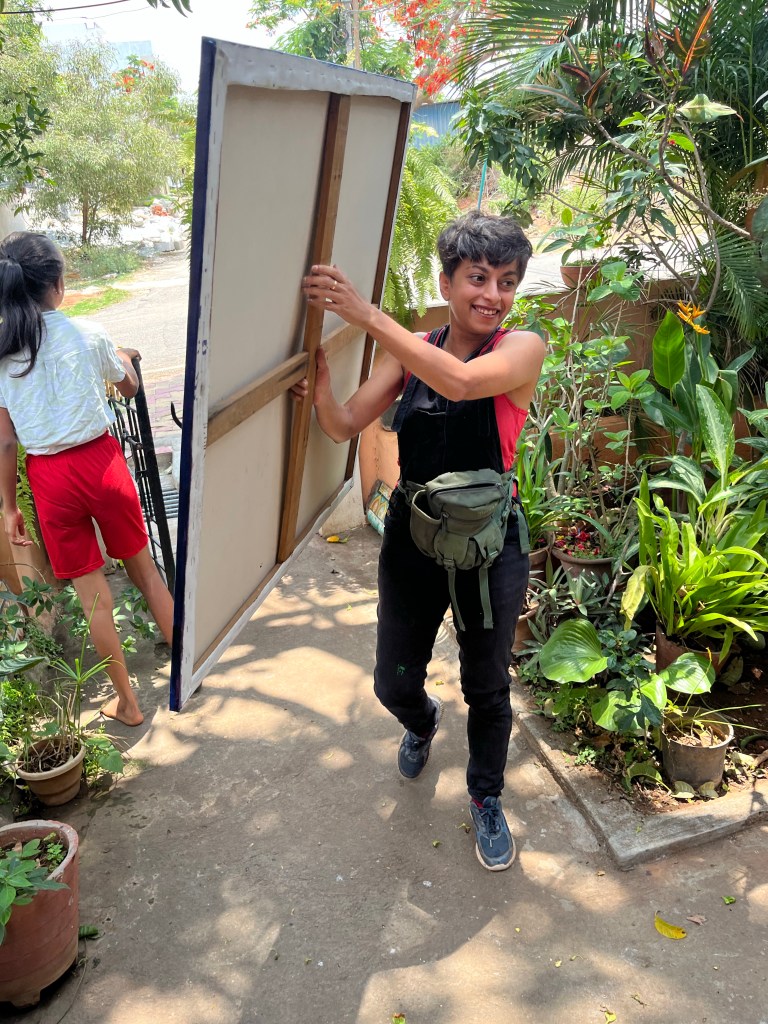
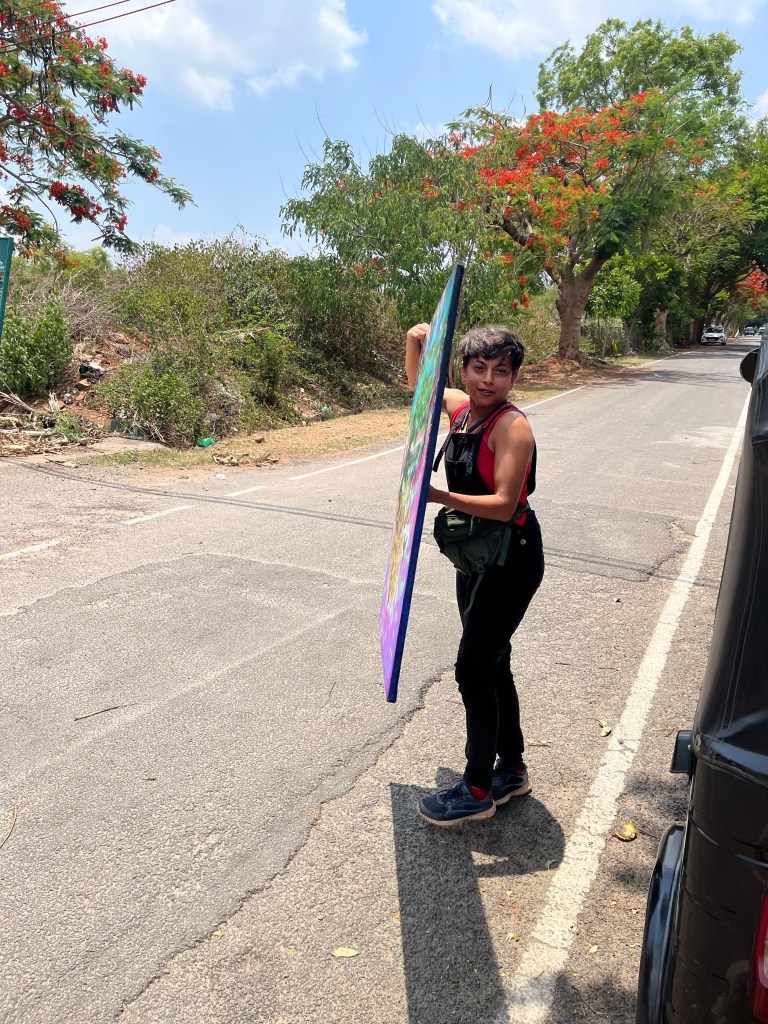
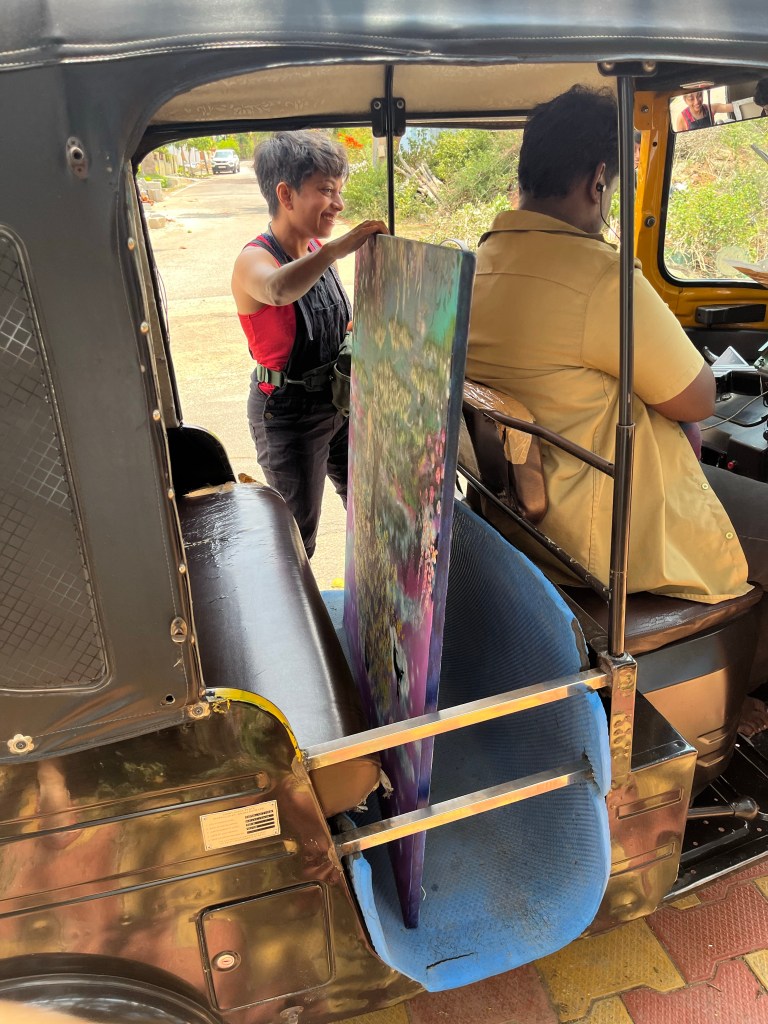
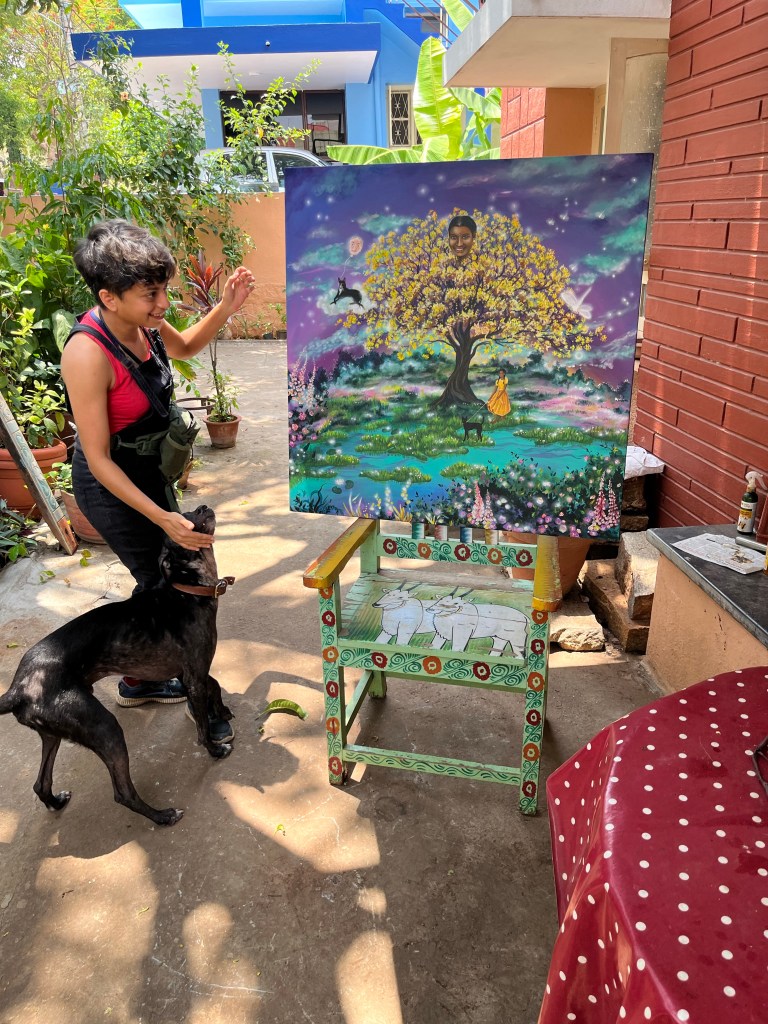
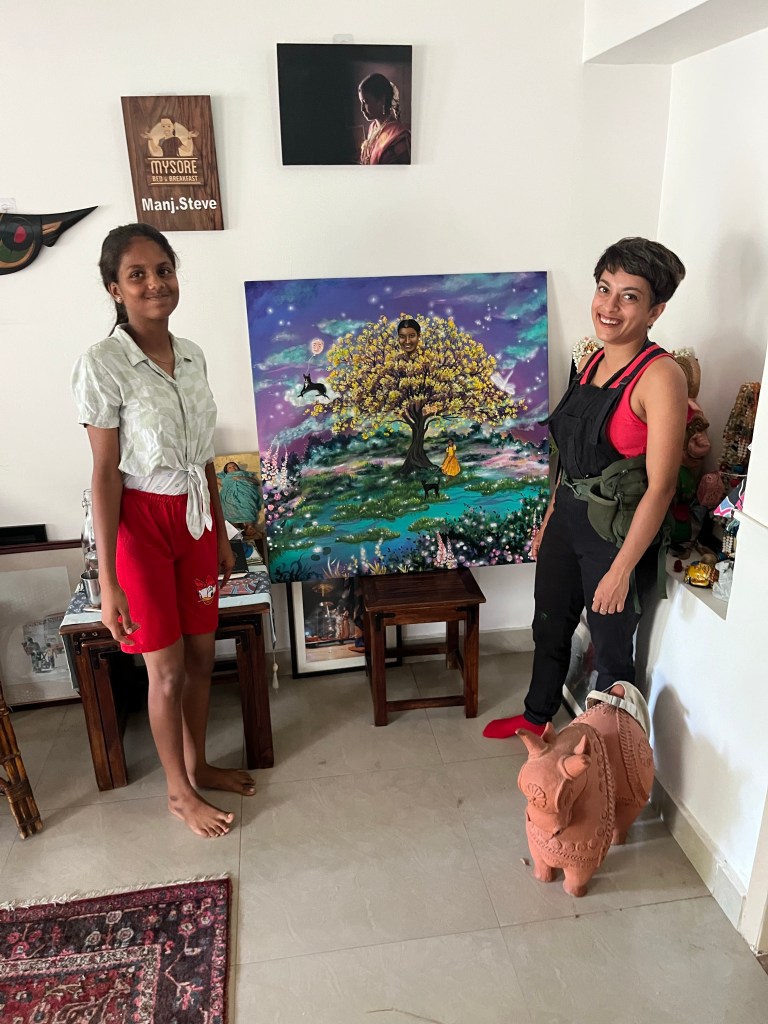
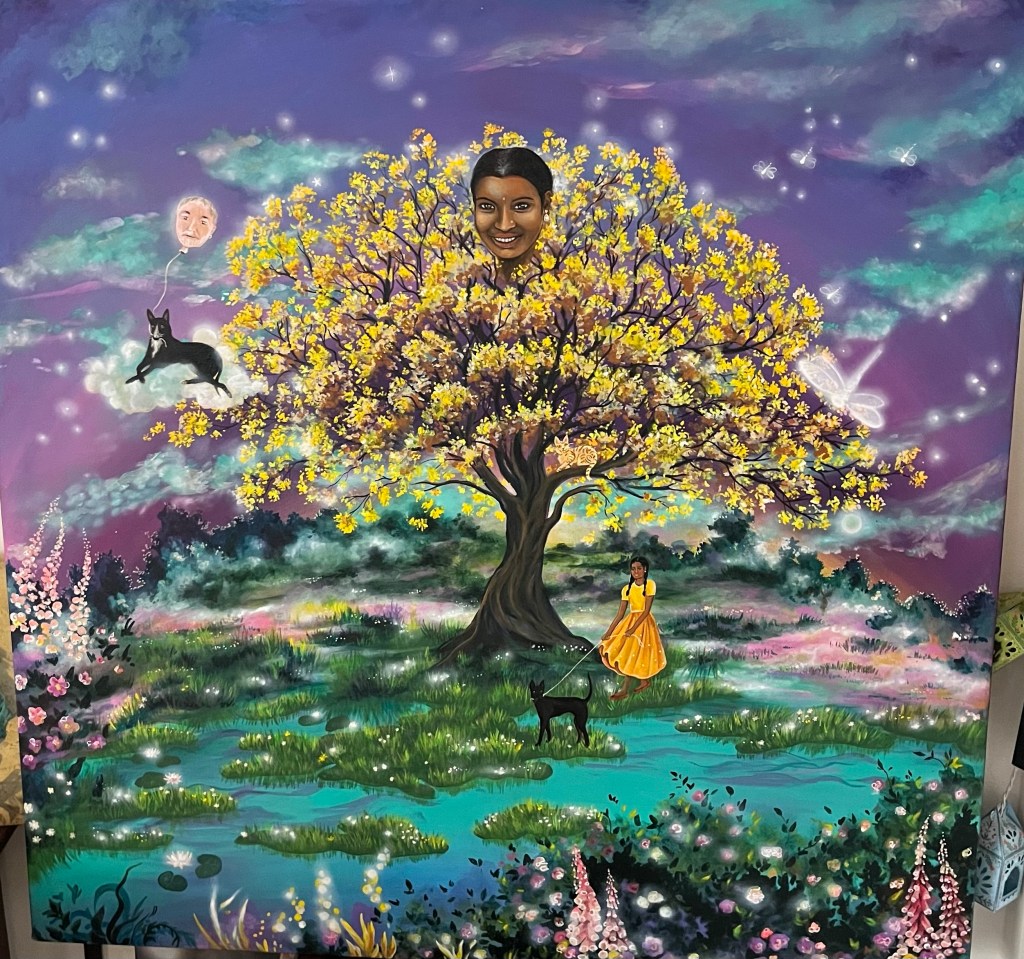
The latest wonderful creation has arrived from Aadirika aka —Mostly beautiful Maya— (check Instagram) has now created three fab memory portraits of MAnjula
Our first Second
All to be found at Manjula’s Mysore.
Out third
Thank you Aadirika, for your intimate understanding of what MAnjula meant to me and representing our wonderful life here in Mysore.
Who can you spot in this latest portrait?
…
Manjula (obviously), Lucie our first dog of the family of over 15 years, Kaveri, walking Luca — our latest addition and in the tree. —- Billet-Doux my sweet (love) letter sent by Manjula, a few years ago. Plus the dragonfly and old man with his head in the clouds.
Sugar … I’ve spelt it wrong again it’s Sowbhagya or SB …
who’s useless?
Those of you who have visited us since 2019 will have met SB and know her trademark humility. Don’t let that confuse you, she can be full on.
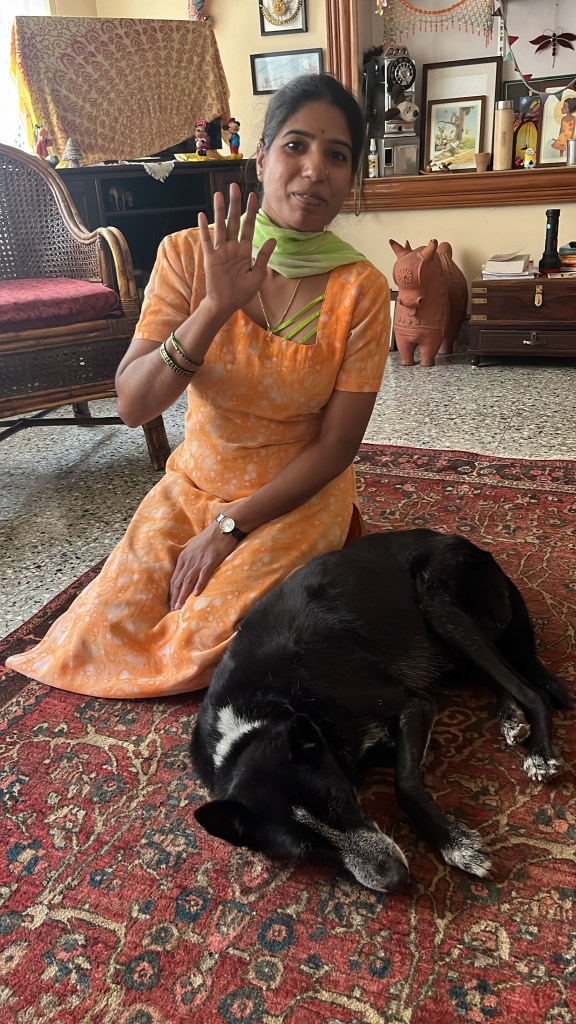
SB with Lucie
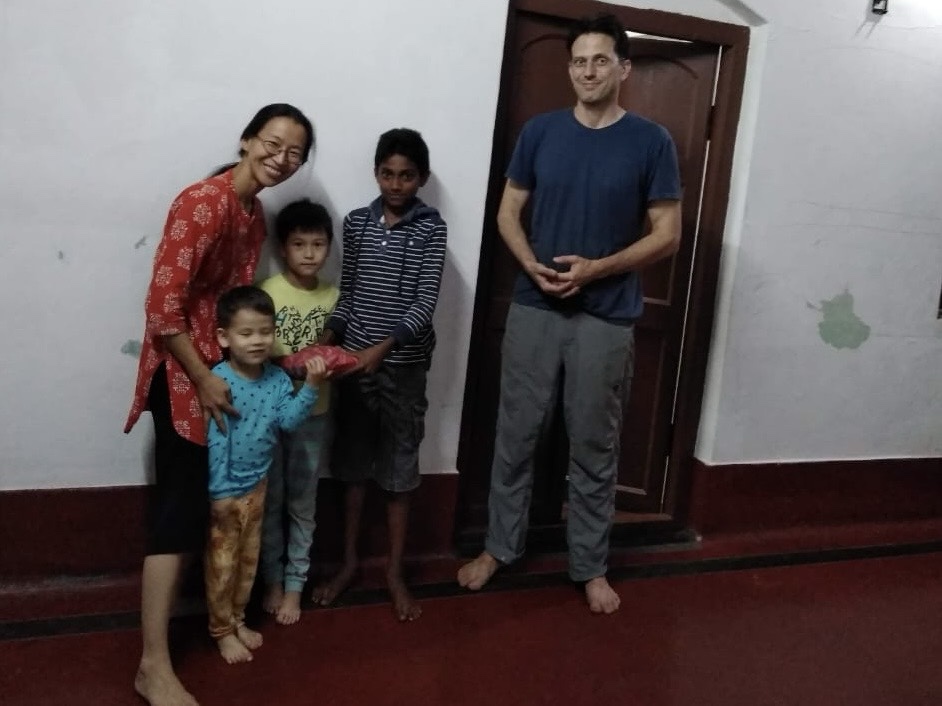
Sowbhagya was first introduced to our community (family) through great friends Justin, Heejung and their boys
when they lived in Mysore. They have now moved to South Korea.
Ina a guest who became great friend from Australia with SB
After MAnjula died Sowbhagya came to work at Mysore B and B so she’s been with us for seven years — but now things have moved on — a lot.
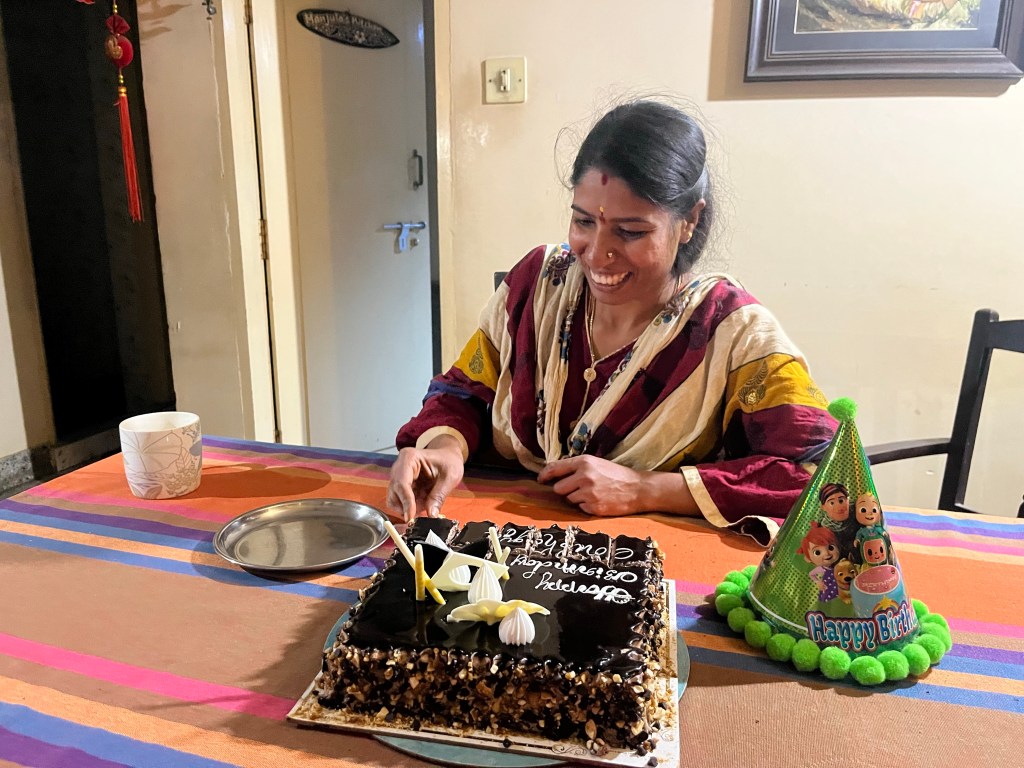
SB’s birthday
She’s now a Director of the business, and fully looking after the house, recently she’s helped find our new base at 179, shifted over 17 years of accumulated clutter. In the new season, later this year, she’ll take a lead with the guests.
If that’s not all she helps coordinate a chit fund, runs her own catering business and brought up her son Naveen (now 18) as a single parent.
You’ll have met Naveen in previous postings. He’s turning out to be a thoughtful confident young man.
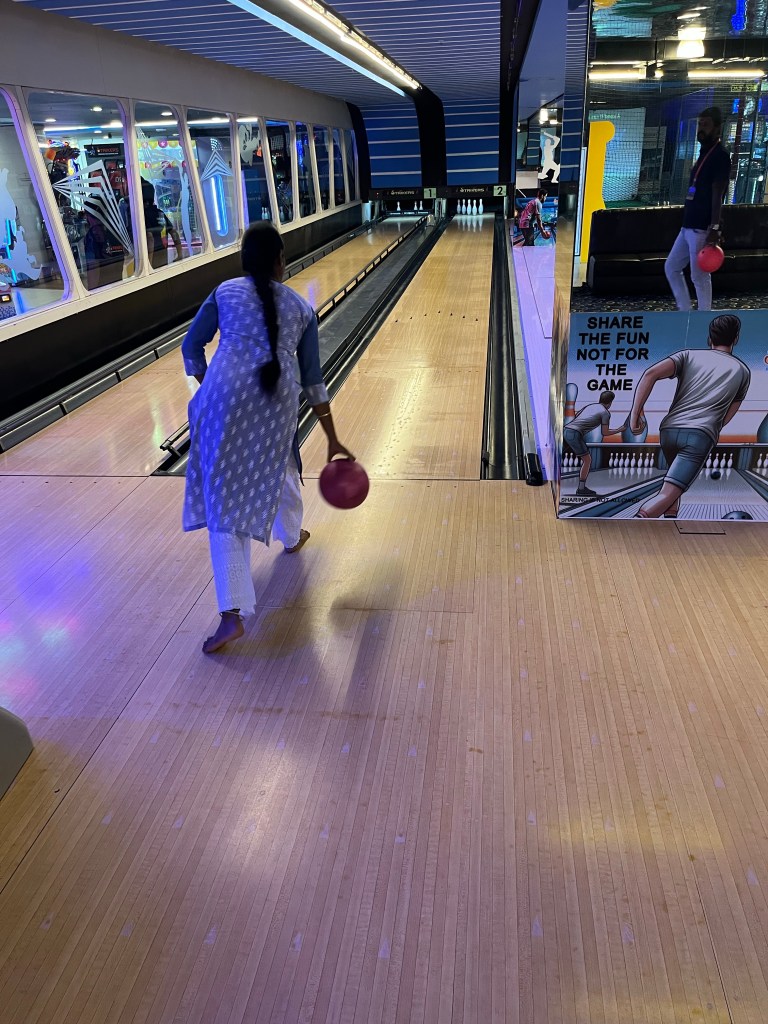
One of our activities.
Another critical role has been helping with Kaveri who we sponsor in Manjula’s memory.
In this way she’s blazed another trail which Kaveri is following. SB created for herself the opportunity to meet and work with a wide range of foreigners before she even came to Mysore B&B. This has helped broaden her experience and horizons.
Watch this space for how Kaveri is already following that path and growing through meeting the foreigners and guests from throughout India.
So as you can tell. She’s open to challenges, she’s decided it’s time to formalise her divorce (she’s been separated from her husband with little if any contact for over 15 years) and start a new chapter in her life.
That might include trips abroad as Kaveri’s chaperone as she’s just obtained her very first passport.
So there you are — an important member of our team, helping hold it all together.
This best wishes for the continuing journey is ..
From Maïlis, Stephen, Kaveri, Billet-Doux, Luka and many guests.