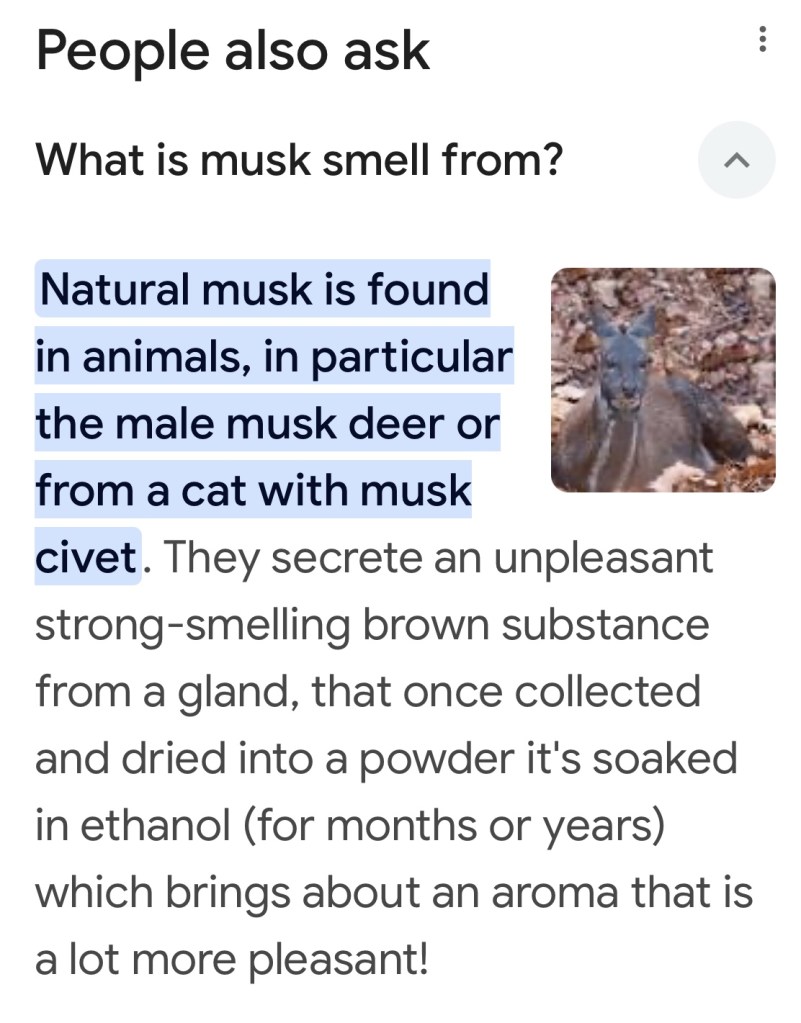
I’ve been wondering about Doge… why we have it? What does it mean? I realise now it’s not actually a spoof, it is unfortunately real but it’s also a means of checking that we’re properly concentrating.
That we’re awake
.. and hopefully not complete idiots.
It’s actually a joke, in the most serious sense
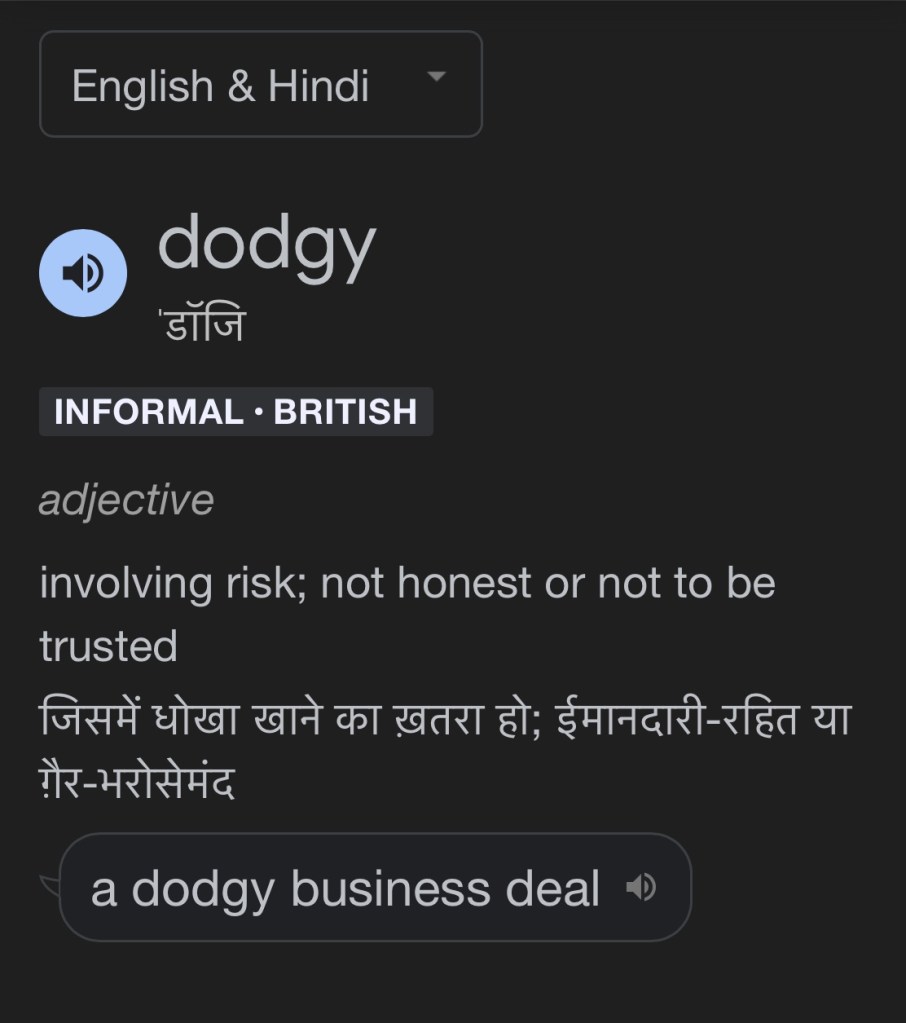
So have you worked out how to pronounce it? Don’t lose this opportunity for a knowing smirk.
I was thinking on the lines of doggy.

But no there’s something better.
More on the dodgy dog. Sorry to our canine friends….
Footnote
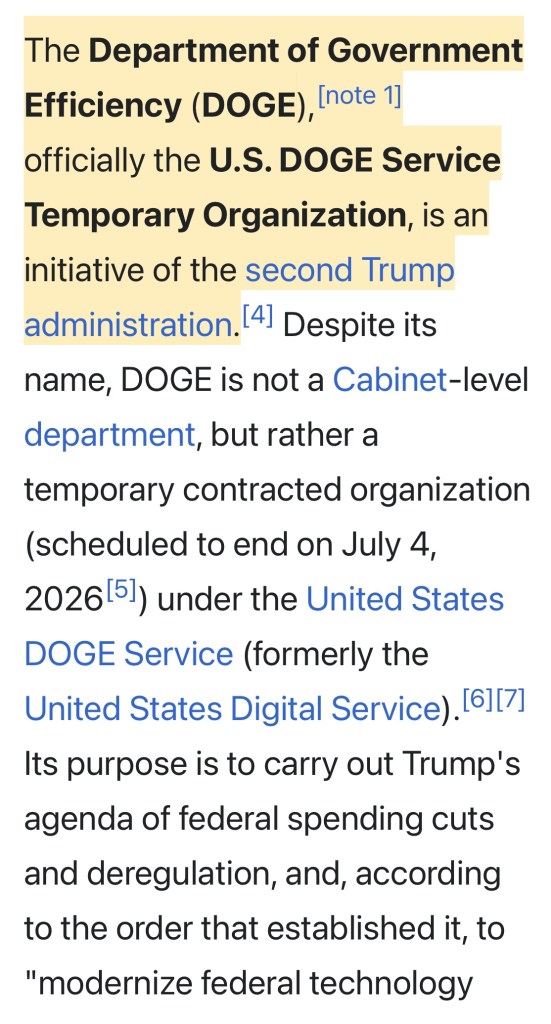
So what is Doge.
Some might say it’s one of the initiatives to fulfil the coup currently happening in the US
The choice is ours, whether it’s on an individual, organisational or societal level.
Some changes come easier then others but let’s stick with the question of — should we challenge and change?
In my view there’s an unequivocal yes.
As an individual and the networks, groups or communities we form, of course we change.
What’s learning if it’s not adopting and adapting to changing situations, and developing new ways of doing things (and thinking!).
Some people and organisations will challenge change and prefer to stick with the status quo.
When that happens, look a little deeper.
What’s their motivation not to want to change? Fear? Retaining or enhancing power?
One of the most important aspects of change is personal development, it helps create who we are.
But it’s also nonsensical to suggest there shouldn’t be change in our wider groups and society
It’s critical that we innovate and adapt, developing the requisite abilities. That might be number one priority.
Well not quite.
Our actual biggest challenge is friction, and by this I mean between people, their organisations, communities, and nations.
We need to develop effective sustainable relationships and to achieve that we need to learn to be kind.
That requires us to see things from the others’ point of view, to communicate, to connect, to be flexible and adapt.
Yes… change, constantly.
Maybe we can actually reduce violent conflict …. Now that would be cool.
So we can choose to change and not be stuck …
… in what previous generations have handed down to us
NOR
…. in our personal experiences and traumas
We can shift.
Simple eh?
Admittedly. It’s not straightforward … No it’s our life long challenge, to choose who we want to be and hopefully find happiness and contentment.
But if we’re not conscious and try we might just lose this lifelong opportunity.
There’s books I’d recommend, in Manjula’s library that help cover this.
So when we next hear someone rejecting change, said in so many ways: ‘that’s not our tradition’, ‘that’s how we do it here’, ‘it’s our culture’ we can’t, etc etc then it’s for the WPB
Ok, that might be a bit harsh, at least dive into more reflection and re-evaluation.
– Are our ways of thinking and doing fit for purpose anymore?
– Is it appropriate in this day and age?
Now that’s maybe opened a reactionary can-of-worms.
The following books are in Manjula’s library.
You might also want to check Vedanta! Perhaps recommend a book for the library.
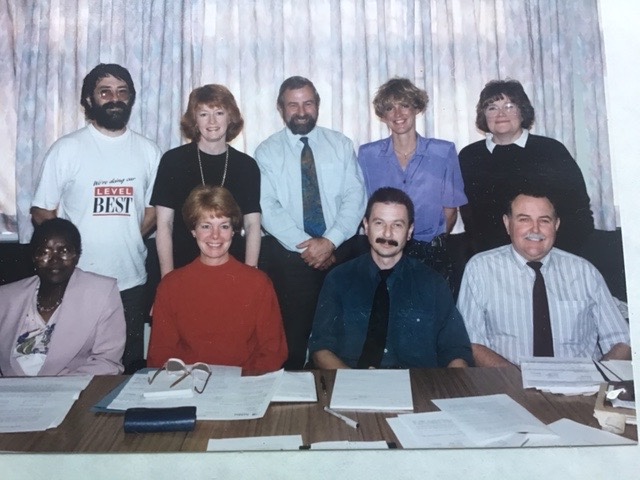
Jill and I, top row and left, led our team of managers of the Kirklees government section that provided services to disabled people, in the 1990s.
Disability Services included day and residential centres, equipment and adaptations to their homes, WORKLINK to get integrated employment, daily meals, care at home, social work and housing.
I have very fond memories of our time together and the dynamic team we created that made a difference in so many people’s lives.
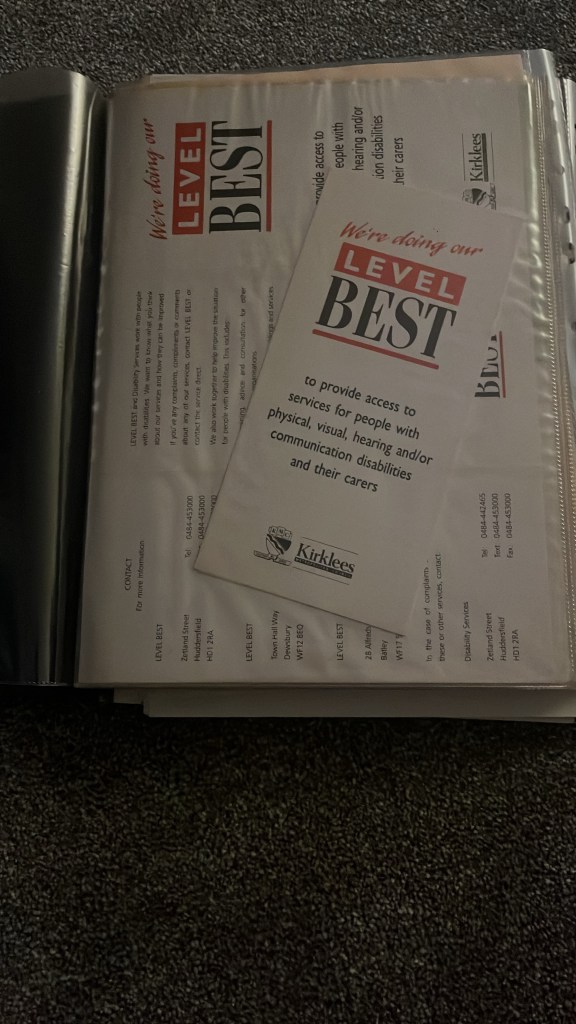
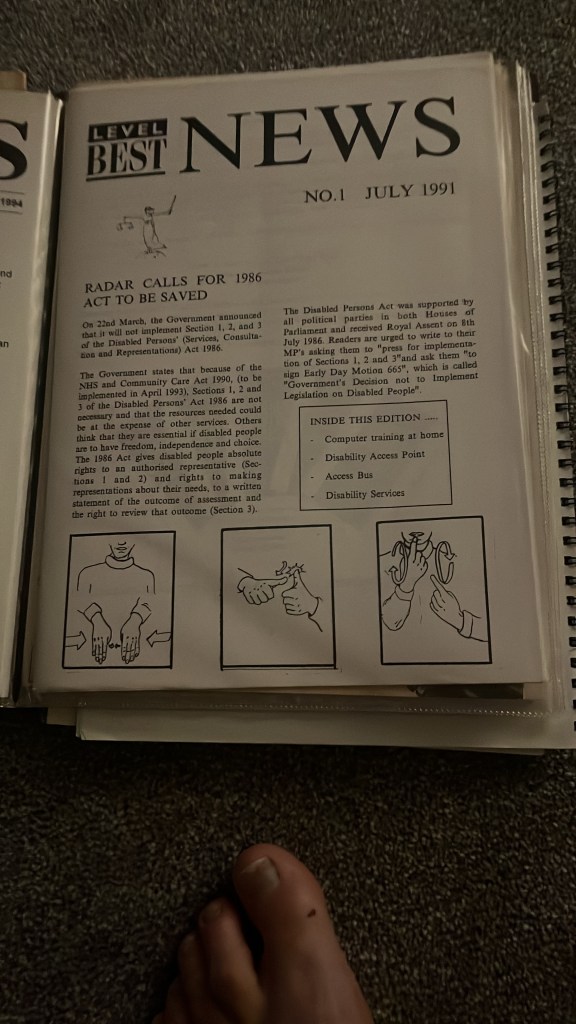
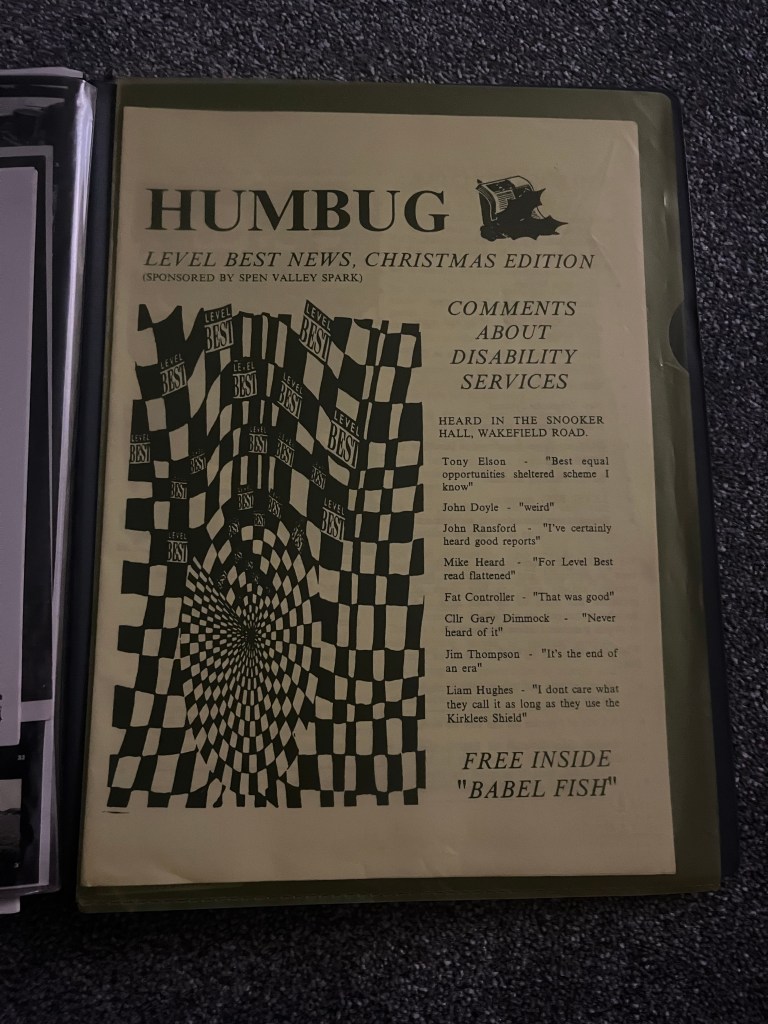
We were fortunate and known for a programme of work (LEVEL BEST) to be able to involve disabled people in telling us what they wanted from the services leading to a series of innovations, including ….
– information service
– advocates to help people understand and get the services they needed
– community based daytime activities
– integrated housing
– disabled people’s electronic village hall providing access and training to computers
– a shop selling equipment
– accessible transport service to the wider disability community.
…and a conference to pass on our learning to other organisations.
We were a wonderful team, at a special time who found ways to do things differently .
Thanks guys.
Footnote
LEVEL BEST was a campaign of different methods such as: a reference group, market research panels, public meetings, interviews, to involve disabled people in telling us what they wanted from a reorganised public service. It led to a business plan and fundamental reorganisation of the overall service.
After footnote
That was thirty years ago. Unfortunately the money available to provide such services is reduced and demand has increased. Political priorities change. People are however continuing to provide essential services in difficult circumstances.