How do we and our organisations learn and develop?

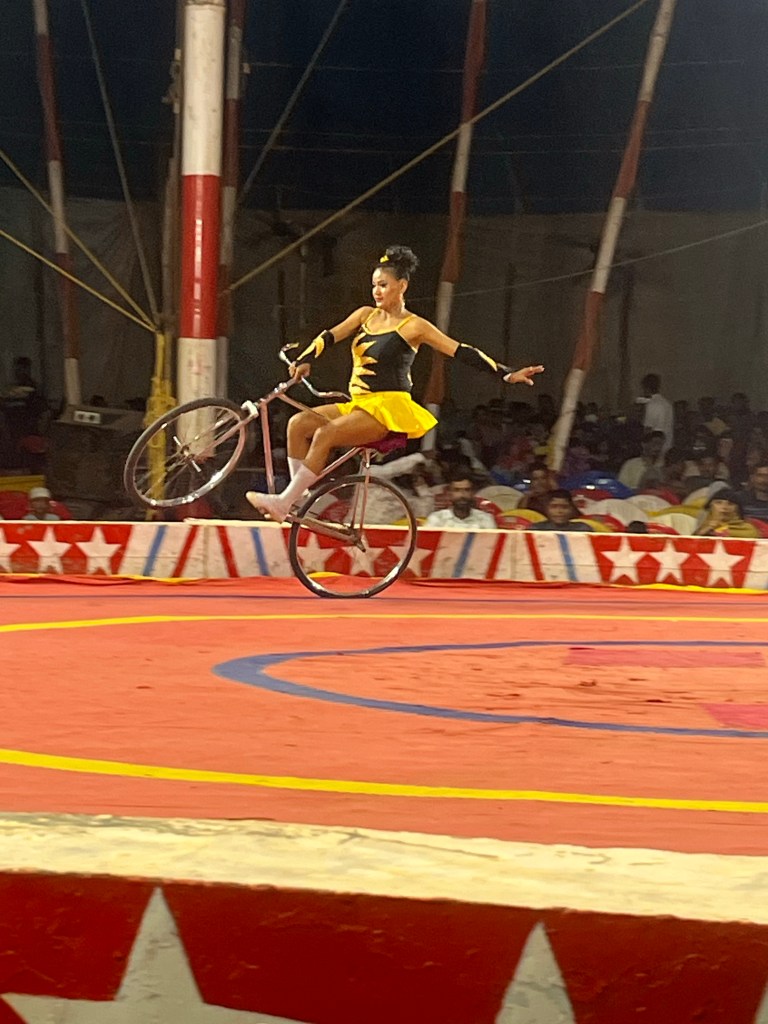
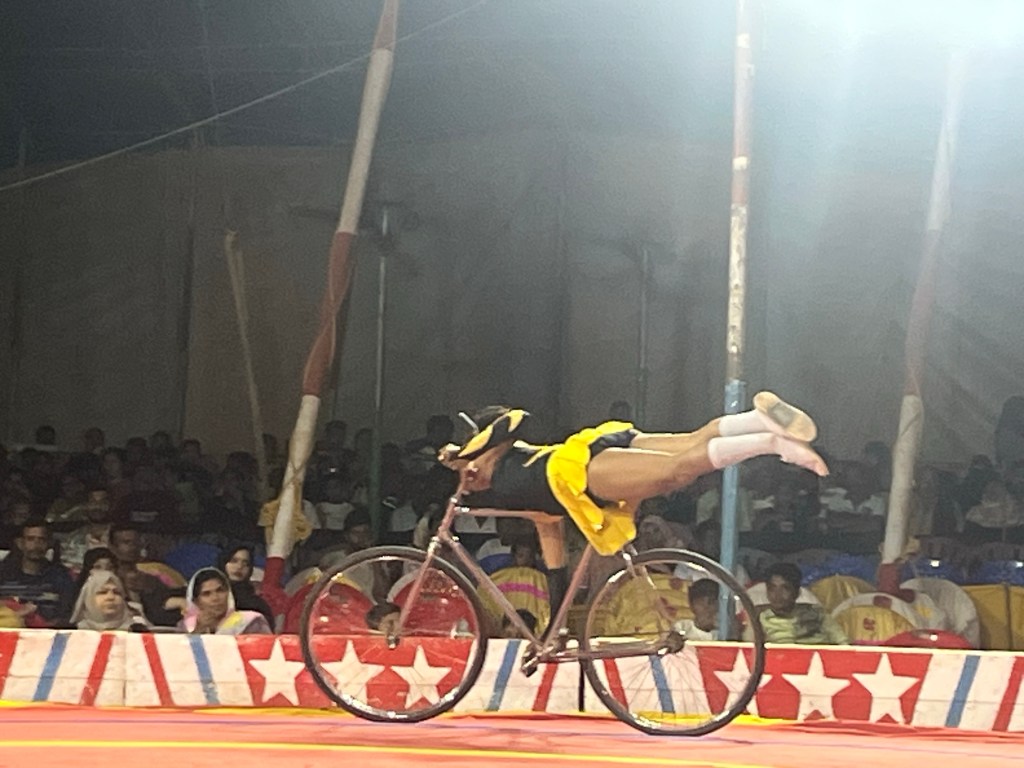
A major challenge for any organisation and for individuals is having the confidence to take risks. Thats how organisations innovate (if they don’t they’ll not survive) and its how people learn and grow We can see this everyday —- its our duty as managers, teachers, parents, friends, to help people take risks and learn from the experience. If we’re too worried to try new things or making a mistake we’ll not change or grow. We’ll be stuck physically, mentally — socially and economically.

It’s about stepping out of one’s ‘comfort zone.’

Same for our organisations, which might become less competitive and left behind, if they or their employees are too scared to step up

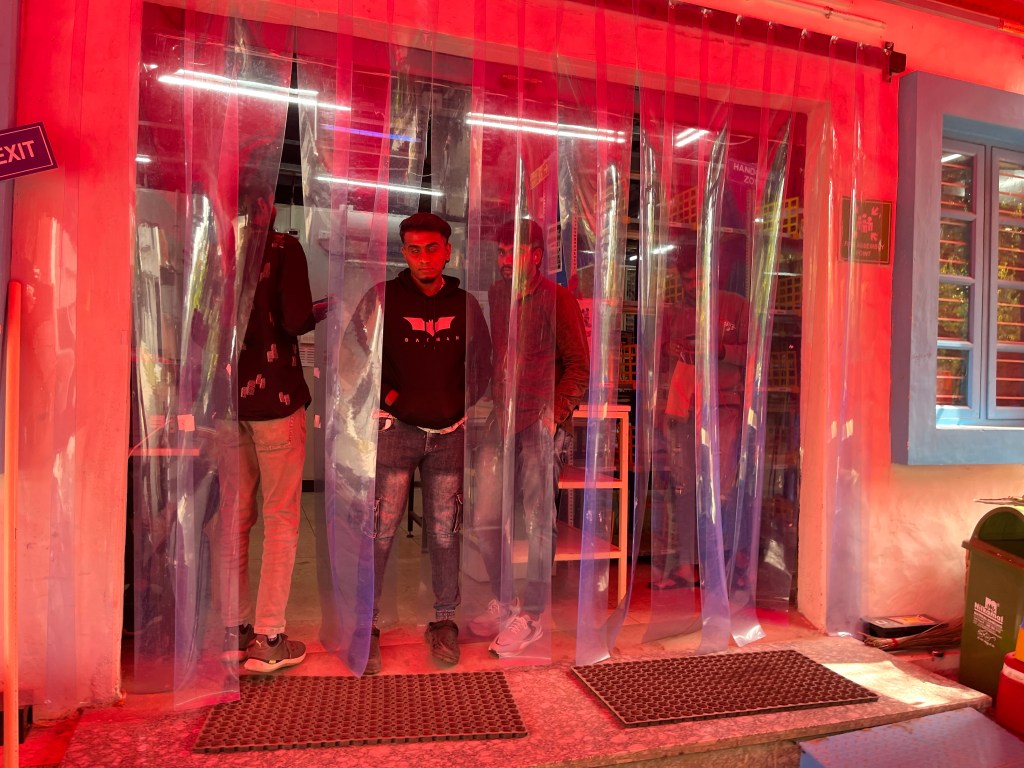
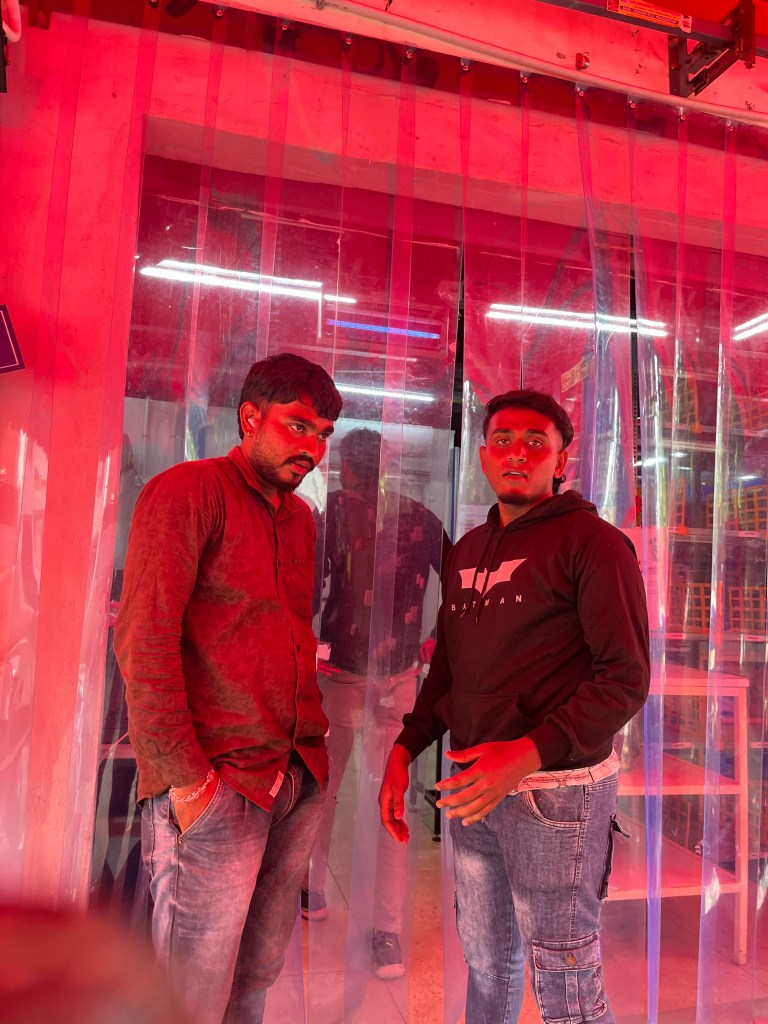
I saw yet another example of it today at Flipkart.

As a company they were in prime position when they first launched. I wonder what they feel now. Have they progressed as fast as they expected?

If not then what can they learn from it?
How about empowering their employees to innovate?

Games people play

I like finding similarities that help us find bridge points and make connections.

I’m often sharing experiences of similarity to show how connected we really are… that especially important in our global political environment.

To guests and the young people who’ve joined Manjula’s Mysore’s network I often give this example.

When I meet a new English person they’ll try and figure out where in England I’m from. My accent will easily show I’m from the north of England.

After a little more dialogue they’ll probably hone in on Yorkshire county rather than Lancashire.

Certain words I might use would indicate I’m from a working class background.

I don’t mind that —- fact is,—I’ve crossed many boundaries in my life. A particular help has been going to university, the first in my family.

In India people think class is an insurmountable experience. In my case it definitely wasn’t. In fact I think that, being middle class from a working class background is an advantage.

People I’ve talked to, think class is somehow like caste. I don’t think that’s true at all.

Caste seems so prevalent in Indian life and potentially much more damaging to individuals and society overall.

I think there’s an added issue. There’s a joke that people from north England don’t ‘do’ deference. I think that’s quite accurate

I like to think of myself as egalitarian. Don’t misunderstand — I have my prejudices and being aware of them is a critical step in dealing with it — leading to some personal change.

..

I’ve realised one of the additional problems that colonialisation by the British has created for India.

Distraction from other important battles.

It’s the colonialists to blame for diverting the community’s political energies. Unlike in Europe in the 19th and early 20th centuries where the social structure was beginning to be challenged — in India the energies were used necessarily to throw off the outsiders. They missed the opportunity to use that time and people power to throw out the traditions. I hope that the growth of the middle classes, the lower castes using their muscle we might see a correction and move away from the feudal.

Let’s see.

Dharma

I’ve always had a soft spot for Ashoka who was an innovative Emperor in India over two thousand years ago.

He was the emperor who converted to Buddhism after regretting his army killing thousands in the battle to take over what is now part of the state of Odisha.

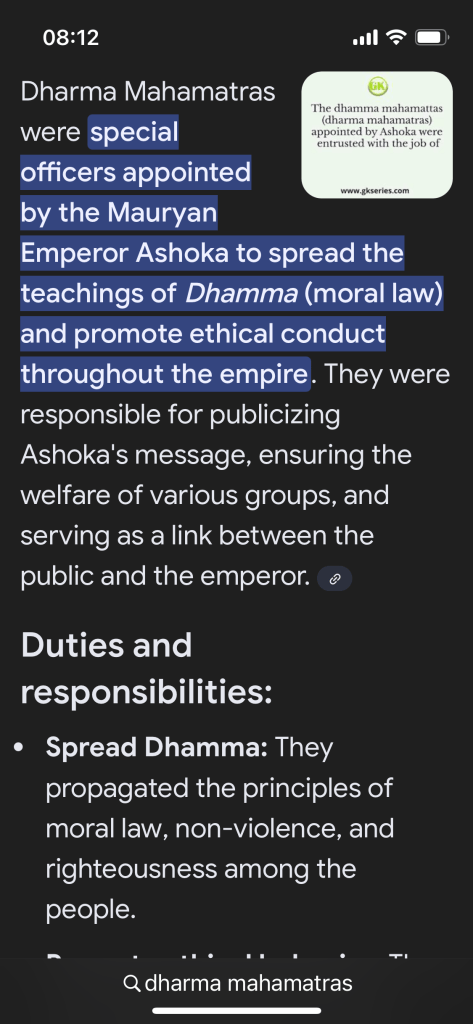
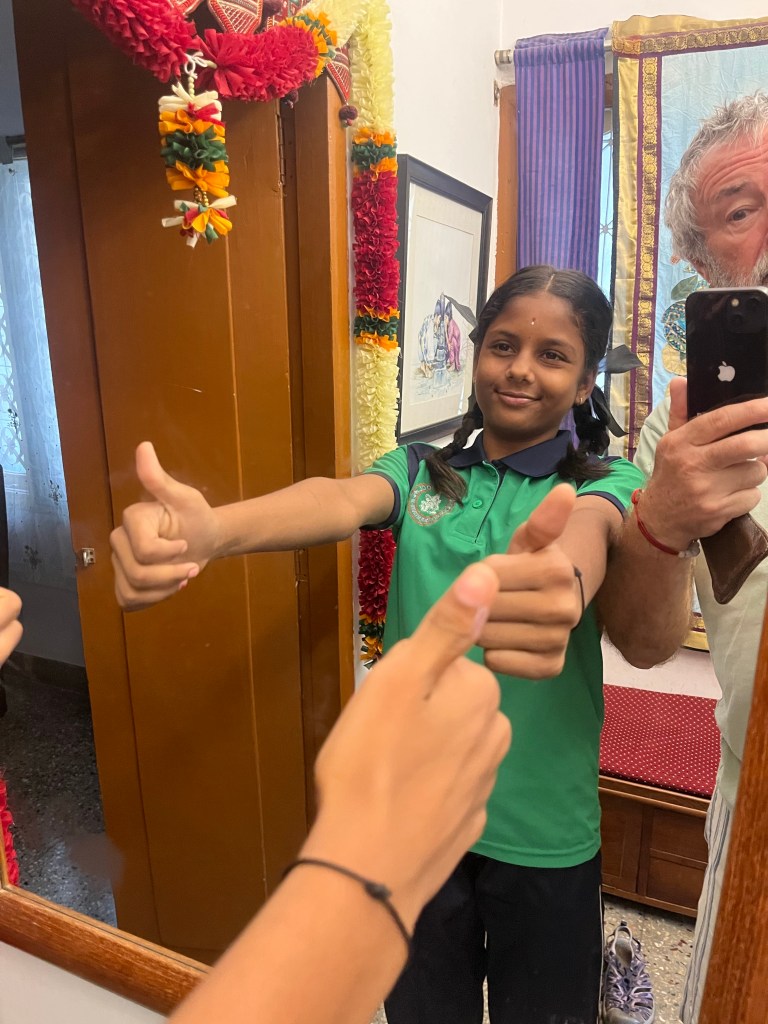
This week, I’m helping Kaveri with her revision and learning about the Dharma Mahamatras, appointed by the emperor to do good.

I like that

I’m feeling the connections

🤭

Look

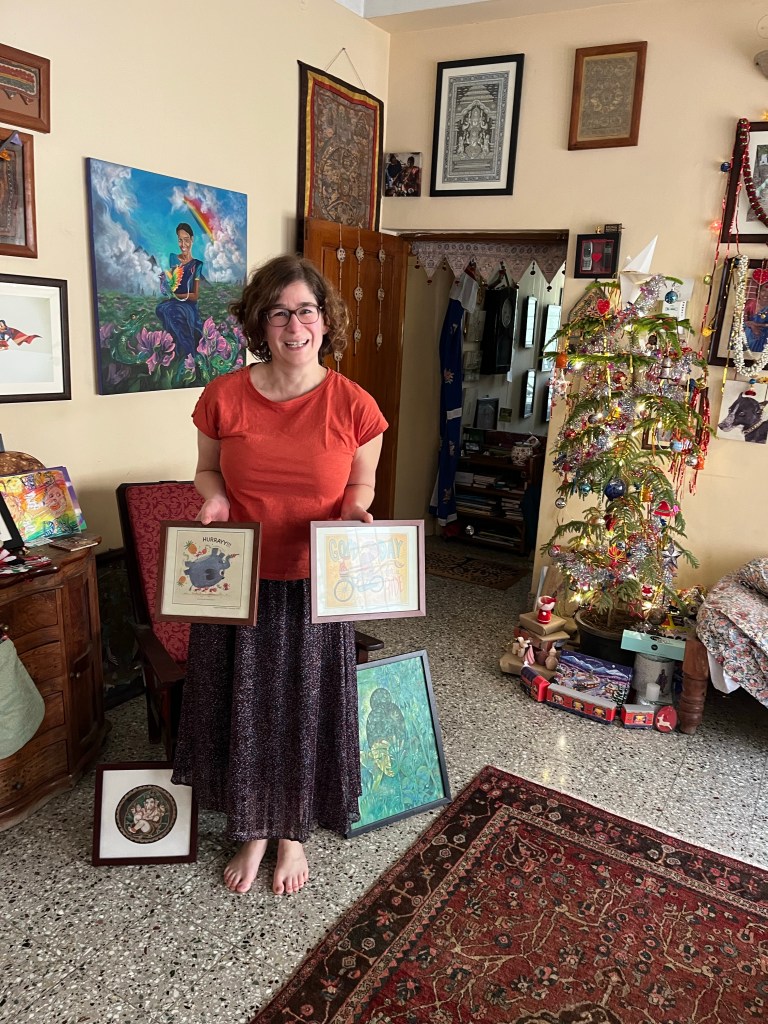
We’ve even got our own copy of an Ashoka column, in the house. It was one of the ways he promoted good amongst his people.
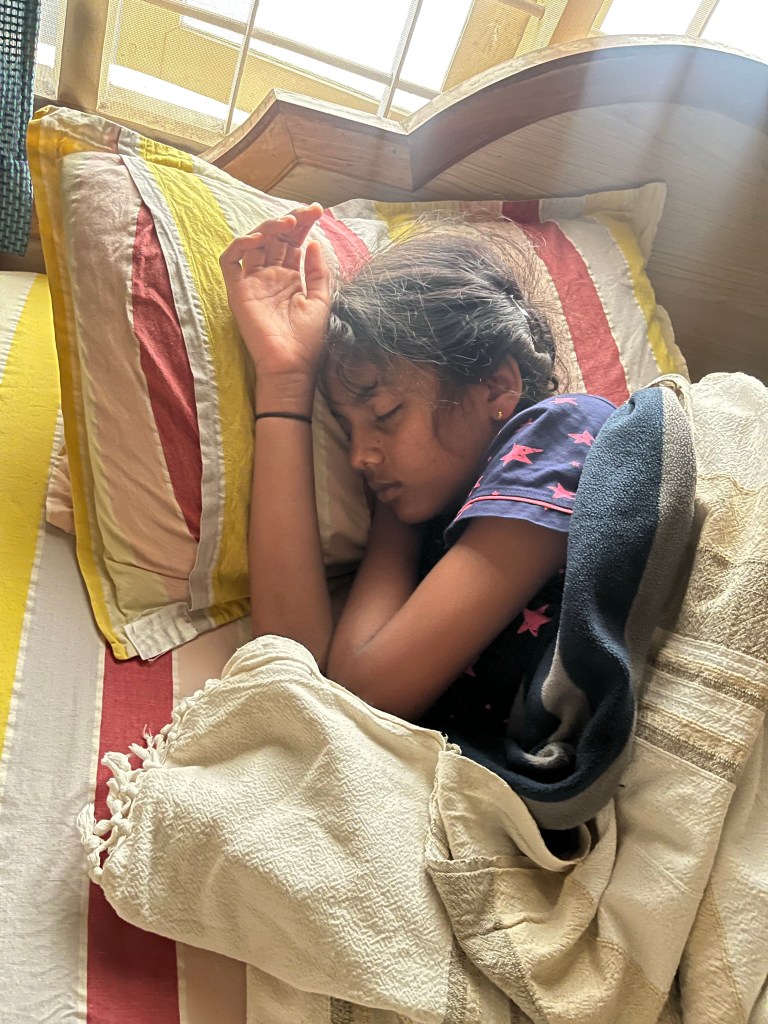
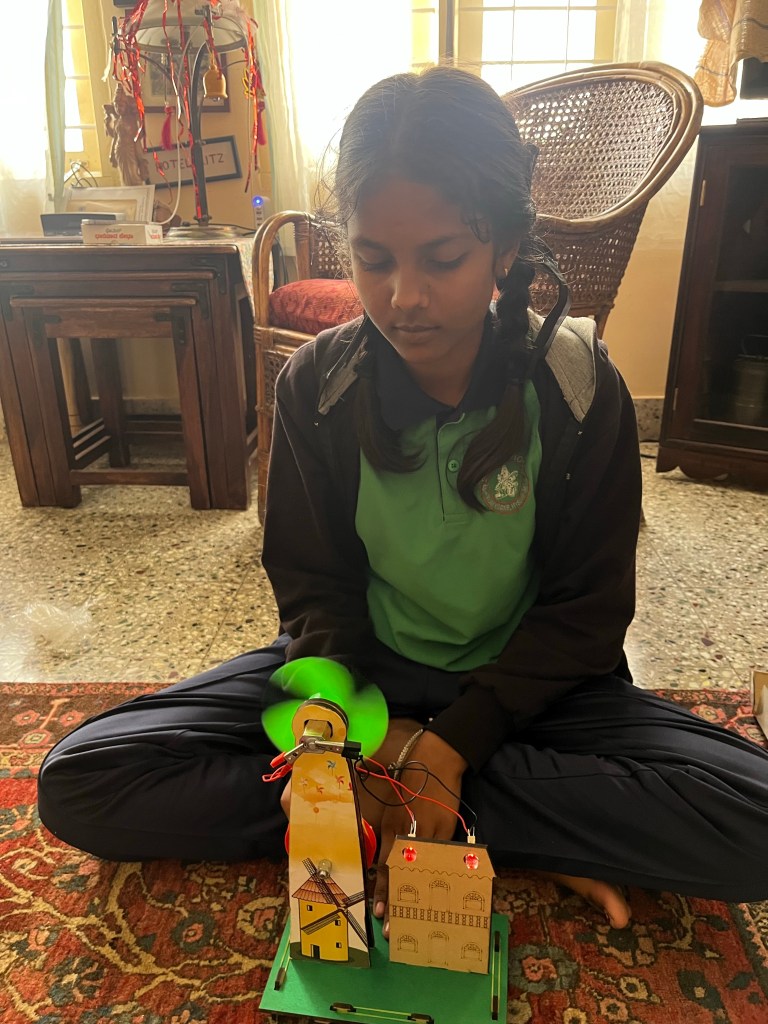
So maybe I’m a reincarnated Dharma Mahamatras?

I quite fancy that.

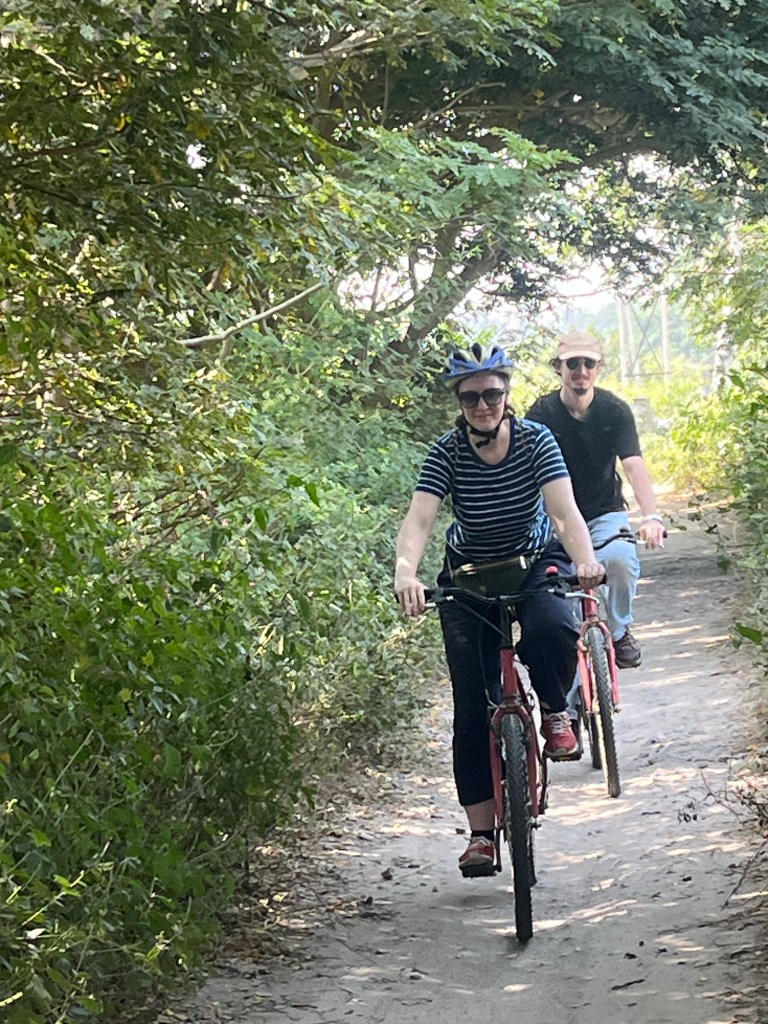
Look at the evidence: social and community work, experimenting with participative democracy in England, radical work with disabled people, ‘Seeing is Believing’ events in India to establish community/business partnerships, facilitating the development of hundreds of community projects and groups, in the name of MAnjula helping young and old people and gifting almost 50 bicycles. I even helped design and deliver — for an Indian company — European-wide workshops on interpreting their ethical policies into appropriate daily business behaviour.

Ok ok, that’s enough of the trumpet blaring. It’s important to say we should be facilitators in helping each other.

Farrell factoid footnote.
What’s the difference between illness and wellness?

I and we, admittedly a joke but with a serious message. We should connect and cooperate to be kind to each other. As sapiens we’ve taken a wrong turning.

I’ve always looked for the ‘we’.

This is so obvious to me.

A top priority is ..

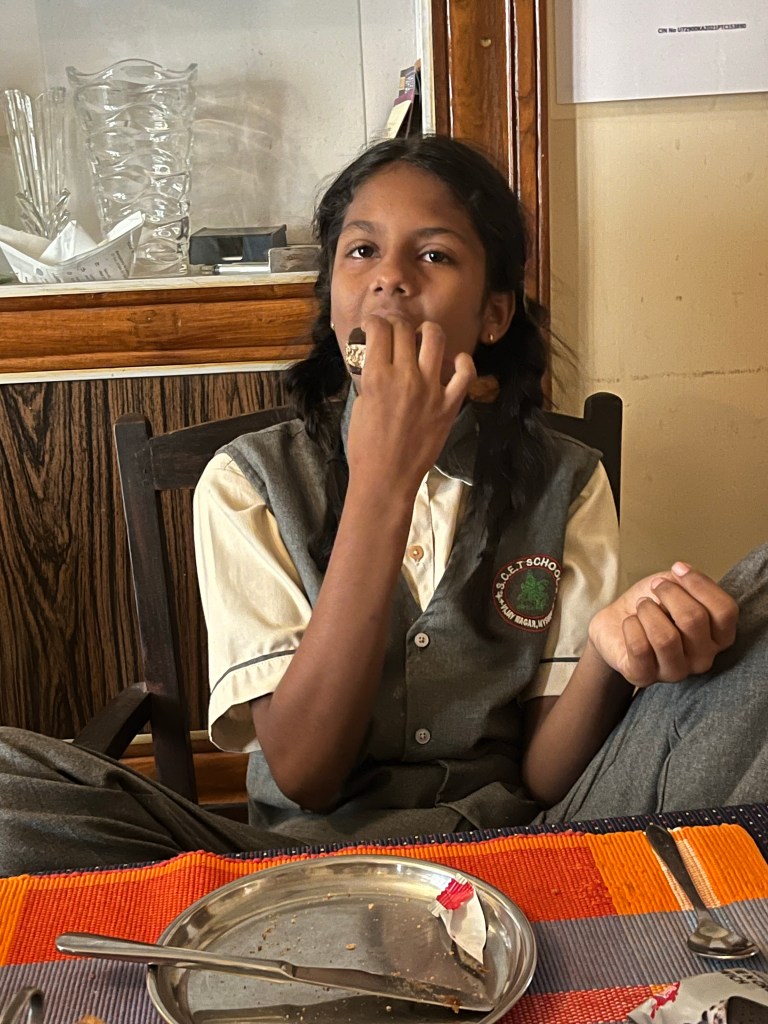
.. Kaveri and helping her develop and grow. When you meet her ask what BK is.

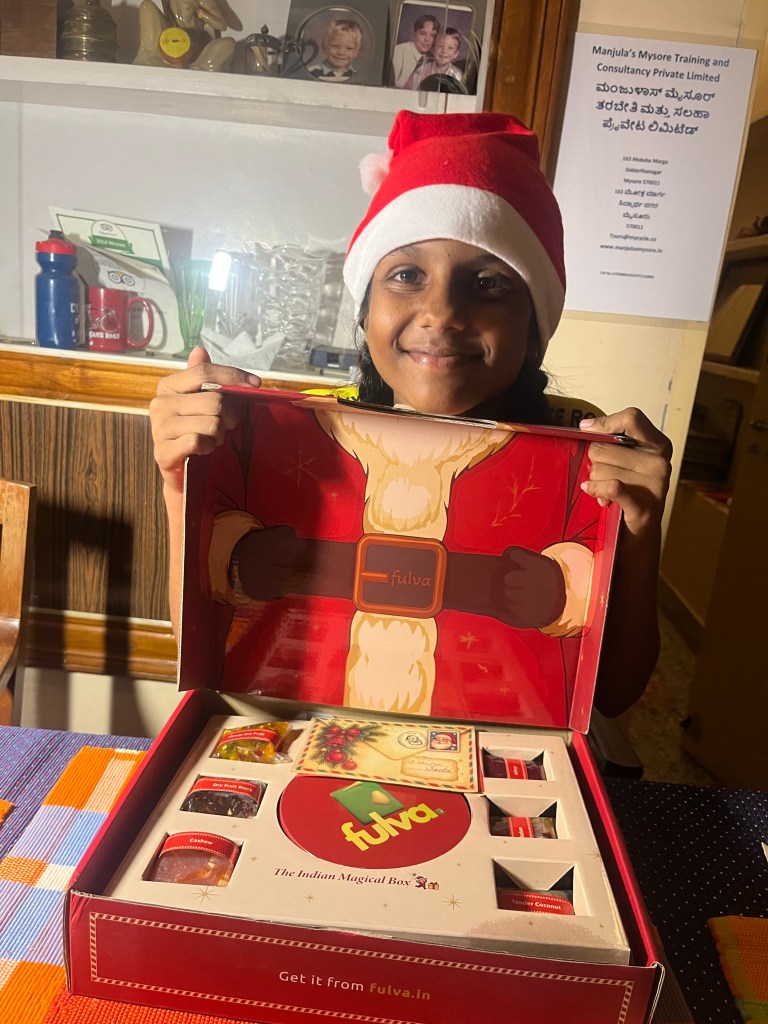
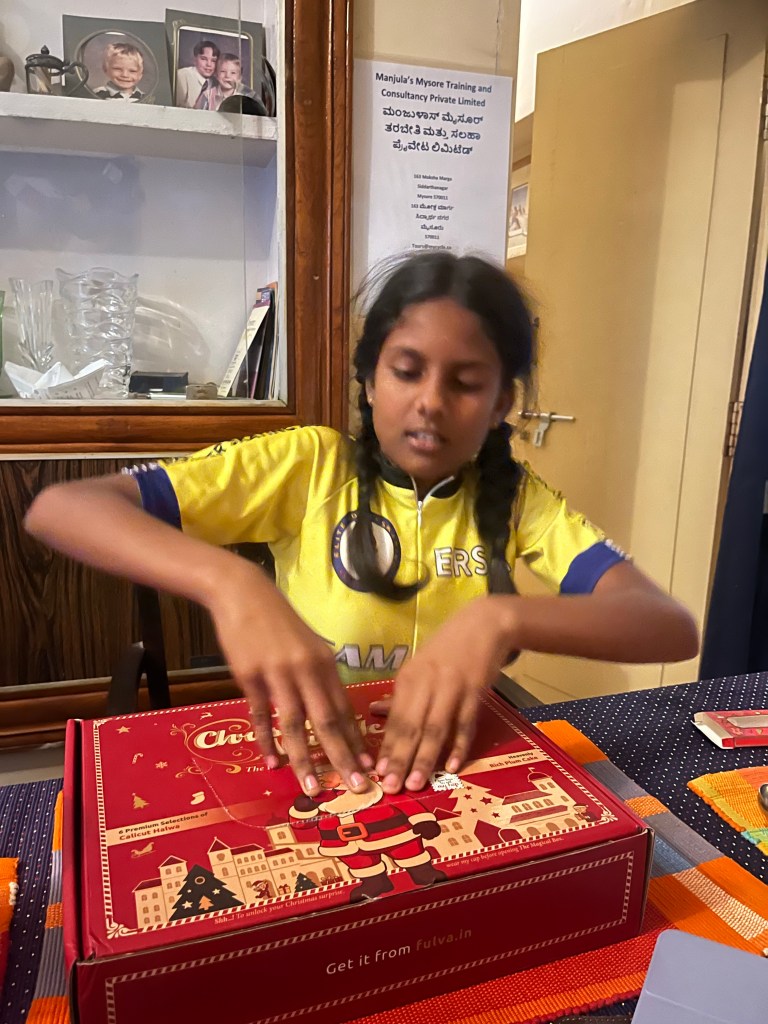
A wonderbly gift

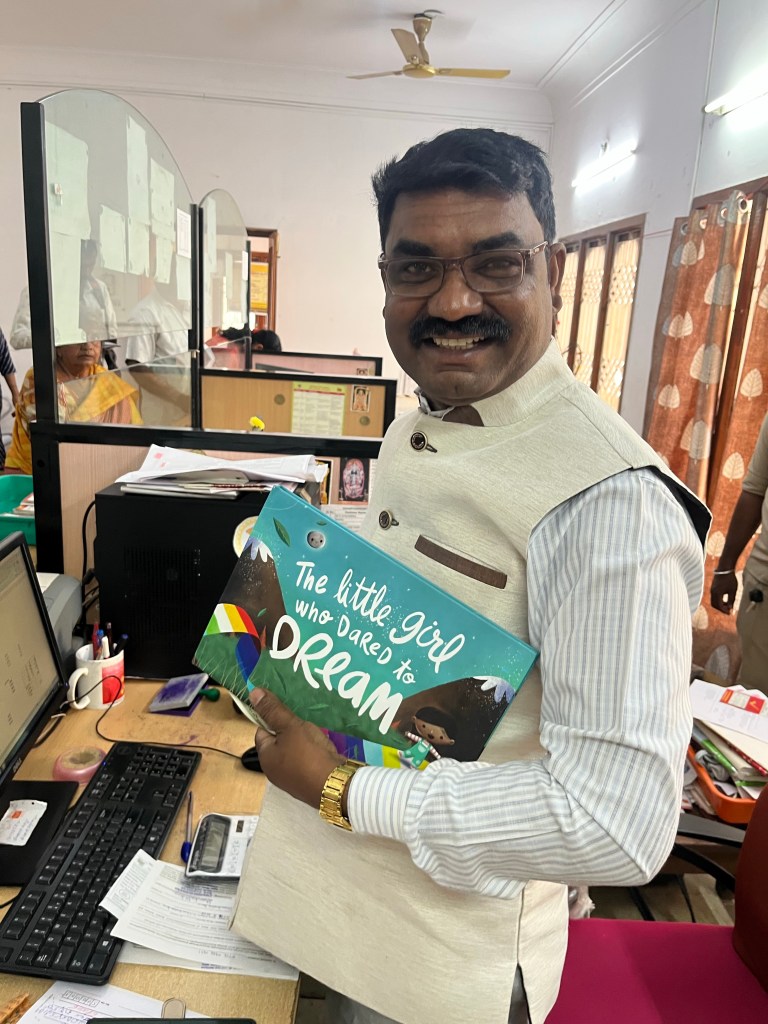
Kind guests donated two books for Kaveri

I collected the parcel from the post office today.

We’ll reveal more …
Of what’s in these wonderbly books once Kaveri receives her presents.

The officers tried their best but they were unable to delete the tax charges.

It was over 30 U.K. pounds or 3,000 rupees for two books. That’s the equivalent of what we pay for over a month of Kaveri’s education AND the cost of one of the very special personalised books.

Not good.

Farrell Factoid

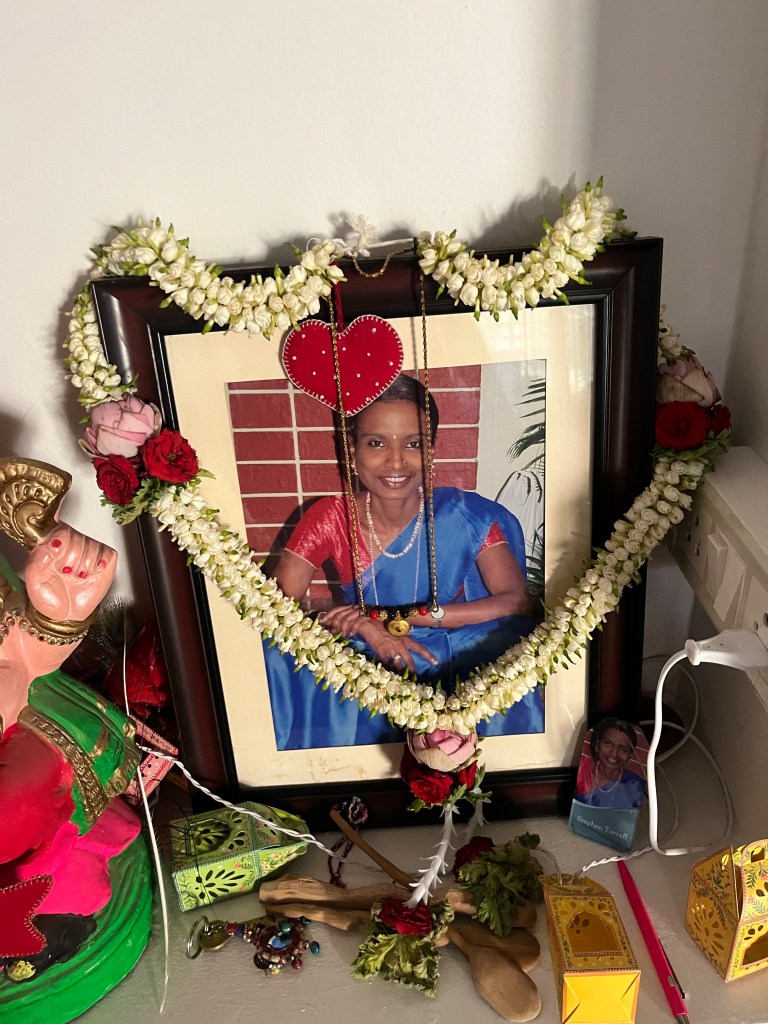
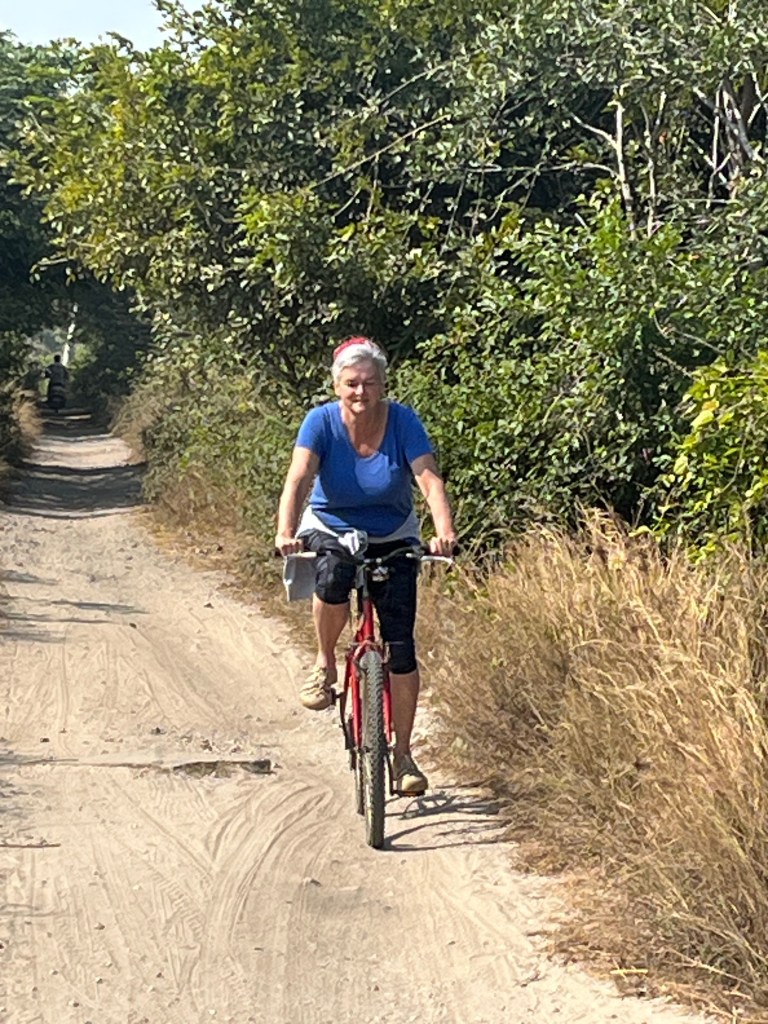
In Manjula’s memory we give and support. That’s so far included over 50 bicycles, meals for elders at an ashram, creativity days for young people (including this one for visually impaired young women)

The costs of education and meetings of young people (aka reflective space), teaching and presentations.

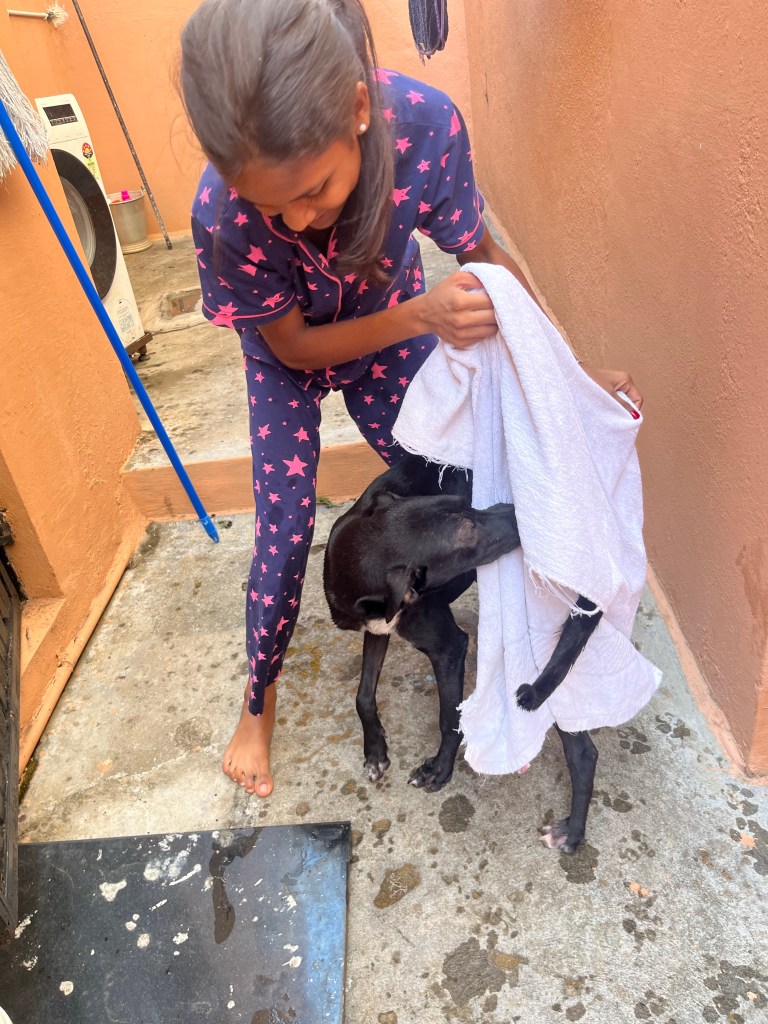
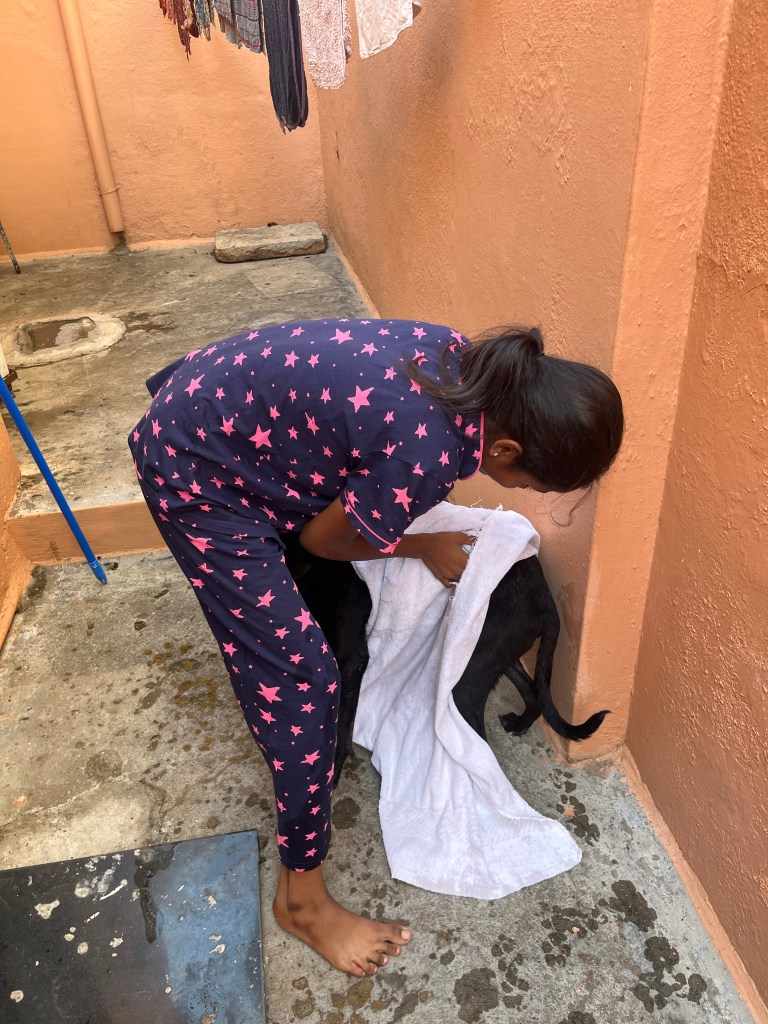
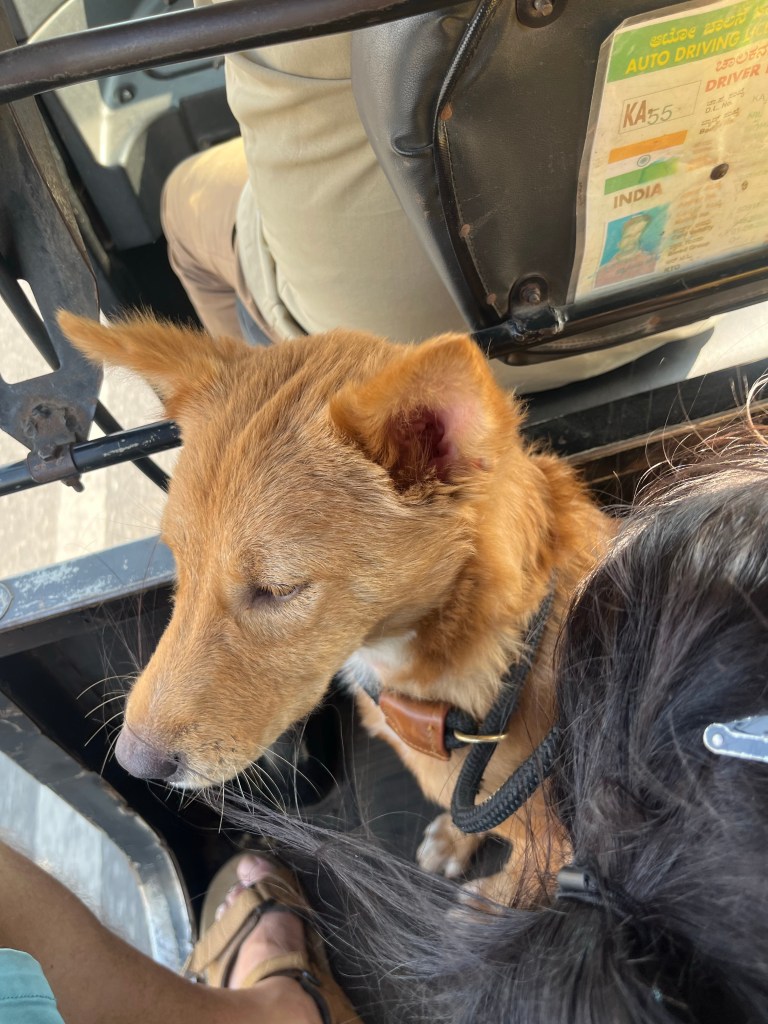
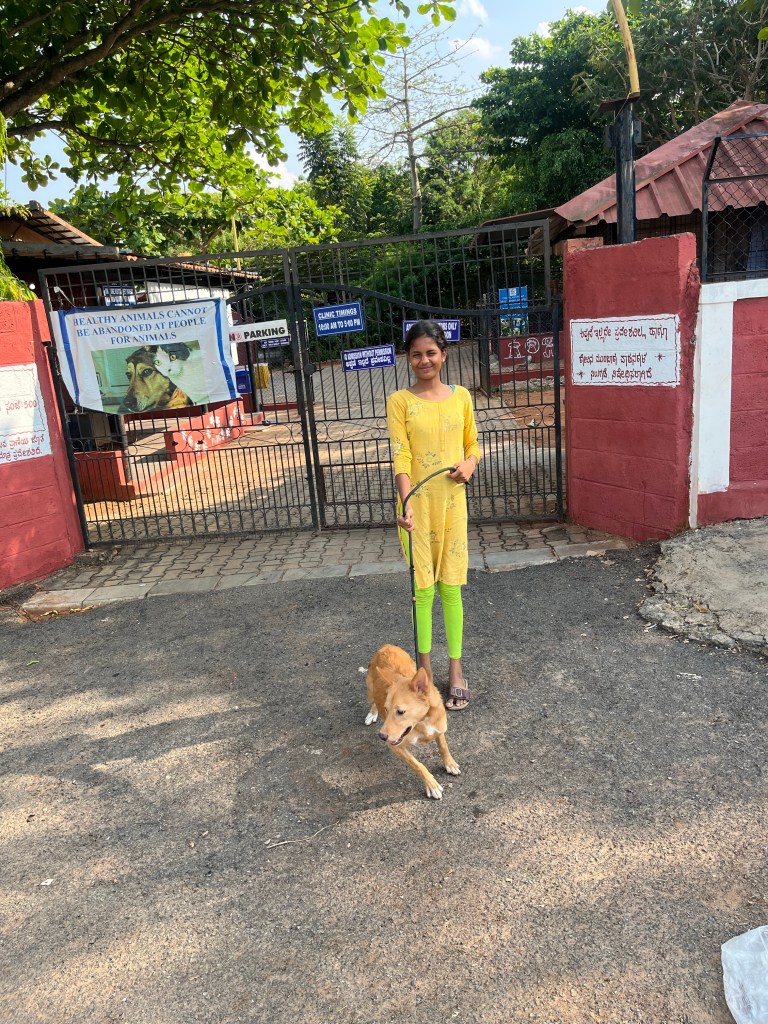
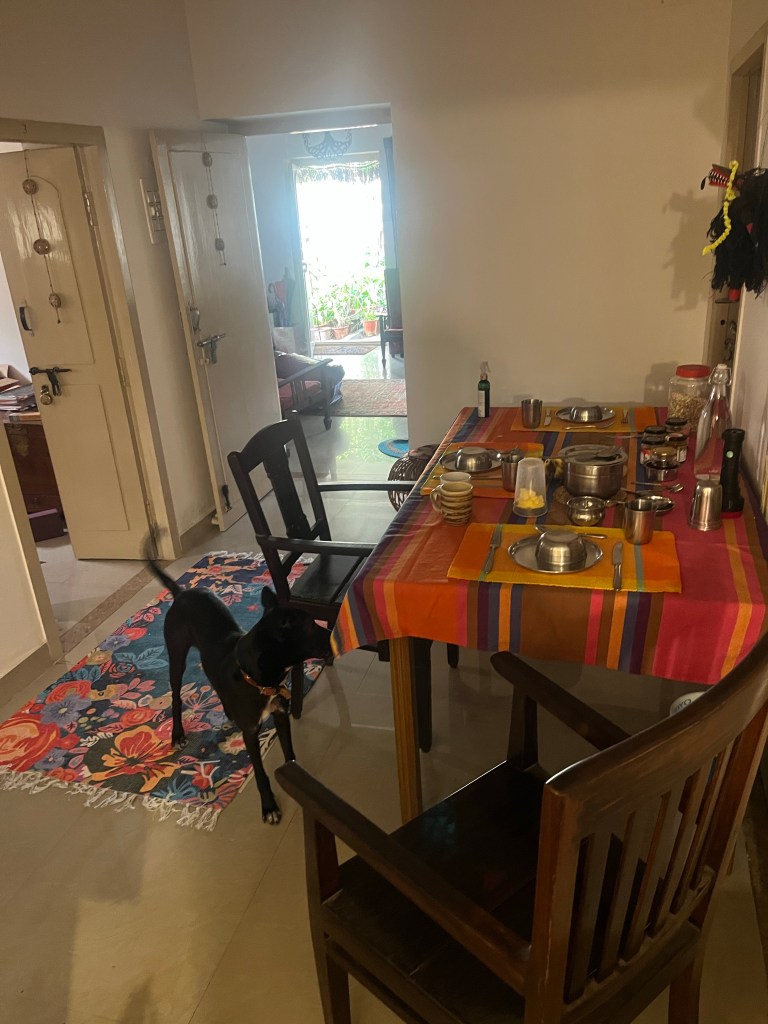
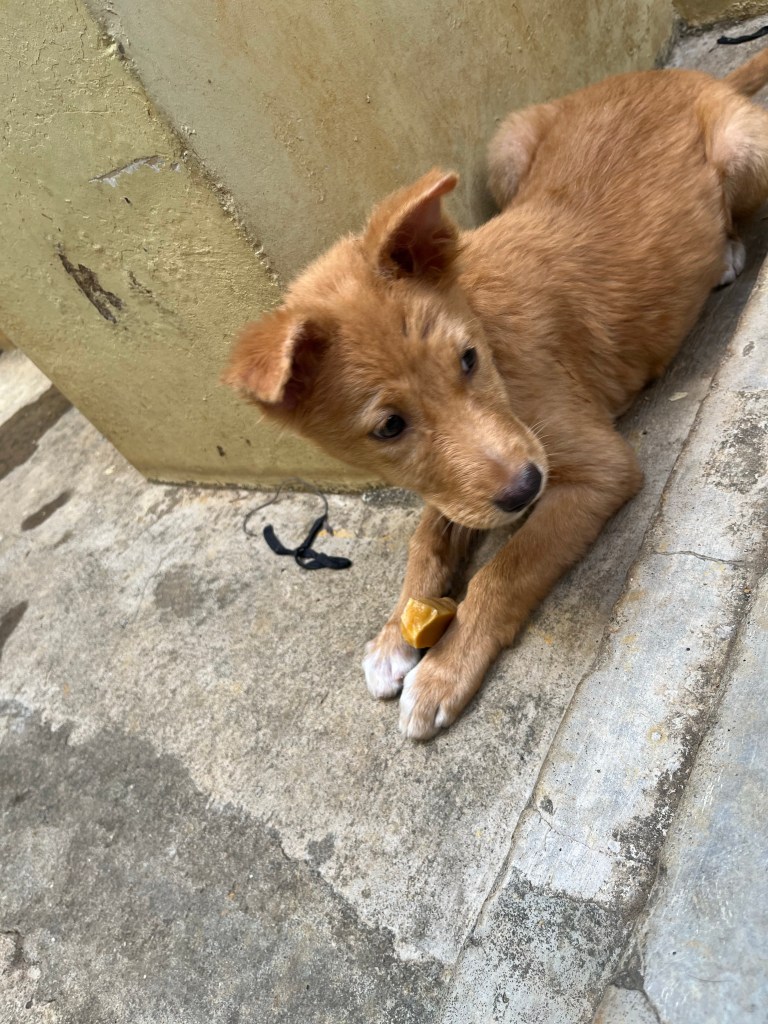
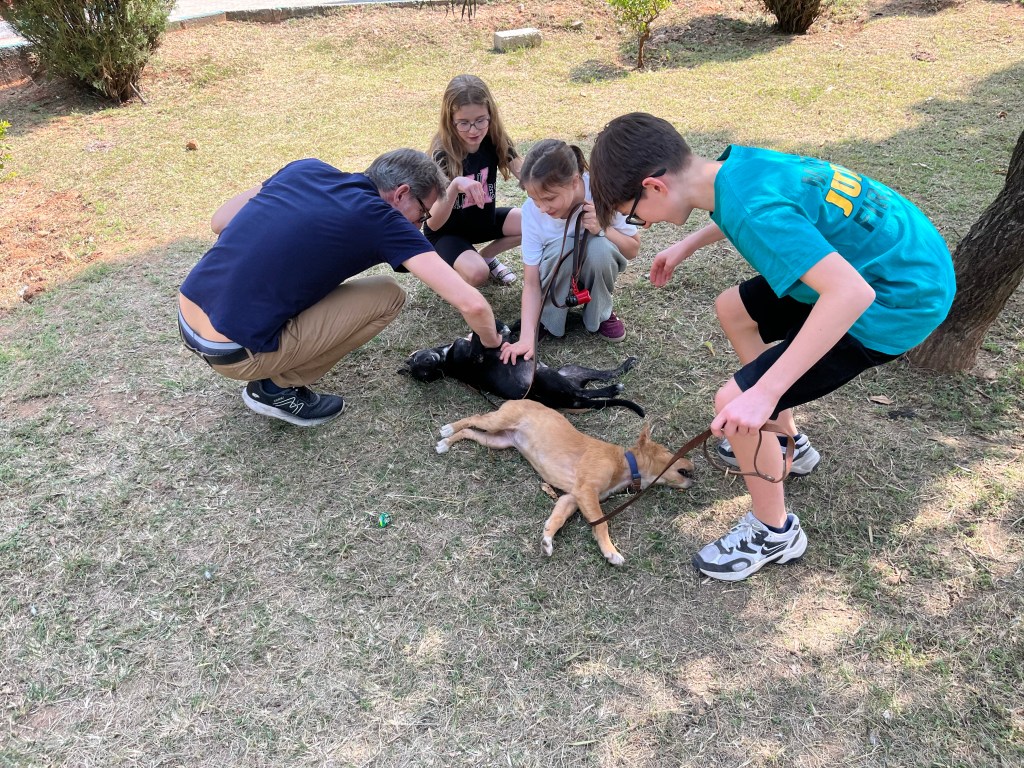
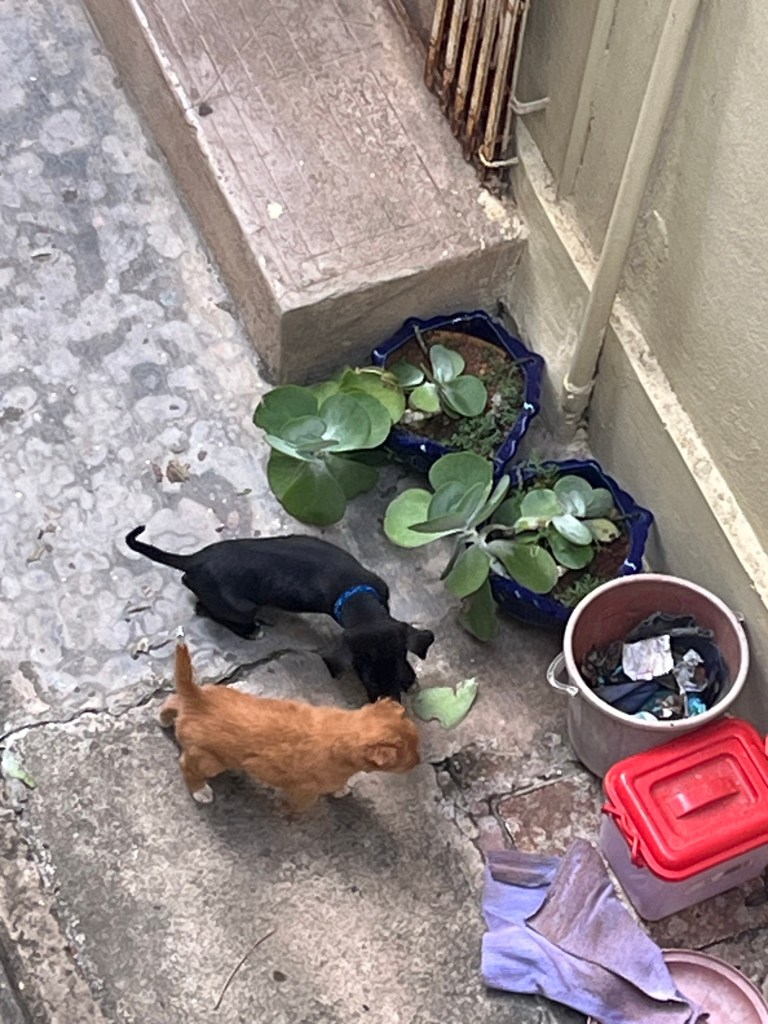
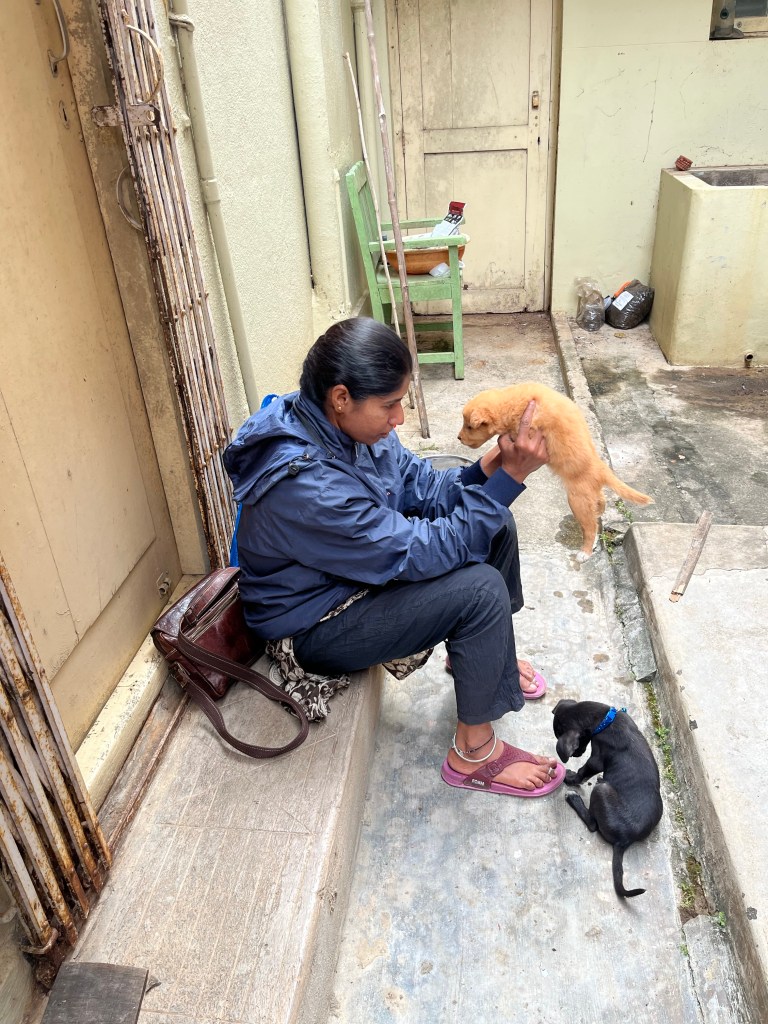
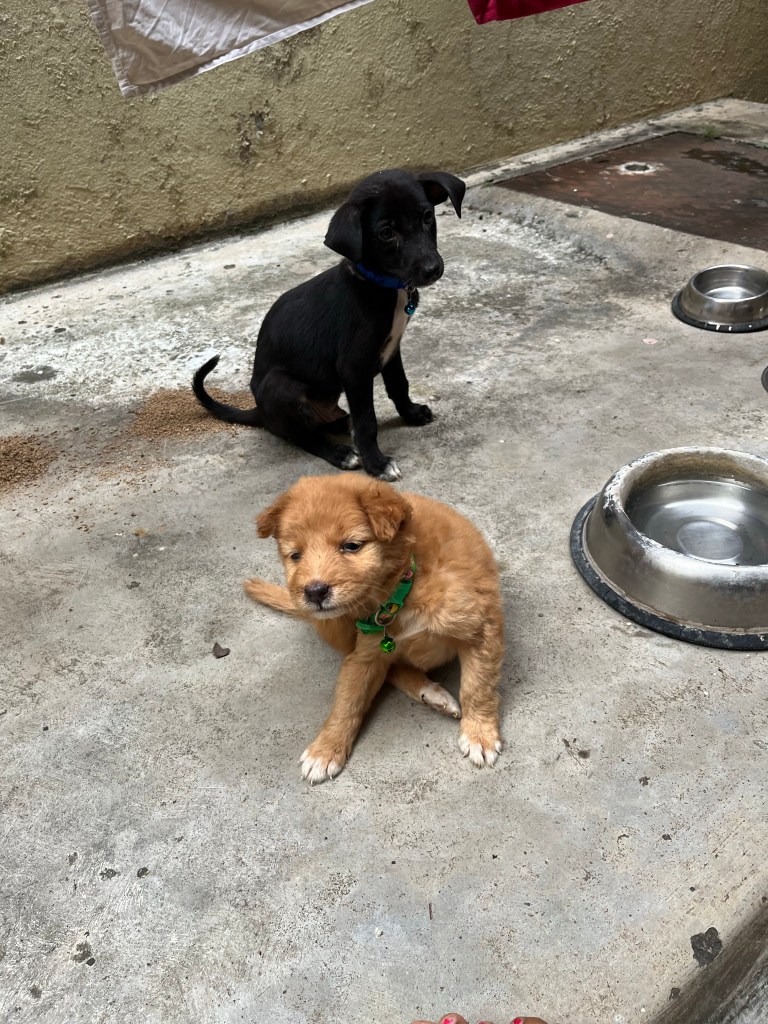
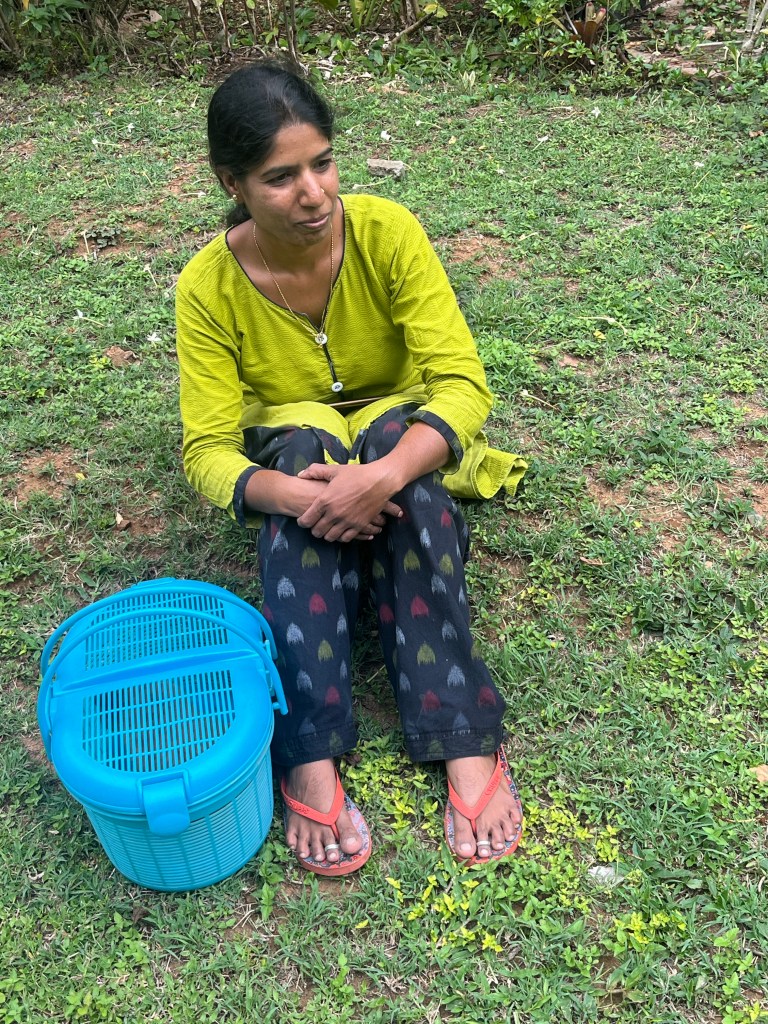
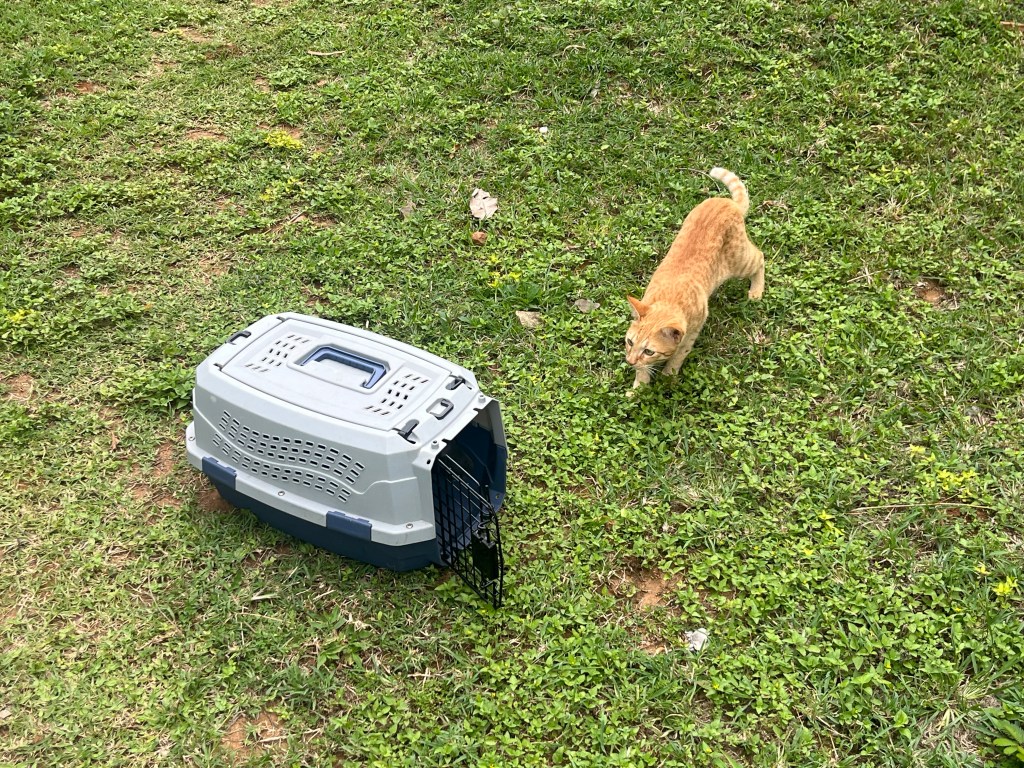
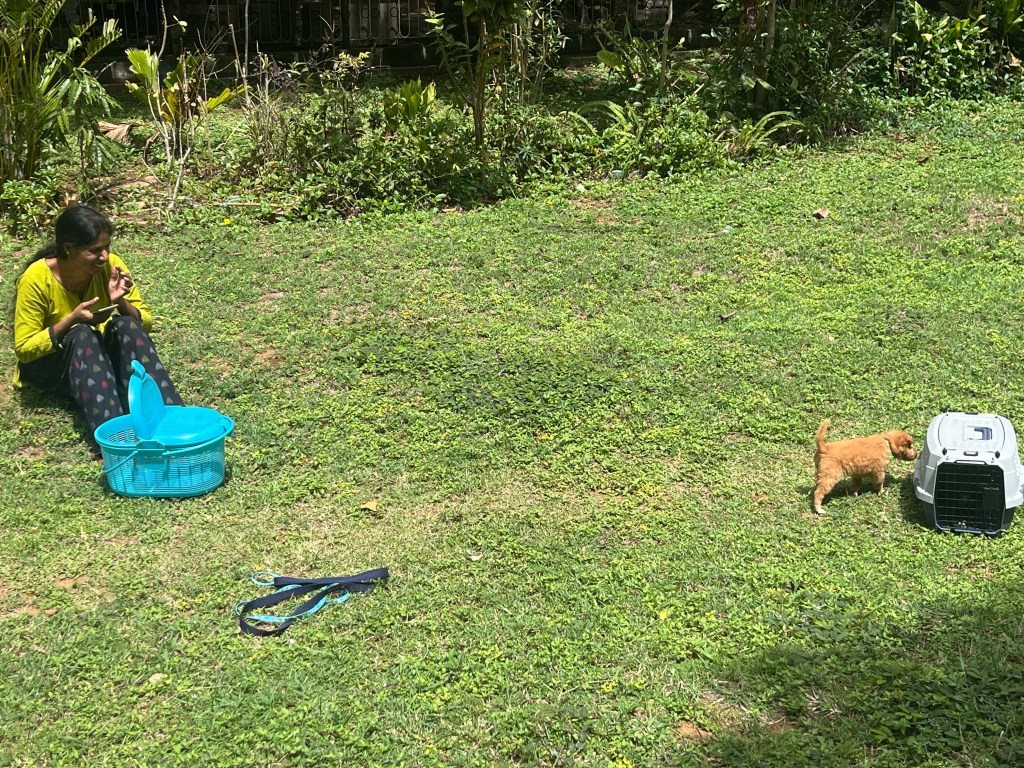
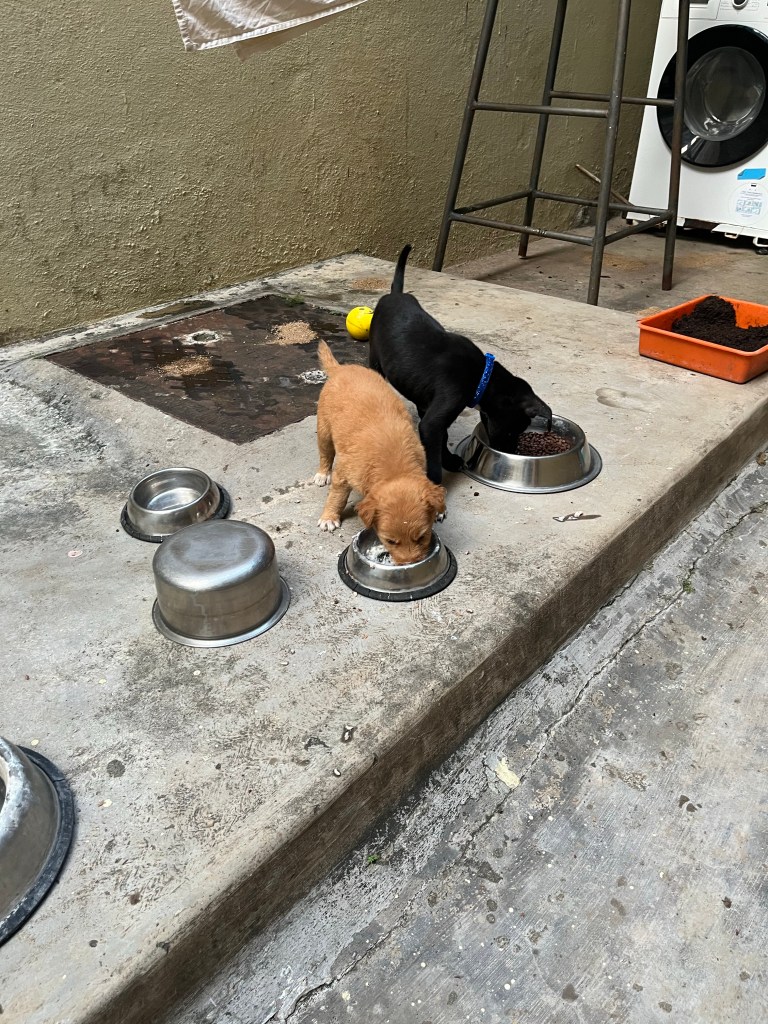
Puppy training

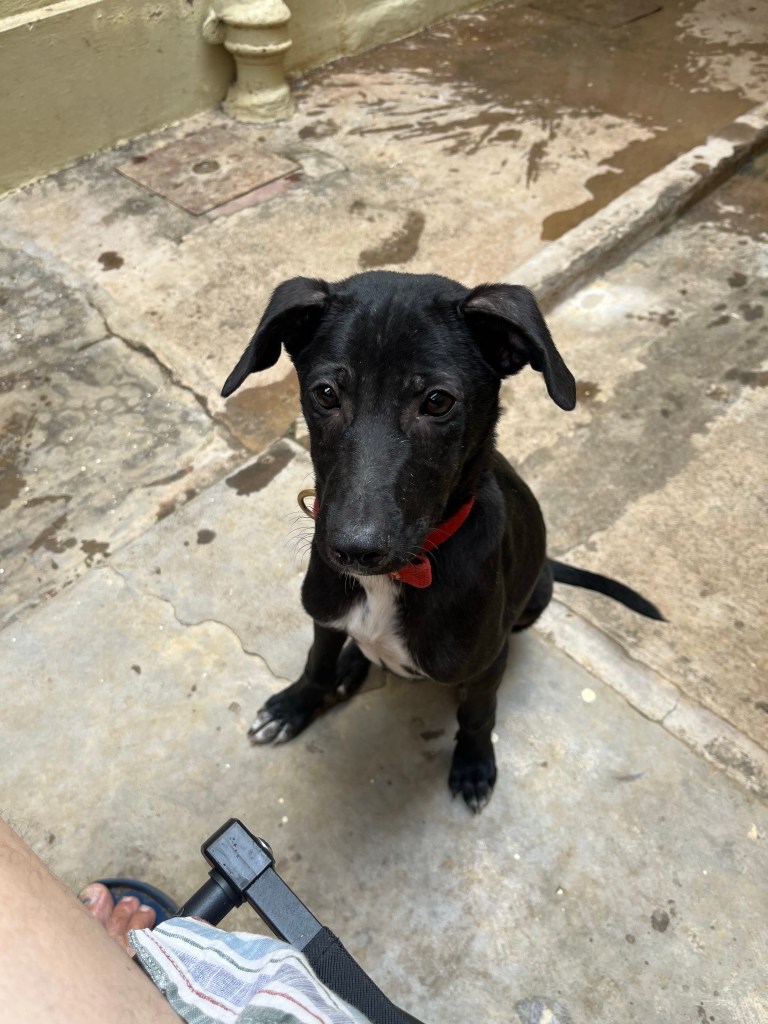
Somehow, I don’t think my trademark— facilitating — is going to work in this situation.

After two days of chaos, we need a new approach. So ….

… we cleaned up the mess

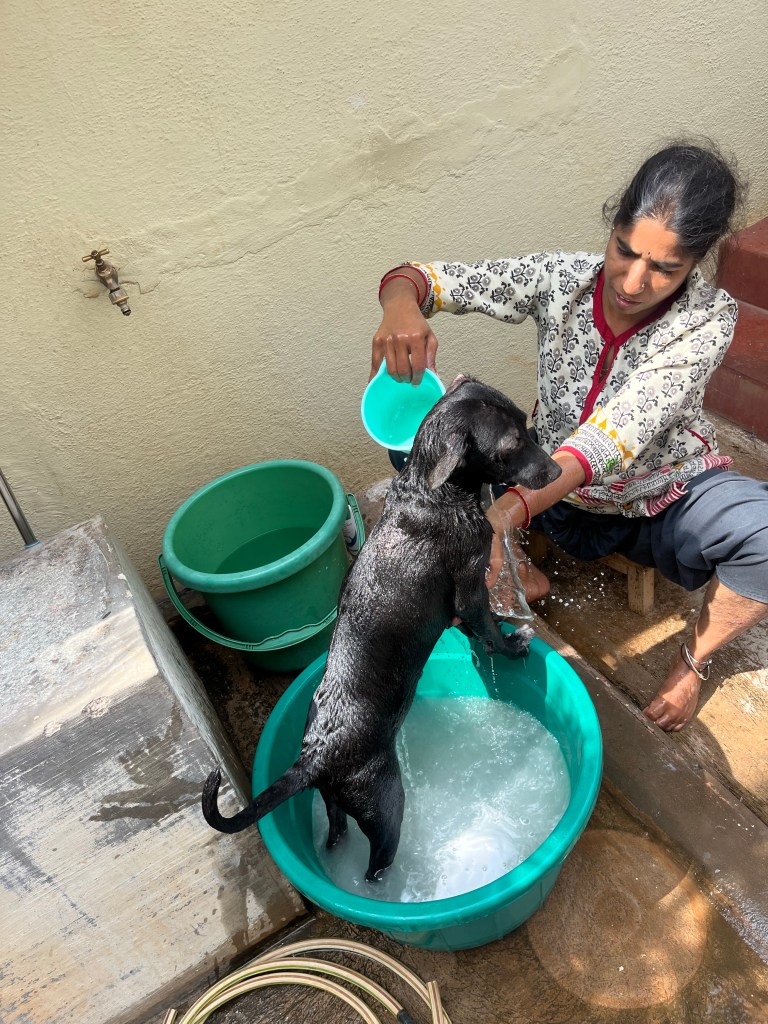
Sowbaghya did a sterling job with my pathetic assistance.

Then some changes..

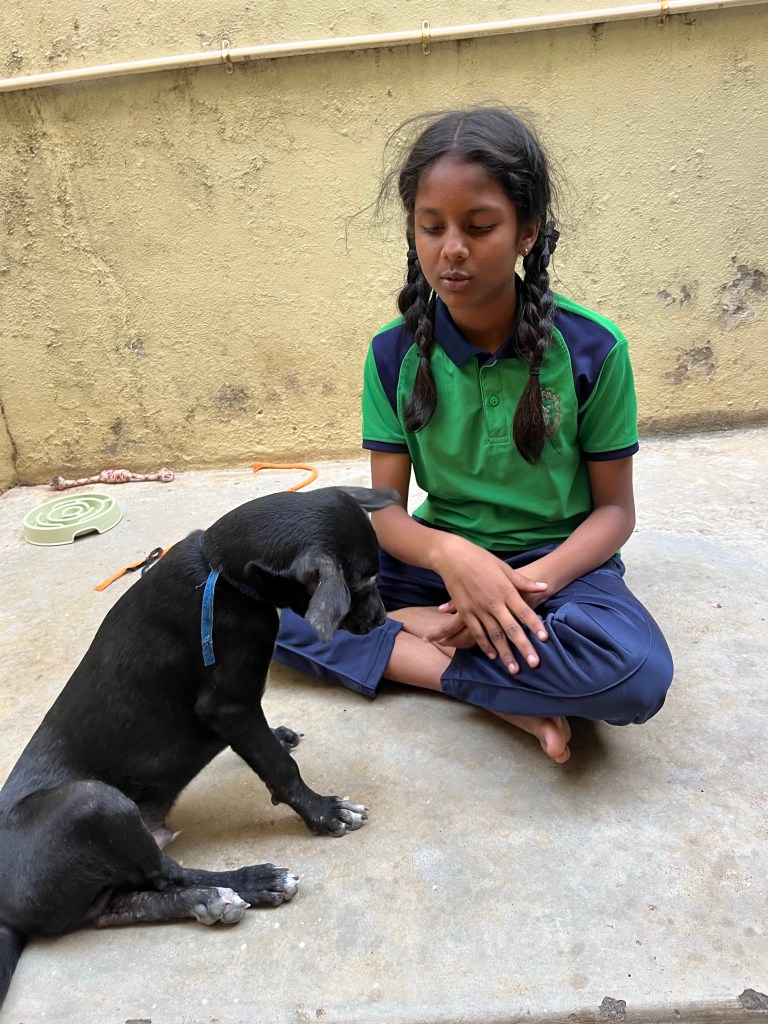
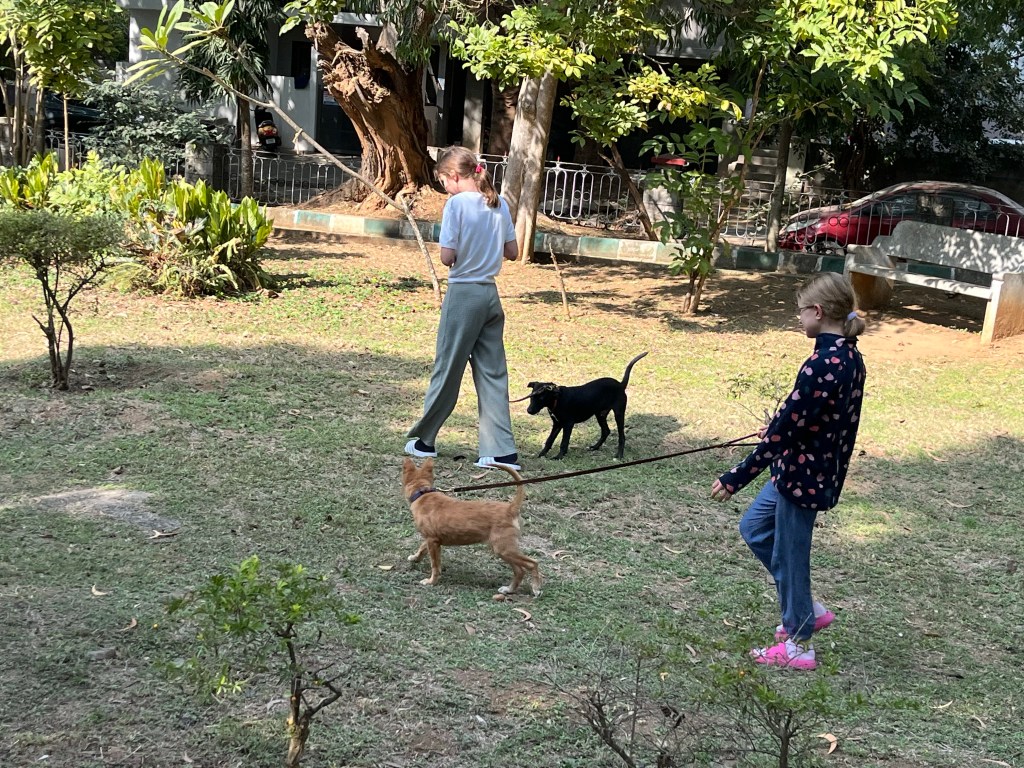
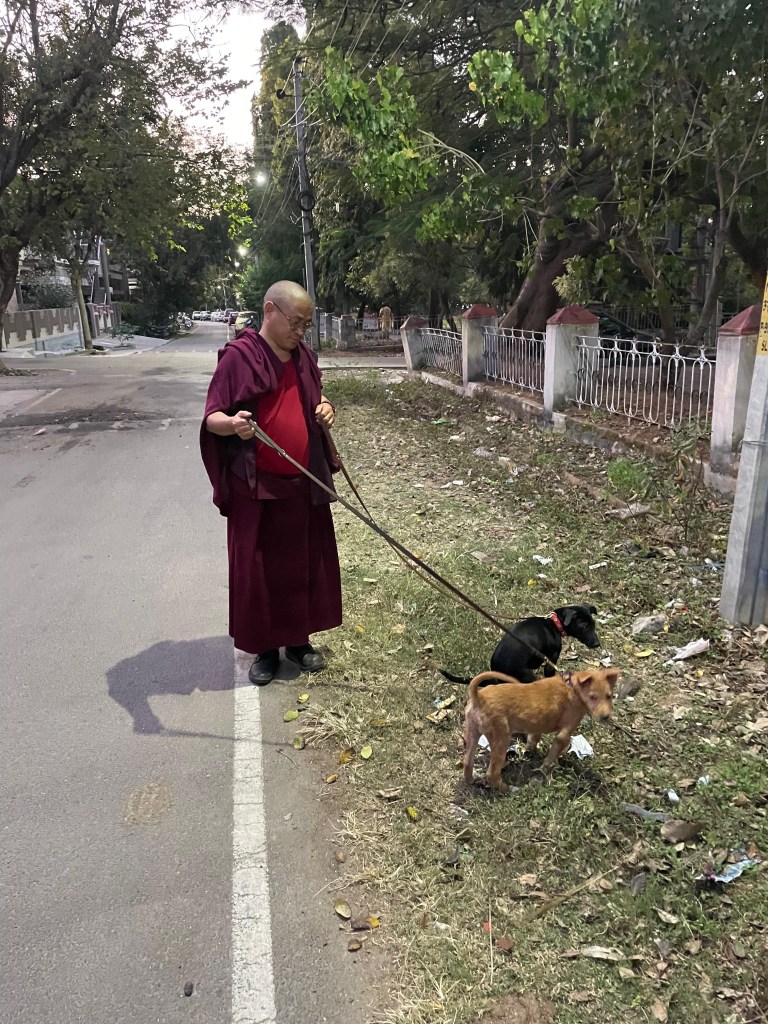
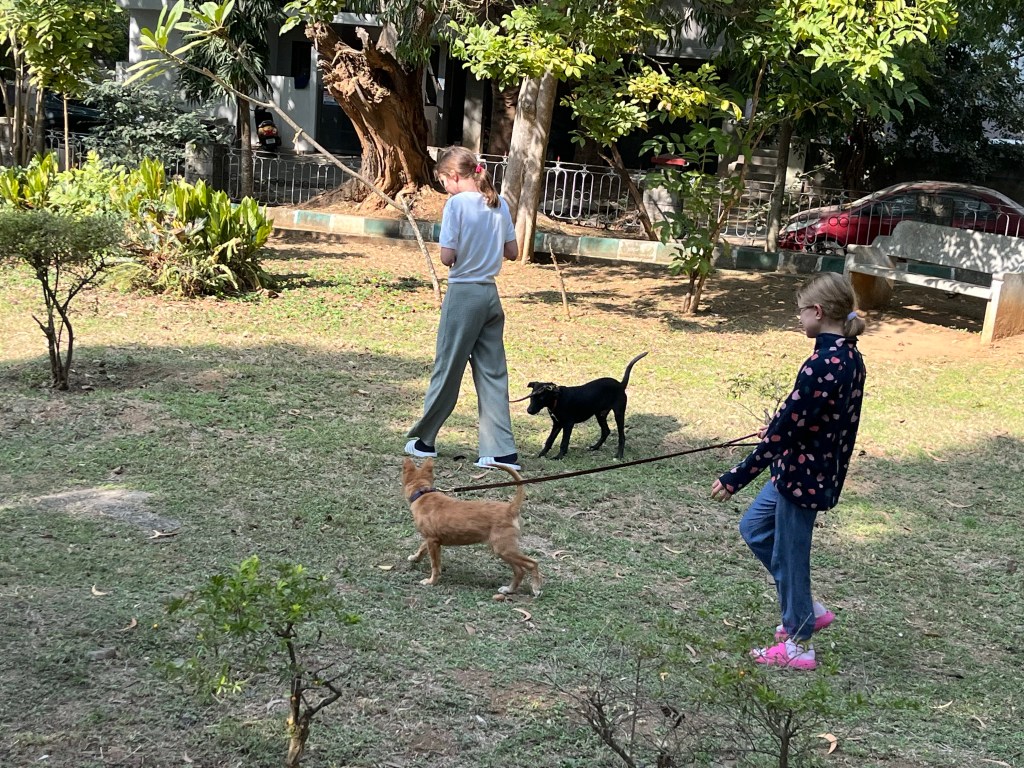
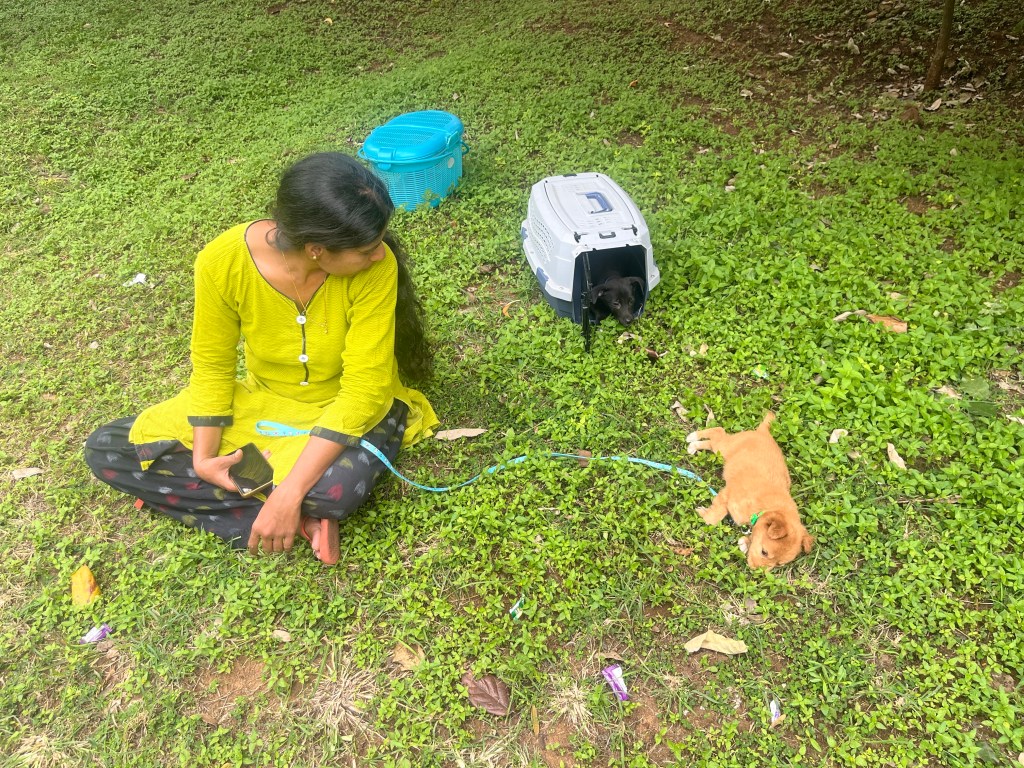
meals at regular timings, immediately clearing up their mess as soon as they deposit it, more suitable food for young pups, visiting the park to play and poo, and positive encouragement.

Footnote

I keep getting stopped in the street by people in our community who spotted us in ‘The Star of Mysore’

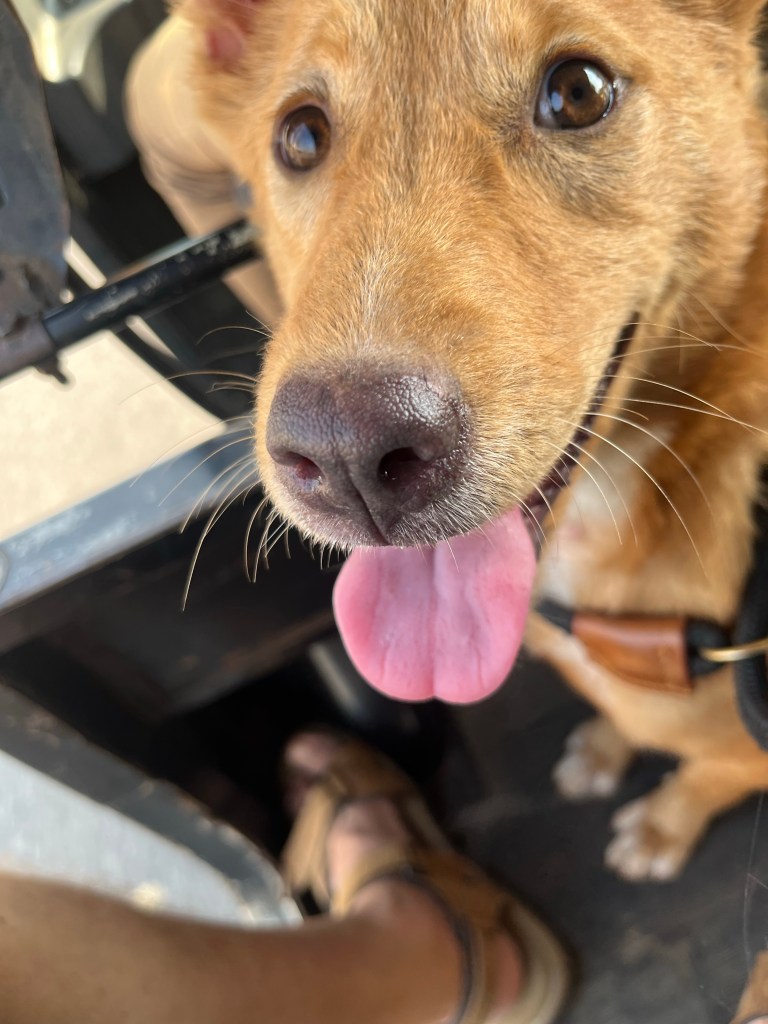
Plus odd stares as we walk into the park with the nameless

ayudha puja

It’s the ninth day of the ten day Dasara festival, the biggest event in Mysore’s calendar.

Today we follow a hallowed tradition of asking the goddess to bless our weapons for battles over the next year.

Nowadays we put forward our tools, mainly our vehicles.

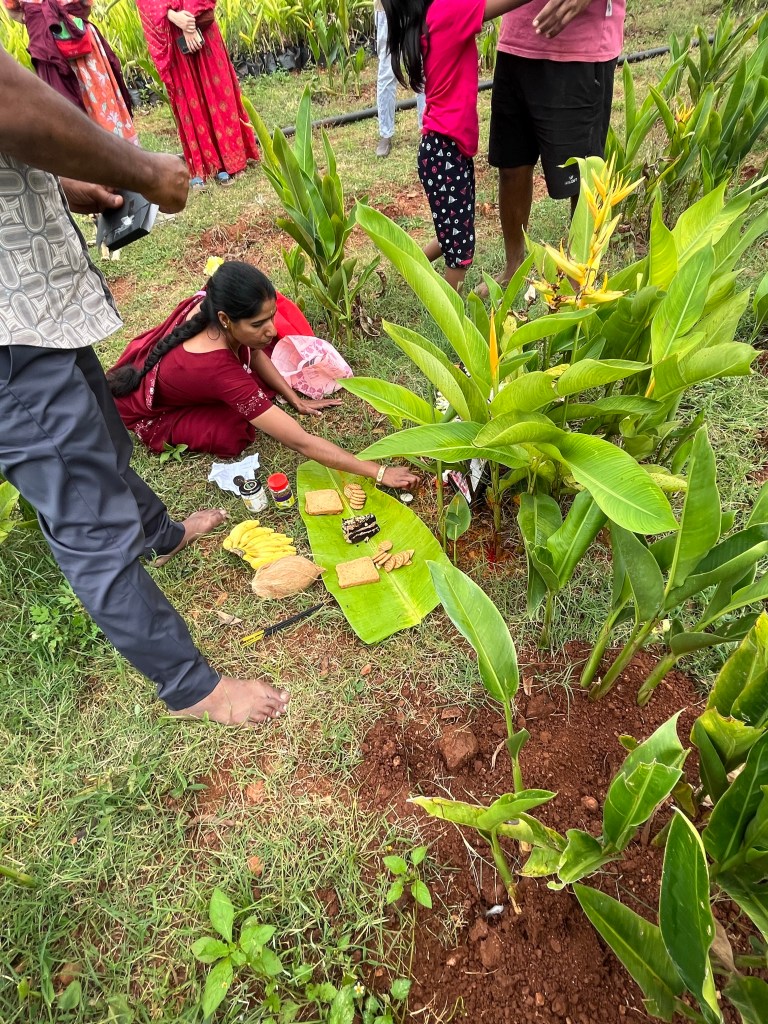
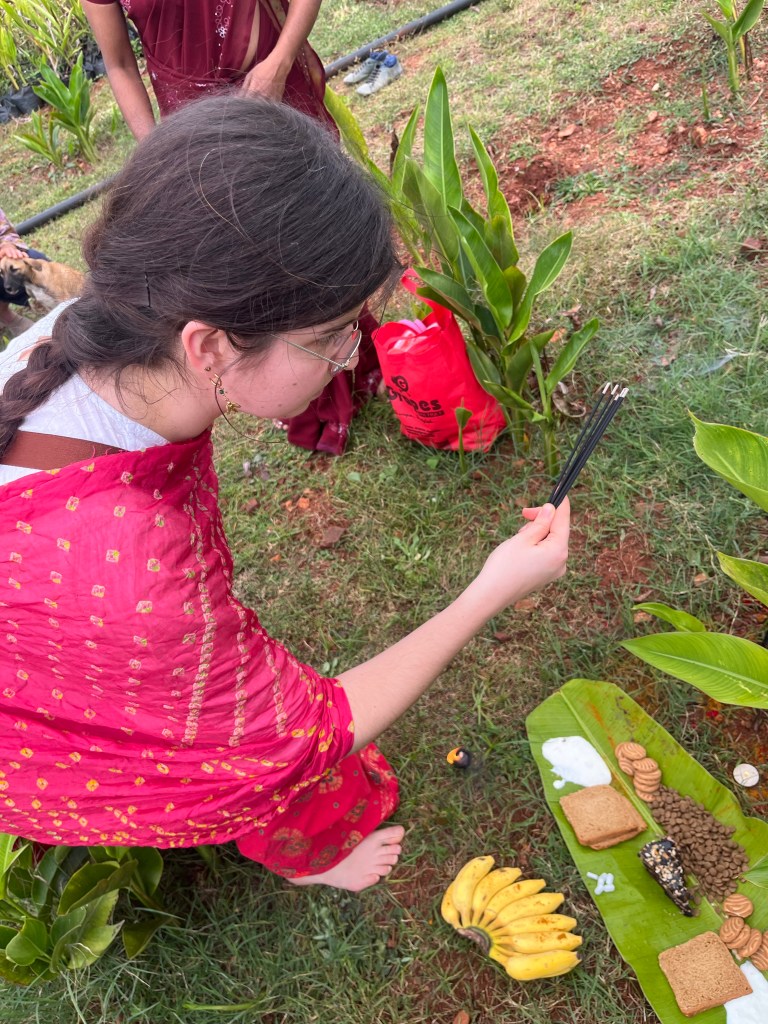
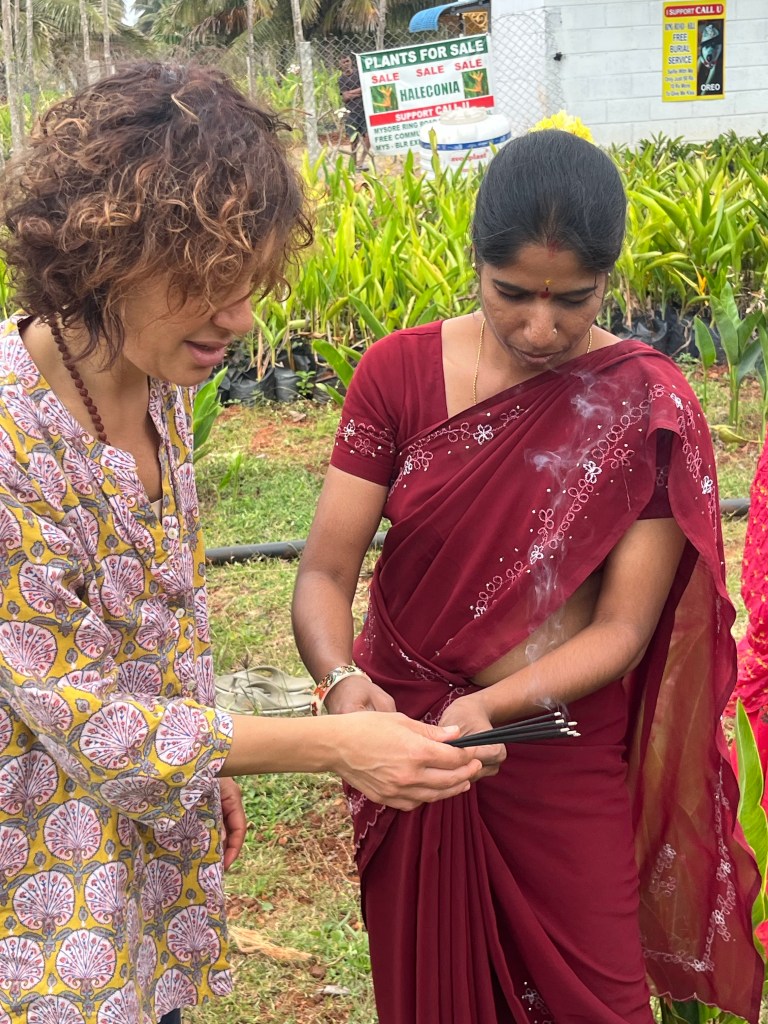
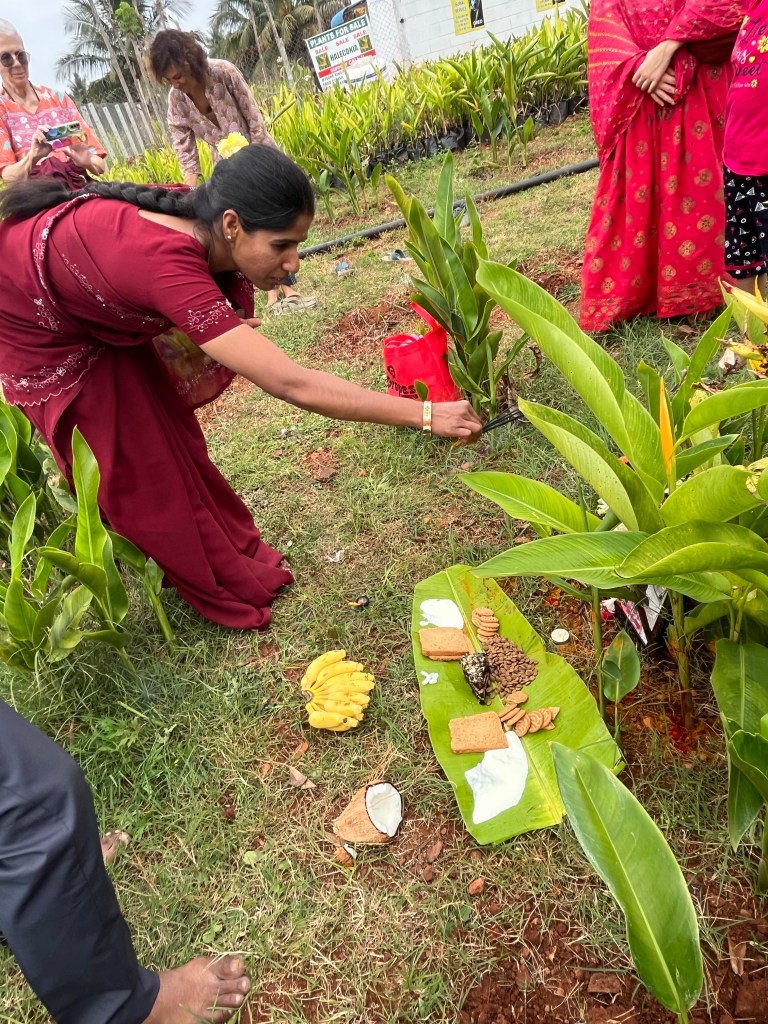
So after a fair amount of faffing about (careful preparation) we do the required Pūjā.

We had a team of two knowledgeables namely Sowbhagya and Kaveri.

The ‘has-been’ well he’s always been a spare part.

Three times mate.

But I’m — Not the only one getting lost.

Complete with lime for squashing as we drive off into the sun.

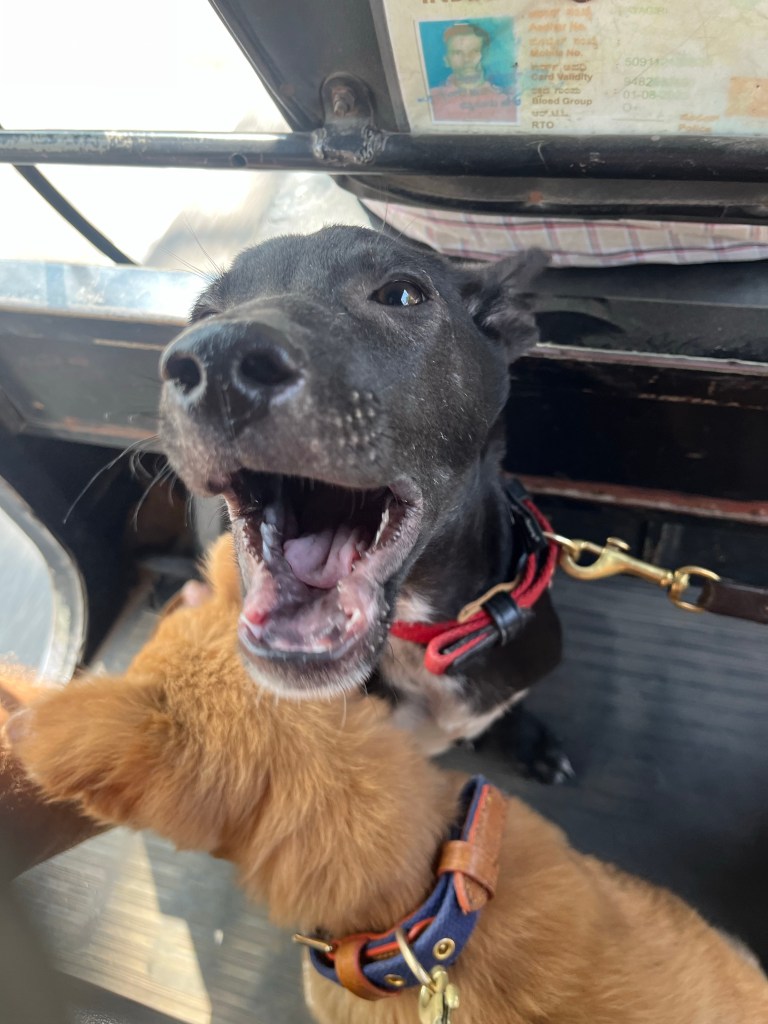
Big surprise today. The red peril, her highness ‘the radical’ enjoyed her first flyover.

Art again and again

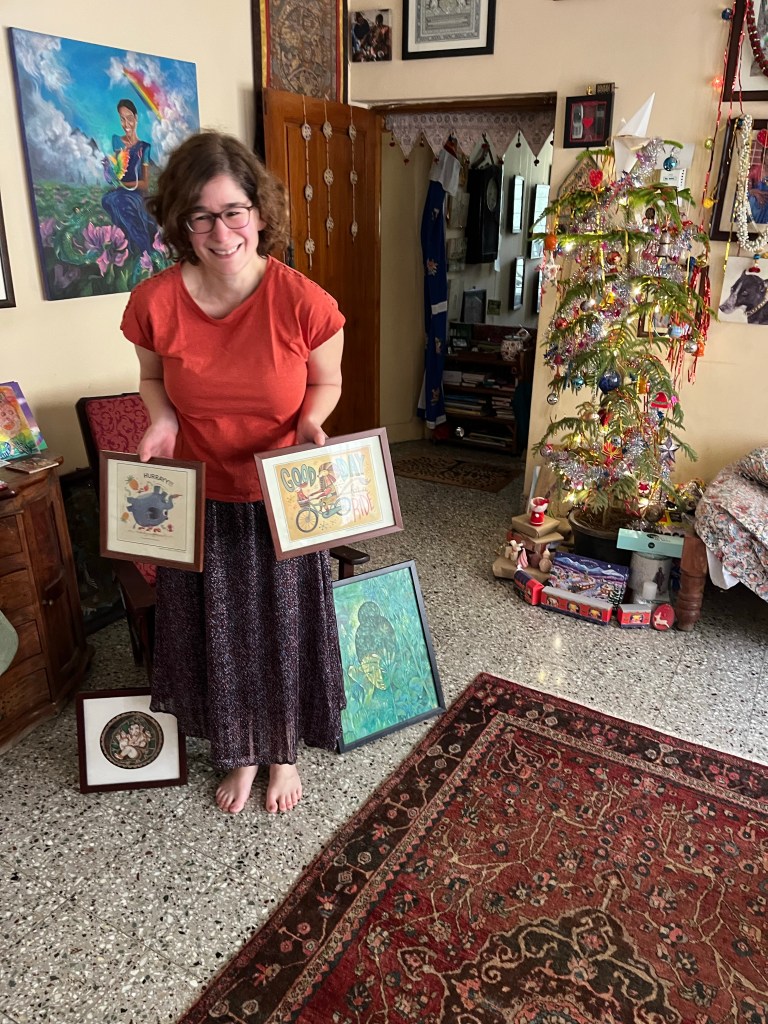
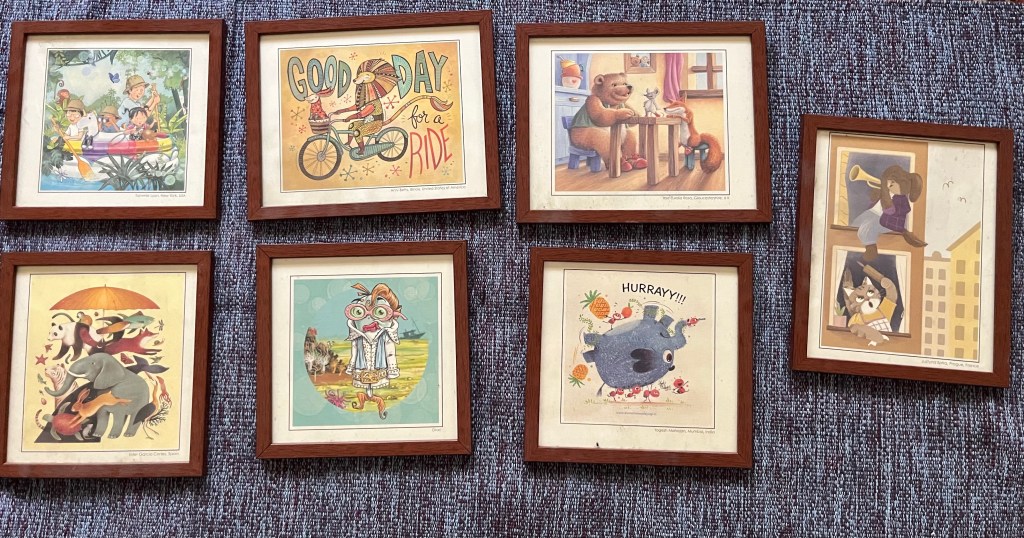
As part of the festivities we attended a fabulous art show at the Art College just across the main road.

Our no 1 pull was to see Pravalika’s wonderful piece of art.

With tons more to appreciate.

I stopped myself from buying anything. There’s already too much to fit into the new house.

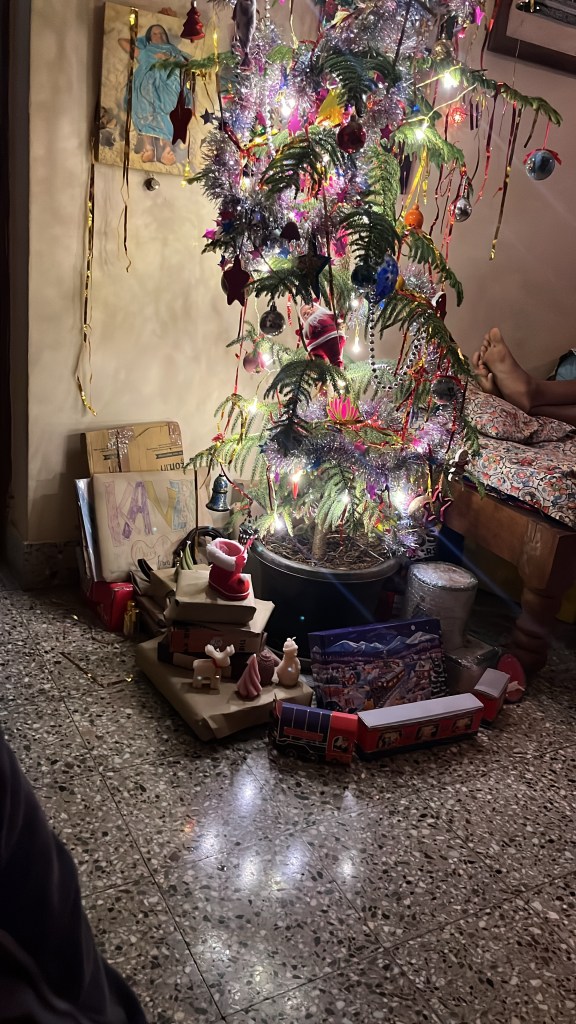
But how about a bird for the tree?

What’s the difference between illness and wellness?

I asked AI

Ha ha ha

No no no

I was looking for something simpler and entertaining.

Now that’s much more interesting.

But still a bit boring.

So what is the difference between I and We?

I think it’s a fun question that opens up possibilities, it’s serious and a joke —- as per from a Brit (NOT Britisher as the school text books ram down our throats)

It helps question and challenge our preoccupation with the I, the individualism that’s default in our economic system and societies.

I do believe that more shared and collective approaches are healthier for us individually and collectively.

So it didn’t come from Malcolm

Maybe this next one is true.

Or then again AI might have made it up.

It’s a great lead in to valuing community and challenging individualism.

Whatever …. I often use it in presentations, on guided tours or in the midst of my daft conversations.

It also relates to one of life’s disappointments but that’s another story.