A YIndian, Yorkshire by birth and Indian by marriage. Originally from the UK, I've now lived in Mysore, South India for over ten years with my beautiful wife Manjula. MeandMycycle is about the ups, downs and ups of our life in Mysore and our creations: Mysore Bed and Breakfast and MyCycle Tours.
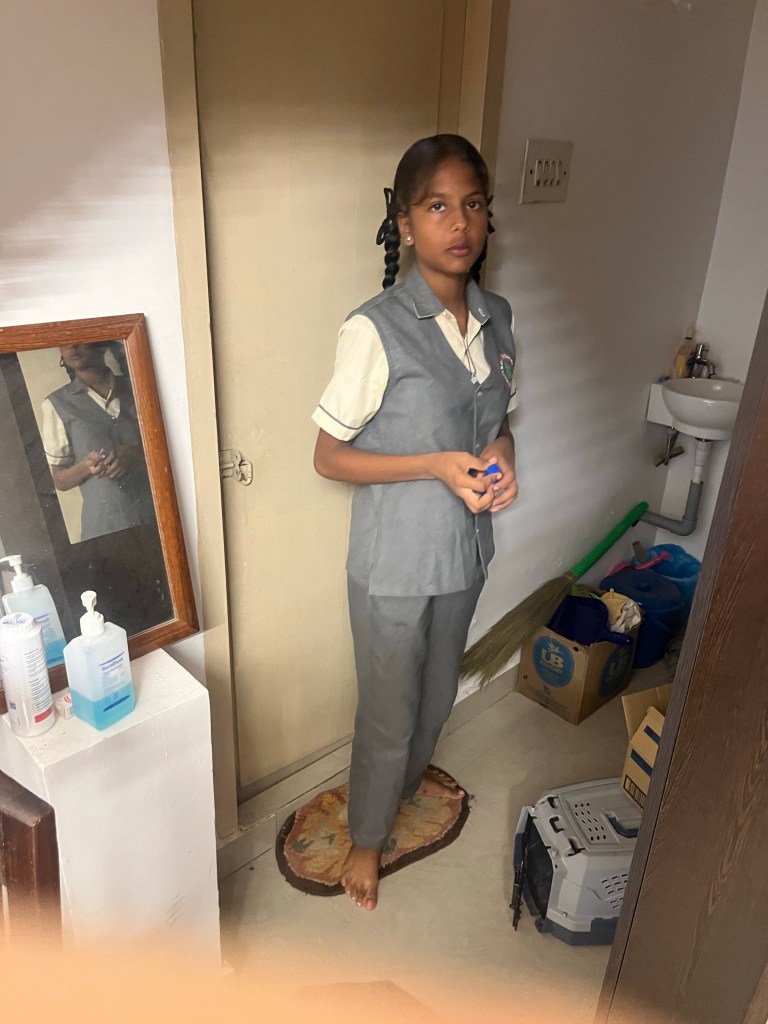
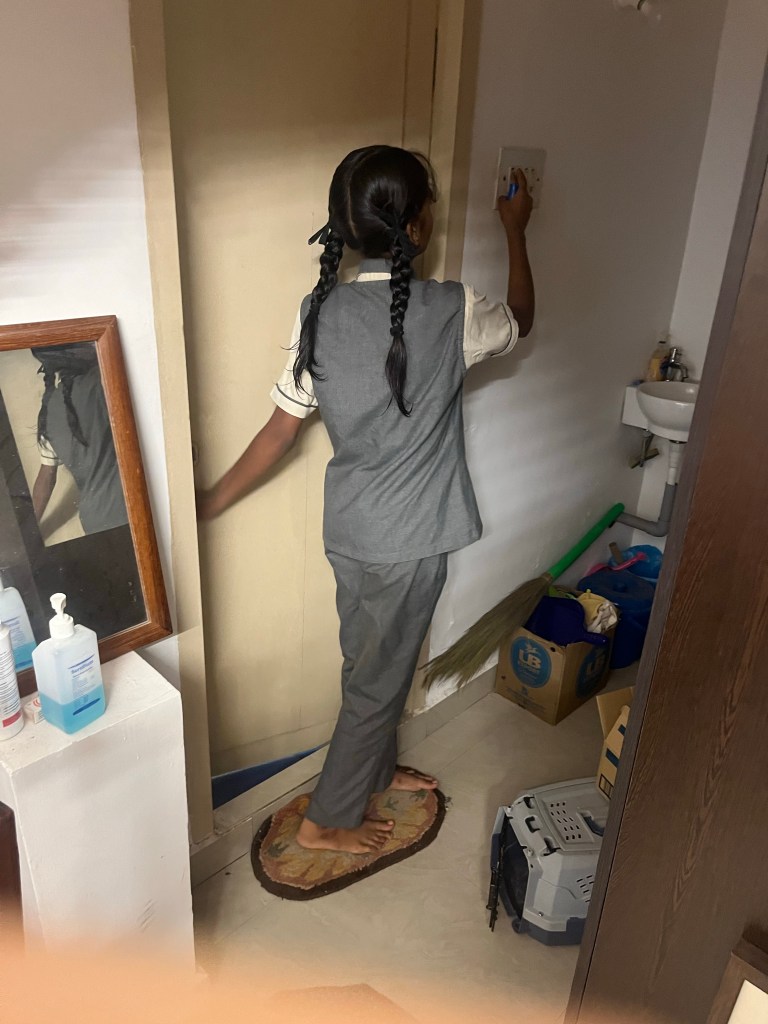
It seemed a little hectic this morning. Malis staying with us but not to be seen — yet. Cats fighting in the house in the middle of the night. Kaveri doing last minute revision (maybe) and off to school early for yoga and exam with sports after school.
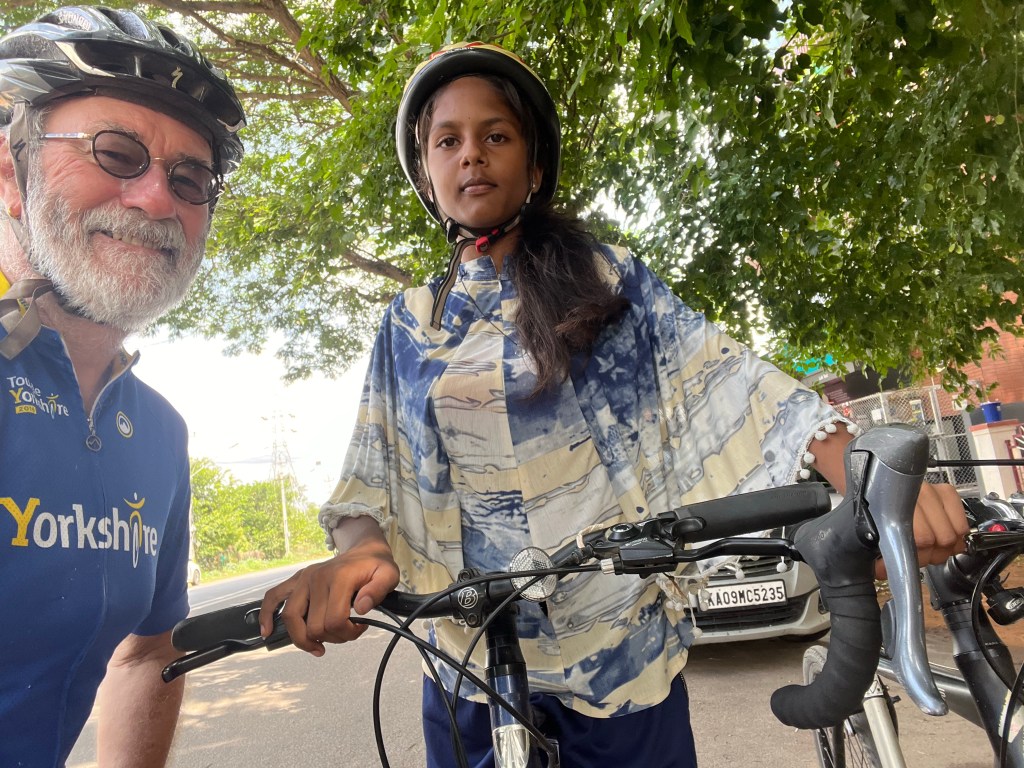
Yesterday planning the cycle route to school
Kaveri and I had planned to cycle to school this week but that’s delayed to Thursday —- we can’t have too many changes in one day!
Sowbhagya still holding us all together — has now left to do home cooking for her business and will return later.
…
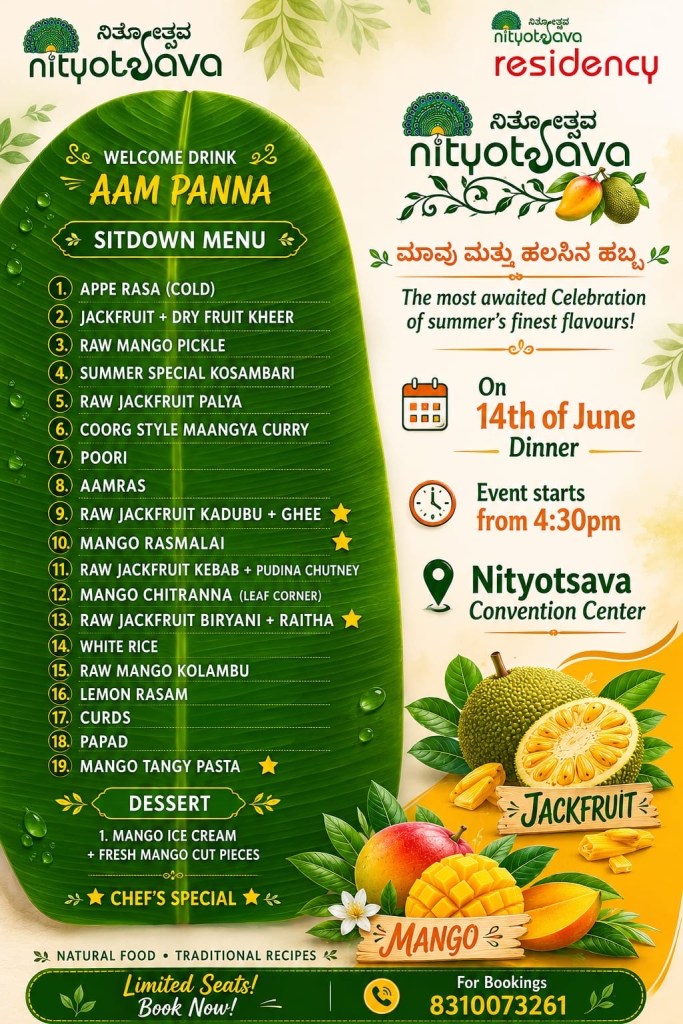
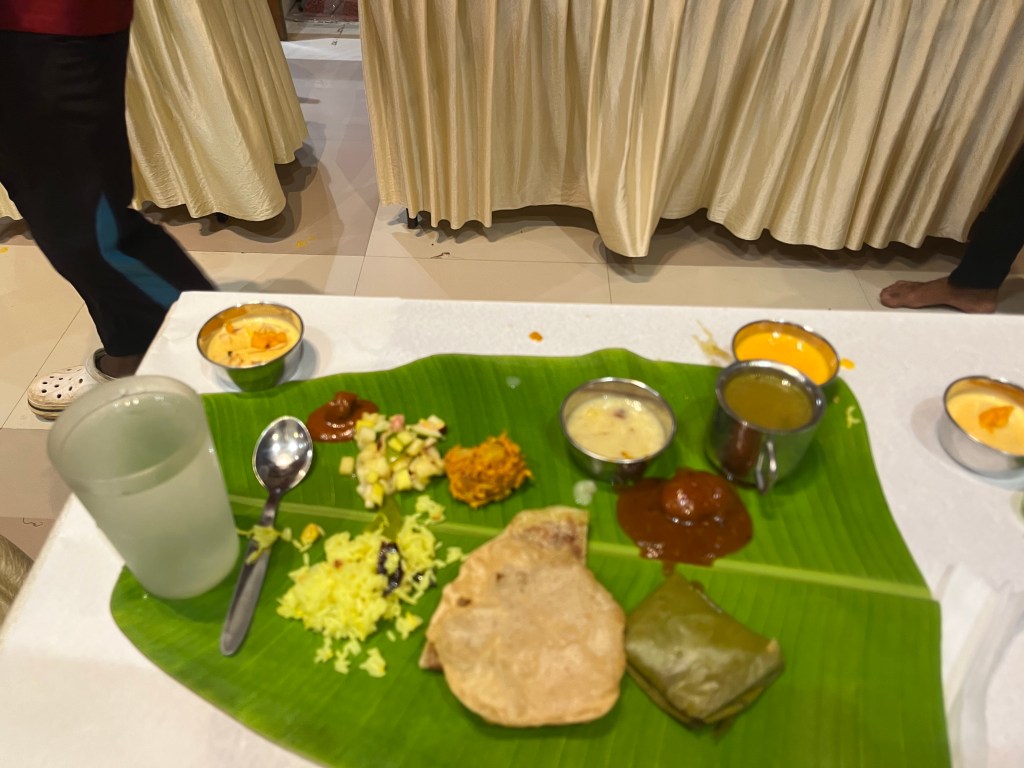
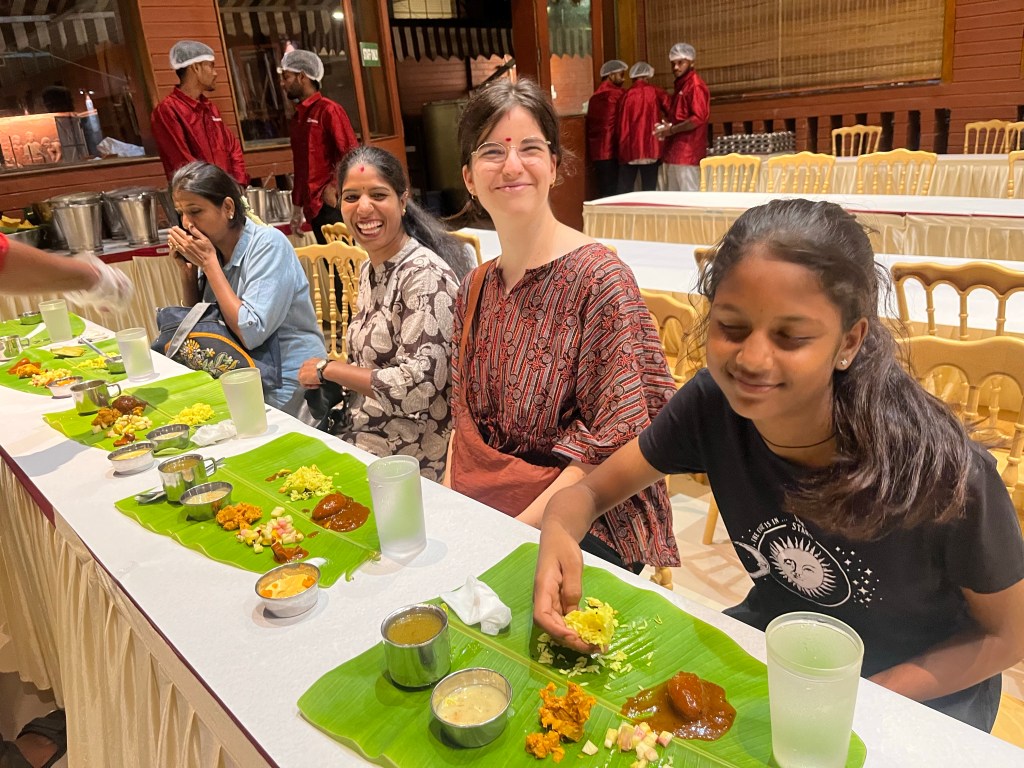
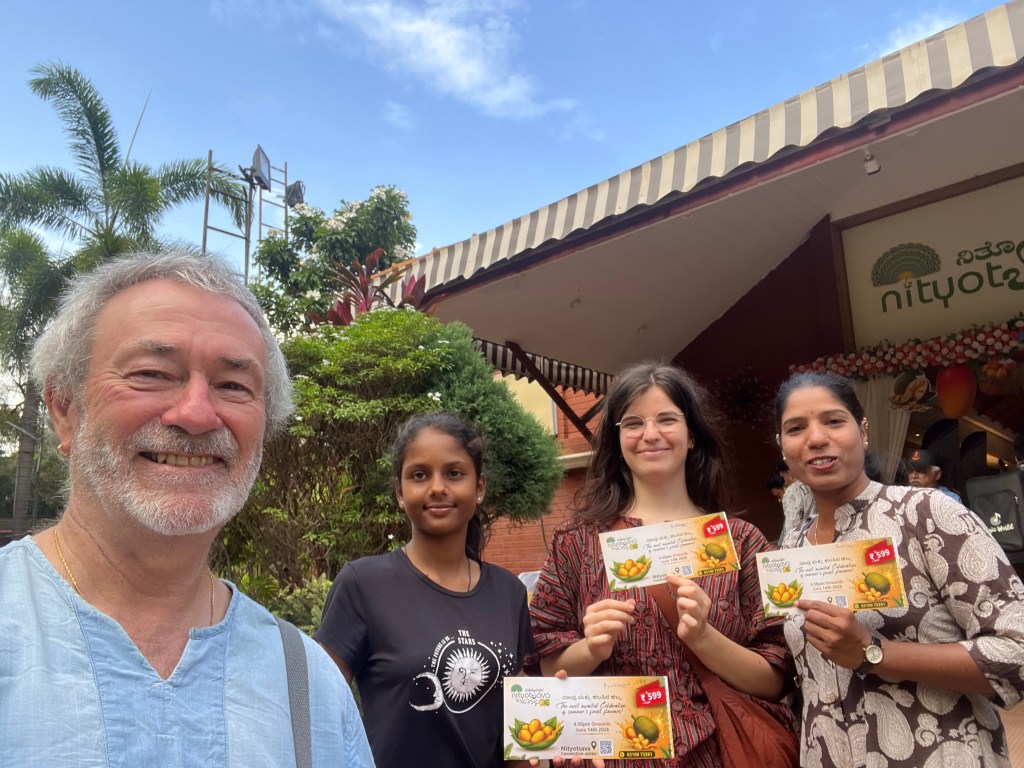
Last night we attended a great new event, it’s where we got a thali of fruit… fab!
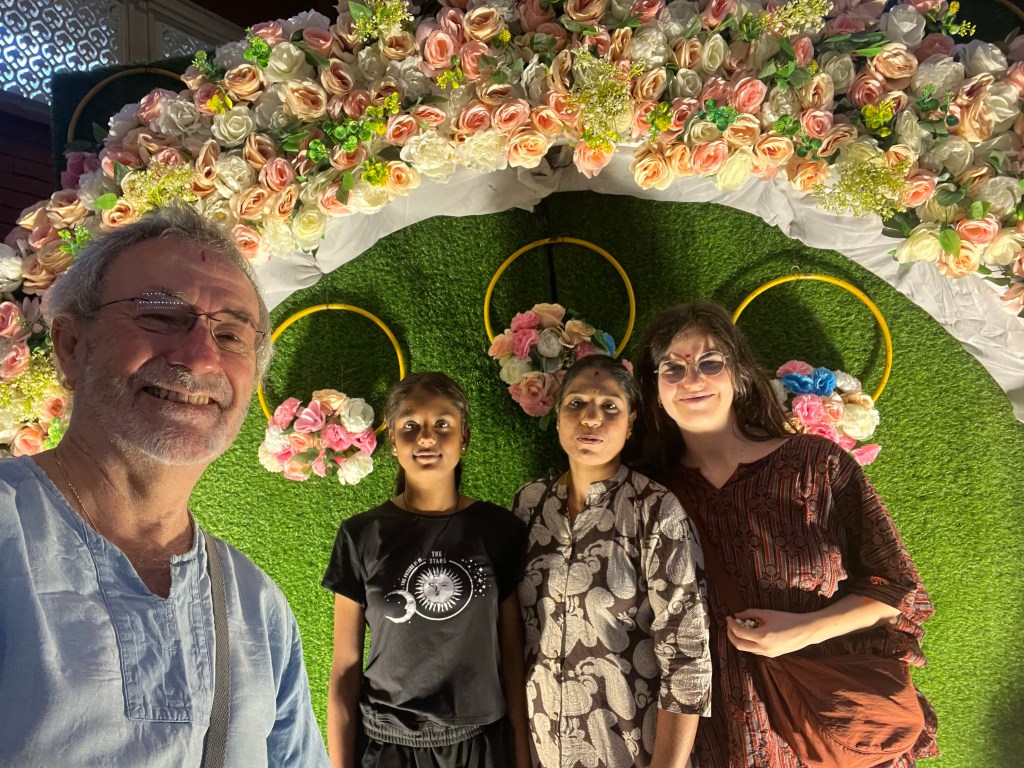
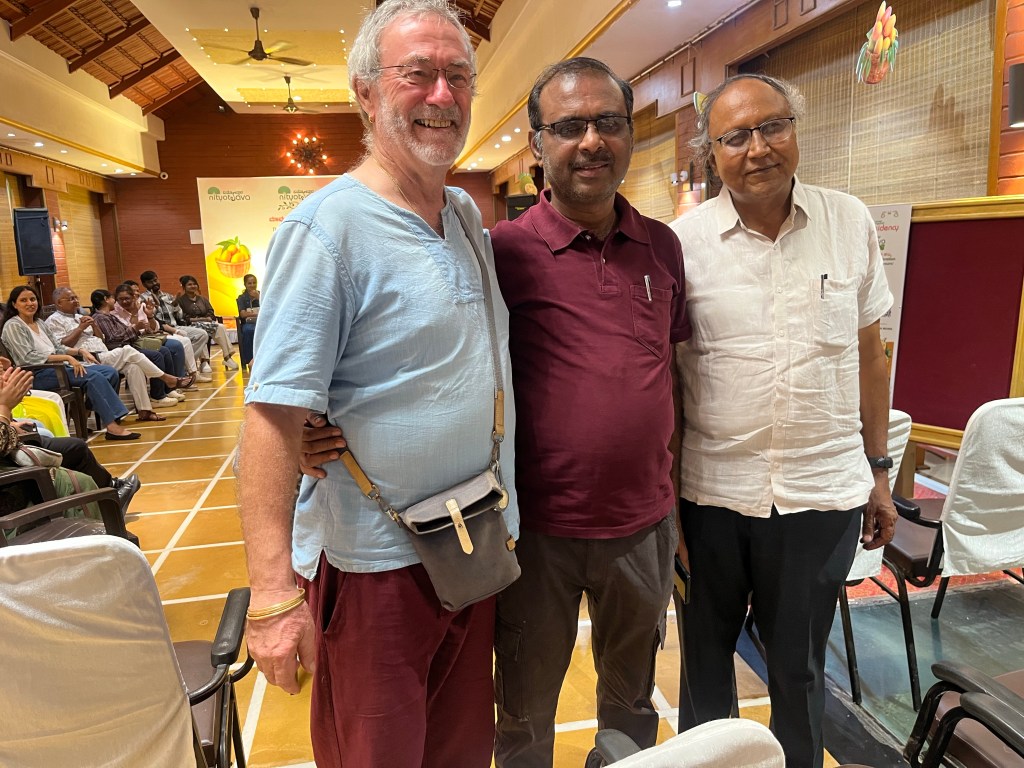
Great venue, we met the owner and an old friend Sham Sunder the environmental sustainability head of Crest at NIE – National Institute of Engineering who I first met — on a great cycle ride that he arranged — shortly after arriving in Mysore
Stephen Farrell <sfindia@googlemail.com>
11/02/2007
As I approach my 70th birthday at the end of the year — OK there’s a few months to go — I’ve stumbled across an email I sent in February (11th of Feb) 2007
I thought to share it. ..
Hello,
its my last full day here in India. For those of you who are used to receiving my India Emails you’ll be astonished that you haven’t received the usual gattling-gun of Email missives.
I’m certain you’re all relieved.
There’s no one reason for this.
It’s been a different trip in many ways. My 5th in three years. In some ways its been more reflective in other ways less so.
Now I’m at the keyboard I realise that I’ve missed these times. They provide an opportunity to escape the hurly burly of India life. Those of you who have been here: such as Esther, Annika and Brian (yes you’re last as always) will know exactly what I mean.
The Indian experience is full on and sometimes one just needs to be able to switch it off.
The times at the computer are also valuable opportunities to reflect.
I mentioned in my last Email that there are ‘stories to follow’. There’s the:
– taxi ride,
– the wedding in Hampi,
– there’s the idiot on the bicycle story
– there’s the top tips about managing a trip to India, for those who have been here what are your top tips?
– there’s ‘real english’ why did that doctor ask if I was real english? was he a real doctor?
– the wonderful people I’ve met
selling crafts at the Mumbai festival
– tasks this time have included ordering jewellery (ear rings received OK Ray and Annie? )
– every minute, every experience however small is its own story and brings new insights into this wonderful place, there are just so many,
And the biggy… 😉 .Helping Gina to understand why I continue to come back to this nutty, fruitcake, happy, egalitarian, hierarchical, sensitive, smiling, chaotic, aged, spiritual, ageless, irritating, sad, mind blowing, noisy, ancient, smelly, colourful, modern, musical, flowing, serendipitous, confusing, post modern, contradictory, life enhancing, bore creating place……
But you lucky folks aren’t going to get those stories here via Email. Now in my 51st year I’ve promised myself to see my friends even MORE so you’ll get the stories first hand, I look forward to seeing you and also hearing your stories.
Liz has been with me for most of this trip. That has been very good.. Its been great to share our experiences. A real success and for both of us, I’m sure, a relief. (but she’s not satisfied with having bought up Goa so she’s sending me texts asking me to buy things she’s forgotten!) Thanks Liz.
At my party I mentioned that there were three things that were particularly important to me on reaching 50, looking back and anticipating the future. I then unusally went all coy and didn’t share them.
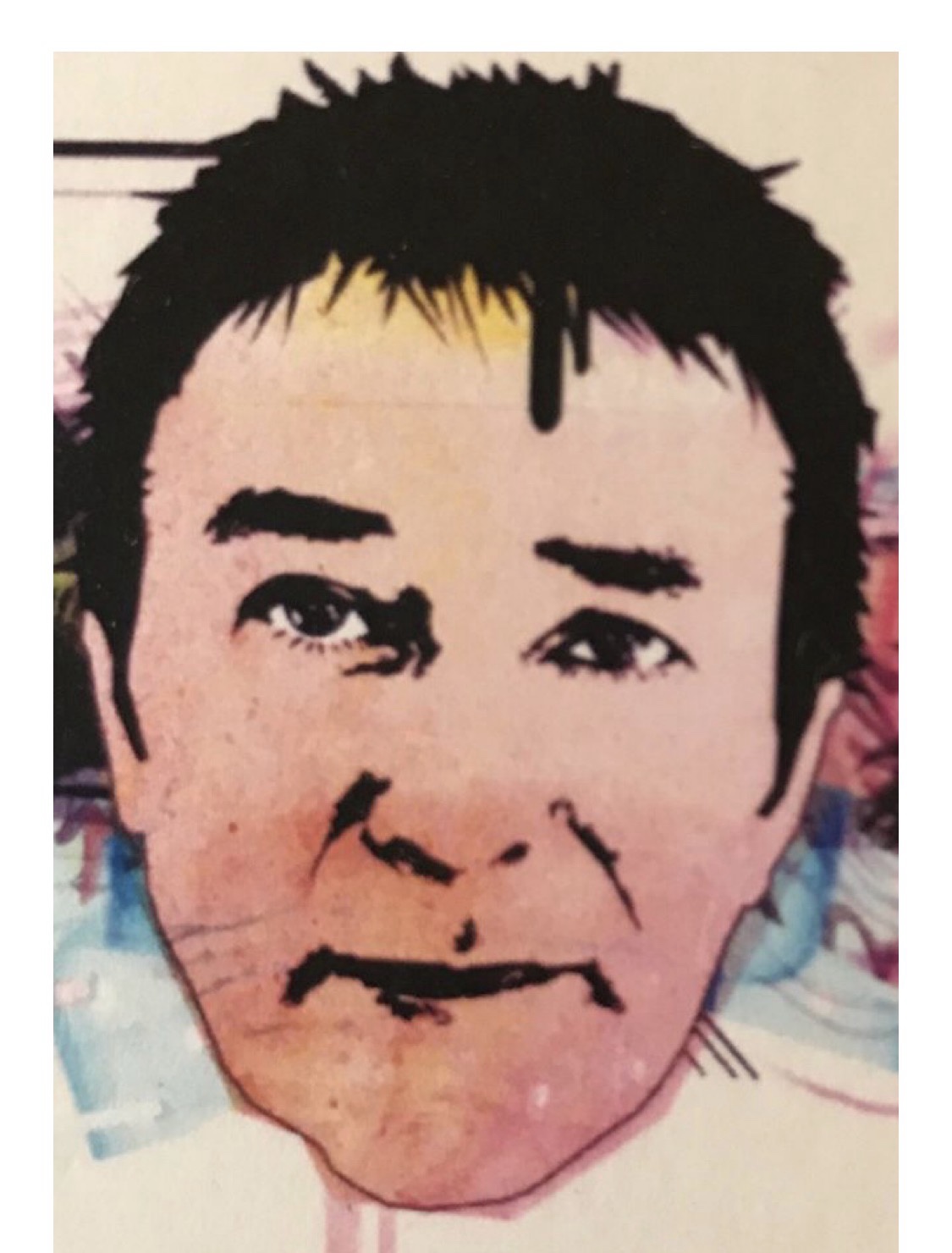
Image from my 50th birthday party invitation
One of them was my family. How proud I am of our boys, Ben and Ols. Two wonderful sensitive, caring, funny and very together, great guys. I’m also so pleased that Liz and myself have avoided some of the difficulties our friends have experienced and we have maintained a healthy relationship and I hope will always be close.
But before I go.
A key issue is, for those of you who don’t know. I’ve decided to leave Business in the Community. I have a number of offers on the table.
My challenge is to work out what it is i really want, I know, I know.. its the holy grail of life , and if it wasn’t the great imponderable, how the hell would all the gurus, sell their books, courses and ashram holidays. And of course, importantly work out how I can spend more time each year in India AND at the same time keep up with my wonderful friends. so watch this space
love from
Stephen
xxx
As I reread this now, I can confirm I’m still besotted with the place.
There are some family changes I wish hadn’t happened but we’ll see. In terms of India, there’s been lots more adventures and more to come. They’re peppered within these pages.
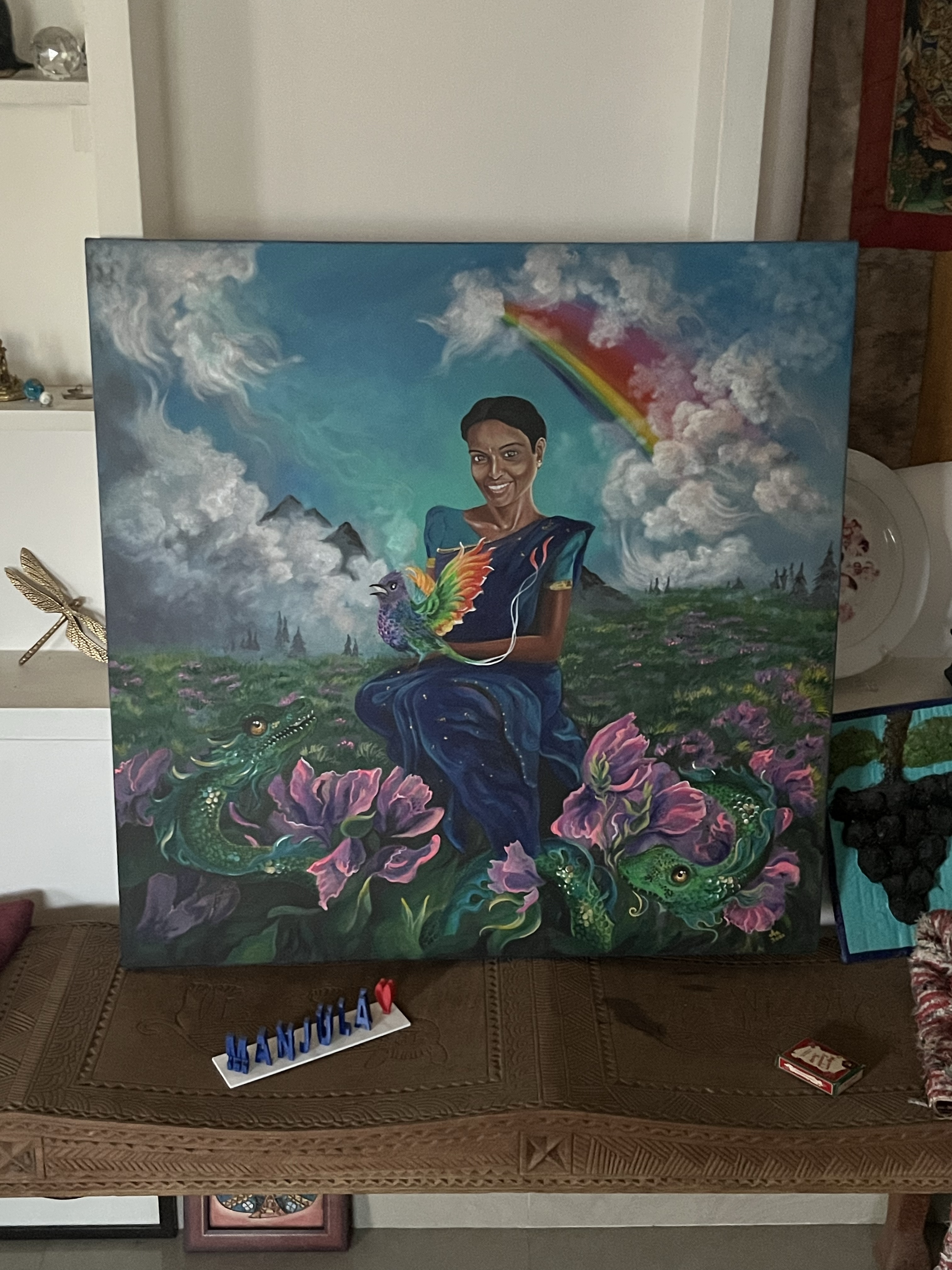
Most of all I met my very own sunshine who will remain with me forever.
I have significant challenges in remaining here. It is worth it. I love the place and its people but it never stops being so bloody unpredictable and annoying.
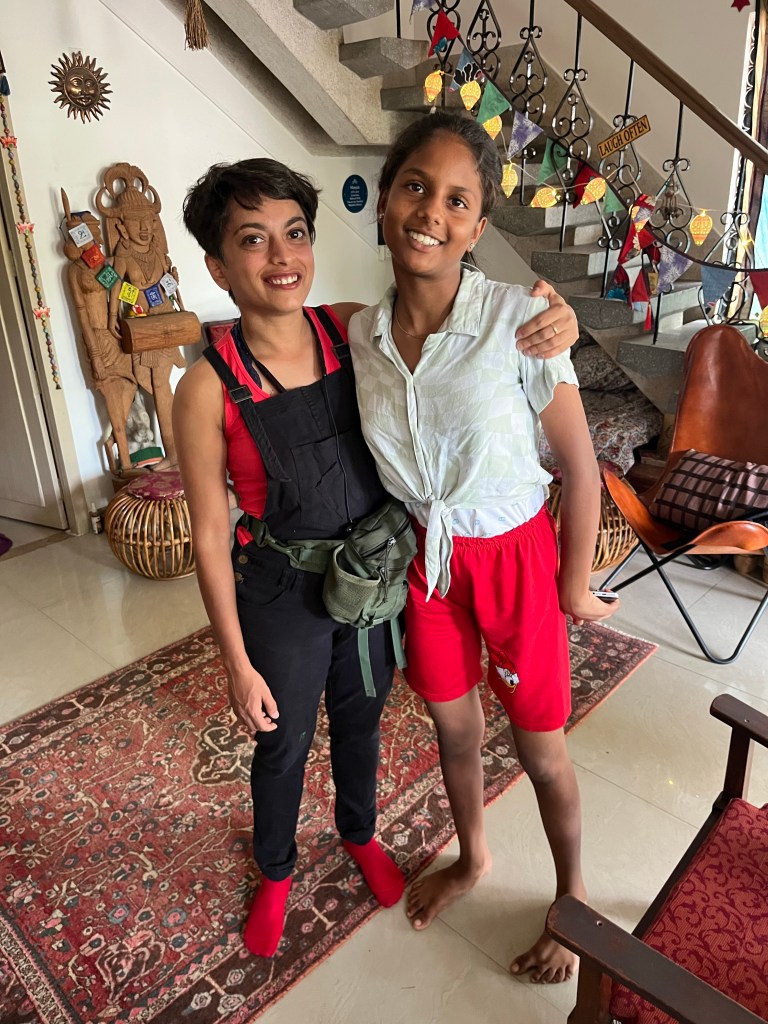
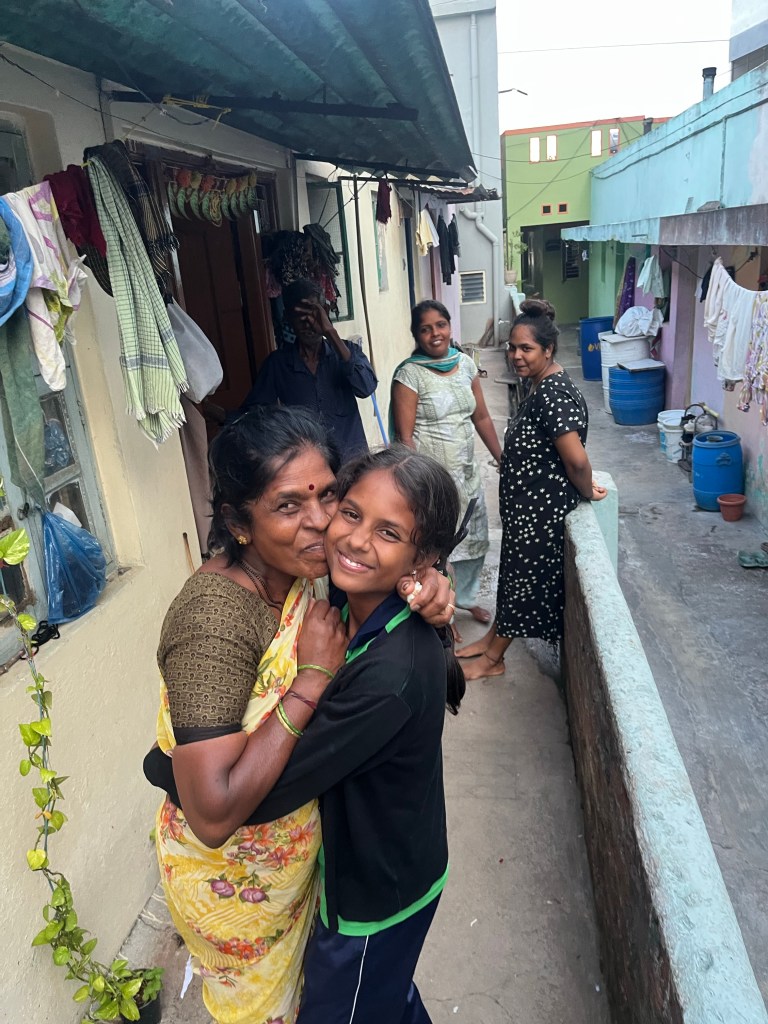
I had the pleasure of meeting Kaveri from school and spending some time with the women of the family.
…
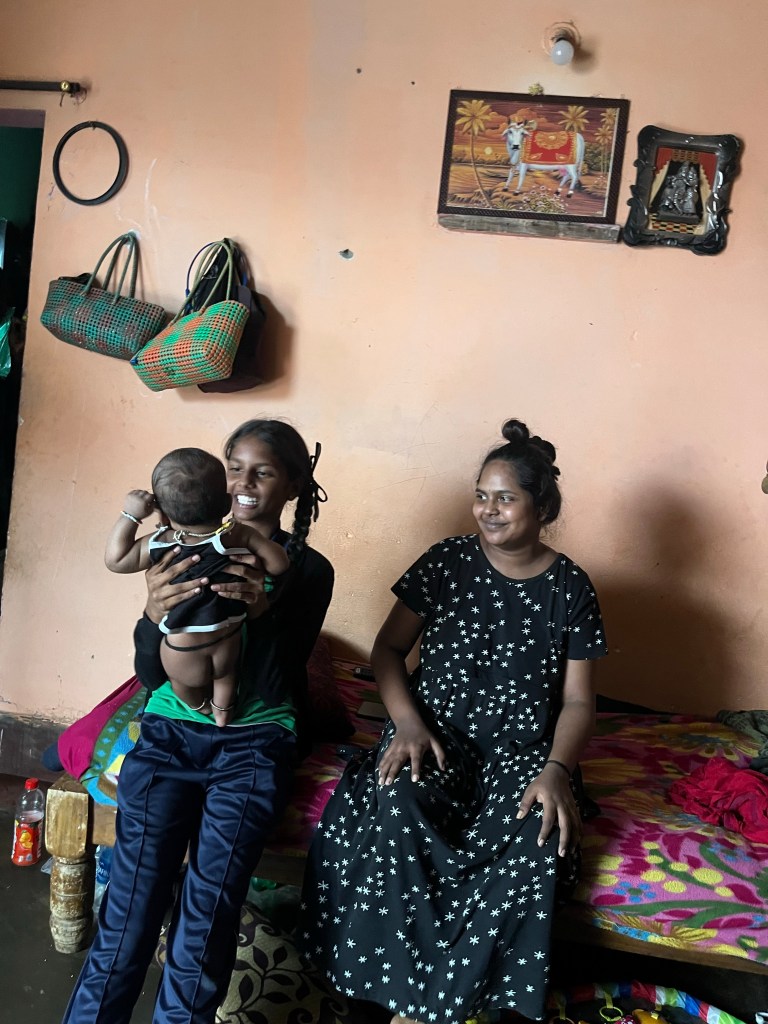
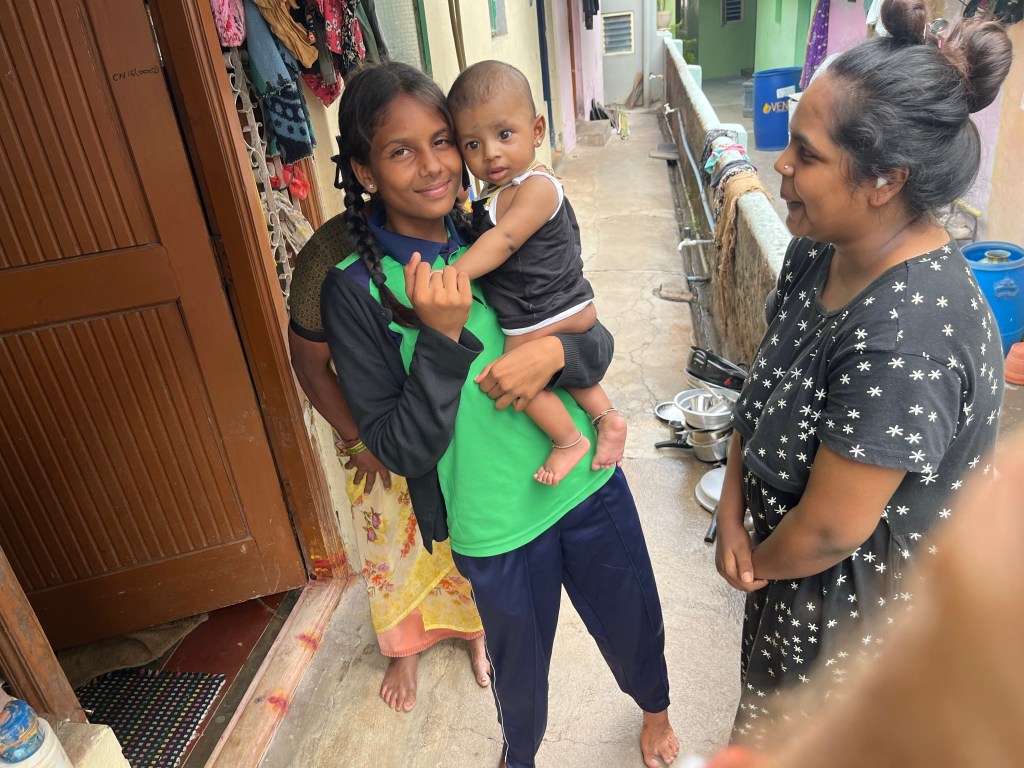
Kaveri and I first visited the new babe.
His mum Radhika (her auntie) Kaveri and I have spent much time together over the past few years, especially in school summer holidays when they’d go to swimming lessons, stay with me and we’d have vacations in Kannur and Wayanad.
The little one, entertained by Kaveri and Radhika. Gotcha
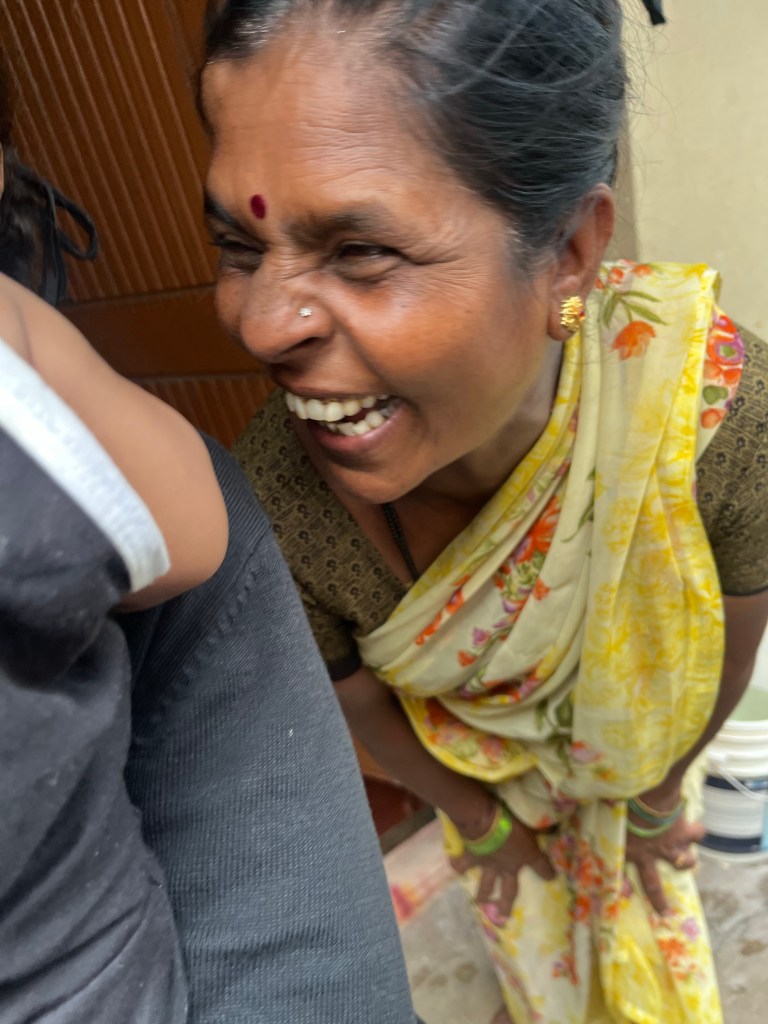
Grandmother is forever avoiding my camera.
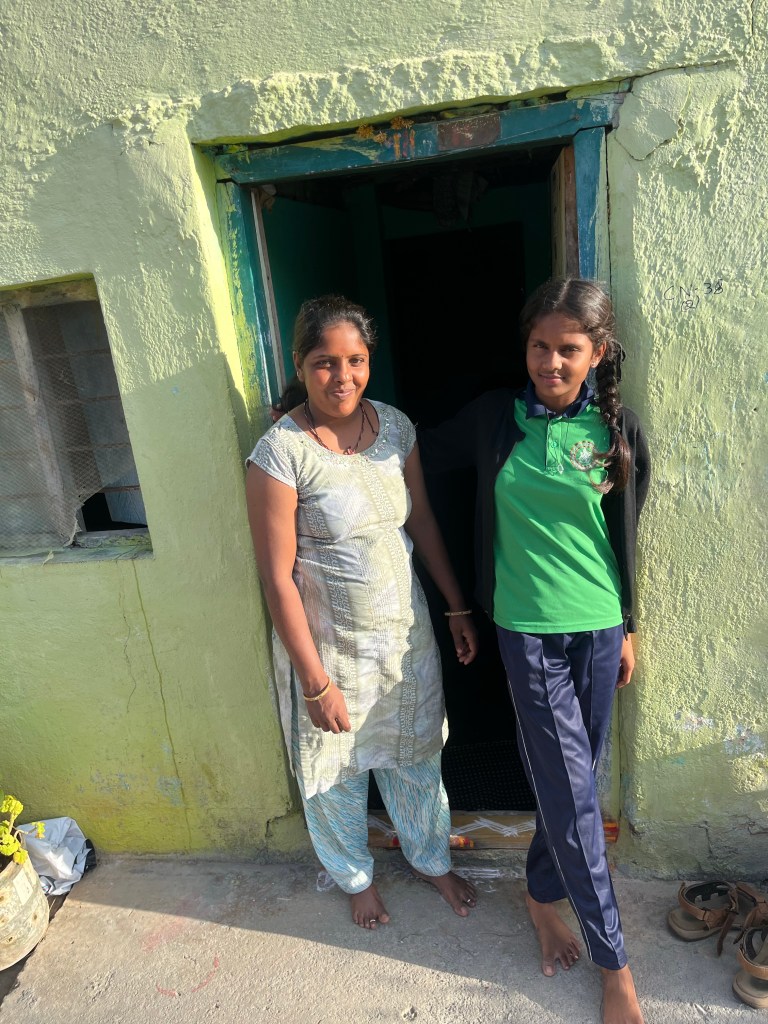
Next I visited Chandrika’s (Kaveri’s mum’s) new home for dinner
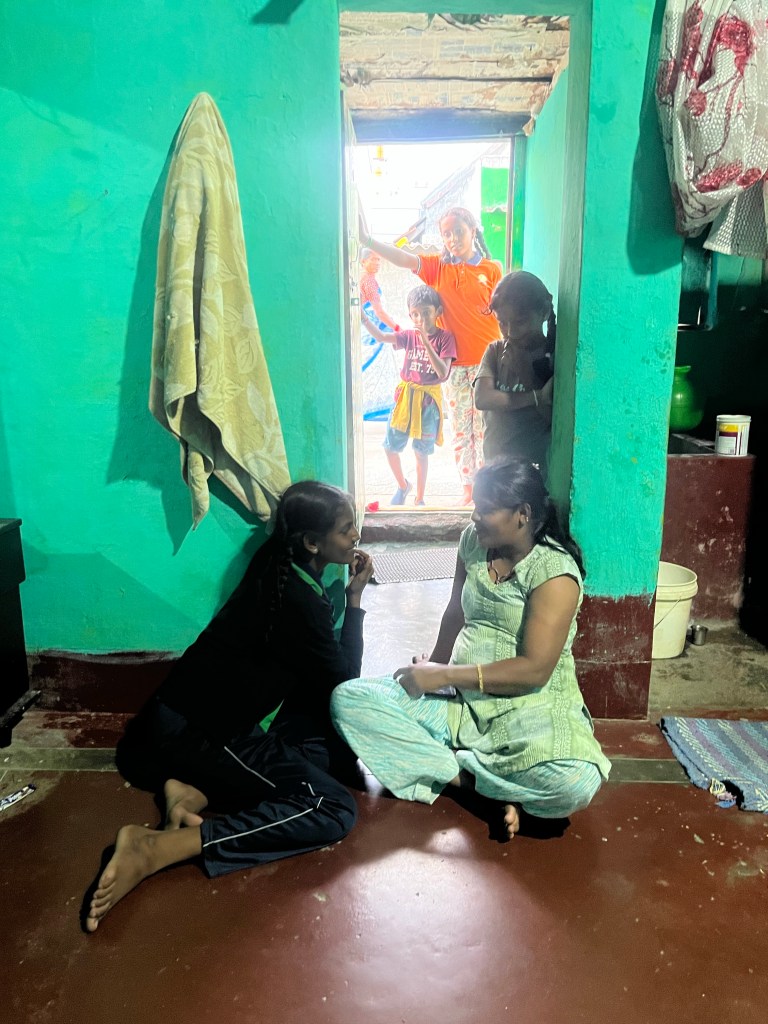
I had a lovely catch up with Kaveri and Chandrika drawing the neighbourhood kids in to say helloI reminded them of the agreement Chandrika and I (on behalf of the business, with the invaluable help of Sarvesh) had for us to support Kaveri and work with Chandrika to help Kaveri do the best she can be
I used the opportunity (hobby horse —soap box) to emphasise we should help Kaveri to be strong, a good communicator, and be kind. This was more important than stuffing her full of facts, in order to pass exams.
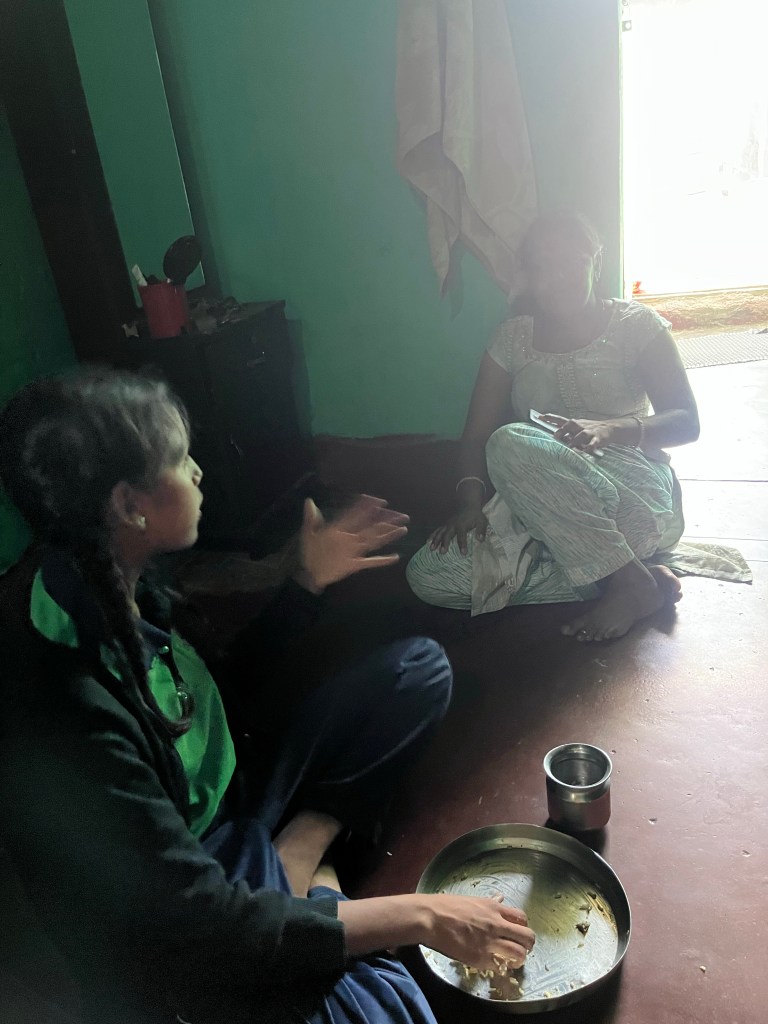
Kaveri was the full on interpreter.
We needed to encourage, support, even put pressure on Kaveri — who can be a bit lazy— to do better
Just before I left Chandrika, Kaveri and I went back to bring all the girls together again.
I explained that my current meetings with advocates were to enable me to stay in India My priority being continue to support Kaveri for ten years into adulthood.
I am so proud of Kaveri, MAnjula is sooooo pleased.
Losing (of course— we don’t lose them and they’re with us always) a loved one opens our minds to all sorts of possibilities.
On my grief journey. I’ve had some surprises.
Manjula, as a Hindu, believed in reincarnation. I supported her and completed the rituals to help her spirit find its new body.
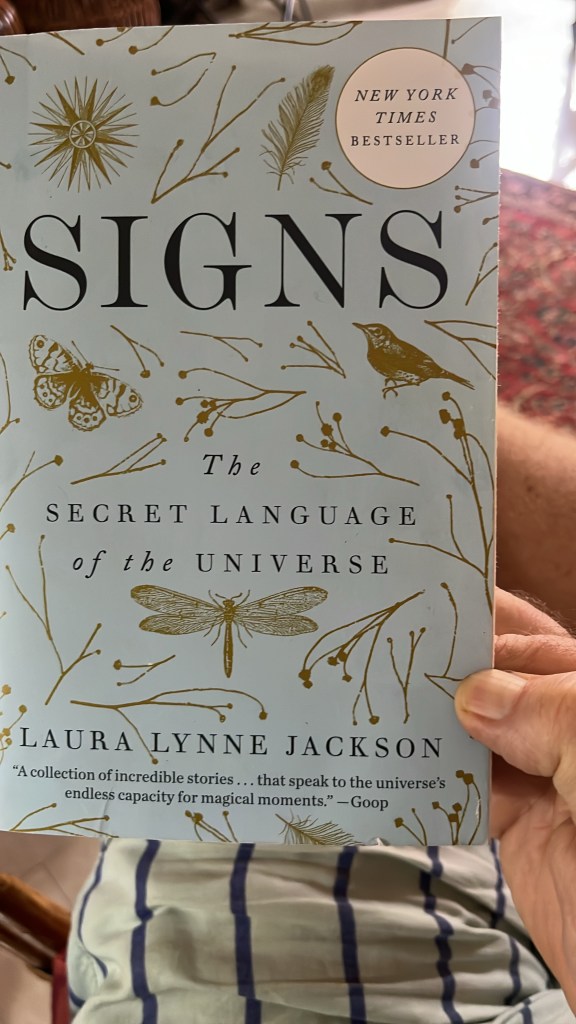
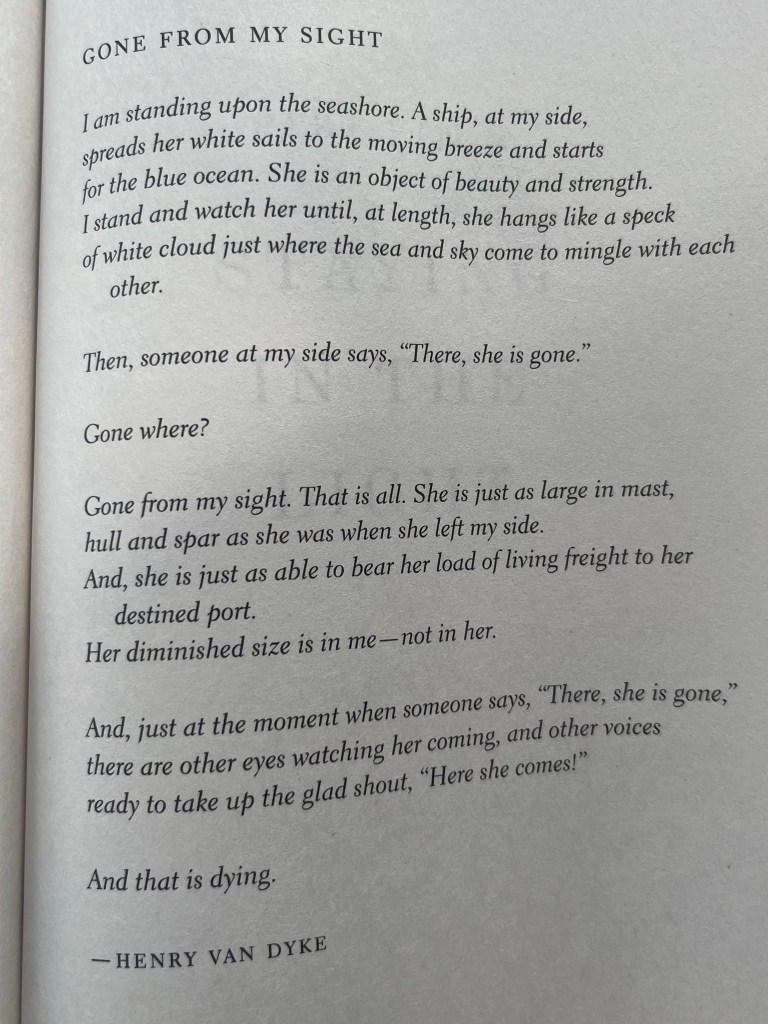
I’ve read many books and gained support in trying to understand what might happen after death. But …
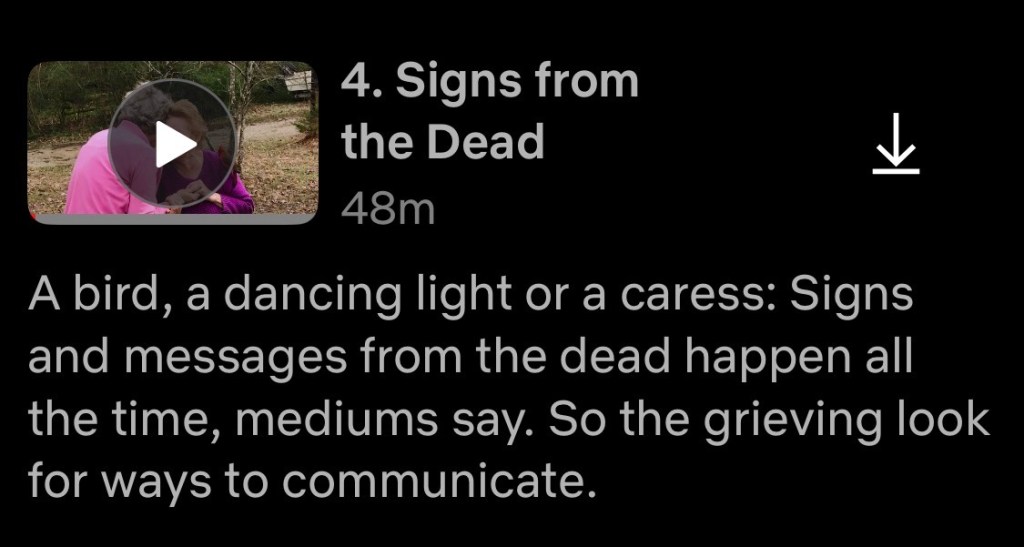
After watching this Netflix documentary I complained to Manjula that I’d not seen or heard a sign. Maybe I’d missed it.
The very next day, I was standing, with a friend, on the rug in the centre of the downstairs lounge at our old house.
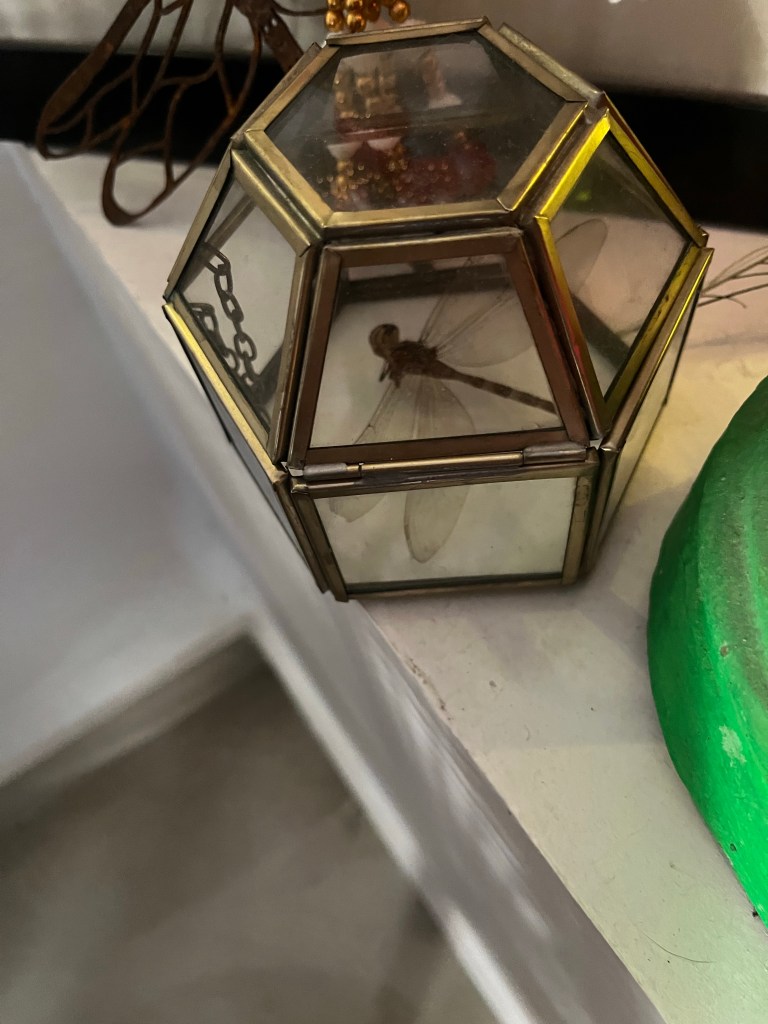
A dragonfly (acknowledged as a potential messenger from the ‘other side’) flew in.
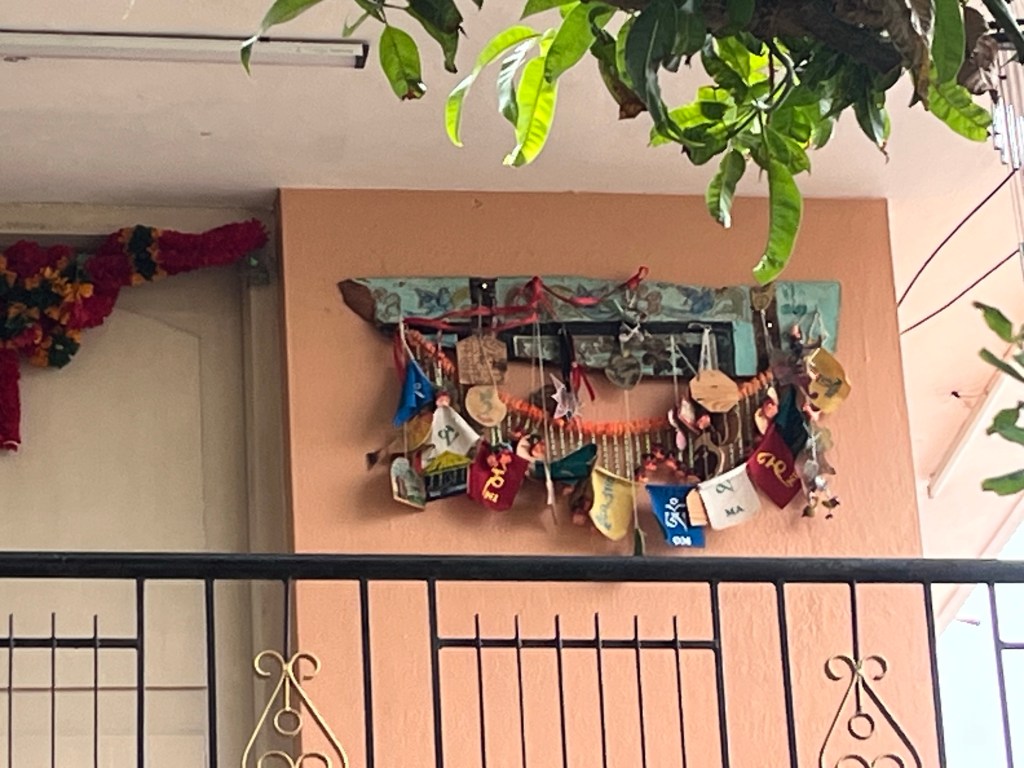
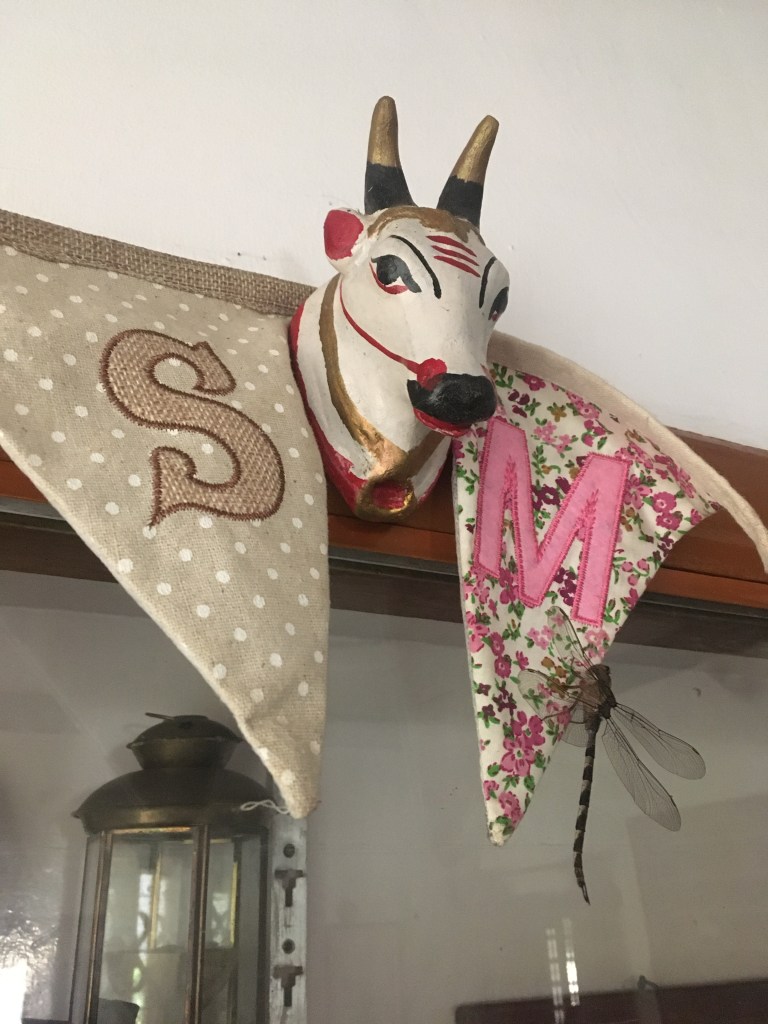
It tightly circled the two of us — one — two — three times as we stood in the centre of the room. It then landed on the ‘M’ (on Manjula’s pennant) on the wall nearby.
I opened the doors and windows and encouraged (arms flapping) the dragonfly to leave the house.
The next morning Sowbhagya found the dead dragonfly on the wooden cabinet, underneath the framed photo of MAnjula where we hang flowers and lights in her memory.
I’d failed to get it to leave.
The dragonfly
…
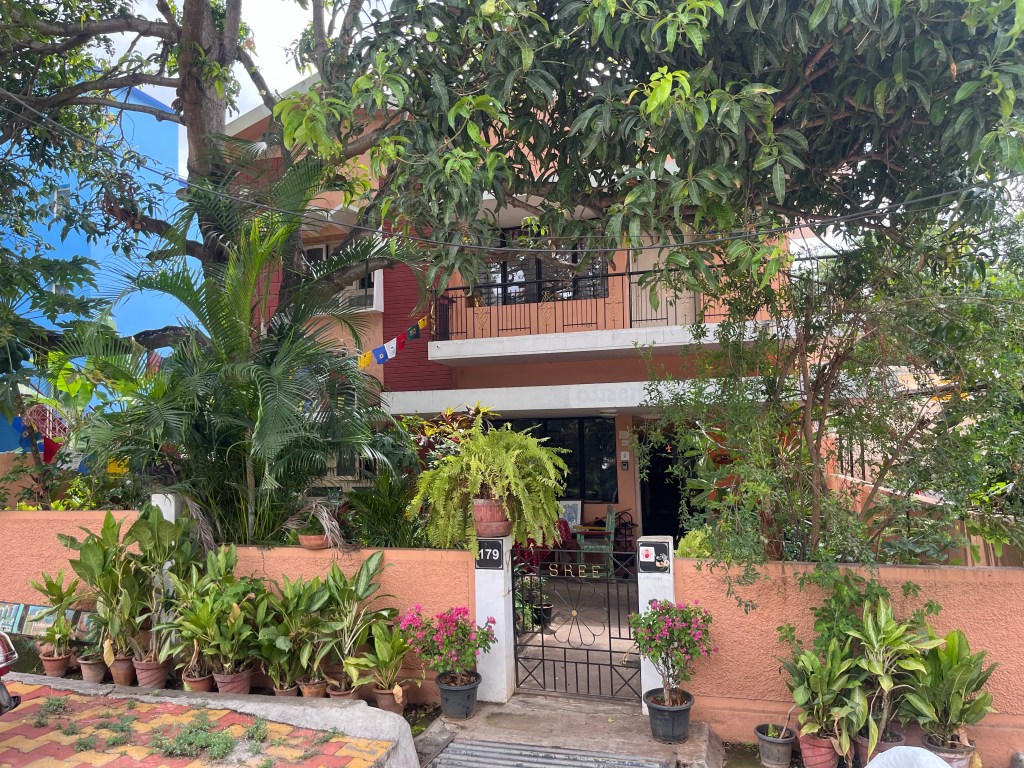
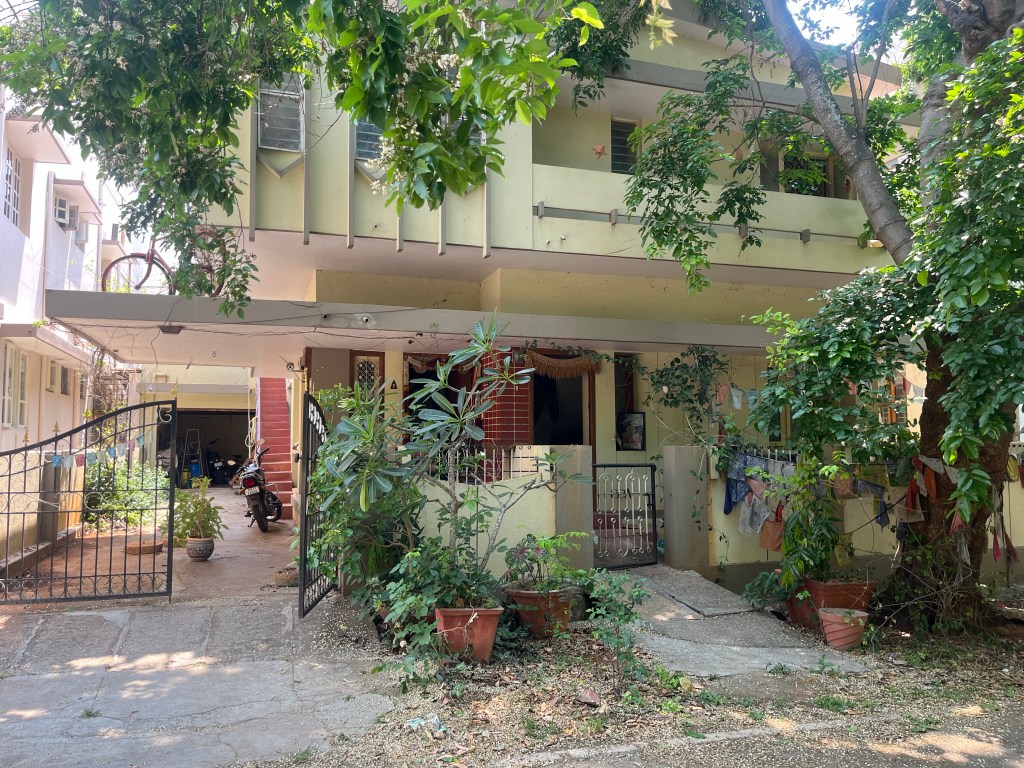
This year we’ve moved to a new house. It’s extra challenging as the previous house is the one MAnjula and I had shared for nine years.
Most of the furniture had gone and so this was one of the last removal trips.
As I walked across the room there was a crunch underfoot.
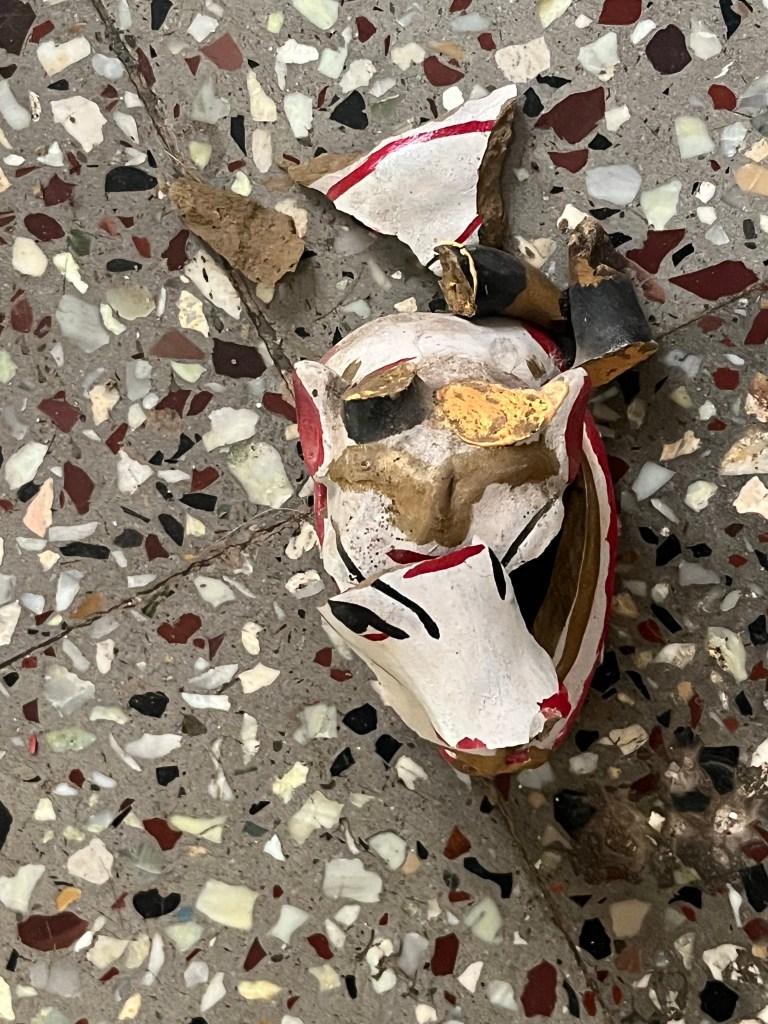
It was the cow head that had been hanging between the two pennants. It had fallen on the floor and I’d broken it again as I stepped on it.
I looked up to the place it had fallen from. The two pennants were completely reversed and facing the wall.
How is that possible?
…
Seems like an acknowledgement, a message, a sign to me. Who knows?
…
I generally have an open attitude. A belief that anything is possible. Life is complex, much of which we don’t understand and there are layer upon layer to discover.
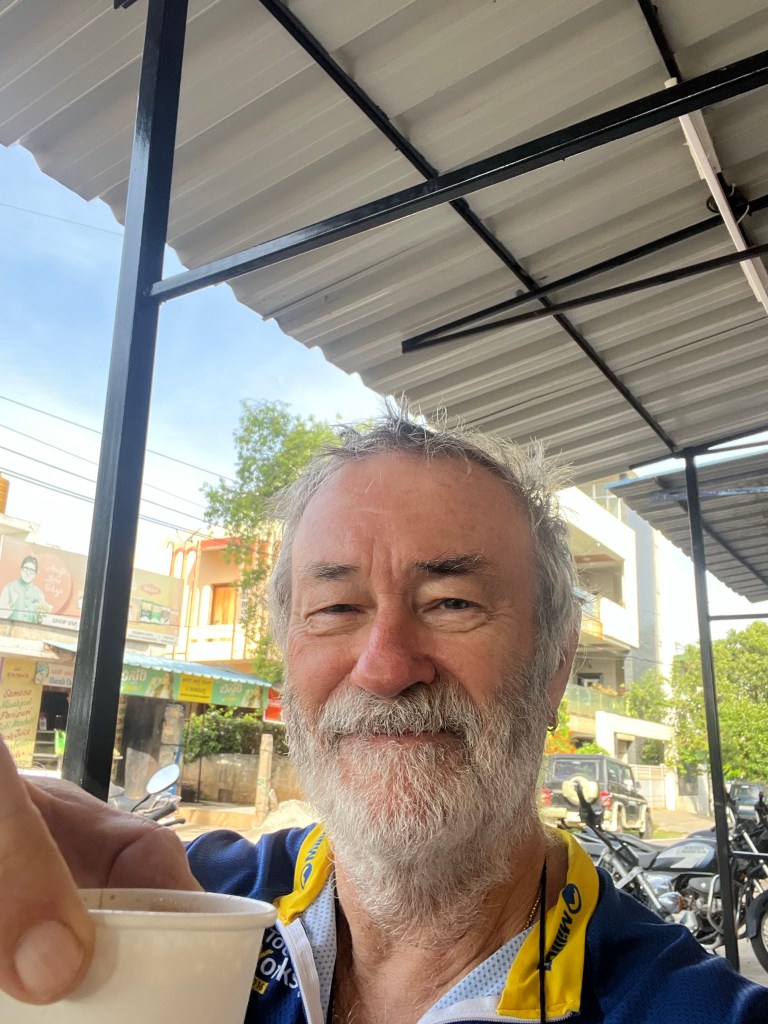
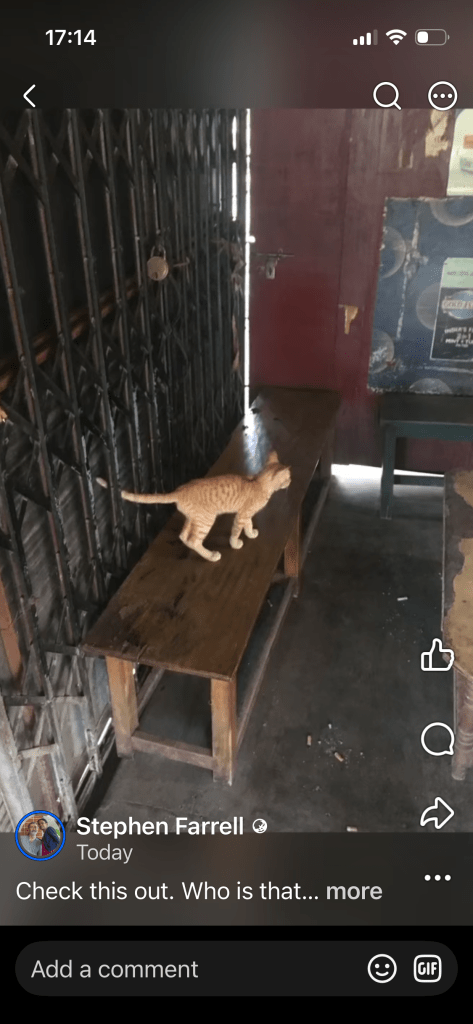
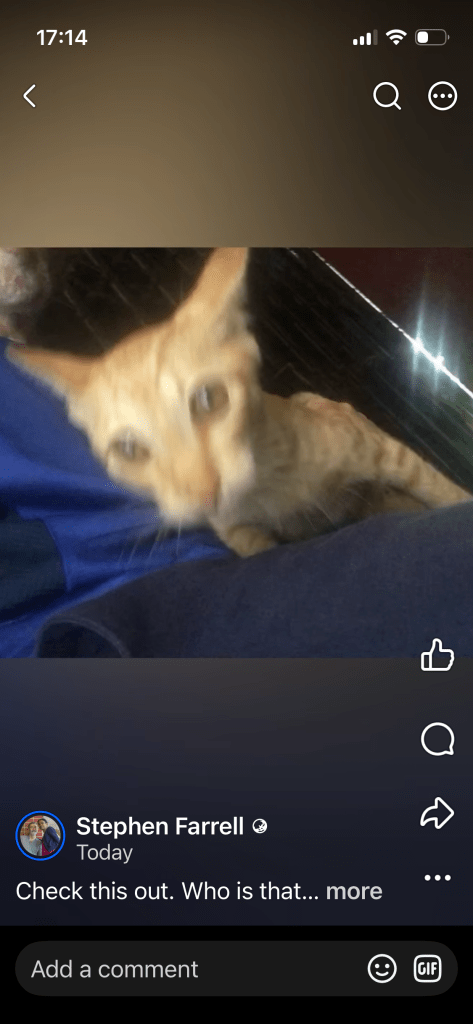
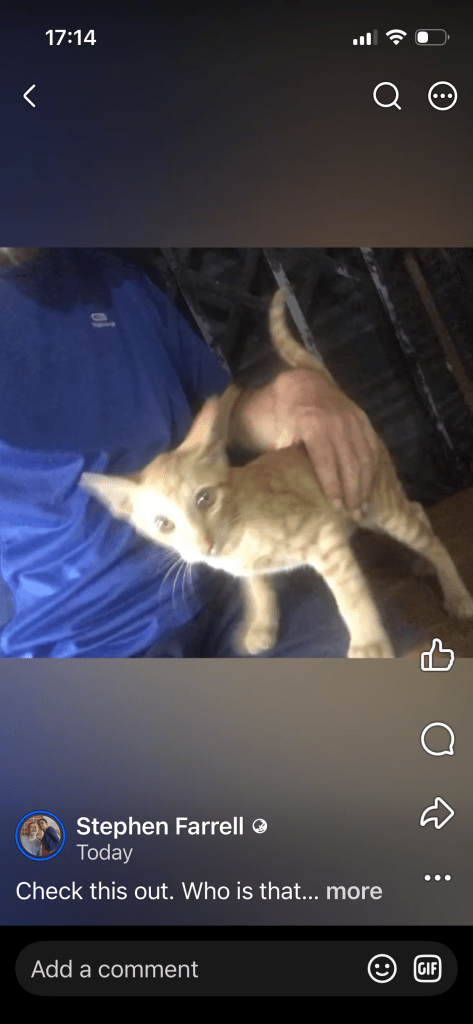
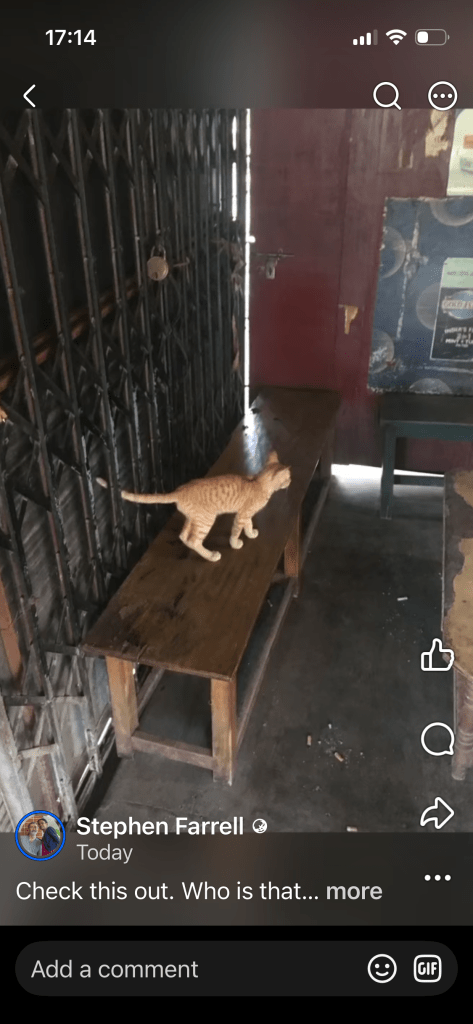
A teeny tiny kit came to sit on my lap on a visit to the local chai shop.
I guessed — she wanted to be adopted.
Blurred snatched photos
I wasn’t prepared to, so I gently shooed her away.
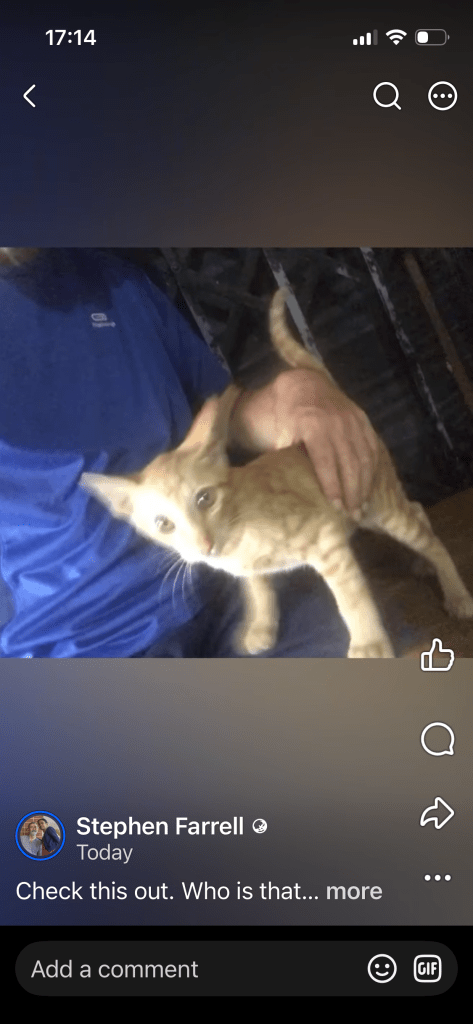
Later that evening, the first image you can see on this video appeared on my Facebook page. It was from exactly five years before when MAnjula and I had adopted a ginger cat.
We called him Billie, only to discover he wasn’t male so we changed it to Billi reflecting the Hindi word for cat.
He disappeared one day and never returned.
…
The next day after the photograph appeared I went out to find the new kitten.
It seemed like a message from MAnjula to adopt this new kitten in memory of ours, that we’d lost.
I announced this to my Facebook friends and called him ‘Billi too’ as a play on ‘two.’
…
Some of them were not impressed with the name as it clearly was a message from MAnjula and this should be acknowledged in the cat’s name.
So I callled her Billet-Doux which means sweet (or love) letter in French as it was a love letter from MAnjula.
You’d be forgiven for feeling confused. It can mean something seemingly quite different to many people but that’s not surprising as so many different individuals, groups and organisations have a stake in it.
So here’s a quick rundown of some of the key perspectives.
At its simplest it’s corporate philanthropy, (funding community organisations and projects), it works well when it also involves ‘help in kind’ through actual people’s involvement and action, but in its broadest sense it also means ethical standards, positive caring values reflecting how the business and its representatives behave. This might show itself in who and how they recruit, how they treat customers, suppliers and employees, their role in the wider community.
It’s therefore part of a wider agenda of CR or Corporate Responsibility and relates to all aspects of a business. That includes its policies and practices, its people’s behaviour and is reflected in how they’re perceived as a part of wider society.
Strategically it relates to the business overall and its success beyond making a profit. It covers policy, management, marketplace, workplace, environment and community. Handled well it actually enables it to be a more successful business.
It’s actually about doing good and having a positive impact.
..,
The legal situation for businesses in India
Corporate Social Responsibility (CSR) in India is a legally binding obligation. Under Section 135 of the Companies Act, 2013, eligible companies are mandated to spend at least 2% of their average net profits from the preceding three years on approved socio-economic and environmental initiatives
Lifted from the Internet.
India leads the way in making CSR mandatory for certain larger businesses. It’s voluntary for smaller businesses and all throughout the world.
Stephen
Now lives in Mysore South India. He’s worked in all sectors, community groups, Non government organisations, government itself, large and small commercial businesses.
All of those are relevant to this subject. In particular he was a consultant and trainer (he prefers facilitator) on corporate responsibility (includes CSR) and developing people , communities and changing organisations; utilising leadership, experiential learning, managing diversity.
In particular he worked for HRH the Prince of Wales’s (now King Charles) NGO called ‘Business in the Community’ and continued to deliver workshops (on CR) for them until 2019.
He’s worked with commmunities and businesses in U.K. and India and it’s included:
Princes’ Seeing Is Believing events and related events in Mumbai, Chennai, Delhi and Bangalore
Workshops on Corporate Responsibility (delivered by Stephen to hundreds of businesses in U.K. and India) , motivating employees, stakeholder dialogue, diversity and managing change.
Individual consultancy, leadership and team development.
Working with Oracle, CISCO, TATA, Veolia, Royal Mail, EDS, E&Y, KPMG, Camelot, amongst others.
So he’s lived and breathed the subject through all his careers.
He now leads a small tourism business in South India that proudly engages in supporting young people in its local community.
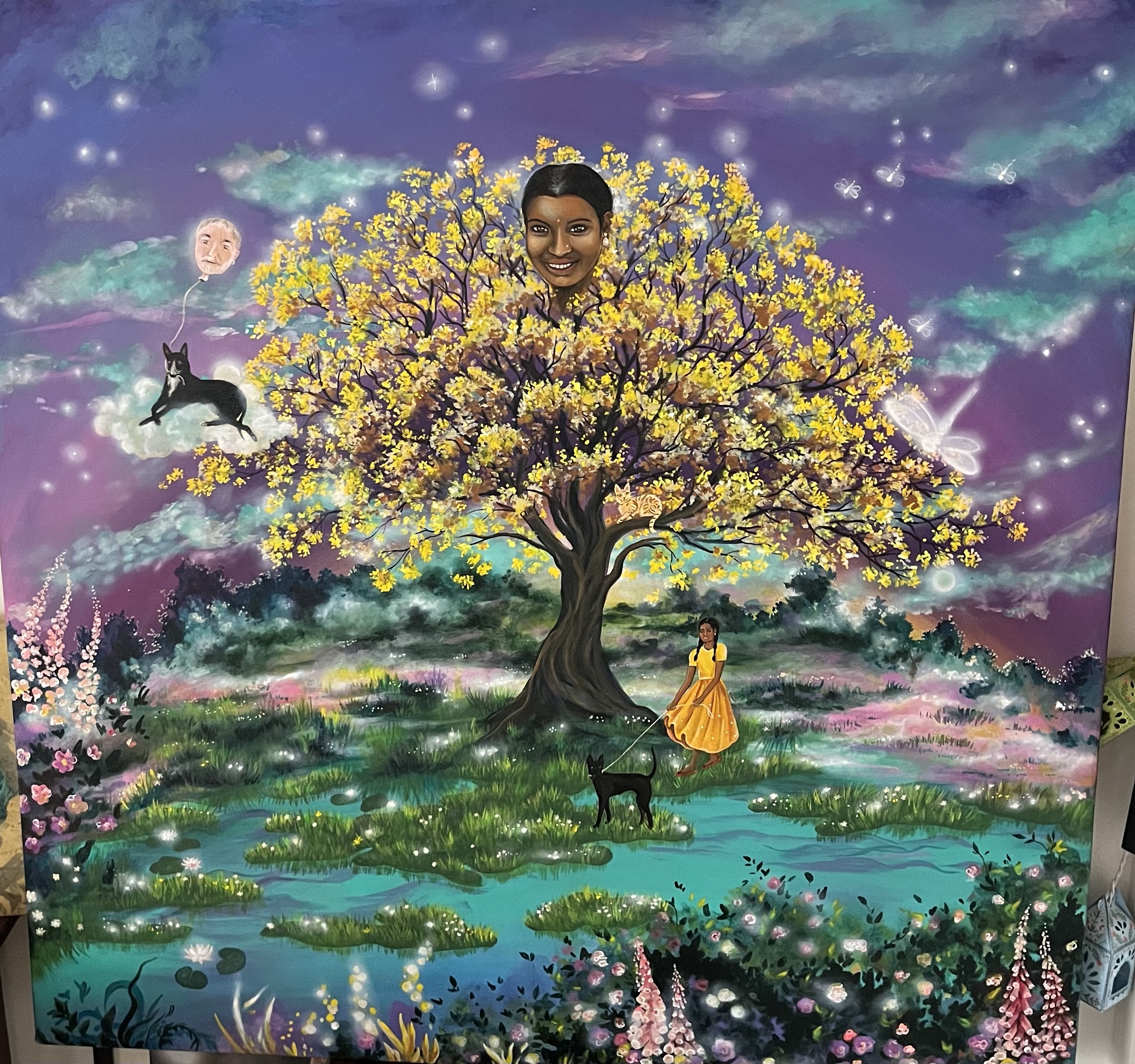
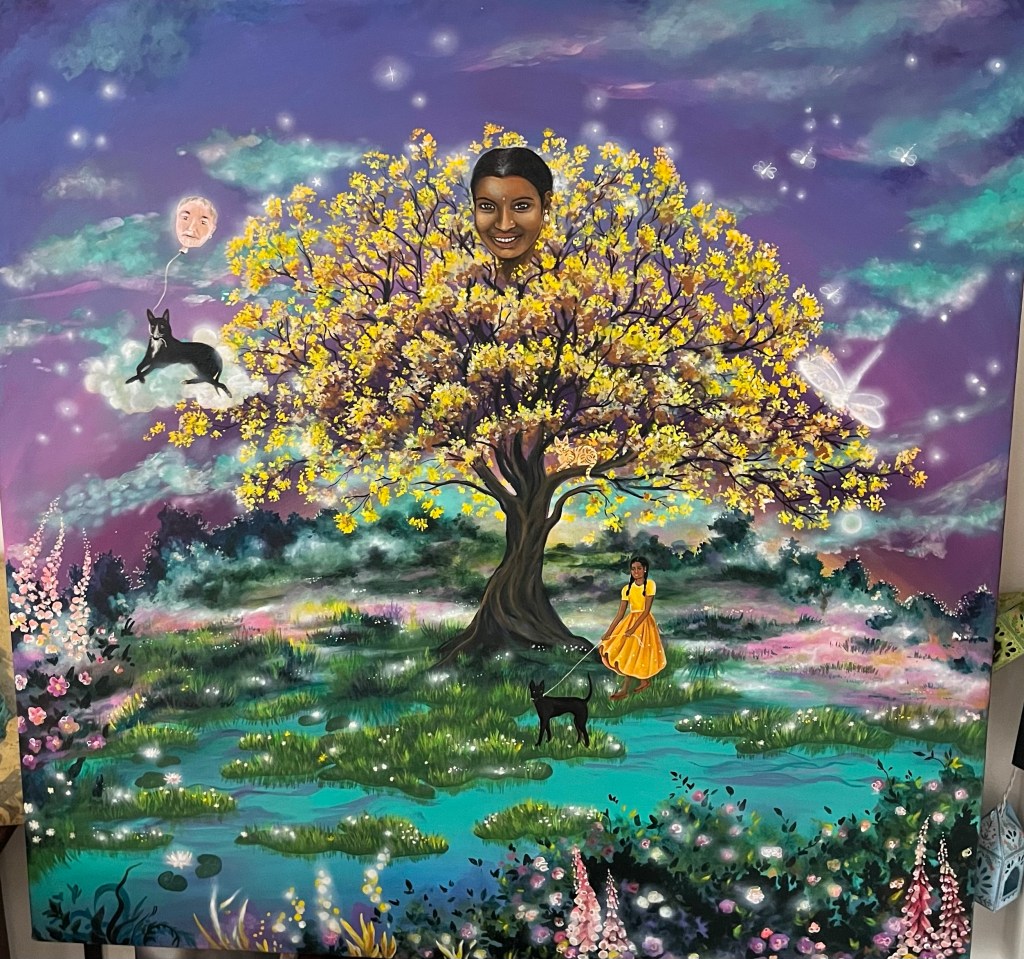
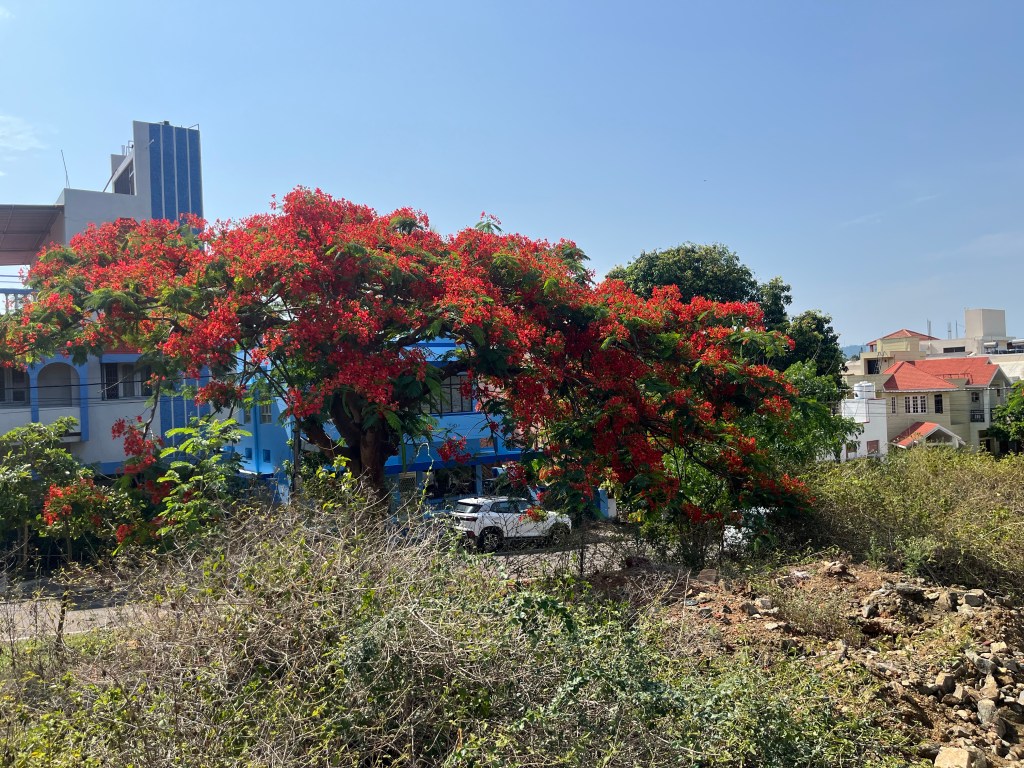
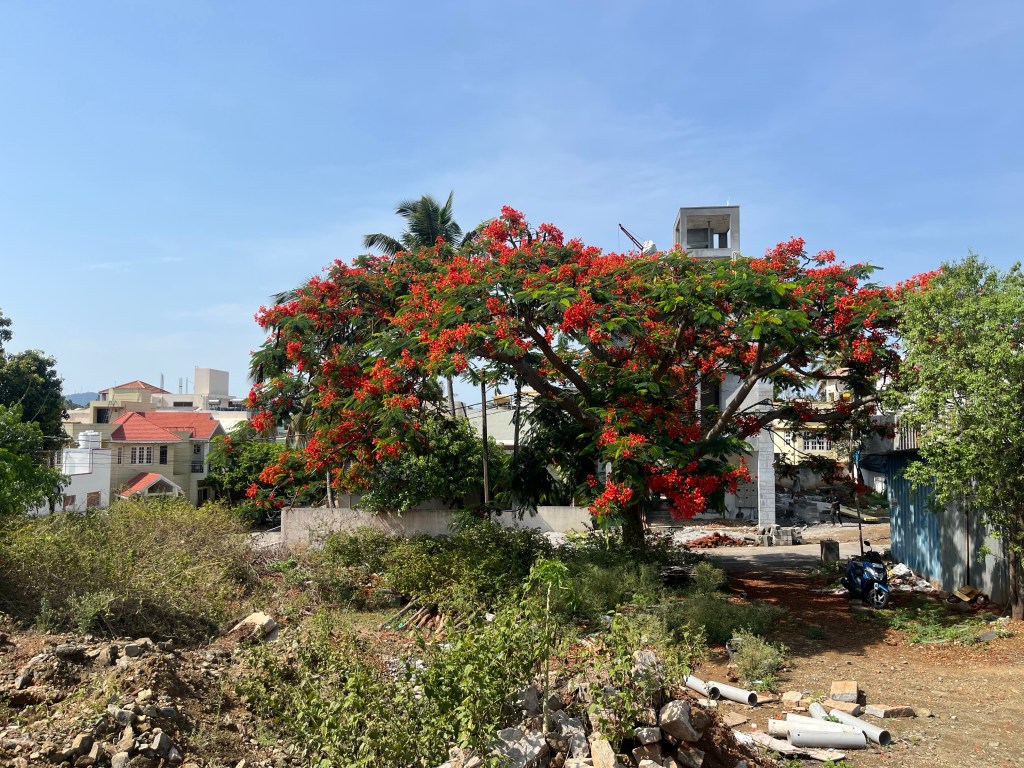
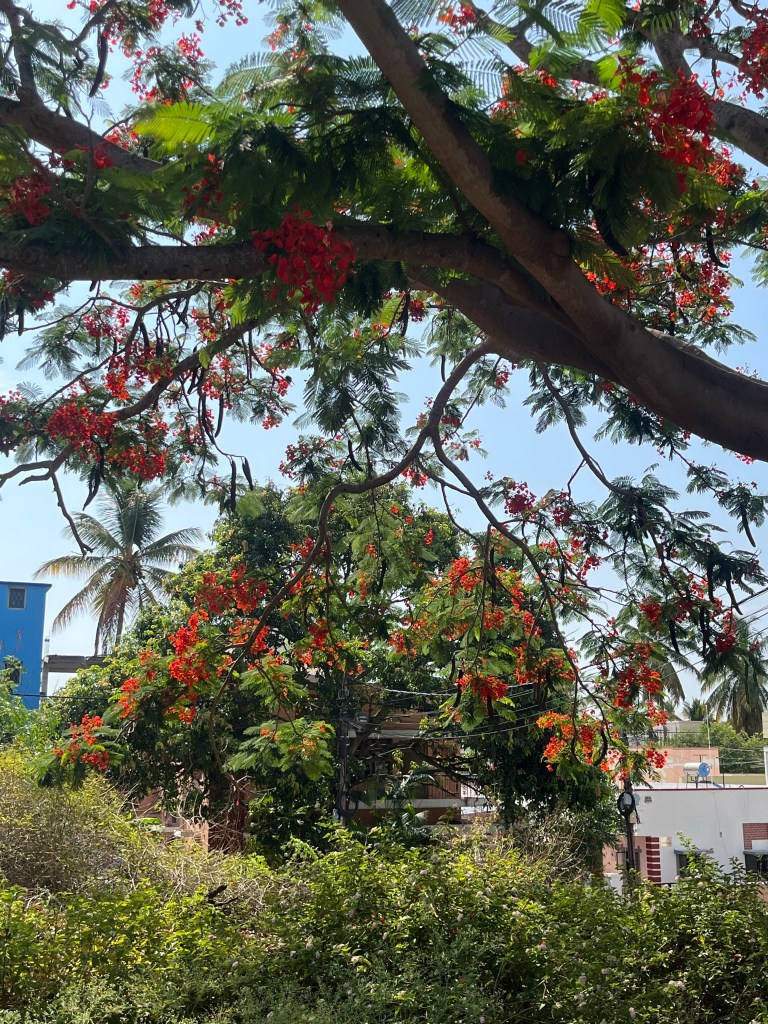
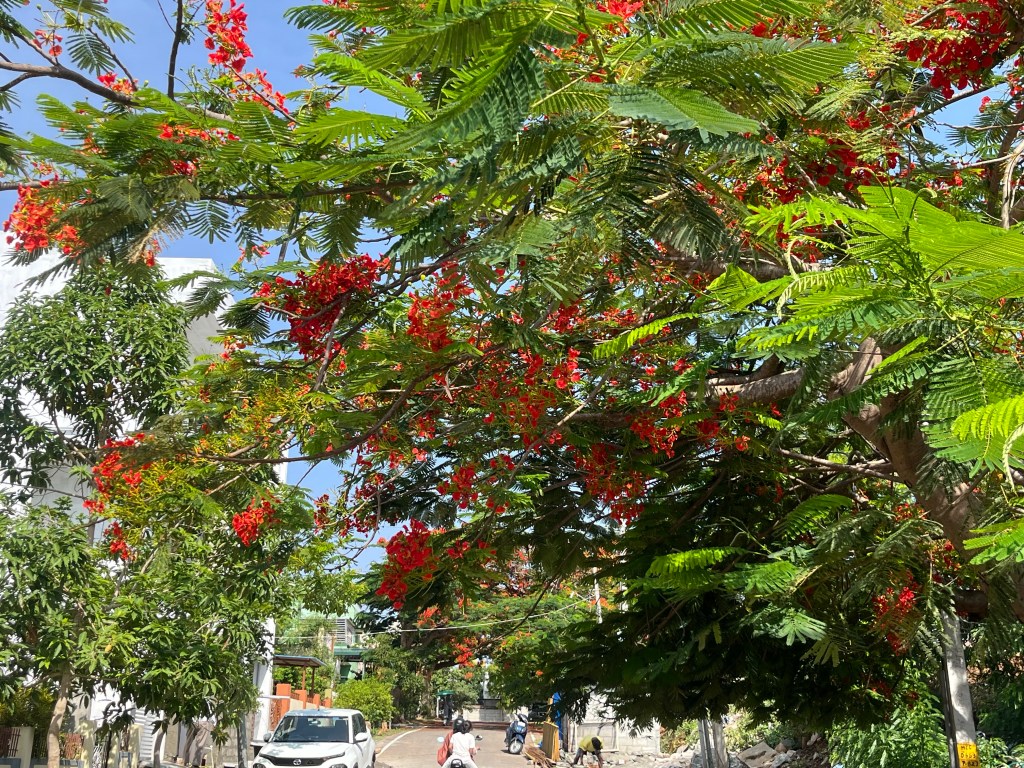
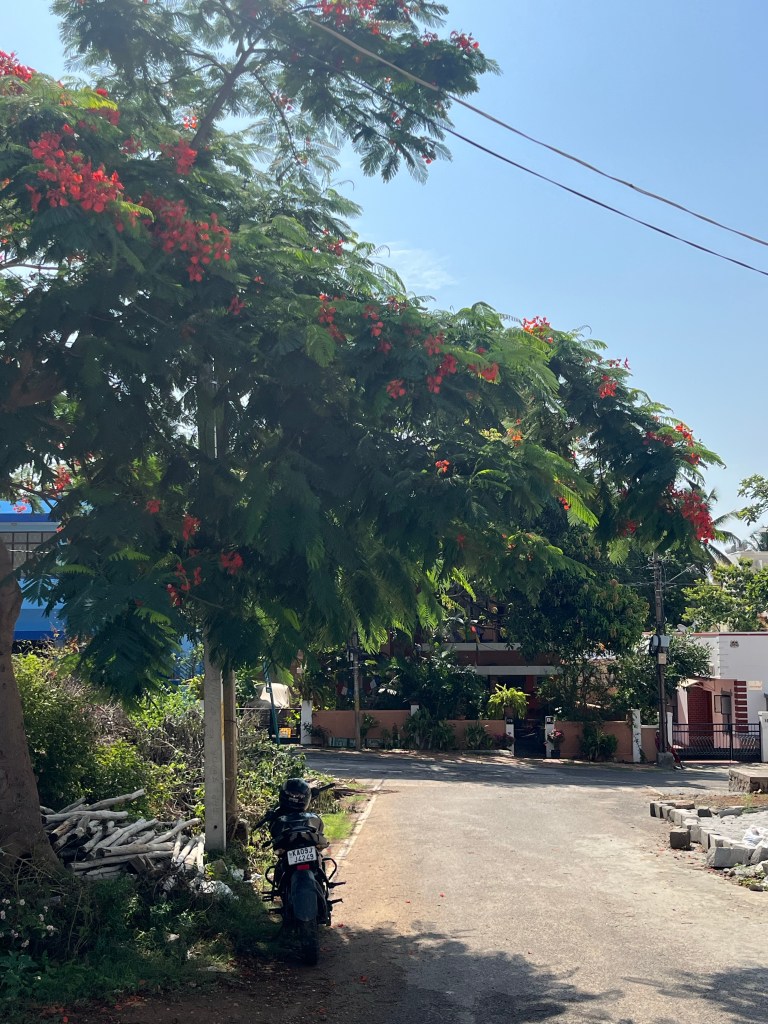
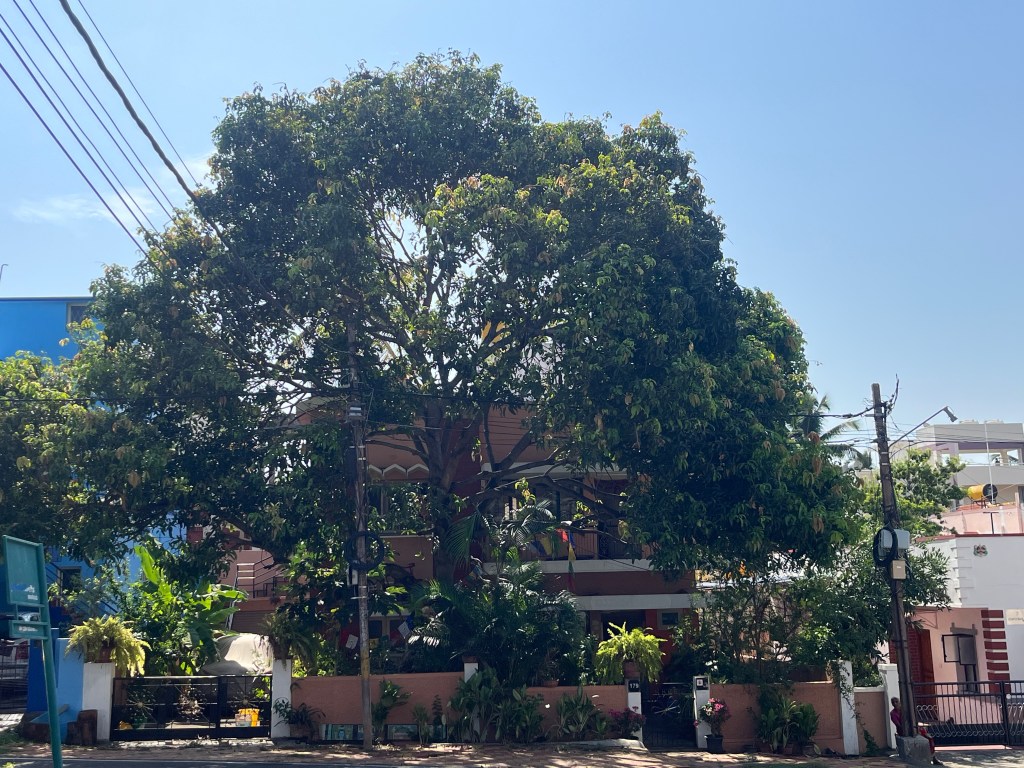
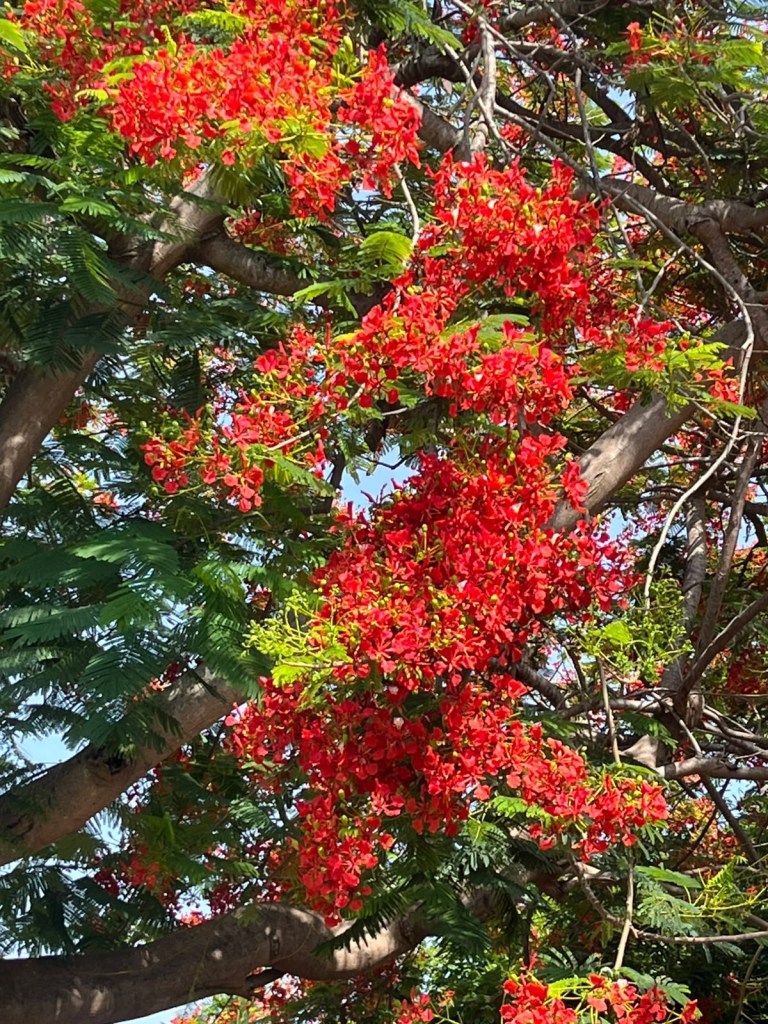
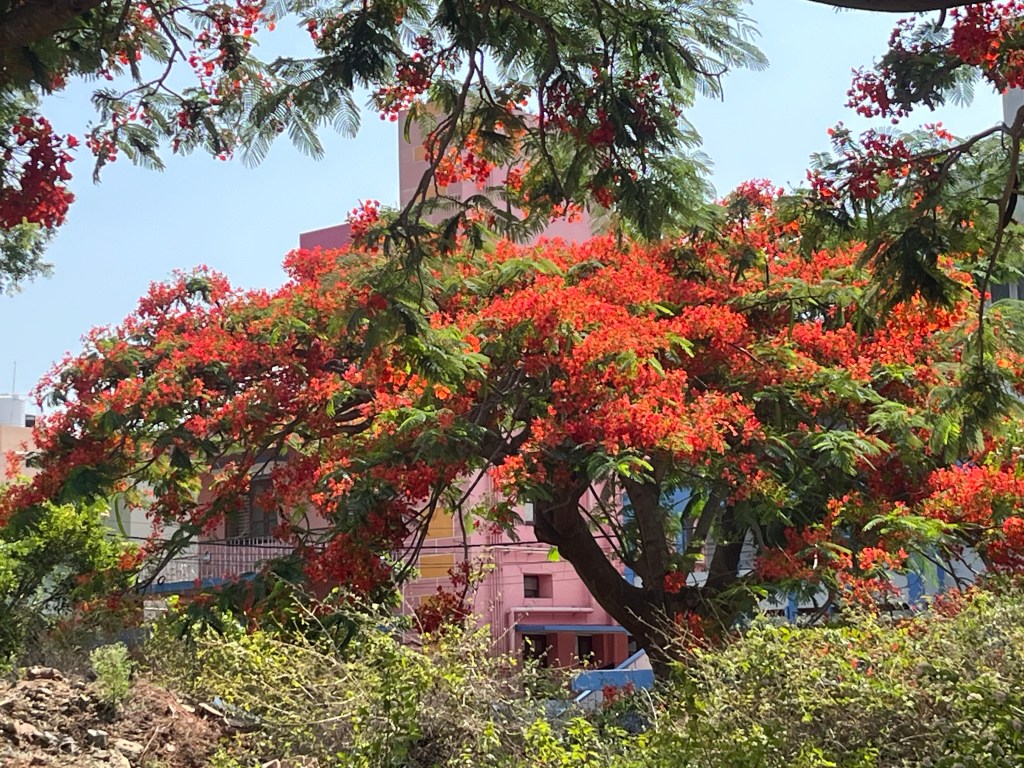
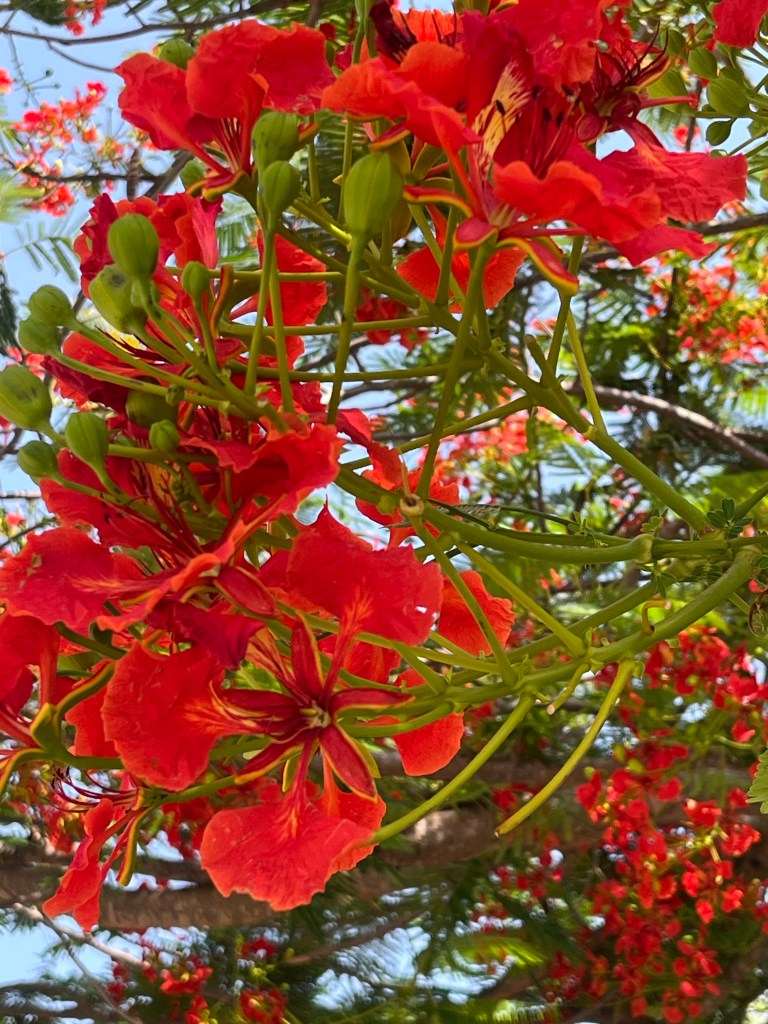
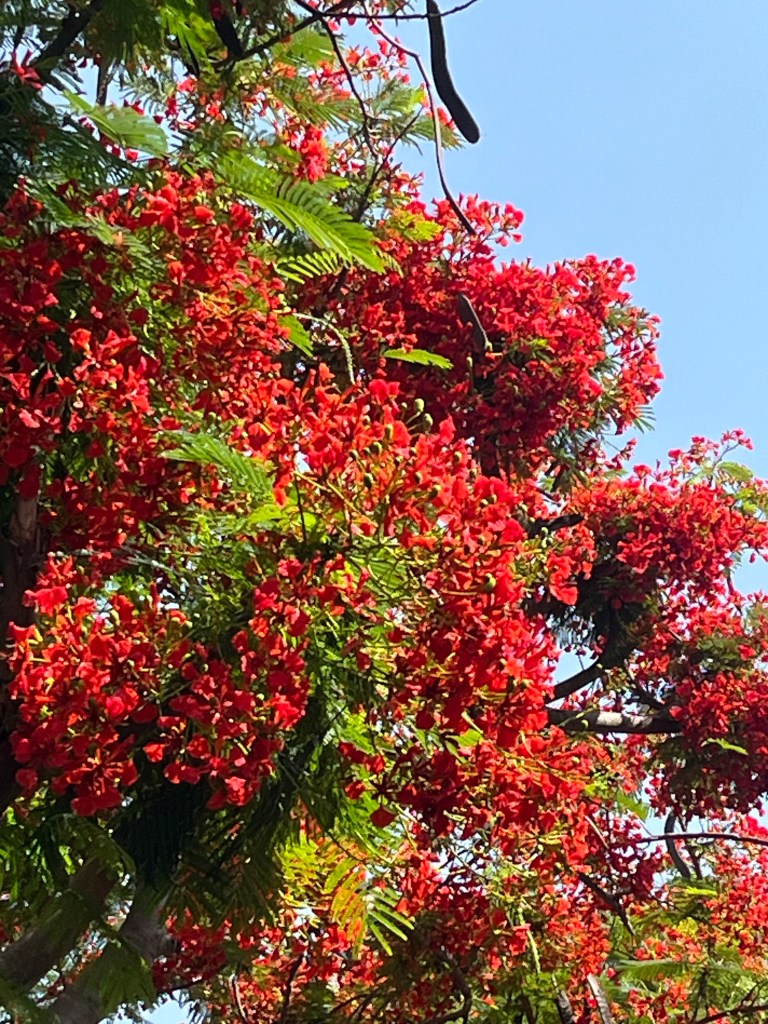
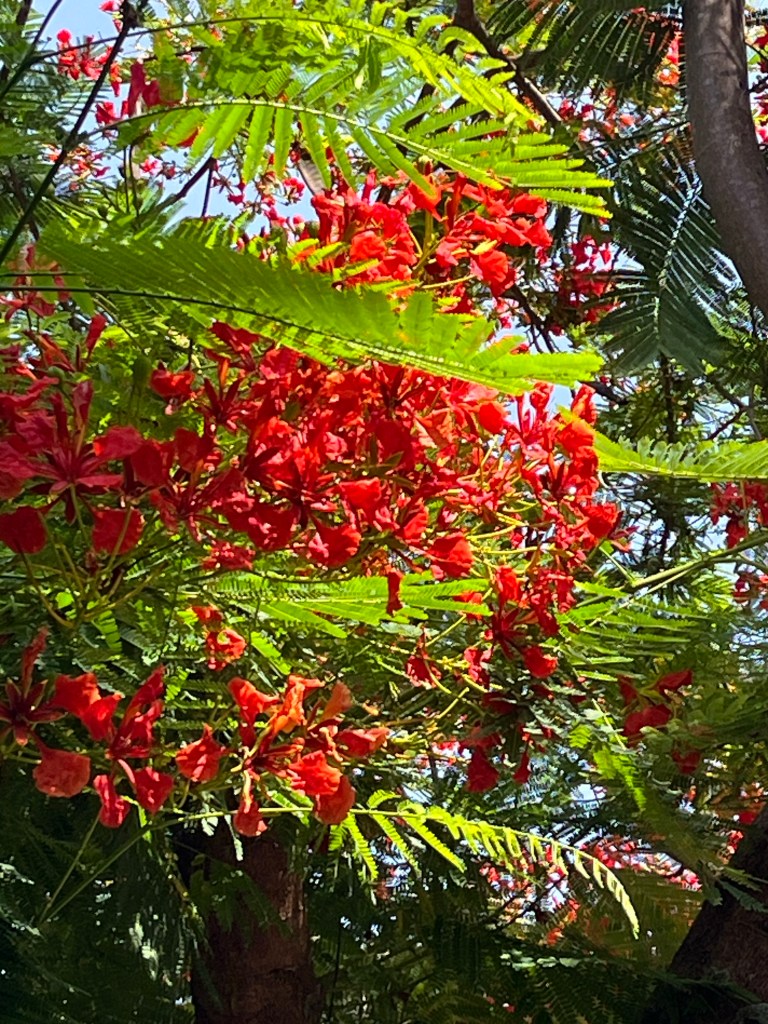
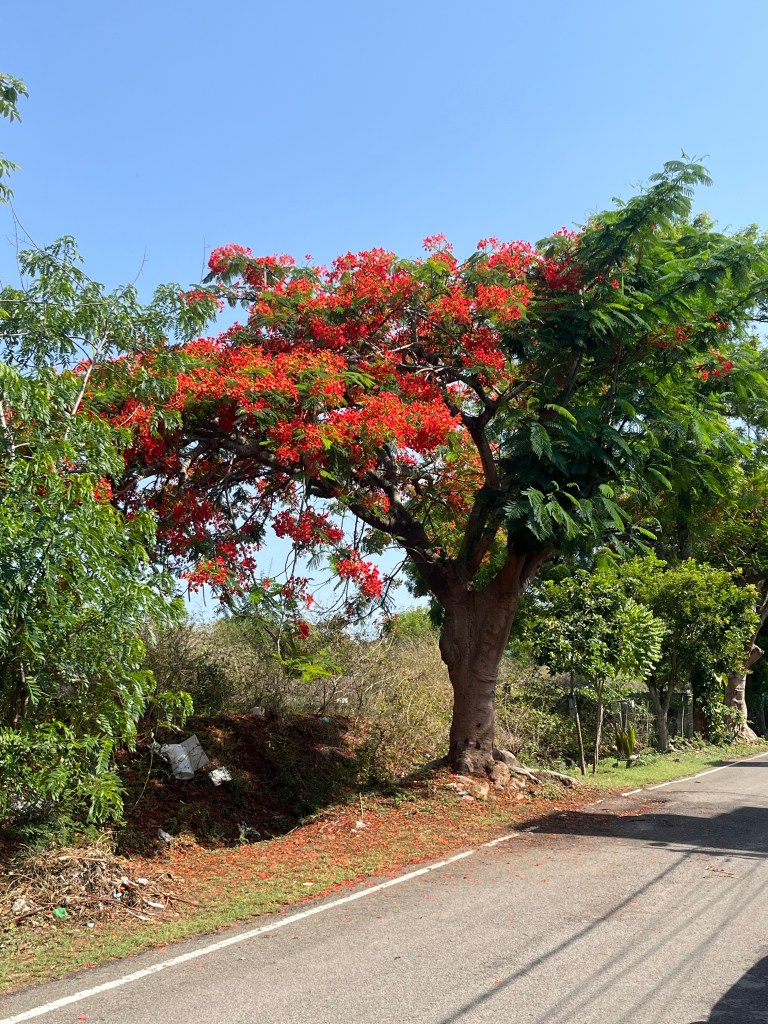
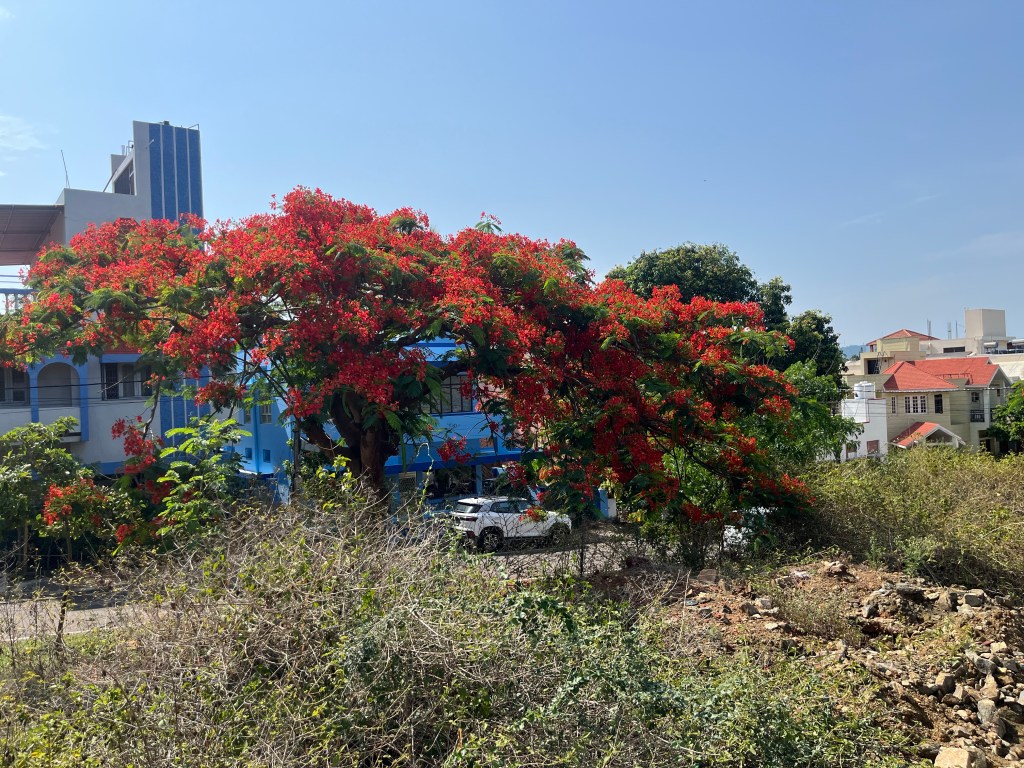
Gulmohar (Delonix regia) is a stunning tropical tree famous for its fern-like leaves and vibrant, flame-colored flowers. Native to Madagascar, it is widely planted in India and tropical regions worldwide as an ornamental street tree
The Tree (Royal Poinciana)
Often called the Royal Poinciana or Flame Tree, the Gulmohar thrives in warm climates and blooms brilliantly during the hottest summer months (typically April through June). [1, 2, 3]


 Me and MYCycle