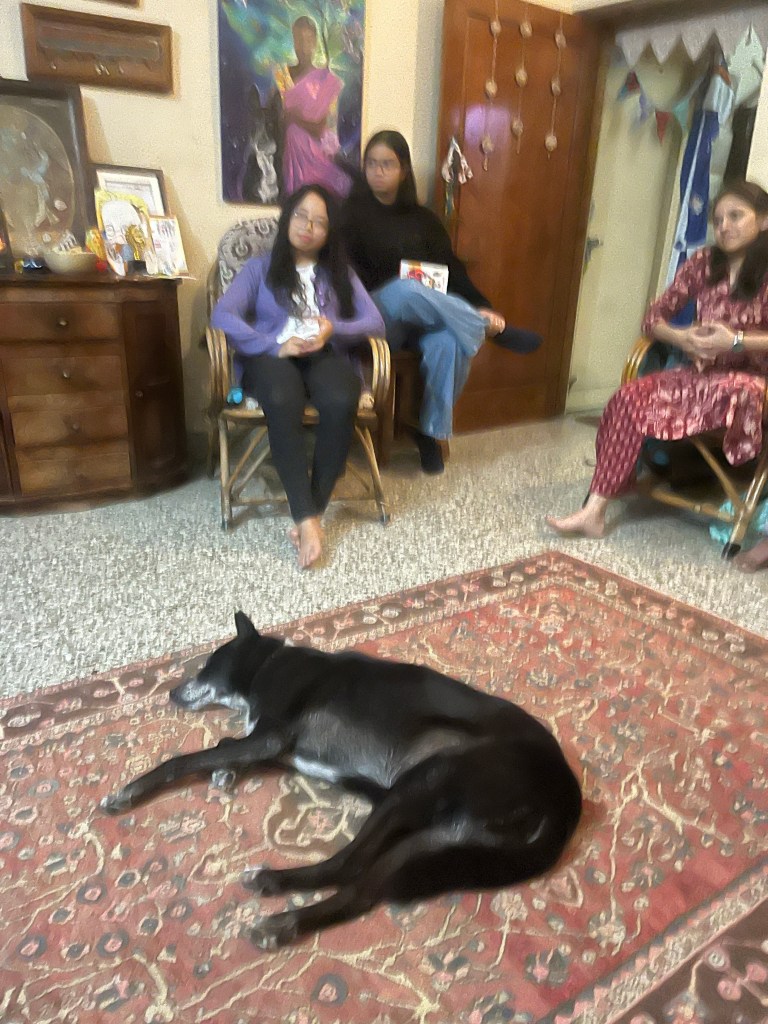
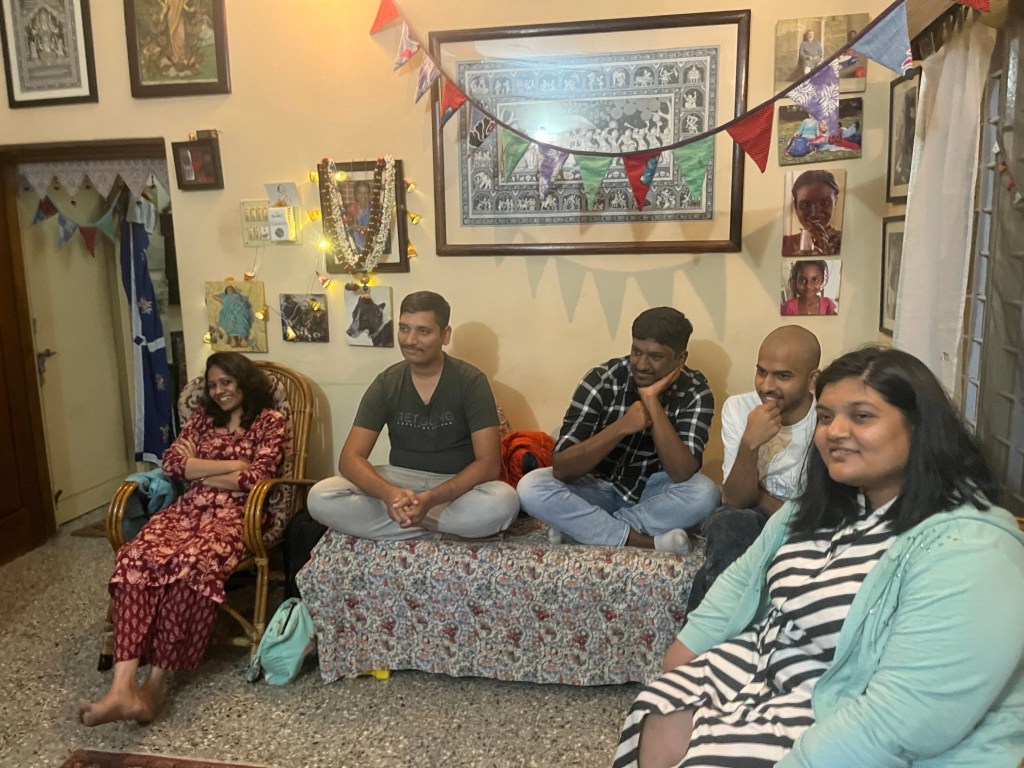
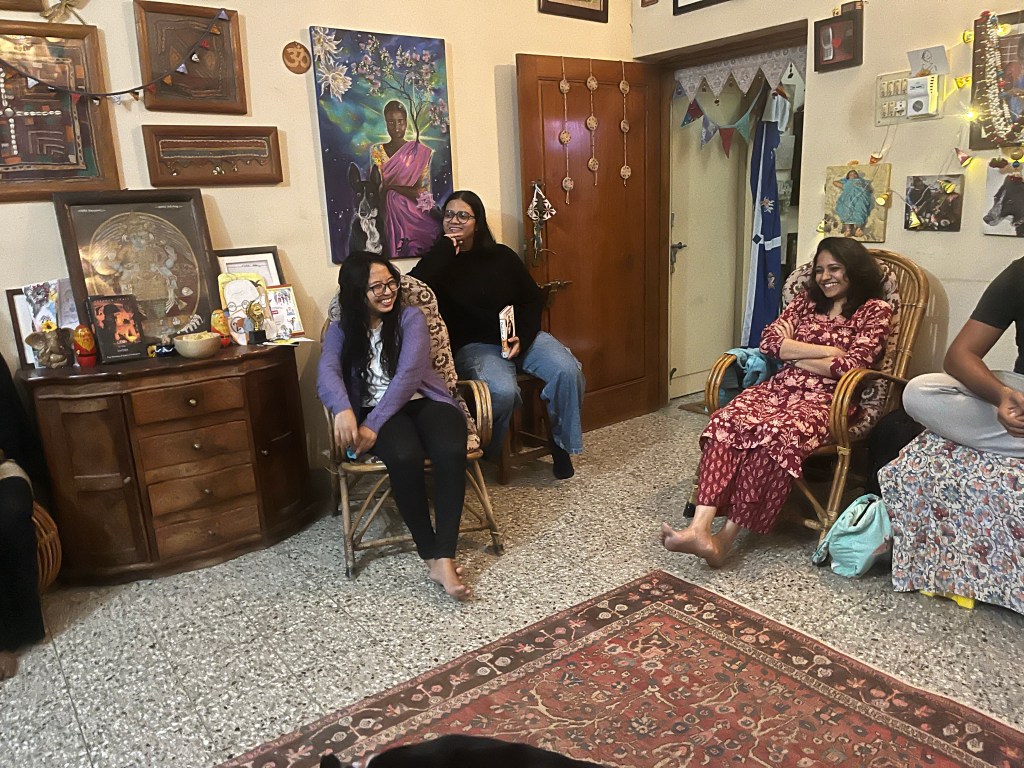
Reflective space is Our monthly meeting of young adults to discuss anything of interest.
What a wonderful group of people, with a wide range of experience and interests.
Our special guest was Sarvesh visiting from Australia.
We discussed education, medicine, culture and much more.
We ‘d reconvened after a gap of two months due to me being pre-occupied with school summer holiday and my own holiday to Europe.
Next month our special guest is Maria. We want find out about her and what she does so we expect it will cover women’s empowerment and support for children, as she has experience in those fields.
Meetings will now be held each month.
If you want to join a future meeting write to Stephen at tours@mycycle.co
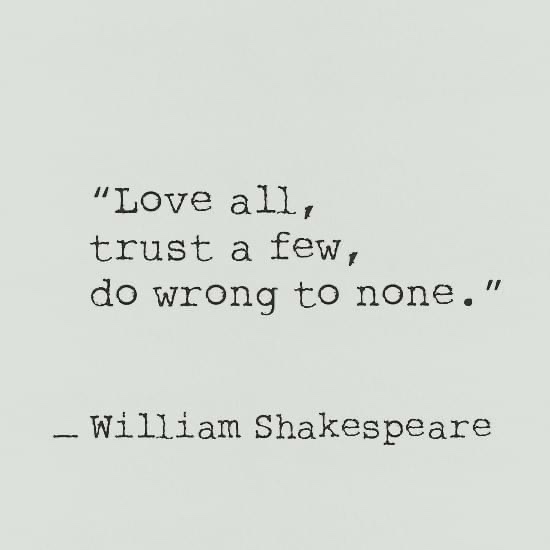
…. As it’s astonishing how his work as affected our use of the English language.
On Quoting Shakespeare
If you cannot understand my argument, and declare “It’s Greek to me”, you are quoting Shakespeare; if you claim to be more sinned against than sinning, you are quoting Shakespeare; if you recall your salad days, you are quoting Shakespeare; if you act more in sorrow than in anger; if your wish is farther to the thought; if your lost property has vanished into thin air, you are quoting Shakespeare; if you have ever refused to budge an inch or suffered from green-eyed jealousy, if you have played fast and loose, if you have been tongue-tied, a tower of strength, hoodwinked or in a pickle, if you have knitted your brows, made a virtue of necessity, insisted on fair play, slept not one wink, stood on ceremony, danced attendance (on your lord and master), laughed yourself into stitches, had short shrift, cold comfort or too much of a good thing, if you have seen better days or lived in a fool’s paradise -why, be that as it may, the more fool you , for it is a foregone conclusion that you are (as good luck would have it) quoting Shakespeare; if you think it is early days and clear out bag and baggage, if you think it is high time and that that is the long and short of it, if you believe that the game is up and that truth will out even if it involves your own flesh and blood, if you lie low till the crack of doom because you suspect foul play, if you have your teeth set on edge (at one fell swoop) without rhyme or reason, then – to give the devil his due – if the truth were known (for surely you have a tongue in your head) you are quoting Shakespeare; even if you bid me good riddance and send me packing, if you wish I was dead as a door-nail, if you think I am an eyesore, a laughing stock, the devil incarnate, a stony-hearted villain, bloody-minded or a blinking idiot, then – by Jove! O Lord! Tut tut! For goodness’ sake! What the dickens! But me no buts! – it is all one to me, for you are quoting Shakespeare.
Bernard Levin
….
I was so impressed by this teacher in the USA who used Shakespeare to help teach young children whose first language wasn’t even English.
Never imagined I’d be sitting in my lounge in Mysore quoting Shakespeare. It’s from Measure for Measure.
“Our doubts are traitors
And make us lose the good we oft might win
By fearing to attempt”
I’ve lifted it from a book by Rafe Esquith ( Teach like your hair’s on fire ) one of the wonderful books I’m reading about education. Some are analytical or like Rafes: stories of innovations to help motivate children to learn.
I’m certain many of us can recall examples of how our doubts or fears have stopped us making decisions or taking action. All of us hopefully will remember when we did have the courage of our convictions and acted successfully.
I often remember when I first started working in local government in the U.K. I thought it idiotic and time-wasting that certain powers hadn’t been delegated to officers (from the politicians : councillors/corporators). We would go to formal committee for what, to me, seemed small decisions. My senior colleagues ridiculed the idea. We’ve tried that before laddie (it was Yorkshire but I was 30!) 🤔 I did it and I got it. Result. 😛
I shared this joke as I’m currently working out how to help children think (creatively, divergently and critically) as part of my new thing. (Contemplating working with kaveri’s school, if they’ll have me) I’m looking into Kohlberg’s Stages Of Moral Development after starting to read this book ….
Postscript
I’ve also been reading Ken Robinson’s books. Great insights about how our education systems are designed for the Industrial Revolution preparing children to slot into jobs that will not exist. So we need to help them to have the competencies associated with adaptability, effective communication and developing relationships. I agree but there seems to be an added problem in achieving that. We don’t help them to think for themselves, to be innovative, we suppress it and expect them to know their place. That is an even older approach, it’s medieval and wrong.




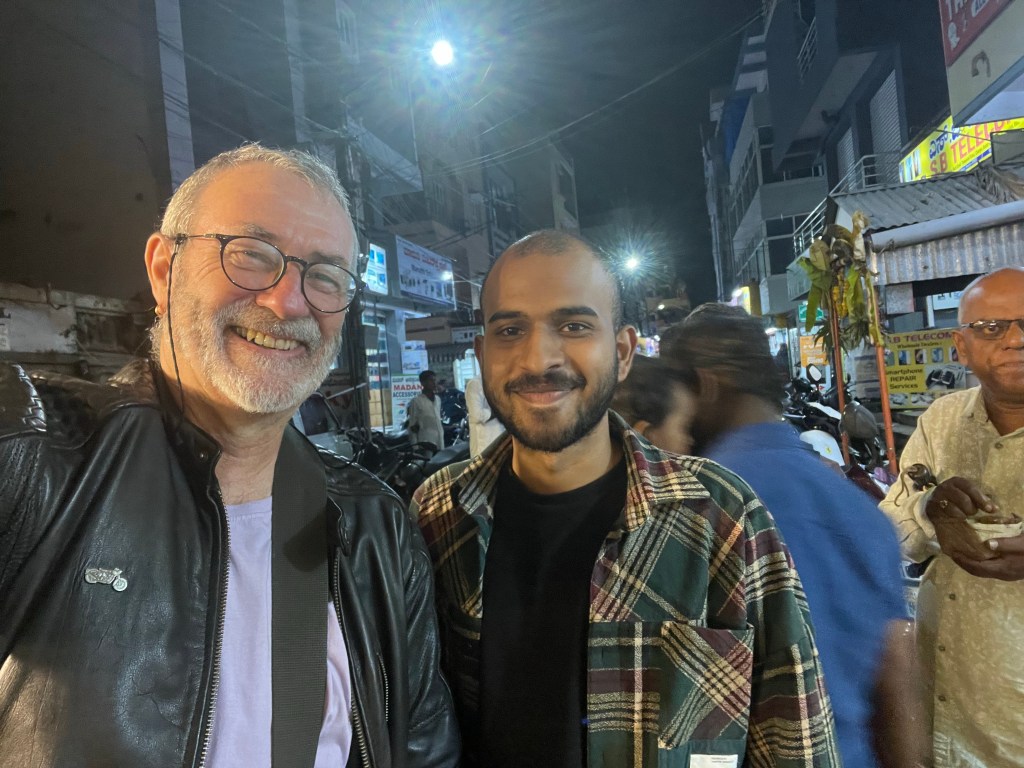



 Me and MYCycle