
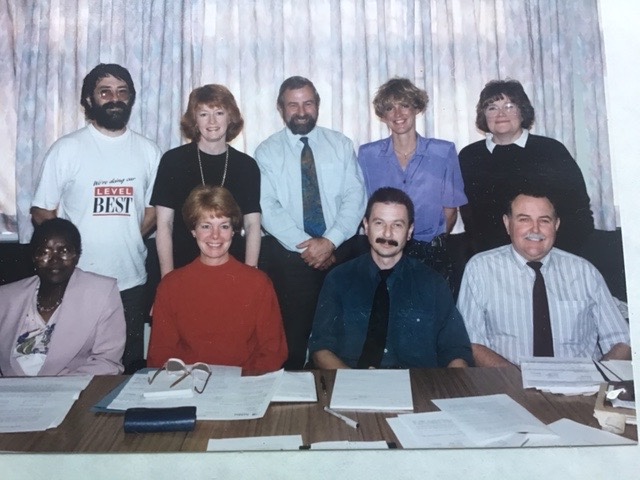
Disability Services included day and residential centres, equipment and adaptations to their homes, WORKLINK to get integrated employment, daily meals, care at home, social work and housing.
I have very fond memories of our time together and the dynamic team we created that made a difference in so many people’s lives.
We were fortunate and known for a programme of work (LEVEL BEST) to be able to involve disabled people in telling us what they wanted from the services leading to a series of innovations, including ….
– information service
– advocates to help people understand and get the services they needed
– community based daytime activities
– integrated housing
– disabled people’s electronic village hall providing access and training to computers
– a shop selling equipment
– accessible transport service to the wider disability community.
…and a conference to pass on our learning to other organisations.
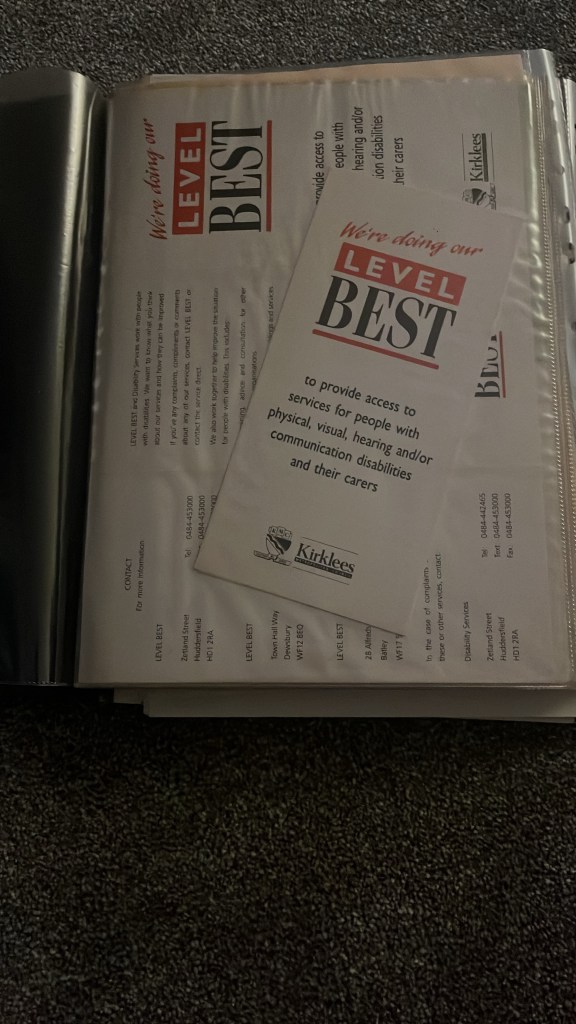
We were a wonderful team, at a special time who found ways to do things differently .
Thanks guys.
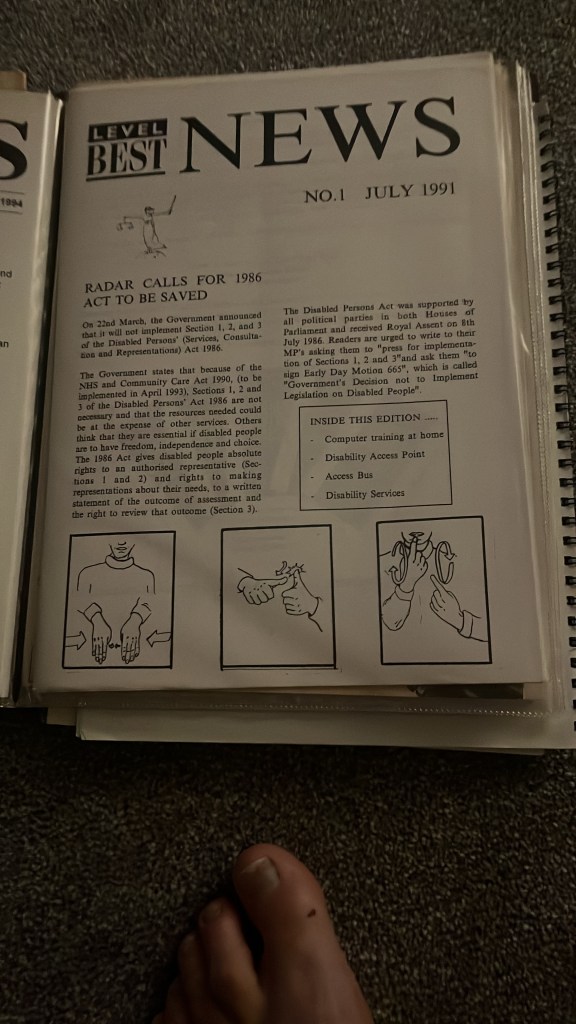
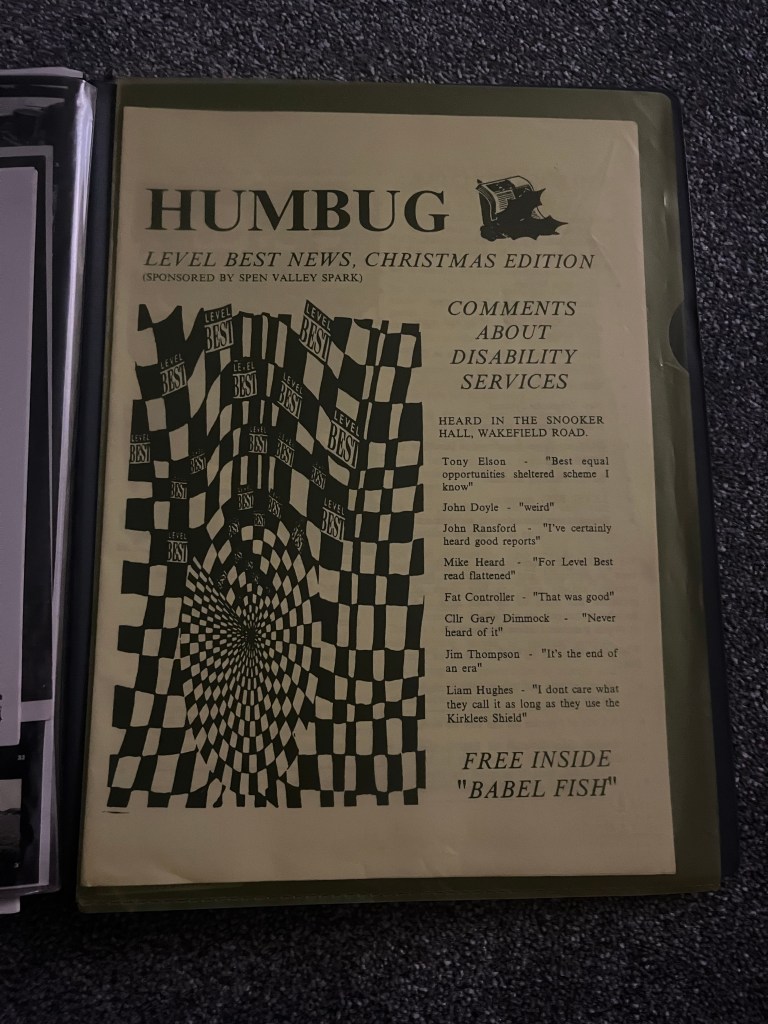
Footnote
LEVEL BEST was a campaign of different methods such as: a reference group, market research panels, public meetings, interviews, to involve disabled people in telling us what they wanted from a reorganised public service. It led to a business plan and fundamental reorganisation of the overall service.
After footnote
That was thirty years ago. Unfortunately the money available to provide such services is reduced and demand has increased. Political priorities change. People are however continuing to provide essential services in difficult circumstances.
 Me and MYCycle