How do we and our organisations learn and develop?

A major challenge for any organisation and for individuals is having the confidence to take risks. Thats how organisations innovate (if they don’t they’ll not survive) and its how people learn and grow We can see this everyday —- its our duty as managers, teachers, parents, friends, to help people take risks and learn from the experience. If we’re too worried to try new things or making a mistake we’ll not change or grow. We’ll be stuck physically, mentally — socially and economically.

It’s about stepping out of one’s ‘comfort zone.’

Same for our organisations, which might become less competitive and left behind, if they or their employees are too scared to step up

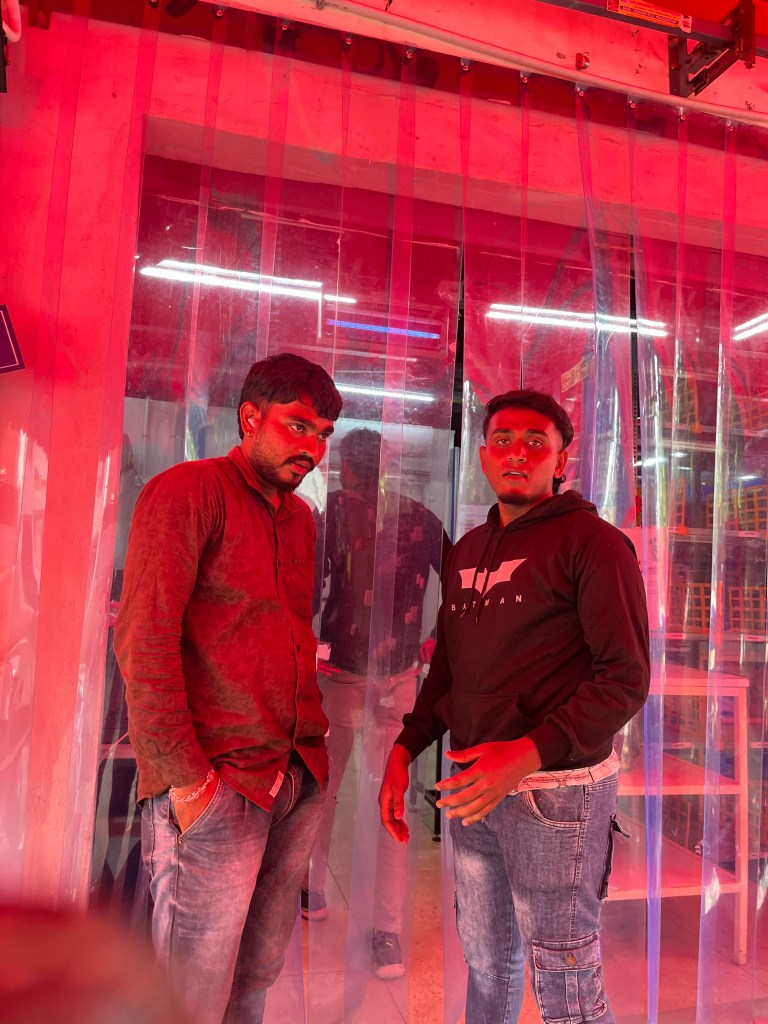
I saw yet another example of it today at Flipkart.

As a company they were in prime position when they first launched. I wonder what they feel now. Have they progressed as fast as they expected?

If not then what can they learn from it?
How about empowering their employees to innovate?

The sweet-ish sisters ..

… Leave for two nights with Kaveri’s mum.

It’s been the usual joy having them here for the week.

There’s one more before they return to school and college.

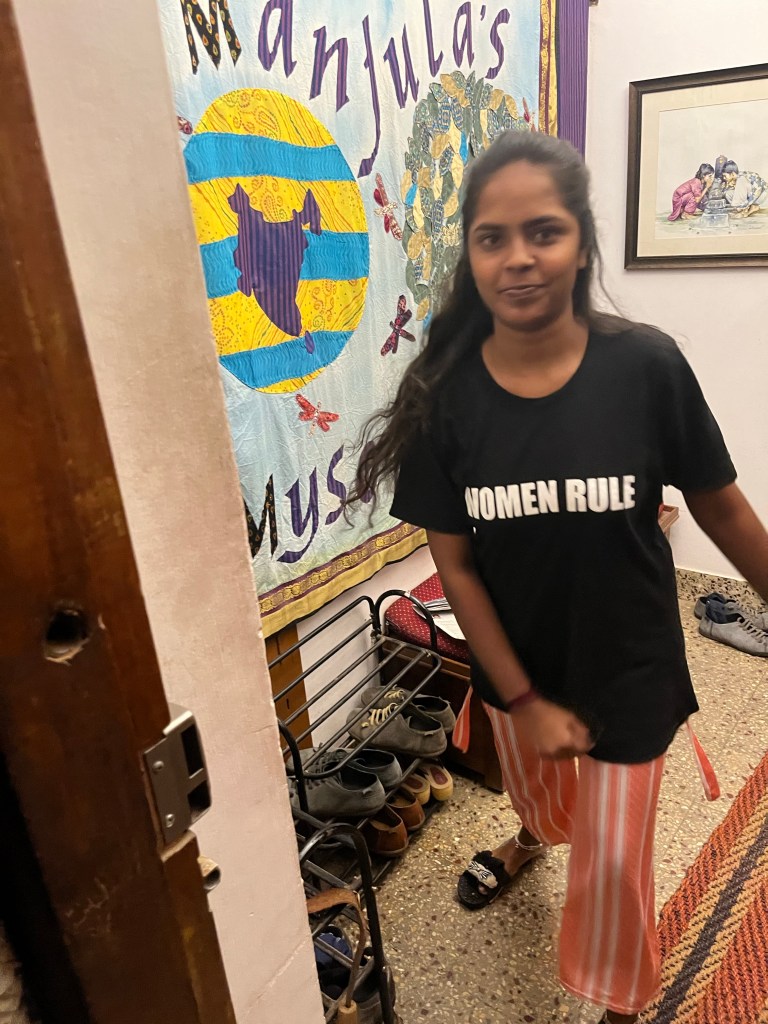
The T-shirt was left as a gift by a recent guest but nicely sums up the impact Manjula’s Mysore wants from our support to them

Footnote

Chandrika has re-utilised the money I’d given them for the auto ride. No surprise there then.

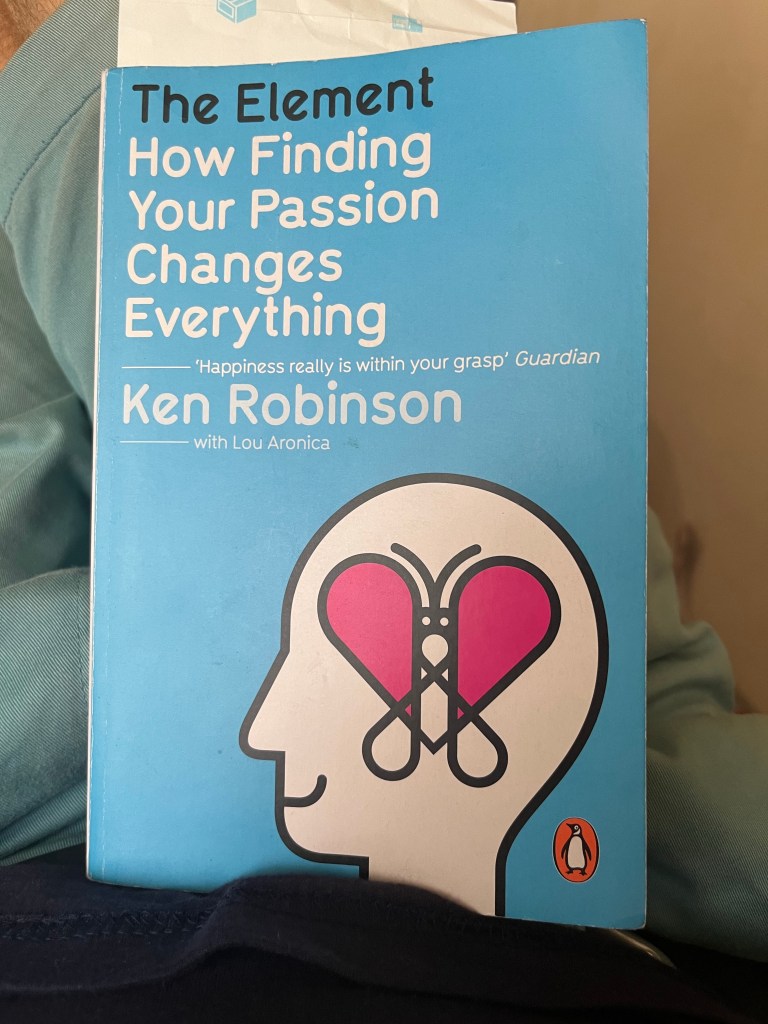
Finding your passion…

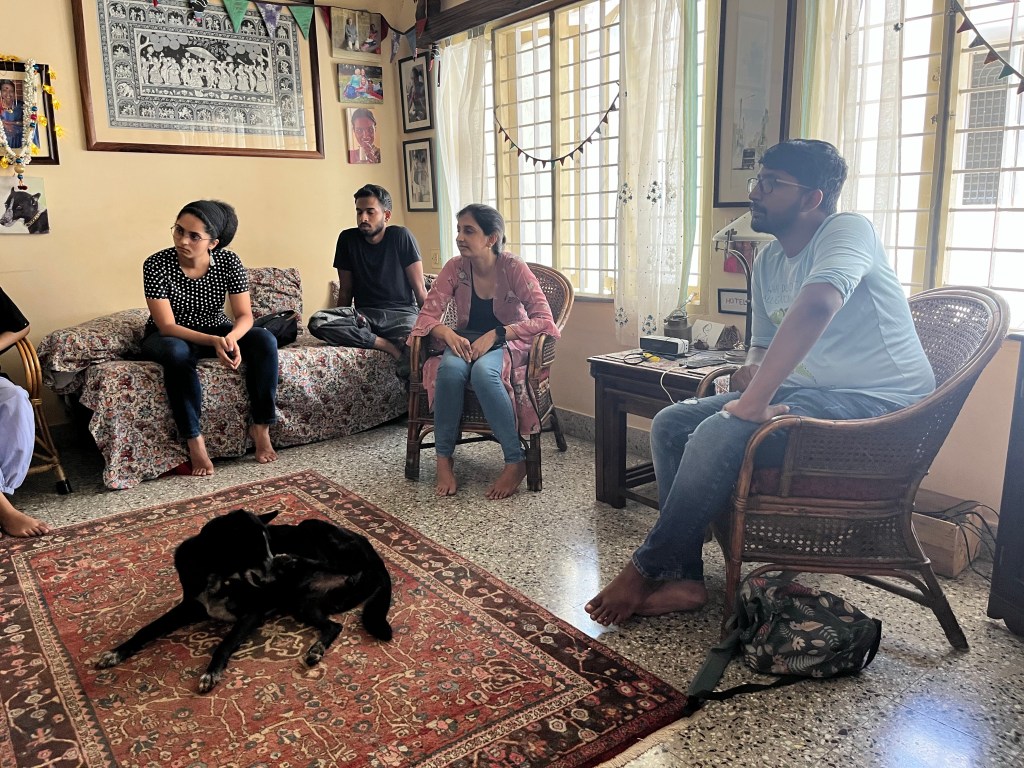
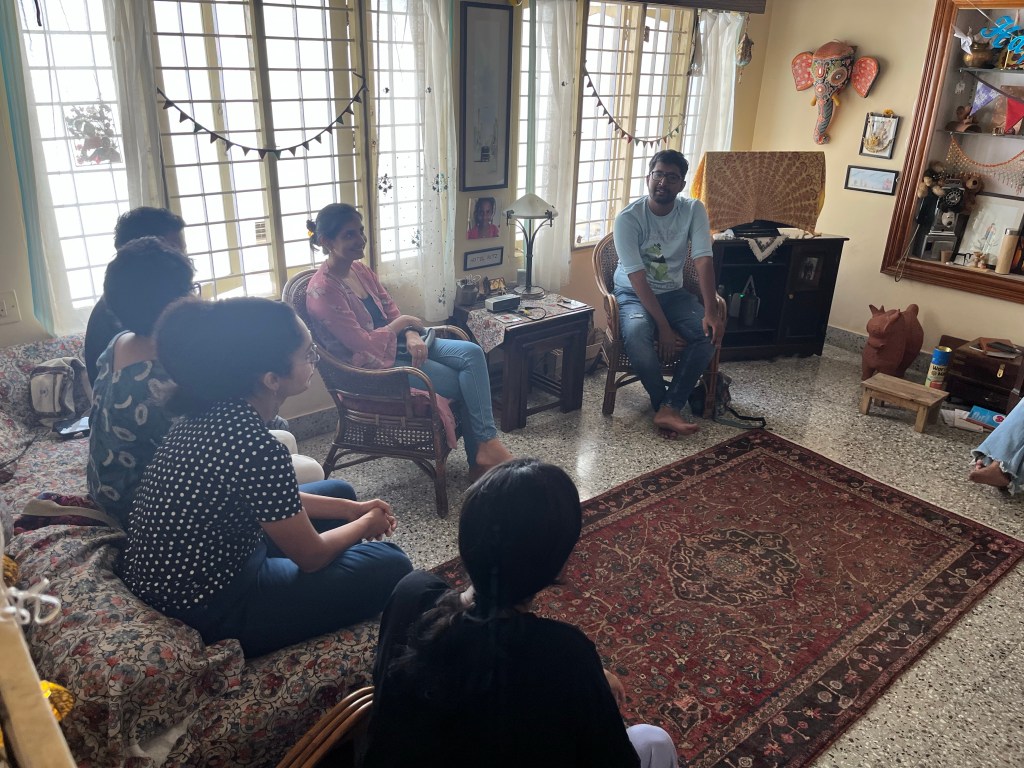
From this weeks ‘reflective space’

A recurring theme in our conversations is how options are limited. For example parents and teachers encouraging young people towards certain professions/jobs regardless of their personal preference or inclination.

Combined with peer pressure, and ‘the system’ itself, it’s a major problem around the world

This book is a critical read to help someone gain the confidence to find their passion.

I found mine. At age 66, I can look back at all my careers and see the thread of where I’ve found opportunities to fulfil my needs and make that connection.

It’s helped me find my fit, feel valued and as if I’m making a difference. It’s not about making money.

Ken Robinson the author of this book gave a TED talk about education and how it’s not ‘fit for purpose’ in helping educate us in ways that suits us and meets our needs (or society’s for that matter). Here it is

Wish to join our conversations? then let us know . Please follow the link to get involved.

Stephen

Customer service

I’m fresh back from delivering a workshop on engaging employees as a responsible business here in London.

We hung out with swans

We covered the usual stuff including issues related to quality, services, customer satisfaction and empowering employees to innovate.

I find a message waiting for me.

It’s from the cycle shop in Mysore. I’d left my main cycle to be fixed.

They’ve written to tell me that they’ve installed the wrong part which affects/reduces the performance of the cycle gears by one third.

Why have they written to tell me instead of just fixing it?

In my view… free consultancy…. it’s pretty clear what the options are….

1….Do it again, this time with the correct part.

2….Replace with the original part and give back to me as it was.

This sort of thing is common in India but I can’t say that I can really understand it. How is it that the supplier didn’t supply the correct part? Did the cycle shop order the wrong part and did they not check before they installed it? Why haven’t they just solved the problem? Do they expect me to take it back like this?

It reminds me of the case of the Chinese Oil….

I’d ordered Tung or China Oil to treat our new Rosewood chairs and sofa. The seller was in Delhi who would arrange delivery. It didn’t arrive.

Me: where’s my oil?

Seller: it’s with the transporter sir.

Me: where’s my oil?

Transporter: we can deliver the container sir but there’s no oil in it, it’s leaked.

I’ll not bore you with the whole story. Suffice to say. ‘The it’s not my fault guv’ wasn’t accepted. The seller and transporter sorted out responsibility between themselves. It was eventually delivered.

I’ve placed trust in people and they are accountable to deliver what they’ve promised. Any problems, well it’s up to them to sort it out, if necessary to apportion responsibility. Hopefully we all learn from our mistakes and improve for the future and the business continues to thrive and survive. From it I also know who to trust, maybe.

What’s so difficult about that?

For some reason my Indian friends just accept this poor service and don’t challenge. In that case how will anything ever change?