Games people play

I like finding similarities that help us find bridge points and make connections.

I’m often sharing experiences of similarity to show how connected we really are… that especially important in our global political environment.

To guests and the young people who’ve joined Manjula’s Mysore’s network I often give this example.

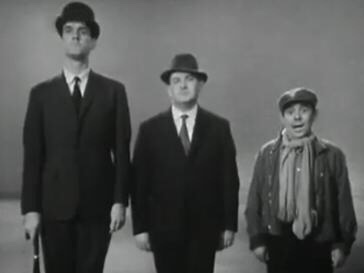
When I meet a new English person they’ll try and figure out where in England I’m from. My accent will easily show I’m from the north of England.

After a little more dialogue they’ll probably hone in on Yorkshire county rather than Lancashire.

Certain words I might use would indicate I’m from a working class background.

I don’t mind that —- fact is,—I’ve crossed many boundaries in my life. A particular help has been going to university, the first in my family.

In India people think class is an insurmountable experience. In my case it definitely wasn’t. In fact I think that, being middle class from a working class background is an advantage.

People I’ve talked to, think class is somehow like caste. I don’t think that’s true at all.

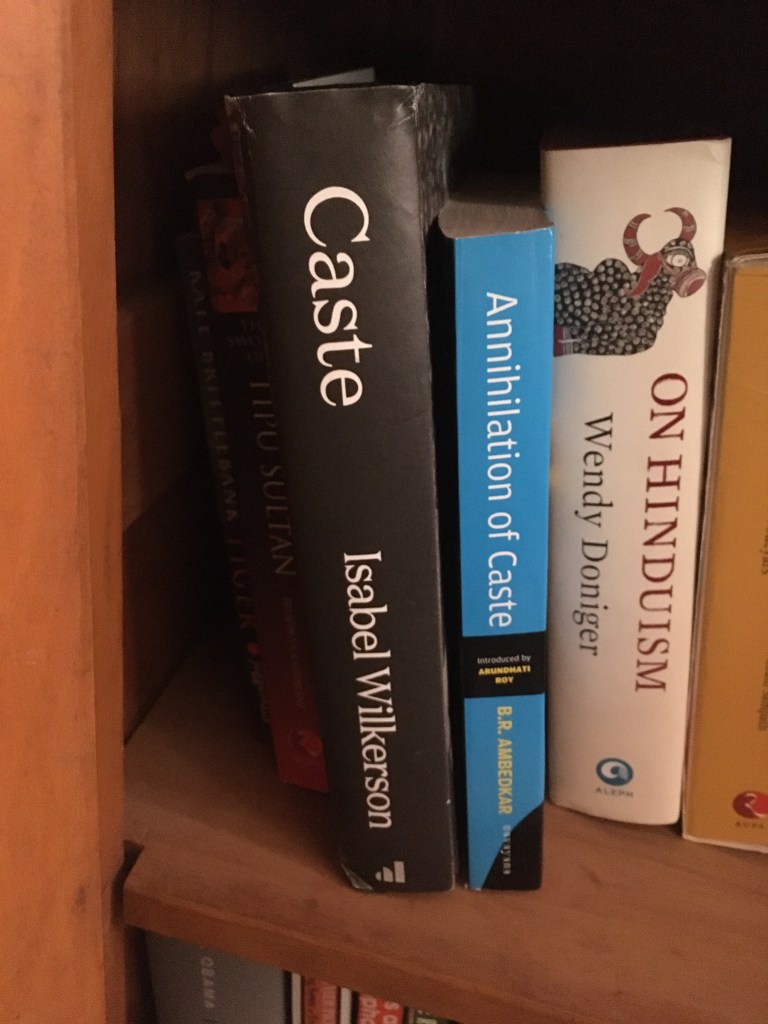
Caste seems so prevalent in Indian life and potentially much more damaging to individuals and society overall.

I think there’s an added issue. There’s a joke that people from north England don’t ‘do’ deference. I think that’s quite accurate

I like to think of myself as egalitarian. Don’t misunderstand — I have my prejudices and being aware of them is a critical step in dealing with it — leading to some personal change.

..

I’ve realised one of the additional problems that colonialisation by the British has created for India.

Distraction from other important battles.

It’s the colonialists to blame for diverting the community’s political energies. Unlike in Europe in the 19th and early 20th centuries where the social structure was beginning to be challenged — in India the energies were used necessarily to throw off the outsiders. They missed the opportunity to use that time and people power to throw out the traditions. I hope that the growth of the middle classes, the lower castes using their muscle we might see a correction and move away from the feudal.

Let’s see.

Bhaj to share

In my new world I sometimes find myself in places or read things I wish I could share with Manjula Vellada

So I share with you.

I’m reading about ’Kabir’ in Incarnations by Sunil Khilnani . I quote from page 90 about Bhakti and Sufi movements that “both embraced the idea of a personal relationship with God. Priests or mullahs didn’t matter, precise ritual didn’t matter; caste didn’t mattter.” which remind me of the question she once raised with me: “if God is in everyone, why do we need Temples?”

That’s my thinking MAnjula and reflects our home — where caste wasn’t recognised and we were all equal.

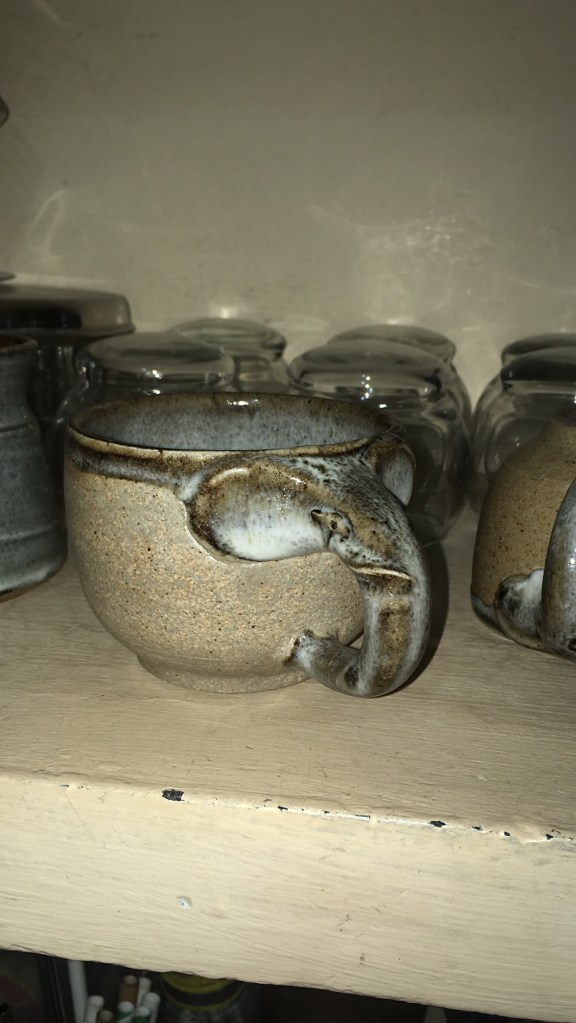
Every mug tells a story.

I thought I’d share this after revealing to a new friend Anjali

We have a cup caste regime

From the left steel glass ( I know it’s not glass, just ask an Indian) can be used anywhere and everywhere. Middle, one of our favourite cups with emotional attachment so can only be used in upstairs hall (lounge for you foreigners) and number three can be used anywhere in the house or downstairs sit out as we care less.
The most precious, heaps of history and irreplaceable so use is severely restricted.

The point is they can be used by anyone: guests, staff, family some are higher value so should be looked after more than others.

Why do I tell you this?

I joked about the caste of cups because believe it or not in some houses in India the servants aka lower caste are only allowed to drink or eat from separate cups/glasses/plates and utensils. This presumably originates from a belief that they might defile the superior caste.

I tell you this, as you know I love and I’ve adopted India and one wonderful woman in particular. We created a shared home that didn’t reflect those primitive traditional let’s say mediaeval practices.

They need to go.

Watch for more on caste.

Outcast

Yesterday at a village Temple close to here one group of people had to sit outside and were not allowed to enter or fully participate in the puja.

Why?

Here’s a clue

The people were from what’s called a scheduled caste and who were the superior one’s allowed inside?

This is 2021.

when we meet

When we dogs meet each other for the first time, with a sniff in the air (or if daring, up the bum) a wave of the tail a look in the eye we quickly decide: is the newcomer above, below or equal to me?

We signal by the tail. If they are lower in status the tail tucks in between the legs and they physically cower.

People often, psychologically and socially do the same.

After an initial look, a few questions, key words they evaluate the other.

Are they on the same level? If so, they’ll behave adult to adult,

Or are they so different in terms of age, caste, colour, race or religion? If they perceive one above the other they’ll behave like parent and child. If they’re uncertain there maybe a tussle to work out their relative positions.

People do this, often and everywhere.

It may help them feel superior or inferior uncomfortable or comfortable, accepted, rejected. It helps define who we think we are and how we relate to others. It’s common and often involves games to clarify, communicate and impose. I’ve adapted this from transactional analysis as featured in the book: “Games People Play’.

Yes, some dogs can read, but don’t tell anyone.

All societies do it, to varying degrees but ultimately in my view can often reinforce status, encourage elitism and highlight difference. It leads to unacceptable behaviours, social distance and it’s not very nice.

from Lucie’s soap box

Social distancing

Social and physical distancing, our new normal, in this time of virus has different cultural implications here in India. For more, check this article

Manjula has helped illuminate, for me, something of the prejudice arising in society related to religion, caste, class, race, gender and colour. Aspects of this will feature in our story.

The virus and society’s response highlights those inequalities. This isn’t solely about two distinct groupings of the untouchables and the non- untouchables (savarnas) It’s far more complex and relates to a finely layered strata that’s not confined to Hindus and India.

The right wing shift experienced in most of our societies, does by its very nature exaggerate these differences for political advantage. The social, economic, political distancing is therefore a tool which we’re now reinforcing.

So here’s the next giant leap. This prejudice, elitism, separation of the haves and have-nots, call it what you will, is nothing new, fact is it’s obvious and everywhere and been here for aeons. It’s fundamental to all our societies but it doesn’t have to be.

The factor that connects all these seemingly dispirate disconnects is the way we organise ourselves, our hierarchy, dog eat dog mentality. It might have served us in the past (that’s debatable) but it (yes including brutal free market ways of organising focussing on growth regardless of consequences) is NOT fit for purpose.

It doesn’t serve our needs.

By ‘our’ I mean everyone and not just the self appointed master class or the people in the ‘developed’ countries and not just humans. Another interesting article in two parts here and here covers this.

It’s no accident that the poor in the UK have been demonised in recent decades to support and reinforce a range of political policies including ‘austerity.’

We’re in a sorry state, in so many ways which are clearly interrelated and need to realise it and act. We have opportunities now.

.

Says he, sitting on a balcony in south India who can’t even activate himself to do yoga.

Our separateness politically, economically, socially, spiritually is not sustainable. Rant over…..

And I’ve just found a New Yorker article helps illustrate aspects of what I’ve tried to cover.

Another article here helps illustrate how extreme this was traditionally in India and how a new ‘other’ forms

Storytime four and three quarters

There’s two stories today, well one is a sad story ‘The Memory Tree’ so check it out before you show it to a little one. It’s a lovely story in its own right and really useful in a context of a wider conversation about death. Here is a link to how I explained to my granddaughter Poppy what happens when someone dies. This was after Manjula slipped through my fingers.

The next is a rhyme by Roald Dahl, a different take on Cinderella.

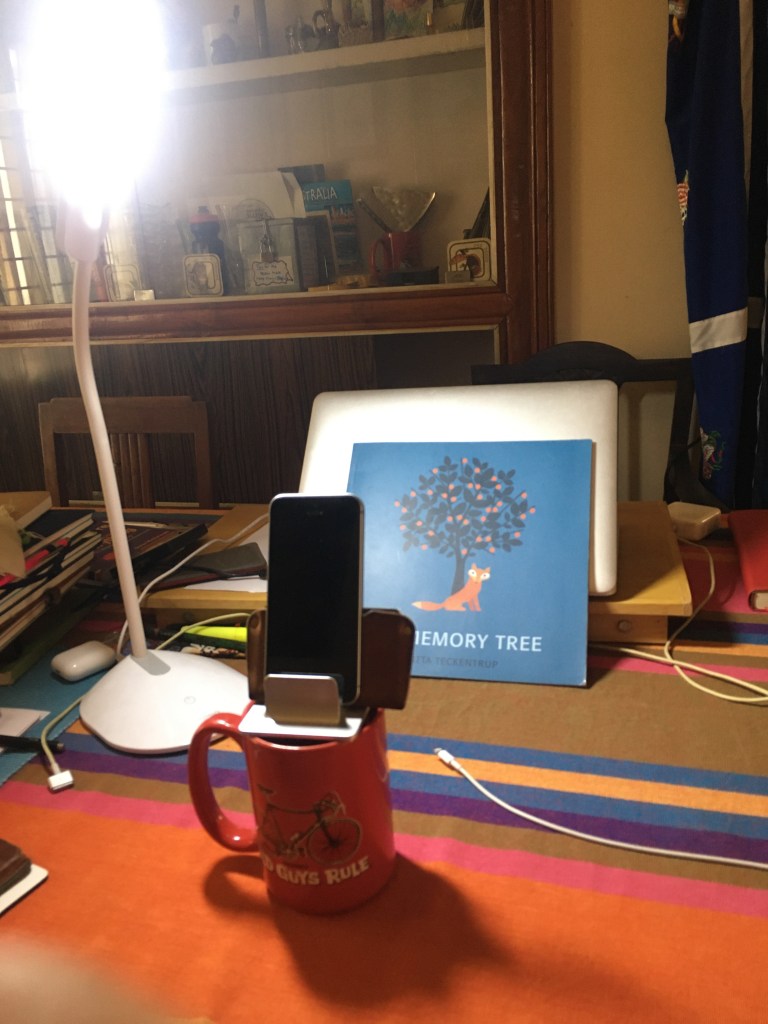
I’ve had a technical question from my granddaughter about my filming set up. I expect that behind this question is an ulterior motive. That I need to up my game and improve the quality of the video. So I’m trying a different Heath Robinson set-up. It’s a bit out of focus, for that I blame my age.

Here’s the photographic evidence of my studio.

I know with all this effort, you’d expect the quality to be better. Well I blame my parents.

New beginnings are disguised as painful ends

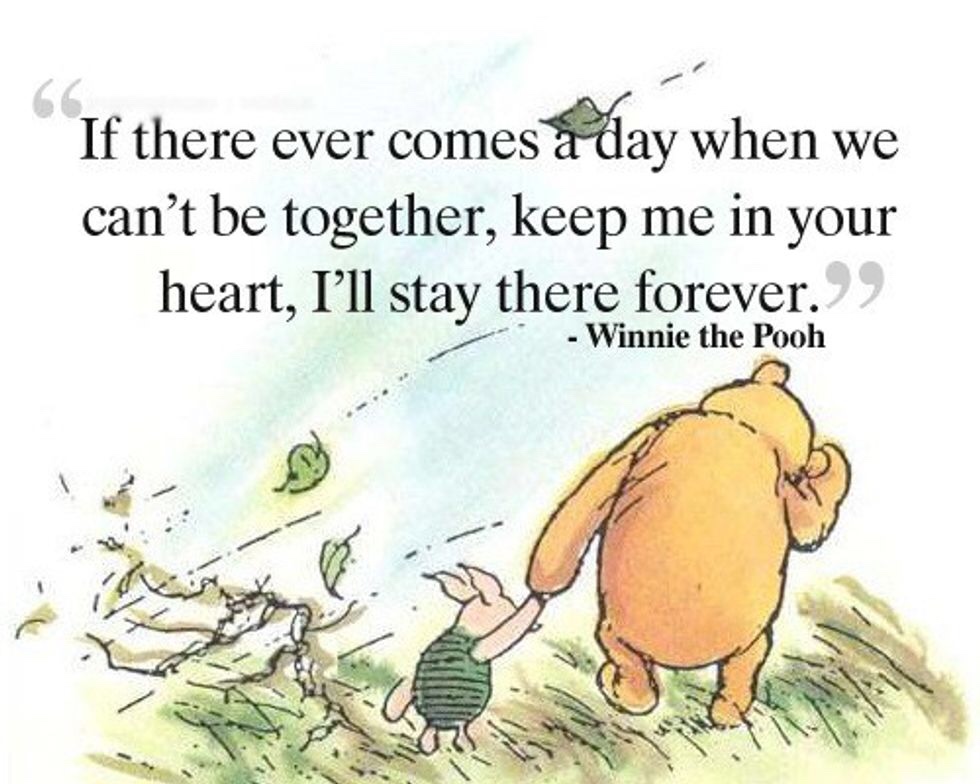
It’s late at night and the page is blank so I turn to Laozi and Pooh bear.

Actually that’s not true. I turn to you…… to help me get the ball rolling, to create and share my and Manjula’s story. It’s the age old writer’s conundrum. As you see I have a pile of full notebooks but how to get the blank page filled to begin to start the actual story. Can you help?

If you know Manjula and I or even if you don’t 🙃 what’s the key ingredients of our story that might interest you or a wider audience. What are the main themes that will interest people?

Games people play.

Annoying things in India

I often explain on a cycle tour how much I love India, at something like eighty percent. I have after all chosen to adopt India as my home and married a beautiful Indian woman. However there is fifteen percent I can take or leave and maybe five percent that’s ugly that, I hate. That last bit includes the violence and aggression but also milder forms of behaviour. Examples of this might be Babu’s giving you the run-a-round or businesses not understanding customer care.

In my view this results from the extreme hierarchy and the deference expected of people. It’s reinforced in the home, at school or college and at work. Do what you’re told and don’t question things. Know your place and don’t challenge the way things are, seems to relate to caste.

Even in the simplest of situations it feels like your treated like a child.

Today was a case in point. It might seem a simple thing, and insignificant but I think its part of that overall problem. I’ve investigated this and now realise all the mobile phone companies are the same.

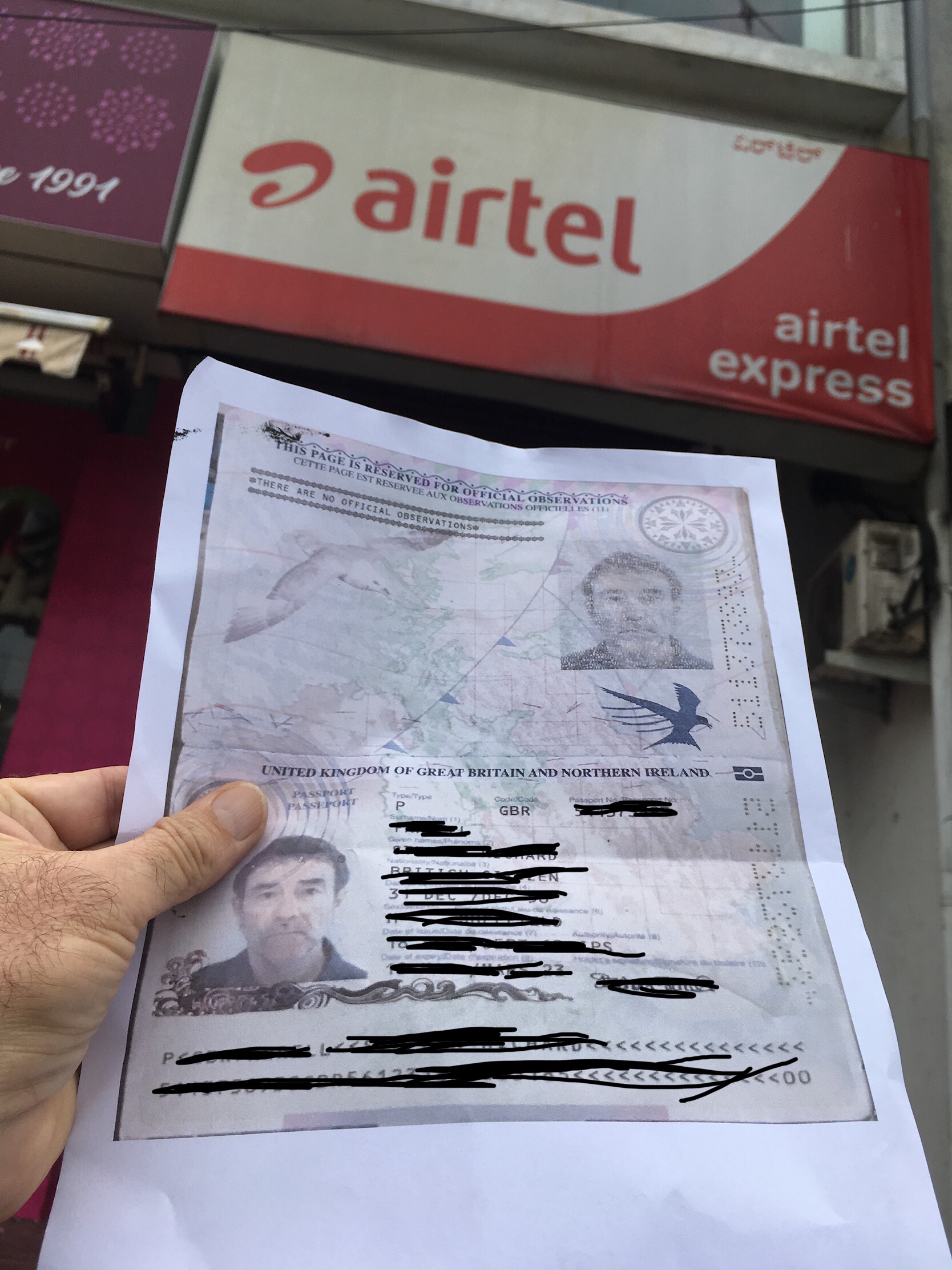
I’m at the Airtel shop, I’ve gone as my phone is not working, I’m told that the SIM card was faulty and needed replacing. For them to issue me with a replacement I need ID. I have a copy of my passport on the iPhone and after some kerfuffle get a print out. Sorry sir we need to see the original hard copy.

I’ve been a customer for maybe over 7 years. It was the number used by Manjula so is very significant and sentimental. I’ve provided my ID to set up my account, it’s on their system THEY KNOW WHO I AM but still they require an established customer to prove who they are but it MUST be the actual document. Just to get a replacement SIM card for the faulty one. This will be my fourth trip to the Airtel shop. Inconvenience sir, no problem.

I object to the employees but they treat us as children because that’s how they’re treated by their managers. Who can blame them? Employees are expected do as they’re told and not question things. Treat people like children, they’ll behave like children and not take responsibility.

For years I’ve delivered workshops in London and a roadshow for TATA that’s about empowering employees to make decisions to be able to innovate, be creative and focus on creating a quality customer experience.

That’s not valued here and is nigh on impossible to create in a system that prioritises deference, doing as you’re told and not in any way thinking for yourself.

Sad.

My tolerance levels are diminished since Manjula died. She’d just laugh at me.


UPDATE

I went back to the Airtel shop with my ID card, fully annoyed but relatively calm. The new SIM was issued and installed by me later that day. Just don’t ask about the need to install it in a simple-smart phone before finally installing it in a smart-smart phone. BUT it still didn’t work so on my 5th trip back to the Airtel shop they’ve admitted that the SIM card and the rigmarole in visits 3 and 4 we’re unnecessary. I’m told it will be working by tonight. What lessons I can take from all this, I’ve no idea and I’ve lost the will to live.