
I’ve always had a soft spot for Ashoka who was an innovative Emperor in India over two thousand years ago.
He was the emperor who converted to Buddhism after regretting his army killing thousands in the battle to take over what is now part of the state of Odisha.
…
This week, I’m helping Kaveri with her revision and learning about the Dharma Mahamatras, appointed by the emperor to do good.
I like that
I’m feeling the connections
🤭
Look
We’ve even got our own copy of an Ashoka column, in the house. It was one of the ways he promoted good amongst his people.

So maybe I’m a reincarnated Dharma Mahamatras?
I quite fancy that.
Look at the evidence: social and community work, experimenting with participative democracy in England, radical work with disabled people, ‘Seeing is Believing’ events in India to establish community/business partnerships, facilitating the development of hundreds of community projects and groups, in the name of MAnjula helping young and old people and gifting almost 50 bicycles. I even helped design and deliver — for an Indian company — European-wide workshops on interpreting their ethical policies into appropriate daily business behaviour.
Ok ok, that’s enough of the trumpet blaring. It’s important to say we should be facilitators in helping each other.
Farrell factoid footnote.
What’s the difference between illness and wellness?
I and we, admittedly a joke but with a serious message. We should connect and cooperate to be kind to each other. As sapiens we’ve taken a wrong turning.
I’ve always looked for the ‘we’.
This is so obvious to me.
A top priority is ..
.. Kaveri and helping her develop and grow. When you meet her ask what BK is.




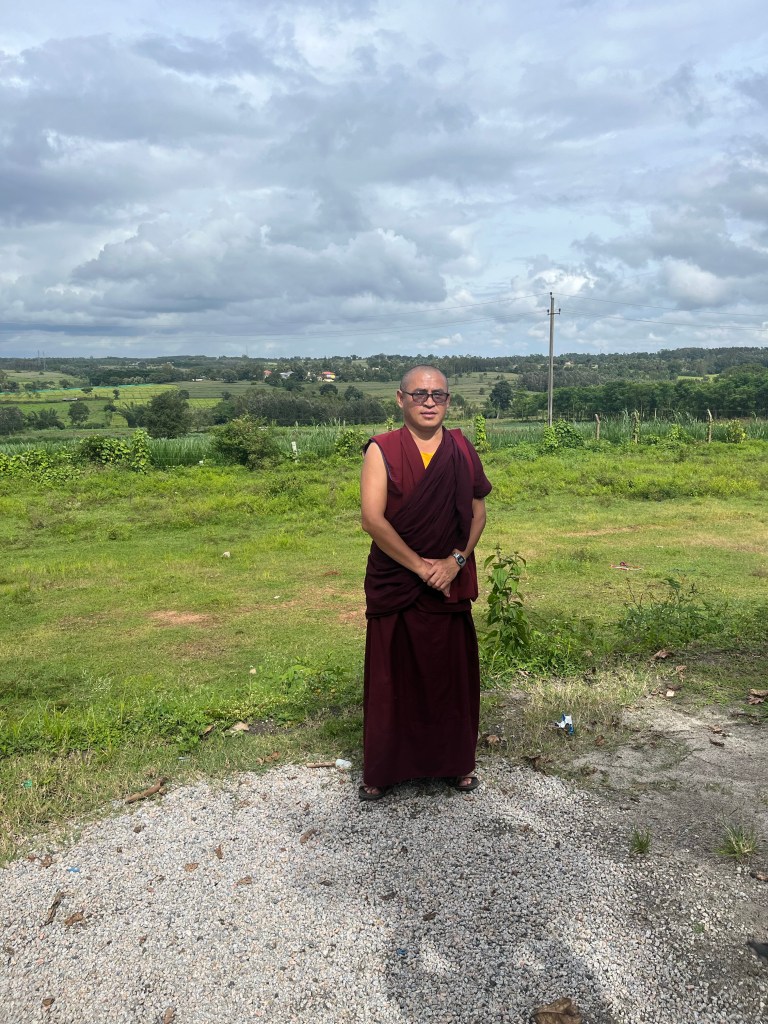
 Me and MYCycle