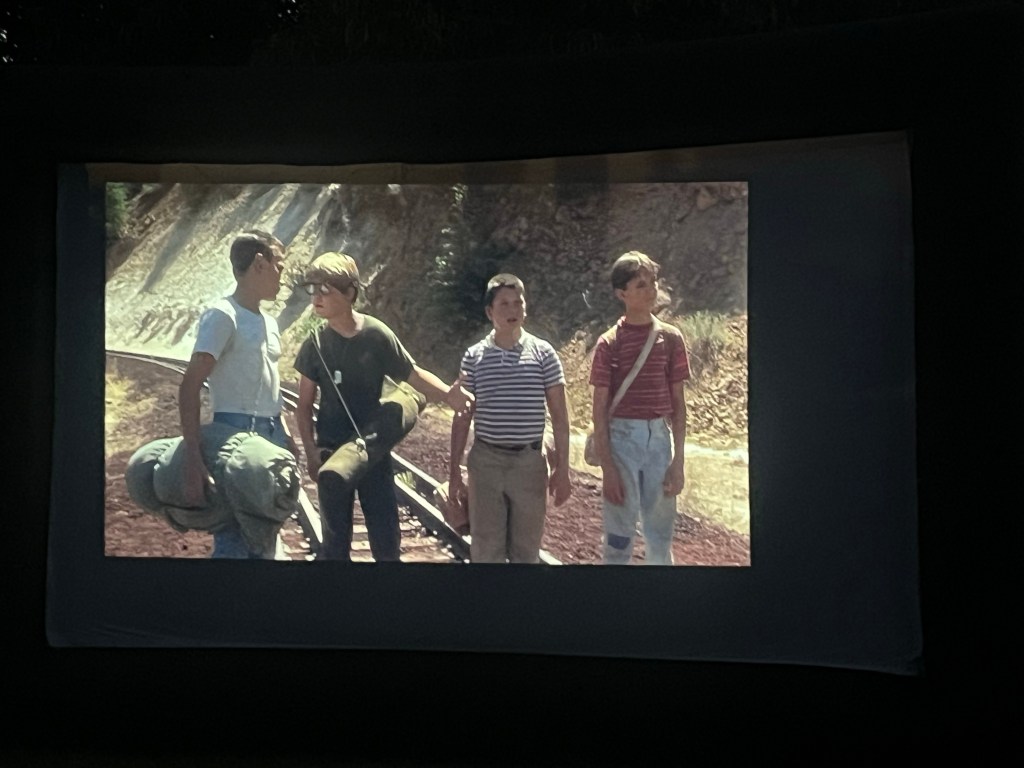

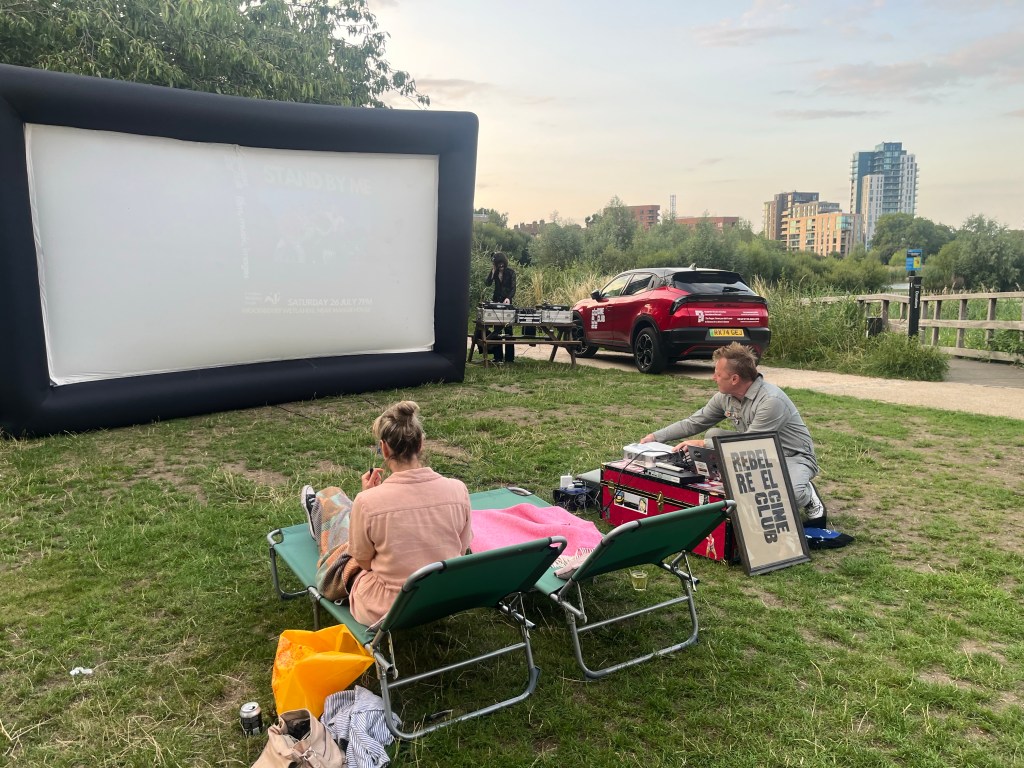
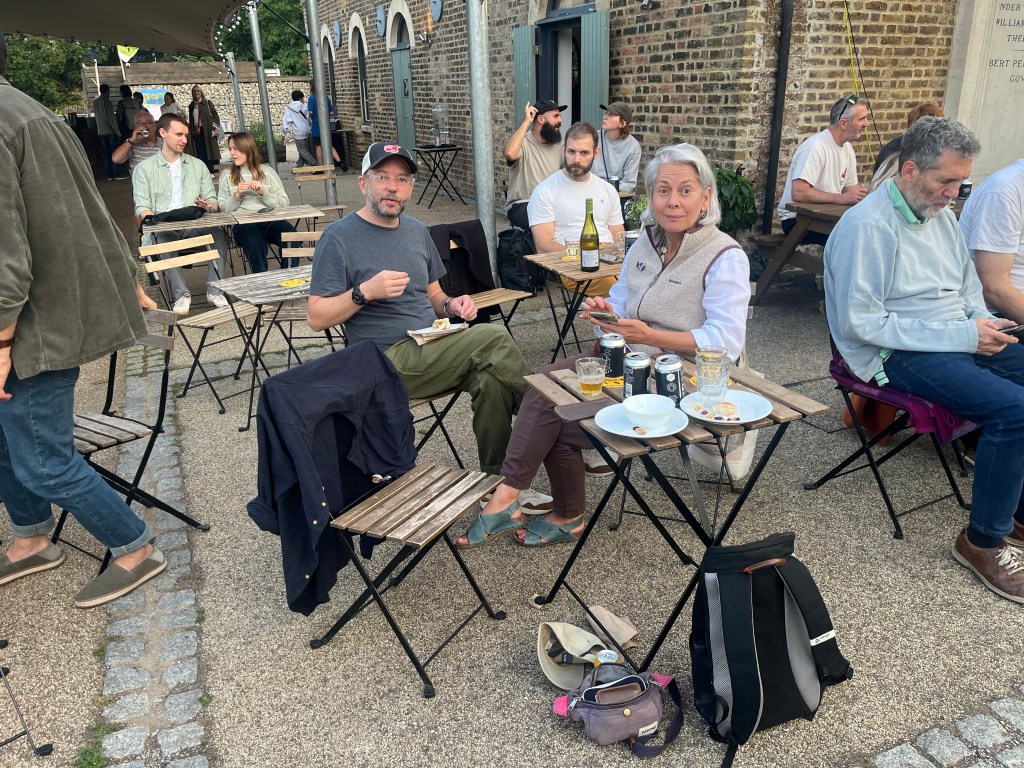
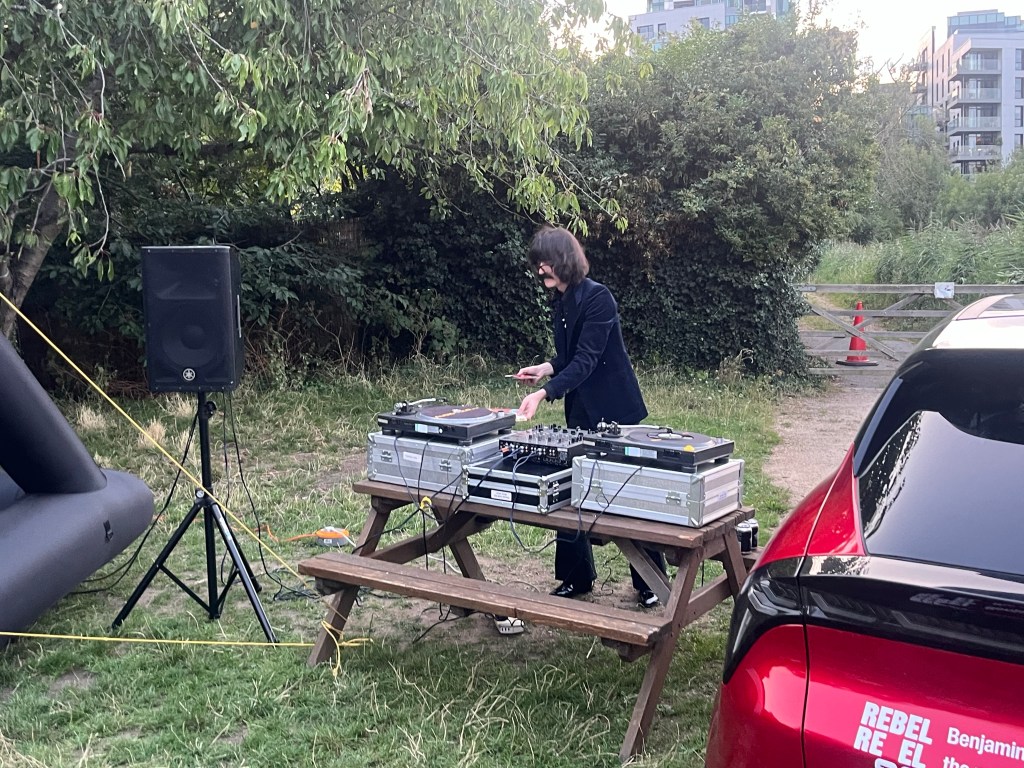


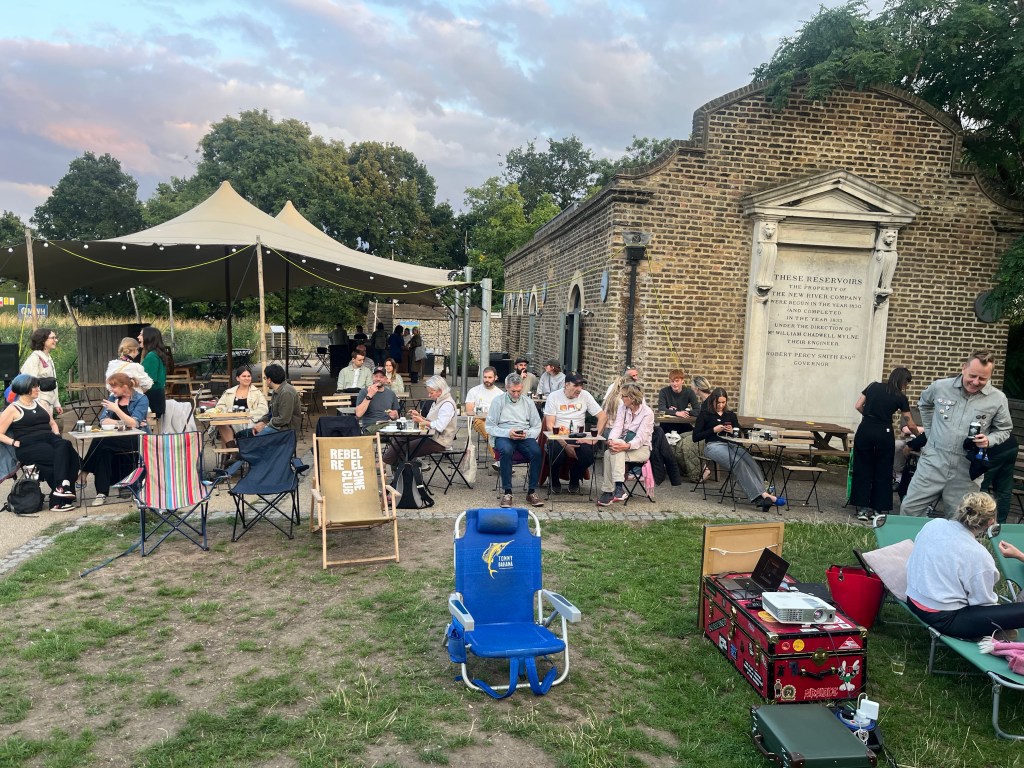

Screening in north London at Woodberry Wetlands
By the brothers Grimm Illustrations by Paula Schmidt
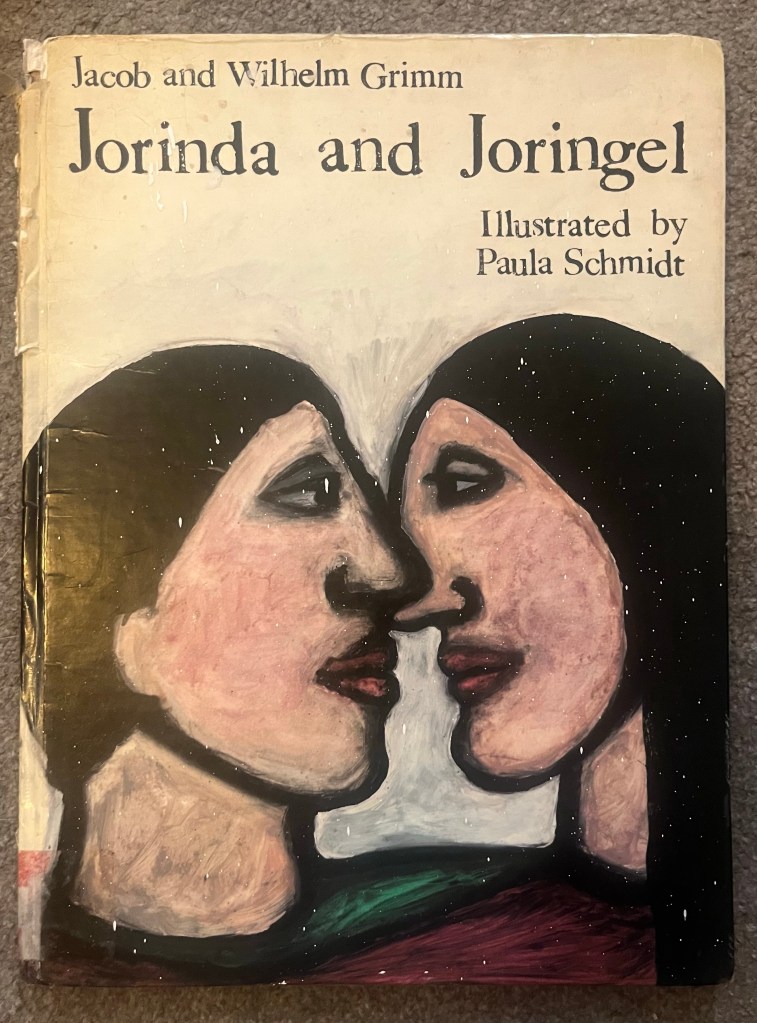
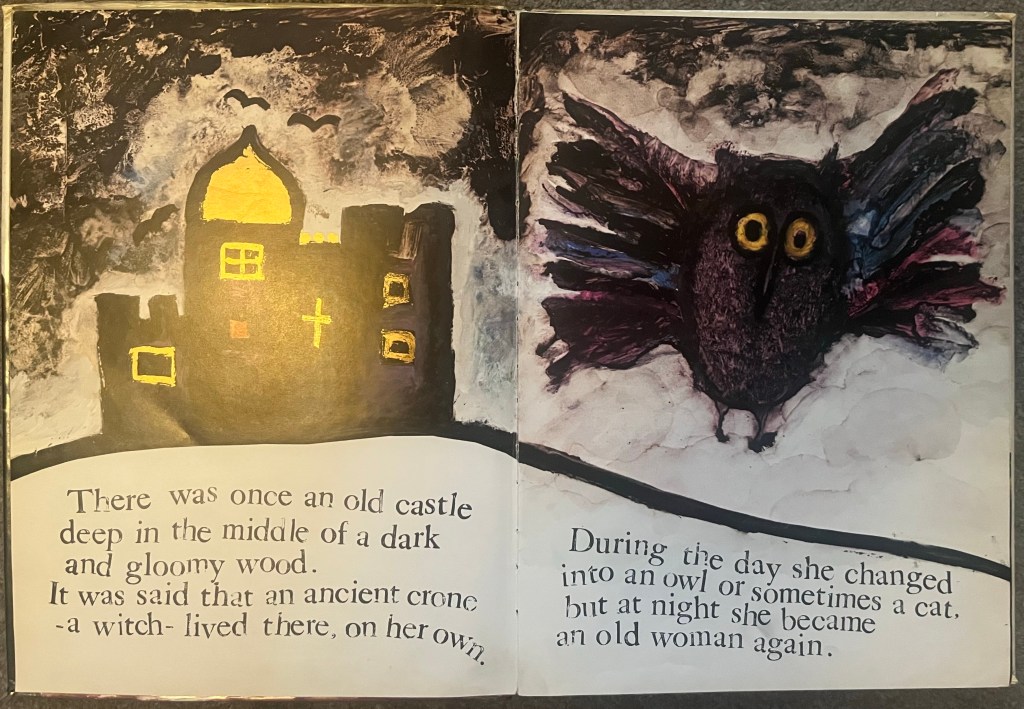

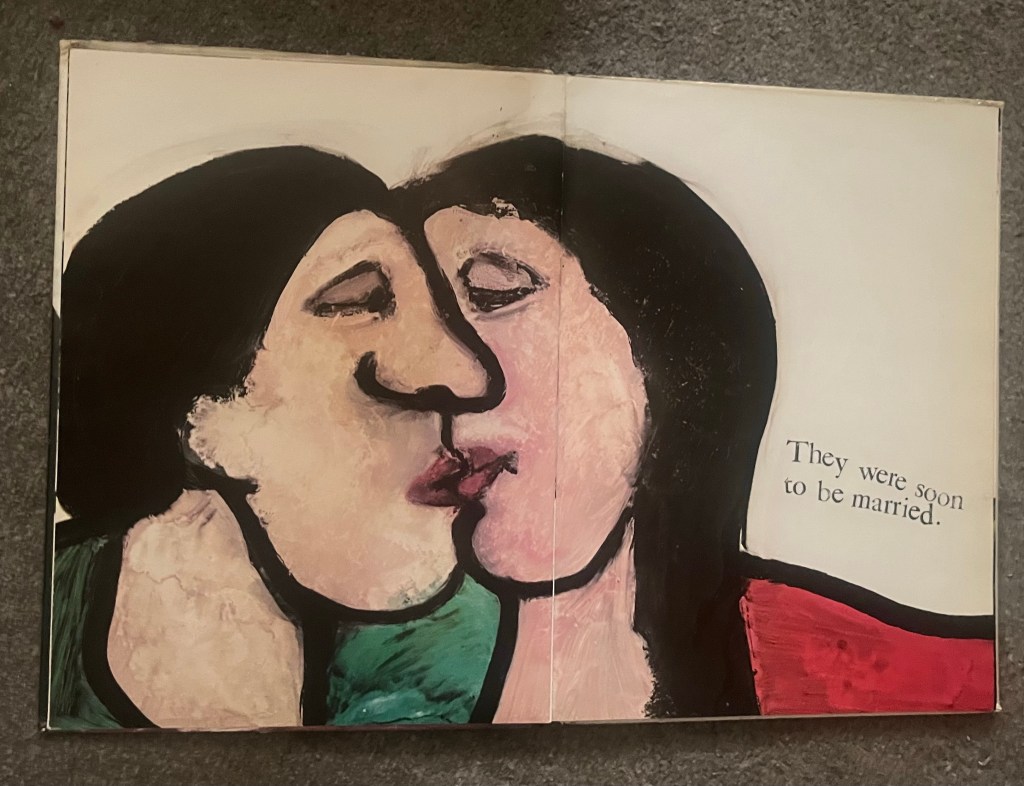


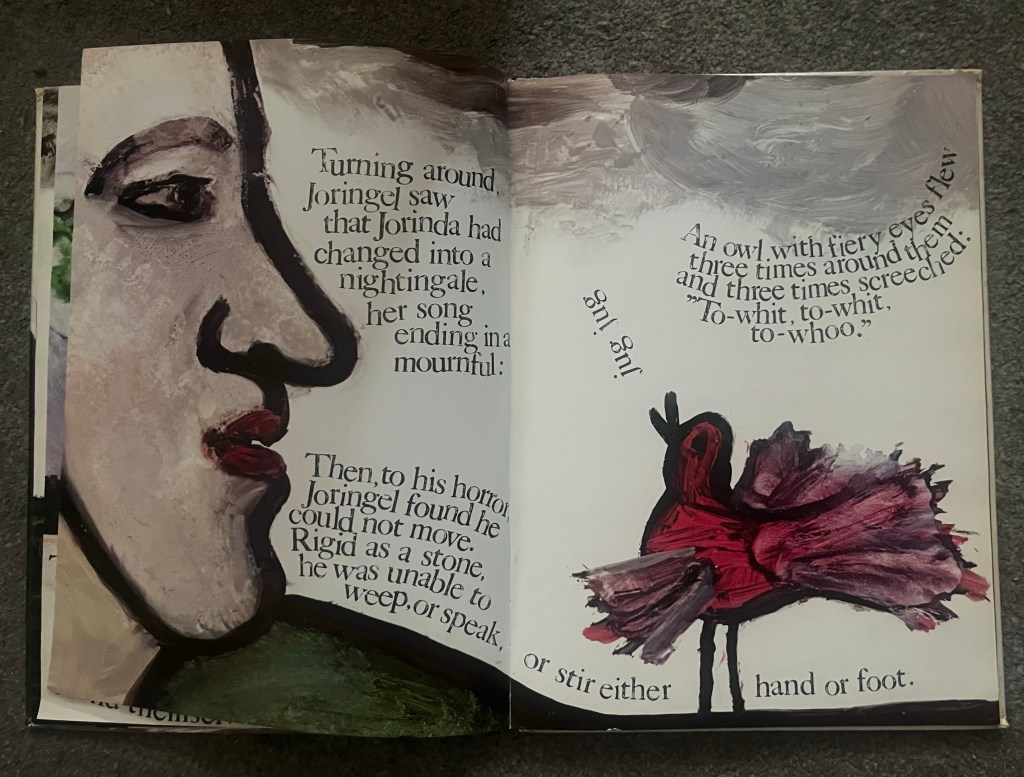
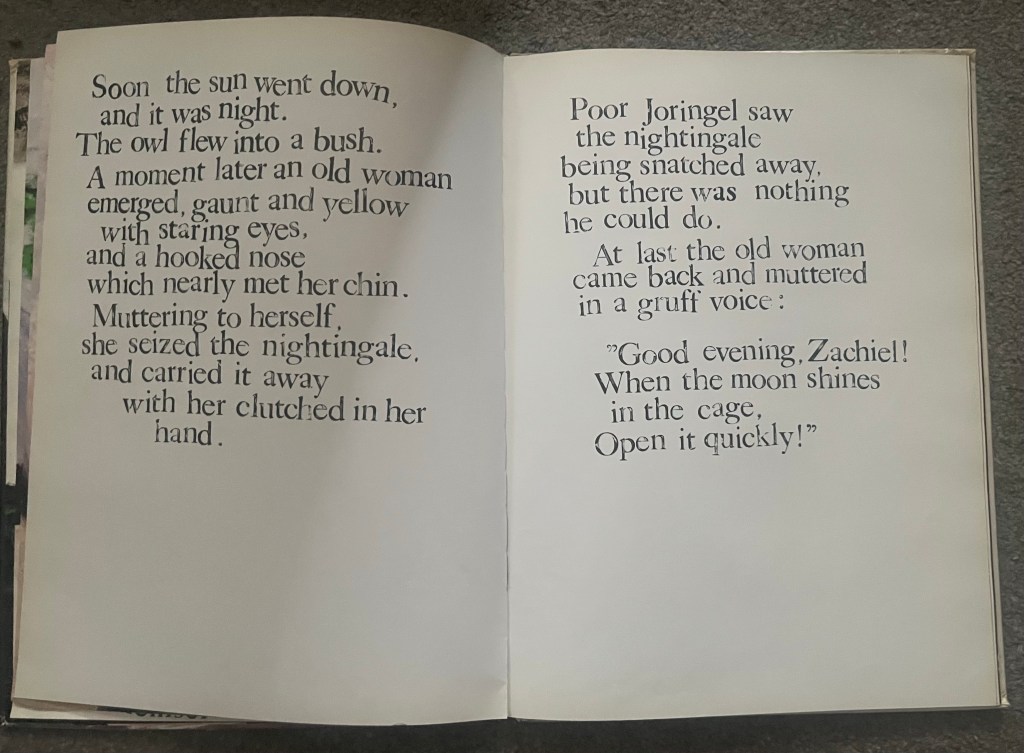

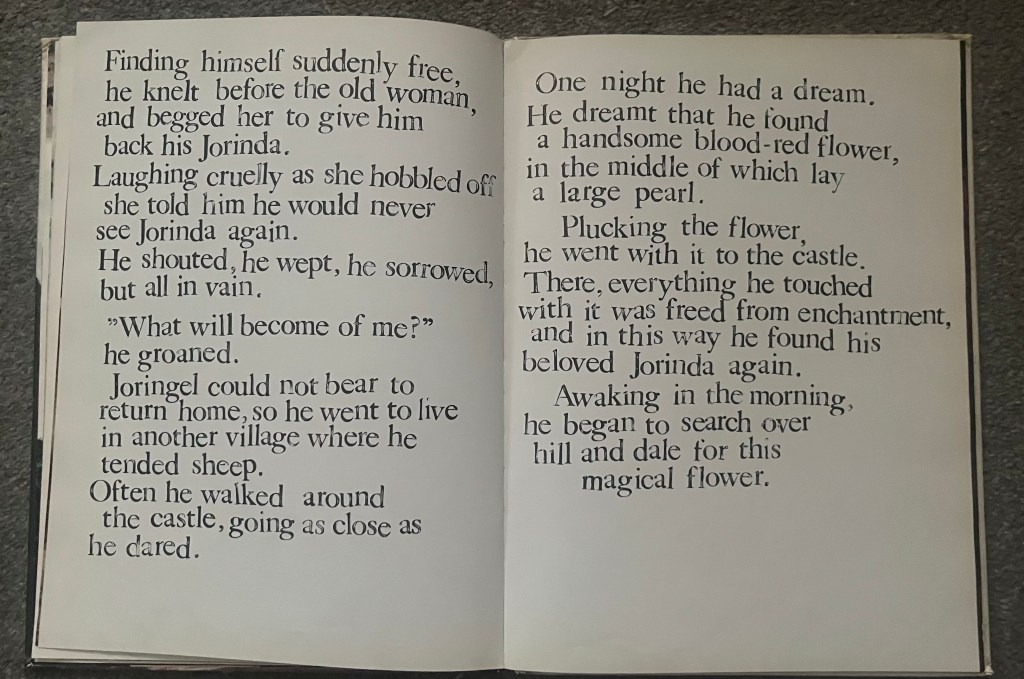


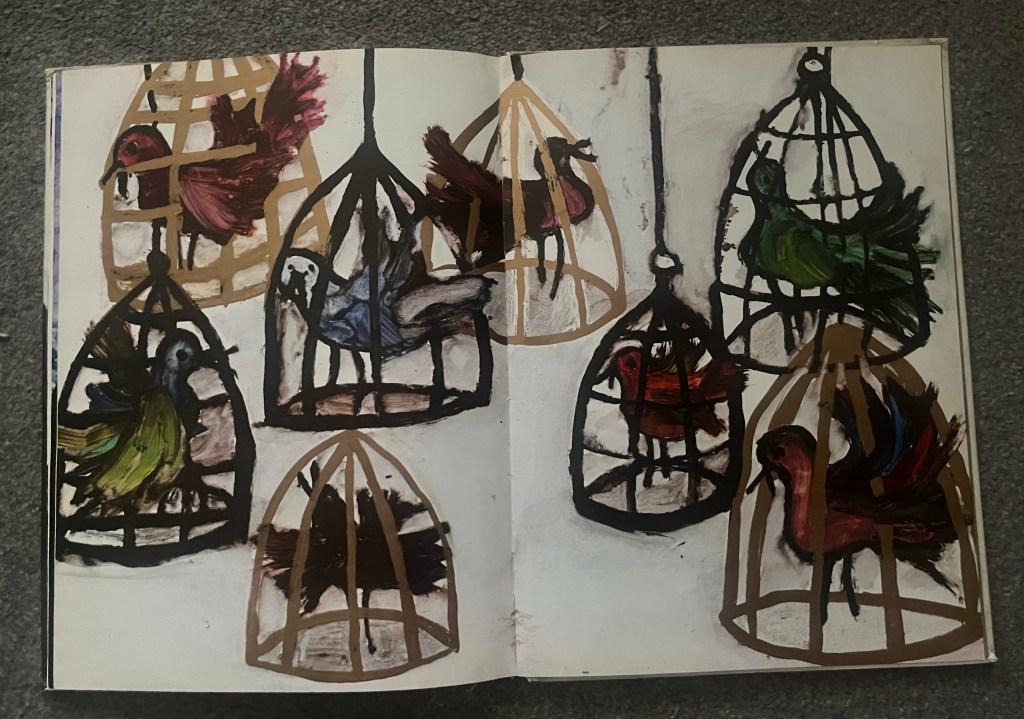
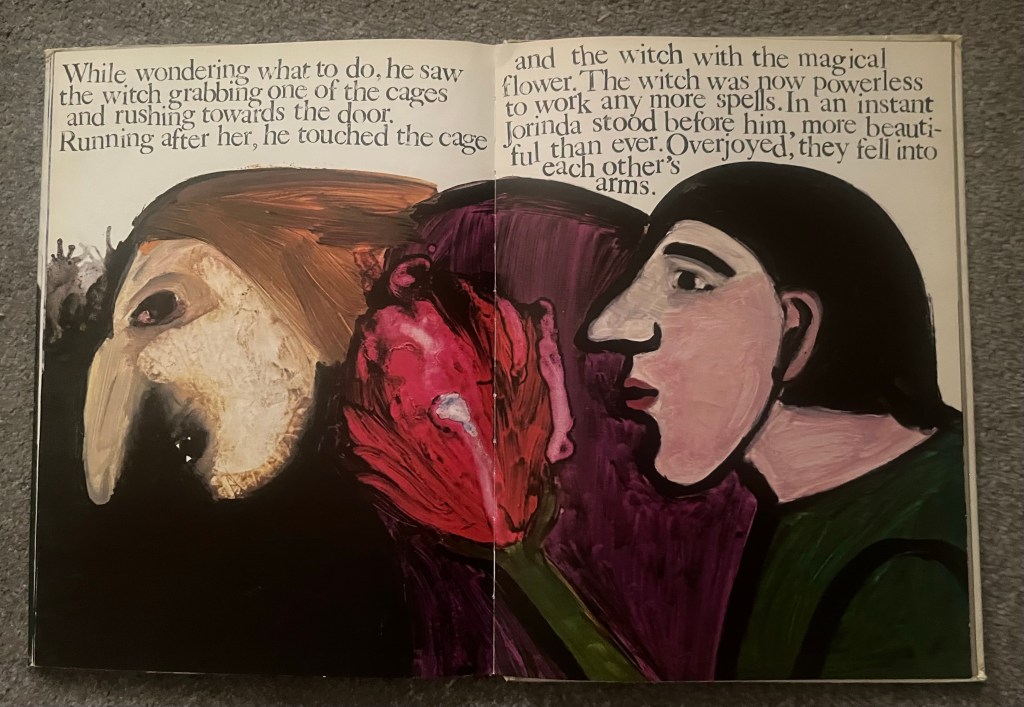
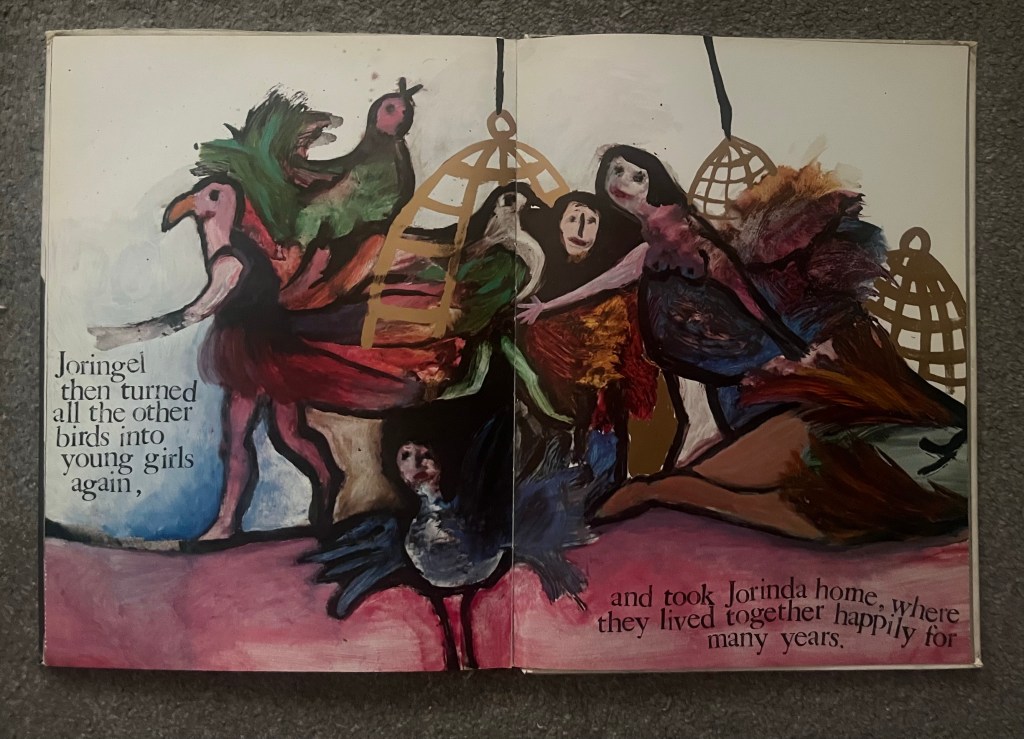
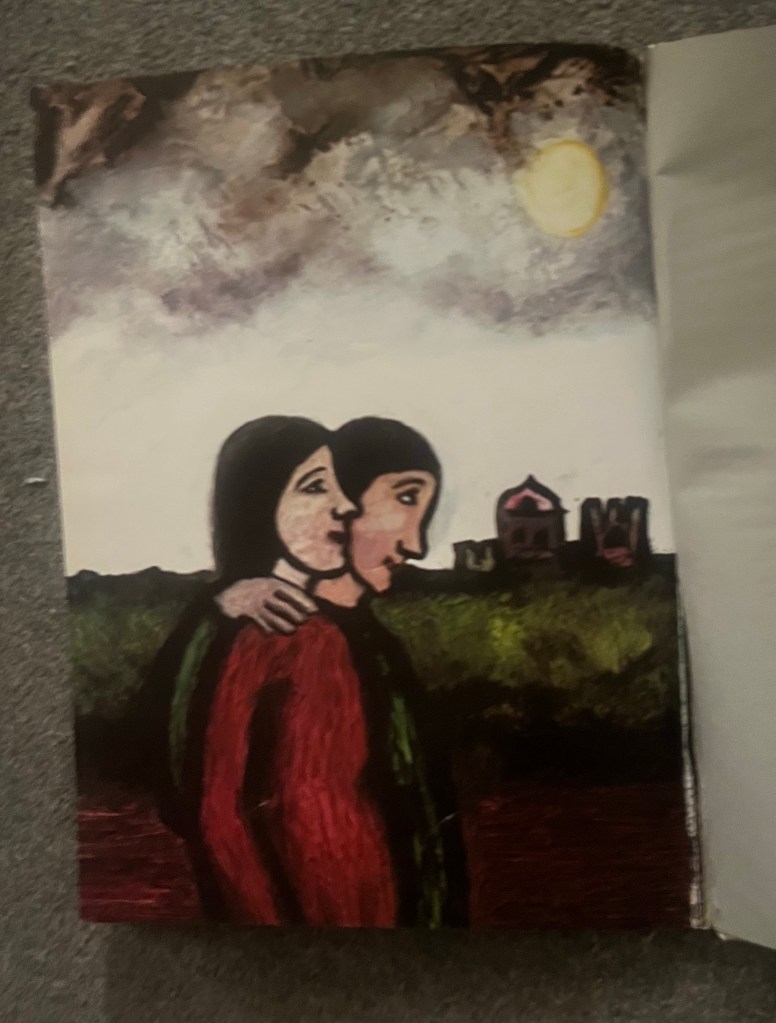
A gift from Alan for Manjula’s Library.

Thank you Alan.
What an interesting couple.
Part two with Julia and Tom
Not only cyclists but tri-athletes— so serious that they do ‘iron-man’ , quick cycles ( 40k!) and runs in the morning — It tired me out just hearing about it.
After their looooong cycle ride across Asia and Europe peddled back to England found a new place in Yorkshire.
They’ve created a lovely home in their Sheffield terrace almost identical to the house Tricia and I shared with her cousin and boyfriend (bit of a squeeze). In the mid 70s
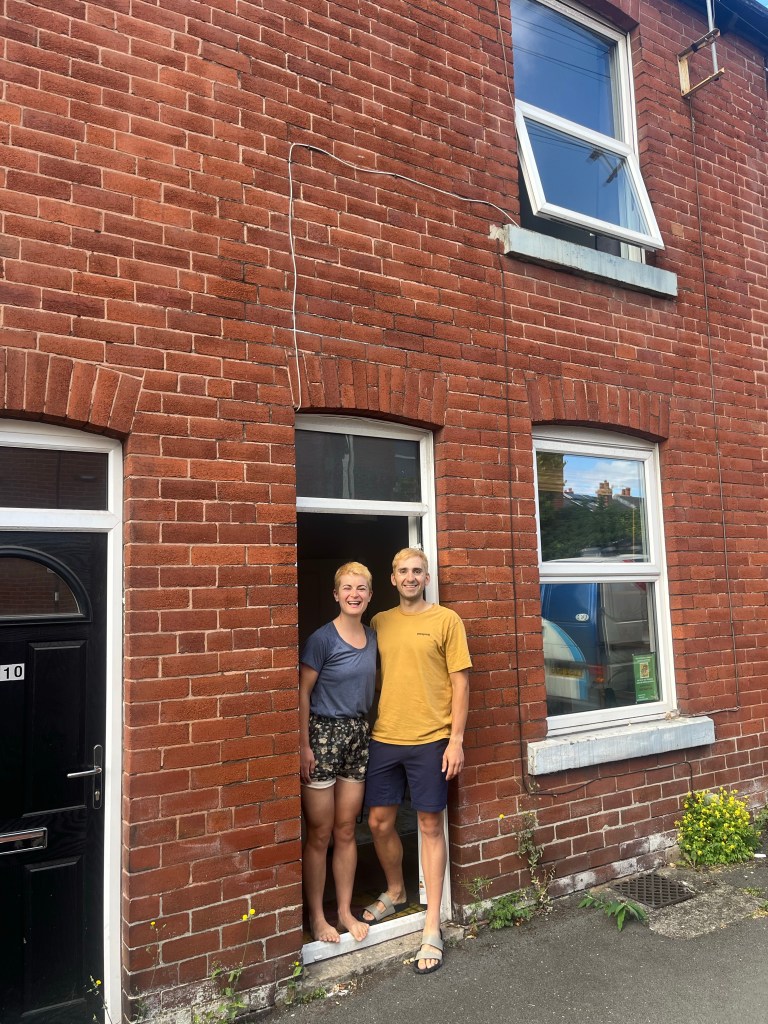
Then they kindly tidied me up a bit


Plus

They reflect something that MAnjula taught me. For a successful sustainable living relationship, to be present and attentive
Spot on.
Thanks guys for a great visit and my sorely needed trim.

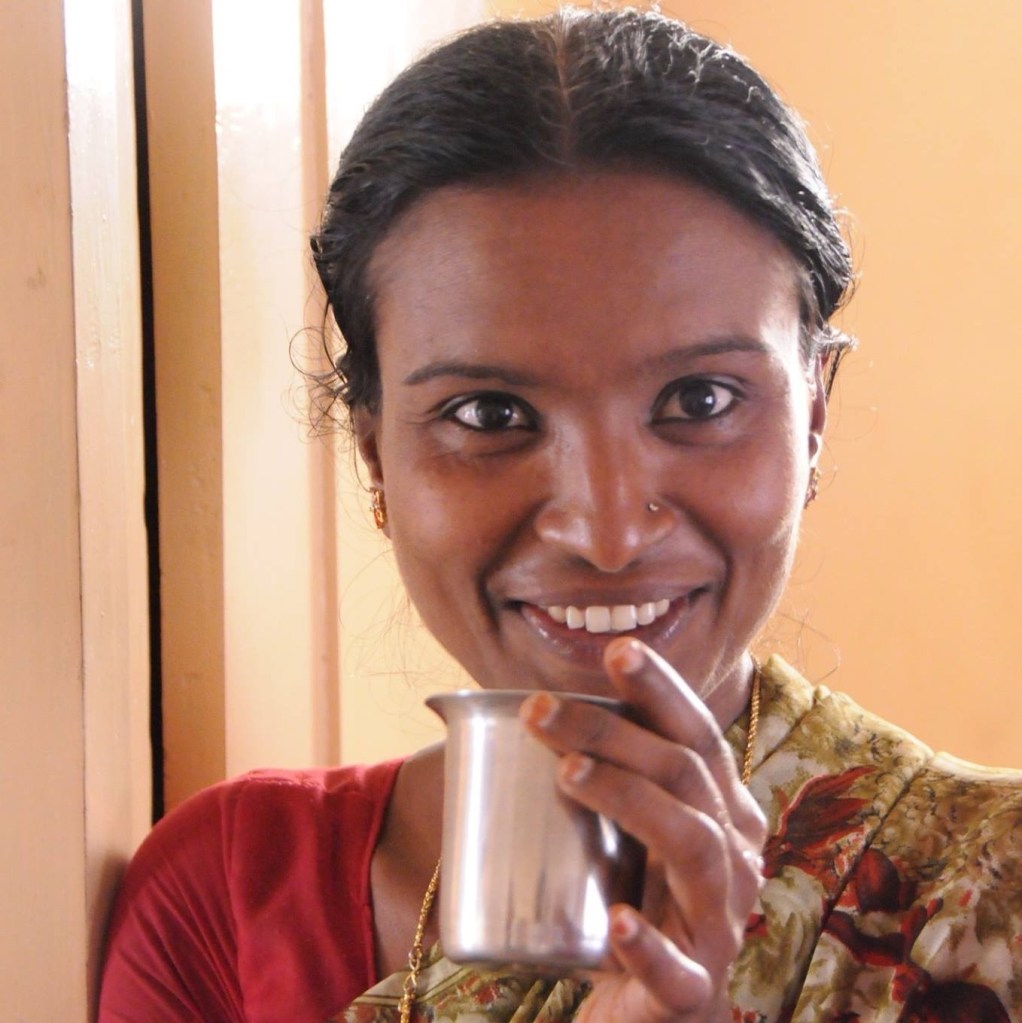
Part one with Julia and Tom
My tour of England led me to Sheffield, my home city.
Warm showers
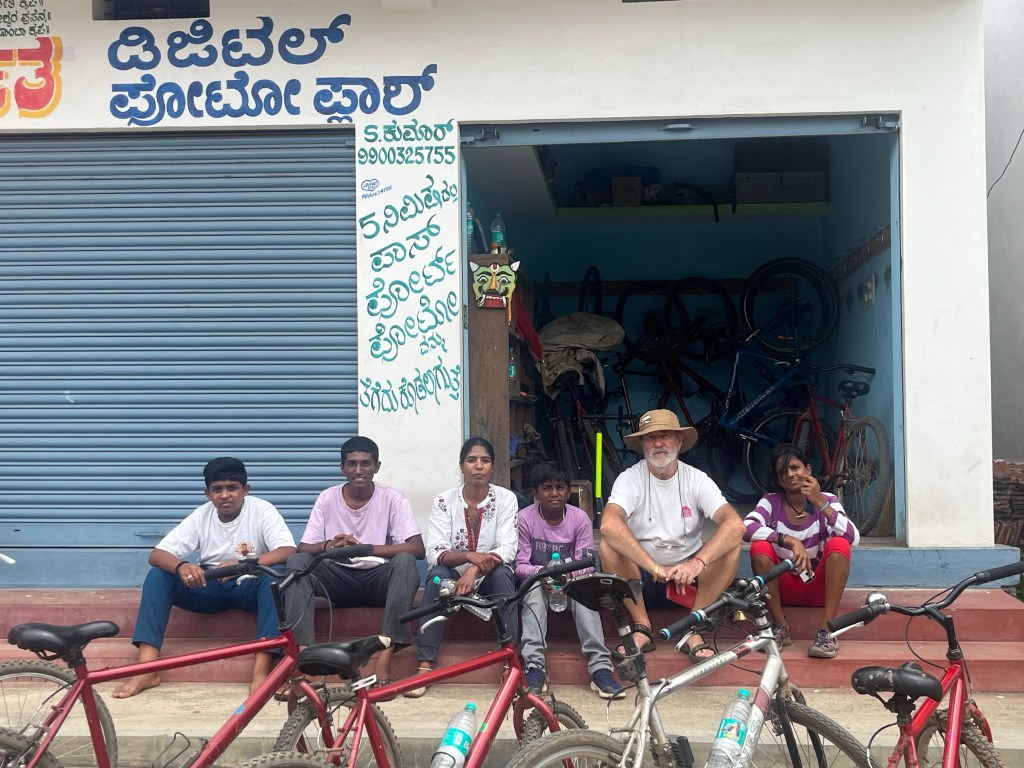
I was visiting Julia and Tom intrepid cyclists who’d visited us last year, in Mysore, on their journey across Asia, through Europe and back home to England.
Warm showers is a network we’re part of where hosts offer an overnight stay to distance cyclists.


They now live in Sheffield the city of my birth and their new home is just round the corner from the first place I escaped to at age 18
That was fifty years ago. I lived with my first serious girlfriend Tricia who kindly supported me for the final few months of school
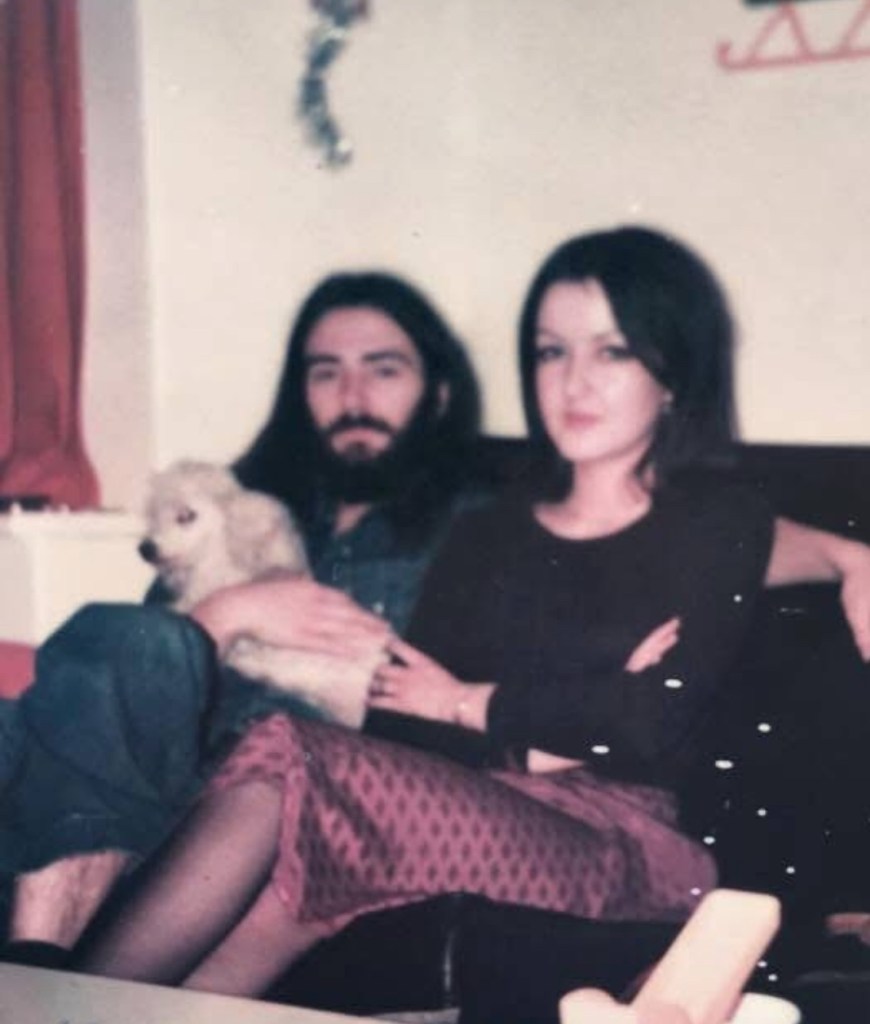
A great revisit. The house no longer exists but there was plenty of reminiscence.
Part two
I seriously shouldn’t bother the busy MP with my issues. I’m not even a citizen. But I am close to desperate and it’s stressful!
So I give it a go.
Another great experience of India.
My 10.30am docs appointment hadn’t begun by 11.10 so I legged it to go see the Maharaja (he’s also the MP and I’d had a message inviting me just this morning) for 11.30
Of course it wasn’t exactly a timed appointment. It isn’t with a doc so it’s hardly likely to be with Royalty — now, is it?
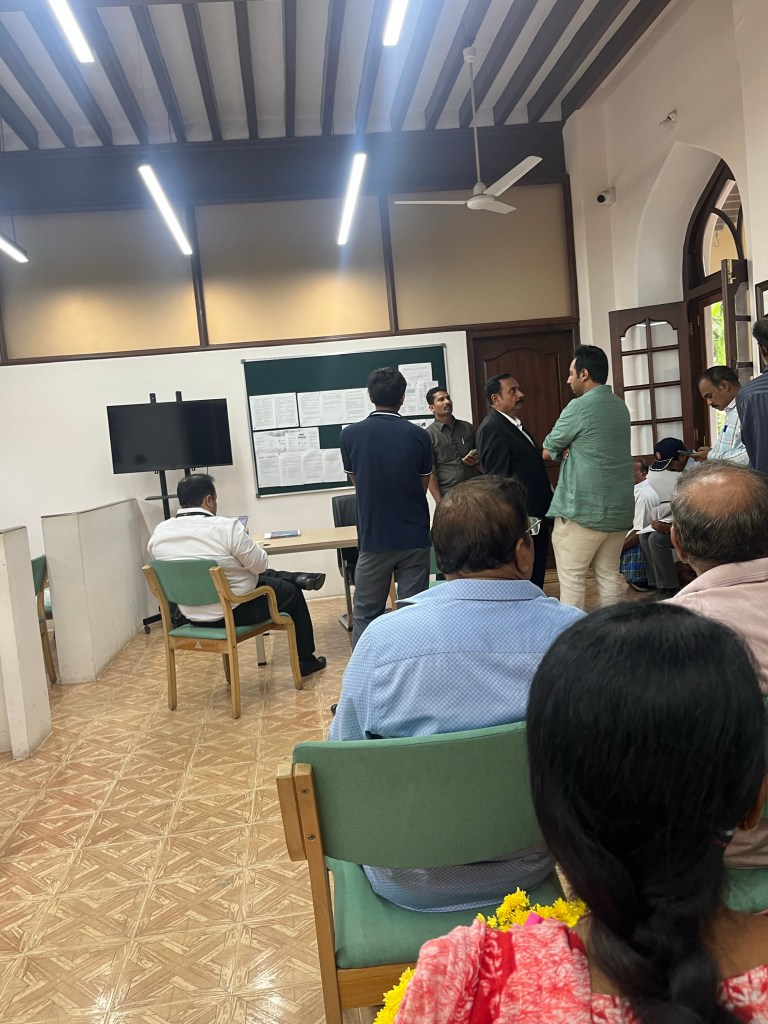
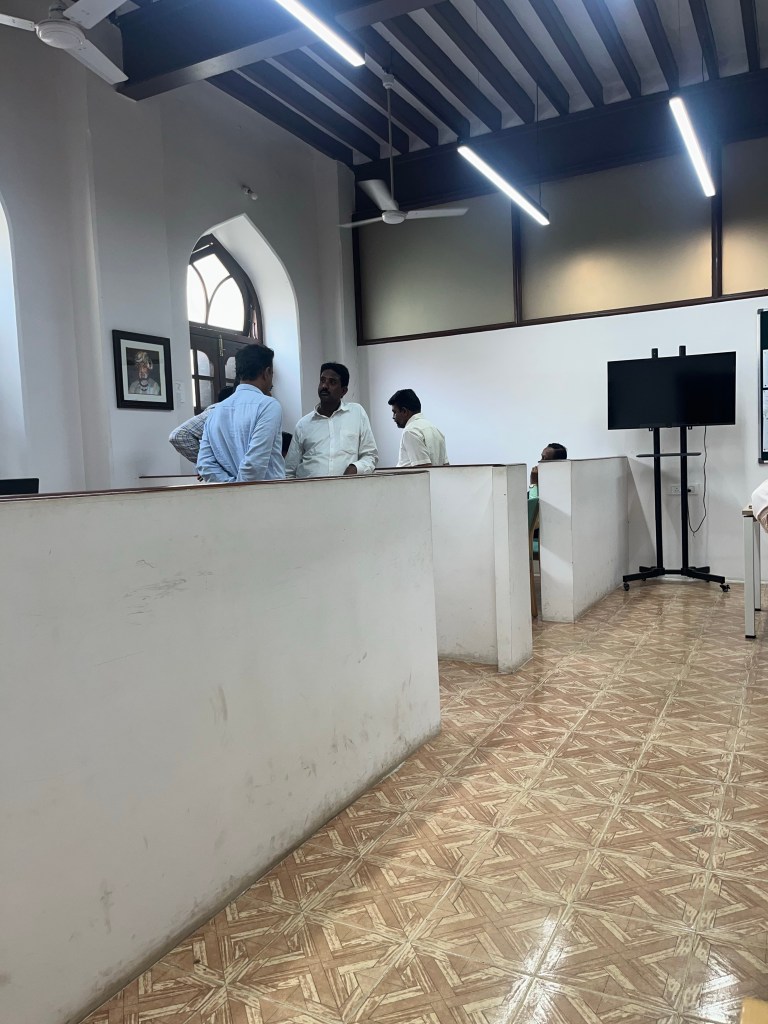
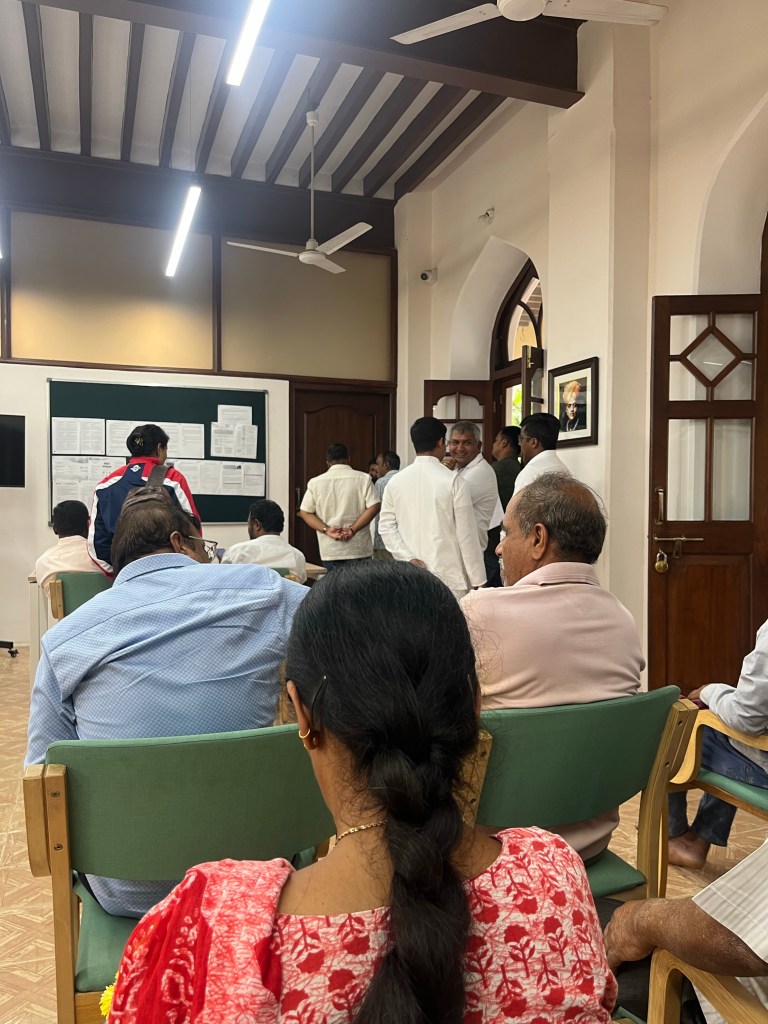
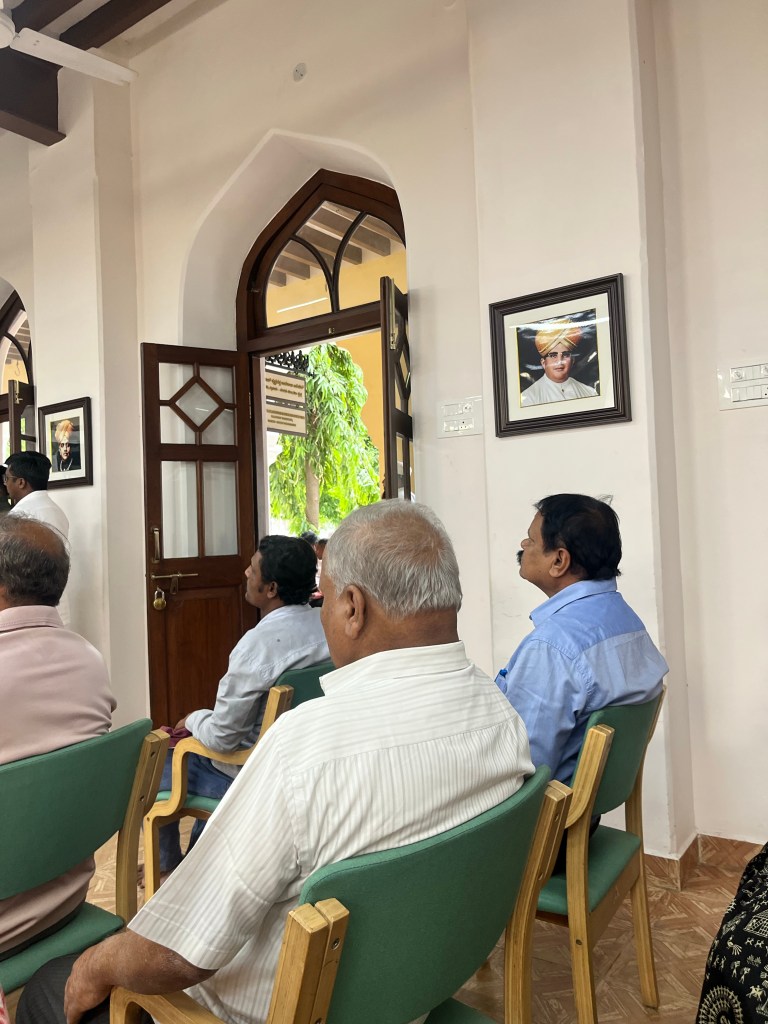
We’re gathered in the outer office.
Groups and the odd individual — yes I’m the oddest — waiting to see the boss.

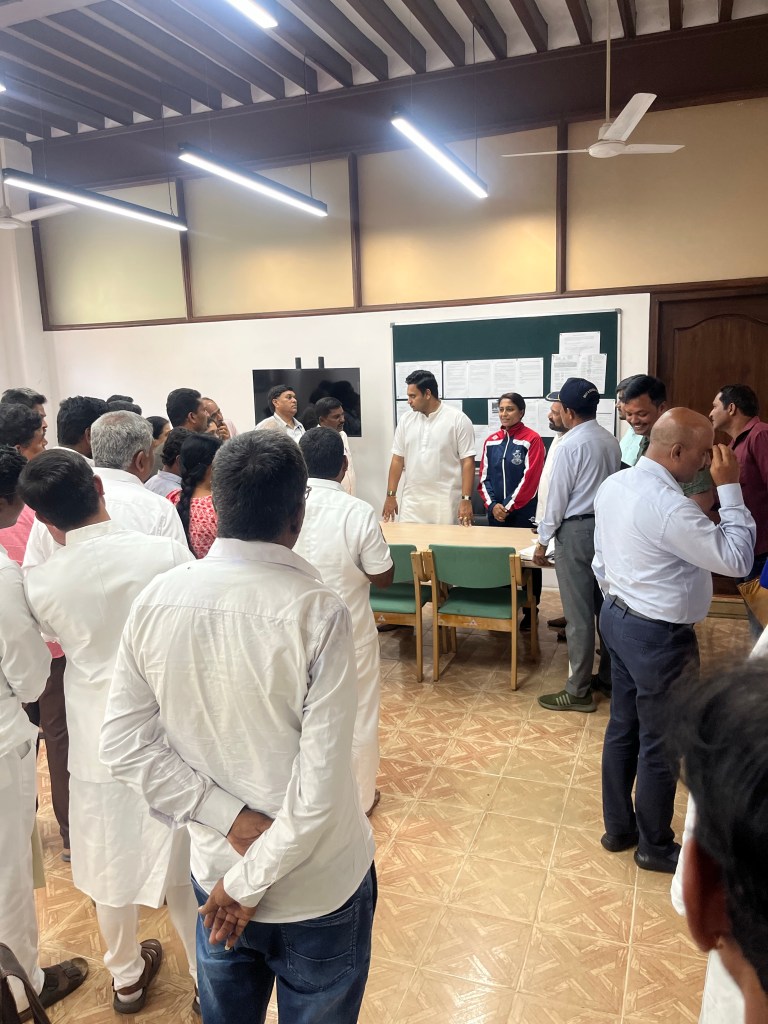
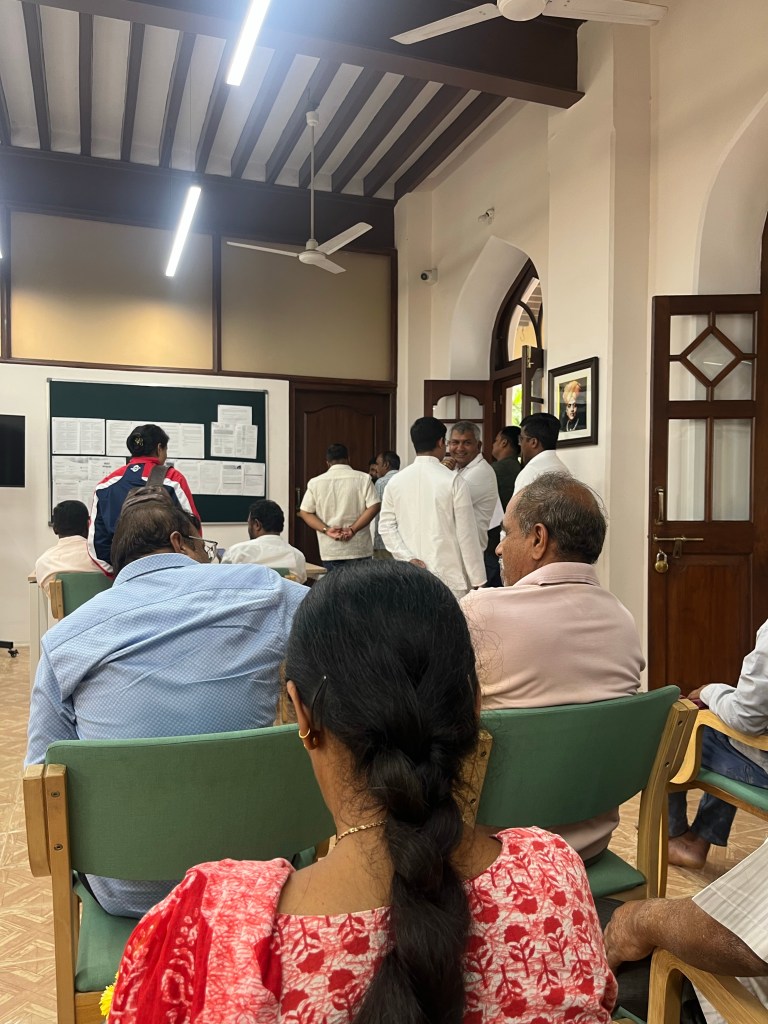
After 90 minutes he actually stops seeing visitors in the office and comes out, for it to become an orderly-free-for-all, we take it in turns to plead our case.

He agrees to write a letter to central govt.
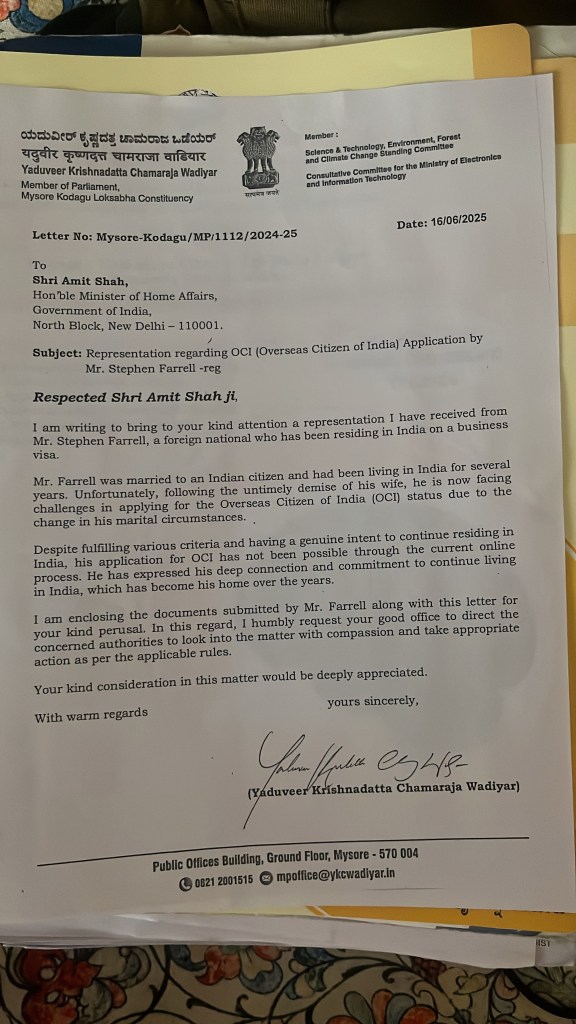
Barat and I go post it.


More interesting insights into a Mysore Palace
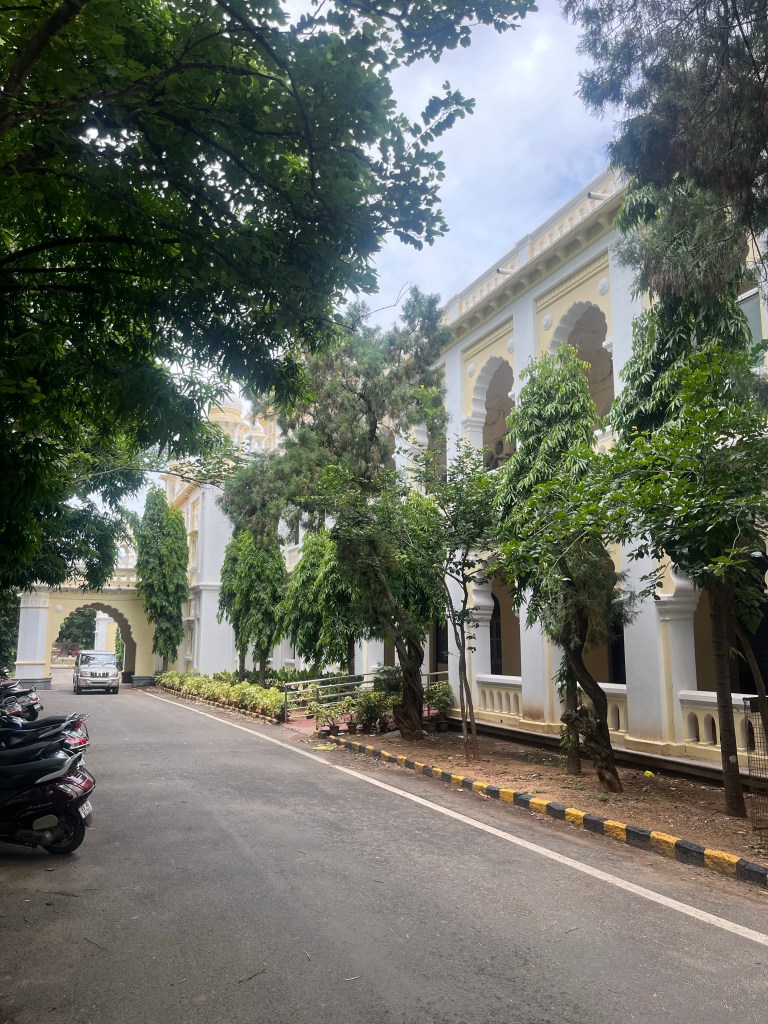

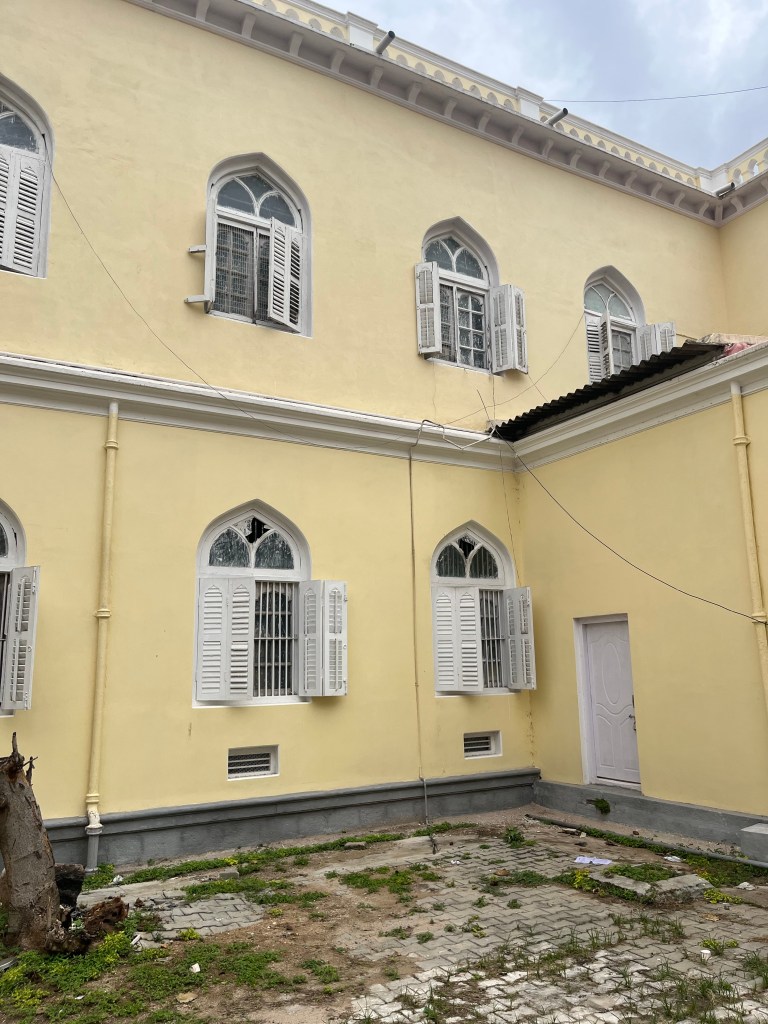
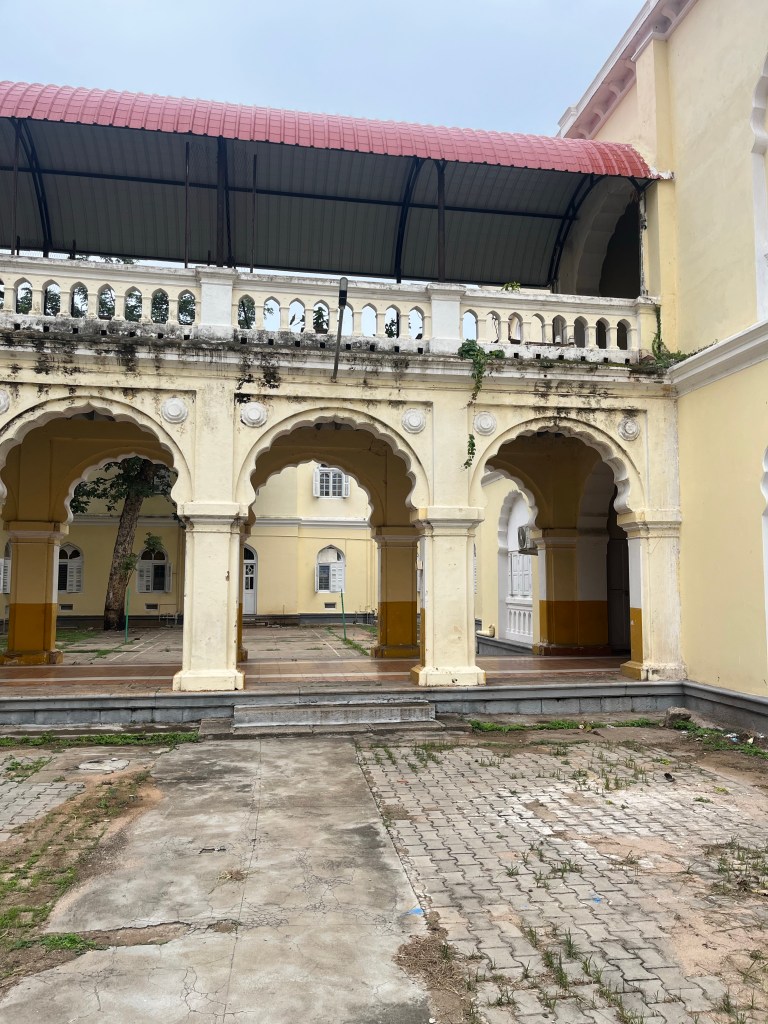
I’m in an absolutely amazing institution.
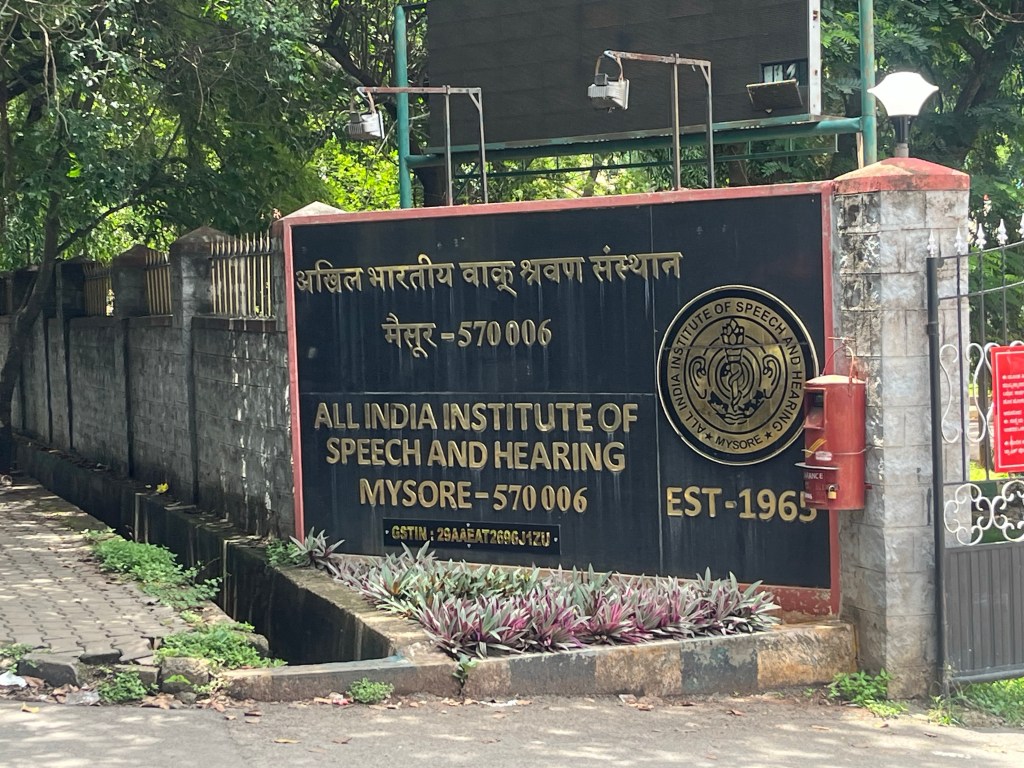
It’s my week to be tested and my friendly neurologist in addition to the many tests she’s imposed, has suggested I get my hearing tested.
But of course whilst I’ve complemented the staff here on doing sterling jobs, it’s efficient and easy-going.

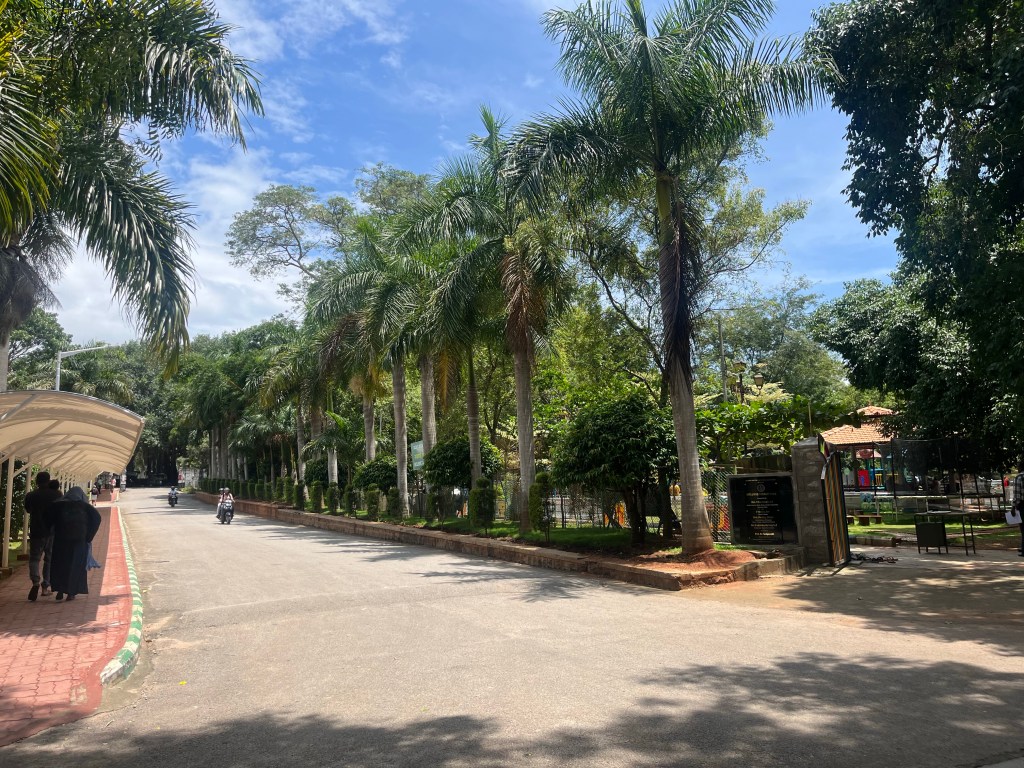
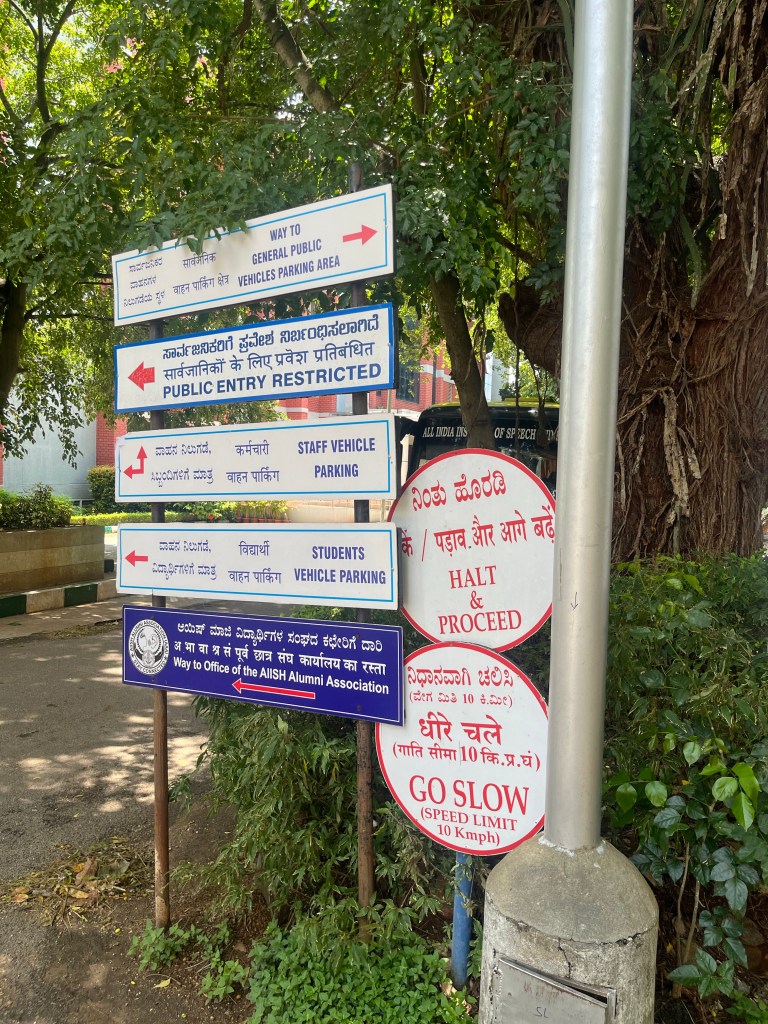
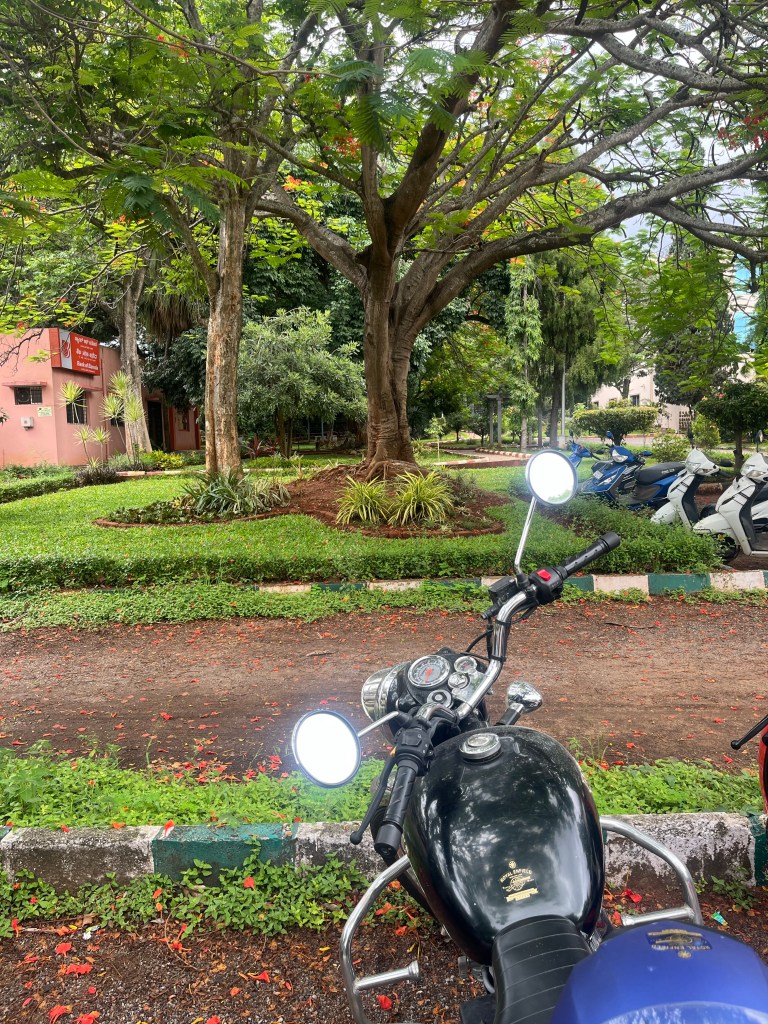
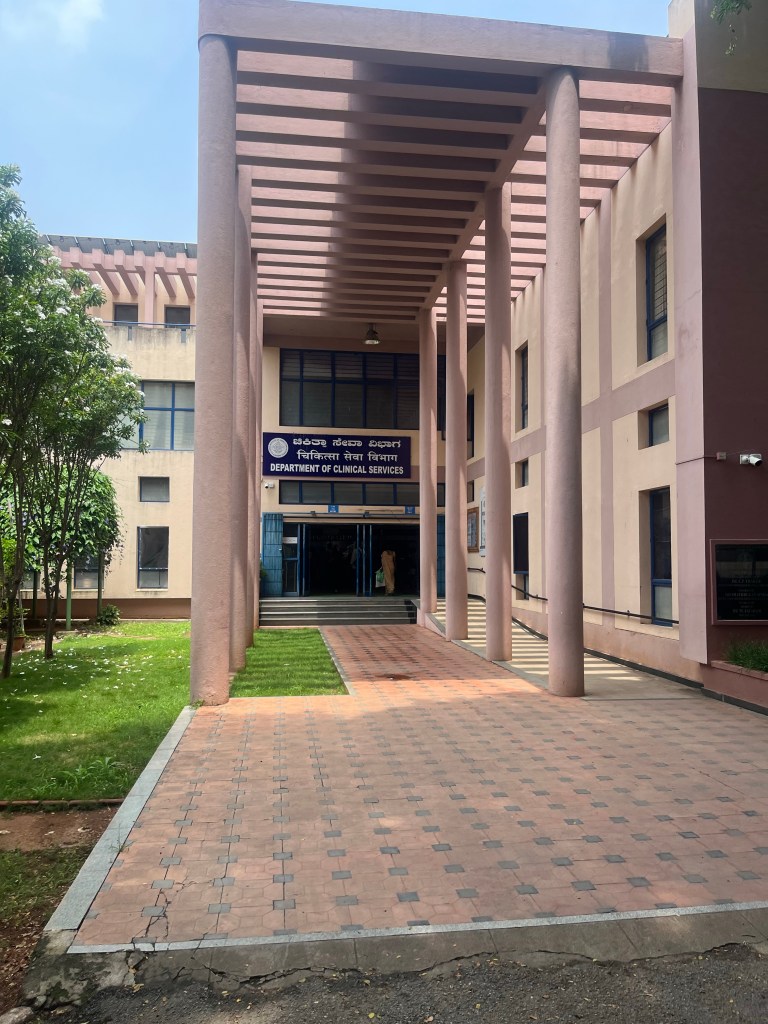
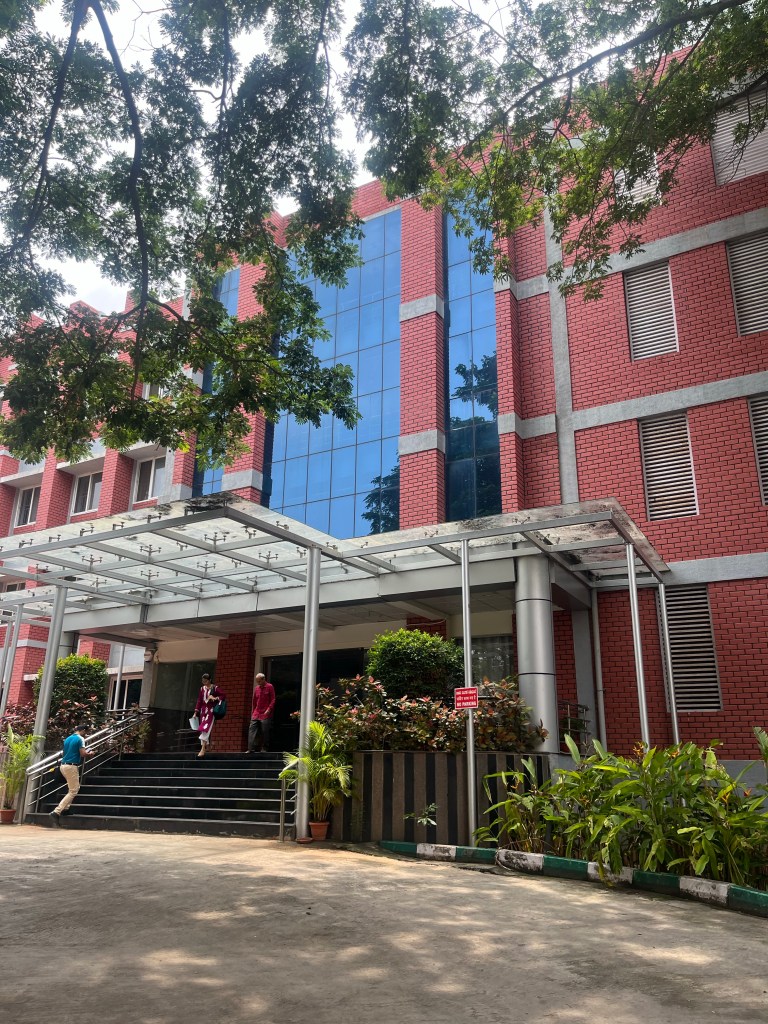
A challenge to create and maintain especially in a large institution of any kind.
I still can’t resist taking the piss.
Remember I’m here for a hearing test.
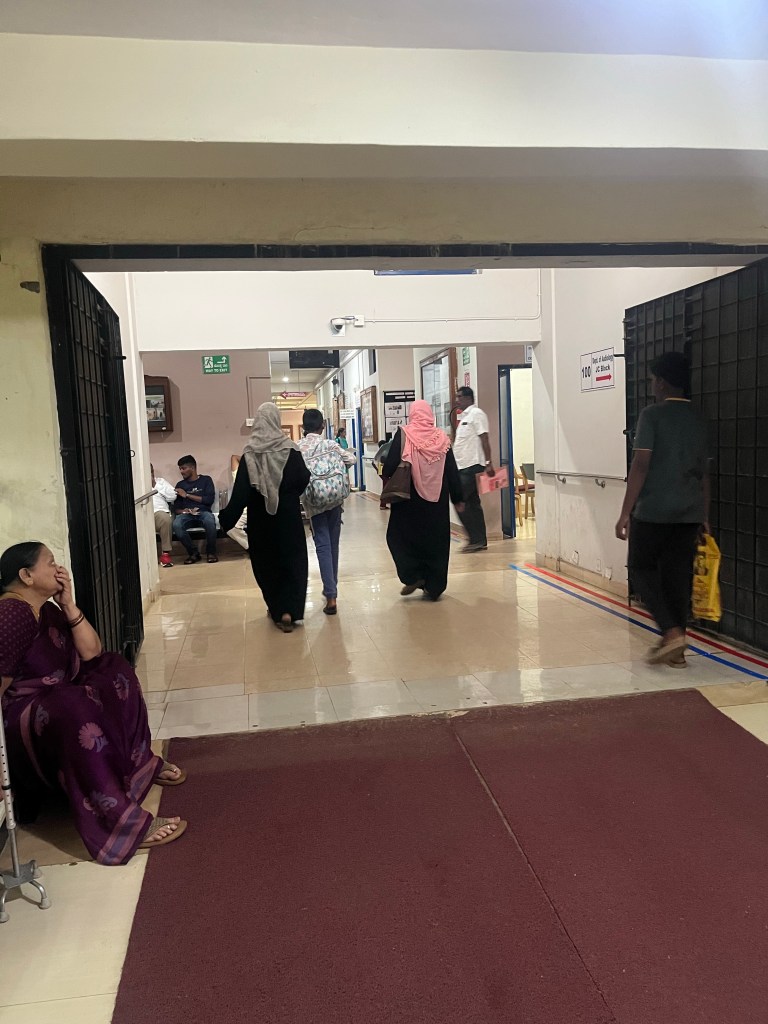
I’m in a waiting room at the audiology clinic at the institution.

Look at the photo.

We’re maybe 200 metres from the entrance door.
I’ve spent a week dropping drops in my ear and fresh from the ENT physician with a nifty, teeny vacuum cleaner to suck out the wax
Yes I’m in the audiology block waiting to have my hearing tested— that’s assuming I can hear security yelling out my name from the door 200 metres away .
This couldn’t be made up. It’s like a comedy skit.
So, precisely on time, the rain has started with its heavy patter on the ( temporary plastic) roof.
Yes the ‘hard of hearing’ might have a challenge to hear their name called out for the HEARING test.
But let’s be fair. In India everyone turning up at a clinic will have at least one member of the family with them to help out.
So I hope that when they call out the name for the lonely old Firangi (foreigner) to go for his test, they’ll put extra effort in to ensure he can hear it.
Maybe they’ll call
Stephana Farrella
But that for another time as it’s part of one of Manjula’s tales.
—
How come exactly one week ago I walked straight in to the doc, this week there’s tons of people.
BUT do not let my stupid desire to have a joke at everything camouflage the fact that it’s a great place and the staff who include students from Kerala and other states do a fantastic job.


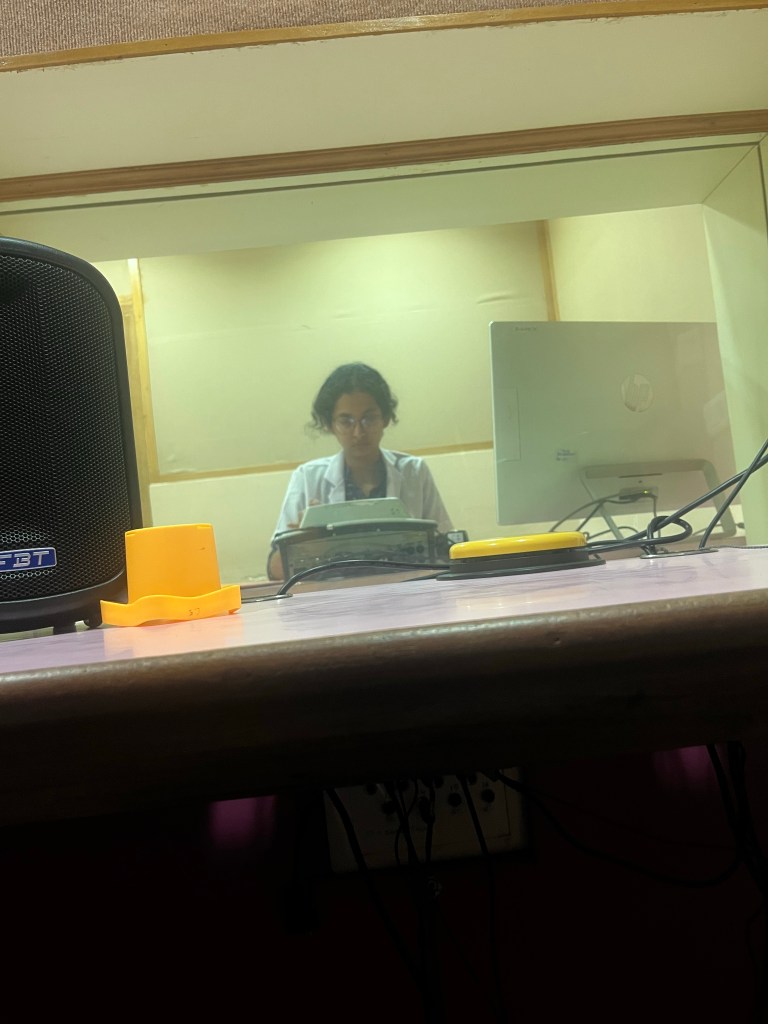


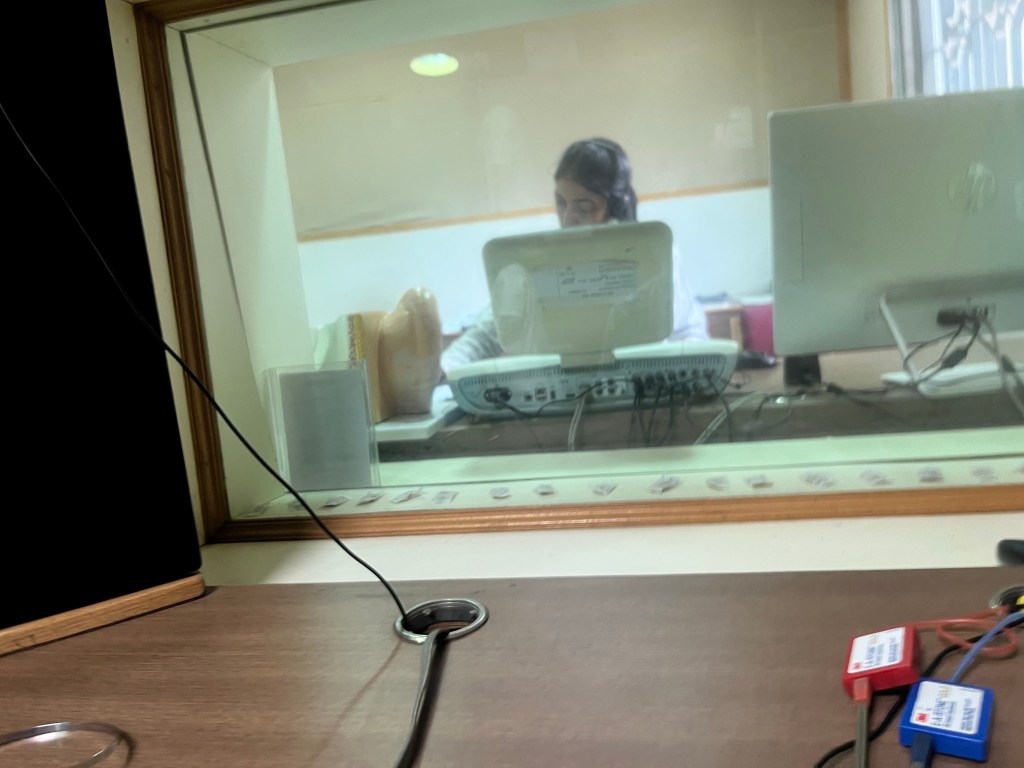
It involves a lot of testing and not just the outer ear.
Well done team.
You’re a real credit.

She’s sort of confined for a couple of weeks. Seemed in high spirits even though she’s only had the four walls for a week and there’s another ten days to go.
It’s a one in a lifetime experience but I use the term confined as it can refer to a jail/gaol or period after a birth. Only yesterday I was referring to how the invention of the printing press had helped release us from the diktats of the priests, at least in Europe.


More later.
On ‘coming of age’
Many know that I’ve been looking to be a student or volunteer to pursue my interests, make a contribution and to continue to live in my adopted country.
I’ve made innumerable contacts with education institutes but options were few as I couldn’t do the PhD I wanted to (due to my masters) and the idea of another and full time masters felt too much.
My first interest was to pursue an art course. We’ve also organised wonderful creativity days at Kaliyuvamane and the NGO for visually impaired young women.
It’s one of those things I’d failed to do and always held an interest.
Currently Kaveri and I dabble a bit
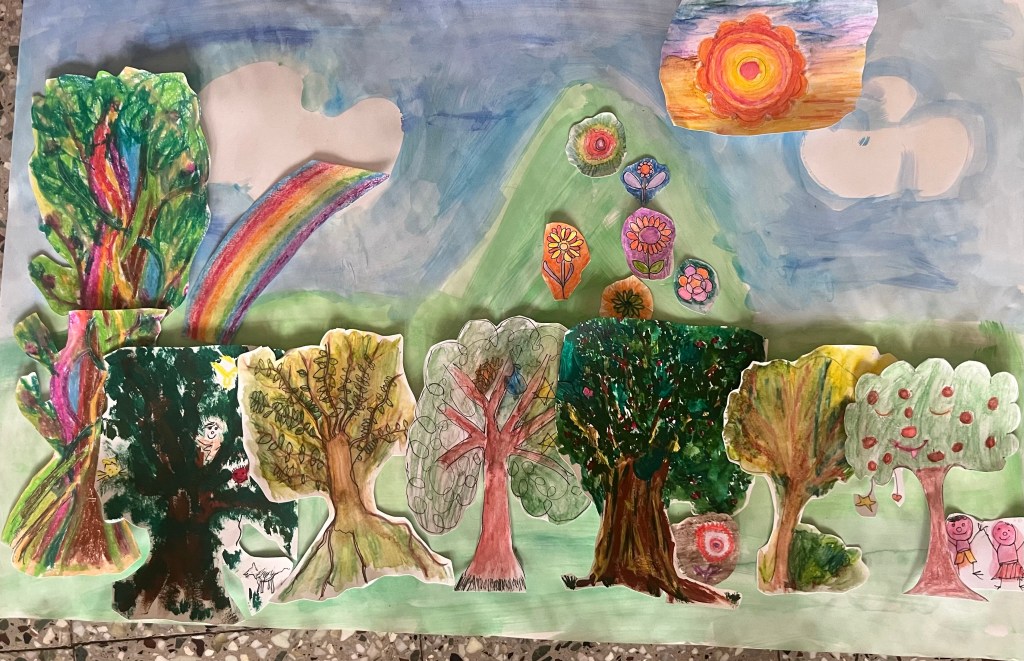


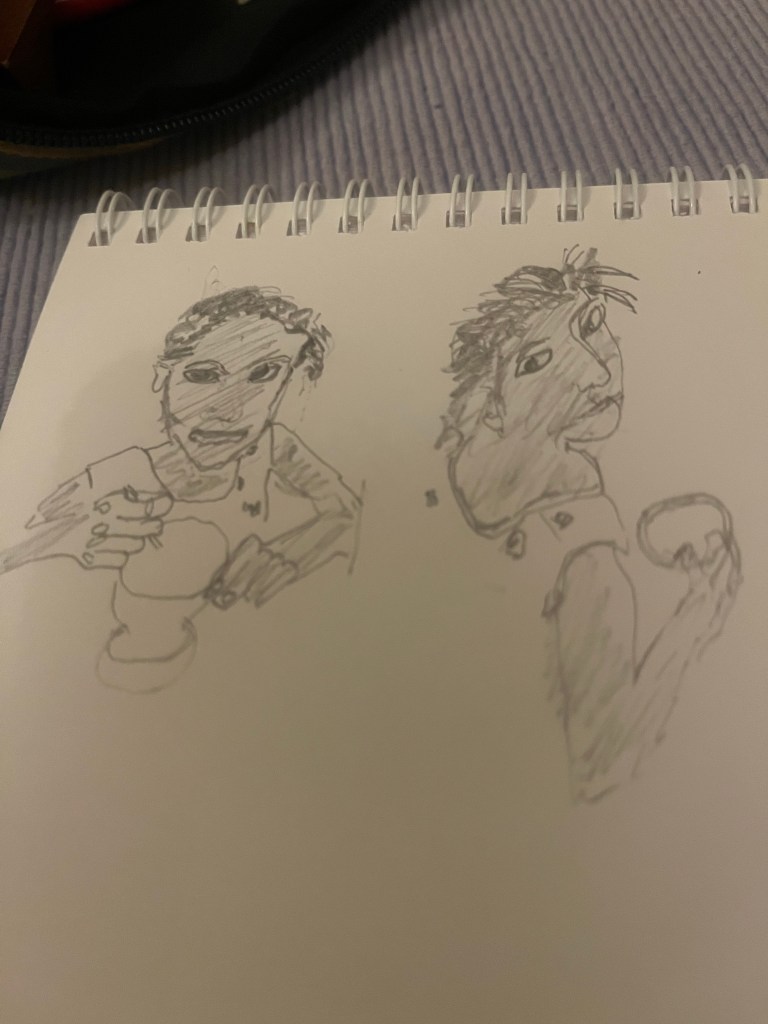


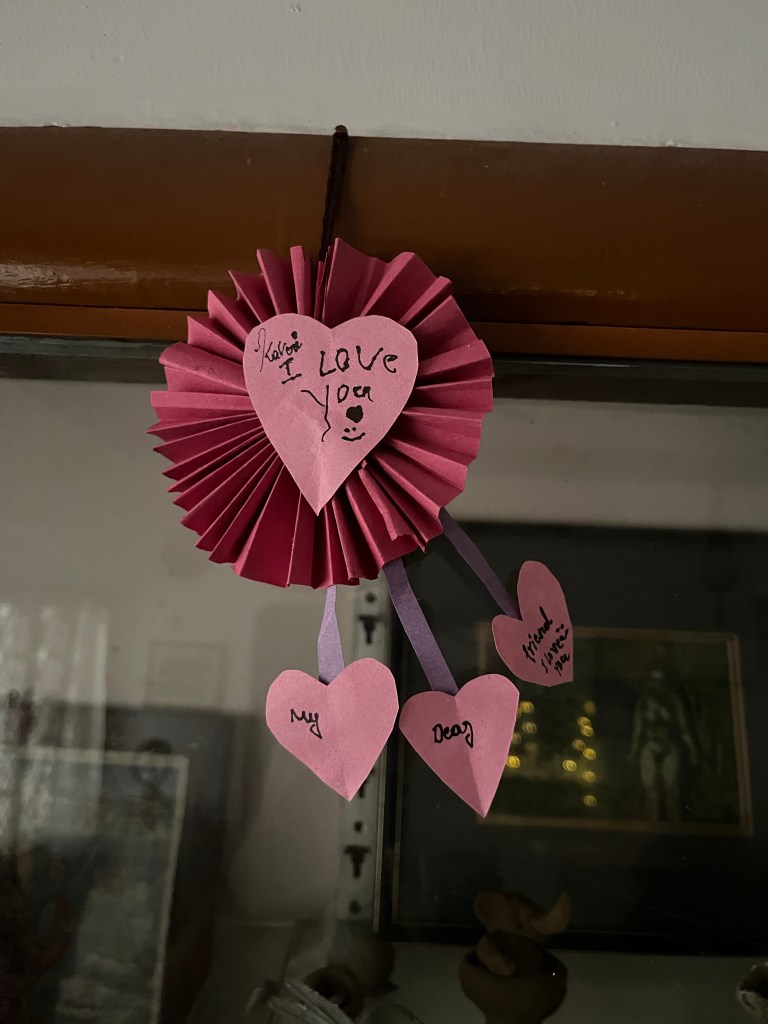

But look what I found.

Hidden away —
—just up the road from a Stupa here in Mysore


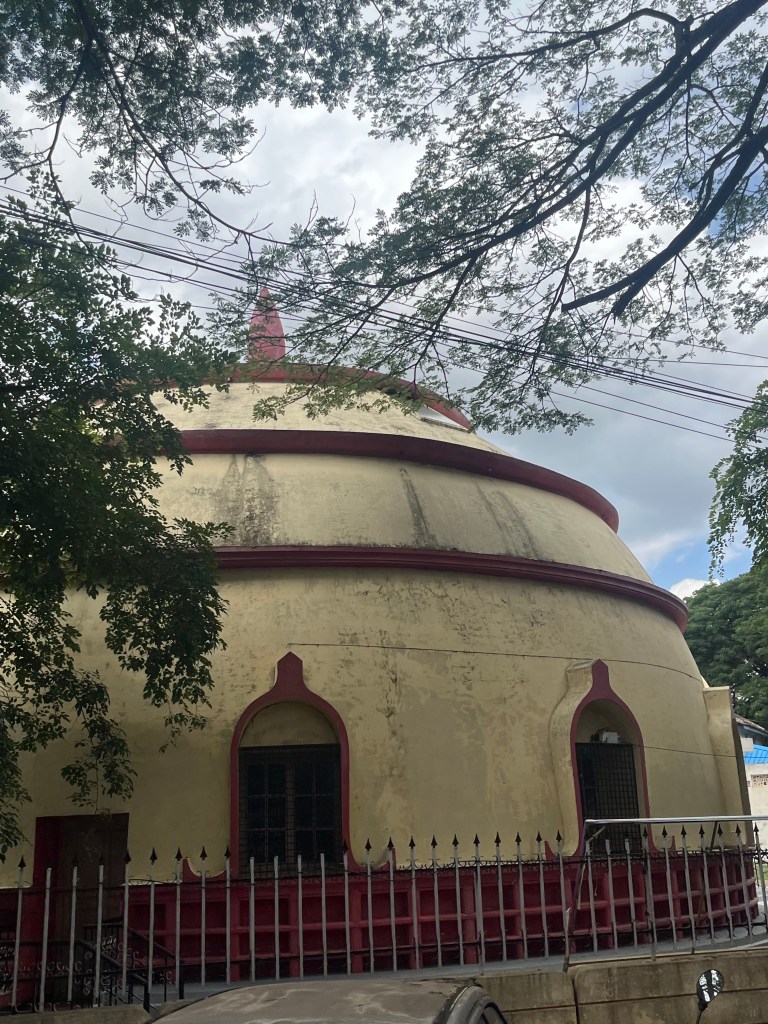

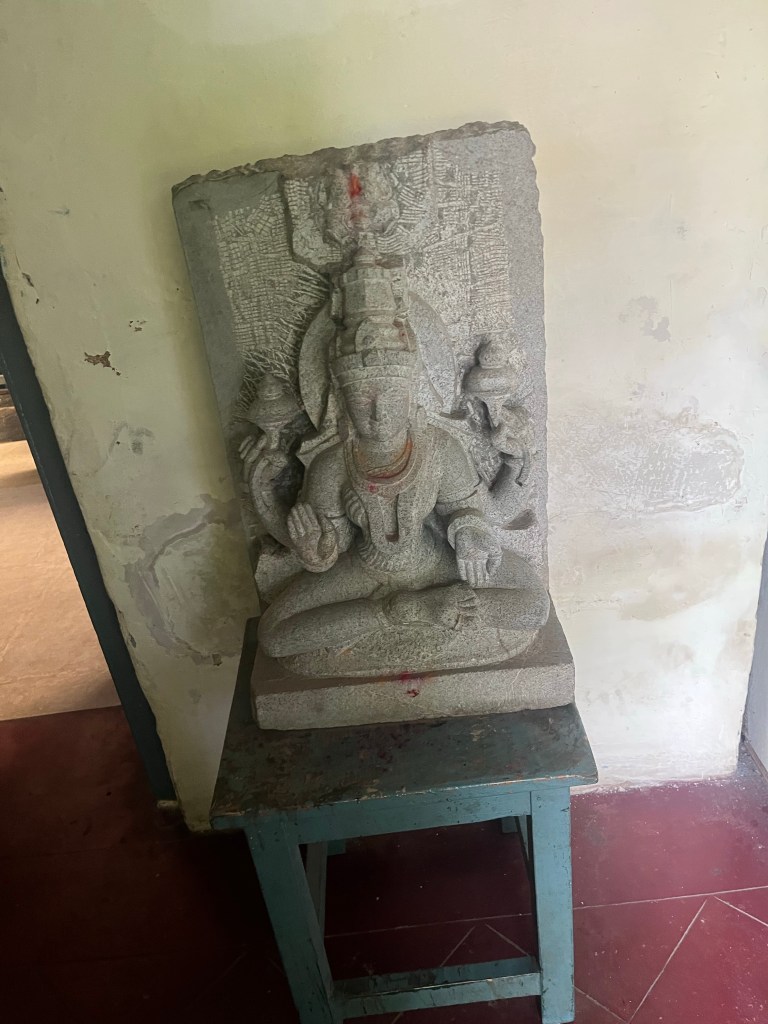


I’m due on a holiday to the U.K.
I’ll revisit when I get back home and see if it’s feasible to do a course there and get a student visa.
As madam would say: ‘let’s see’
More later on the volunteering possibilities.
Fact is, she’s a member of many families.
Manjula and I first met her when she was helping Hecheung, Justin and their two boys.


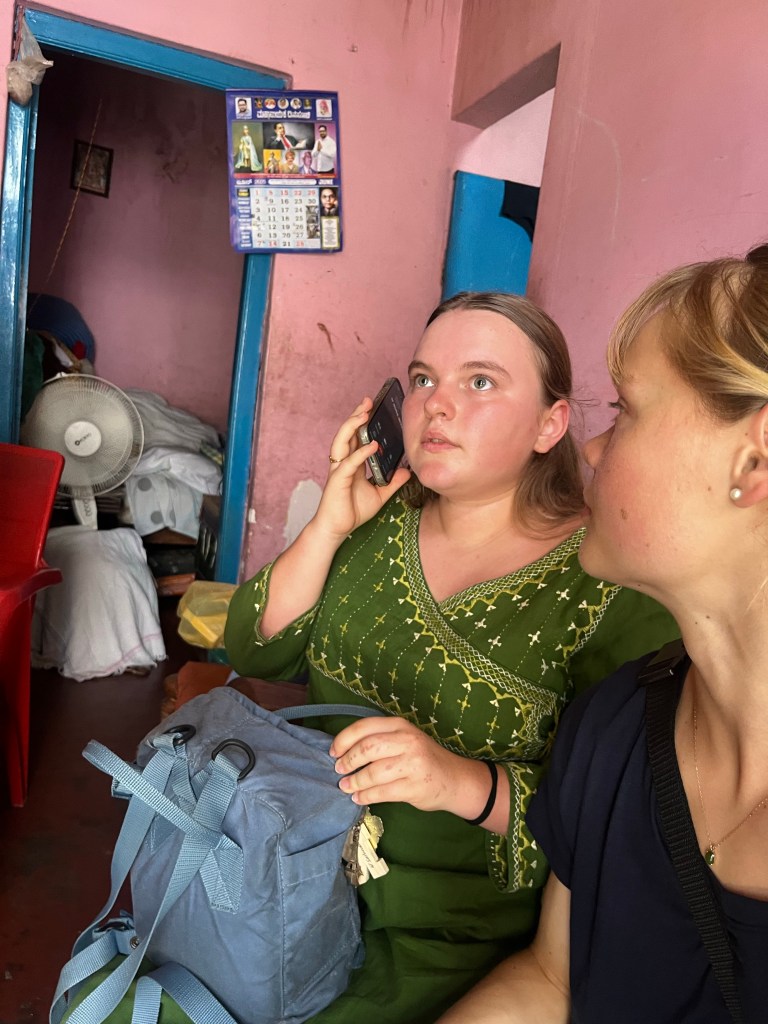

This week she had visitors from the US
Rebecca in green lived here as a young girl with her parents with SB helping out. She’s finished high school in the states and has now returned to Mysore for a few weeks to revisit people and places.
Sowbaghya welcomed them with lunch at her home.

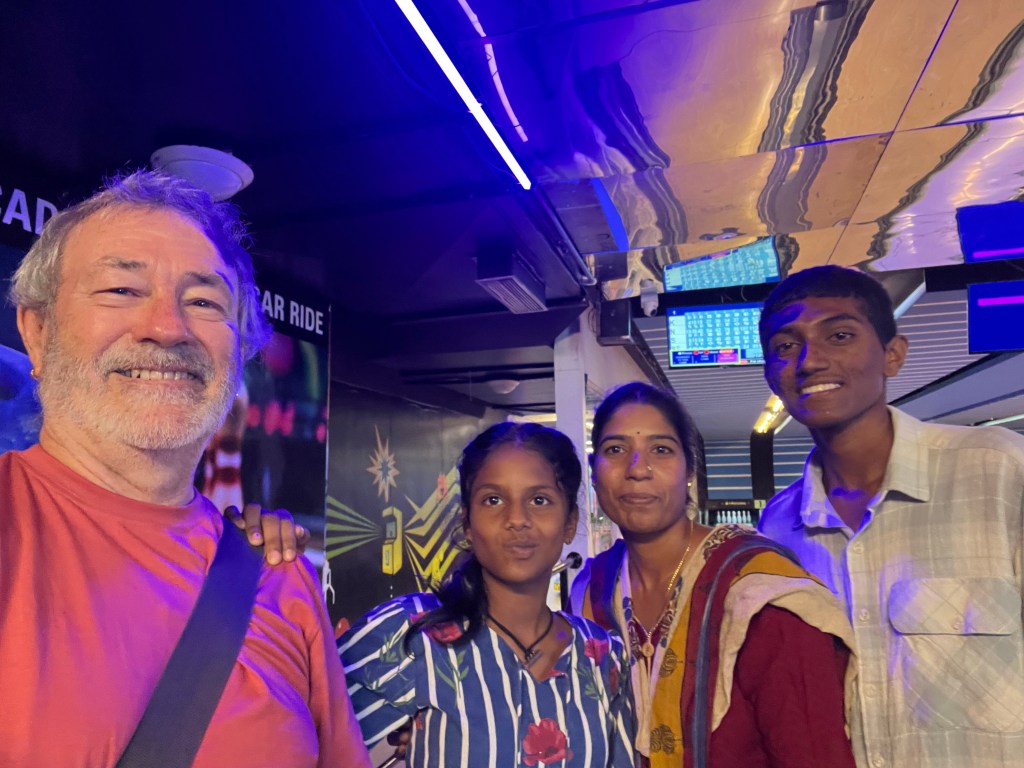
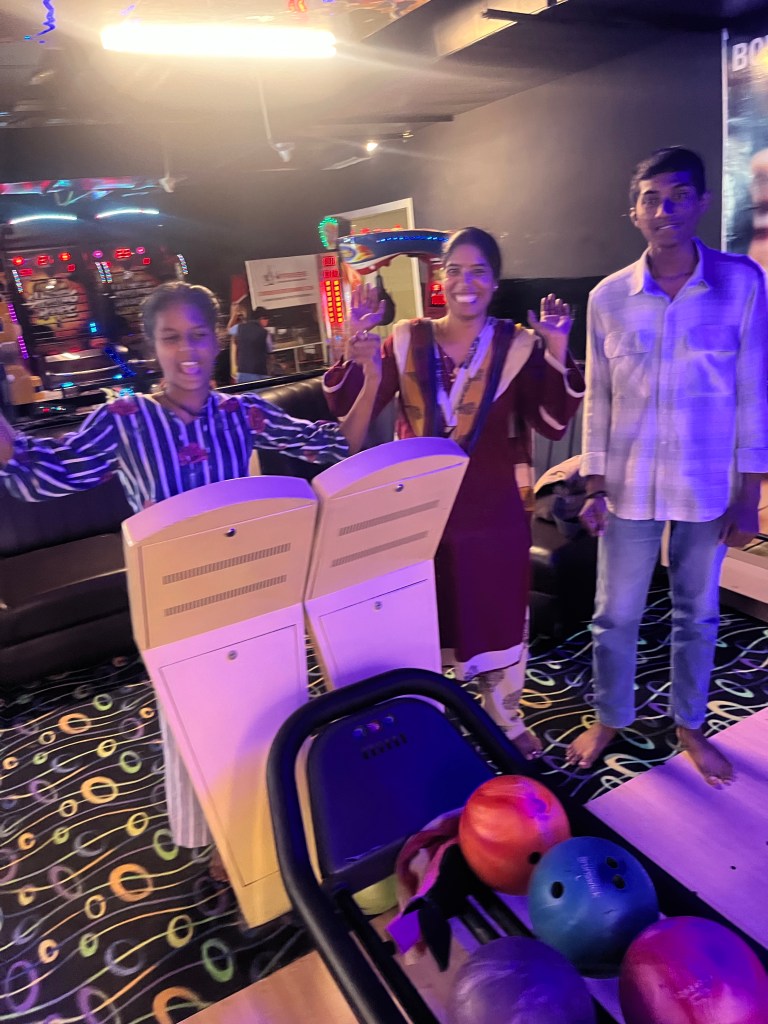
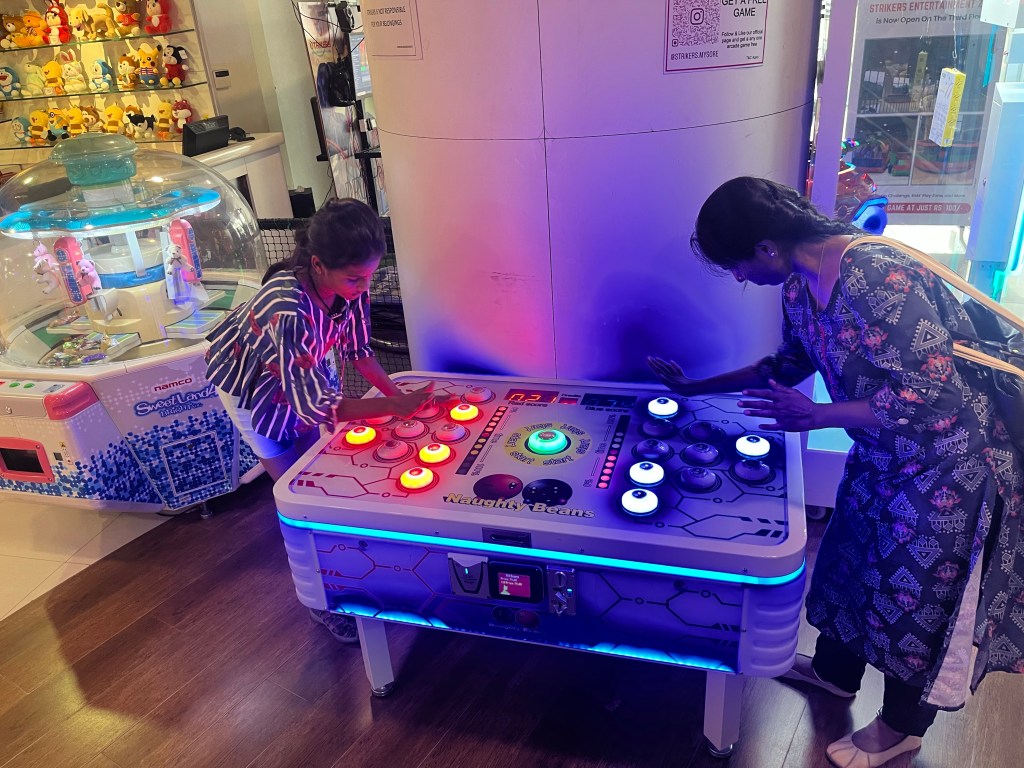


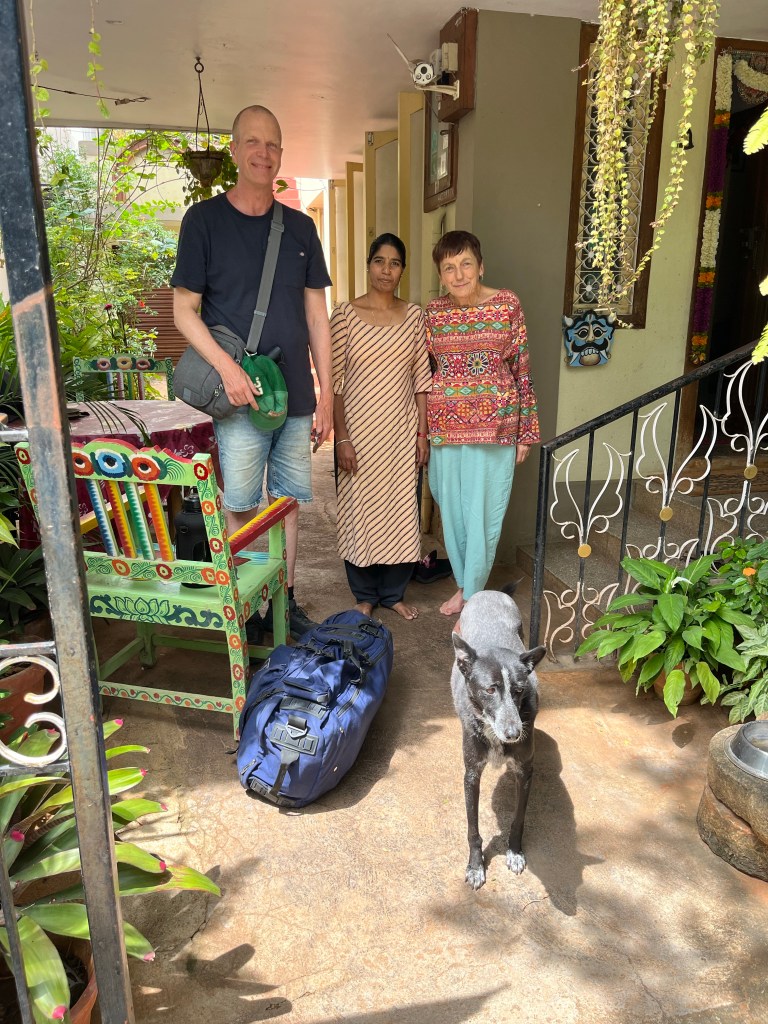
She’s an incredible help in so many ways.
Now she’s joined our family and we try to ensure it’s not too boring.