If it looks likely — then surely here’s a golden opportunity (naive? Socialist?) to resurrect an old idea.
Slash the working week by let’s say a half:
— Provide a living payment to everyone and in return encourage people to be active citizens with their newly available ‘free’ time.
— get people to ‘sell’ the idea to everyone by creating new opportunities for training, mentoring, working to identify what needs doing to help sustain healthy communities and life in general, and for each other and to jointly plan and implement things as active participants.
Yes it needs a revolution
It requires intervention by government, an alternate view of what means to have fulfilling roles, a shift from our prevailing free market orthodoxy, a challenge to the thousands of years old social structures of unequal shares of resources and opportunities.
Not a big ‘ask’ then.
Surely if AI is going to take jobs away plus we’re constantly hammered by our collapsing societies in addition to the bleak environmental predictions of global warming — this is exactly the time to act.
But of course— the pessimist pops up here— as I often say — there’s abundant solutions and answers to our challenges. For many reasons we just can’t work together, yes we’re unable to cooperate to be able to act and change.
Back to Gandhiji
Maybe this is why I was so attracted to India
It does hold the answer to all our challenges
We can find anything and everything in India, including
Three years ago, one of Kaveri and my favourites was Big Panda and Tiny Dragon
Norbury’s latest book reveals how journeys might be forced on us. We can’t ignore it, we have to adapt and it’s ultimately a positive development.
BUT that depends upon our perspective and how we handle it.
Same with us.
After sixteen years …
I’ve been given notice by the landlord that he wants the house back for a family member.
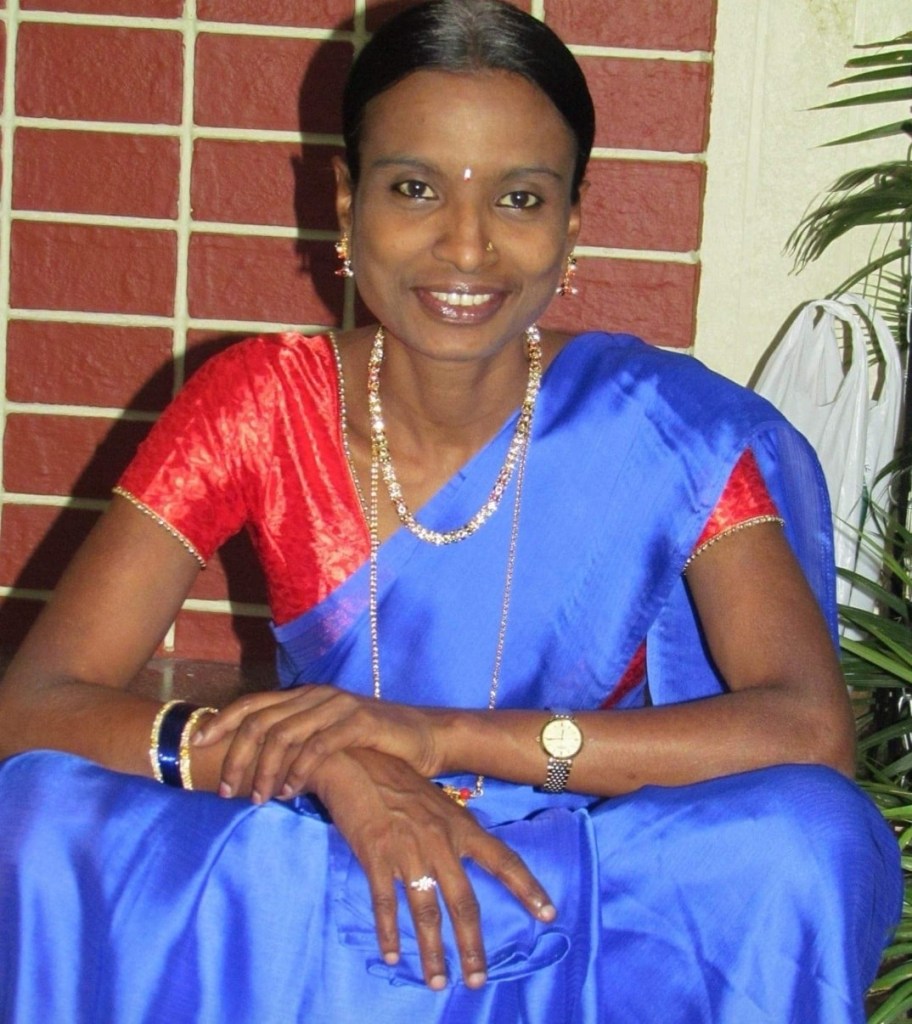
That’s a big practical undertaking and will be a massive emotional challenge — as I’ll be leaving the home that MAnjula created, shared with thousands around the world and lived in together for nine wonderful years.
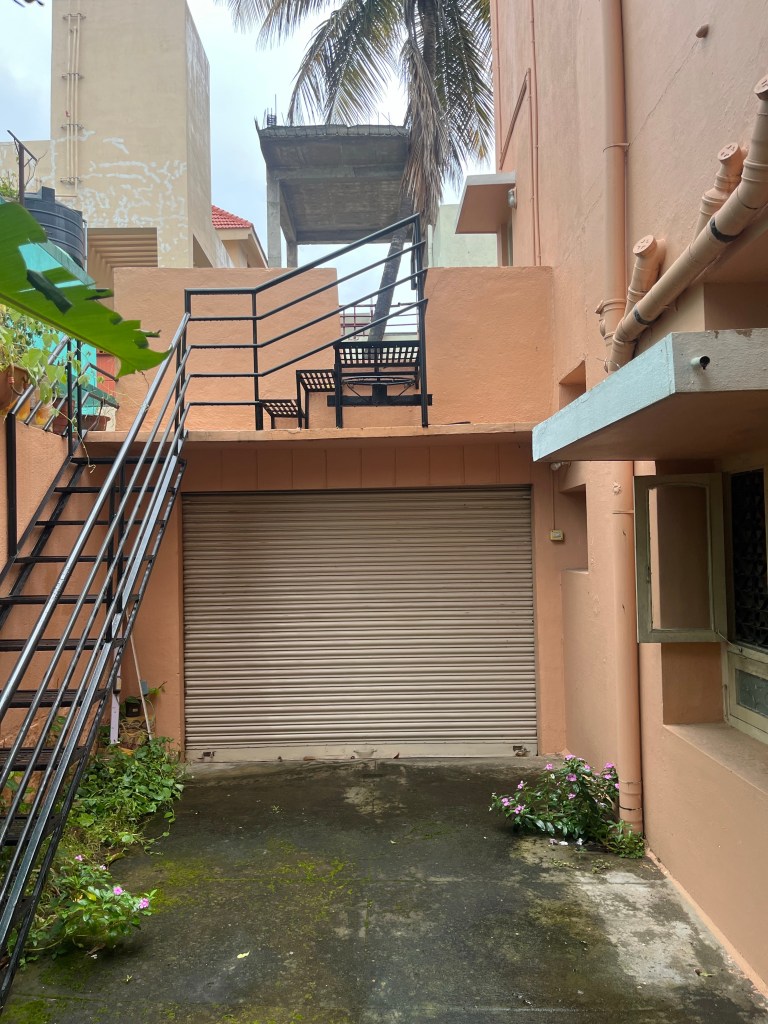
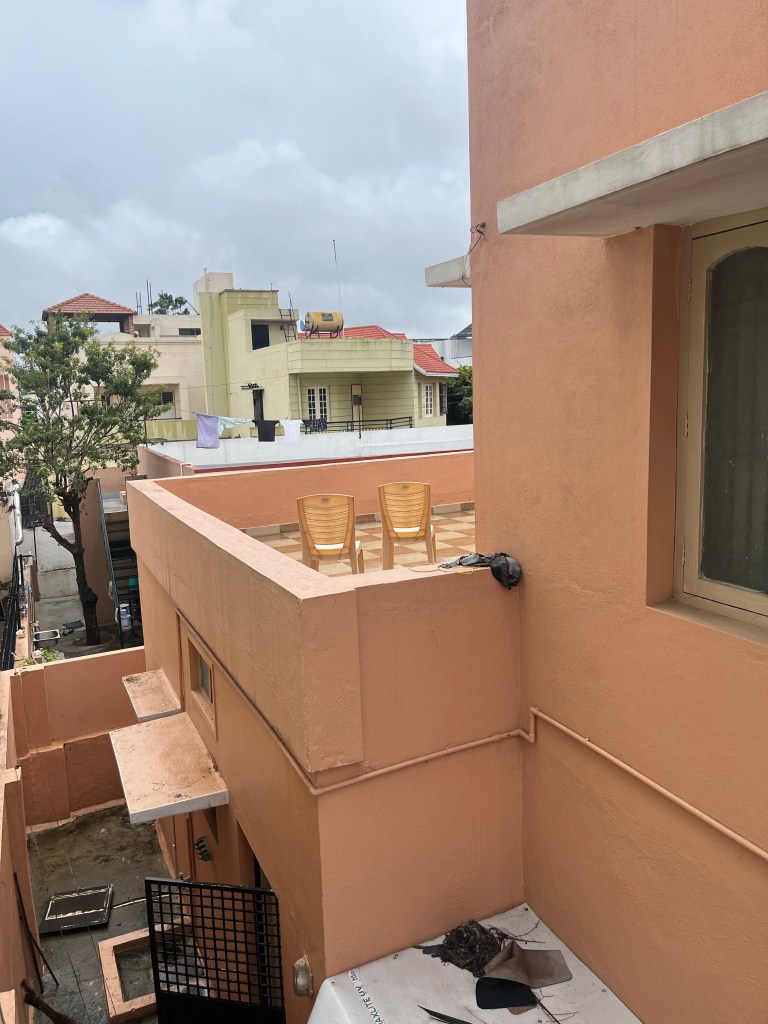
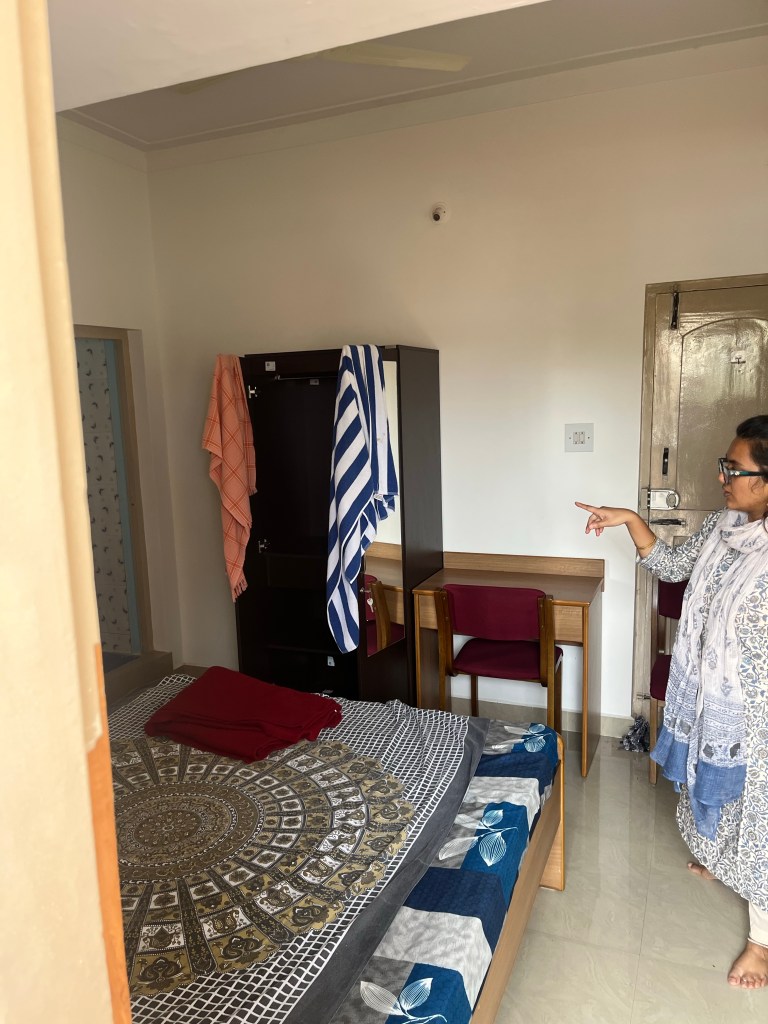
Today, SB and I visited a possible alternative.
I hesitate as it isn’t an independent house, however we could potentially have two together on one floor.
That would be four bedrooms, two halls, two kitchen, four toilets/bathrooms, a balcony, and a dining space.
Where could we put the library?
With a view over the rooftops
and the adjoining park.
The other worry I have is the potential neighbours.
The owner seems to be a friendly open and helpful guy.
I expect he’ll be concerned about our different guests coming and going and having to deal with the unknown foreigner.
Pets might be an added problem. We have a cat billet-doux and I may want another dog.
I hope, he realises that our approach to rearing and managing a dog is very different, it’s kind and gentle. With Lucie she had a great temperament. That’s partly down to how we managed her. That’s not always the case here.
After a first glance I think we could make it work.
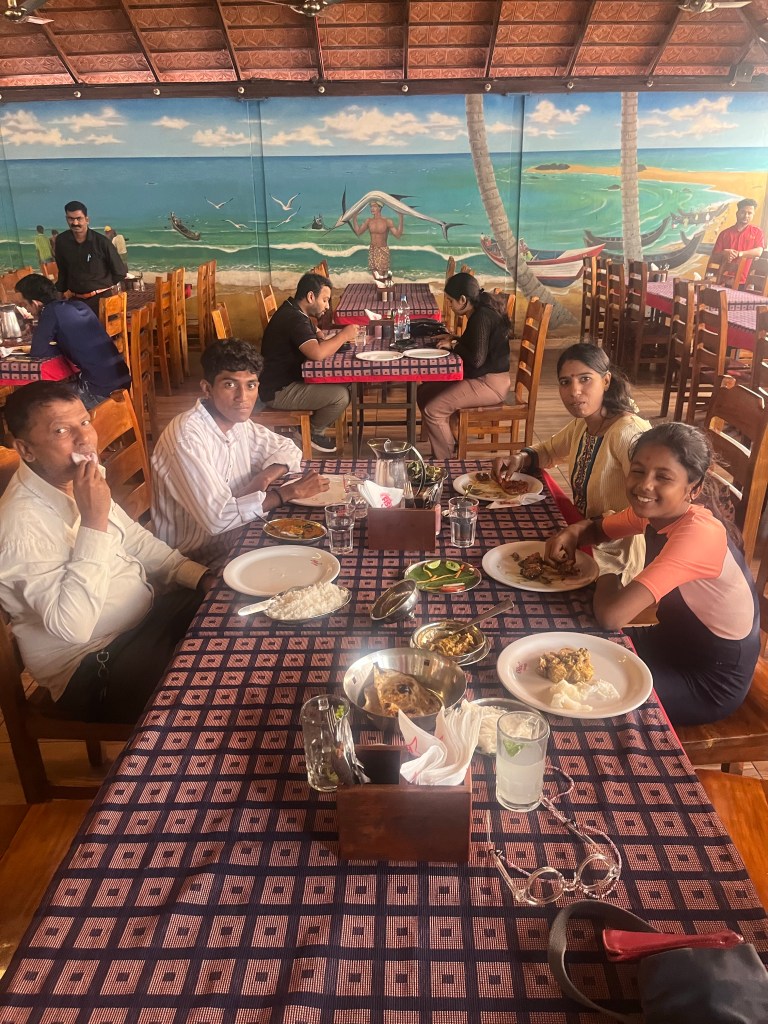
… Ina was very special, having visited us annually for ten years
It’s August and at this time, we’re used to Ina’s Scottish accent — quite how she had such a strong accent after living almost seventy years in Australia, we don’t know — sing songing through the house.
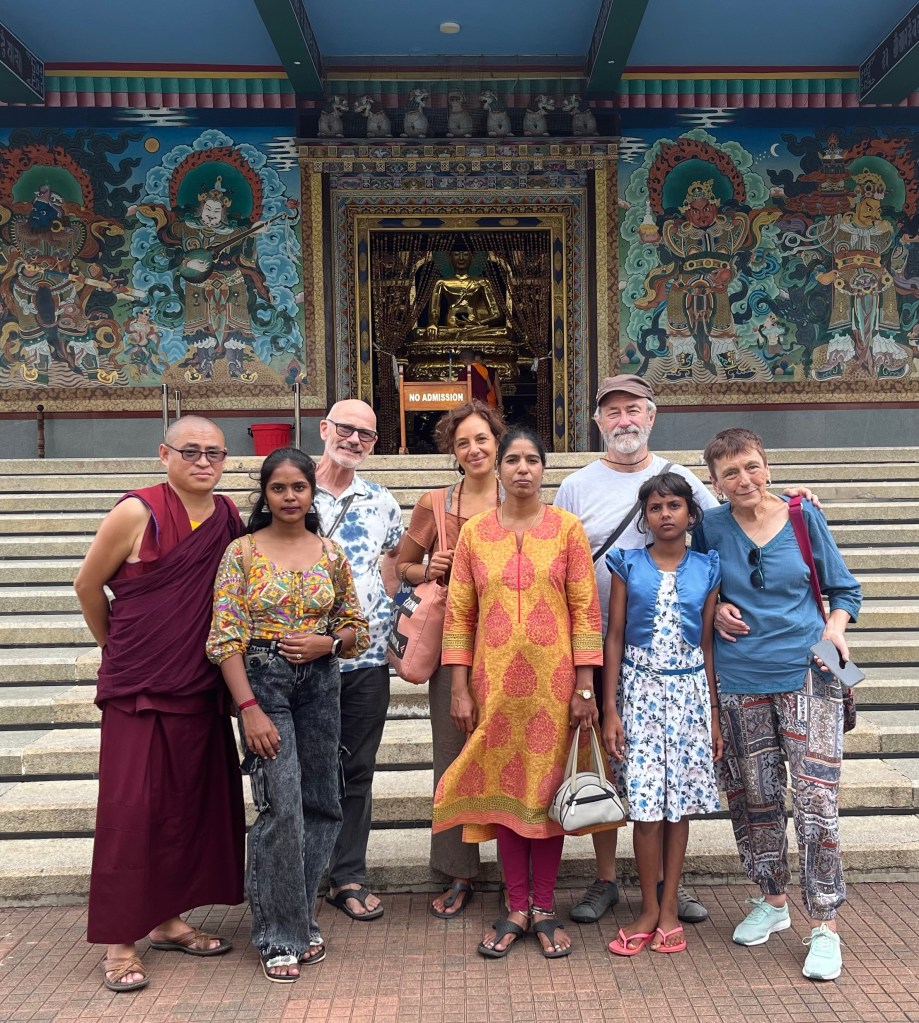
Her first trip here was to visit the Tibetan Buddhist Monk Dorjee
at the settlement .. Bylakuppe, who she’d sponsored as a child but never met before.
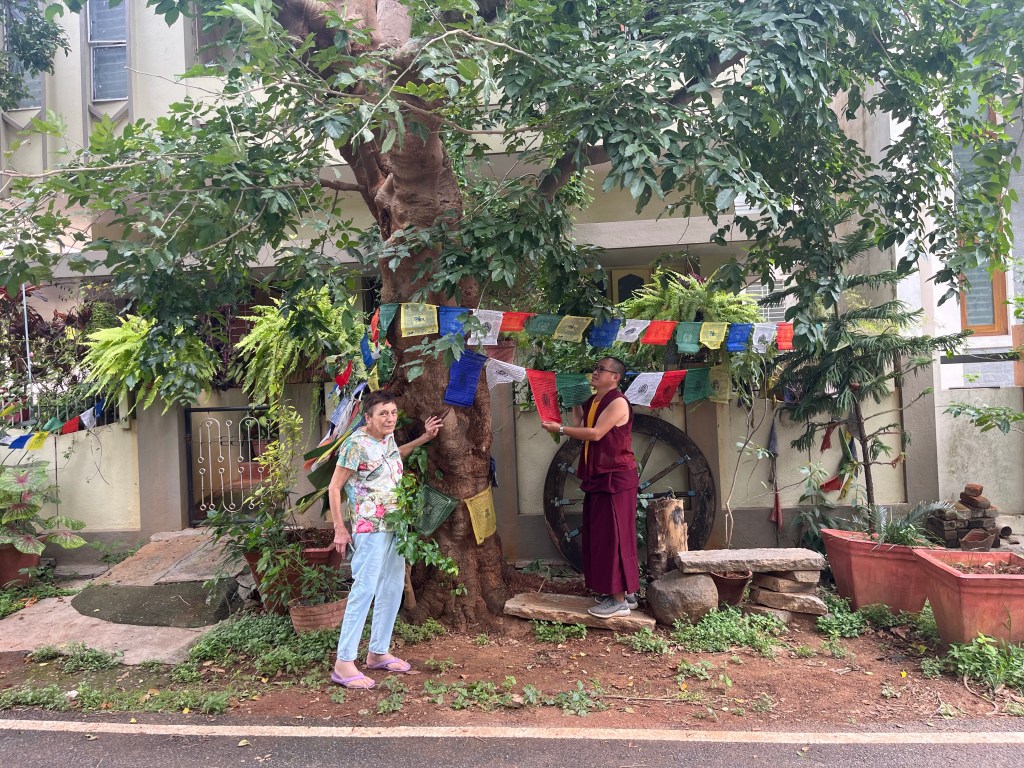
Last year we had another outing to our own slice of Tibet, with our very own guide.
She so treasured our times together, especially the year MAnjula and I were married and the celebration of her last birthday that year, in August 2018
Sadly her spirit left her body in 2024 shortly after her last visit.
We fondly remember her kindness, her indomitable spirit
when she took over Manjula’s Mysore and let her presence touch everyone she met and now lingers on in her/our home.
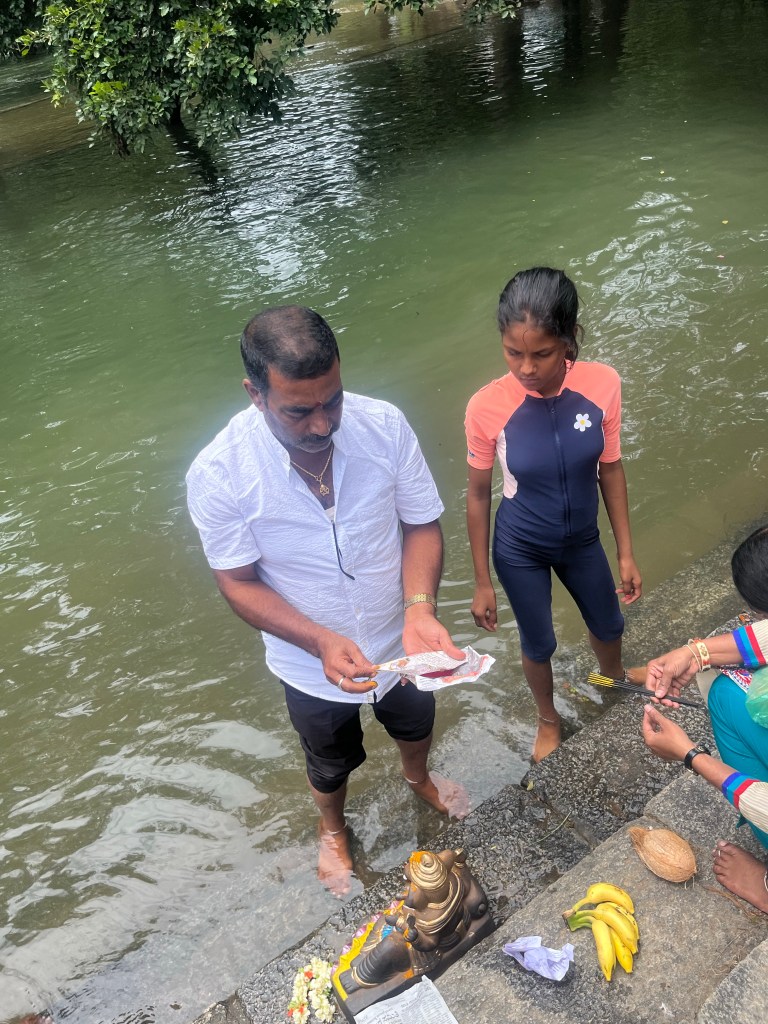
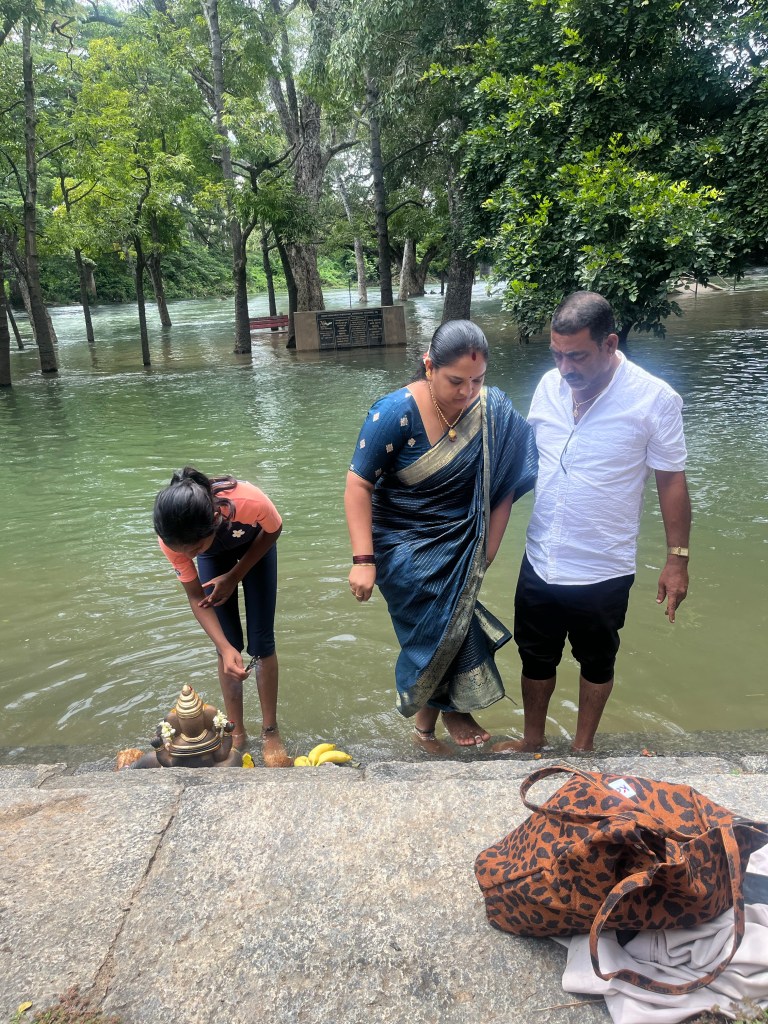
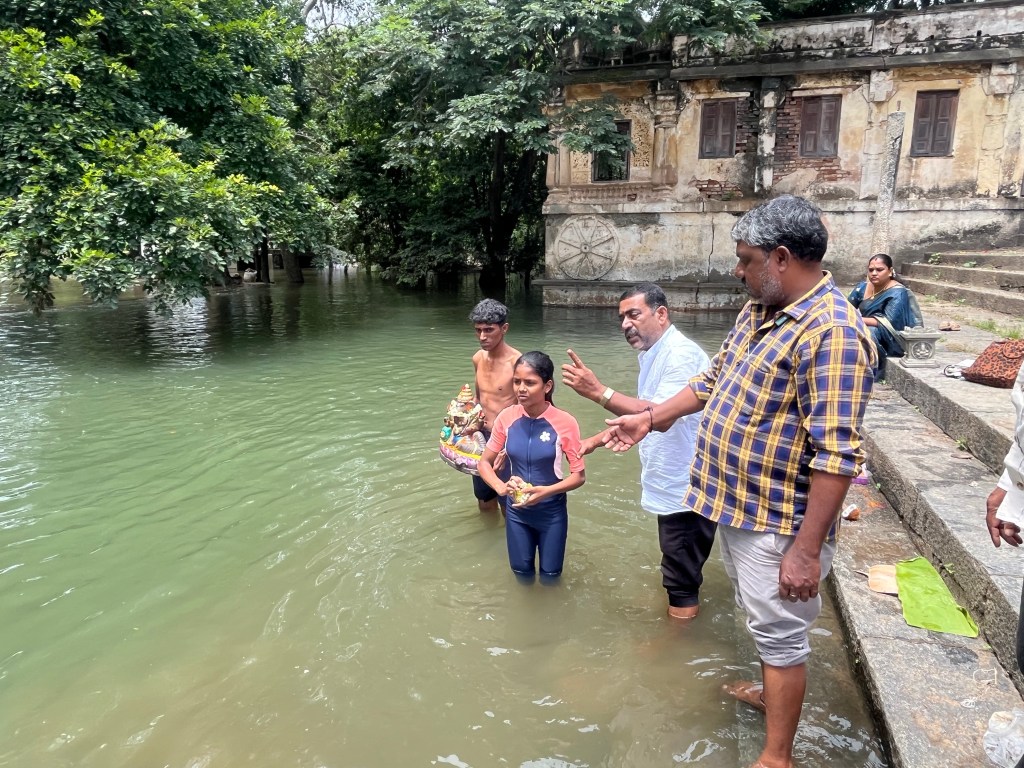
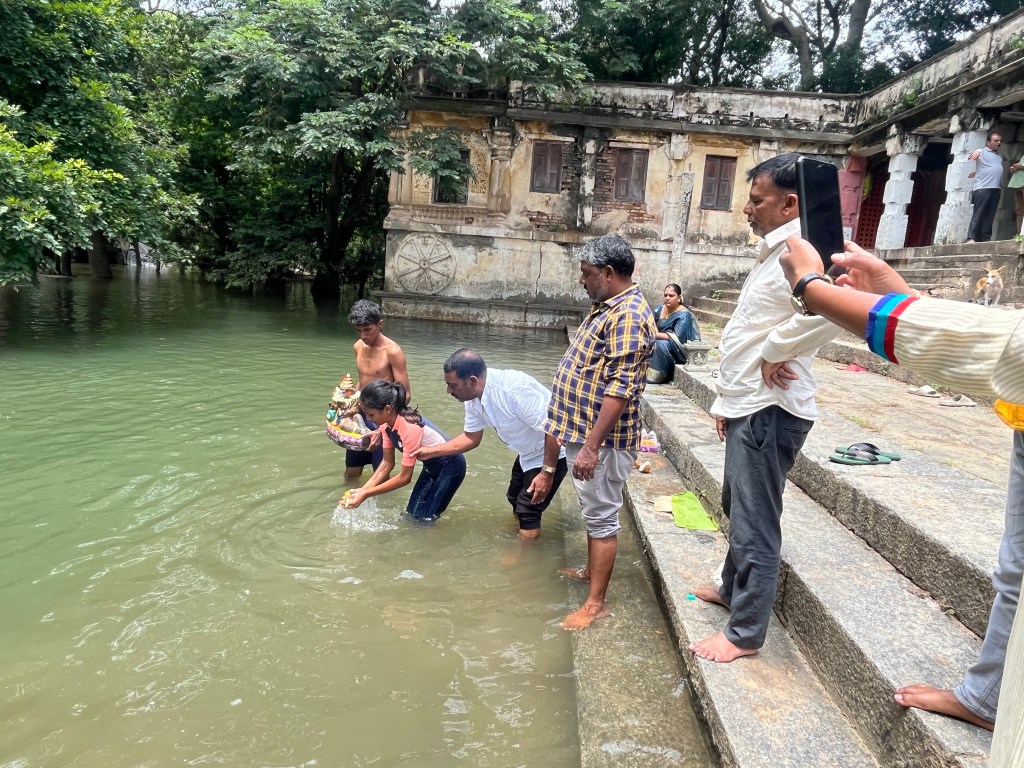
We miss her dearly, and now she joins the motley bunch of my MAnjula and Lucie who we will remember every year through our puja to help their spirits in their way, until we all meet again.
Democracy must move beyond a representation model to one where everyone is actively engaged. That’s our ‘work’ of the future.
Unfortunately all our societal systems and social structures are designed to maintain our status quo.
That is a life with stratified levels of inequality and exclusion and the mindsets resulting in mental and physical restraint that disempowers and keeps us ‘in our place.’
Registering with the Foreigners Registration Office is always unpredictable and stressful.
It’s extra this time as I’m not knowing where
my next visa will come from
…
Owner wants his house back, after sixteen years, it’s the house I’ve lived in for the longest, in my whole life.
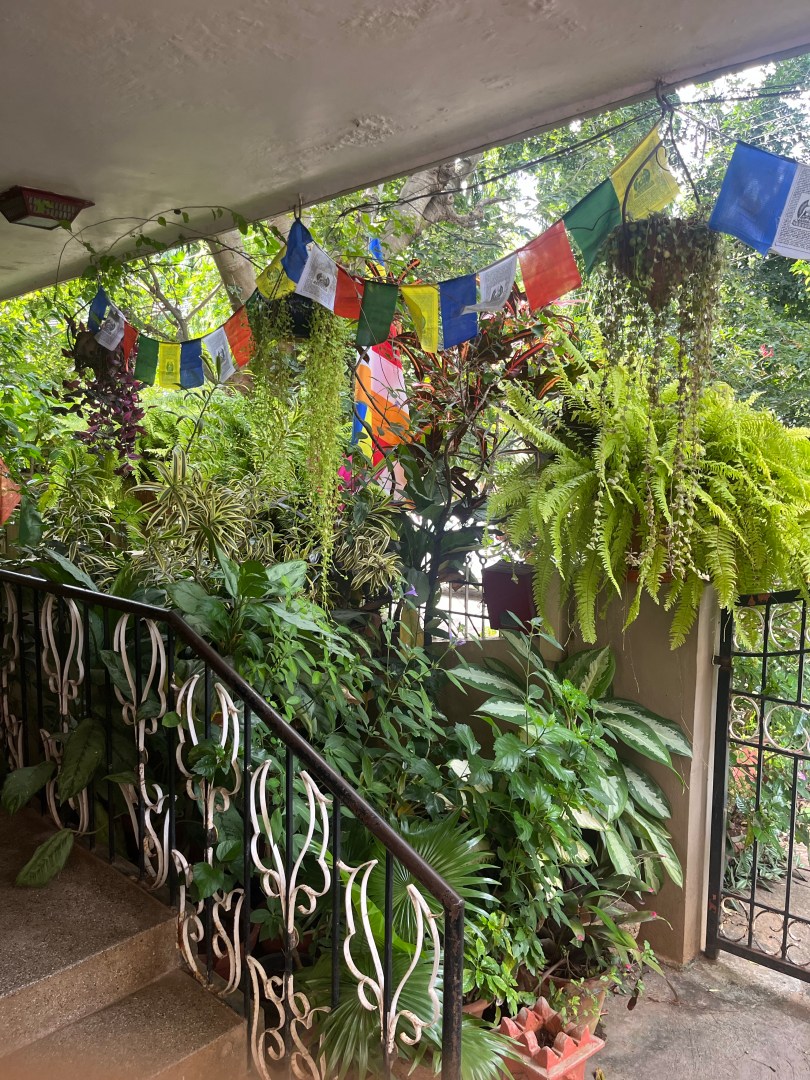
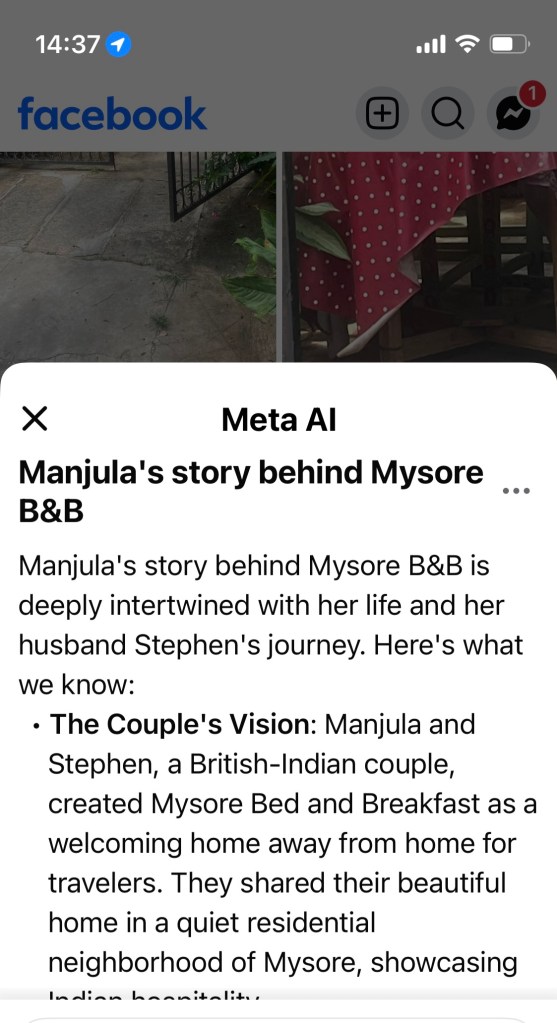
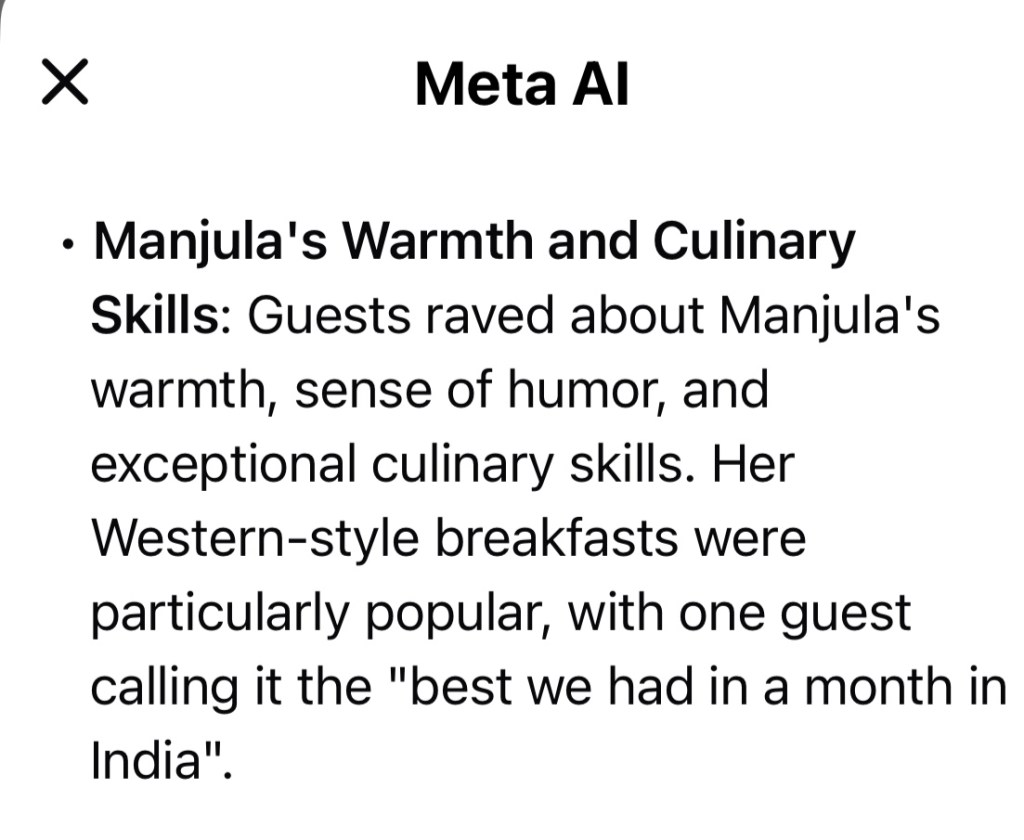
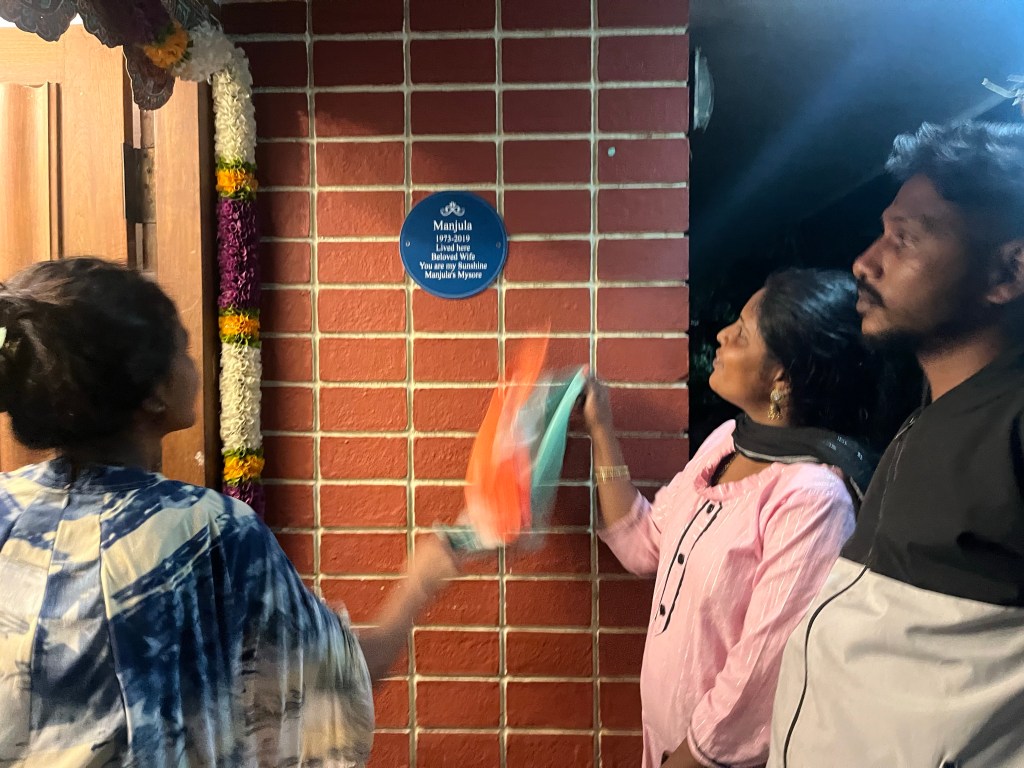
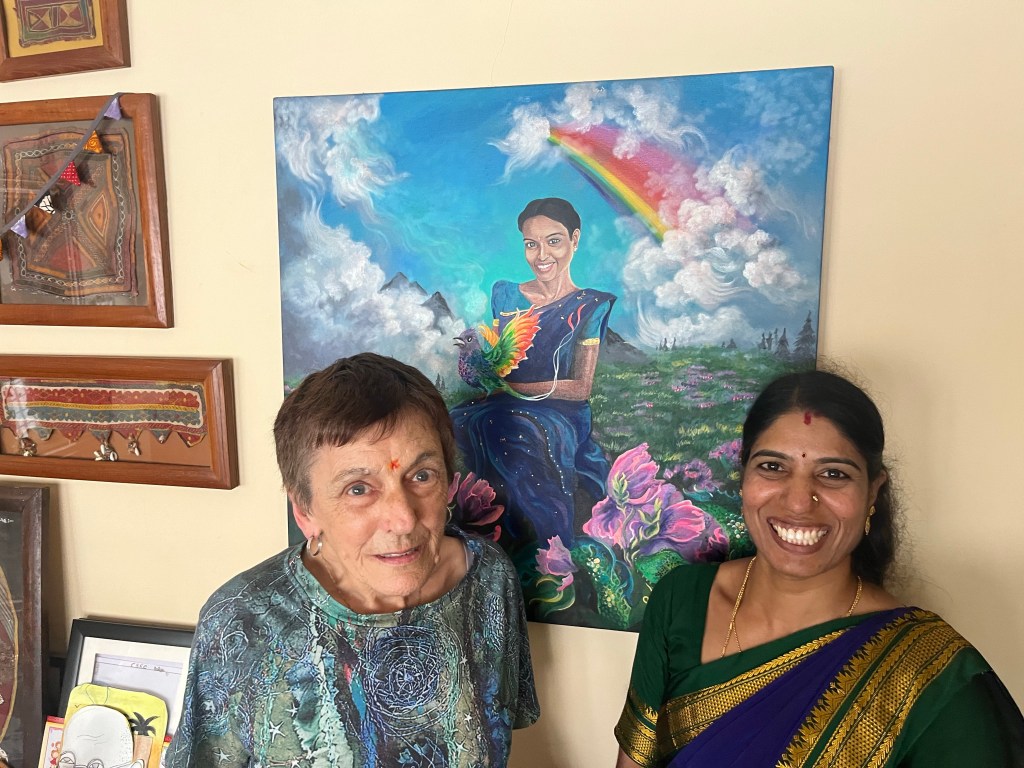
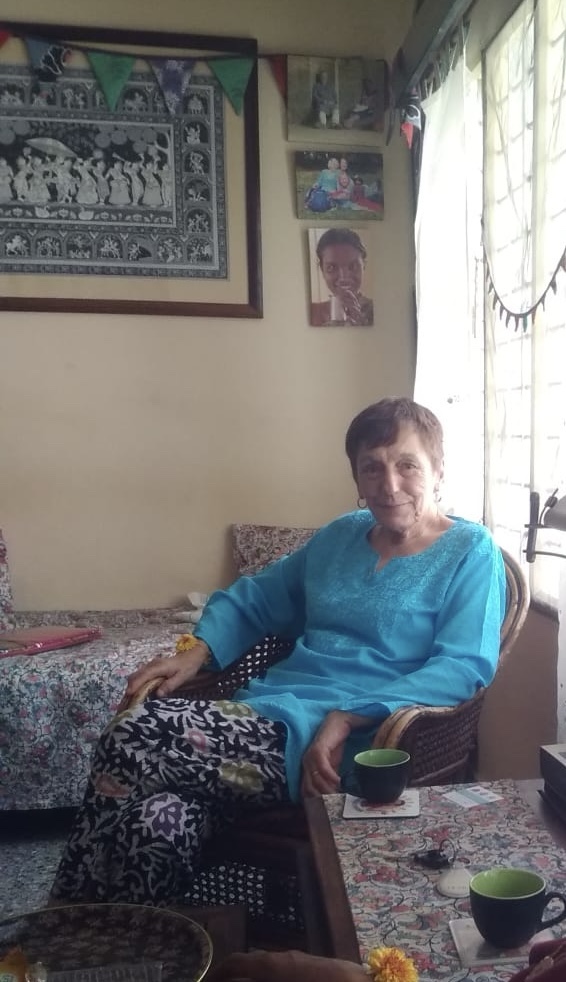
It’s where MAnjula created our home, introduced it to the world as Mysore Bed and Breakfast and where she lit up my life like a smiling sunbeam for nine years. It’s where we sited a blue plaque (as a famous person lived here), her library and entertained thousands of people.
A museum even jokingly claimed it as their annex because it’s a living breathing art gallery from around India.
Pictures, sculptures, paintings, carvings, posters, books, all sorts of artefacts (aka clutter) from around (mainly) India, Europe and even Canada and the US.
…
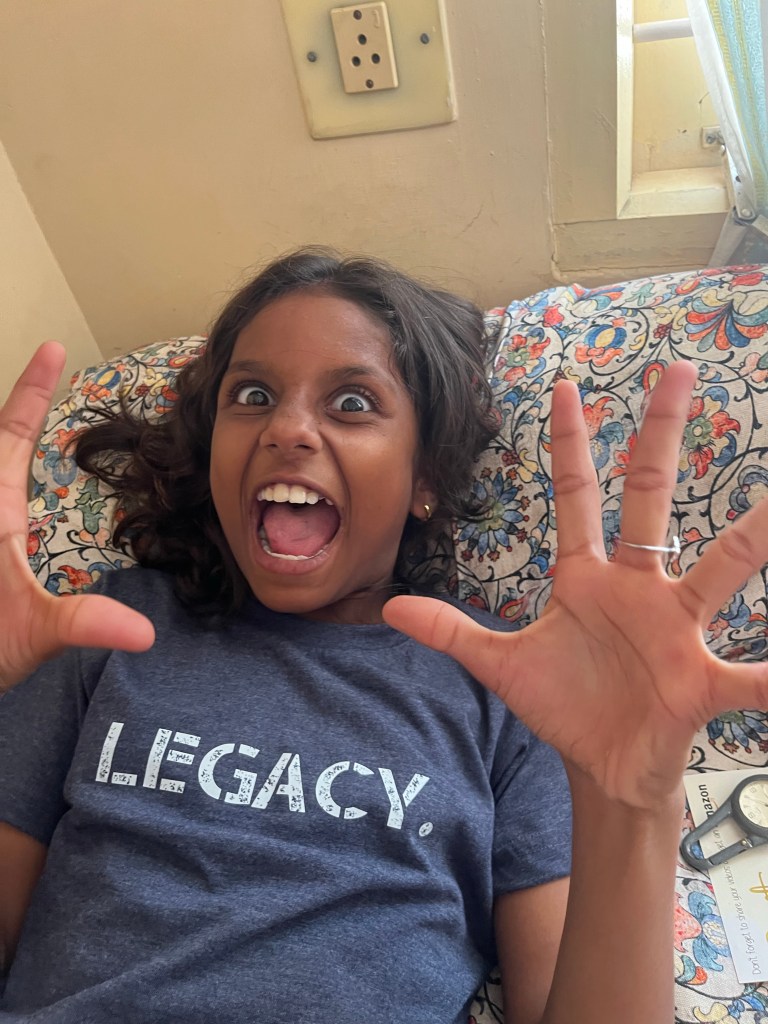
Continuing to sponsor and support eleven year old Kaveri in spite of her mother and new partner sabotaging us, by changing schools, days of absence and inability to help