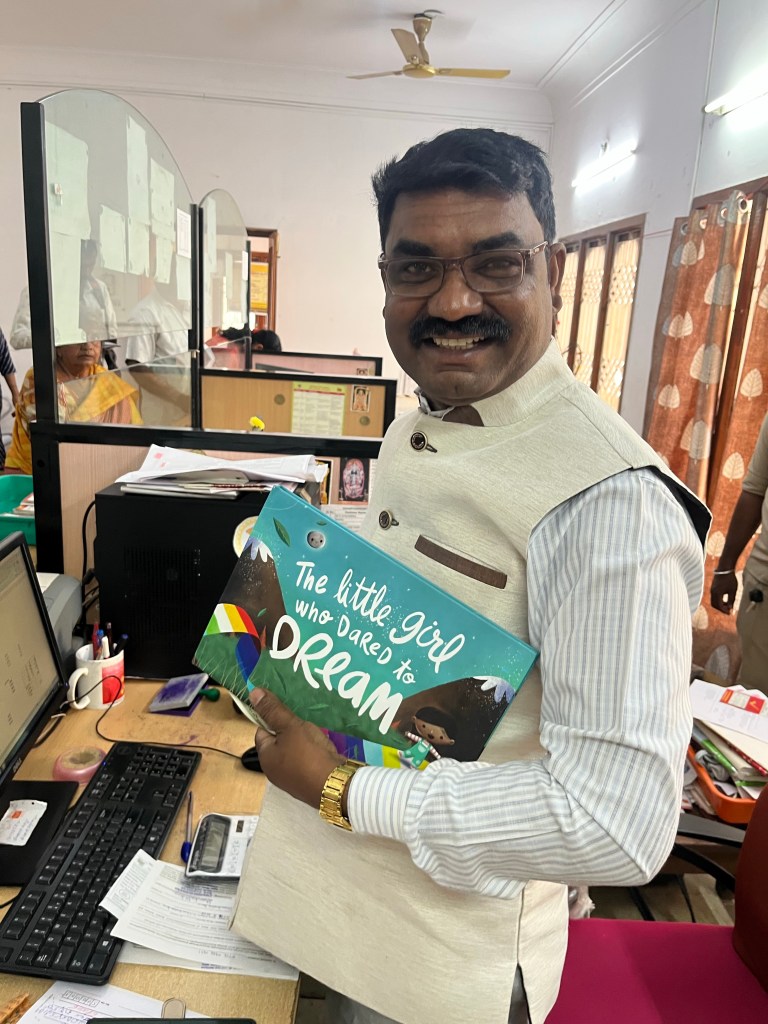
I collected the parcel from the post office today.
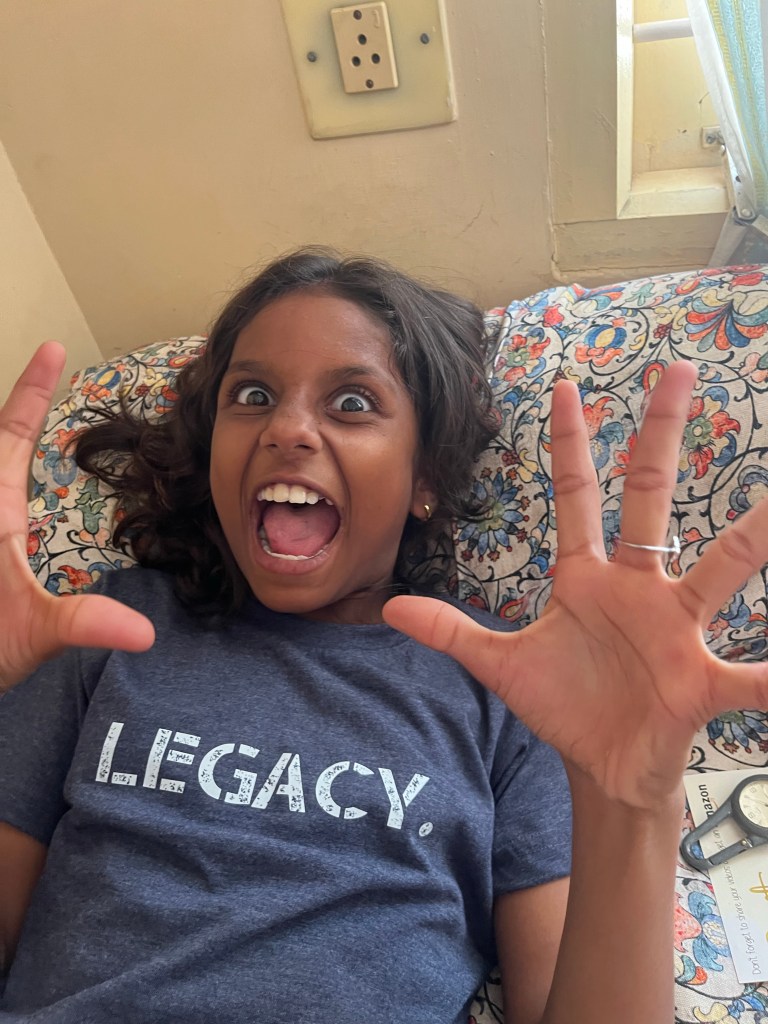
We’ll reveal more …Of what’s in these wonderbly books once Kaveri receives her presents.
The officers tried their best but they were unable to delete the tax charges.
It was over 30 U.K. pounds or 3,000 rupees for two books. That’s the equivalent of what we pay for over a month of Kaveri’s education AND the cost of one of the very special personalised books.
Registering with the Foreigners Registration Office is always unpredictable and stressful.
It’s extra this time as I’m not knowing where
my next visa will come from
…
Owner wants his house back, after sixteen years, it’s the house I’ve lived in for the longest, in my whole life.
It’s where MAnjula created our home, introduced it to the world as Mysore Bed and Breakfast and where she lit up my life like a smiling sunbeam for nine years. It’s where we sited a blue plaque (as a famous person lived here), her library and entertained thousands of people.
A museum even jokingly claimed it as their annex because it’s a living breathing art gallery from around India.
Pictures, sculptures, paintings, carvings, posters, books, all sorts of artefacts (aka clutter) from around (mainly) India, Europe and even Canada and the US.
…
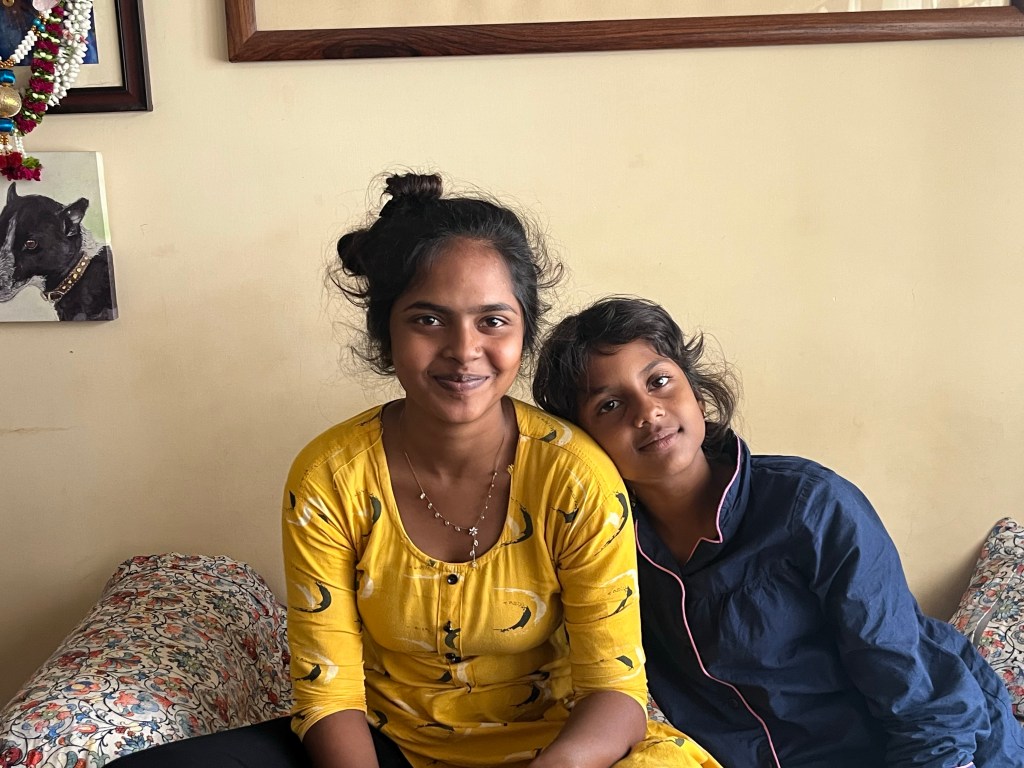
Continuing to sponsor and support eleven year old Kaveri in spite of her mother and new partner sabotaging us, by changing schools, days of absence and inability to help
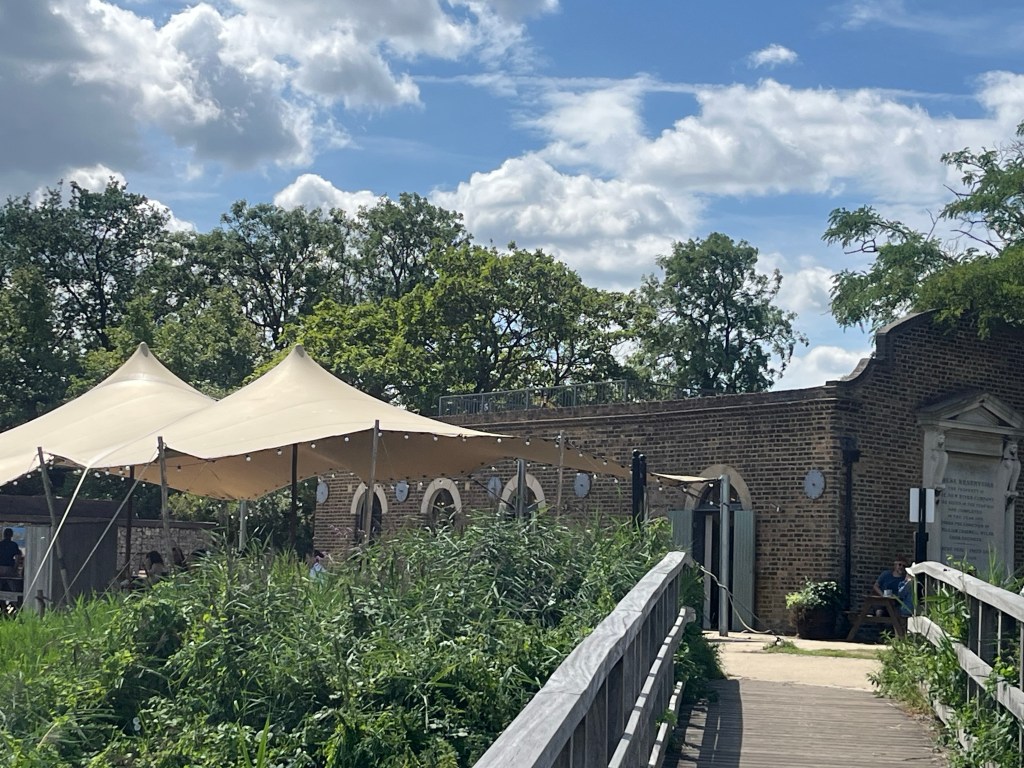
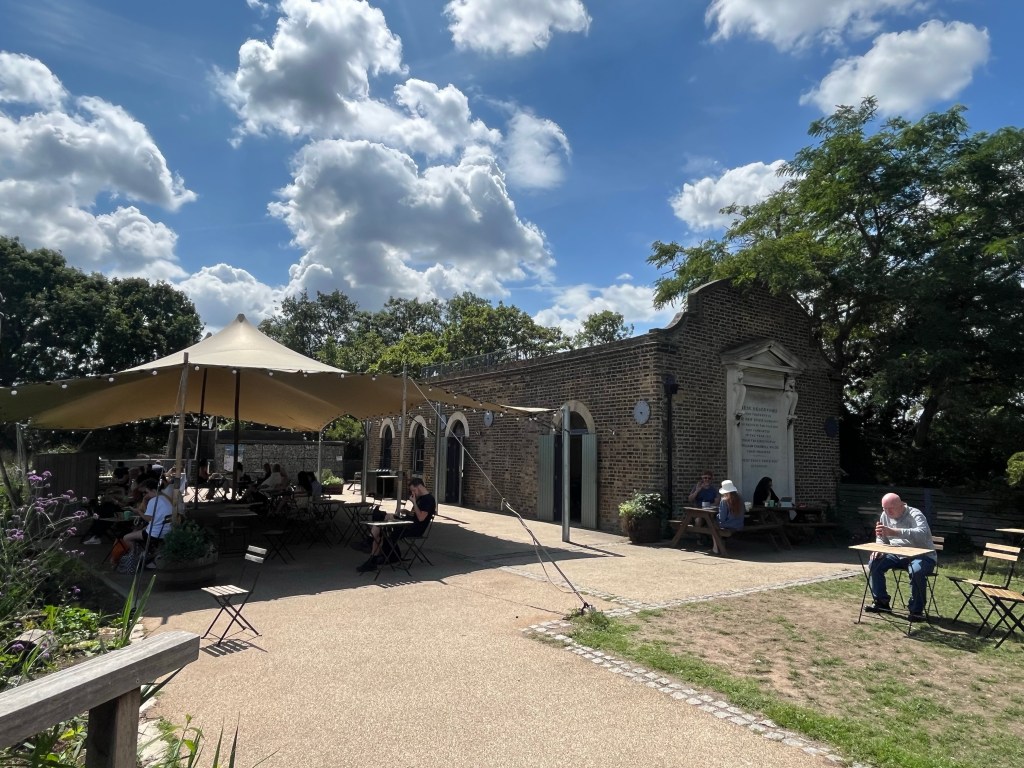
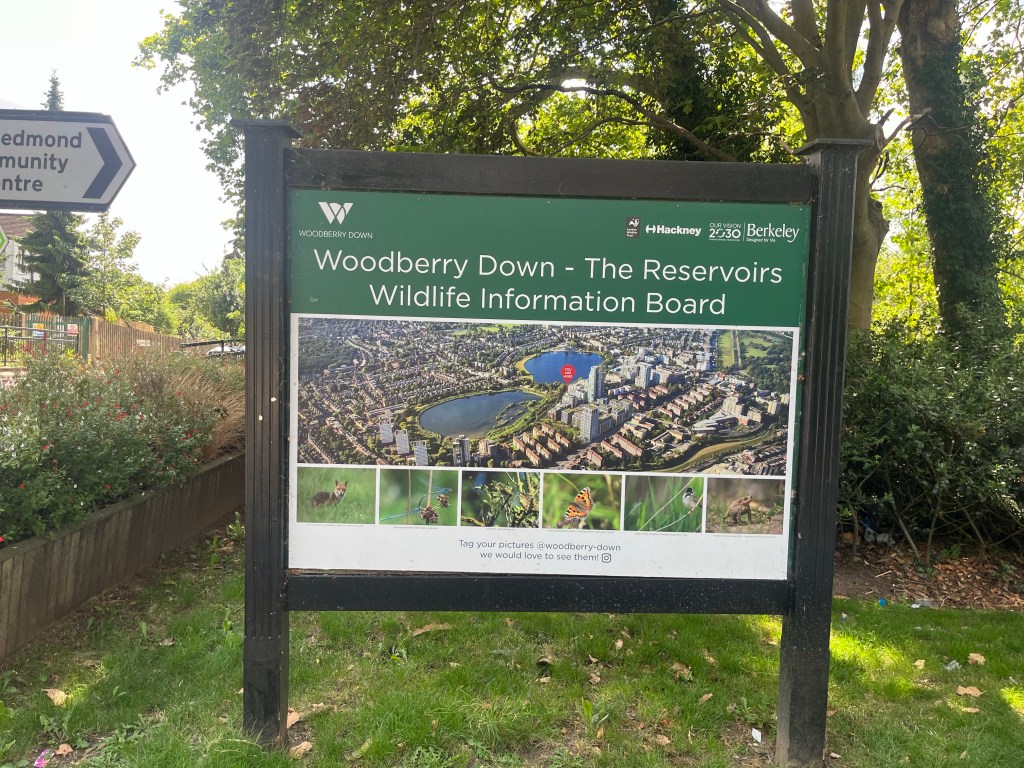
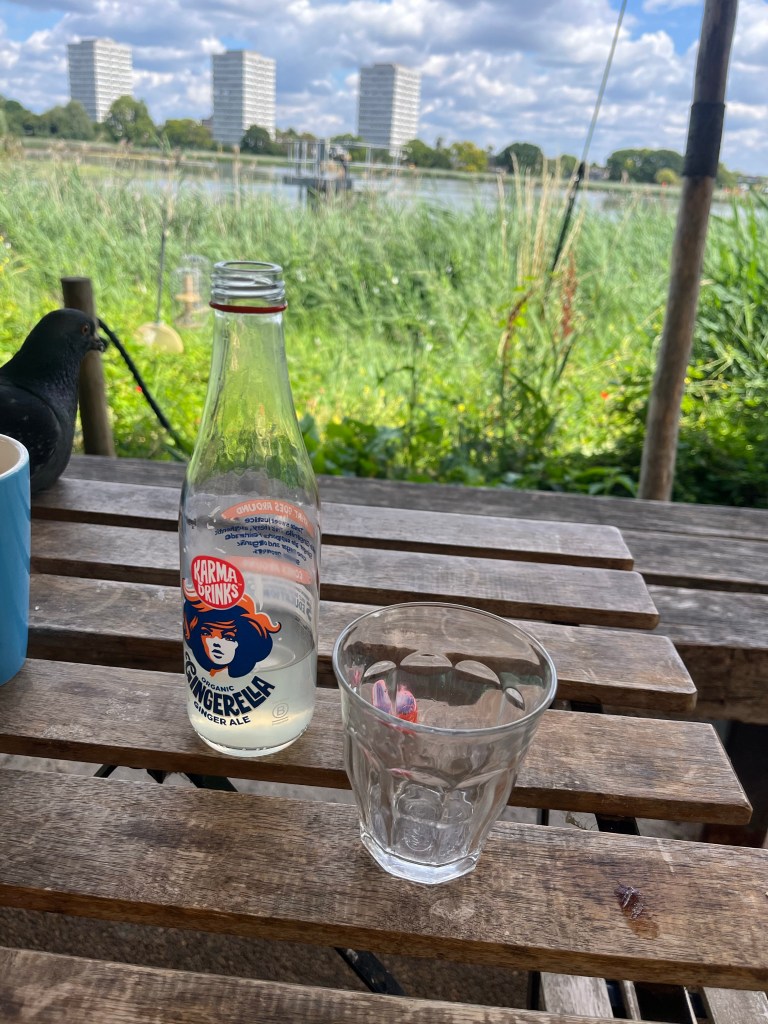
A short (ish) 30 minute walk —— (the full loop will reopen in Feb 2026) from Harringay Green Lanes overground or as I’ve now discovered an even shorter walk (10 minutes) from Manor House Underground station —- gets you to the wetlands and their great cafe.
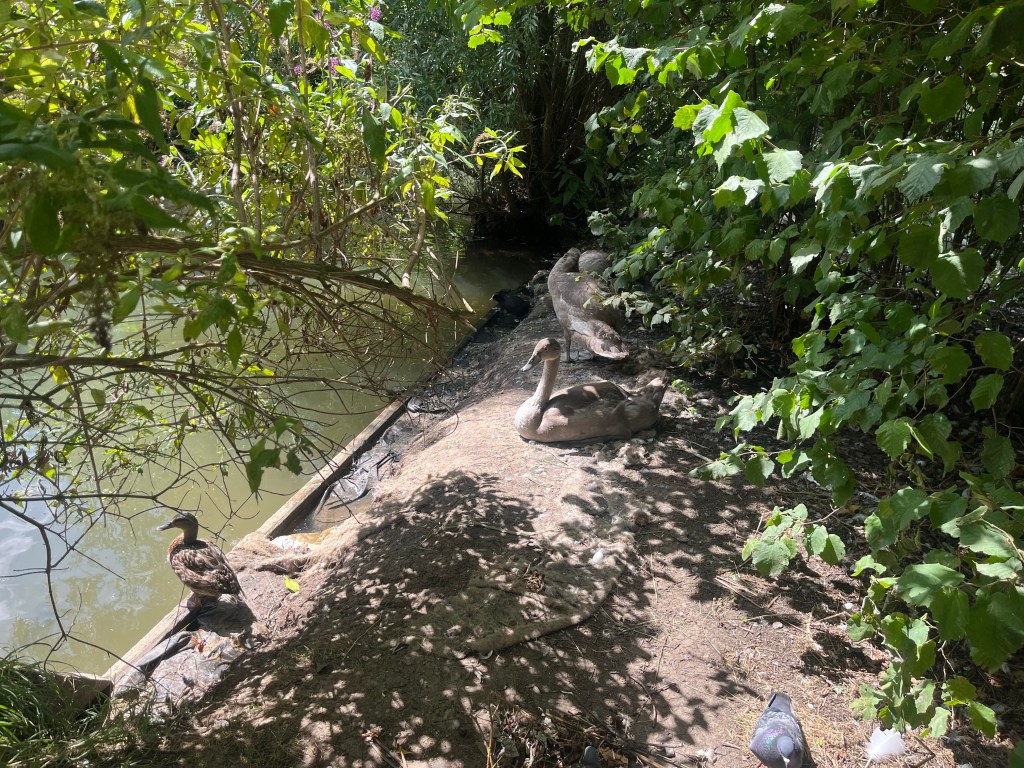
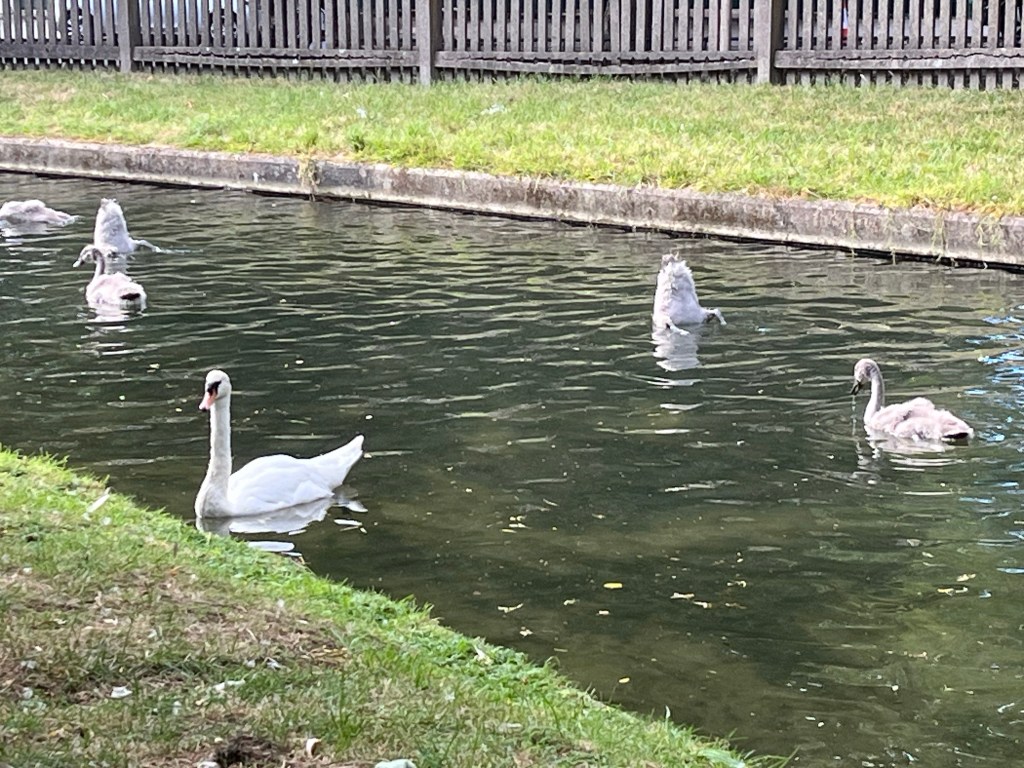
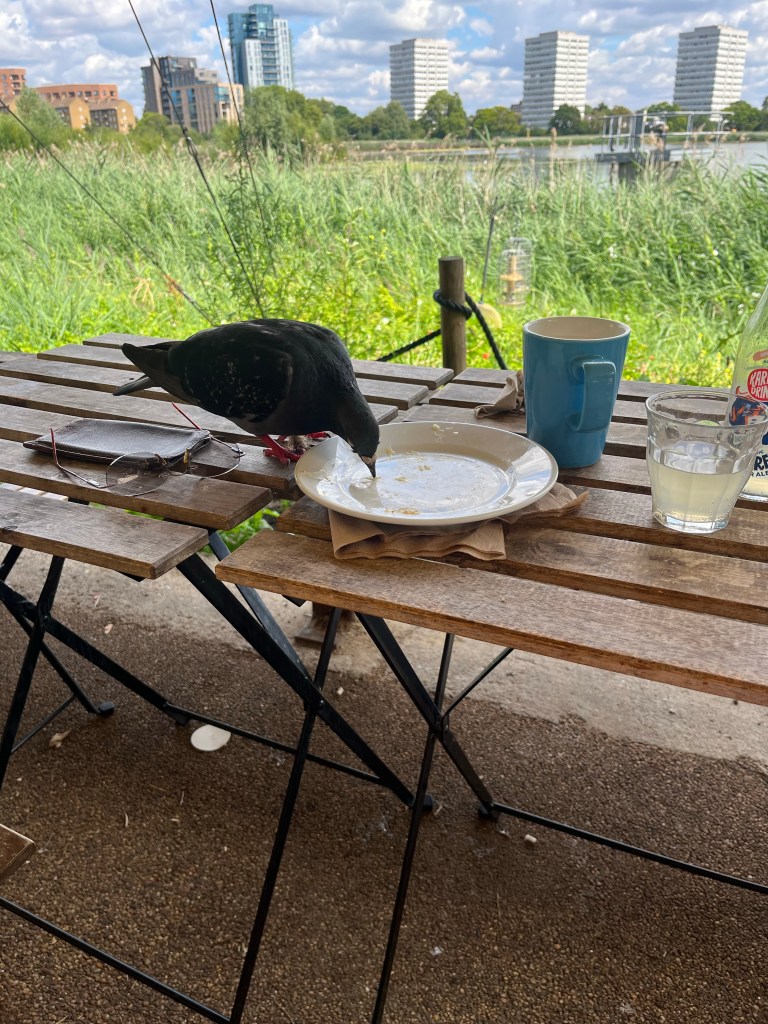
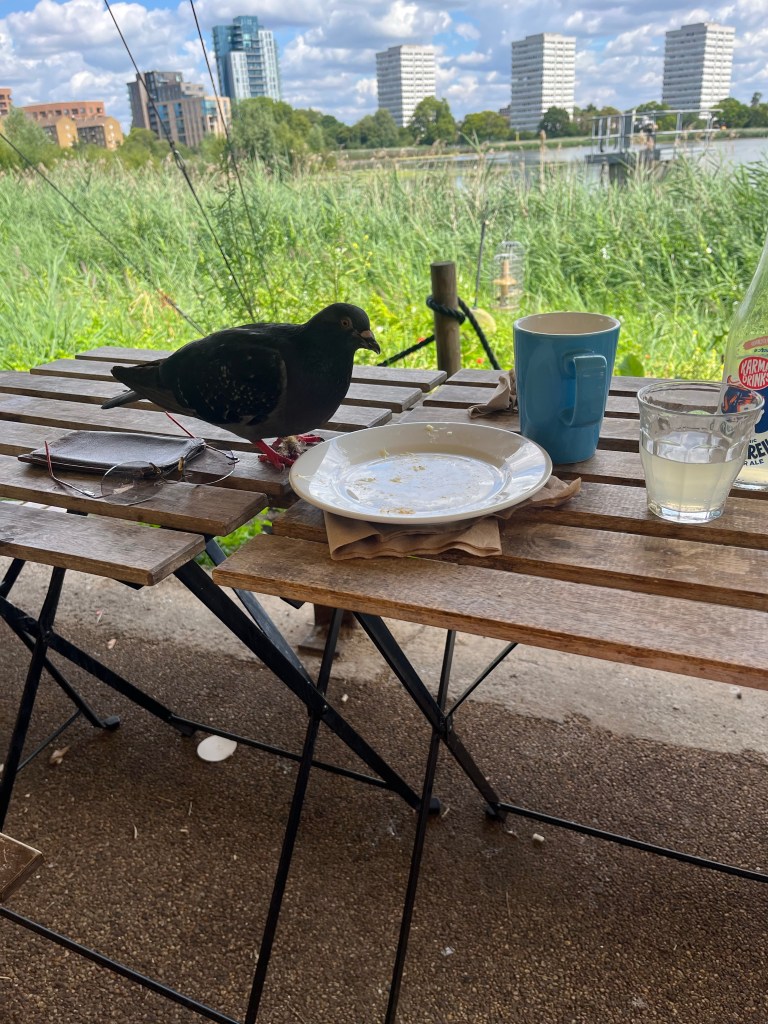
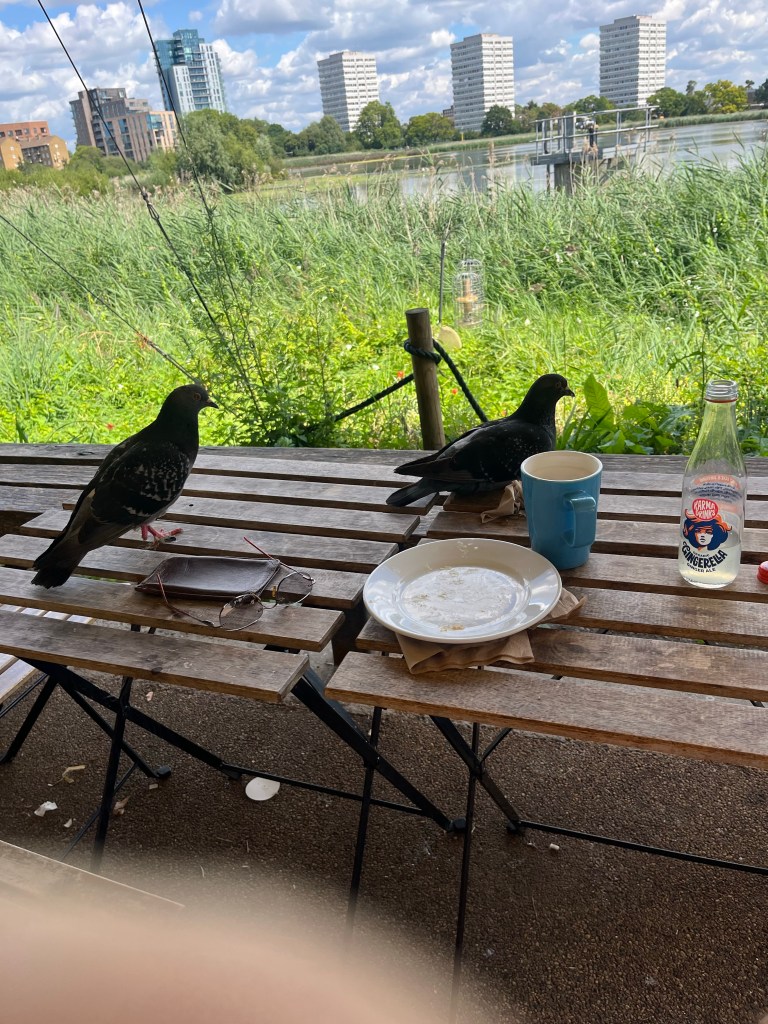
I’ve visited almost everyday of my recent visit for their sourdough melted cheese sandwich and make friends with the wildlife.
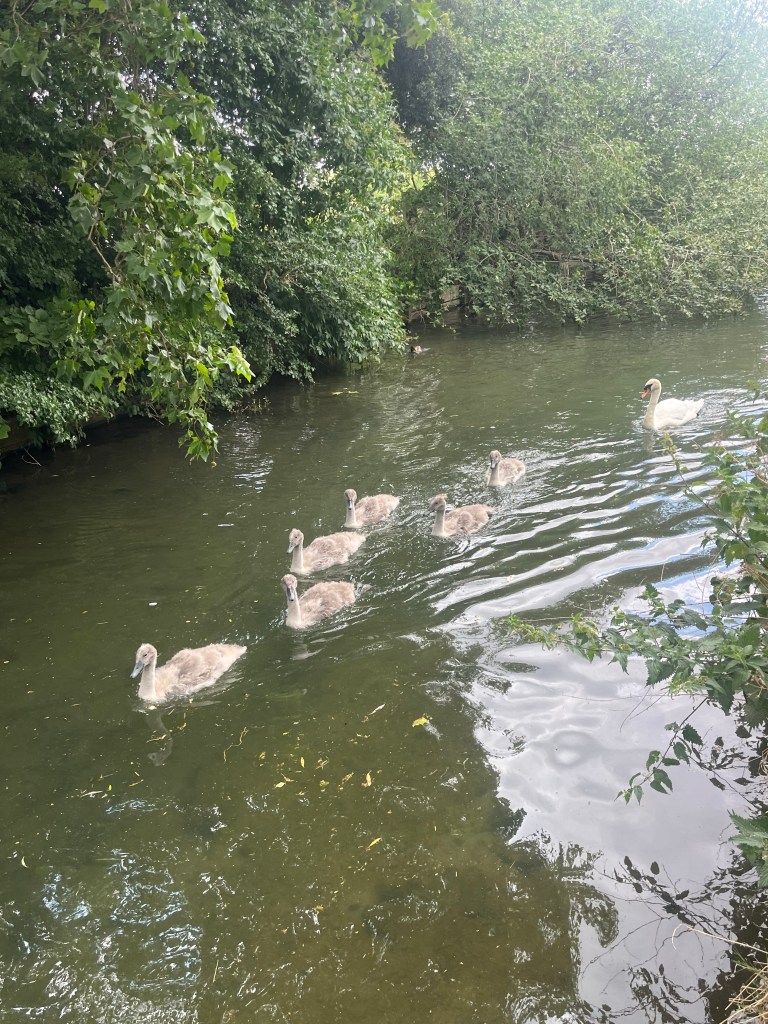
I’ve marvelled at the birds, especially the family of swans with their rapidly growing seven dusky grey cygnets
I’ve met a lovely mix of people here, including the wonderful hosts.
If I can find a guide (supervisor?) I hope to do a PhD
I’m about to ask people at the university if they can help.
A big challenge is to work out what type of research to use and what to study, especially as I tend to cut across disciplines.
But I wonder if I can find someone to help me do a PhD using the sort of research I prefer?
I’ve researched things before but not what we normally associate with (empirical) more traditional scientific research; which starts with some assumptions (such as a hippopotamus sorry hypothesis), then you go gather information to check them out, analyse and conclude. That will indicate if you agree with the assumption or reject it. Hopefully at some point it leads to action.
I understand why it’s done that way but — my attempts have been a bit different to that — a bit more ‘off the wall’.
In the late 80s we used public meetings, market research panels, a reference group and interviews to find out disabled people’s wants and needs and then writing a business plan from what we learned. This enabled us to reorganise their services provided by the local authority (like a city corporation/council), using the money, the best way
It was called LEVEL BEST. We organised a conference to share our work.
Later, I read a book ‘Being Digital’ by Negroponte about the internet and the future of technology. We wanted to help all the communities to access the internet so invented — ‘cyber coffee morning’ — which was an introduction to the world-wide-web a year or so after it was launched. We set up a team, and delivered it to hundreds of people in the locality. People loved it. My MPhil (critical management) research was to learn about how a project develops, the key roles people take on and what motivates them. I was in and amongst what was happening and changed things in real time depending upon what I learned.
I’ve used the knowledge from that research in many ways, since then. This projects title was CYBER CITIZENS.
Career-wise, it helped me shift from being a manager in government to be a facilitator and consultant with multi-national companies.
A few years later I was asked to work in a small town to help bring people and organisations together. I facilitated it on behalf of the council to help respond to the community needs in our planning, help organisations collaborate and respond by developing new projects and practices.
A challenge for all governments is to develop continuing relationships with its voters between elections. Things change so quickly and representation needs to be supplemented. As I began the project I was interviewed by the local journalist. He asked me how I’d decide what projects and ways of consulting I’d develop. My response was that I’d try different things and go with what worked. Over thirty years later some of the projects are still going strong. That’s a form of action research. It was called CANDo
I develop slogans and brands and my methods are most like market research which always involves action and continual analysis. I was often the participant who is constantly observing and analysing with groups and networks to advise and support
All of my research has been ‘suck it and see’ and actually sometimes lead to quick responsive action.
It’s usually been about …
Creating opportunities to involve stakeholders (those with interest and influence) and making things happen, as we go along. That’s not waiting for wisdom to be handed down.
If I even go back to my earliest jobs after graduating I supported groups of young people who were ‘in care’ to share their opinions with their social workers, helped develop half way houses to help them develop the skills to become independent. This was critical as many had lived in institutions.
I became coordinator of Notting Hill Social Council continuing their work from the 50s. This involved working with the diverse communities (African Caribbean, Moroccan, Indian sub continent, Filipino peoples) to raise people’s voices, influence the council and develop community responses
It’s probably no accident that I’ve facilitated workshops in London for over twelve years based on developing values based organisations built on stakeholder engagement.
When I helped organise events in India starting in 2006 we created interactive experiences with Indian communities for company directors from multi-national companies to learn and inform their business strategy. I featured pukar at the first of these events as they followed a similar approach to mine https://pukar.org.in in engaging stakeholders.
So, I’ve done lots of research but usually through the active engagement of the communities themselves.
I wonder if I can find someone who help me do a PhD using the approach I have experience of: participant observer, dialogue, reflection, real time action?
I hope so.
This idea of doing a PHD isn’t really new, in some ways I’ve been building up to it for years. In each of my roles I’ve tried to help people learn by doing and becoming active participants. More recently it’s arisen from Manjula Mysore’s support to young people through creativity days, reflective space and the sponsorship of Naveen and Kaveri.
It’ll somehow relate to this.
It also reflects the work I first stared on my BA in the 1970s
I just hope I can find someone at the university who will support a slightly different approach.
Help girls (and boys) prepare for adult life by introducing yourself and sharing your insights.
Manjula’s Mysore is inviting its guests and members of its monthly meeting: ‘reflective space’ to create a short Introductory video — talking to camera — to reveal what’s possible.
I often use the story of Ganesh and his brother racing each other to reveal to young people that we live in many different worlds — with our immediate family, at home, with friends, at work, our extended family, while travelling.
It’s important to recognise and value difference reflected in those different worlds. That helps us to realise what wide variety of opportunities exist for us.
Many young people don’t understand how different their lives could be.
If we know more, we’re more enlightened and can better choose the life we wish to have, and find what suits us best.
Breaking the crate.
It might mean challenging the status quo and breaking away from what’s traditionally expected of us.
Sharing examples gives others strength.
This idea came from how much Kaveri learned about other people’s worlds by meeting guests of all ages — from India and around the world—- at Mysore Bed and Breakfast.
I hope this helps broaden her horizons and seize opportunities
Manjula realised — that even with a limited education, from a poor background having experienced so many difficult challenges throughout her life — she could create a wonderful home, share it with people from around the world, become a company director, manage our business and teach a Firangi a thing or two!! (Many things actually)
I’ve tried to help people become active participants in the decisions affecting them throughout my life.
I’ve worked to develop and improve their organisations as facilitator and manager since the early 80s.
Initially this was in NGOs and government but later in my career i was guide: consultant and trainer working with MNCs (multi-national companies) and by developing partnerships.
Occasionally, here I’ll post opinion pieces and insights from my experiences. These are for anyone but particularly young people and especially members of our reflective space group here in Mysore.
With dancing elephants we introduced an award scheme. Years later we found an incredible coincidence.
Sometimes things were meant to be.
….
Manjula’s Library
There’s a great range of books including those on learning, management, history, philosophy and education in Manjula’s library at our house aka Mysore Bed and Breakfast. My favourites are the children’s picture books which are of course for all ages!
….
My MPhil was a research degree in Critical Management undertaken at Lancaster University in the 1990s
In my studies and practice, I focused on human behaviour in different contexts. When I reached my 60s, I realised I’ll never understand human behaviour 🤪
I’ve helped develop hundreds of projects over the years. As a facilitator no one probably associates them with me.
The choice is ours, whether it’s on an individual, organisational or societal level.
Some changes come easier then others but let’s stick with the question of — should we challenge and change?
In my view there’s an unequivocal yes.
As an individual and the networks, groups or communities we form, of course we change.
What’s learning if it’s not adopting and adapting to changing situations, and developing new ways of doing things (and thinking!).
Some people and organisations will challenge change and prefer to stick with the status quo.
When that happens, look a little deeper.
What’s their motivation not to want to change? Fear? Retaining or enhancing power?
One of the most important aspects of change is personal development, it helps create who we are.
But it’s also nonsensical to suggest there shouldn’t be change in our wider groups and society
It’s critical that we innovate and adapt, developing the requisite abilities. That might be number one priority.
Well not quite.
Our actual biggest challenge is friction, and by this I mean between people, their organisations, communities, and nations.
We need to develop effective sustainable relationships and to achieve that we need to learn to be kind.
That requires us to see things from the others’ point of view, to communicate, to connect, to be flexible and adapt.
Yes… change, constantly.
Maybe we can actually reduce violent conflict …. Now that would be cool.
So we can choose to change and not be stuck …
… in what previous generations have handed down to us
NOR
…. in our personal experiences and traumas
We can shift.
Simple eh?
Admittedly. It’s not straightforward … No it’s our life long challenge, to choose who we want to be and hopefully find happiness and contentment.
But if we’re not conscious and try we might just lose this lifelong opportunity.
There’s books I’d recommend, in Manjula’s library that help cover this.
So when we next hear someone rejecting change, said in so many ways: ‘that’s not our tradition’, ‘that’s how we do it here’, ‘it’s our culture’ we can’t, etc etc then it’s for the WPB
Ok, that might be a bit harsh, at least dive into more reflection and re-evaluation.
– Are our ways of thinking and doing fit for purpose anymore?
– Is it appropriate in this day and age?
Now that’s maybe opened a reactionary can-of-worms.
The following books are in Manjula’s library.
You might also want to check Vedanta! Perhaps recommend a book for the library.
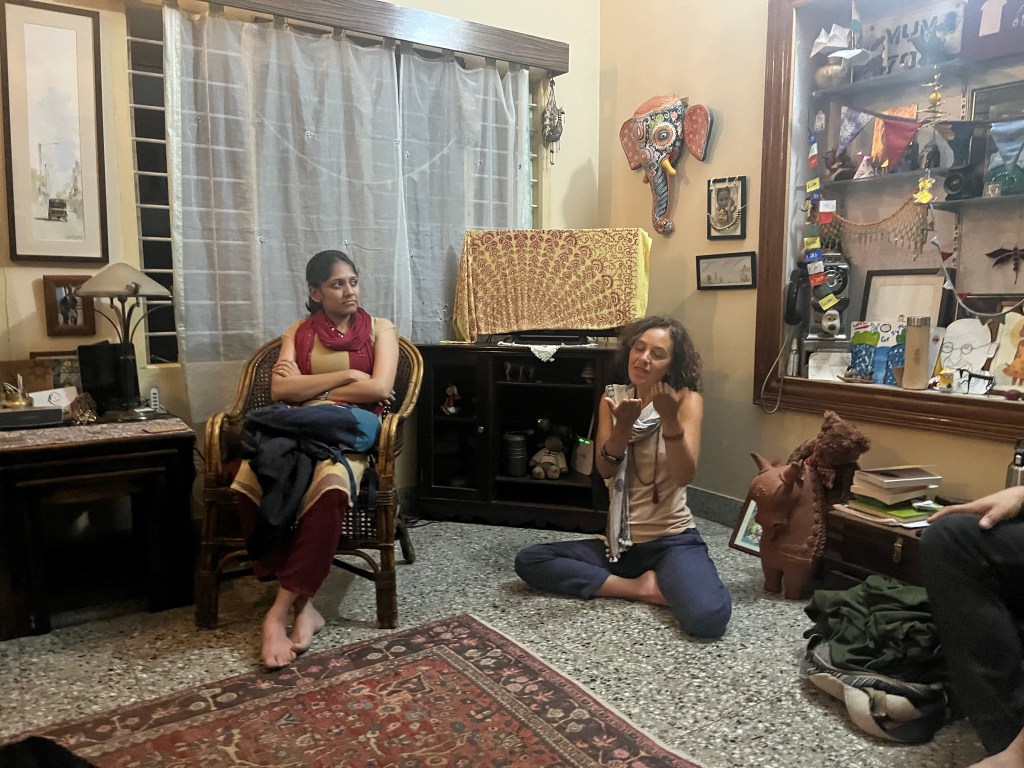
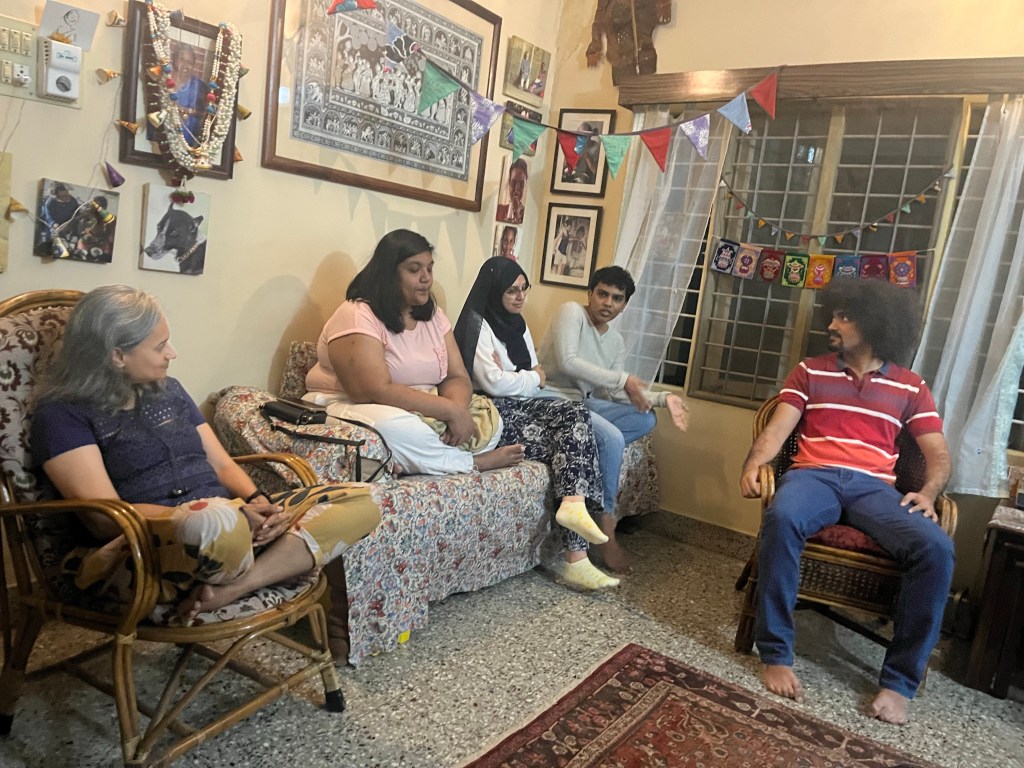
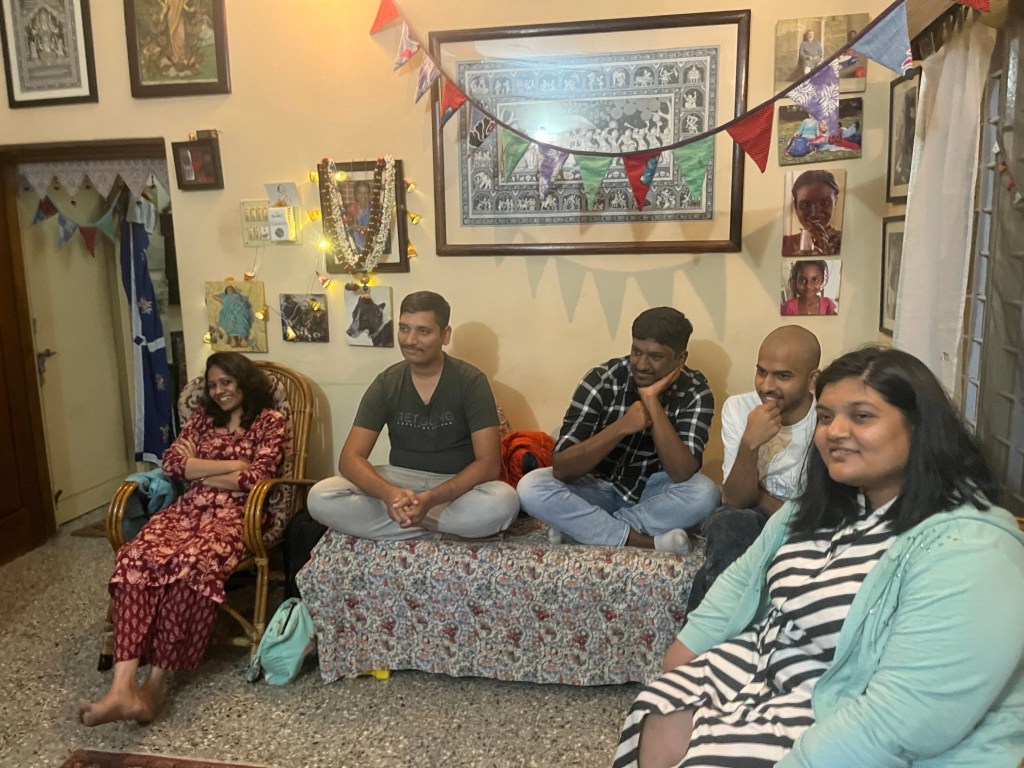
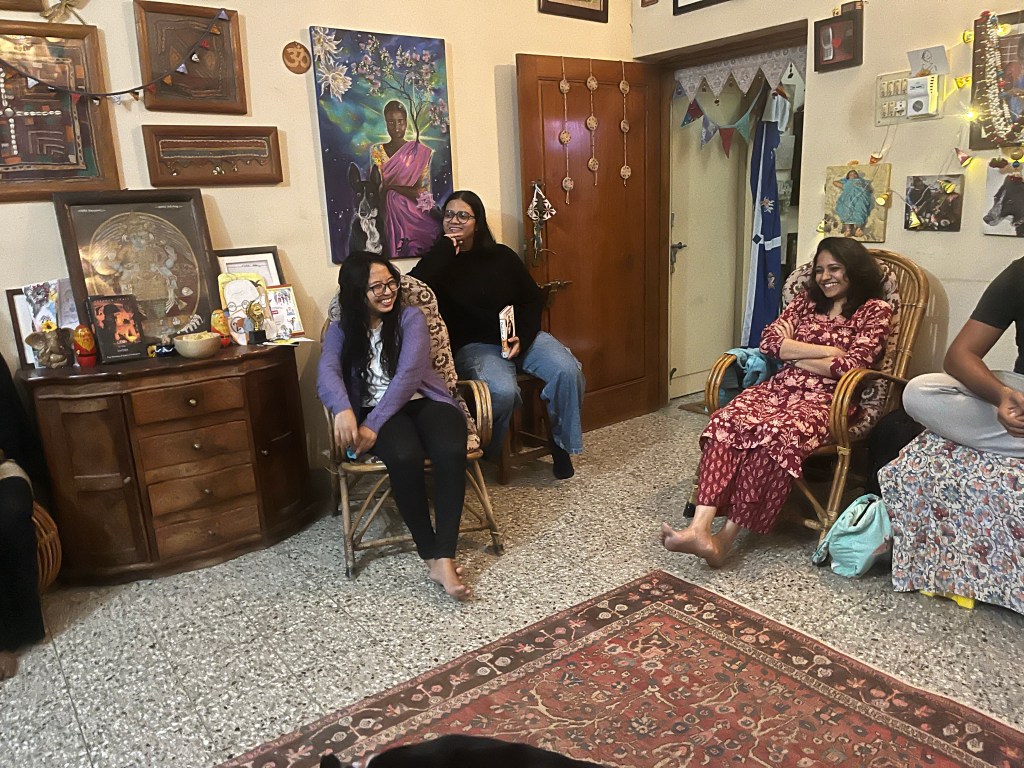
Reflective space is Our monthly meeting of young adults to discuss anything of interest.
What a wonderful group of people, with a wide range of experience and interests.
Our special guest was Sarvesh visiting from Australia.
We discussed education, medicine, culture and much more.
We ‘d reconvened after a gap of two months due to me being pre-occupied with school summer holiday and my own holiday to Europe.
Next month our special guest is Maria. We want find out about her and what she does so we expect it will cover women’s empowerment and support for children, as she has experience in those fields.
Meetings will now be held each month.
If you want to join a future meeting write to Stephen at tours@mycycle.co























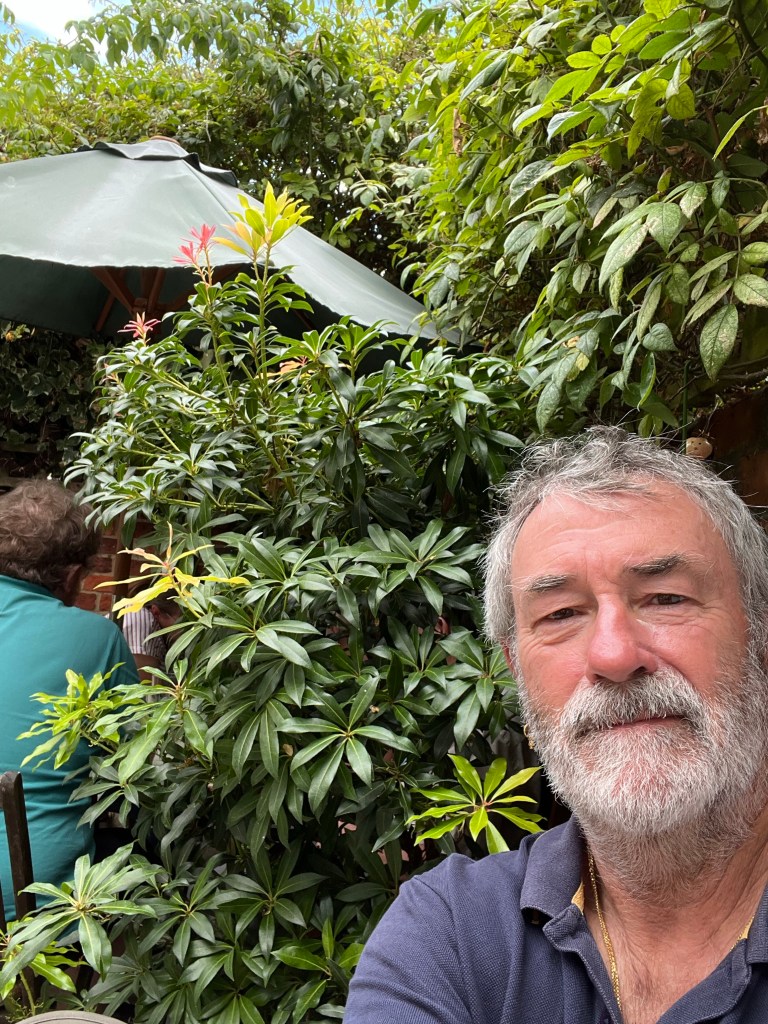















 Me and MYCycle