A major challenge for any organisation and for individuals is having the confidence to take risks. Thats how organisations innovate (if they don’t they’ll not survive) and its how people learn and grow We can see this everyday —- its our duty as managers, teachers, parents, friends, to help people take risks and learn from the experience. If we’re too worried to try new things or making a mistake we’ll not change or grow. We’ll be stuck physically, mentally — socially and economically.
It’s about stepping out of one’s ‘comfort zone.’
Same for our organisations, which might become less competitive and left behind, if they or their employees are too scared to step up
I saw yet another example of it today at Flipkart.
As a company they were in prime position when they first launched. I wonder what they feel now. Have they progressed as fast as they expected?
If not then what can they learn from it? How about empowering their employees to innovate?
I like finding similarities that help us find bridge points and make connections.
I’m often sharing experiences of similarity to show how connected we really are… that especially important in our global political environment.
To guests and the young people who’ve joined Manjula’s Mysore’s network I often give this example.
When I meet a new English person they’ll try and figure out where in England I’m from. My accent will easily show I’m from the north of England.
After a little more dialogue they’ll probably hone in on Yorkshire county rather than Lancashire.
Certain words I might use would indicate I’m from a working class background.
I don’t mind that —- fact is,—I’ve crossed many boundaries in my life. A particular help has been going to university, the first in my family.
In India people think class is an insurmountable experience. In my case it definitely wasn’t. In fact I think that, being middle class from a working class background is an advantage.
People I’ve talked to, think class is somehow like caste. I don’t think that’s true at all.
Caste seems so prevalent in Indian life and potentially much more damaging to individuals and society overall.
I think there’s an added issue. There’s a joke that people from north England don’t ‘do’ deference. I think that’s quite accurate
I like to think of myself as egalitarian. Don’t misunderstand — I have my prejudices and being aware of them is a critical step in dealing with it — leading to some personal change.
..
I’ve realised one of the additional problems that colonialisation by the British has created for India.
Distraction from other important battles.
It’s the colonialists to blame for diverting the community’s political energies. Unlike in Europe in the 19th and early 20th centuries where the social structure was beginning to be challenged — in India the energies were used necessarily to throw off the outsiders. They missed the opportunity to use that time and people power to throw out the traditions. I hope that the growth of the middle classes, the lower castes using their muscle we might see a correction and move away from the feudal.
Registering with the Foreigners Registration Office is always unpredictable and stressful.
It’s extra this time as I’m not knowing where
my next visa will come from
…
Owner wants his house back, after sixteen years, it’s the house I’ve lived in for the longest, in my whole life.
It’s where MAnjula created our home, introduced it to the world as Mysore Bed and Breakfast and where she lit up my life like a smiling sunbeam for nine years. It’s where we sited a blue plaque (as a famous person lived here), her library and entertained thousands of people.
A museum even jokingly claimed it as their annex because it’s a living breathing art gallery from around India.
Pictures, sculptures, paintings, carvings, posters, books, all sorts of artefacts (aka clutter) from around (mainly) India, Europe and even Canada and the US.
…
Continuing to sponsor and support eleven year old Kaveri in spite of her mother and new partner sabotaging us, by changing schools, days of absence and inability to help
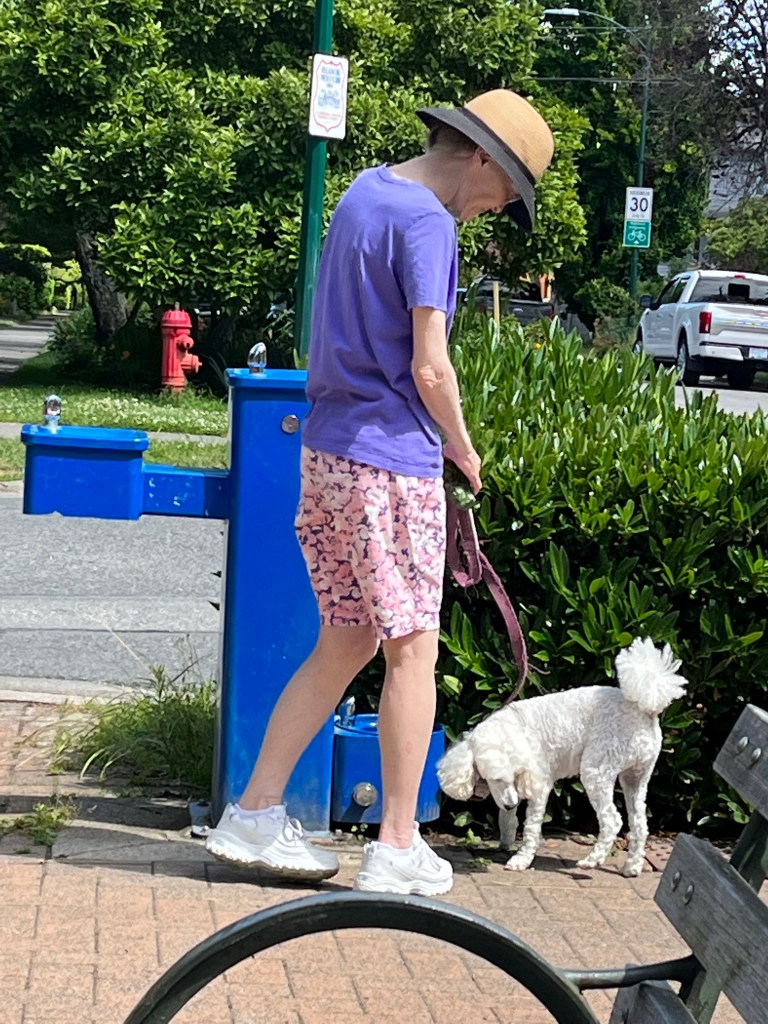
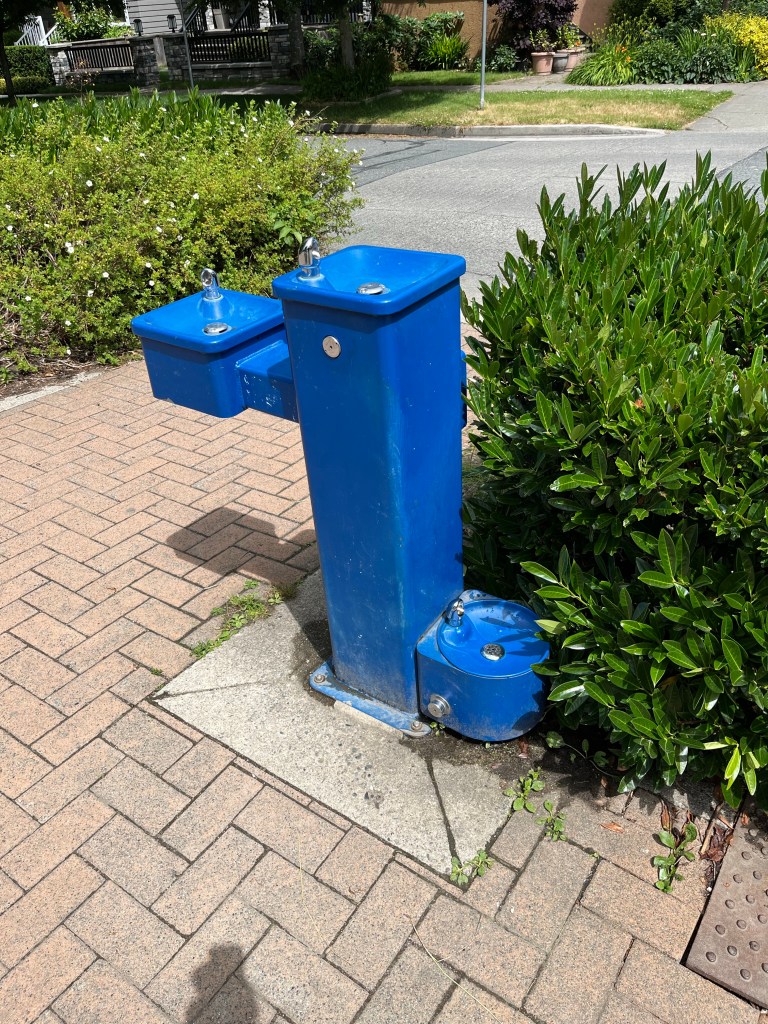
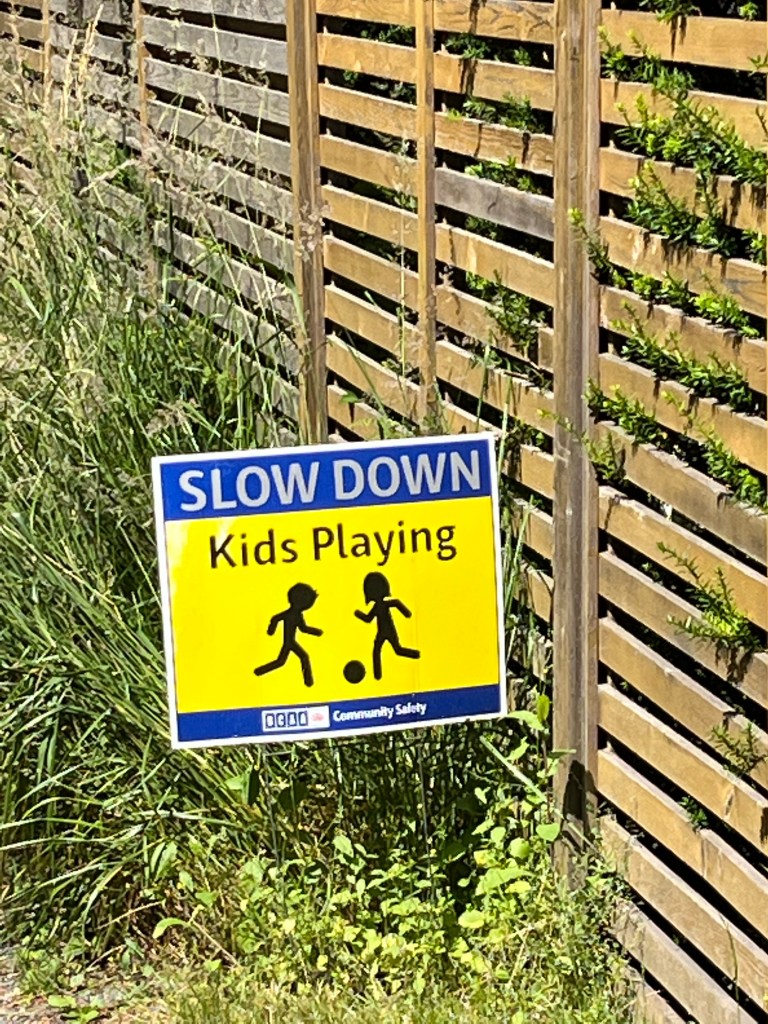
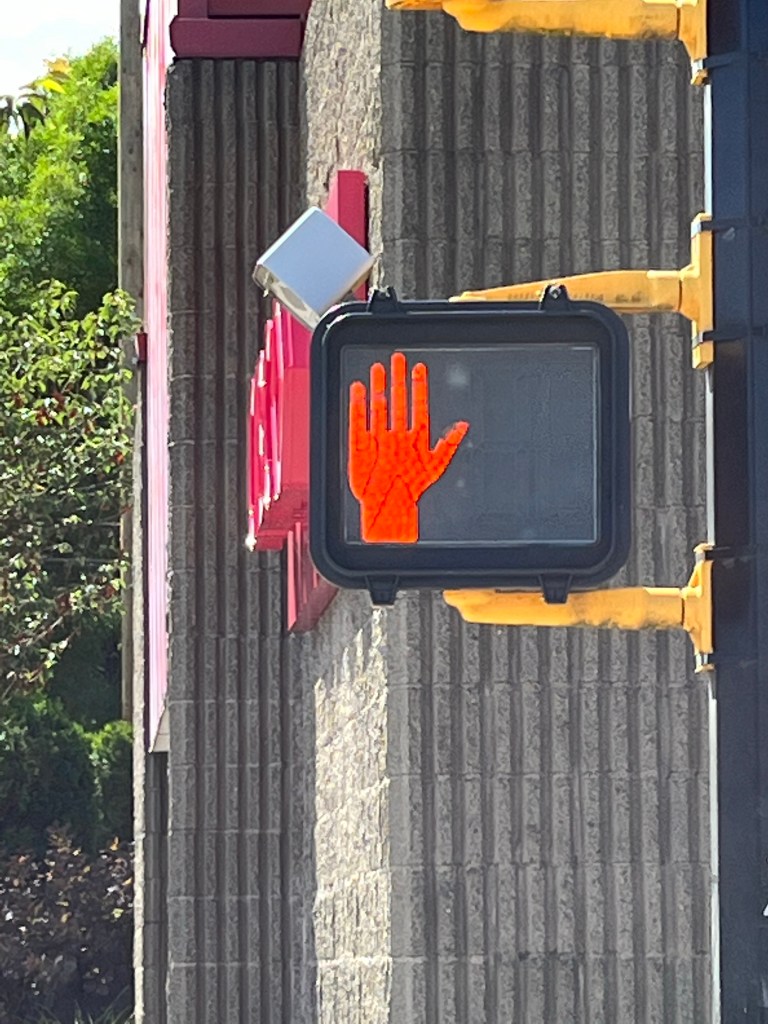
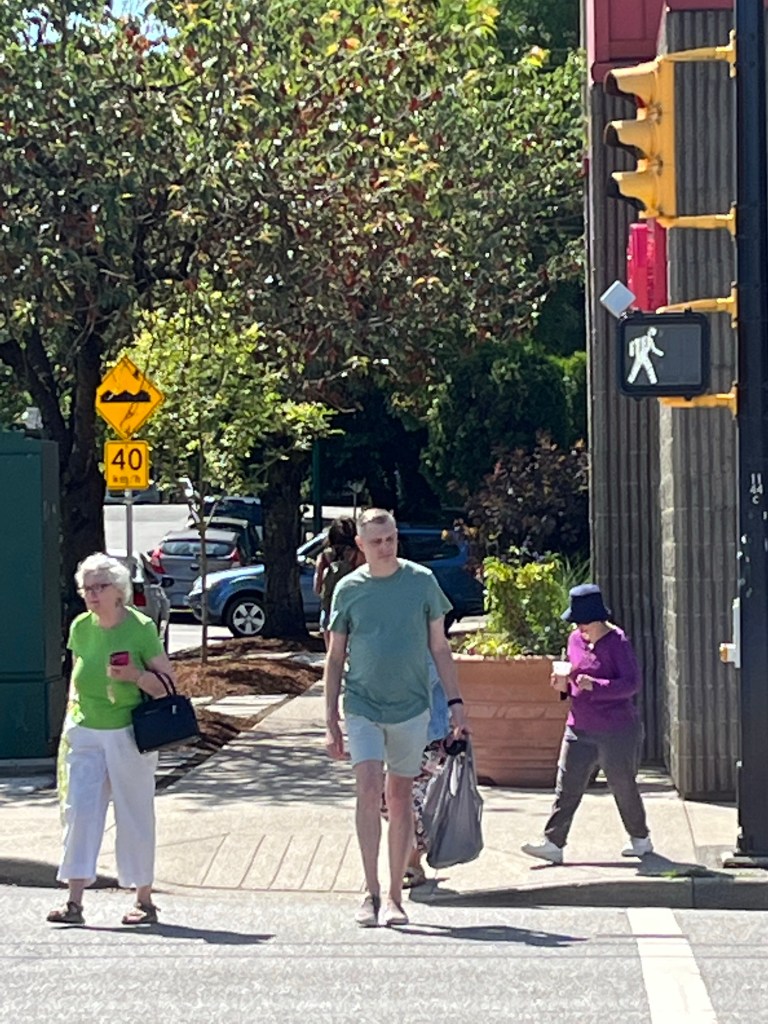
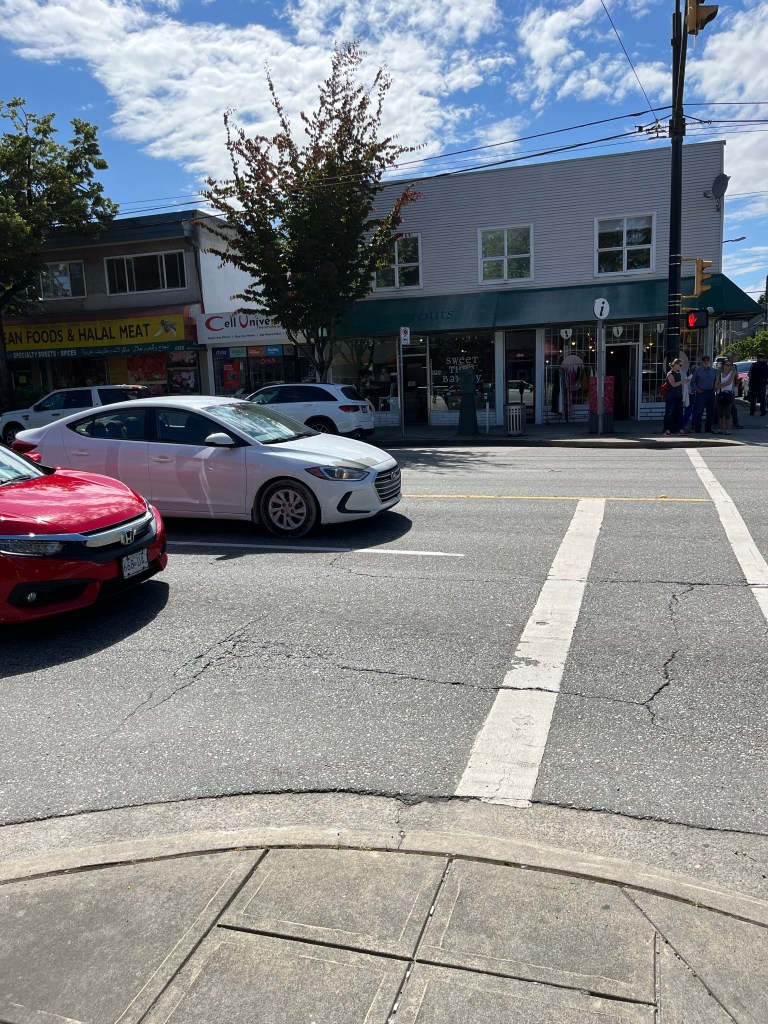
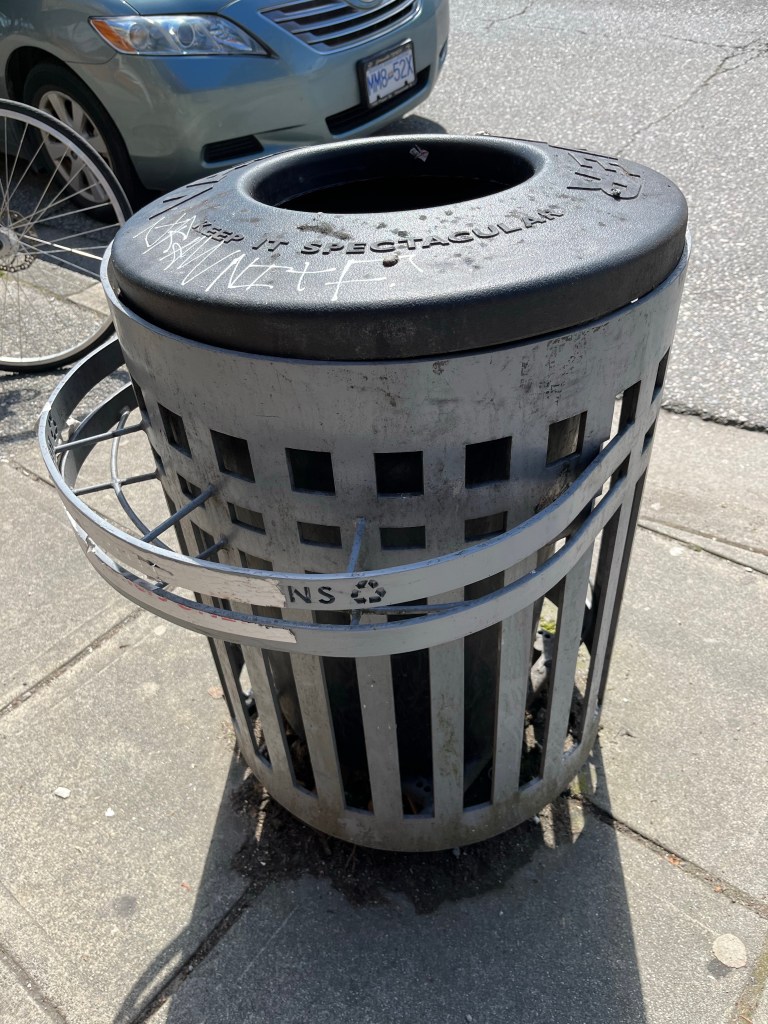
Potable water at drinking fountains for people and dogs. Thinking about children and not driving rashly. Cycle routes and quiet, slow roads. Buttons to change the lights to cross the road safely. Cars stopping at the lights and not over the line. Rubbish/litter bins with a shelf for recycling items which poor people collect and sell.
Drivers keep to the lane and stop for pedestrians at zebra crossings and side roads.
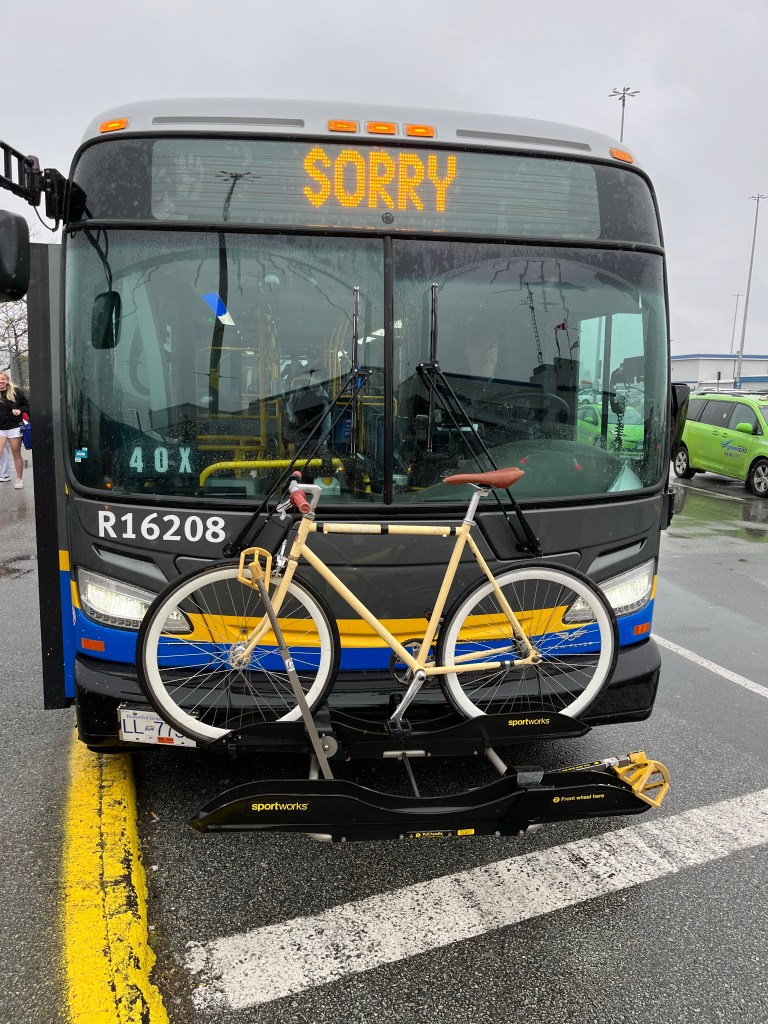
Saying sorry and carrying cycles on the front of buses. Guests of Mysore Bed and Breakfast that welcome you into their home…. even after getting to know me.
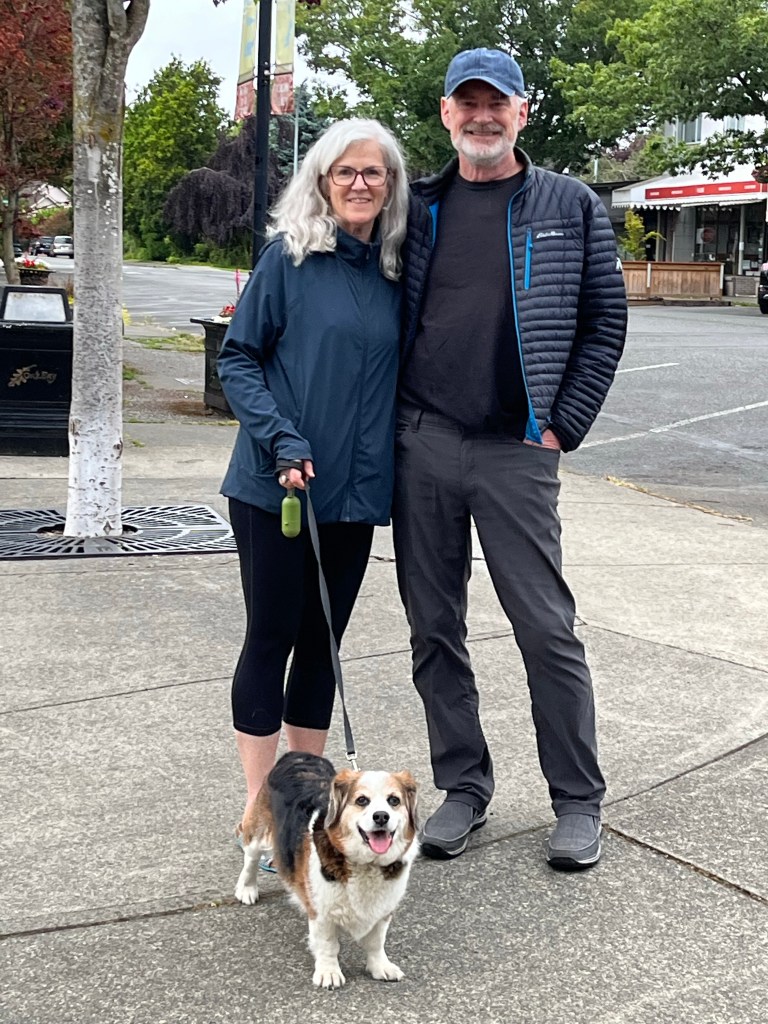
Considerate Canadians helping out.
That’s nice.
Postscript
While I was out and preparing this posting someone came round (or maybe overnight) and stole Trixie, my new friend. So not all Canadians are good apples.
One of the greatest challenges facing we humans is friction.
So what do we mean by friction?
A dictionary will refer to the resistance encountered when two objects or surfaces come together and try to move. Such as a tyre on the road.
The insights and opinions we offer are about the friction that comes between different people, between people and their institutions or their communities and also between people and the wider world.
Our first offering refers to a particular form of lubrication. It counters the friction we experience in our day to day lives and helps make things happen.
In its simplest form the lubricant is a gift, a thank you.
The team that collect the rubbish and clear the leaves received a tip this morning. A thank you gift. Nothing wrong with that.
In my view when it becomes a requirement for service it starts to become a problem. An example of this is in the US and Canada where the level of tip to someone waiting your table in a restaurant is carefully calculated and absolutely expected. That feels like a supplement to the wage, required because the employer is a cheapskate and underpays their staff. It becomes an extra tax.
In India where I’ve lived for over eleven years we have a lot of experience with a particular form of lubrication, known as bribery.
This takes it to a whole other level.
If you’re a business applying for a business permit from the corporation or a liquor licence for a bar, pay your fee and a whacking great bribe otherwise absolutely nothing will happen.
Politicians do it all the time. Jump ship to another party and be paid with a ministerial berth or some other juicy position with money making promise.
Here are two more examples I’ve discovered just this morning. In my view they are quite unbelievable.
Want a job?
Someone has bribed to get a job at a state run business. On her rate of salary it will take three years to have earned the equivalent of the bribe she has paid.
Want a driving licence?
Don’t bother with lessons or even turning up at the test centre, you never have to get in a car, ever! Just send a bribe through a broker.
This is expected in most situations to one degree or another, it is so ingrained that no one ever expects it to change.











 Me and MYCycle