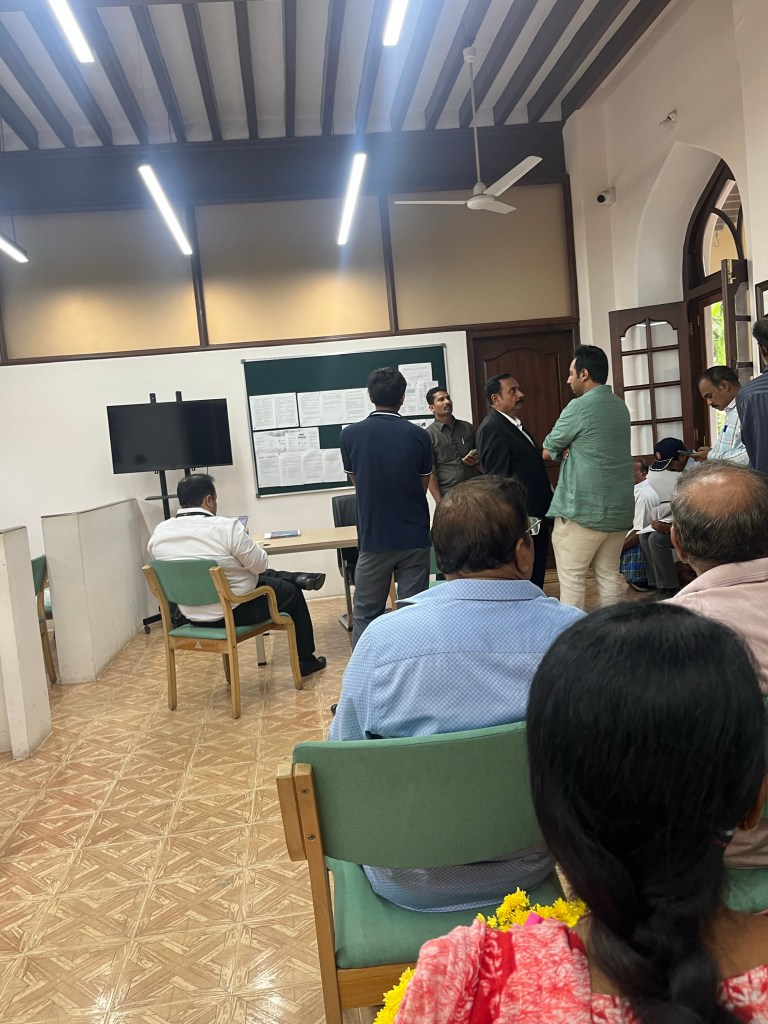
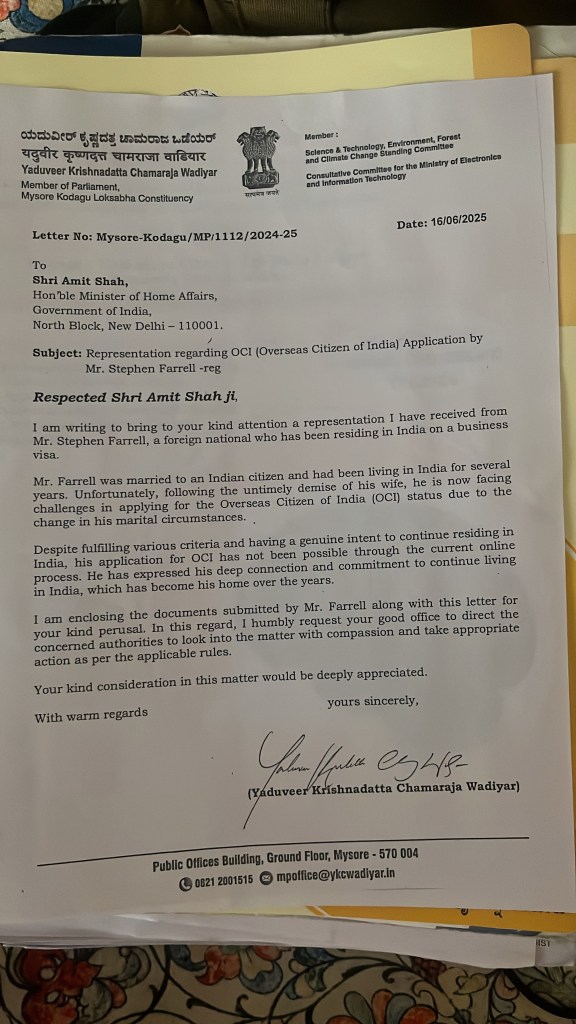
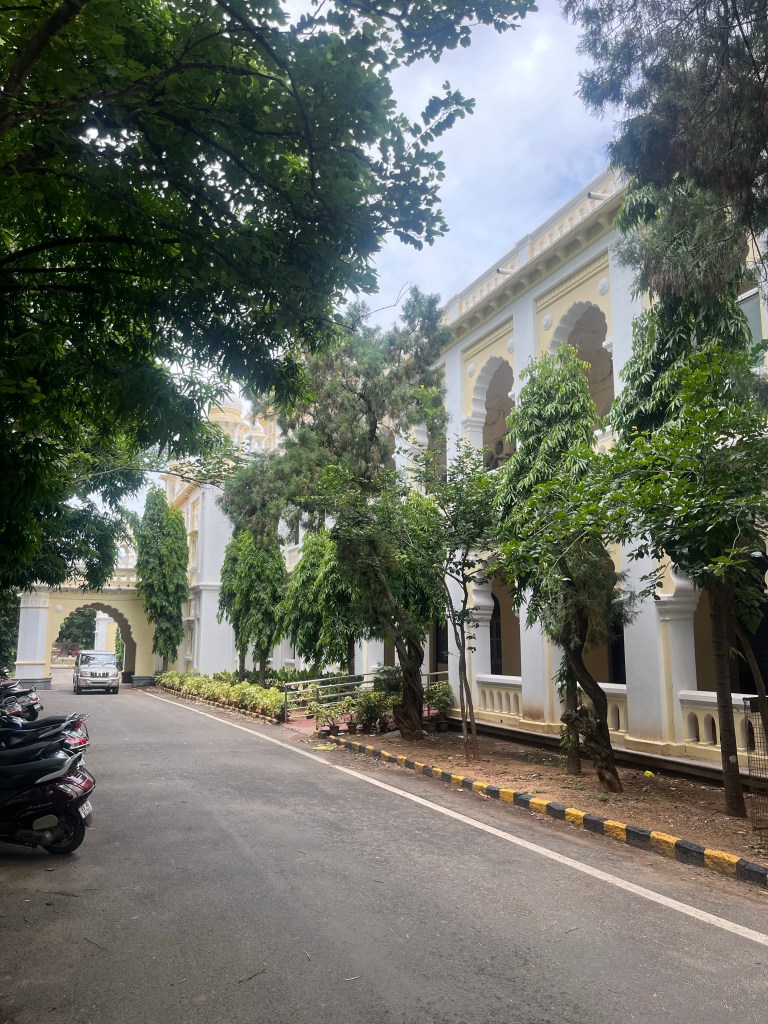
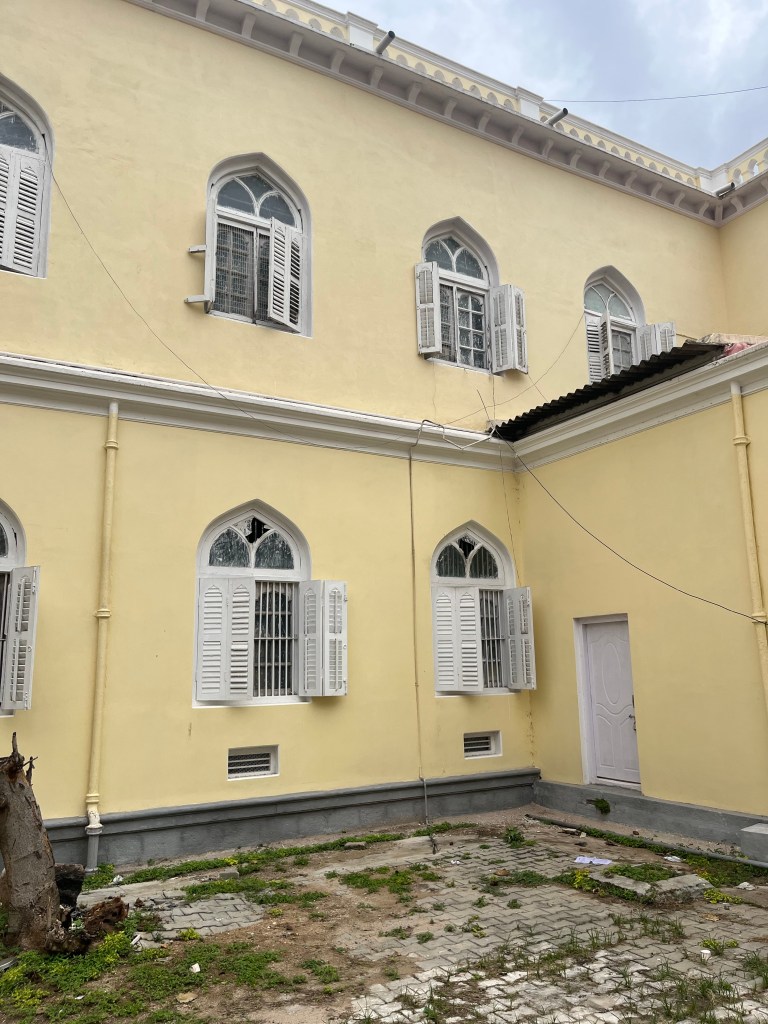
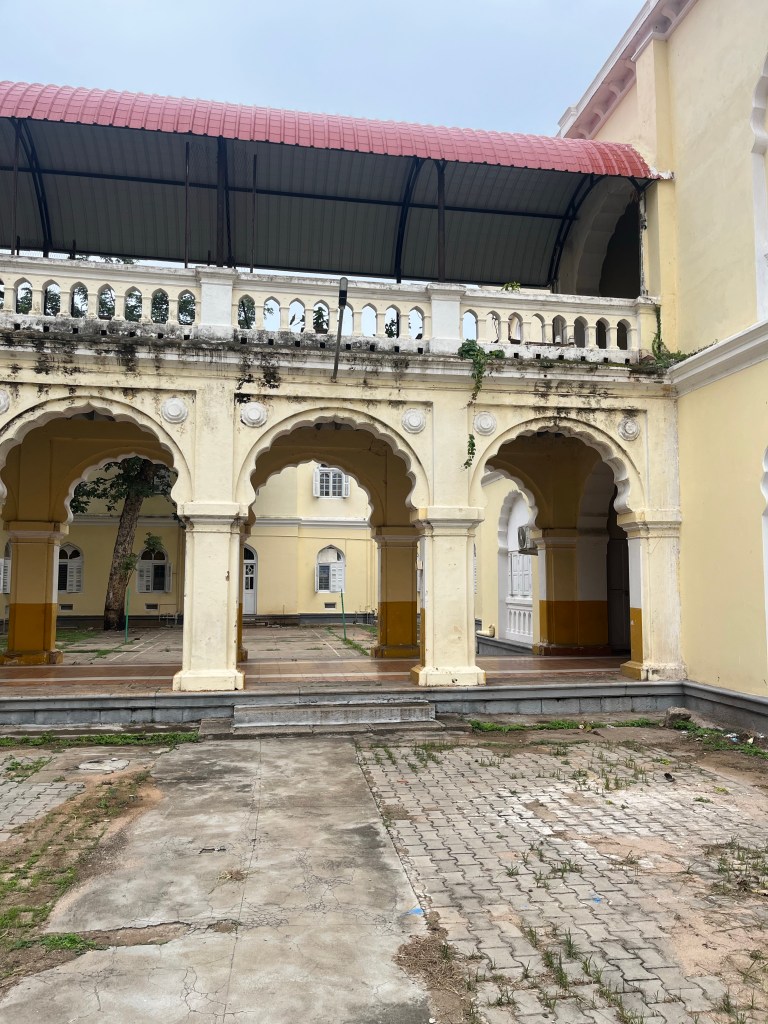
My 10.30am docs appointment hadn’t begun by 11.10 so I legged it to go see the Maharaja (he’s also the MP and I’d had a message inviting me just this morning) for 11.30
Of course it wasn’t exactly a timed appointment. It isn’t with a doc so it’s hardly likely to be with Royalty — now, is it?
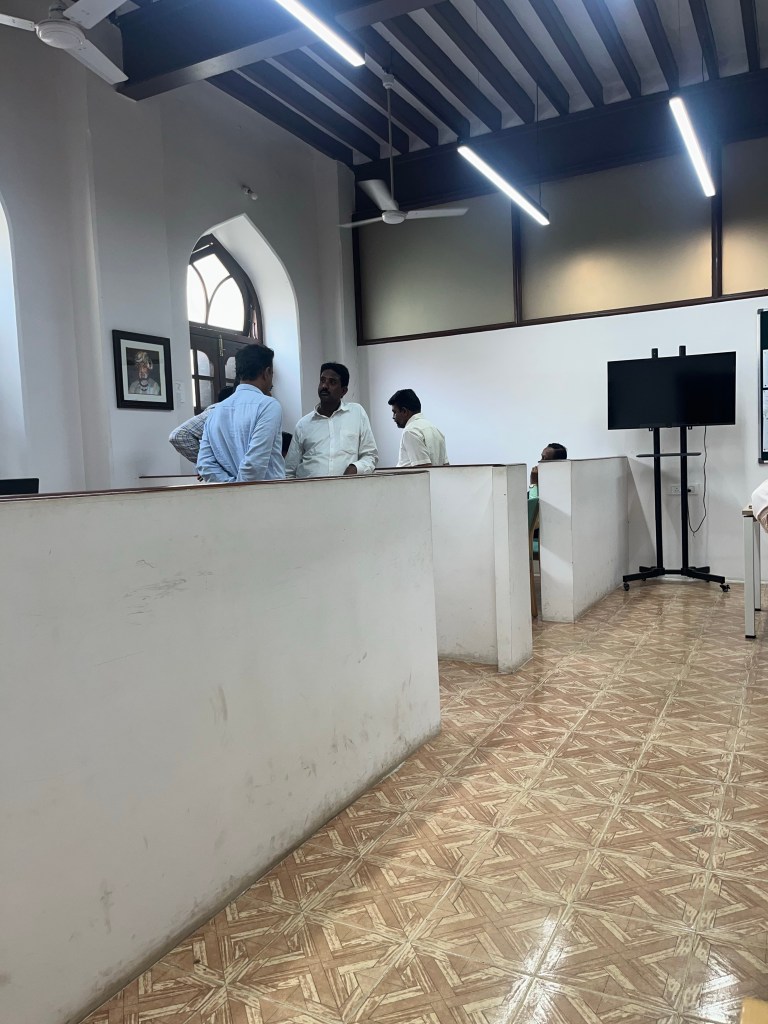
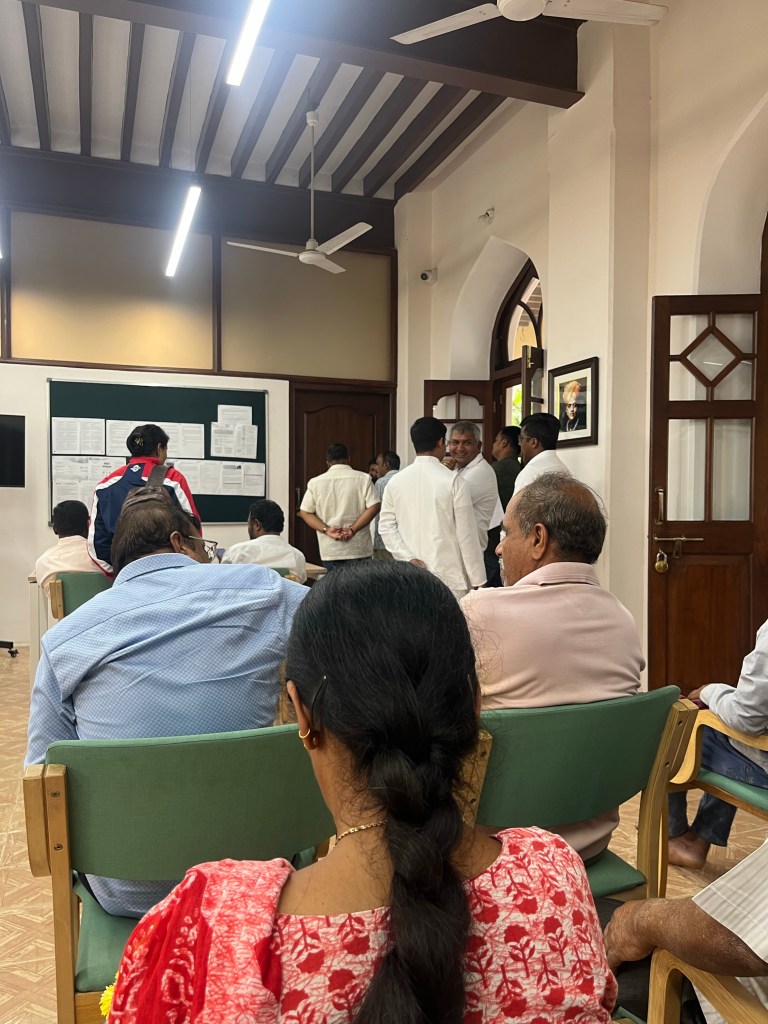
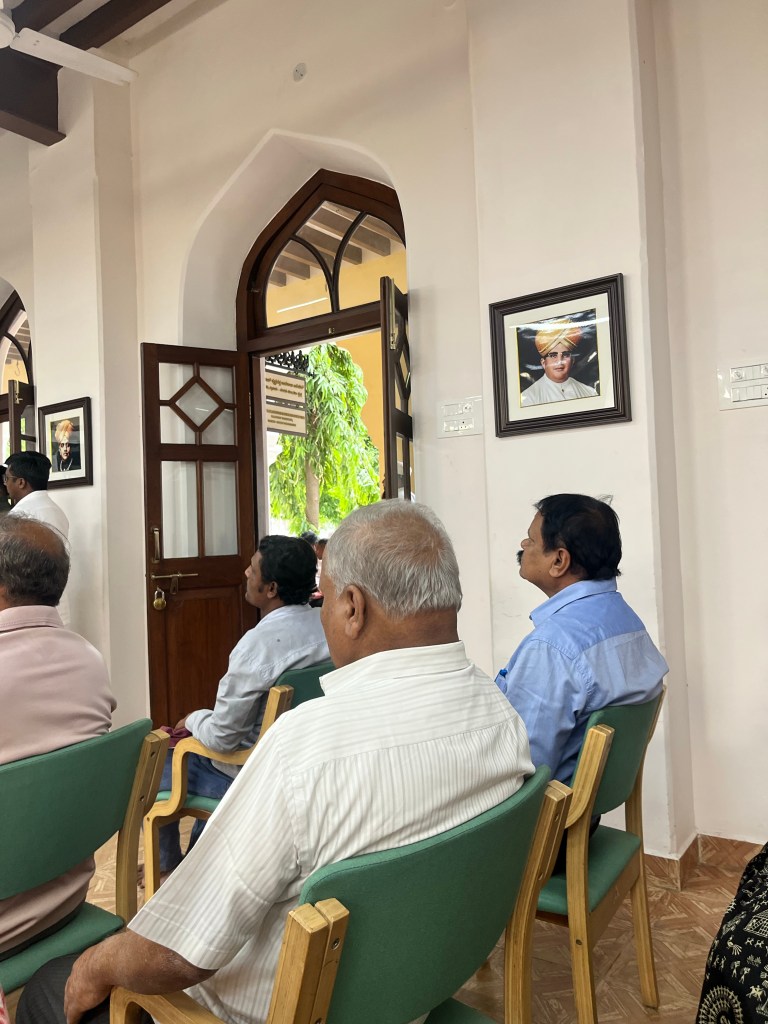
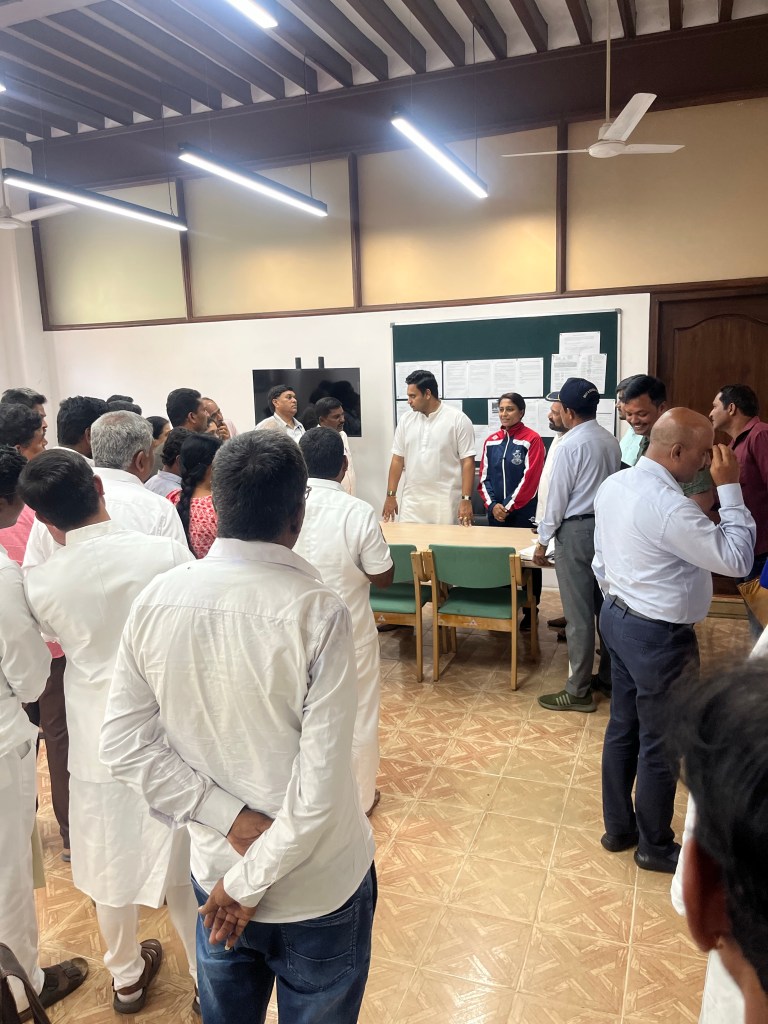
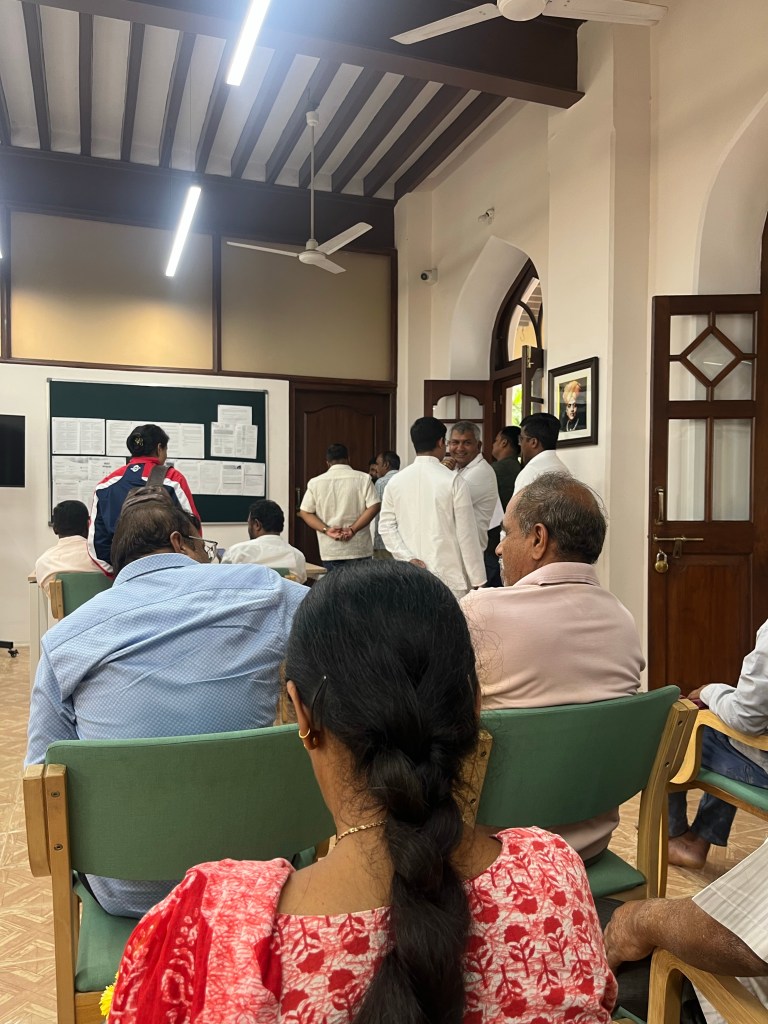
We’re gathered in the outer office.
Groups and the odd individual — yes I’m the oddest — waiting to see the boss.
After 90 minutes he actually stops seeing visitors in the office and comes out, for it to become an orderly-free-for-all, we take it in turns to plead our case.
Getting people to work together and actively engage in their locality is a critical part of participative democracy.
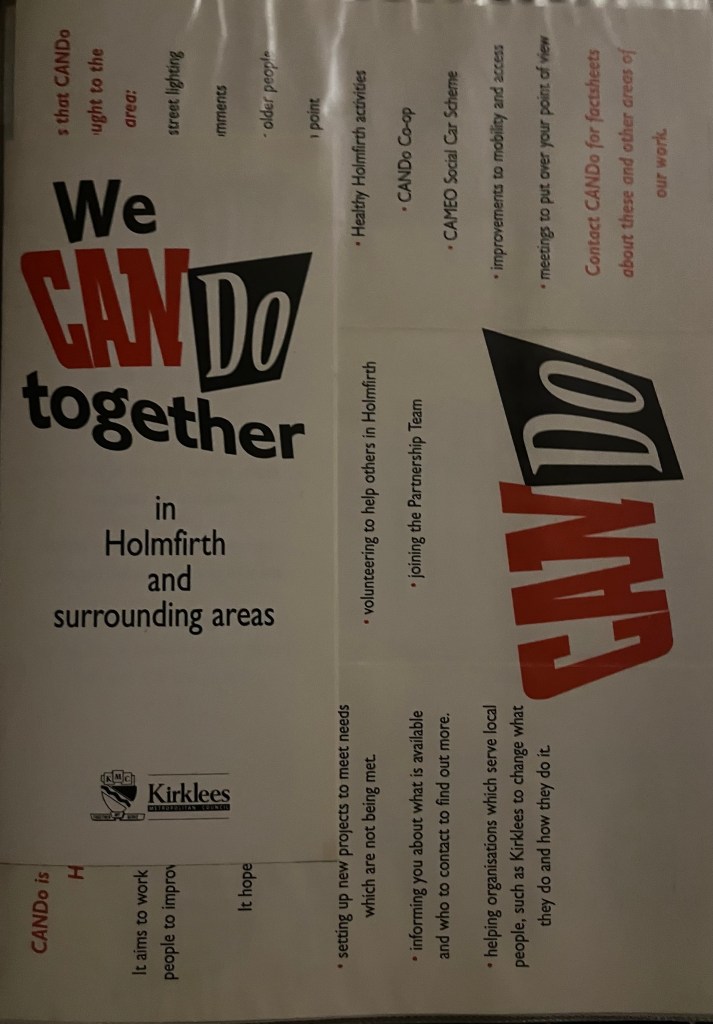
In the 90’s I was asked to focus on the town of Holmfirth in West Yorkshire to consider how individuals and local organisations could work together to service and support each other.
As the project developed I was interviewed by a local reporter.
I was asked what initiatives would we establish and what projects are likely to work. “We don’t know until we try. We’ll use action research, suck it and see.”
“So,” said the reporter, “it’s as if you’ll throw a series of custard pies and see which ones will stick?” .
I like the analogy.
That’s about it. Spending time on research is too slow, it’s best to dive in there, changing and adapting as you go along.
We also brought our Internet workshops to the town A great success wherever we introduced it, including to young people in Leeds and veterinary practices throughout the U.K.!
Footnote.
Background
Representative democracy is our current system but wherever possible we should be participative, helping people be active participants and not passive recipients of the decisions others make on their behalf.
Voting is necessary but what does it mean on a day to day basis? it might involve single issue campaigns, volunteering to serve, joining measures the council’s introduce to garner your opinion.
The council/local authority/corporation called Kirklees Metrolotian Council I worked for, in West Yorkshire, brought in great innovations.
As well as reaching out to engage we tried to support people to have the confidence and competencies to take their part.
That was over thirty years ago and such experiments are struggling as the government role is decimated.
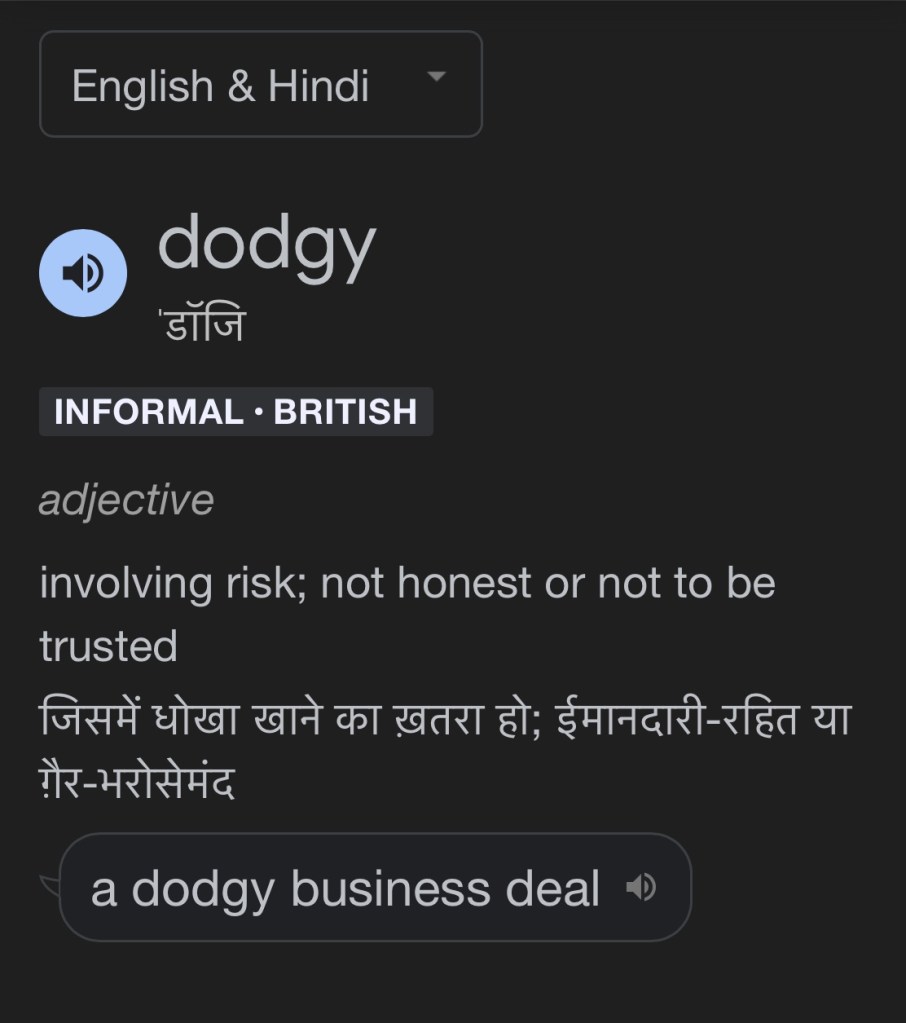
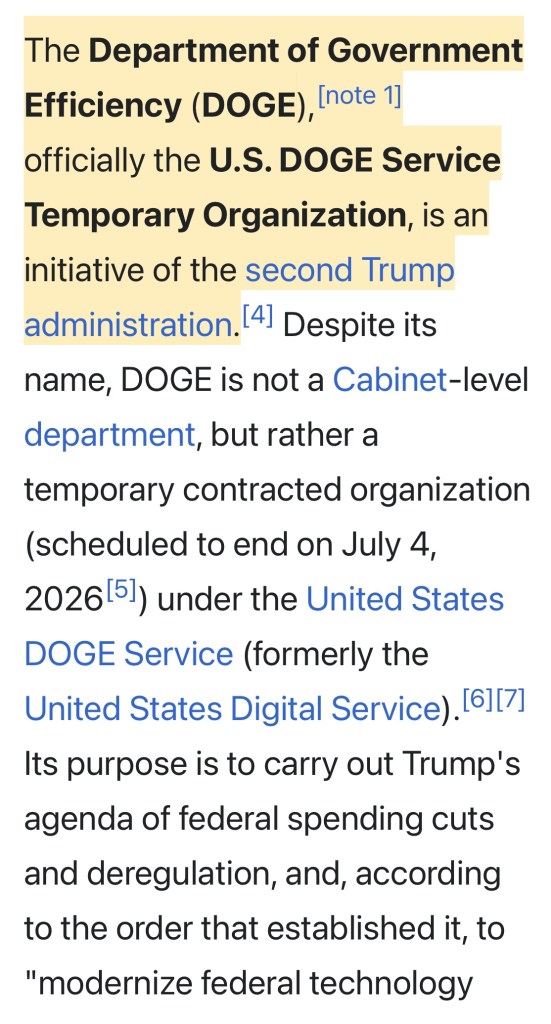
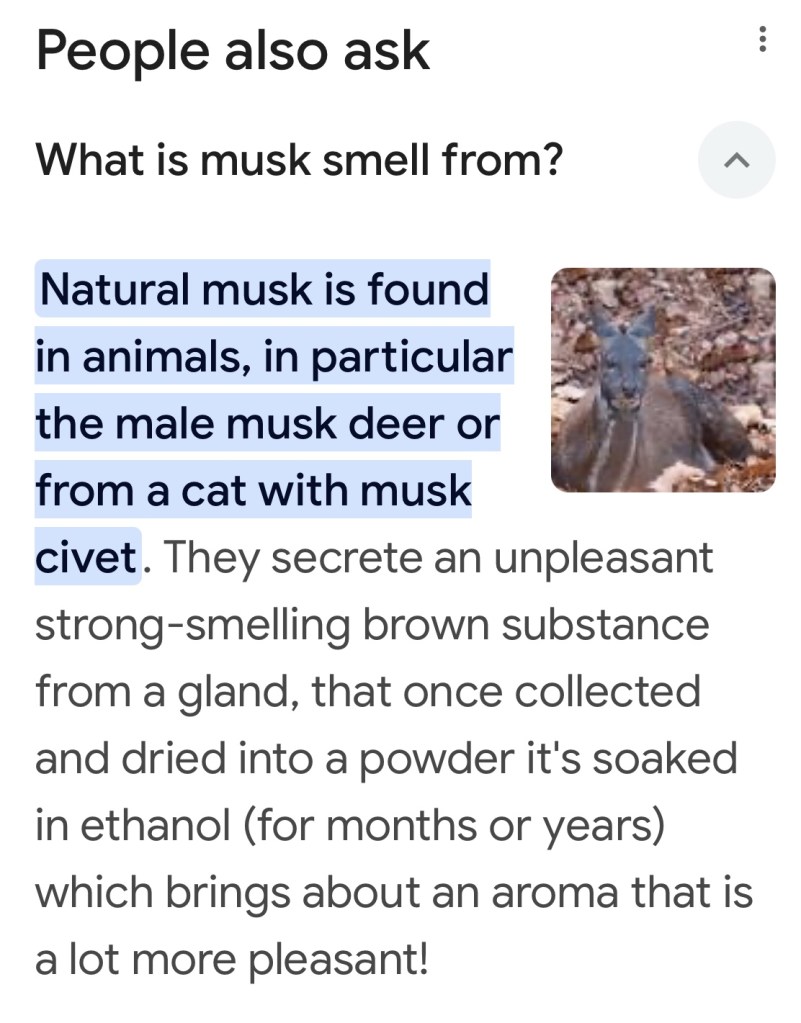
I’ve been wondering about Doge… why we have it? What does it mean? I realise now it’s not actually a spoof, it is unfortunately real but it’s also a means of checking that we’re properly concentrating.
That we’re awake
.. and hopefully not complete idiots.
It’s actually a joke, in the most serious sense
So have you worked out how to pronounce it? Don’t lose this opportunity for a knowing smirk.
I was thinking on the lines of doggy.

But no there’s something better.
More on the dodgy dog. Sorry to our canine friends….
Footnote
So what is Doge.
Some might say it’s one of the initiatives to fulfil the coup currently happening in the US
Today’s conference reminded me of some of my innovations in the 90s
I was inspired by Negroponte’s book ‘Being Digital’ to explore the Internet … and develop projects to help others to do it … before it became monopolised by big business.
Commodore Amiga
A friend Dave and I would use the Commodore Amiga (much more than a games machine) in the late 80s and gopher to visit US Sheriff’s offices wanted lists.
It got me thinking. As Negroponte stated in ‘Being Digital’ we were going through a revolution as significant as the invention of the printing press.
Often my thing was ‘how do we engage people so they’re actively involved?’
Here was a great inspiration
….
My senior role in government with Kirklees Council — who were very supportive of ‘wild thinking’ — had already provided me with the opportunity to innovate.
Here was another possibility: a creative challenge ..
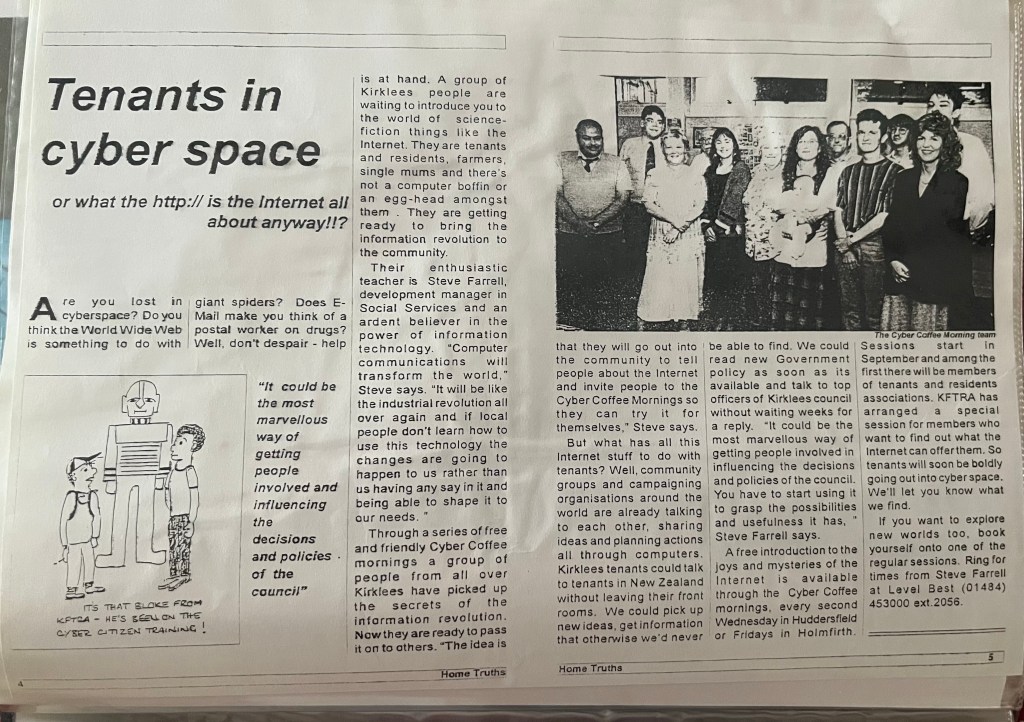
Cyber Coffee Mornings.
Within a year of the introduction of the world-wide-web we hit the local community and throughout the teams in government introducing them to this revolutionary new way to access the internet.
Coffee mornings are community gatherings to meet and share.
Invading these community events with lengths of phone leads, modem, over head projector, LCD panels (what we’d use before digital projectors became available) and a Toshiba laptop.
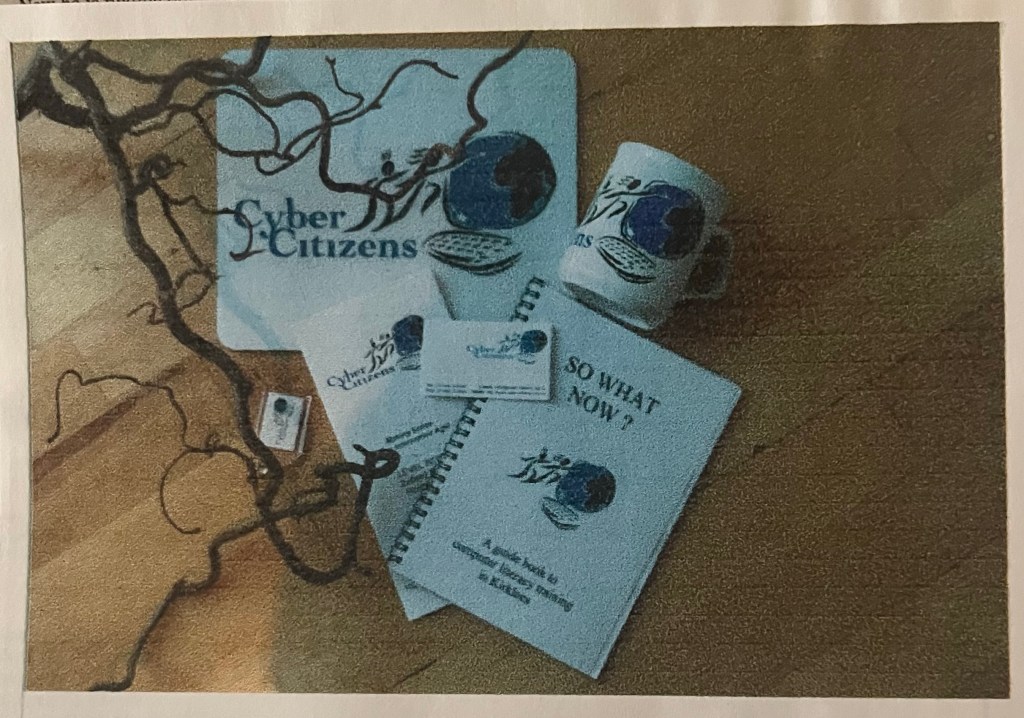
Cyber Citizens
Was the group that took it to the wider community.
The innovative projects came thick and fast.
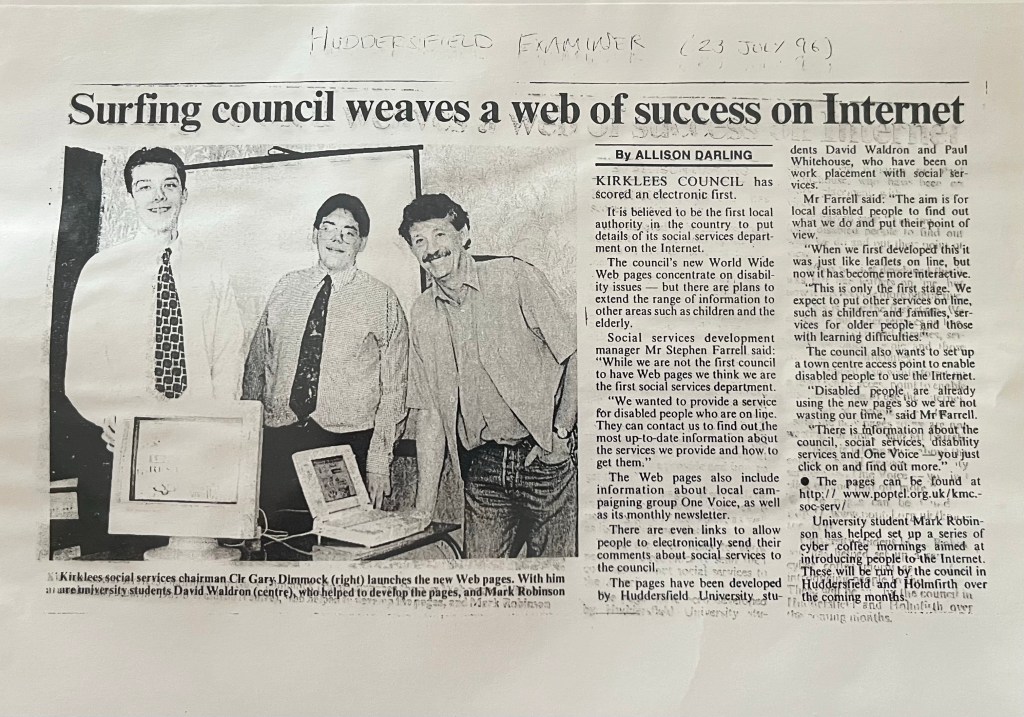
We were the first Social Services (social work) department in the U.K. web site in the country and electronic information service
Disabled People’s Electronic Village Hall an idea borrowed from north Europe. This was a community project to promote access to learning about computers, becoming confident and surfing the net.
To help all this along we had ..
An EU — European project to share experiences between Athens, Crete, Manchester and Kirklees.
An exciting time
I initiated the projects but they worked because people got involved including students from the university to make them a success
I was also privately sponsored by Pedigree Petfoods (MARS) to provide a workshop to veterinary nurses throughout the country.
…
Footnote
Reflection
For many this was an opportunity to make money
But not for me … as usual my motivation was to serve the community.
Manjula complained about me filling the house with art and books —- and we were running out of space.
She decided that when I was seventy-five (that’s right, i’m —not yet) and stopped leading MYcycle tours (big assumption there) we’d open the house as a library.
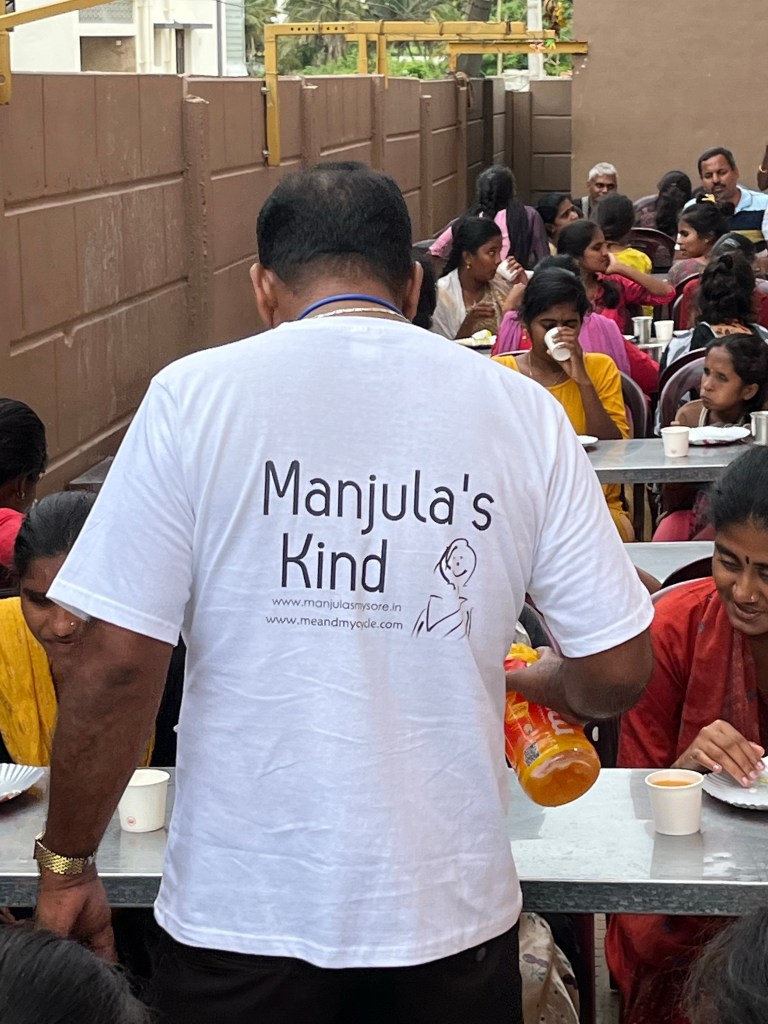
In her memory I closed one of the bedrooms to reopen it as ‘Manjula’s Library’
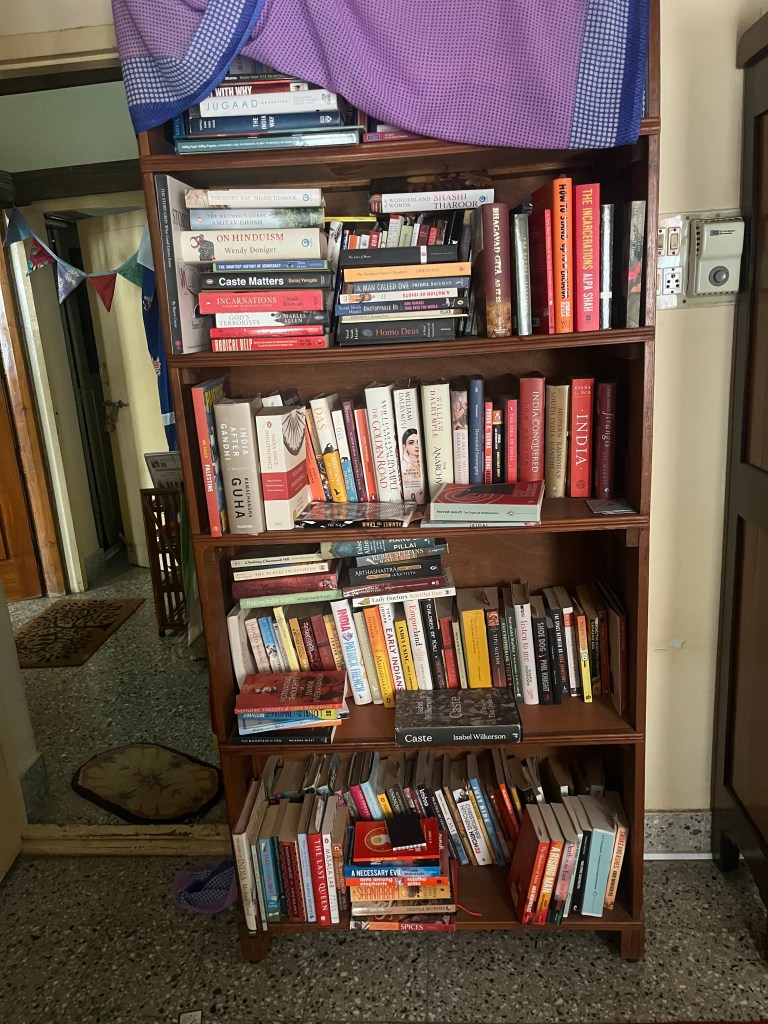
Just one of the bookcases
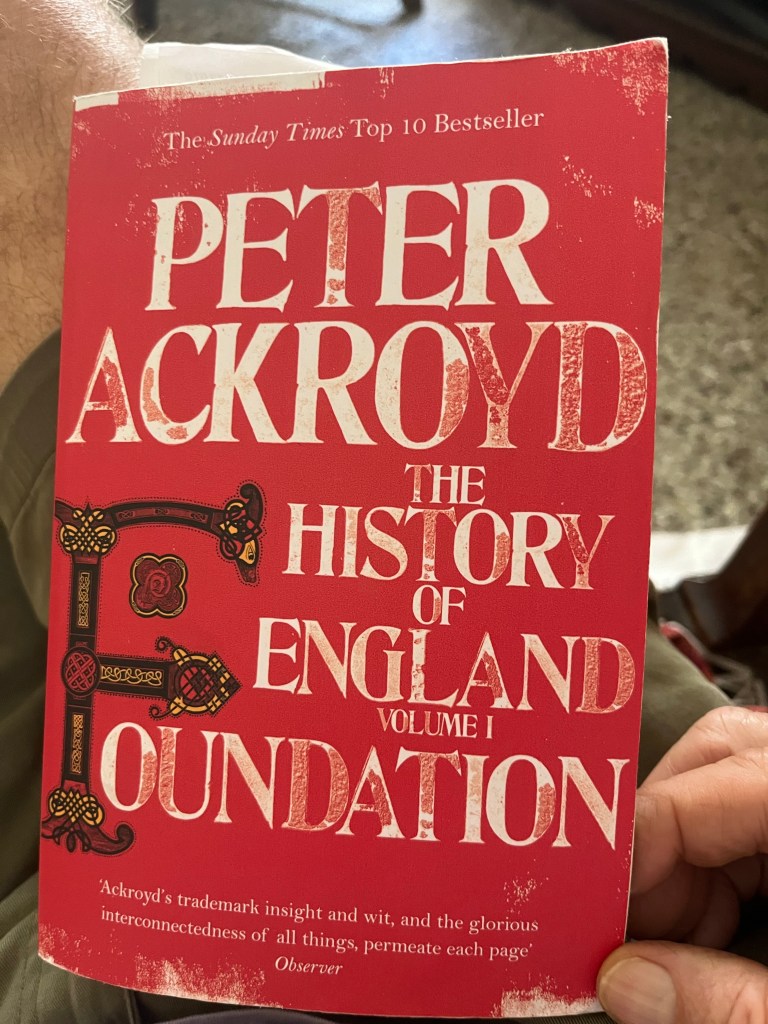
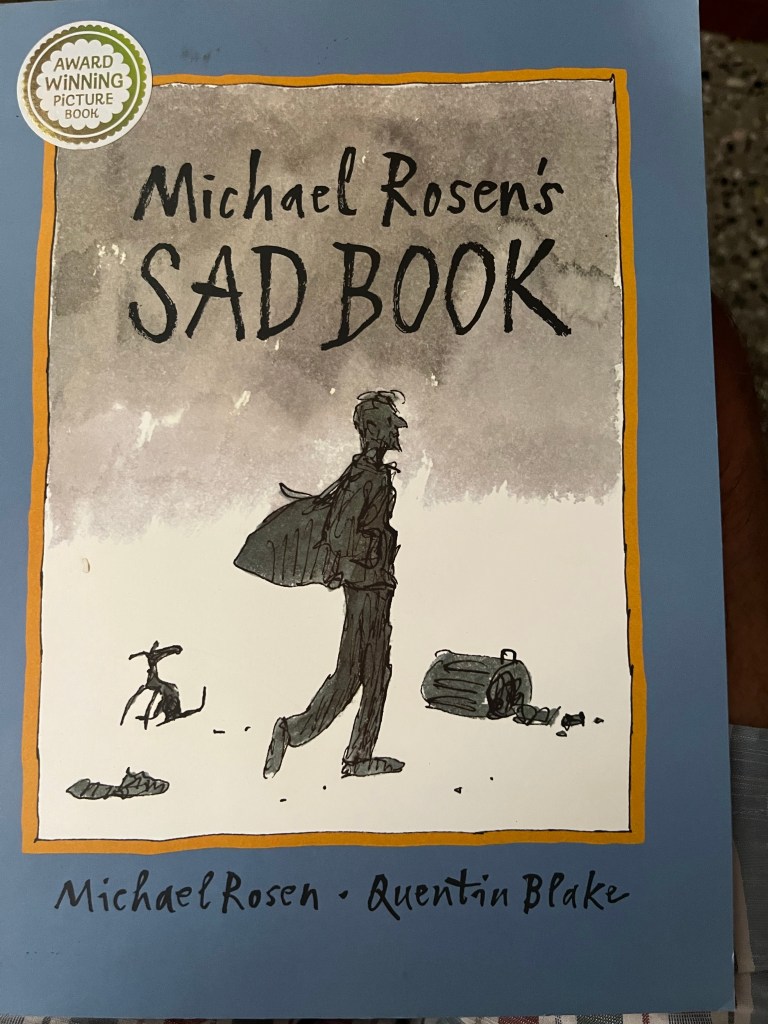
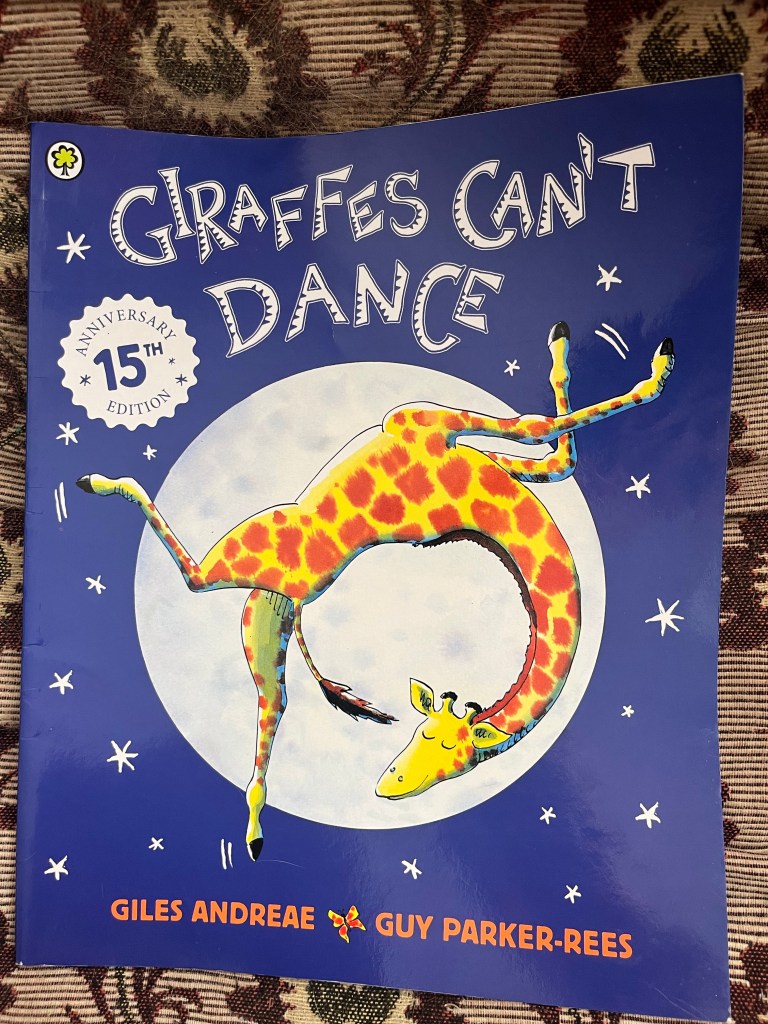
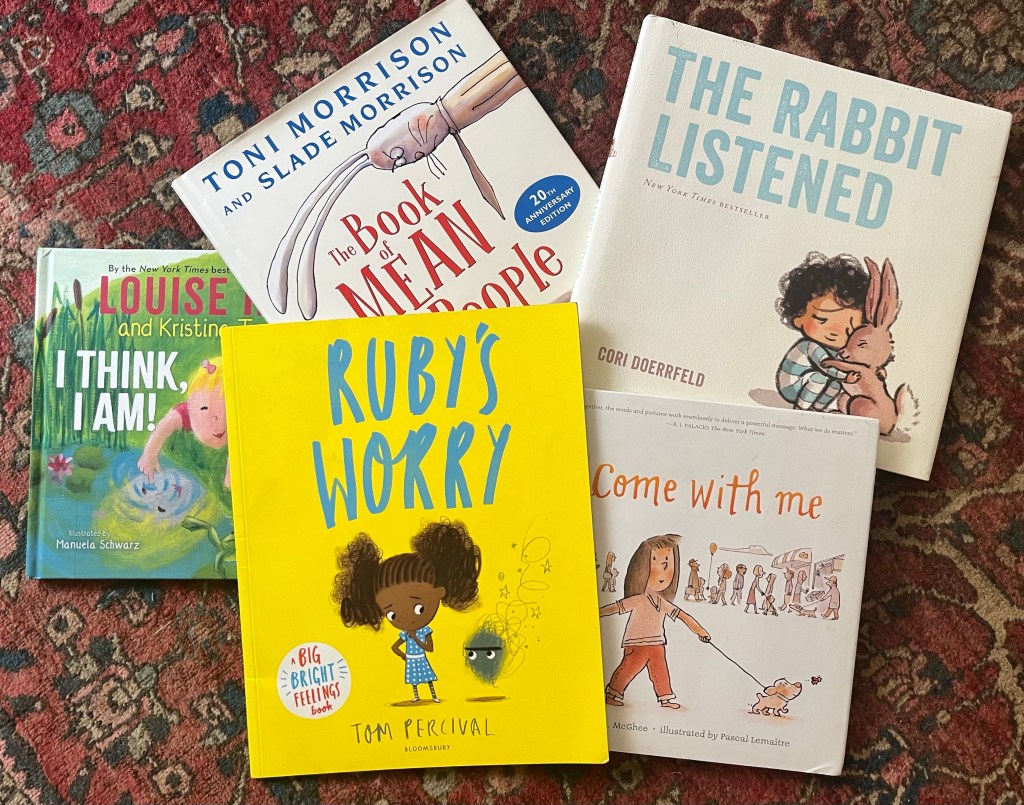
There’s now hundreds of fiction and non-fiction books in English, including those about education, India, history, philosophy, for adults and children.
It’s an idiosyncratic mix already used by our guests, the members of ‘reflective space’ and the time I spend with young people.
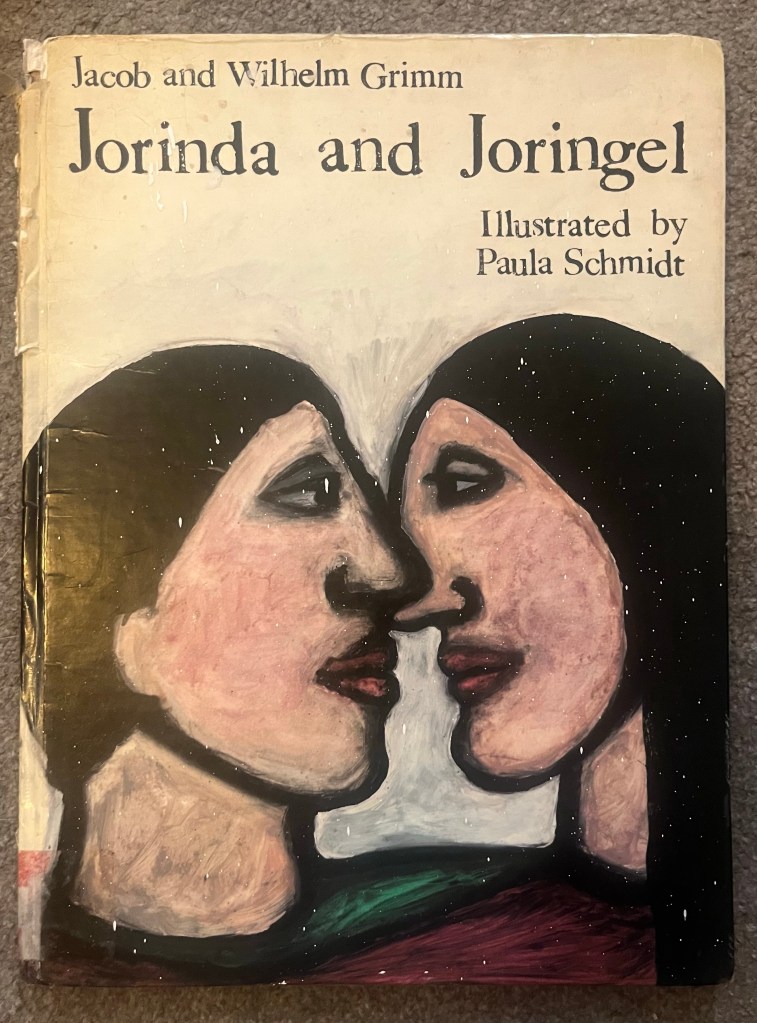
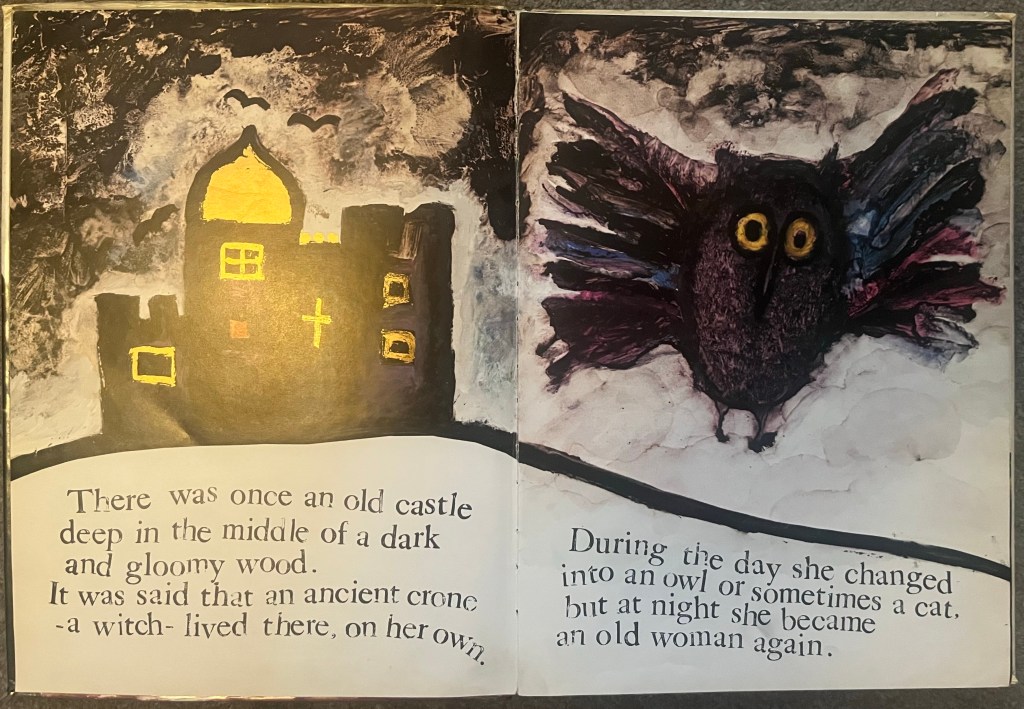
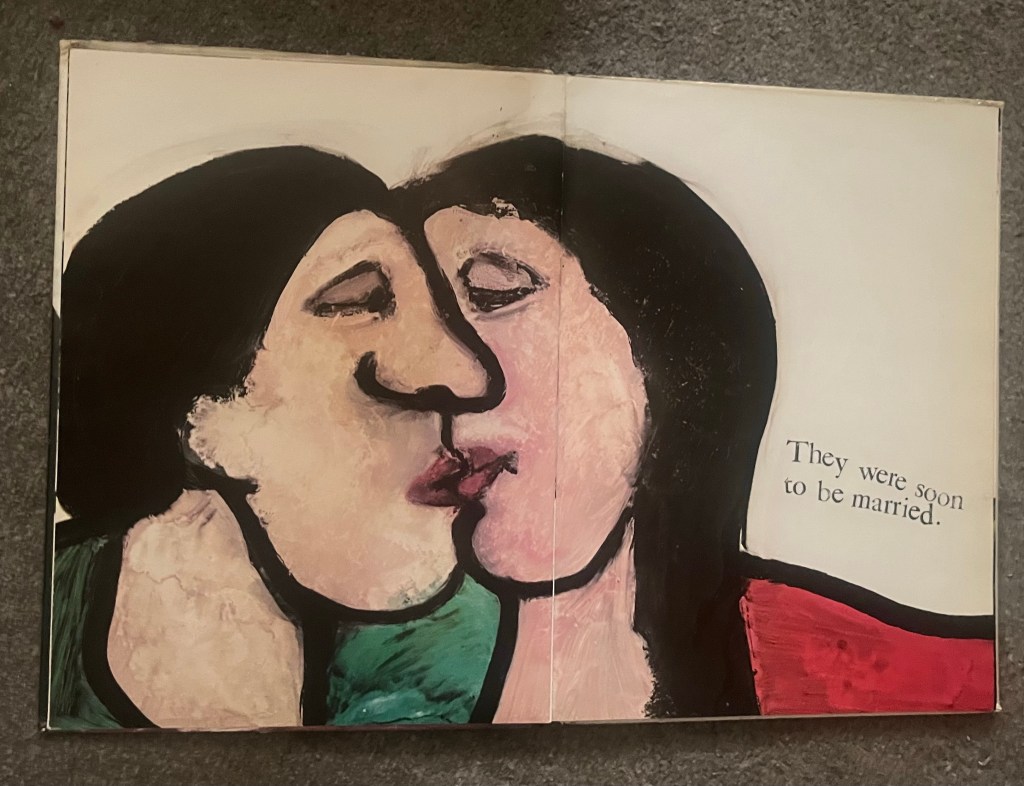
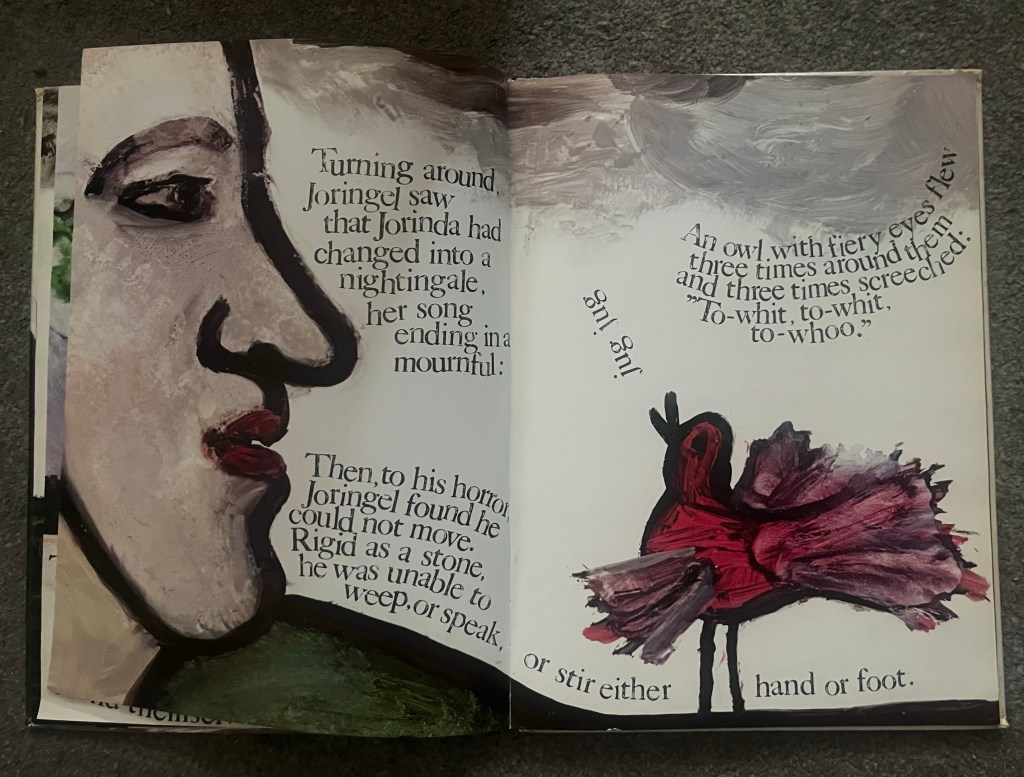
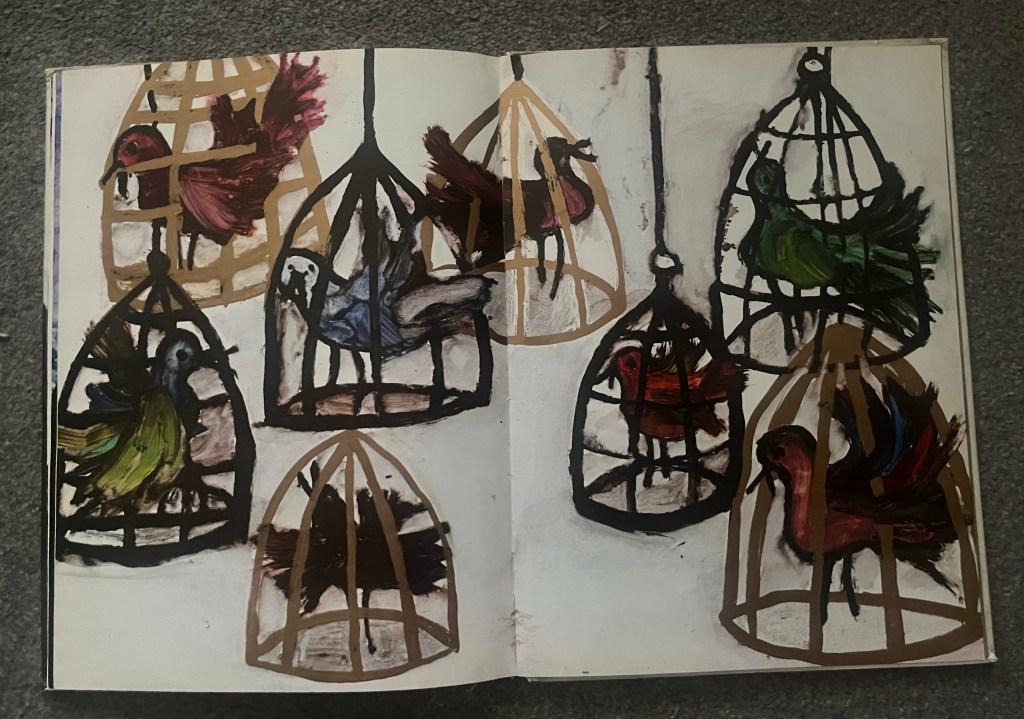
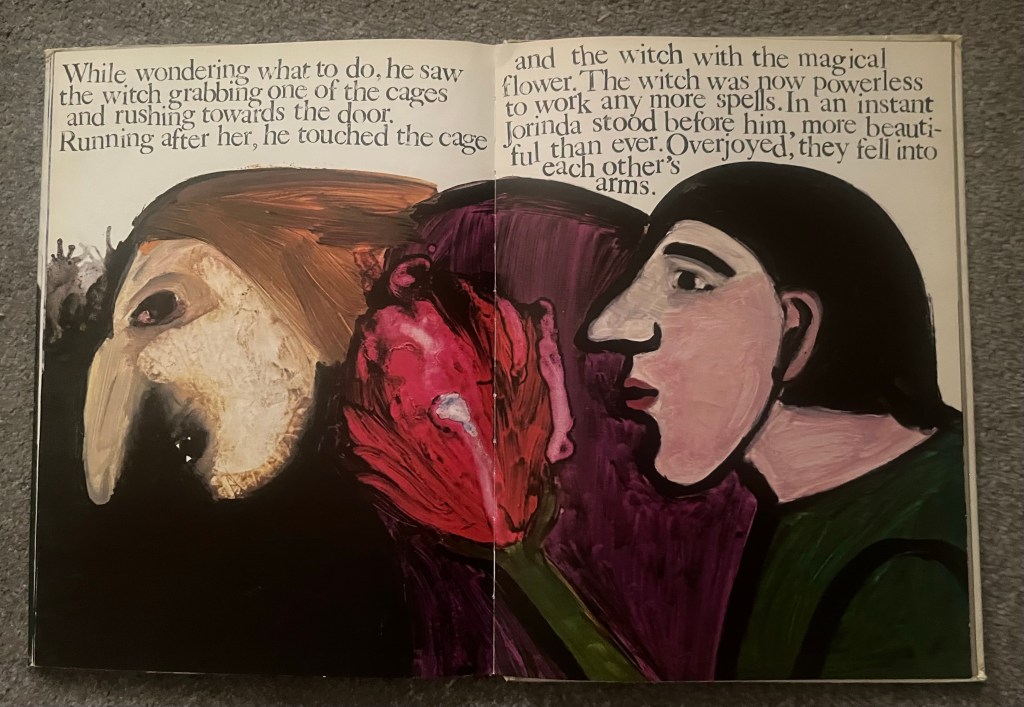
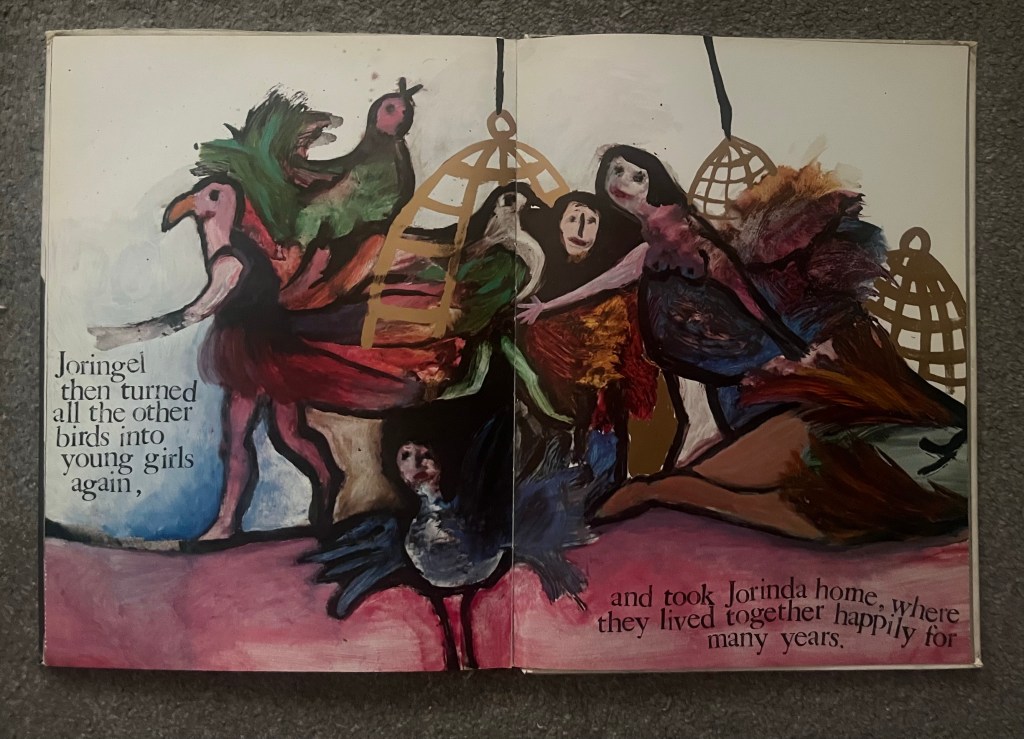
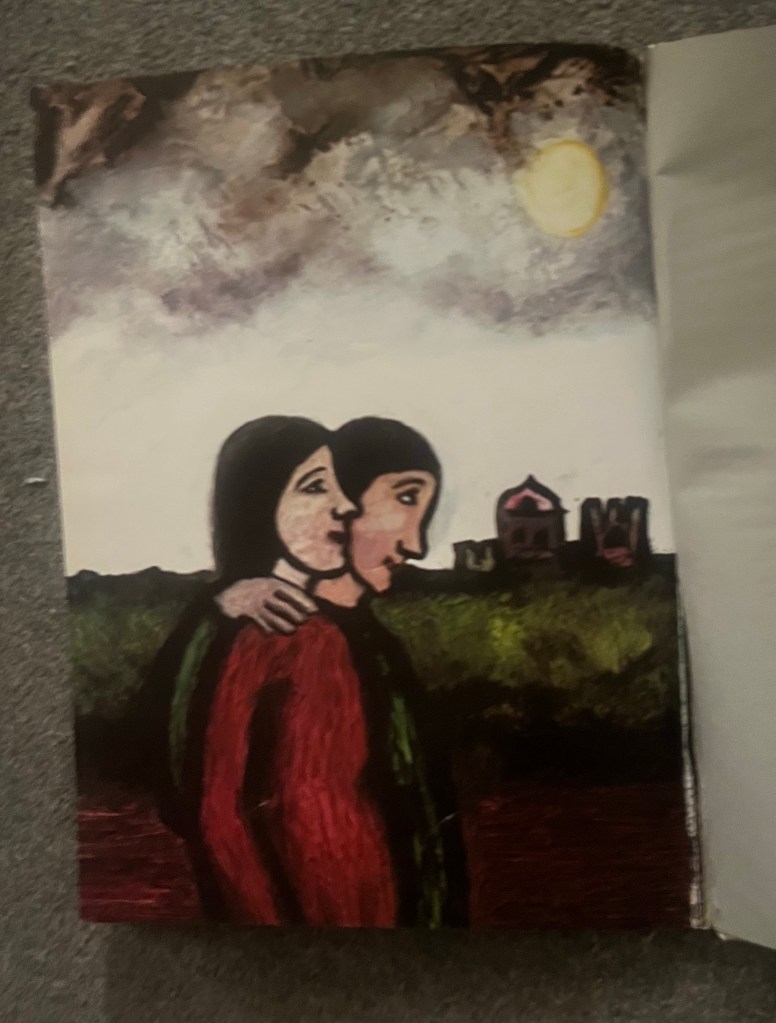
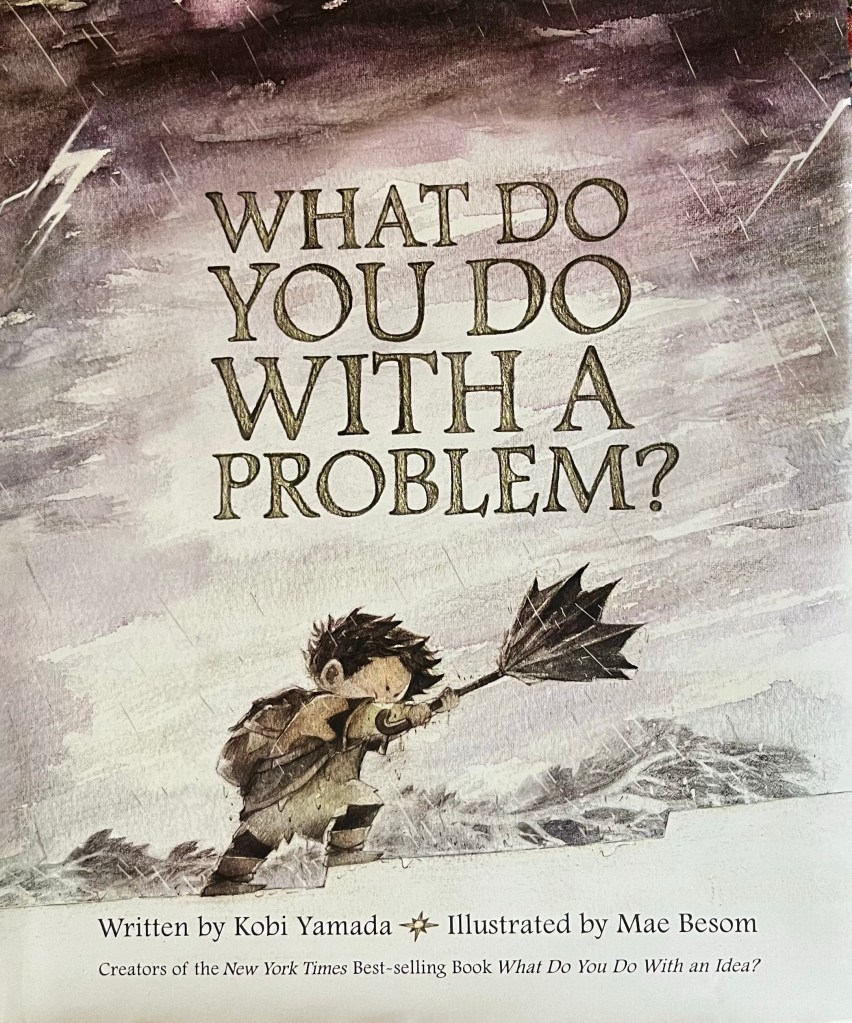
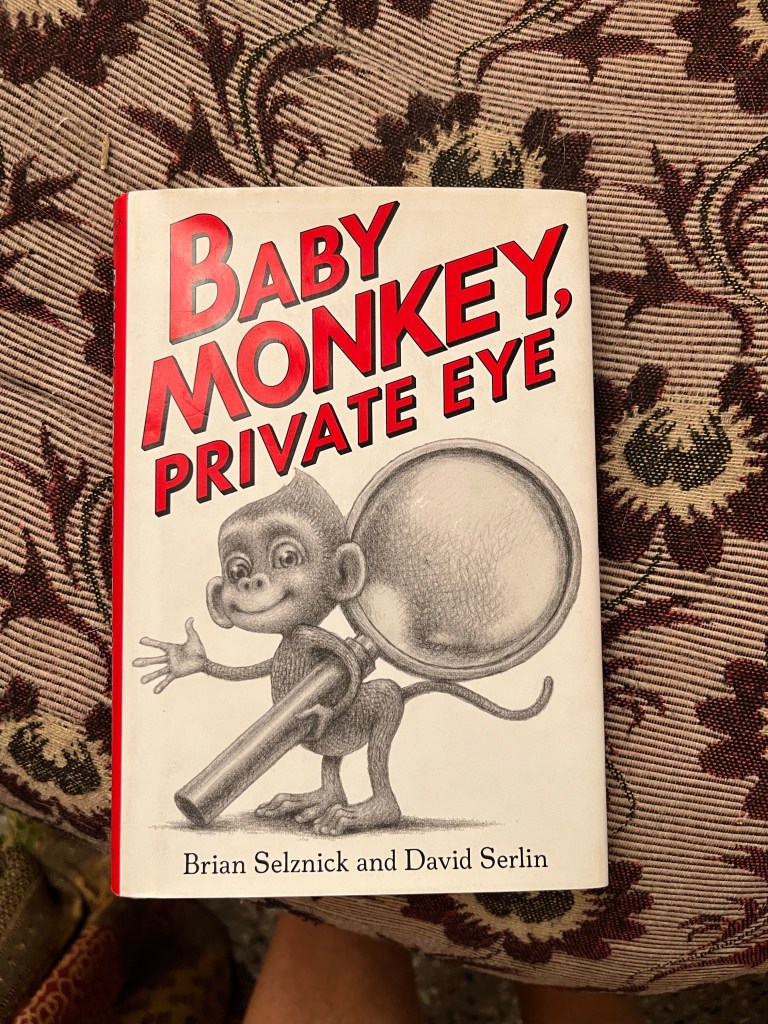
My own favourites are the picture books.
It changes by the day ….
… check out the new arrivals.
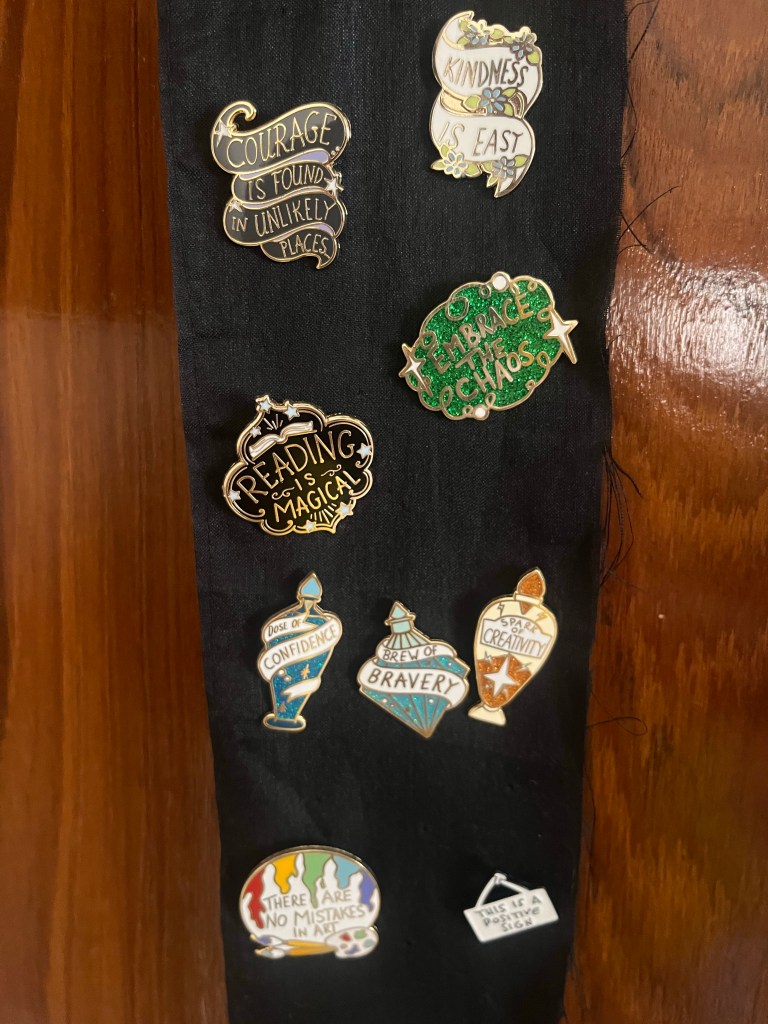
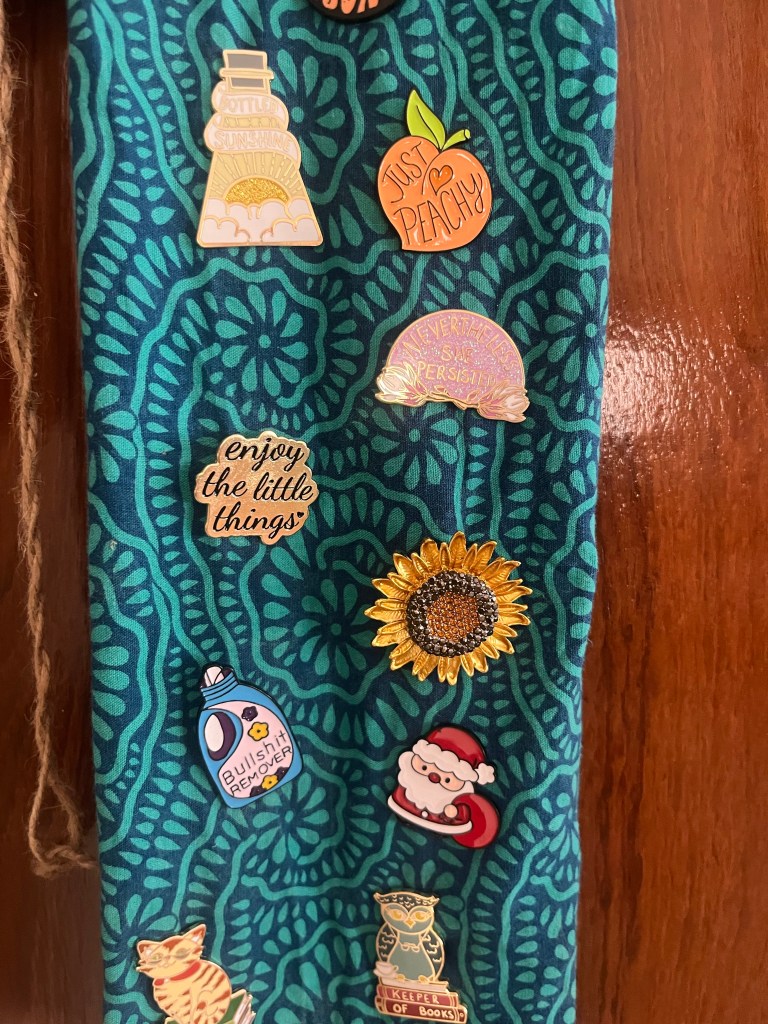
Yes, it’s not JUST books, we now have a selection of cool badges.
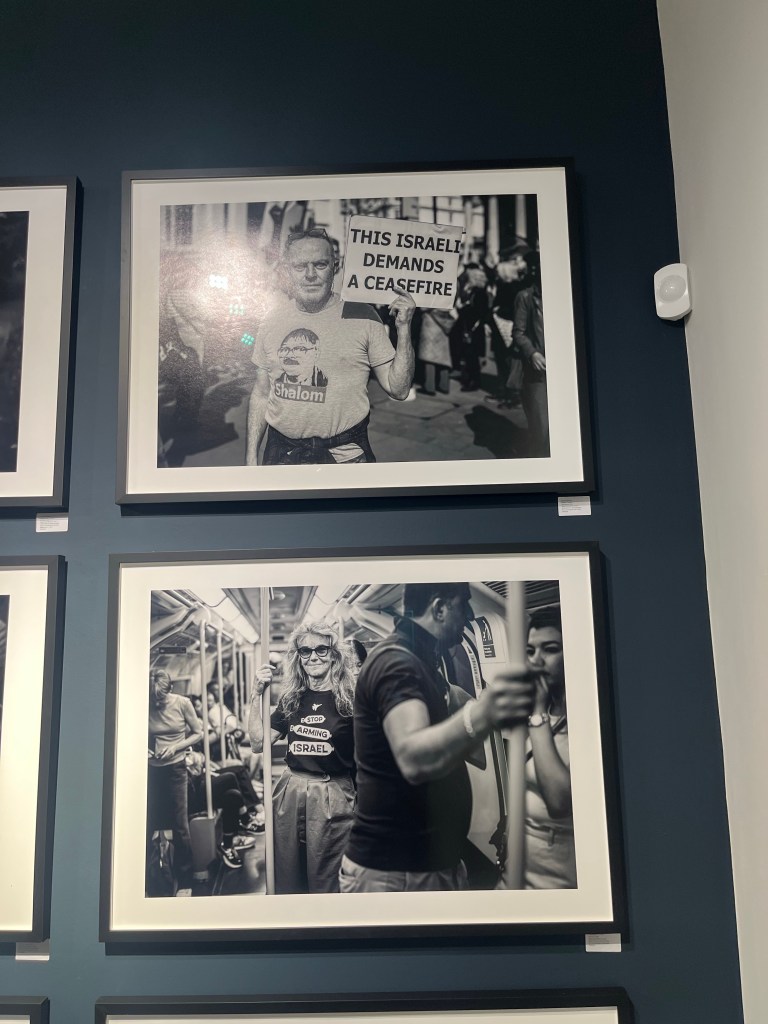
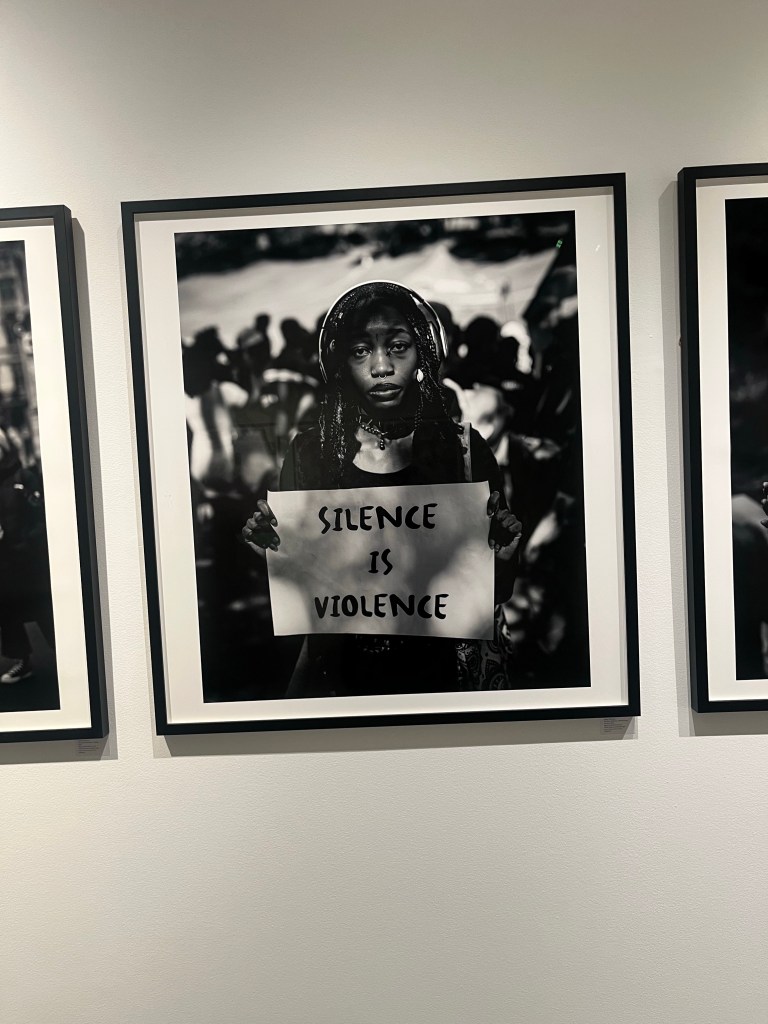
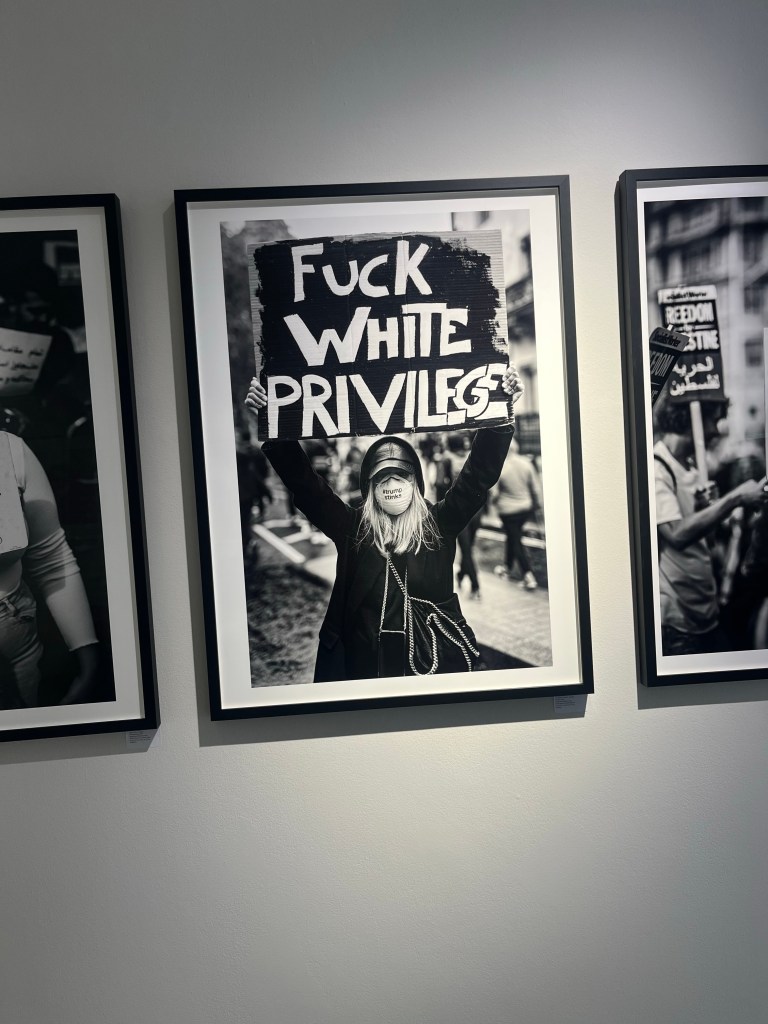
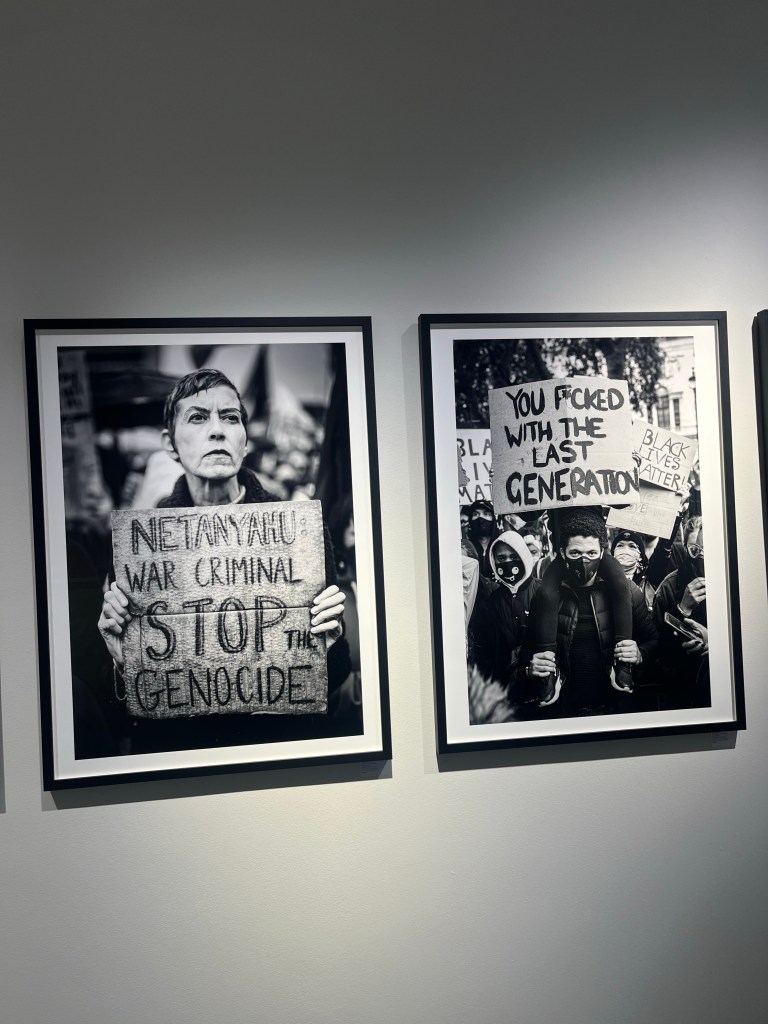
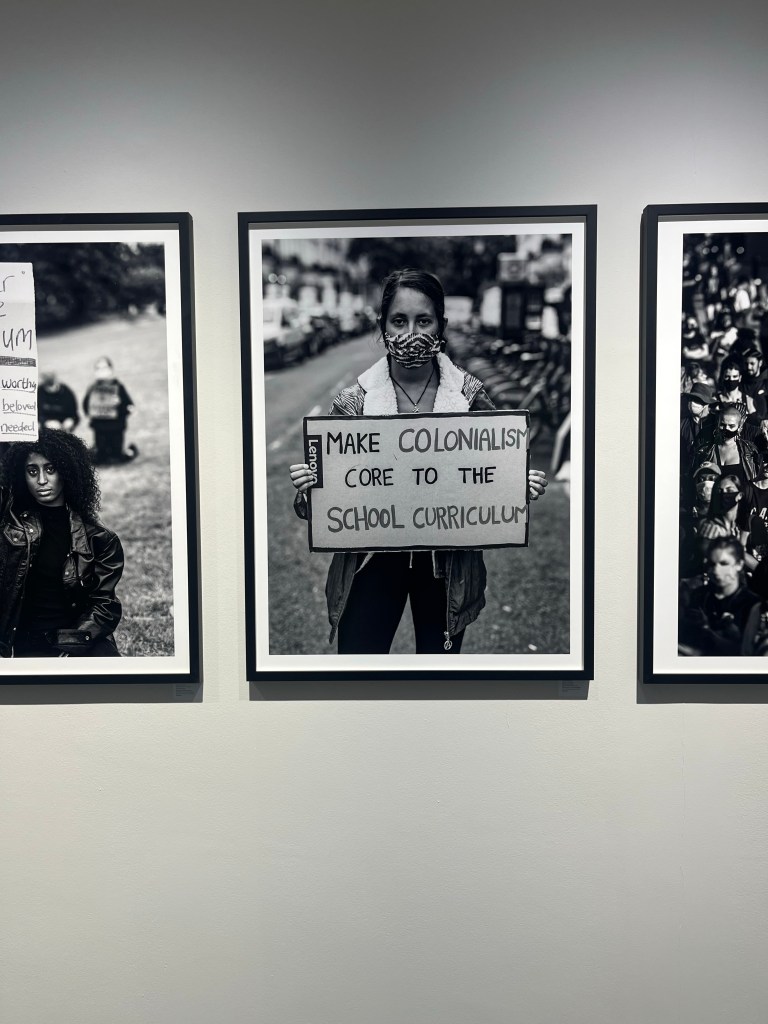
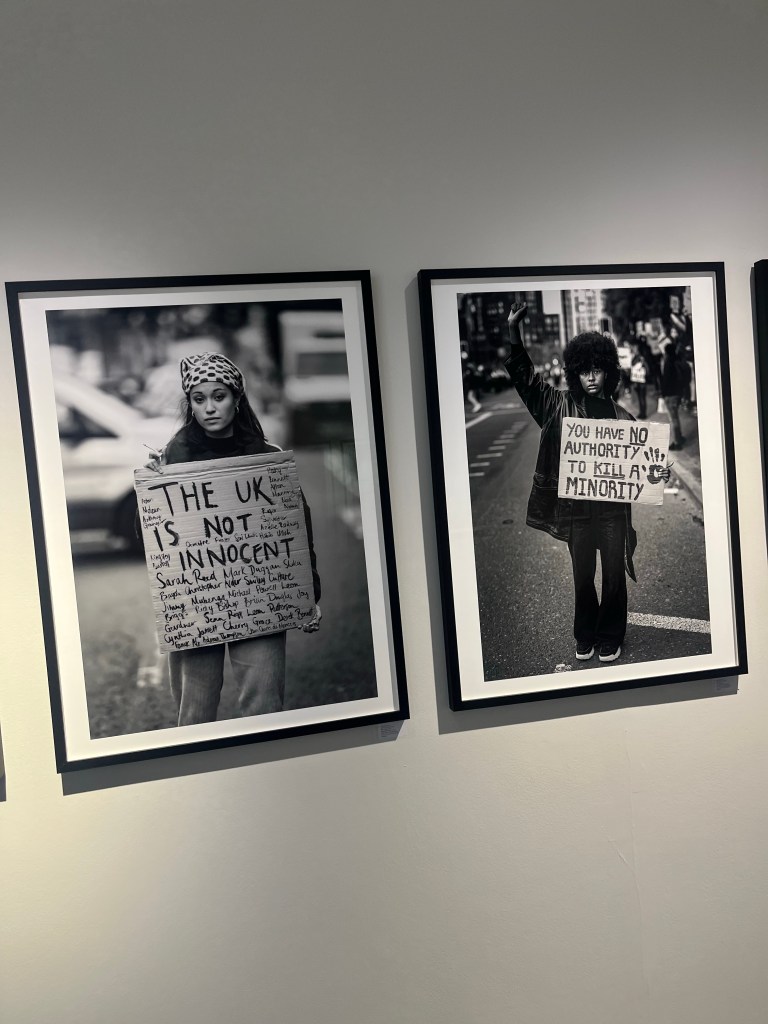
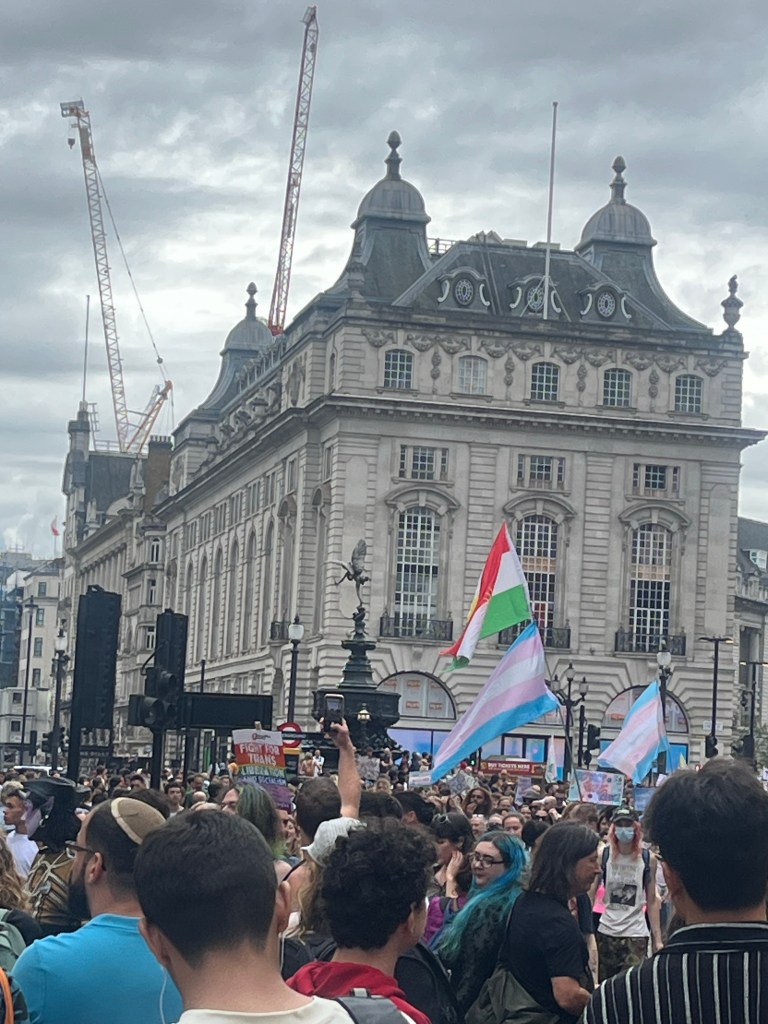
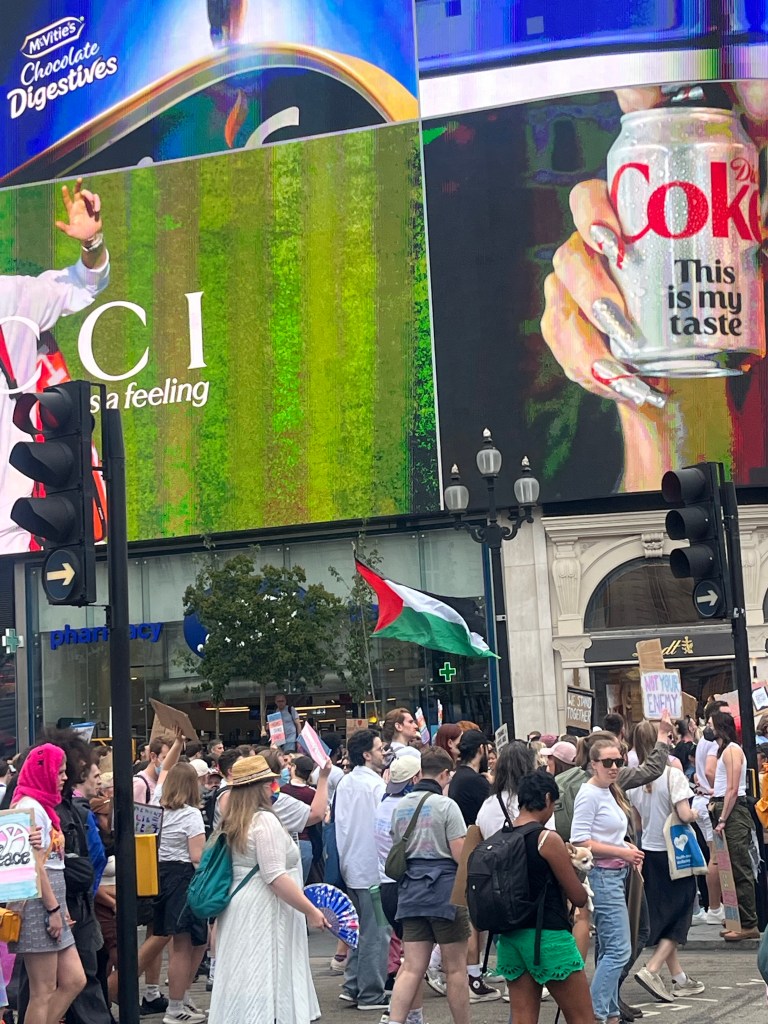
In the 1970s and 1980s, in my early adult years I joined political campaigns and demonstrations. I believe — that’s part of our democratic rights — nowadays the right wing media might label it woke in a divisive way.
We marched and disrupted against war in principle and the locating of US Cruise missiles in the U.K., in particular.
More recently I’ve revisited one of those places and had people from the military on my training workshops. For example, I participated in research about drone bees on Greenham common ewhere the cruise missile airfield is now closed. I’ve also had a manager from the warfare research institute attend one of my corporate workshops (on ethics 🤔🤭) in London.
There’s a long tradition of this around the world, given focus and energised by Mahatma Gandhi in the campaigns against the autocratic, racist British colonialists in India
In addition to anti-nuke demos from the Campaign for Nuclear Disarmament or CND (1950s onwards so before I was born) we campaigned against apartheid and fascism.
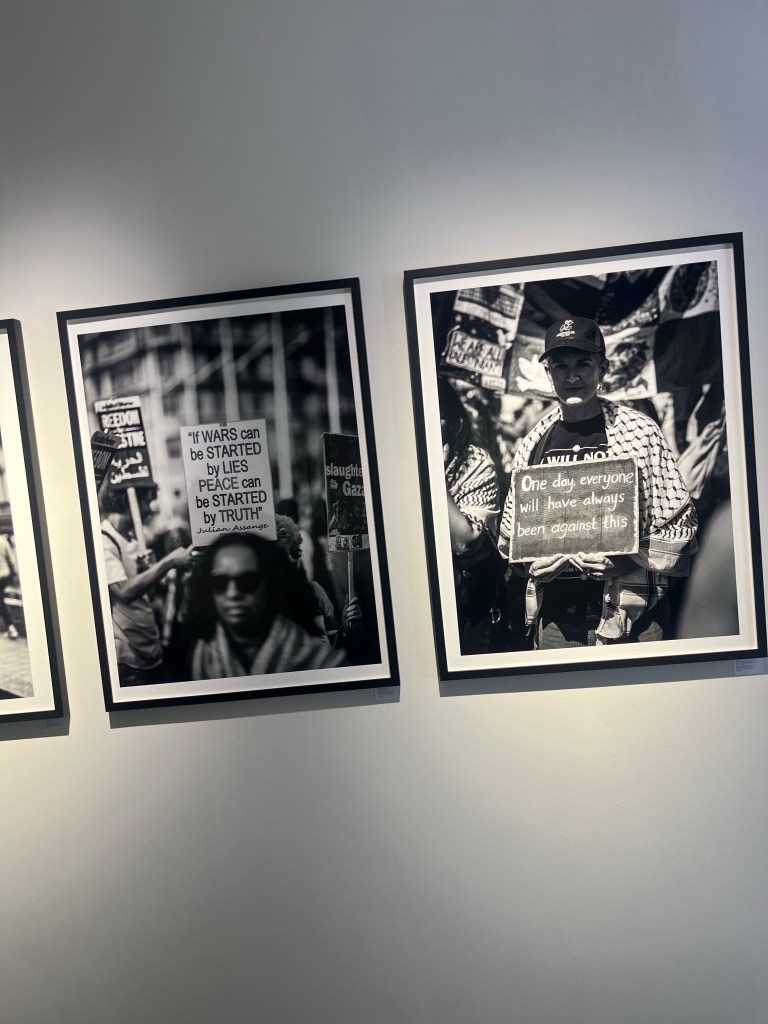
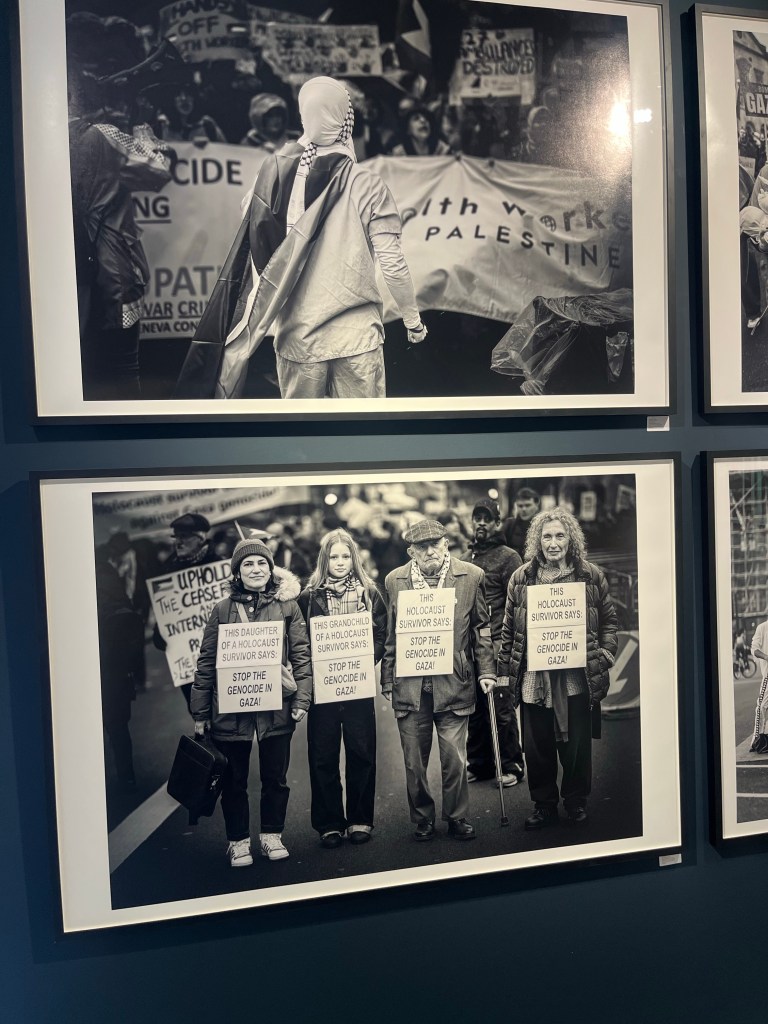
Modern day examples might be seen as the response to Gaza
BUT in countries around the world governments (for example in the U.K.) are legislating against peaceful demonstrations or intimidating demonstrators through arrest (or in India demolishing their homes.)
Our democracy is diminished through these actions. Our rights to challenge and demonstrate are critical parts of an active participative democracy.
Footnote
Let’s be absolutely clear and challenge a blatant untruth here in India.
The demonstrations in the west against the inhuman attacks on Gaza are organised and attended by a great big mix of different people from all communities including Jews and Muslims.