
I’m meandering locally.

These guys will have bought their flowers but you can begin to realise why people scour the area to nick flowers in the morning.
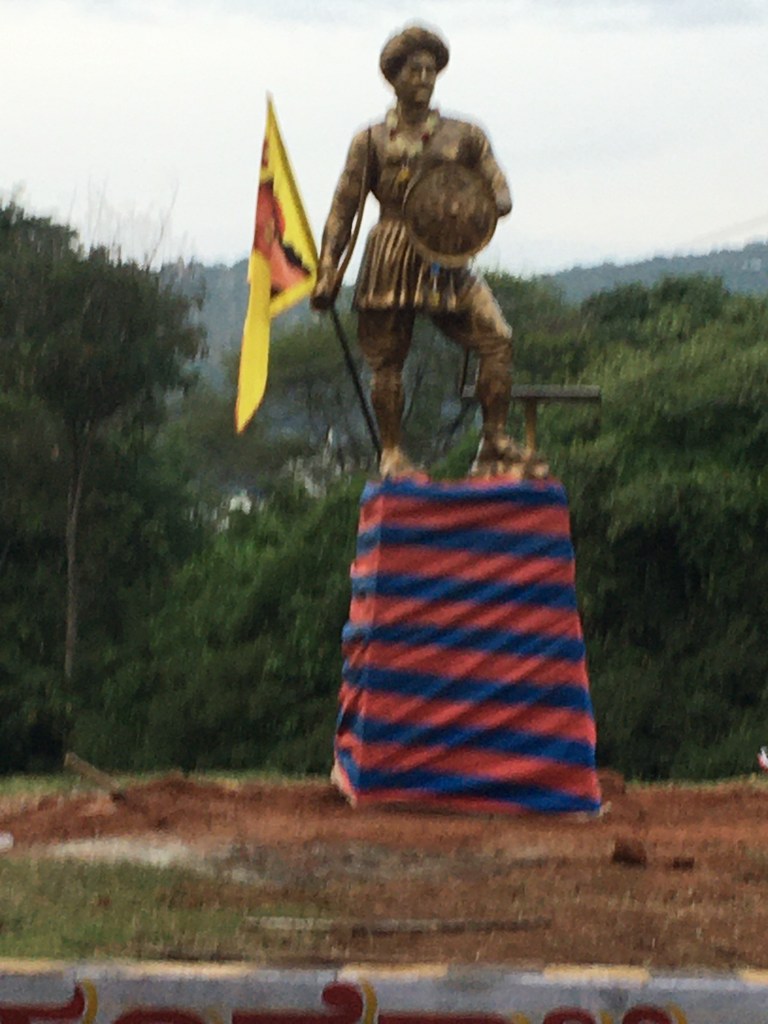
I’m meandering locally.


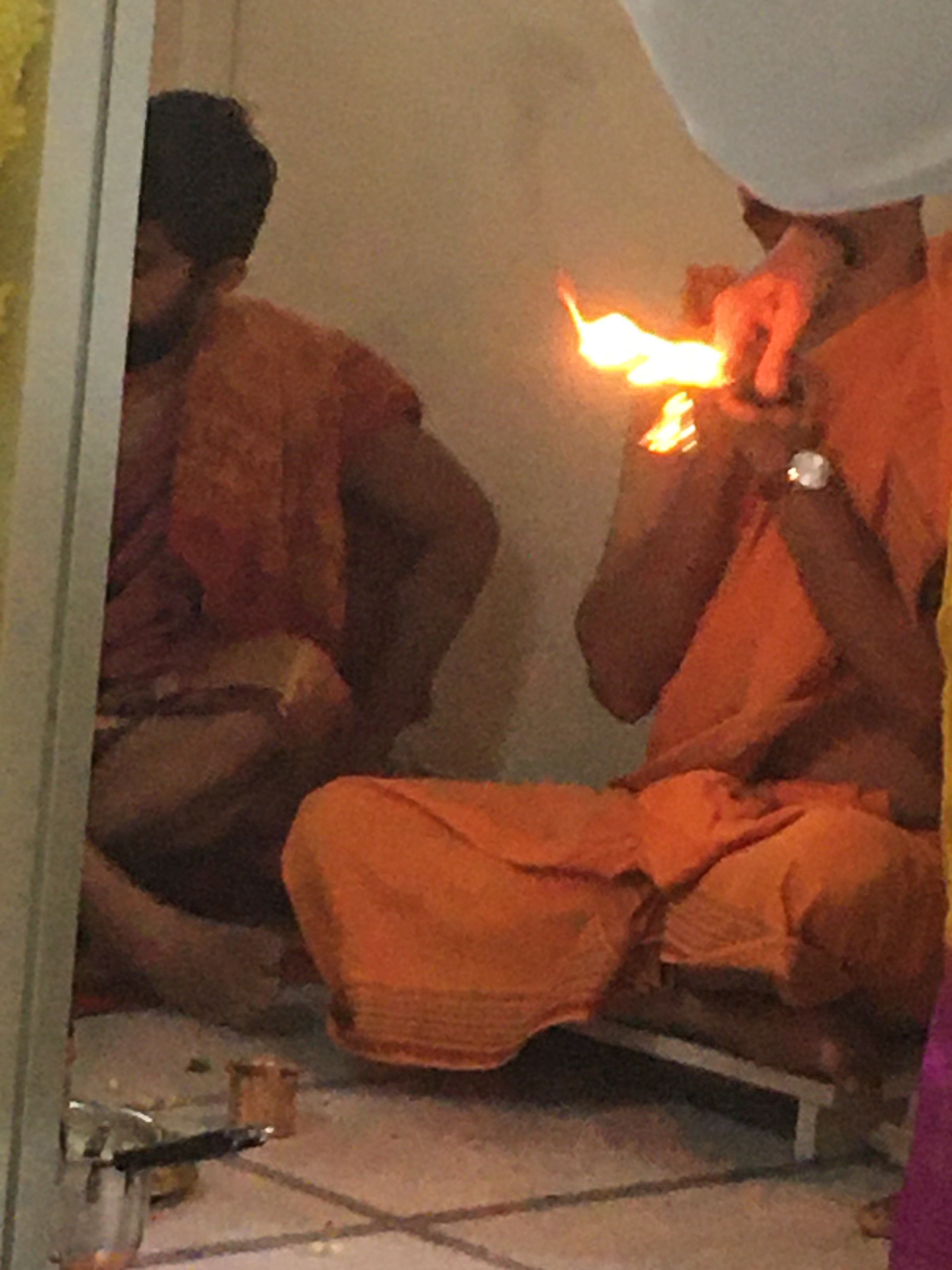


These guys will have bought their flowers but you can begin to realise why people scour the area to nick flowers in the morning.
The old man went to yoga at 6.30 am on Wednesday only to discover start time had shifted to 6.00am
Doh
He went out today, saturday, up early at 5.00 so as not to mess up.
“I’m sitting in the yoga room all on my own, by 6.00 at 6.30 the receptionist comes in to say there no yoga as there’s a curfew. “
Double Doh
Back at home SB has already arrived due to the curfew and reminded me that we’d discussed it yesterday.
I give in, my idiocy evolves to decrepitude.
So why was the gym open?
Life is so confusing.
Mysore’s magic continues to show itself in special ways.


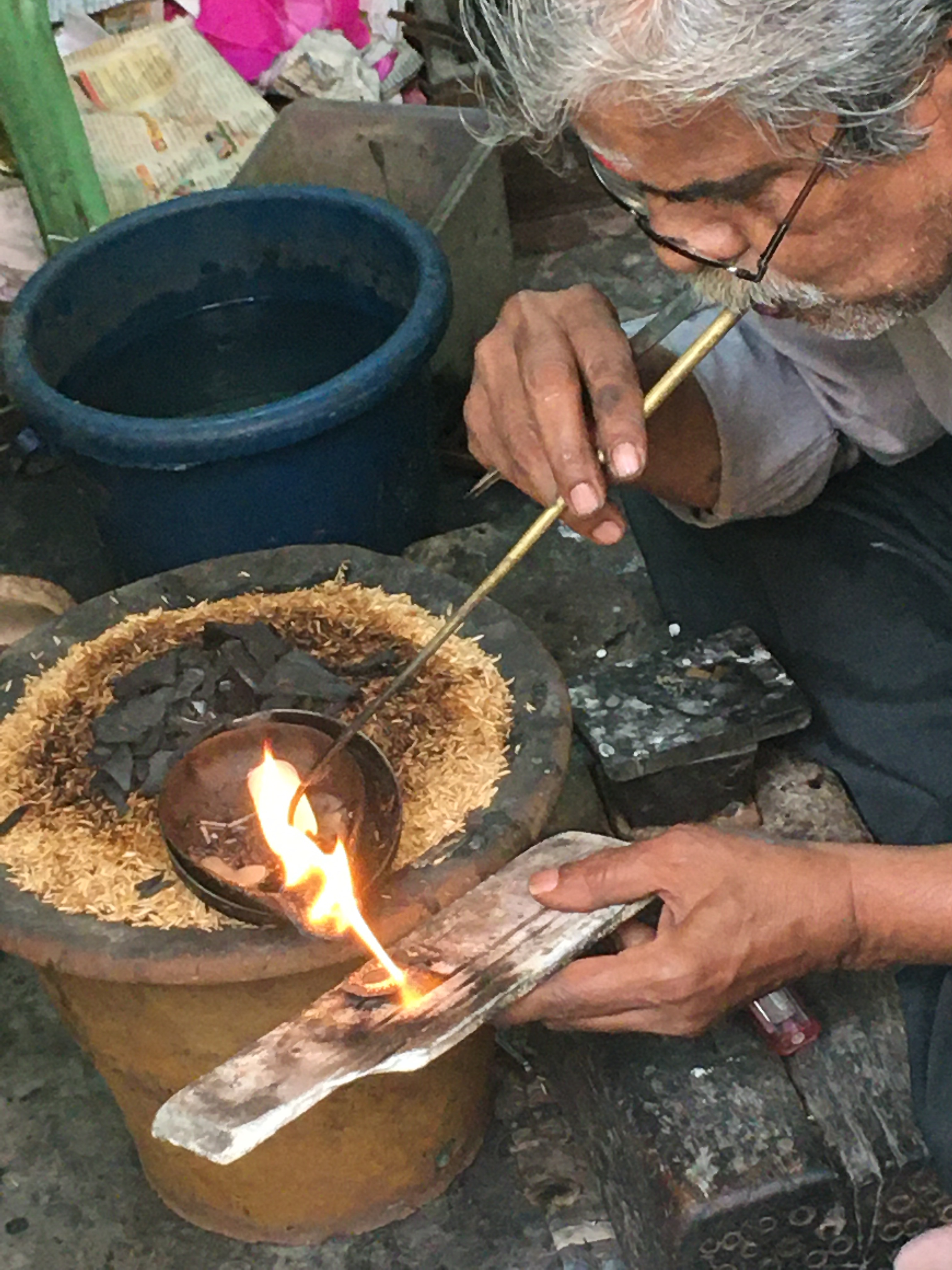

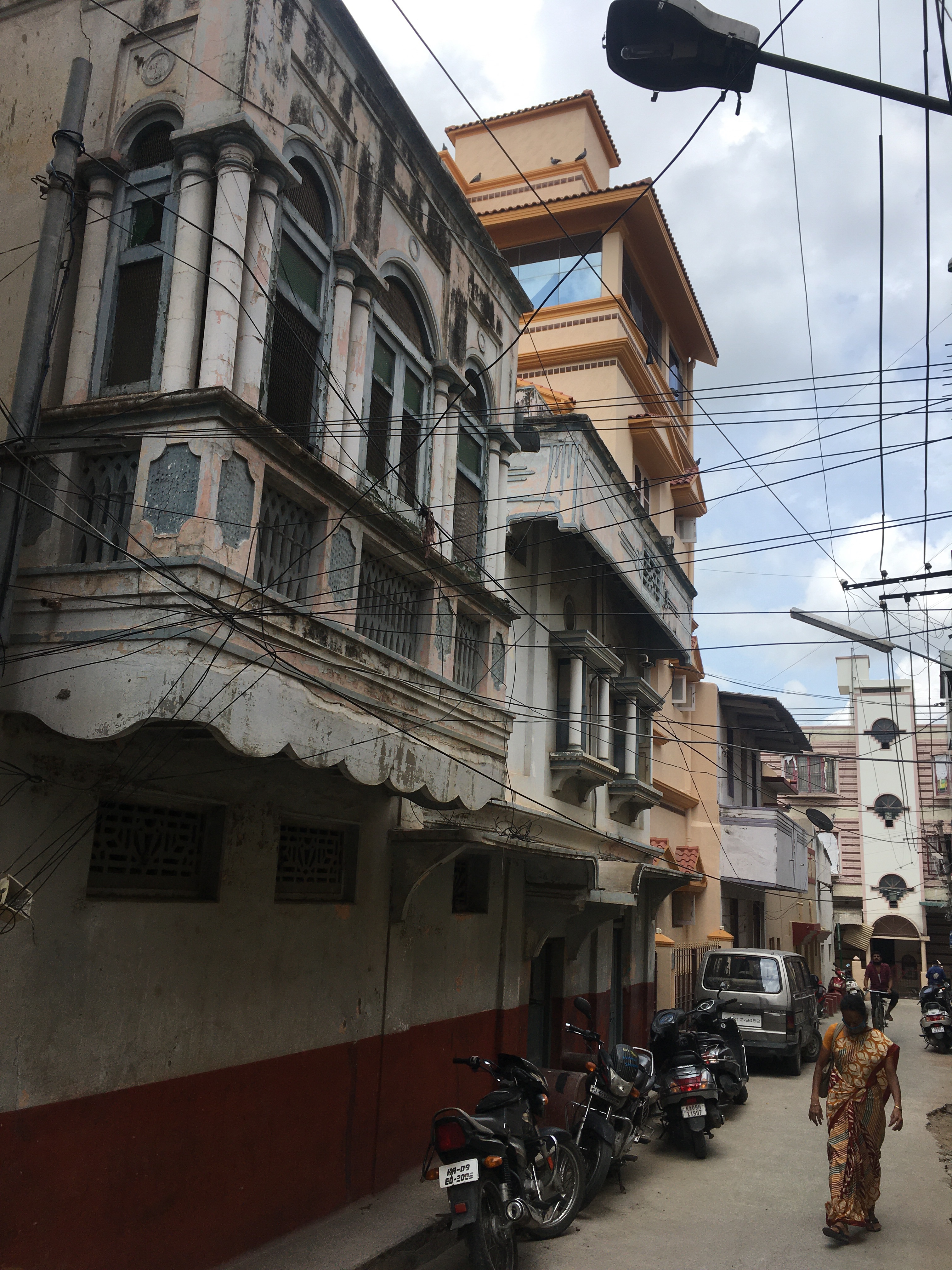
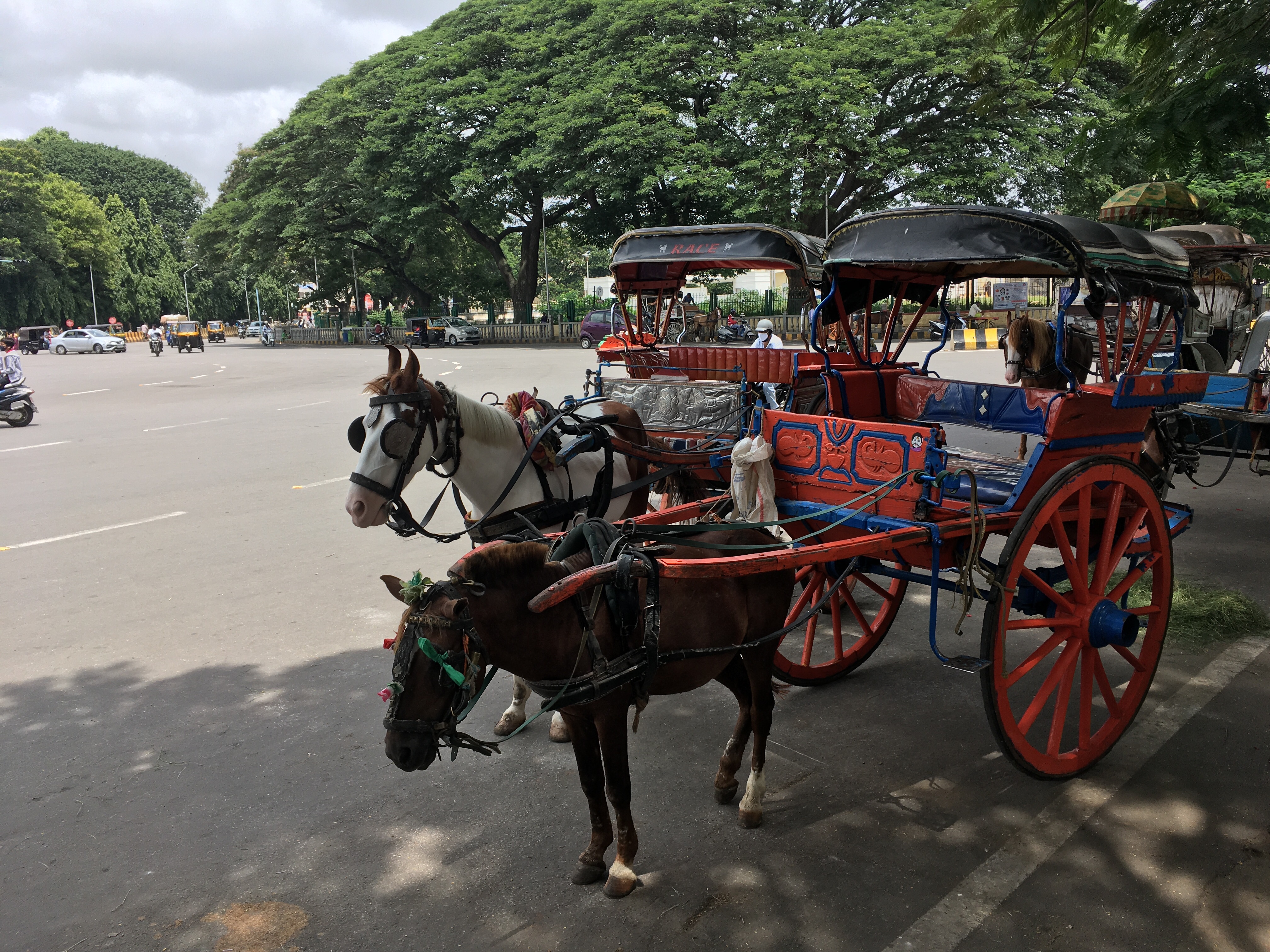
lunch in Indra Paras Hotel where the owners and staff were happy to see me and surprised I’d been in Mysore all this time.
The hotel owner thought I’d put on weight, so I blamed the pandemic and not the cream cakes from Sapa. Might have to hit that on the head though.


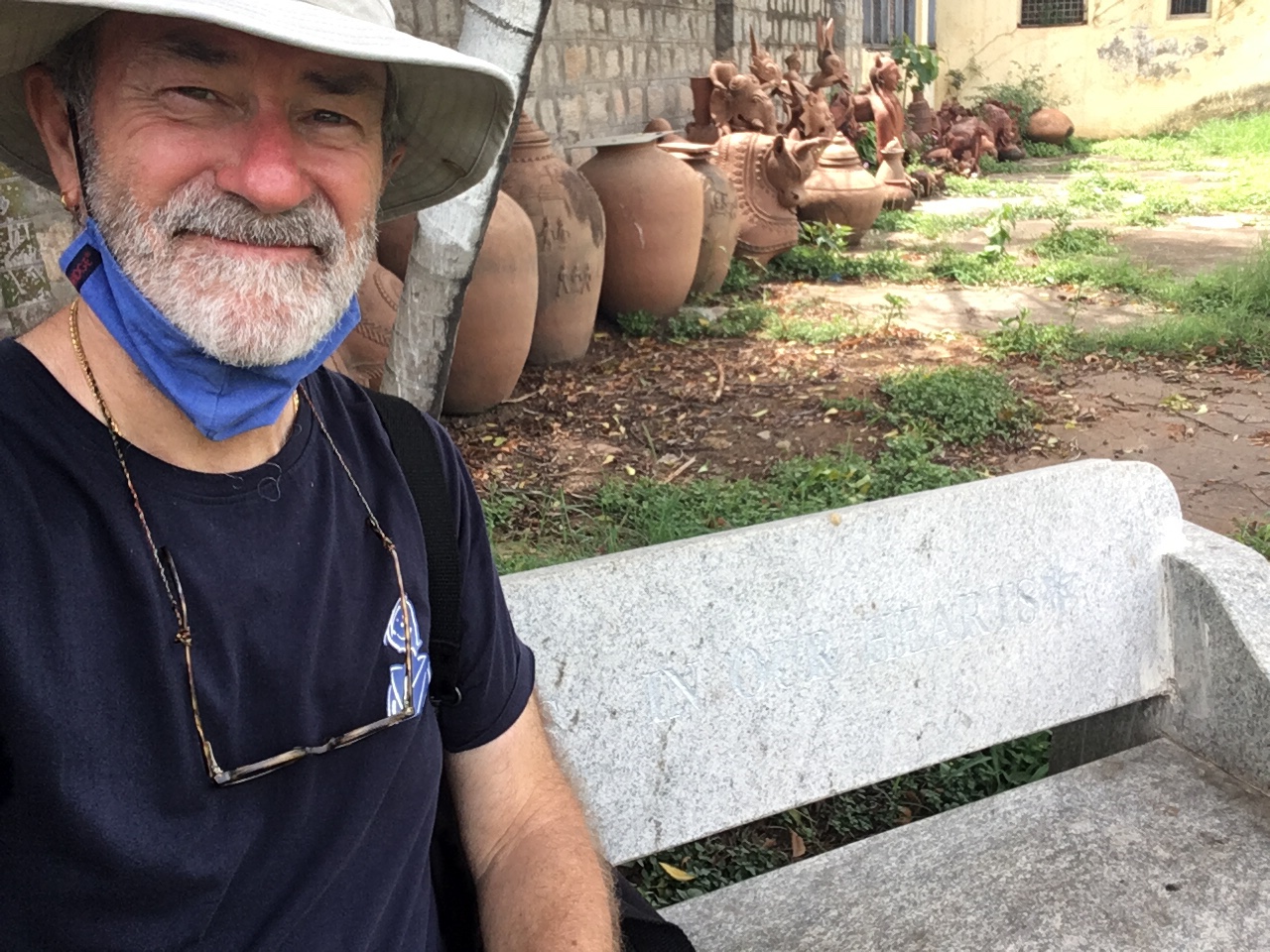
MAnjula’ bench (no 4) at my favourite museum in the old House used by the British after the fourth war of Mysore in 1799. It’s-now complete with sleeping Buddha.
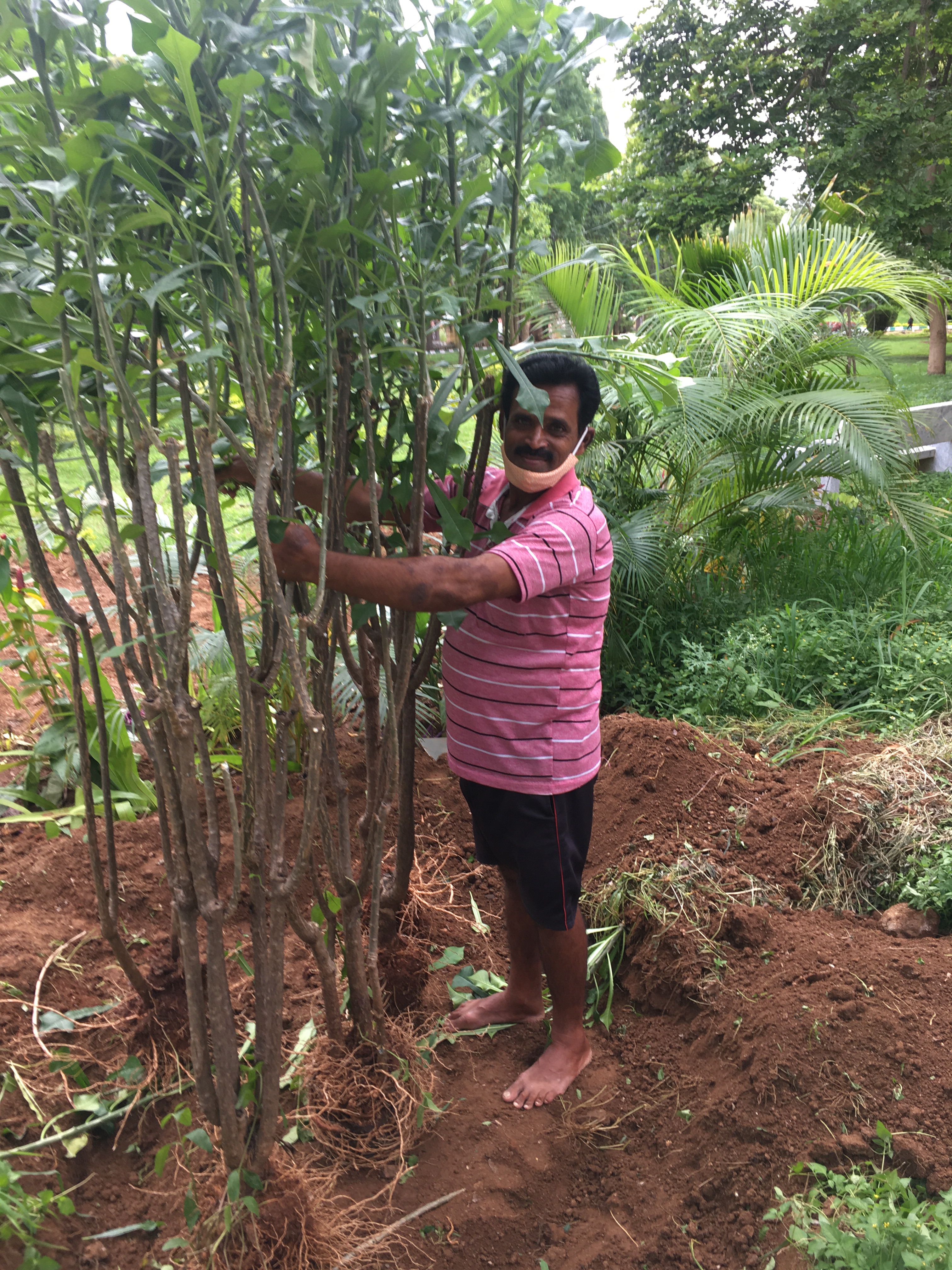
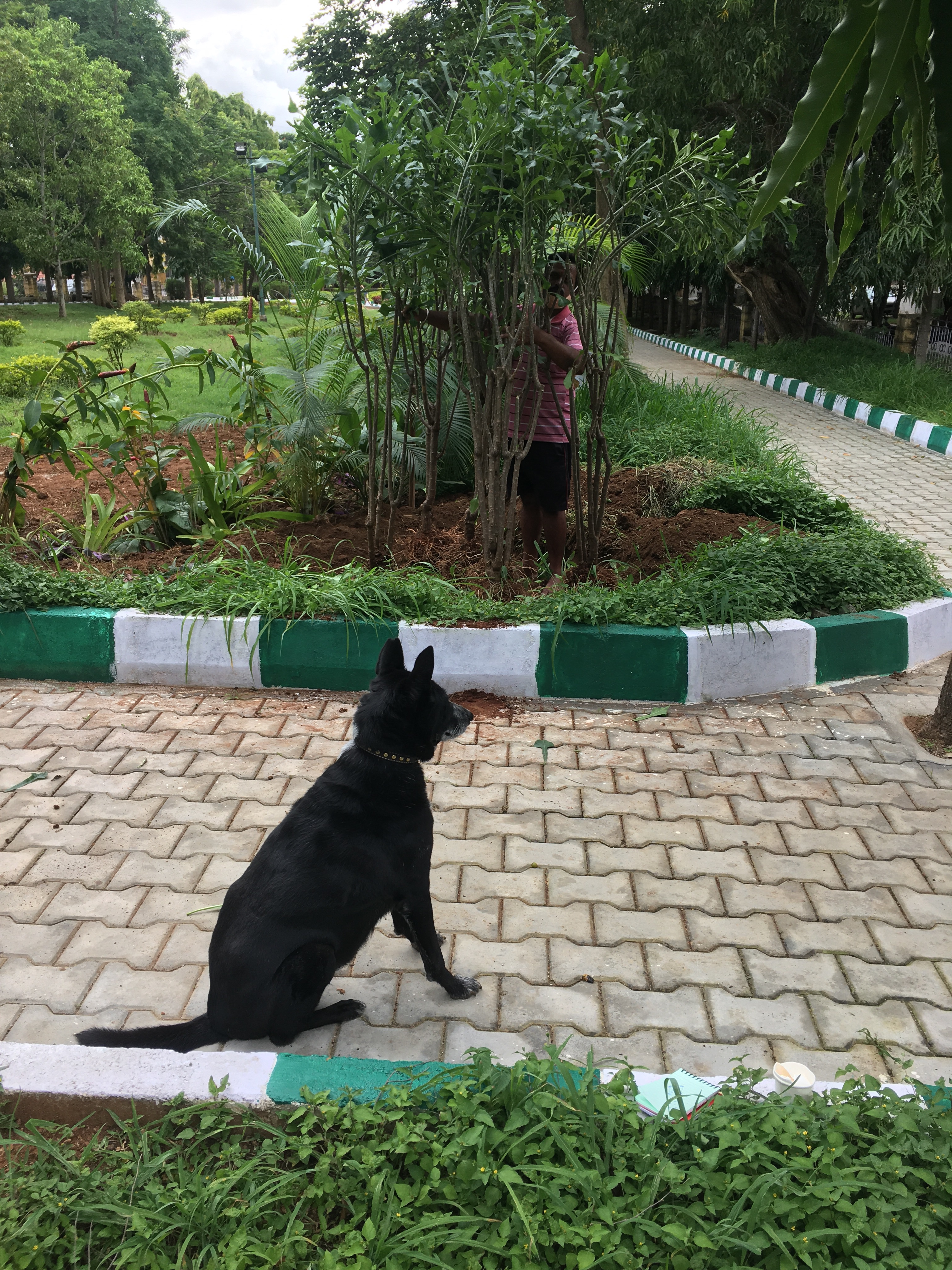
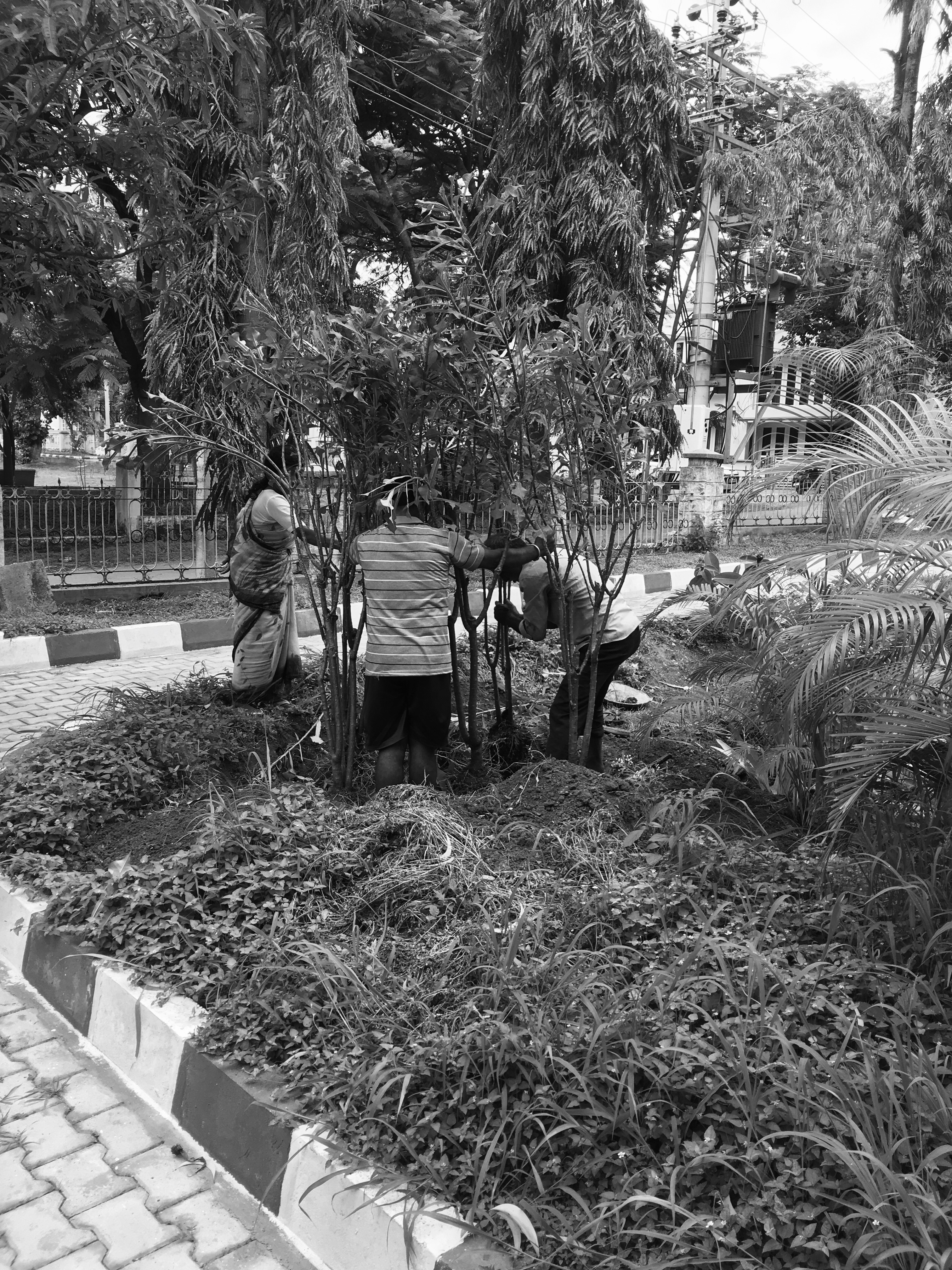
Our local shopkeeper wondered why I was so red, it’s hanging out in the park vaguely directing the garden creation, with very little actual work.
Invented zero?
As usual, nothing is straightforward but I turn again to the wonderful Maria Popova and her illuminating brain pickings.
So was it India?
Plus which great books can you find when following the link, that are available in Manjula’s Library?
I’m now coming to the end of draft three of our story. There’s still a loooong way to go but thought I’d share something.
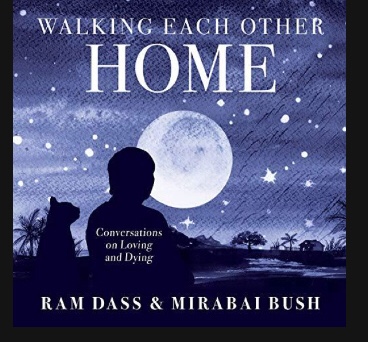
As a Hindu Manjula believed in reincarnation so it’s one area I’ve researched and found incredibly interesting.
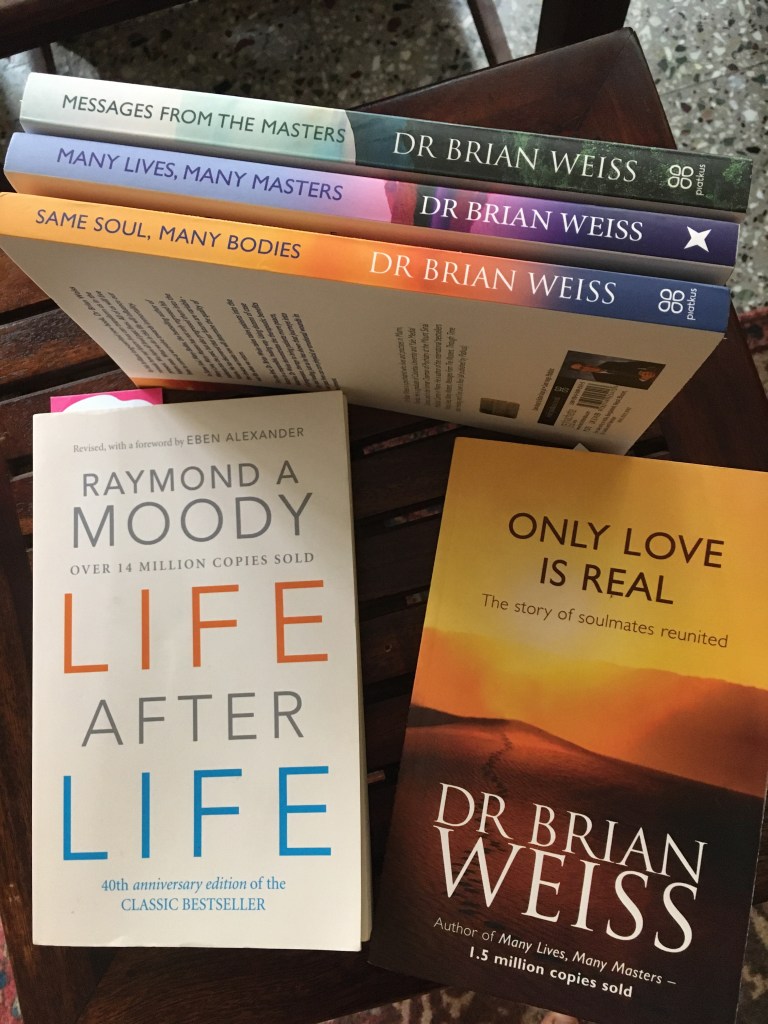
For more details from me you’ll need to wait for the book or in the meantime check some of the resources I’ve listed here. The books are available in Manjula’s library.
There’s a great series on NETFLIX

Or check out this podcast
One of the many effects of finding and temporarily losing Manjula is to push me to reflect, and learn with an open heart. Thanks Manj.
today was a day of contrasts
I’d gone into the city for one of the endless visits to the city corporation (more of that later) then diverted to buy flowers in the Market. These will traditionally float in water in the brass Urli bowl beneath Madam’s photo and garland to go the photos themselves in each of our two halls (aka lounge or living room).

In the city were so many local women in sari’s going about their business, it reminded me of Manjula and how she connected me to so many aspects of life here. It brought a tear to my eye, not that that’s unusual.
I’d passed the iconic Lansdown building that has now been waiting years for a decision of whether they will renovate or demolish and rebuild. There’s no prize for guessing which the politicians in cahoots with the developers would prefer and why.
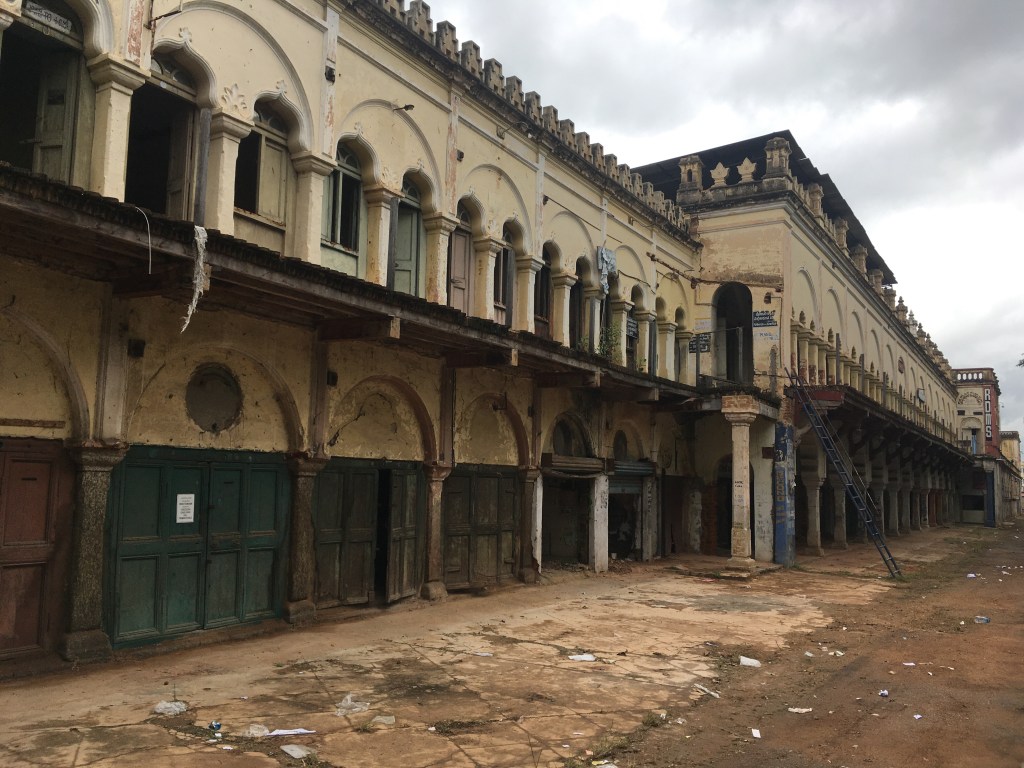
Then the day began to turn.

I went to a favourite ‘hotel’ (aka cafe) the Indra Paras, the owners son, manning the cash desk and the waiters all recognised and acknowledged me, creating a good feeling as I ate my Masala Dosa and Sev Dahi Potato Puri (crispy hollow puri balls, filled with a mix of crunchy, yoghurt, potato and a tinge of sweet) another favourite.
Then I squeezed past the guys selling clothing and material on the pavement and round the corner to the fruit salad, ice cream and traditional juices shop for my regular sarsaparilla and soda. Again the guys at the shop all asked how I’d been and wondered if I’d just come back. No I’ve been at home here in Mysore for two years, gifting me another warm vibe.
Then the usual, trying to find an auto with a working meter, after rejecting one and hanging about aimlessly by the roadside a guy hailed my as his friend stepped out from sharing the front bench seat.
The driver knew me, and Vasanth, and had taken many of our guests back home to the BnB. He’s friend couldn’t quite place me.
“It’s the cycle man”

So I pulled down my mask and he remembered me from nine years before when Vinay and I had started the cycle tours and he knew of our base at the Palace Plaza Hotel.
So a bittersweet mix, of missing Manjula and realising how she critically helped me adjust to my adopted city through re-connecting with people and sharing memories.
Next: More drinks to try are here
Mysore Storytellers Network (MSN)
Making space to share creativity.
find MSN on Facebook or here or instagram

Their latest event on 11th July focussed on the monsoon . The event was wonderfully entertaining with participants from throughout India and a rich mix of contributions from storytellers, musicians, lyricists, singers, poets and polemicists.
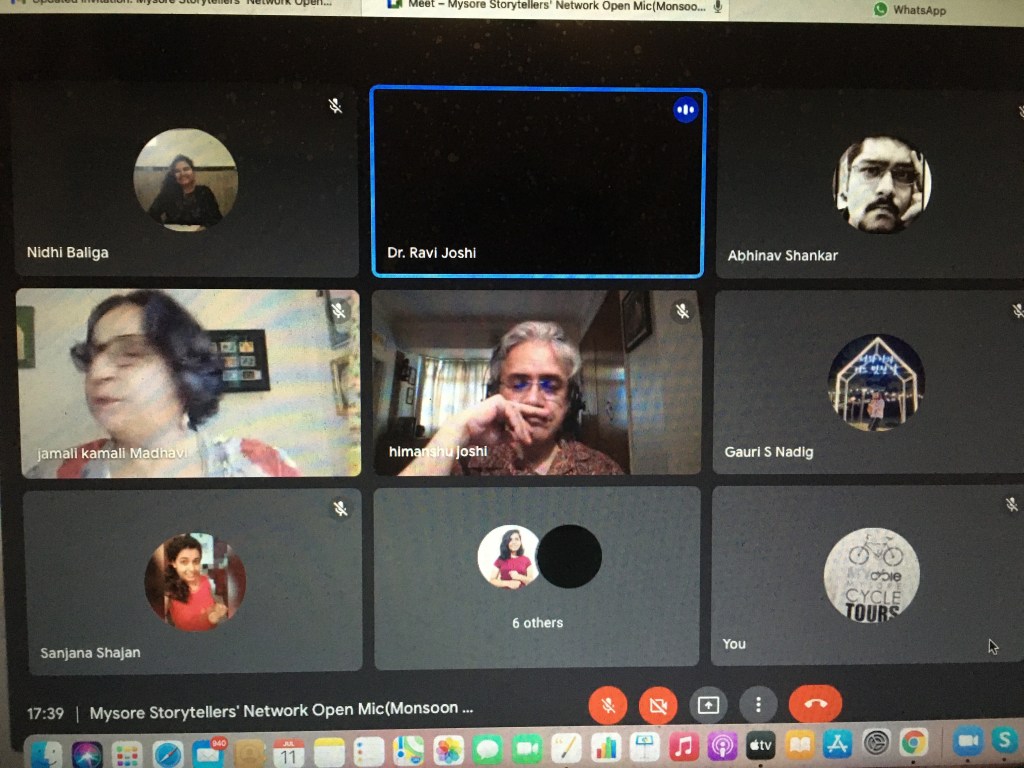
For what it’s worth here’s my contribution.
I have much experience of rain in the ‘land of grey” as I’m from one of the rainiest parts of England, and even though I moved to live in Mysore I still have little experience of the extremes of the monsoon phenomenon. Life is so easy in so many ways in Mysore
This is unapologetically raising broad challenging questions
…
I can feel it at the end of our noses
It’s no poem
A serious story the message is not hidden.
It’s a wake up late at night.
…
I’ve moved to Mysore in India, its my first time out on my Enfield
I’m new to this.
I wonder why are all the two wheelers stopping under the bridges, or the flyovers or the riders finding shelter at the shops?
Because I’m new to this
but realise why, as the rain falls
It is the monsoon, I’ll know better next time.
Did you feel a spot of rain?
We got our brollies out and opened them just in time
We knew it was the monsoon.
We had torrential rain for weeks
…..
The rains have broken the roads
no one expected the monsoon
the construction site sand has run away after a heavy shower
and escaped down the road blocking the drains
no one expected the monsoon
water seeps into the tarmac cracks and pushes them open
no one expected the monsoon
…..
fires devastated the forests in Australia and California
we didn’t expect that
the heatwave killed people in USA and Canada
we didn’t expect that either
..
Had anyone expected that
or does no one care
We stumble through life being uncertain about what will happen and
how to deal with the challenges we face.
its part of life and how we learn
we hear whispers,
our gut sends messages
its in the papers,
the UN discusses
but do we listen and if we do
can we act?
We knew all about the monsoon, the fires, the heatwave, the pandemic, wave one two and three, so why didn’t we act?
Were we Breathing Lethargy Air?
or
Following the submissive path? Who knows?
Check them out nd join in, as there’s all sorts of different events like celebrating art.

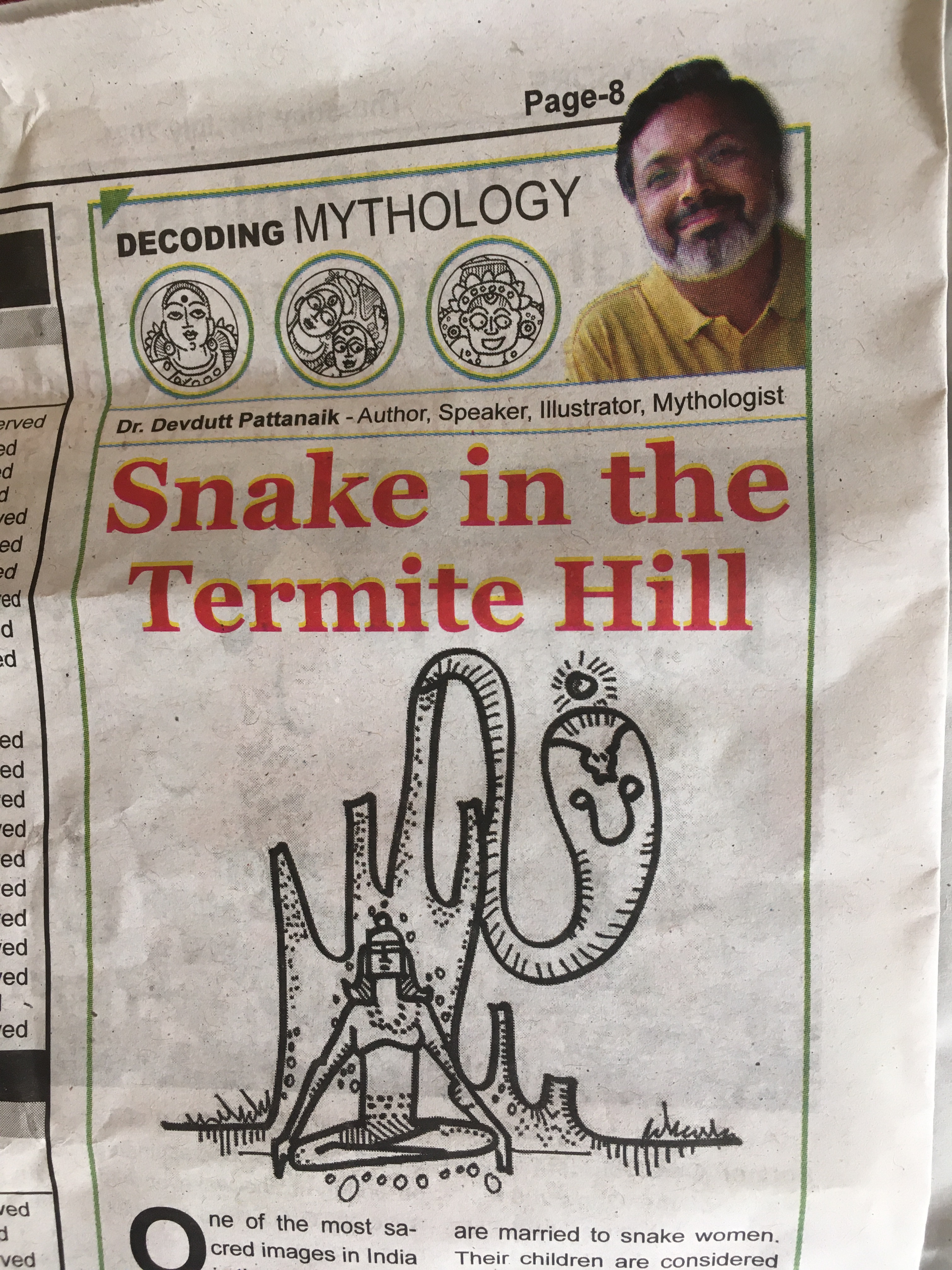
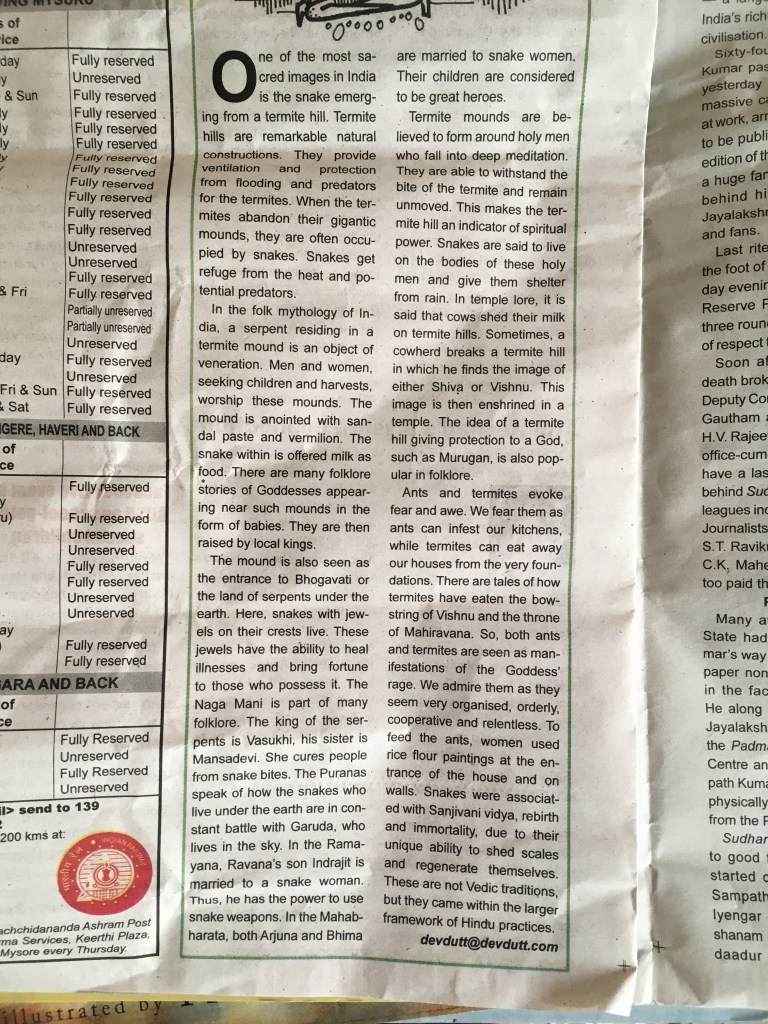
On our MYcycle tour of srirangapatnam guests are intrigued by the termite hills converted into desirable ac accommodation.
There’s always signs of Pooja around the main hill we pass near the site of the fourth war of mysore.
This column from the ‘Star of Mysore’ explains more

How our loves reveal who we are, an illustrated serenade to aliveness and seeing the world with newborn eyes, and a great forgotten love story
“Attention is the rarest and purest form of generosity,” the great French philosopher Simone Weil wrote shortly before her untimely death. An epoch after her, Mary Oliver eulogized the love of her life with the observation that “attention without feeling… is only a report.” Looking back on centuries of love poems by people of genius who dared to love beyond the cultural narrows of their time, the poet J.D. McClatchy observed that “love is the quality of attention we pay to things.”
Because our attention shapes our entire experience of the world — this, after all, is the foundation of all Eastern traditions of mindfulness, which train the attention in order to anneal our quality of presence — the objects of our attention end up, in a subtle but profound way, shaping who we are.
Because there is hardly a condition of consciousness that focuses the attention more sharply and totally upon its object than love, what and whom we love is the ultimate revelation of what and who we are.
That is what the great Spanish philosopher José Ortega y Gasset(May 9, 1883–October 18, 1955) explores in a series of essays originally written for the Madrid newspaper El Sol and posthumously published in English as On Love: Aspects of a Single Theme (public library) — a singular culmination of Ortega’s philosophic investigation of Western culture’s blind spots, biases, and touching self-delusions about love, that is, about who and what we are.

Manjula and I discovered this charity, that Kris set up, at WOMAD music festival, feeling one’s breast and checking for lumps wasn’t something she’d ever heard about.
To be truthful I was to discover that basic knowledge about healthy lifestyles and prevention was and is quite limited especially amongst the poorer communities.
I’ve just recalled a great example of this from one of Manjula’s tales l’ll include it in our story due out next year.

The sticker, all those years later is still at our front door for visitors to read.

