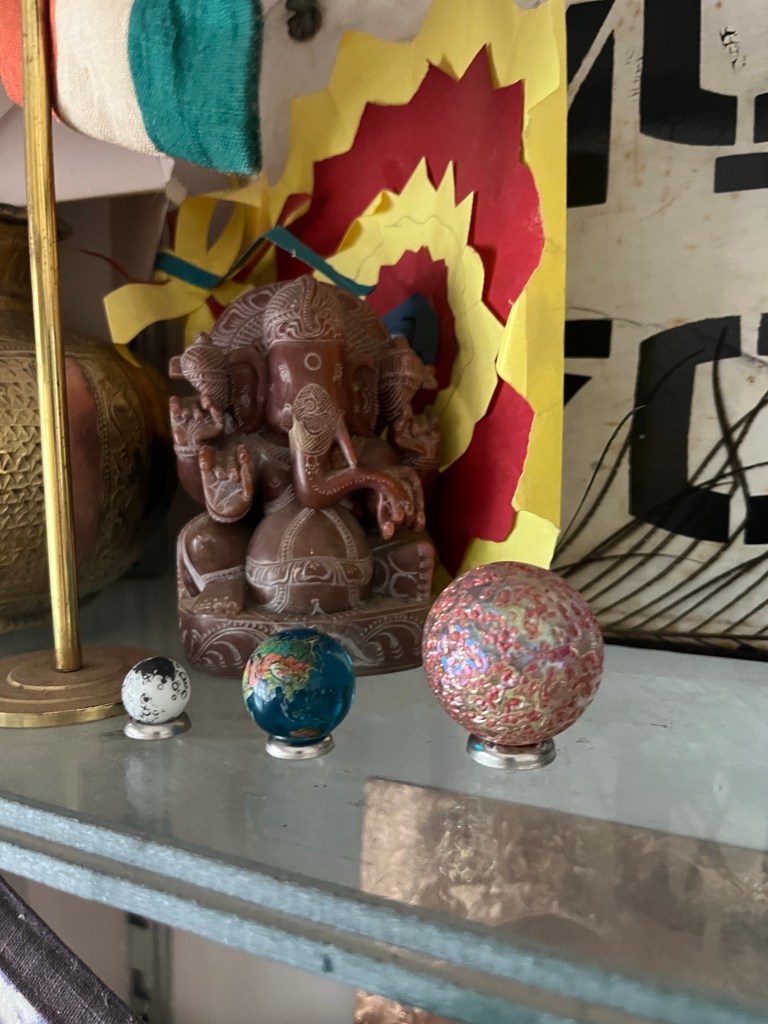
Ganesh, originally bought from the stone carvers in Tamil Nadu with representations of — (from the left) the moon, earth and sun.
I’ve adapted one of his key stories to share with Kaveri and Radhika.
It traditionally goes like this …
Ganesh and his brother have a race round the world to prove who’s fastest.
If we were asked to predict who would win we’d think his brother, as Ganesh aka Ganpati isn’t lithe and doesn’t look fit. Plus .. He eats a lot!
His brother is shocked to find Ganesh already there when he breathlessly reaches the finishing line.
It turns out Ganesh raced around his world (his parents) and his brother raced around the whole world (planet earth).
My addition.
There’s no right or wrong here, both raced around important worlds. Fact is — we occupy many worlds— at school, where we live, amongst our friends, work. It’s important for us to realise these different worlds — an understanding of which — helps us realise how people see things differently.
Only then … can we — Be Kind— (a regular message to Kaveri), as that depends on us understanding how each person sees things. No point ‘being kind’ in ways that ‘the other’ person doesn’t value or recognise.
Manjula’s Library
Factoid !?
Kartikeya ), also known as Skanda, Subrahmanya, Shanmukha and Murugan, is the Hindu god of war. He is generally described as the son of the deities Shiva and Parvati and the brother of Ganesha.
Lifted off the t’internet
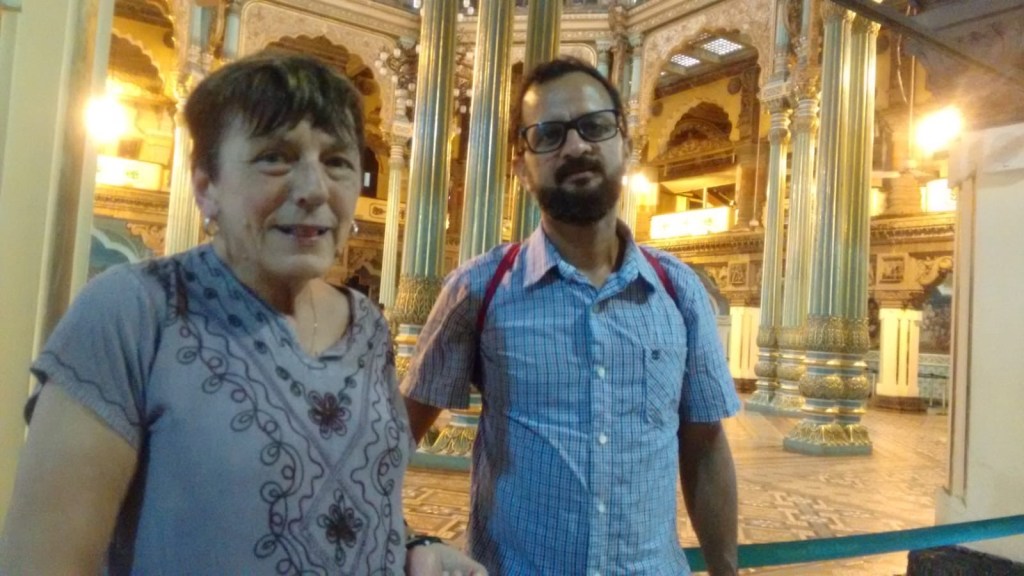
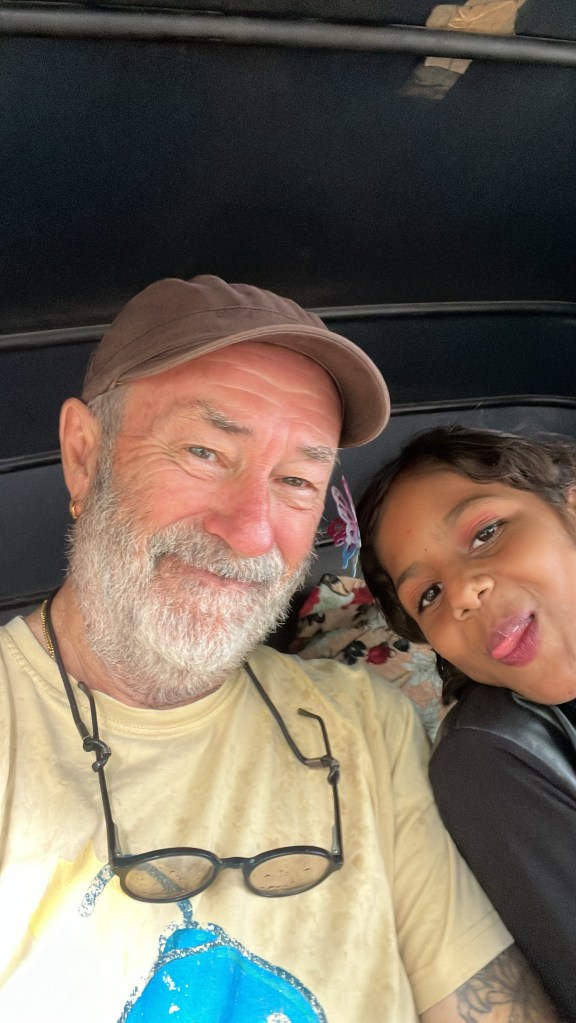
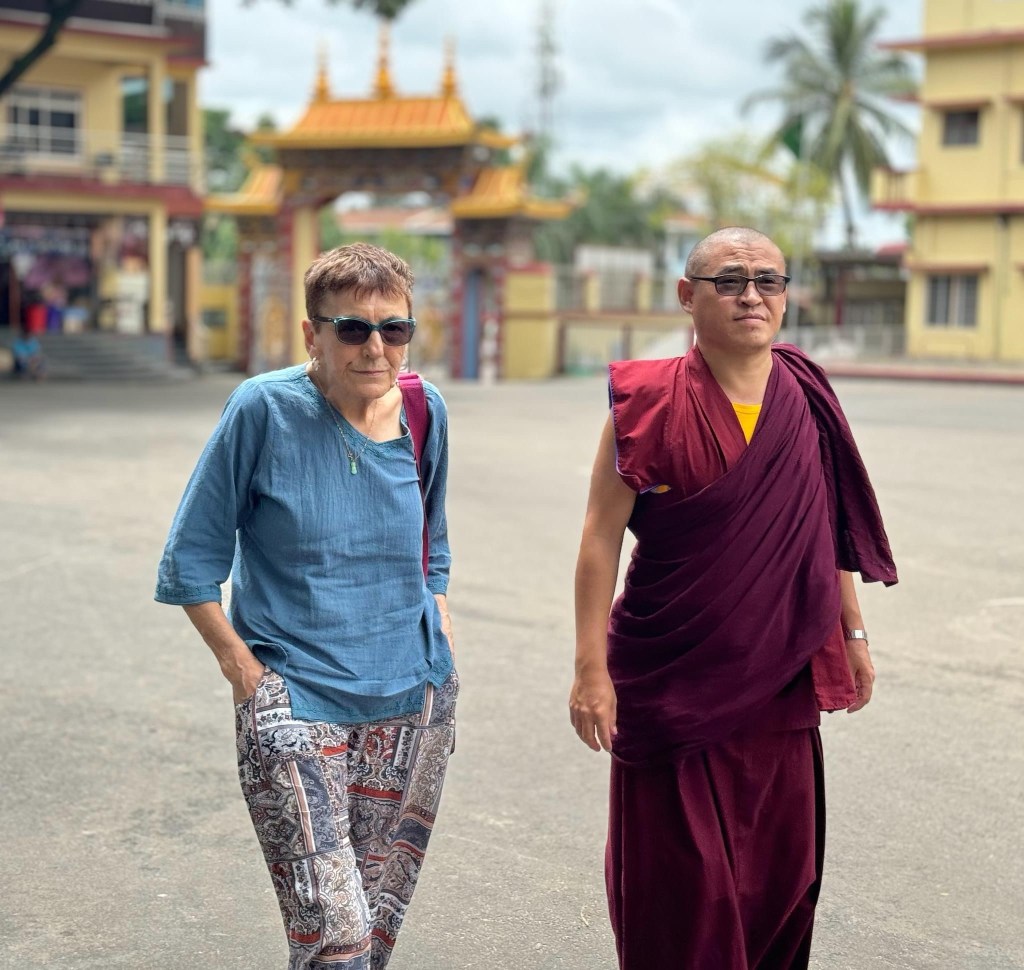
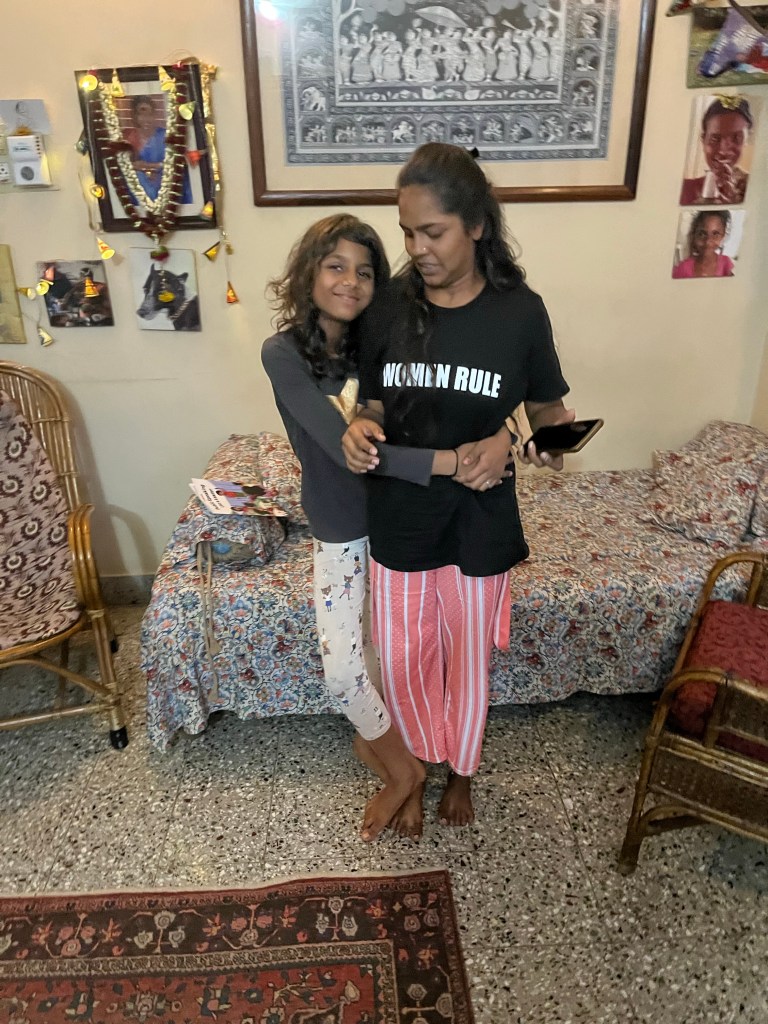
All images are in Mysore Bed and Breakfast but non of his brother as he’s still racing around the world.
Help girls (and boys) prepare for adult life by introducing yourself and sharing your insights.
Manjula’s Mysore is inviting its guests and members of its monthly meeting: ‘reflective space’ to create a short Introductory video — talking to camera — to reveal what’s possible.
I often use the story of Ganesh and his brother racing each other to reveal to young people that we live in many different worlds — with our immediate family, at home, with friends, at work, our extended family, while travelling.
It’s important to recognise and value difference reflected in those different worlds. That helps us to realise what wide variety of opportunities exist for us.
Many young people don’t understand how different their lives could be.
If we know more, we’re more enlightened and can better choose the life we wish to have, and find what suits us best.
Breaking the crate.
It might mean challenging the status quo and breaking away from what’s traditionally expected of us.
Sharing examples gives others strength.
This idea came from how much Kaveri learned about other people’s worlds by meeting guests of all ages — from India and around the world—- at Mysore Bed and Breakfast.
I hope this helps broaden her horizons and seize opportunities
Manjula realised — that even with a limited education, from a poor background having experienced so many difficult challenges throughout her life — she could create a wonderful home, share it with people from around the world, become a company director, manage our business and teach a Firangi a thing or two!! (Many things actually)
I’ve tried to help people become active participants in the decisions affecting them throughout my life.
I’ve worked to develop and improve their organisations as facilitator and manager since the early 80s.
Initially this was in NGOs and government but later in my career i was guide: consultant and trainer working with MNCs (multi-national companies) and by developing partnerships.
Occasionally, here I’ll post opinion pieces and insights from my experiences. These are for anyone but particularly young people and especially members of our reflective space group here in Mysore.
With dancing elephants we introduced an award scheme. Years later we found an incredible coincidence.
Sometimes things were meant to be.
….
Manjula’s Library
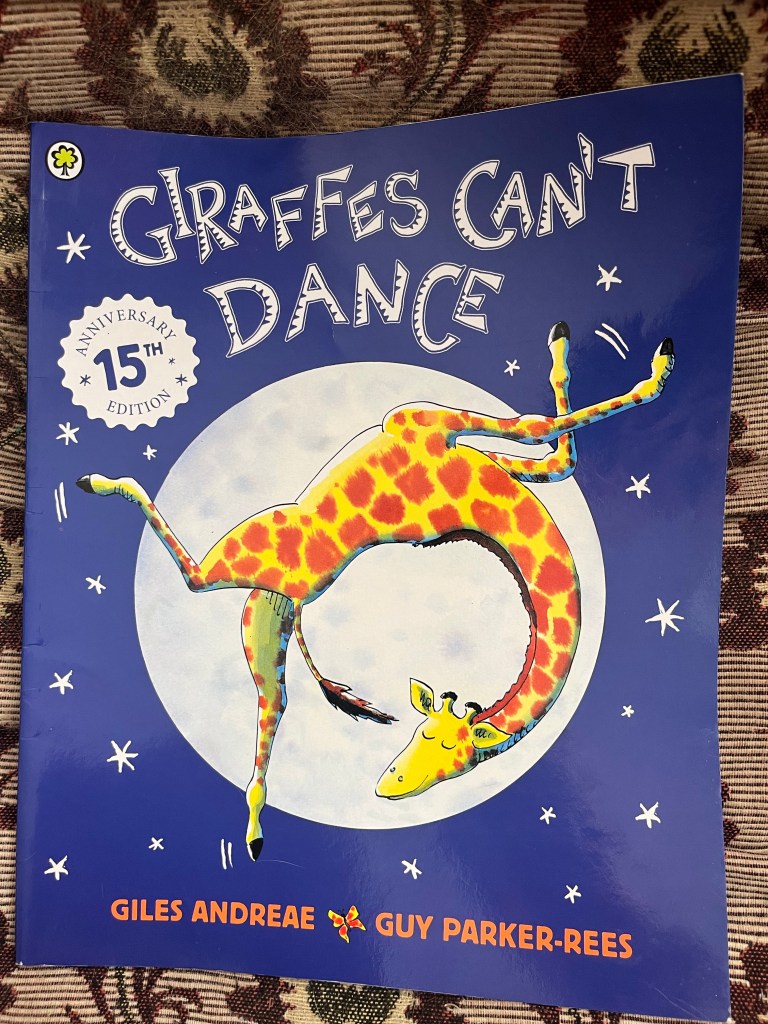
There’s a great range of books including those on learning, management, history, philosophy and education in Manjula’s library at our house aka Mysore Bed and Breakfast. My favourites are the children’s picture books which are of course for all ages!
….
My MPhil was a research degree in Critical Management undertaken at Lancaster University in the 1990s
In my studies and practice, I focused on human behaviour in different contexts. When I reached my 60s, I realised I’ll never understand human behaviour 🤪
I’ve helped develop hundreds of projects over the years. As a facilitator no one probably associates them with me.
It reminded me of when I was reorganising a government department in the 1990s
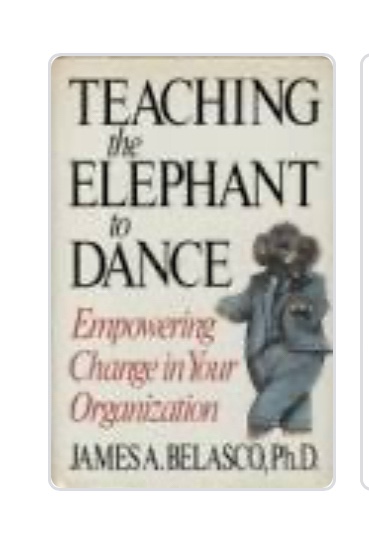
All the staff were asked to attend one of my interactive workshops called ‘teaching the elephant to dance.’
This was based on how a circus would tame elephants. The elephant would be chained to a stake so it couldn’t move away.
Later the chain would be removed but due to ‘learned behaviour’ the elephant wouldn’t move away, as if the chain was still there.
Of course, I’m not condoning this treatment of elephants but it’s a useful analogy.
In organisations we develop a narrow ‘world view’ and institutional way of doing things. This can stop us being innovative, creative and lead to insensitivity . Which means we are less likely to learn and adapt.
Both collectively and individually we’re like the elephant that doesn’t move away from the stake, yet we’re not physically restrained.
I’d read this book…
Forty years ago it was very exciting time as we created an organisation to better serve disabled people.
That perspective is also appropriate for today.
We can liberate ourselves from our own narrow perspectives and unhelpful traditions.
Another example of our wonderful guests, that become friends and how our chosen family now spans the world.
How lucky are we?
Here’s this weeks Facebook posting from them. ….
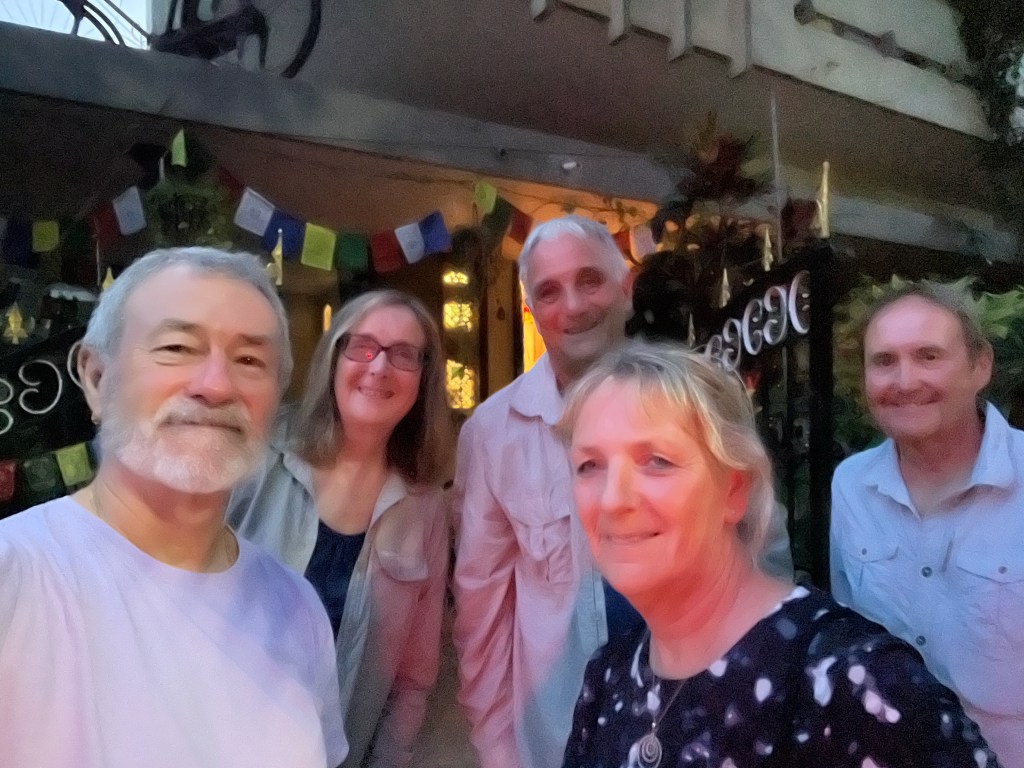
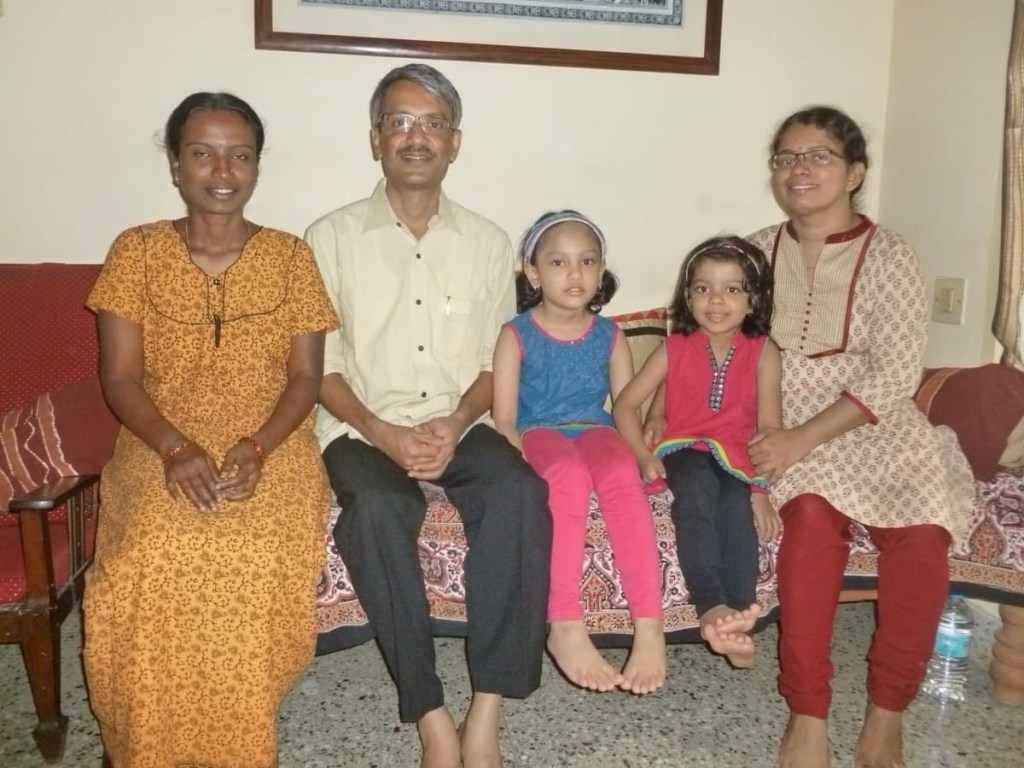
Ten years ago when we planned a visit to Mysore with children for the first time, we wanted to give them a unique experience. After lots of googling we chose an english man Stephen Farrell’s , Mysore Bed and Breakfast. It was a home away from home where travellers from different part of the world prefered to stay during their Mysore visit.
Stephen shares his home with guests and offer complimentary home cooked tasty breakfast. All the guests share the same table conversing with each other during breakfast.
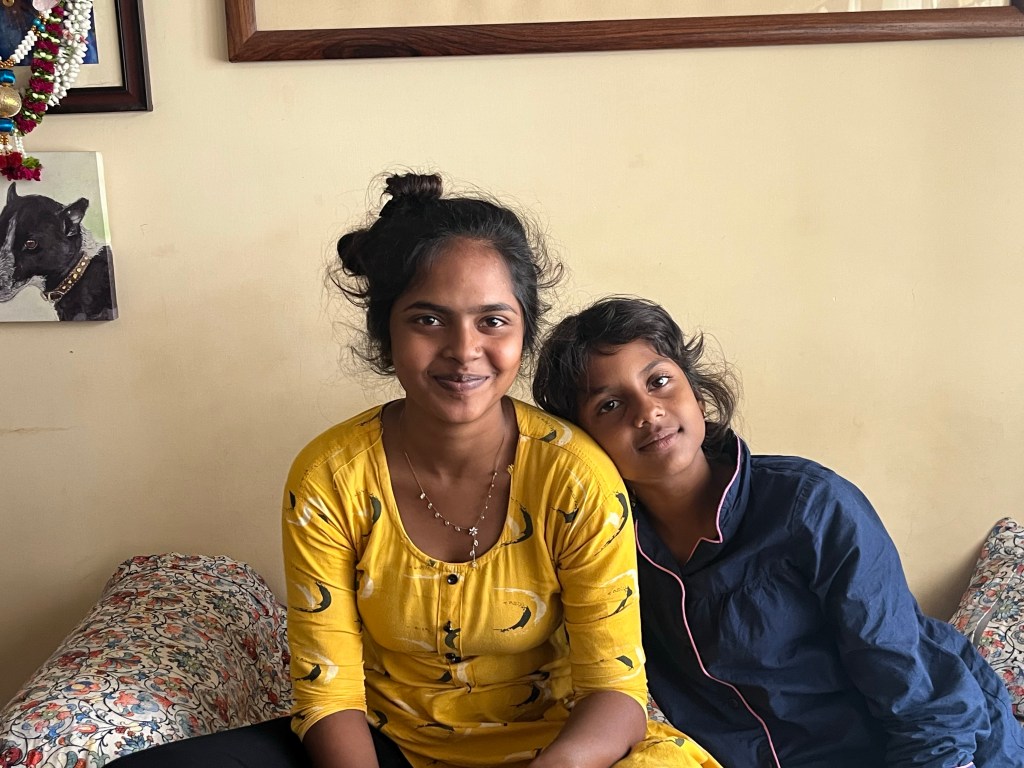
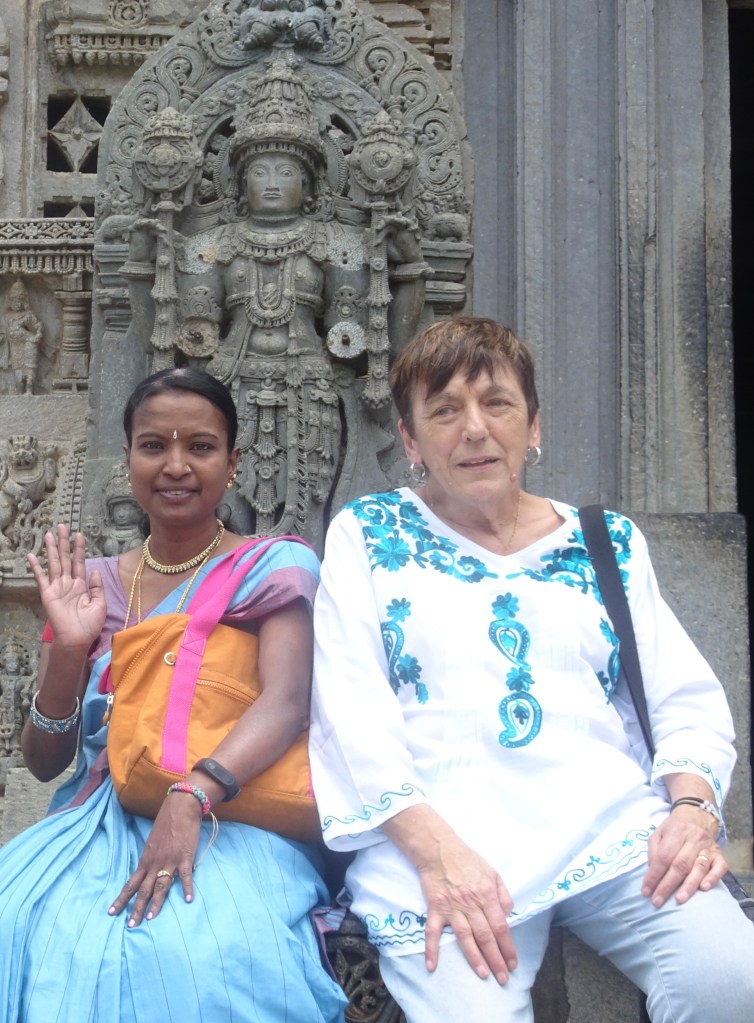
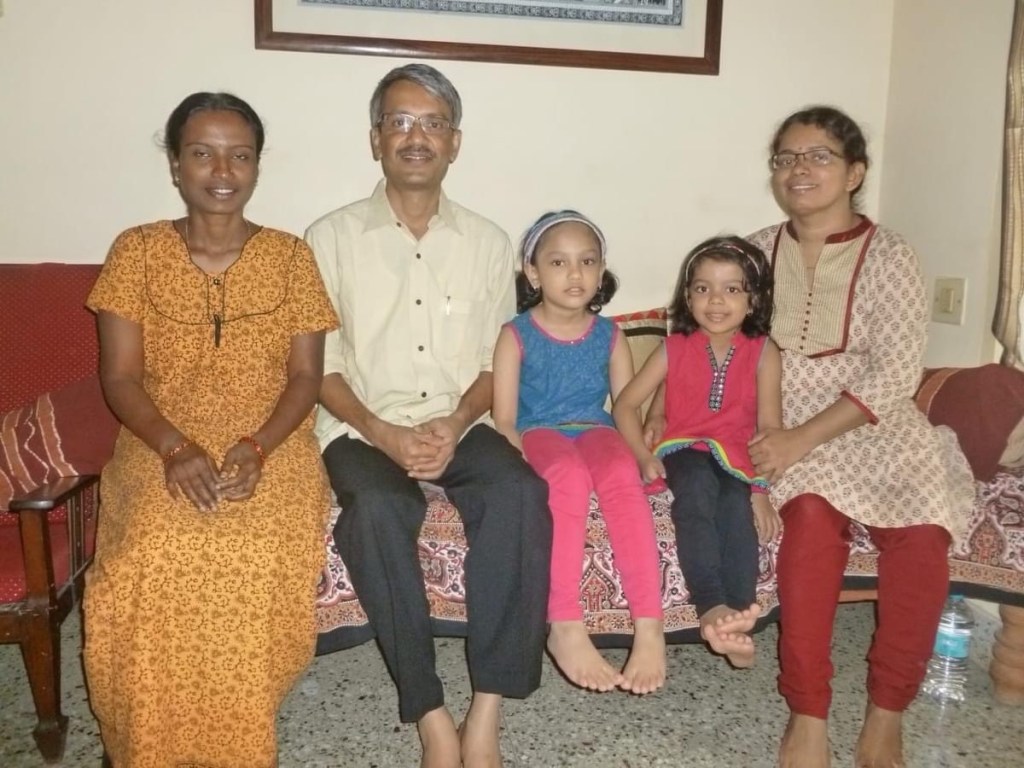
Warm hospitality shown by Stephen, Manjula and their lovely Lucy remained as fond memory with us, especially with Dhrithi n Diya.
We were in touch with Stephen through Facebook and we knew what’s happening in his life. He married Manjula but unfortunately their time together after marriage was only for short duration due to untimely demise of Manjula. Stephen gave a beautiful experience to Manjula during her life time. He traveled with her to different tourist destinations, took her to his home country twice, Introduced her to his family and friends. He loved her unconditionally, gave best treatment possible and tried to fulfill her dreams. The days spent with Stephen might be the happiest moment in Manjulas life.
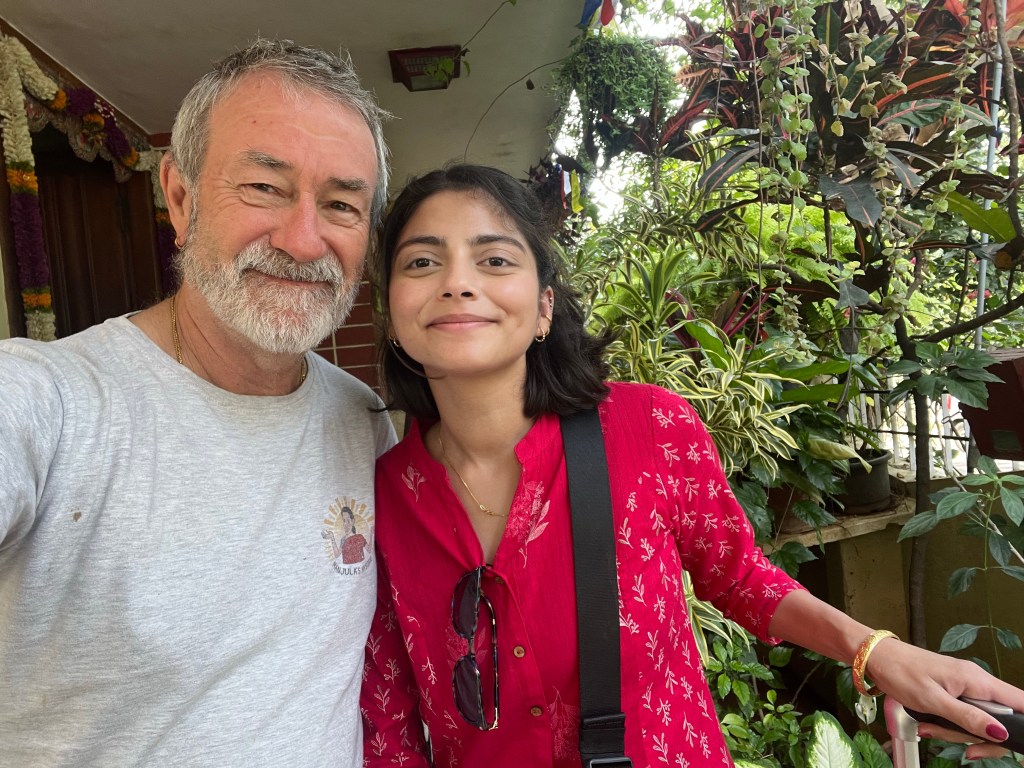
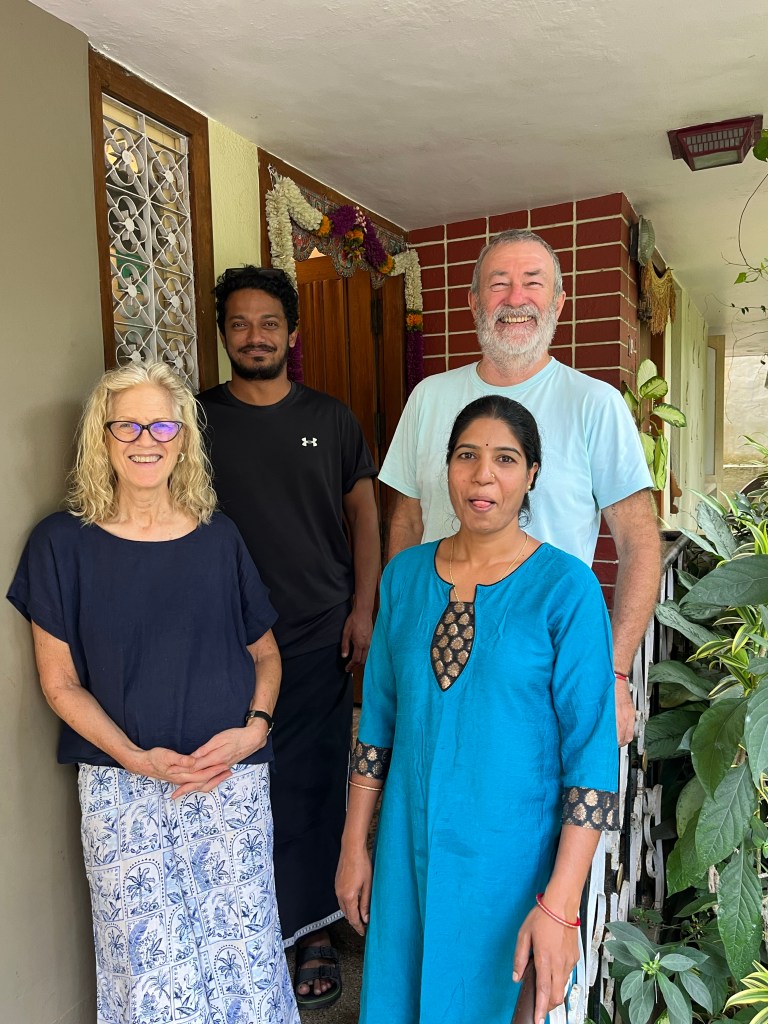
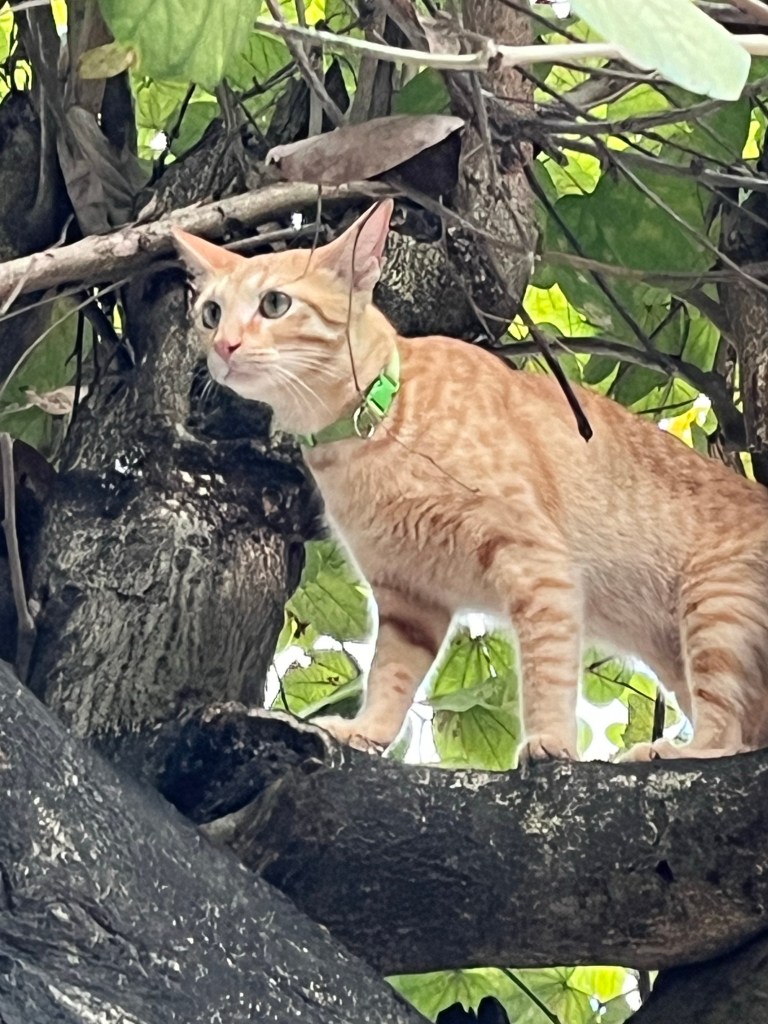
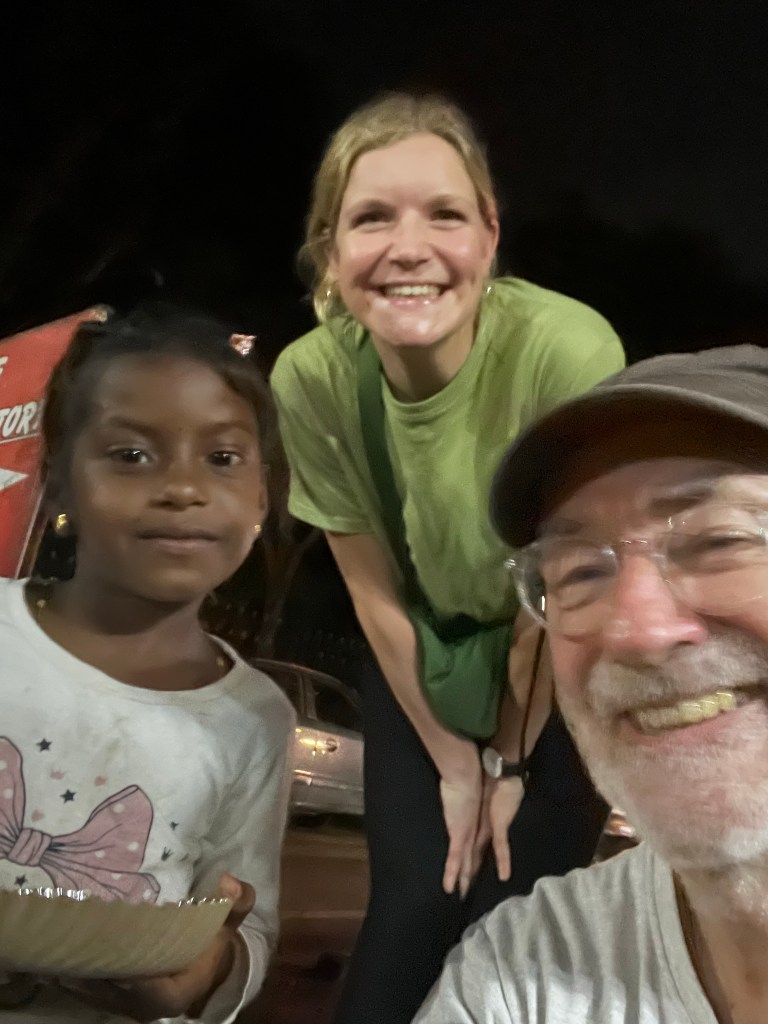
Few days ago, i. e. After ten years we got the opportunity to visit Mysore again with daughters. Dasara Celebration was just over but vibe was still there. Dhrithi Diya didn’t show any interest in seeing palace, decorations, exhibition or lightings. Instead they wanted to meet Stephen at his place. We were meeting him after ten years but surprisingly we didn’t feel the time gap and the connection was instant. He interacted and narrated stories with same enthusiasm, Lucy was as lovely as she was before. Beadu cat is the new addition to the family. Even we could feel the presence of Manjula in every room every corner of that house. Stephen manages public garden in front of the house in her memory. Stephens eternal love towards Manjula is incomparable.
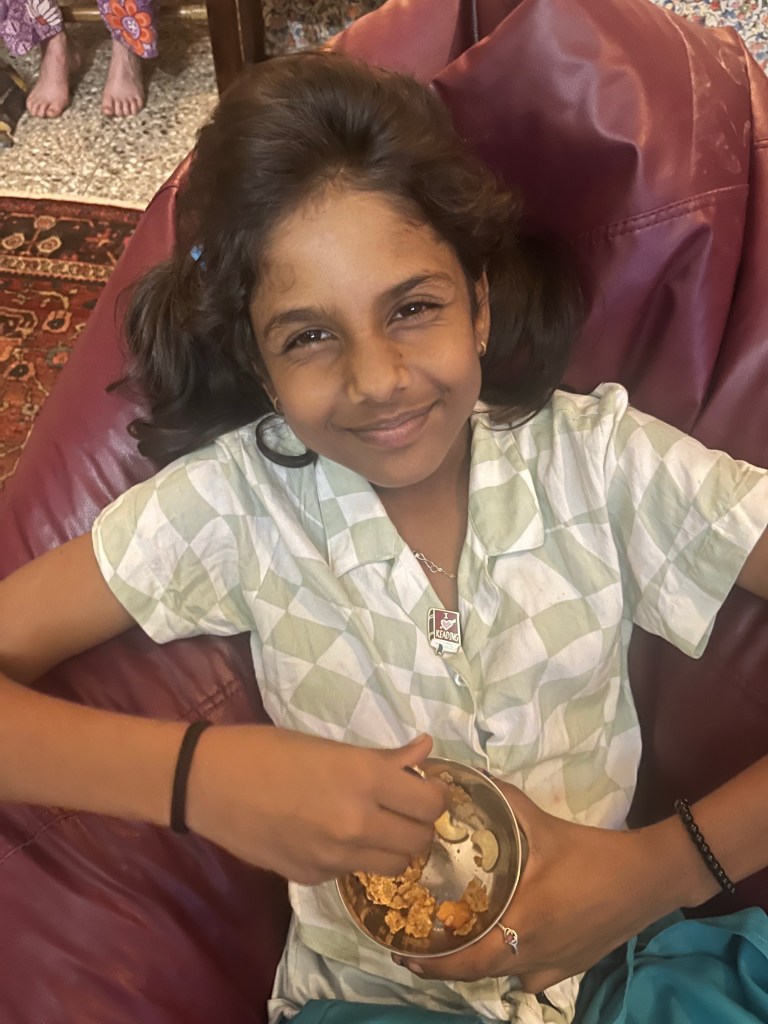
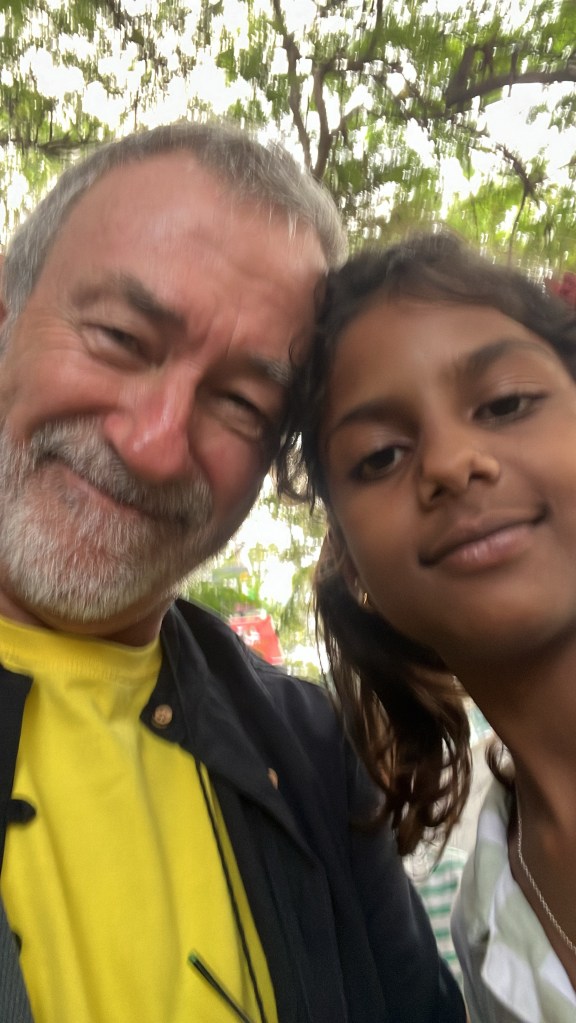
He converted one room to Library in Manjulas memory. He showed his collection of books to Dhrithi Diya. He is keeping Manjulas memory alive through various activities including reading activity for youths. Dhrithi n Diya received godfather card from Stephen . And he said only few children recived that card from him so far and he will support them always .
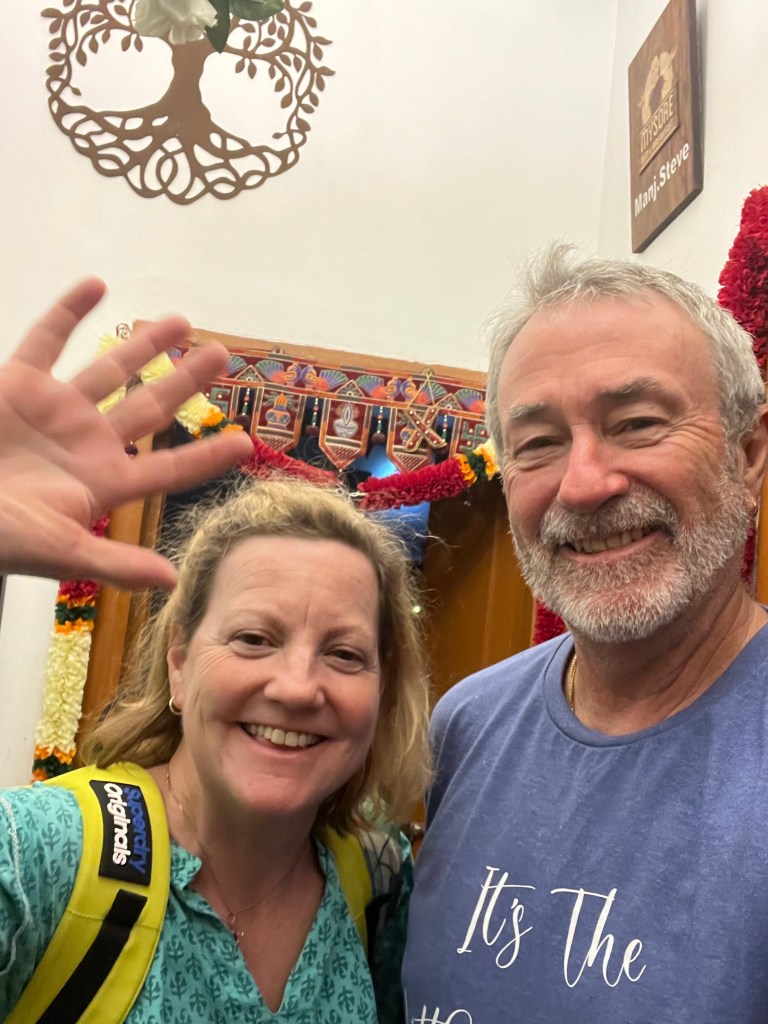
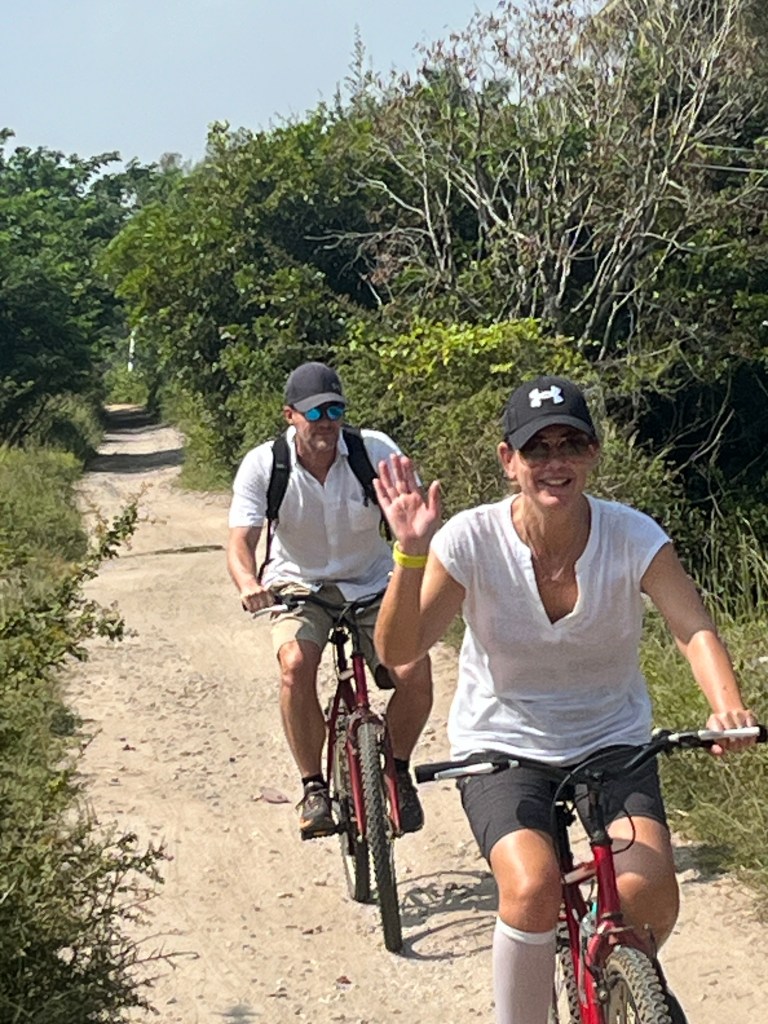
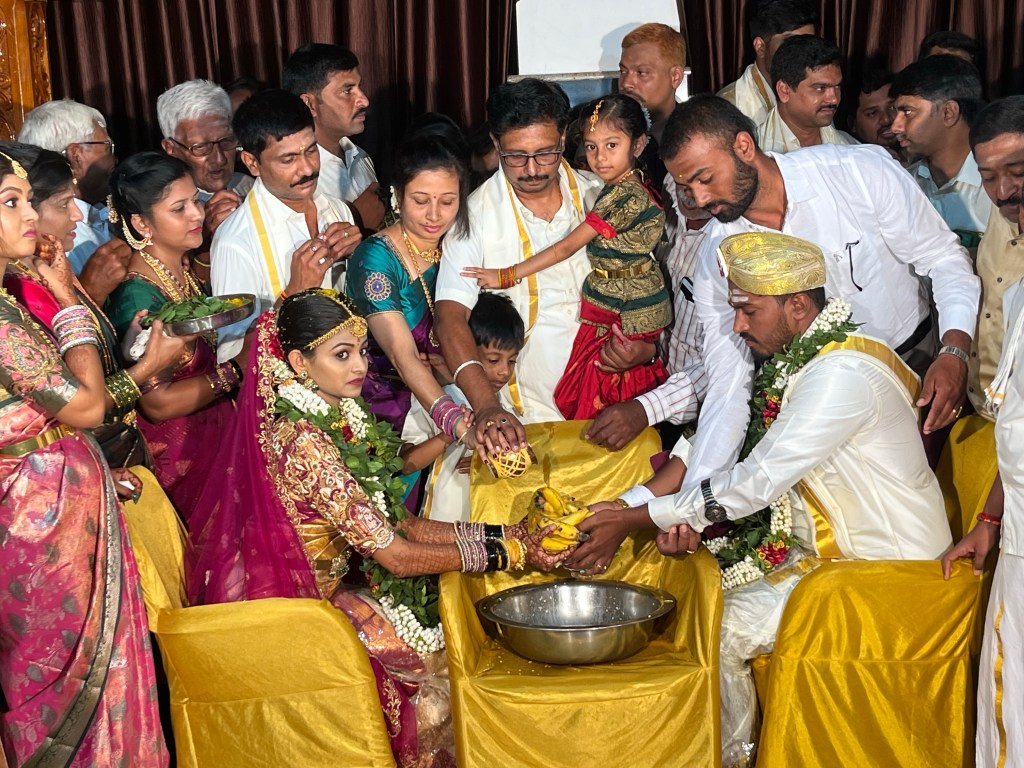
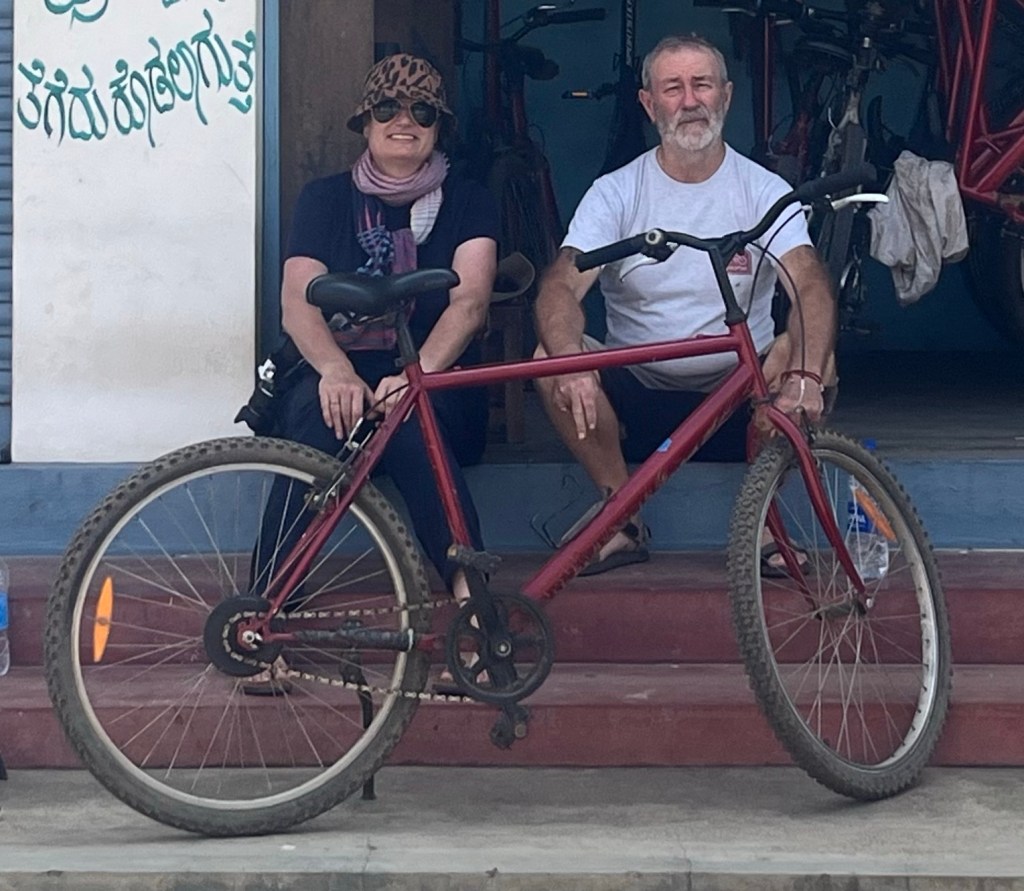
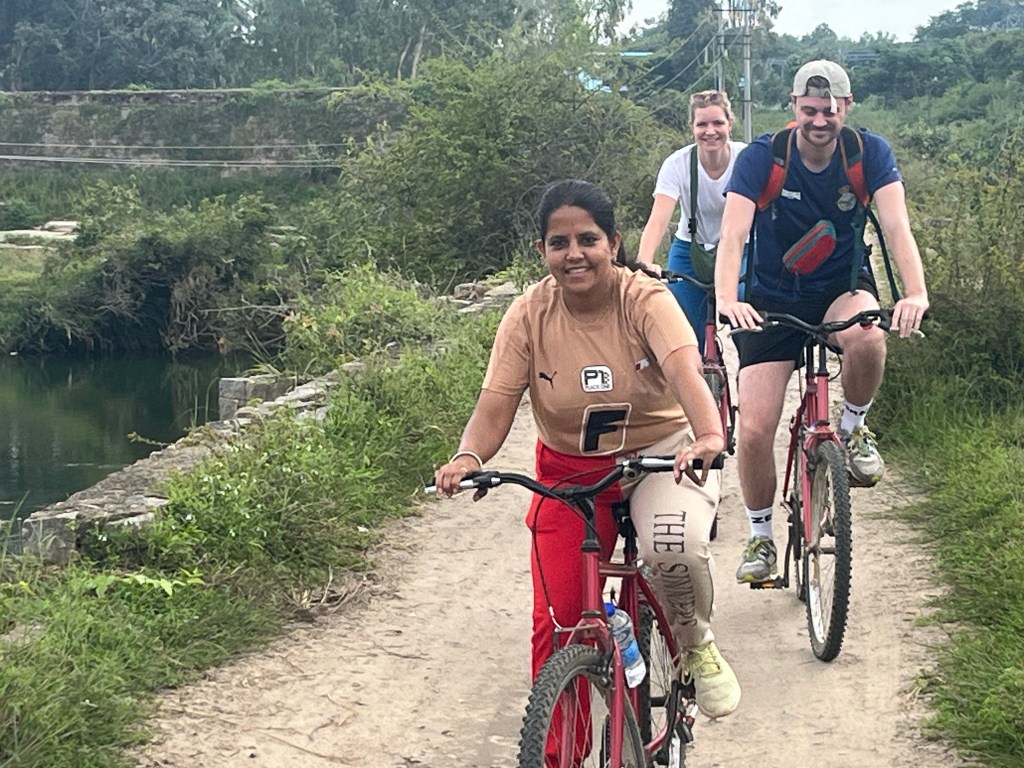
Stephen conducts MyCycle, tour on Cycle to various parts of Mysore and surrounding villages. He has good knowledge about India, he apreciates cultural diversity, craftsmanship, artifacts & practices of India. He loves to interact with people from diverse background , celebrate festivals. He has deep understanding about the essence of India and some time I feel he is more Indian than many of us.





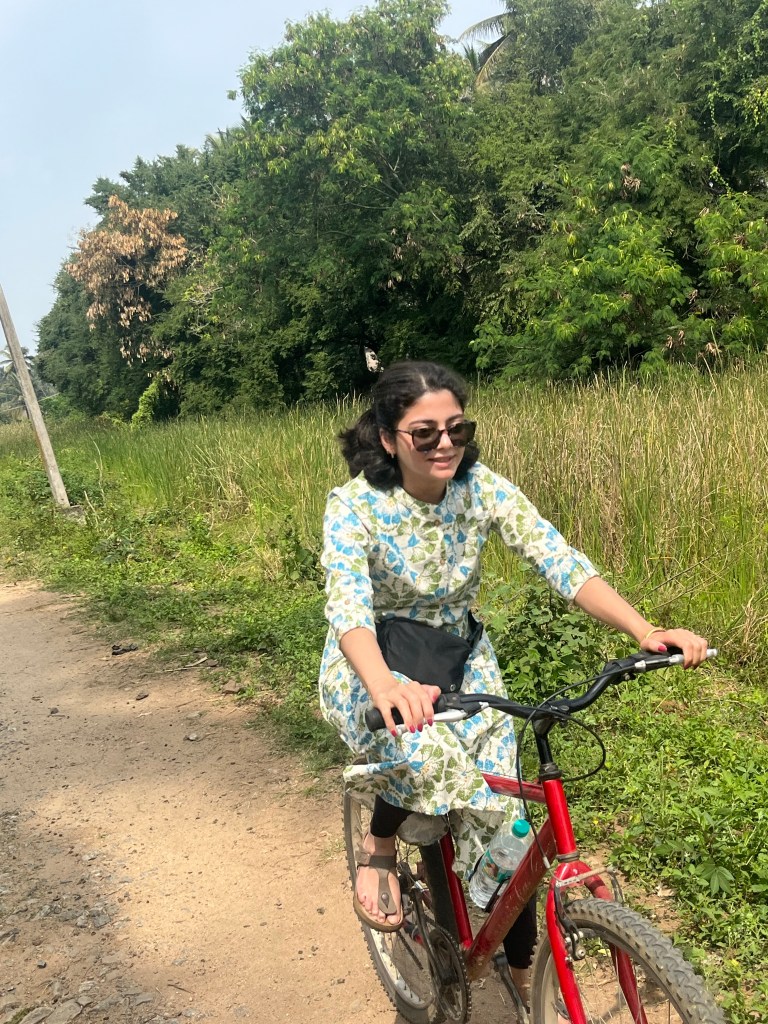





































 Me and MYCycle