
And organisations
whim ….
comes from whimsical, I quite like the energy and pace involved but it isn’t necessarily the best way of making decisions or implementing change
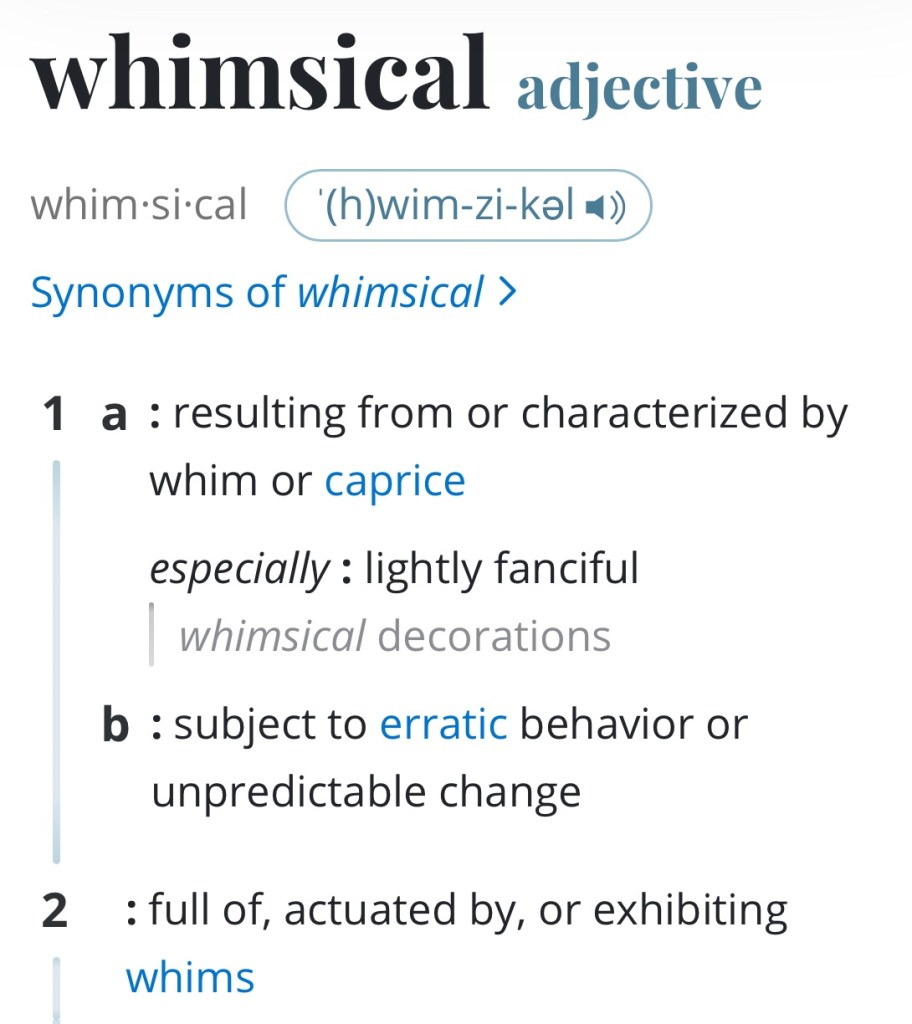
I thought it might be useful to consider the difference between well thought through and ‘on the spur of the moment’ decisions. Here’s a dictionary definition.
..
Quick decisions, not well thought through and rapidly changed can create unnecessary uncertainty and centralisation as the members of the team or community don’t know what might happen next. Unpredictably is the nature of our life but this approach can result in even more.
It might create an unhelpful organisational culture, that’s capricious.

The effect might be to create worry and uncertainty yet by contrast it can motivate some people through increased stimulation (and extra adrenaline) and quickly changing action.
It’s like the rushing fire engine dousing fires rather than thought through and planned.
So what’s not management via whim?
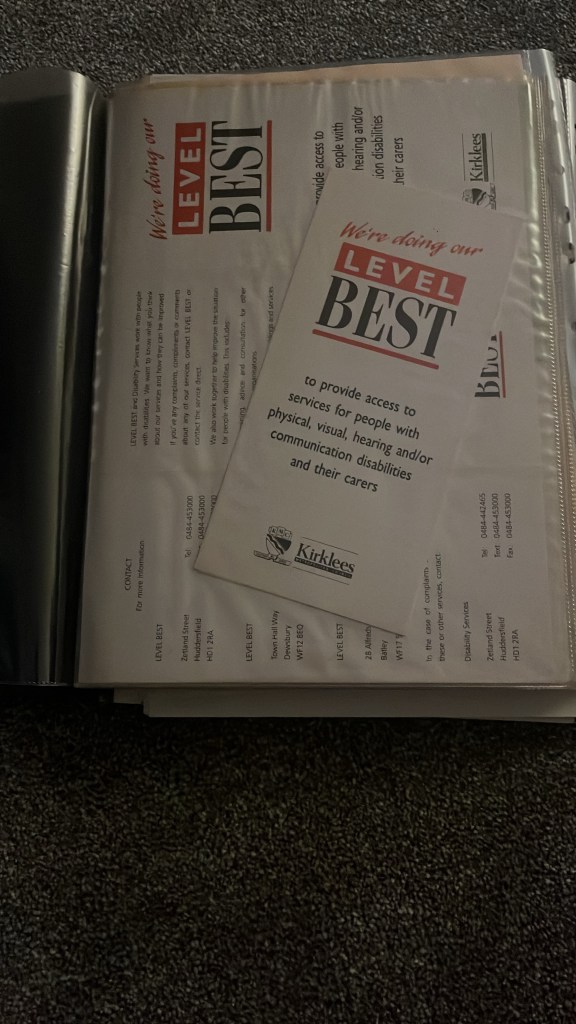
In the late 80s and early 90s when working for a (local) government , in England, I was given responsibility to consult the users and managers of a ‘welfare’ (social services) section and to review its services: was it meeting people’s needs? Could it be organised more efficiently and effectively?
A team of government officers and members of the community used this to devise a plan to reorganise the service. I together with my colleagues implemented that change.
All my workshops with businesses since then have been based on engaging people’s active participation. ie gaining ‘ownership’ of the various ‘stakeholders.’ (Ie those with interest and influence).
That approach is not management through whim, as people were consulted, a plan devised and adopted. It involved changing the jobs, buildings, shifting the budget. It took a long time to plan and implement. Continuous evaluation was built into how it worked.
The non-whimsical approach is likely to be more long-lasting and sustainable, and better suited to meeting the needs of the individuals and communities the organisation exists for.
BUT however we manage—it needs to anticipate, respond to and facilitate change ie innovate, otherwise it’ll not flourish or even survive.
…
Stephen@manjulasmysore.in
.. is a guide
 Me and MYCycle