As I’ve paddled my boat through the grief gravy the layers of Manjula’s love become more apparent. I learn more everyday from her life.
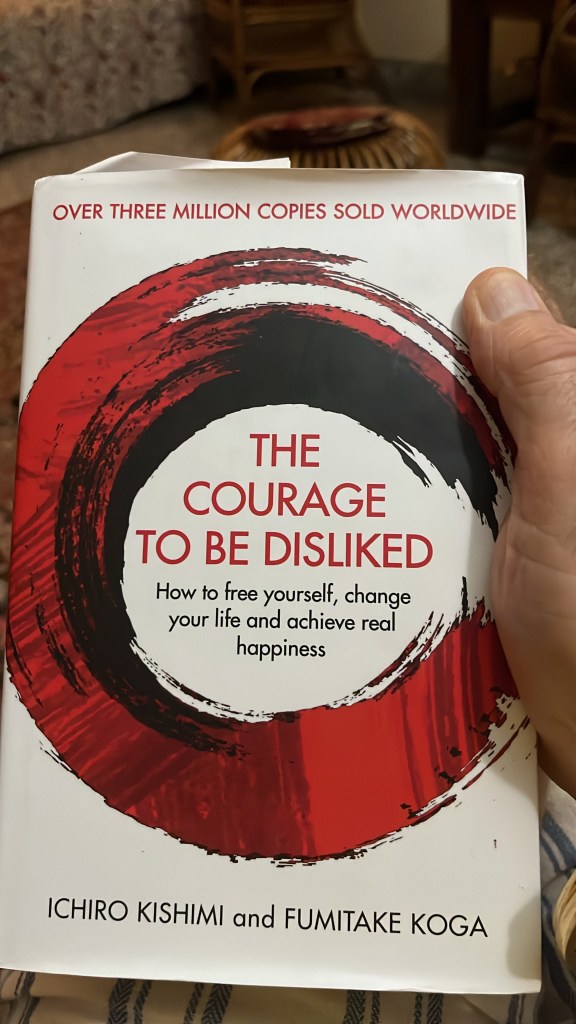
“But when you want to gain love through success, it cannot be achieved through anything quantifiable. The people that will be crying when you depart the world are not doing so because of any number that is tied to your name. They are doing so because you were a loving partner, a caring friend, or a shepherd of kindness. You are dearly missed not because of what you’ve earned, but because of what you represented.”
I expect I’m doing my usual and stating the bleeding obvious.
In this unwelcome necessary extraordinary extended period of reflection and potential growth, I realise the greatest challenge.
Yes it’s about loss and grief, goes without saying, I suppose.
There’s been many but especially three (many more of course but three for listing here) . Losing someone through splitting up with a lover, second losing Manjula when she died. Now I’d count my tonic to deal with the grief as the third. It’s not loss but deep down it’s the equivalent.
So why do I put them together?
They represent times when I felt unable to do anything … actually experiencing powerlessness, learning lack of control in some situations.
That realisation comes … After a lifetime of reinforced messages that it’s up to us, we’re masters of our own destiny and in control.
The third example is having the wherewithal to support and guide Kaveri but to realise how handicapped I am in the face of a completely dysfunctional family who don’t understand or care.
Well done, Farrell — that’s another fine mess you’ve gotten us into (only yesterday, Kaveri was asking about Laurel and Hardy) — But of course it’s about regaining one’s equilibrium, being positive and constructive, working out the way that works and the benefit I can gain from another of life’s lessons.
So in a different way, it does depend on how we take it and manage the situation — critically it’s in the eyes of the beholder—and mostly about our relationships.
So as I said bleeding obvious.
I send this to you because you might not believe it but you are very important
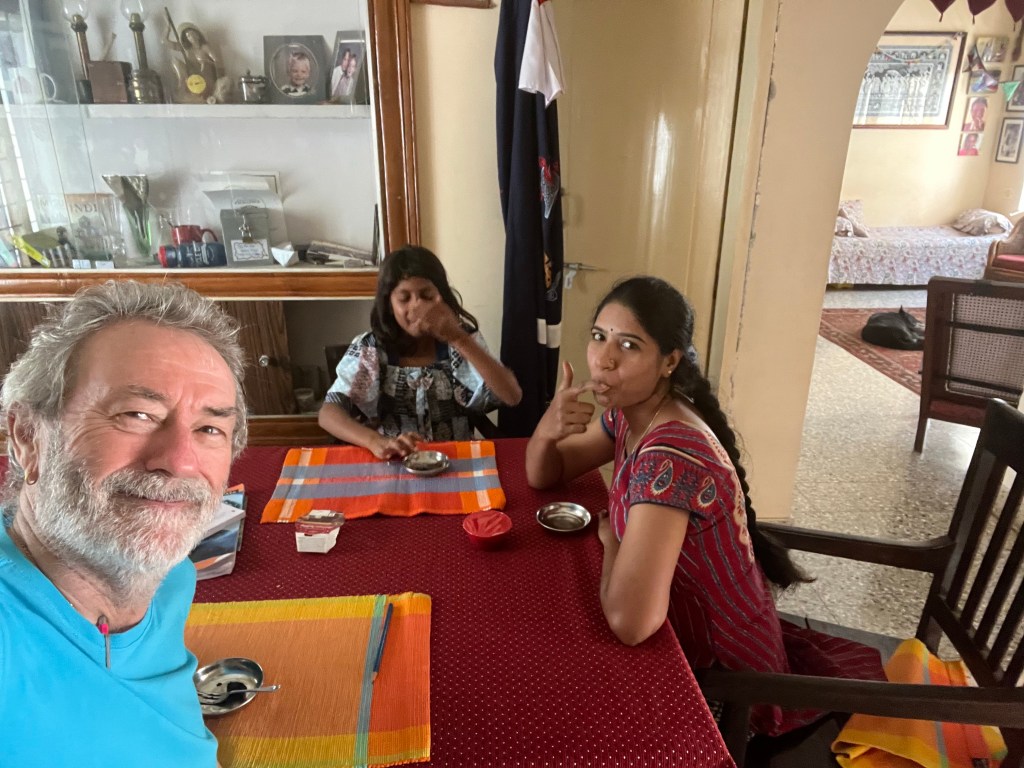
I’ve now agreed to match whatever she saves this (financial) year, with the equivalent each year up until she reaches 21.
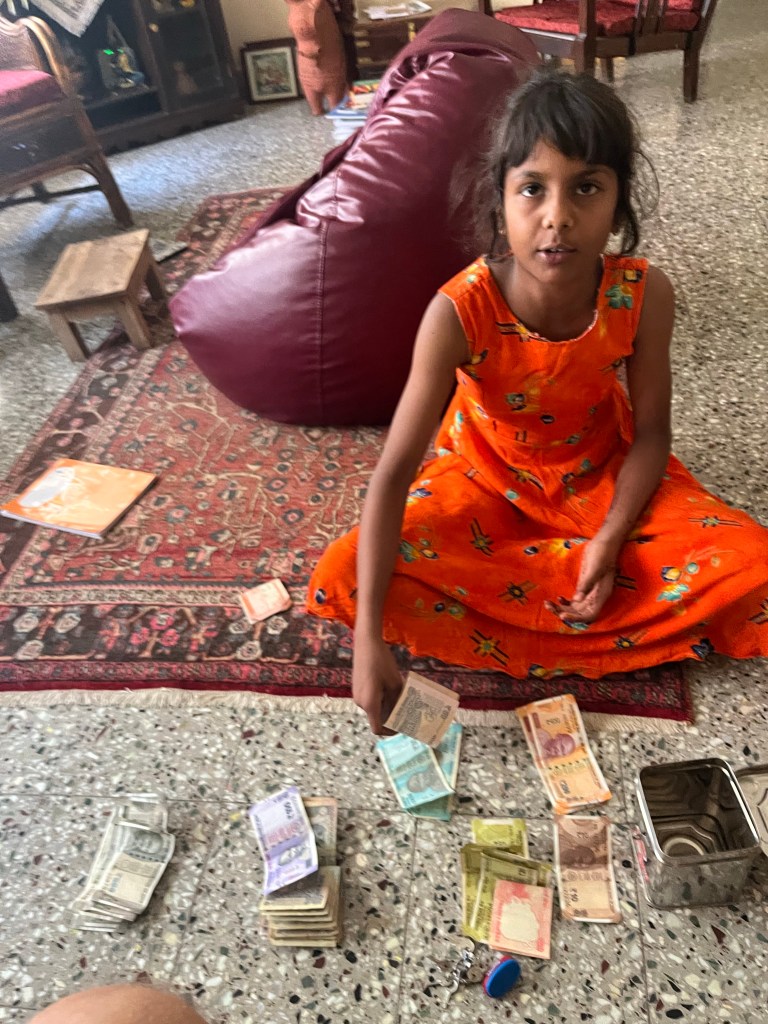
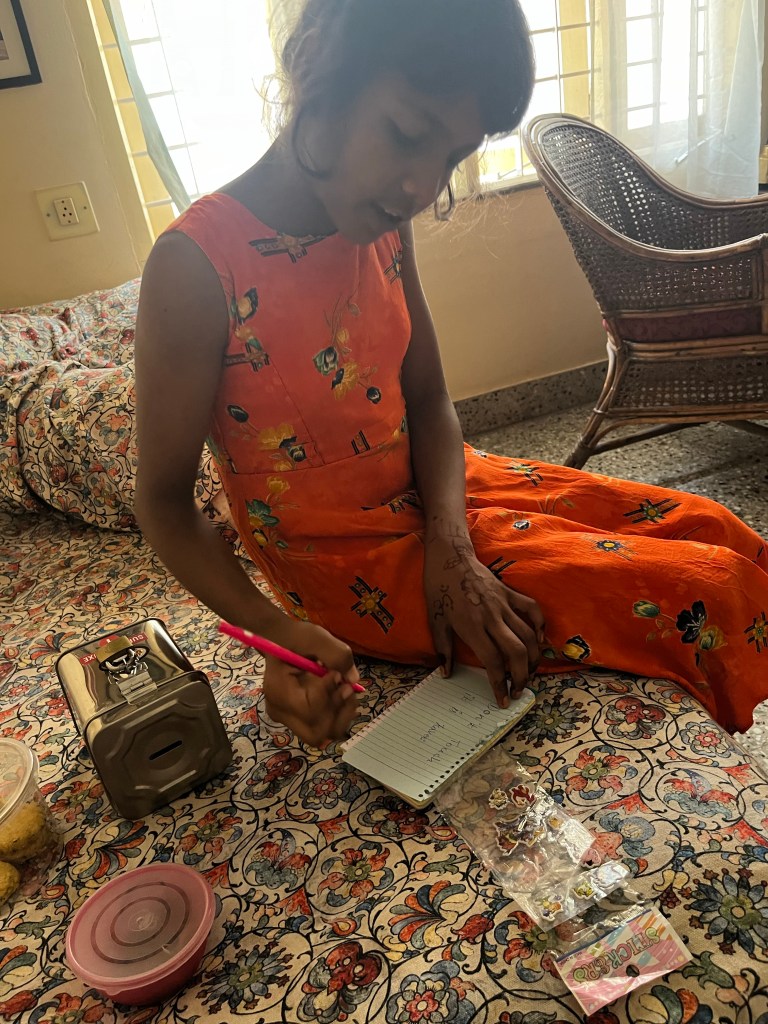
We’ve started counting her savings and placed them in a box at my home
That’s now over 5,000Rs from the two years I’ve known her, from selling bracelets at the kids market and generally extorting from the foreigners. 🤔🤭🙂
It’ll be put into a protected account so no one else can get their grubby hands on it.
One of the many many lessons I learned from Manjula is how she experienced people, particularly men but not exclusively, and also family members (and first husband) who would take her money, gold and send her out to the moneylenders to borrow more.
We will have protections in place, help educate Kaveri and hopefully the strong woman I know she will become will help safeguard her as an adult.
…
Plus she’s astute at reminding me of my ‘pearls of wisdom’ when I forget to follow my own advice. So we’ll also keep an eye on each other.
..
So Kaveri… the savings are for you to choose how to use BUT it’s a waste to spend on parties. Leave that until you’re rich.
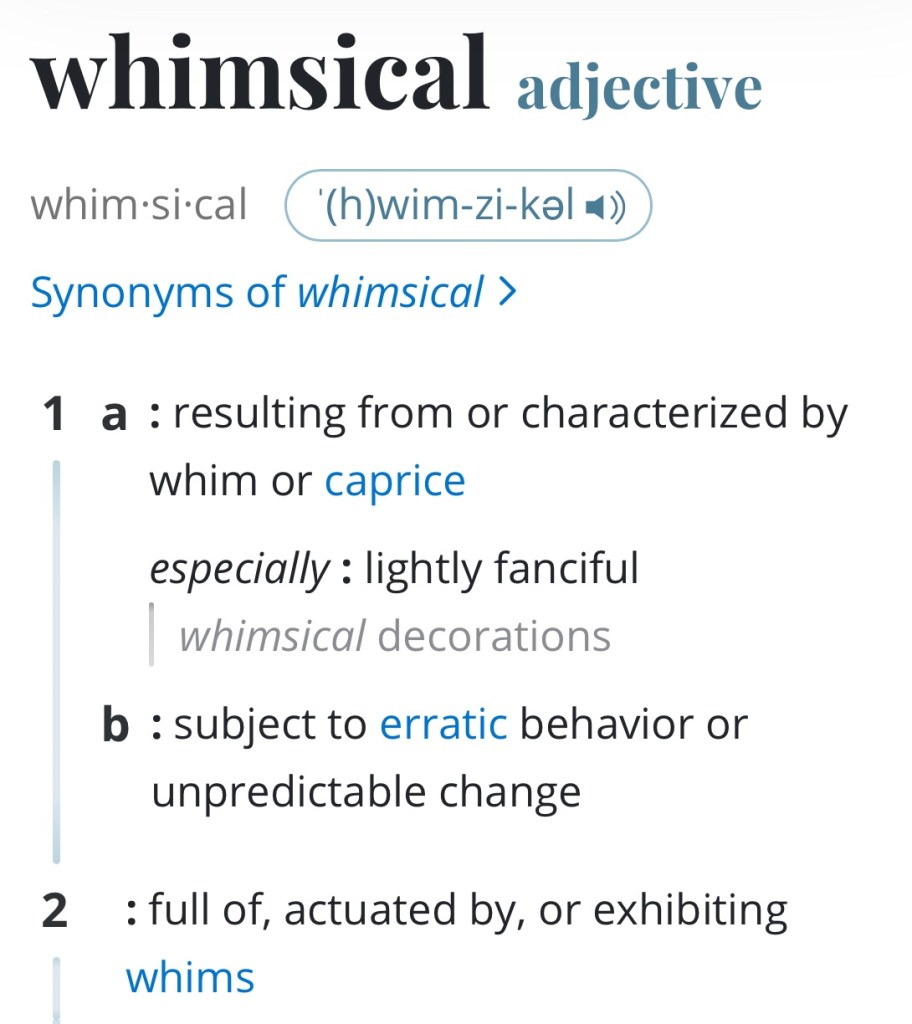
comes from whimsical, I quite like the energy and pace involved but it isn’t necessarily the best way of making decisions or implementing change
I thought it might be useful to consider the difference between well thought through and ‘on the spur of the moment’ decisions. Here’s a dictionary definition.
..
Quick decisions, not well thought through and rapidly changed can create unnecessary uncertainty and centralisation as the members of the team or community don’t know what might happen next. Unpredictably is the nature of our life but this approach can result in even more.
It might create an unhelpful organisational culture, that’s capricious.
The effect might be to create worry and uncertainty yet by contrast it can motivate some people through increased stimulation (and extra adrenaline) and quickly changing action.
It’s like the rushing fire engine dousing fires rather than thought through and planned.
So what’s not management via whim?
In the late 80s and early 90s when working for a (local) government , in England, I was given responsibility to consult the users and managers of a ‘welfare’ (social services) section and to review its services: was it meeting people’s needs? Could it be organised more efficiently and effectively?
A team of government officers and members of the community used this to devise a plan to reorganise the service. I together with my colleagues implemented that change.
All my workshops with businesses since then have been based on engaging people’s active participation. ie gaining ‘ownership’ of the various ‘stakeholders.’ (Ie those with interest and influence).
That approach is not management through whim, as people were consulted, a plan devised and adopted. It involved changing the jobs, buildings, shifting the budget. It took a long time to plan and implement. Continuous evaluation was built into how it worked.
The non-whimsical approach is likely to be more long-lasting and sustainable, and better suited to meeting the needs of the individuals and communities the organisation exists for.
BUT however we manage—it needs to anticipate, respond to and facilitate change ie innovate, otherwise it’ll not flourish or even survive.
Here’s two recent terms I’ve used to describe management ‘styles’ that may need more explanation.
Banyan
Meaning a manager who is so strong in imposing his or her will that nothing below can easily grow and flourish.
This style is often seen in command and control structures or in new developments that have difficulty in moving on from the initial pioneering stage.
The end result is limited delegation, people fearful of taking the initiative or making mistakes. It’s centralised control and reliance on one rather than the many in the team and loses the valuable diversity that is achievable through engaging all the brains in the organisation.
Please note I’m not disrespecting the Banyan which is wonderful.
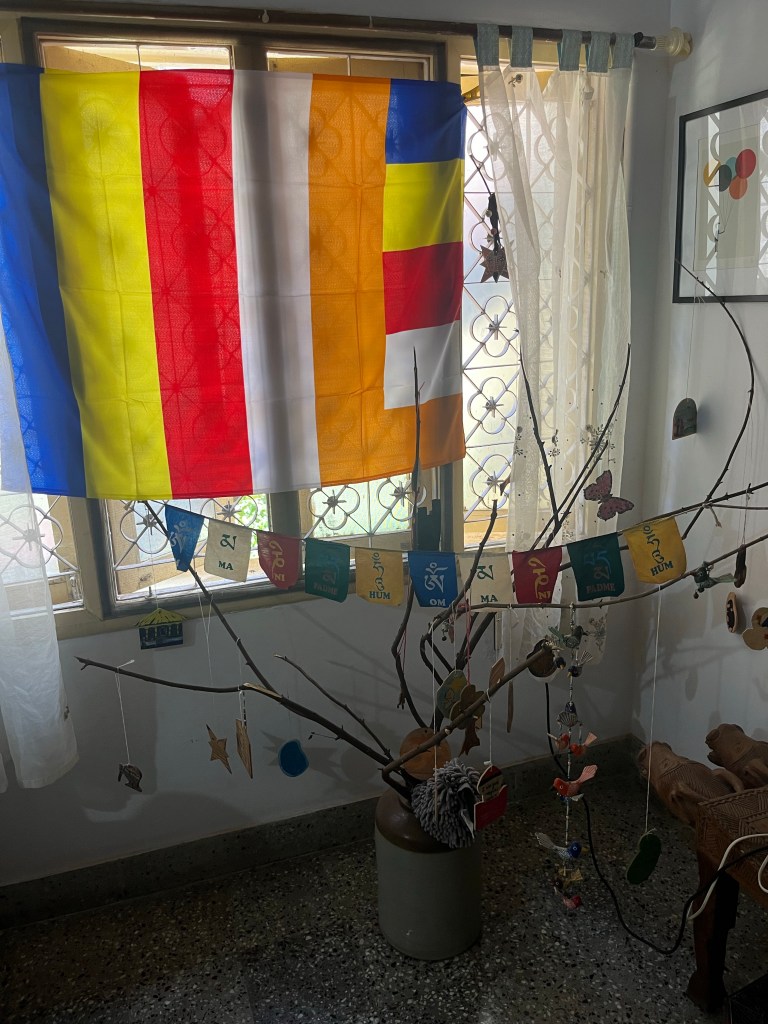
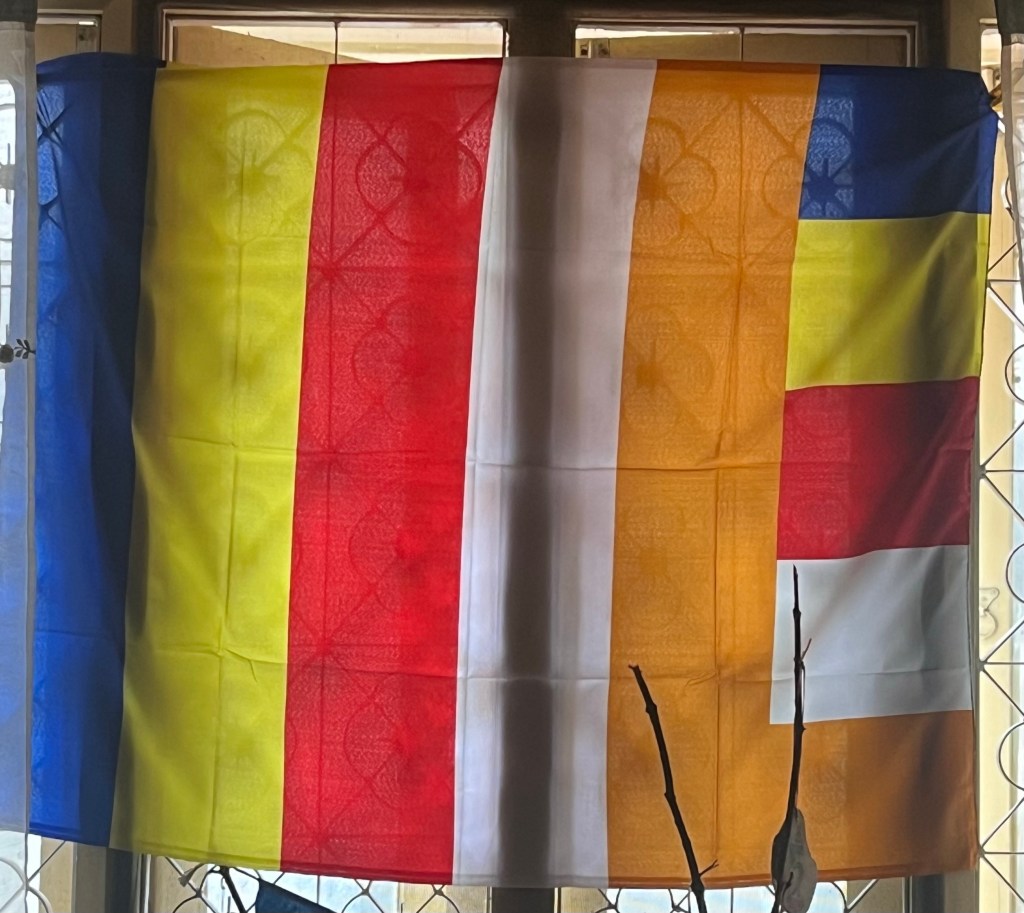
Just as the blue light emanating from Buddha’s hair symbolizes universal love and compassion for all sentient beings, the blue color in the Buddhist flag represents universal compassion and peace.
Just as the yellow light radiating from Buddha’s skin symbolizes the attainment of liberation and omniscience through relying on the Middle Way that avoids extremes, the yellow color in the flag represents the Middle Way that avoids the extremes of eternalism and nihilism.
Just as the red light emanating from Buddha’s flesh symbolizes the blessings that flow from Buddhist practice, the red color in the flag represents perfect realization, wisdom, virtue, merit, and dignity attained through practice.
Just as the white light radiating from Buddha’s bones and teeth symbolizes the purity of Buddha’s teachings and the possibility of attaining liberation and omniscience through them, the white color in the flag represents the purity and timelessness of the Buddha’s teachings, which remain unstained by faults and lead to liberation regardless of time and space.
Just as the orange light emanating from Buddha’s palms, soles, and lips symbolizes the unwavering nature of Buddha’s teachings, the orange color in the flag represents the essence of Buddhist teachings, rich in wisdom, strength, and dignity.
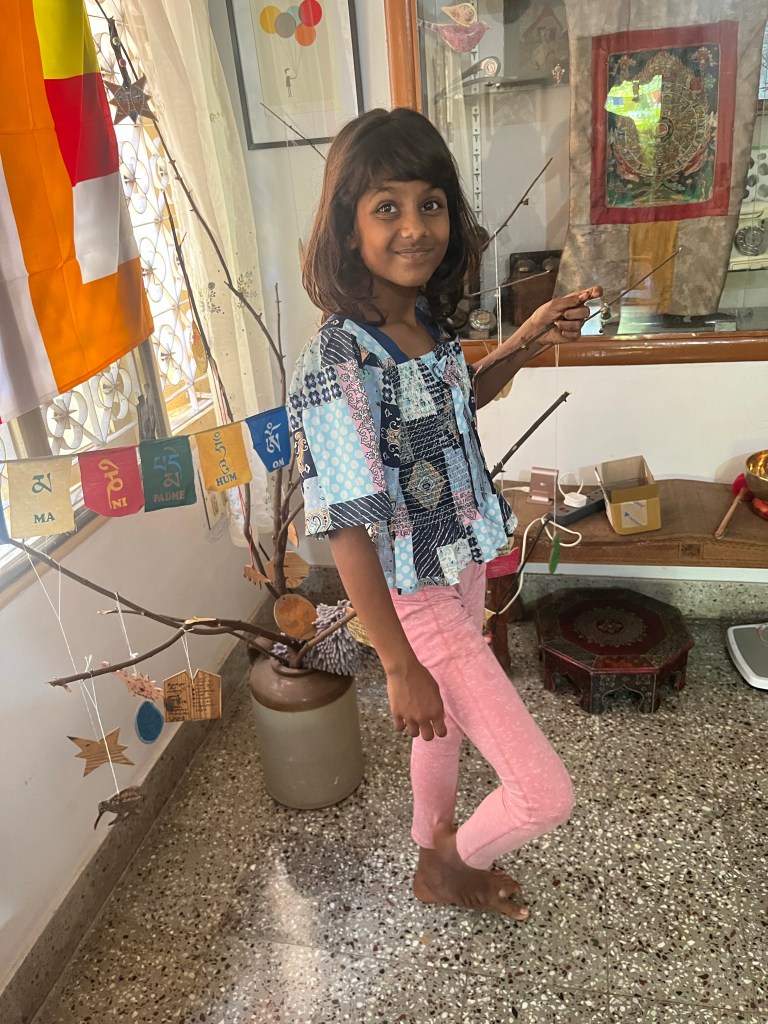
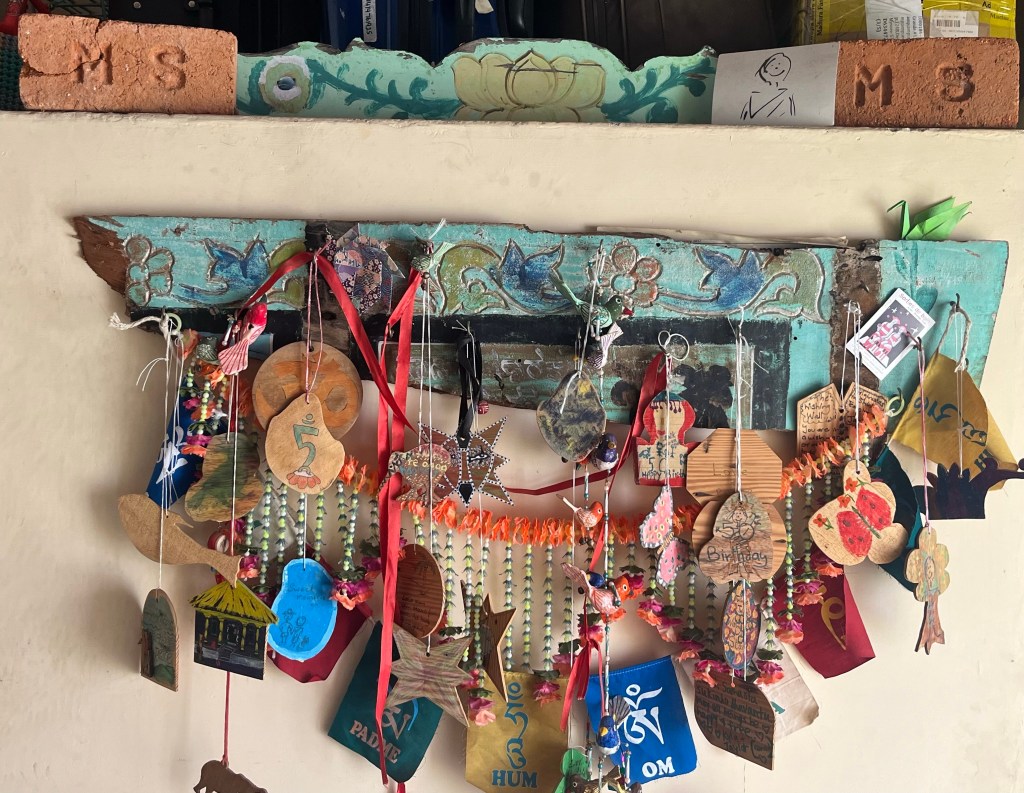
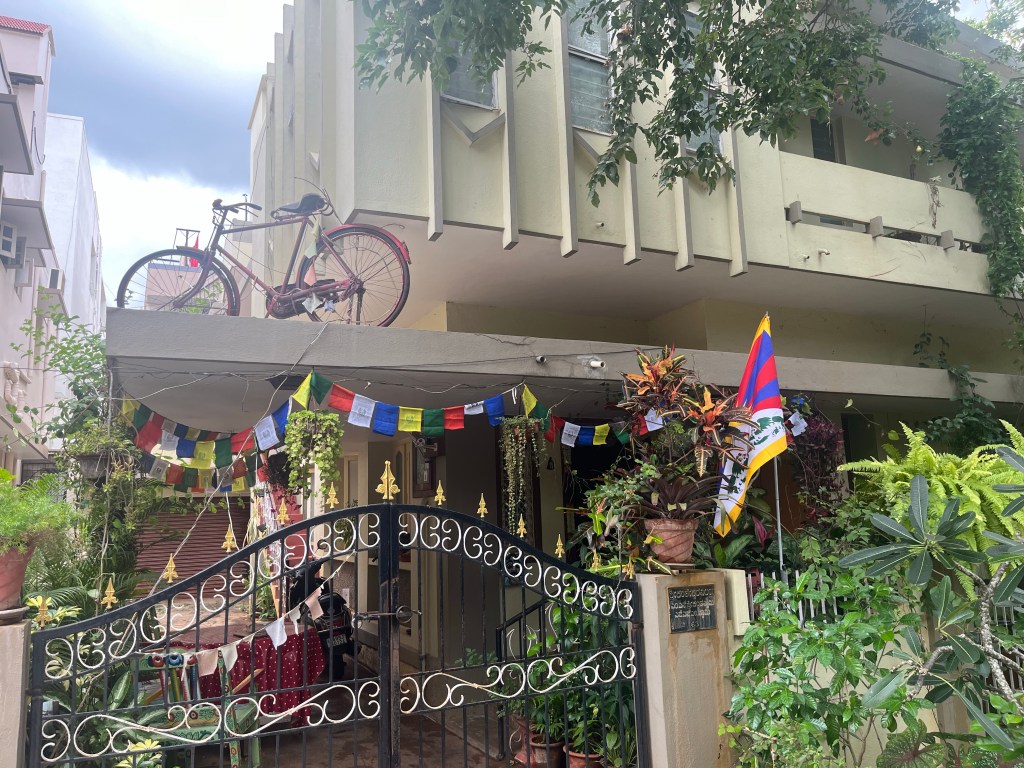
The Buddhist flag in our downstairs hallOur front gate, Tibetan and prayer flags.
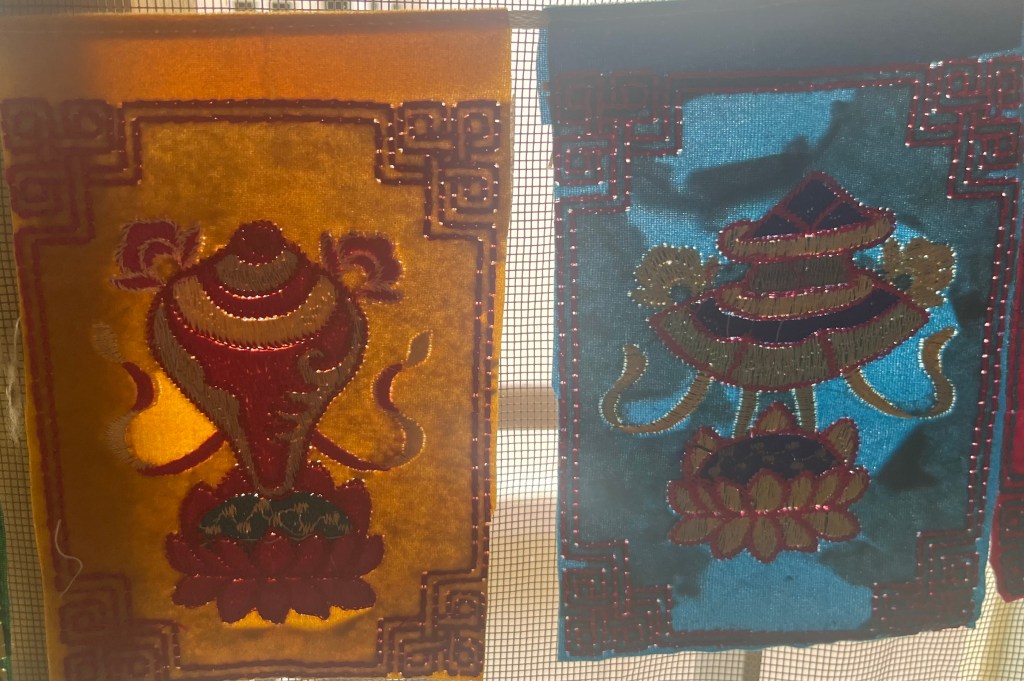
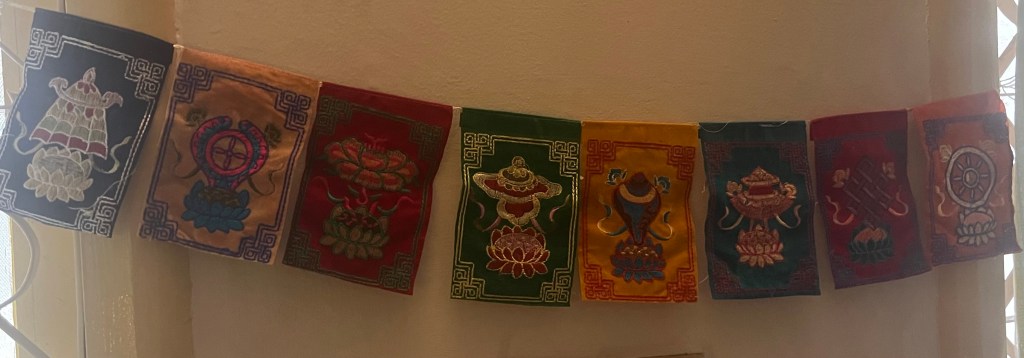
Here is the English translation of the Tibetan text , describing the Eight Auspicious Symbols:
The Wheel: Symbolizes the teaching of the Dharma (the Three Baskets) and the transmission of the Three Trainings to disciples.
The Parasol: Represents the dispelling of the heat of suffering and afflictions for sentient beings.
The Victory Banner: Symbolizes the defeat of Mara and non-Buddhist opponents, and the complete perfection of the major and minor marks of enlightenment.
The Endless Knot: Represents the complete perfection of all qualities and the possession of the five wisdoms.
The Right-Turning Conch Shell: Symbolizes the melodious sound of the Buddha’s speech proclaiming the Dharma.
The Vase: Represents being completely filled with the essence of good qualities and serving as a support for pure merit.
The Lotus: Symbolizes being in the world but uncontaminated by it, untainted by the impurities of karma and afflictions.
The Golden Fish: Represents the abandonment of all faults and obstacles.
The text also mentions a quote from the Mahayana sutra called “The Stacked Auspicious Ones,” which describes how these eight symbols relate to different parts of the Buddha’s body and qualities. It concludes with an aspiration for auspiciousness and well-being through these symbols.
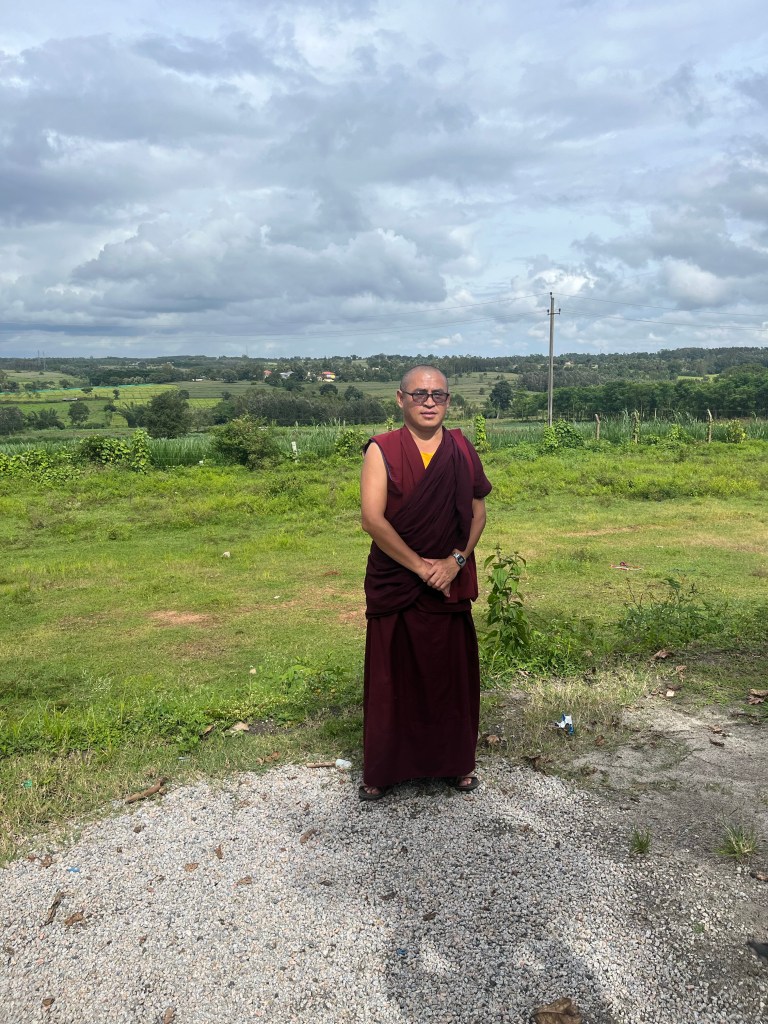
Dorjee visited us in Mysore with a gift of a Buddhist flag and helped us better understand the auspicious symbols
The passage notes that while there are more detailed explanations and interpretations of these symbols available, this brief description should suffice as an introduction to their meanings.













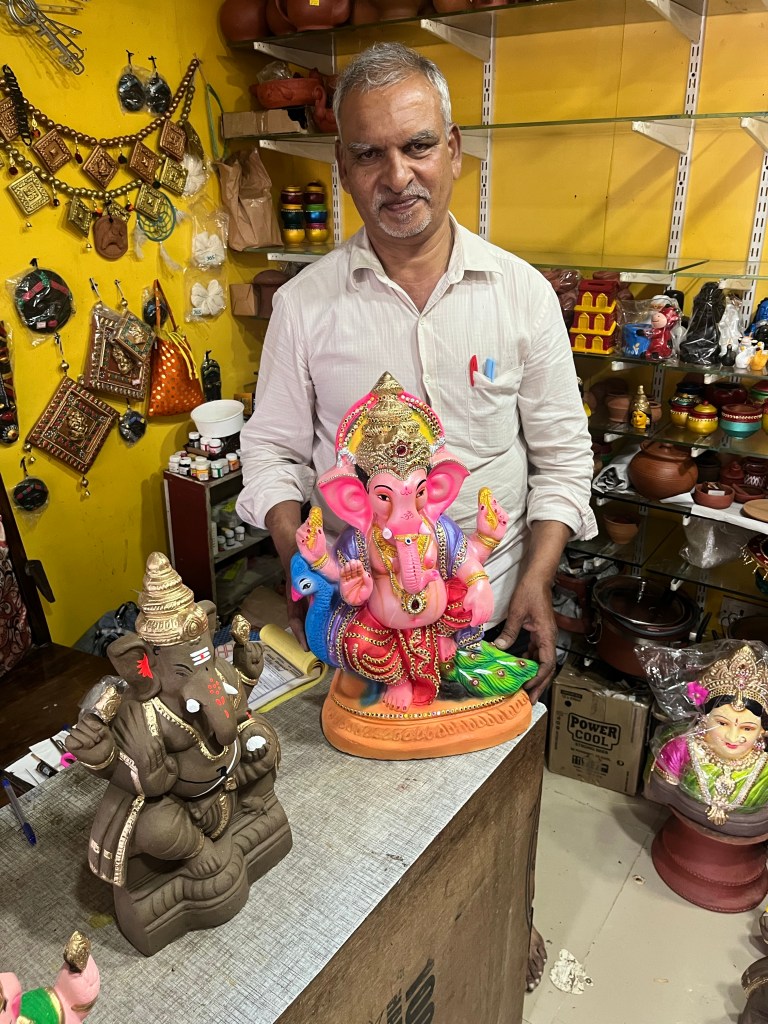

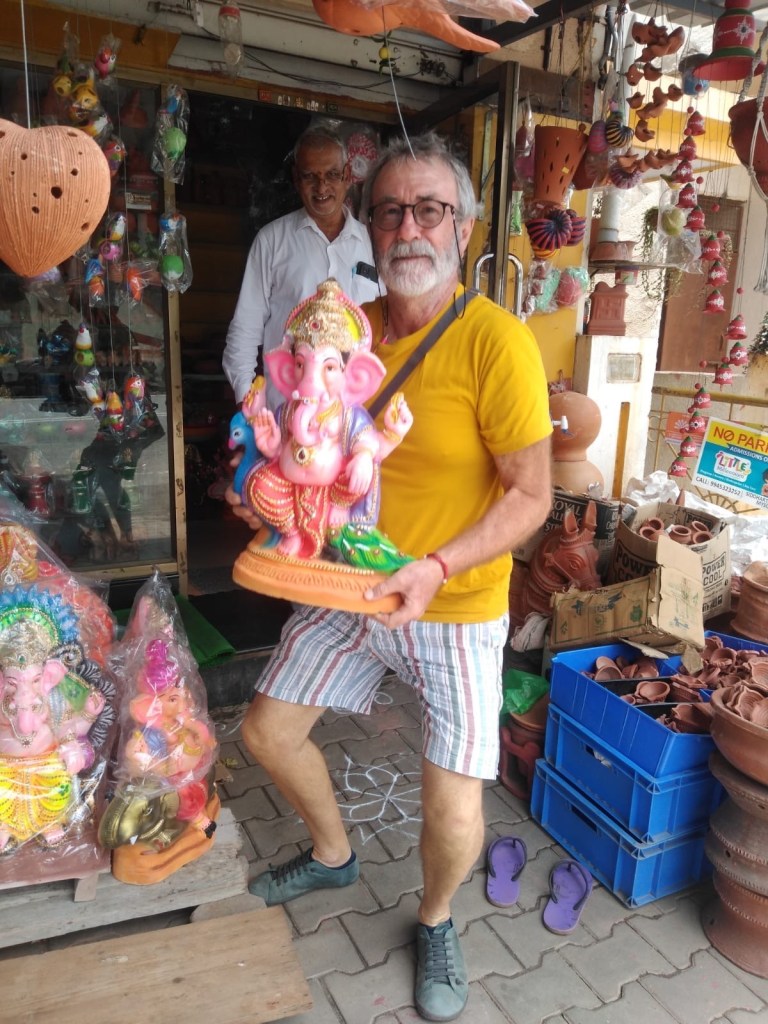

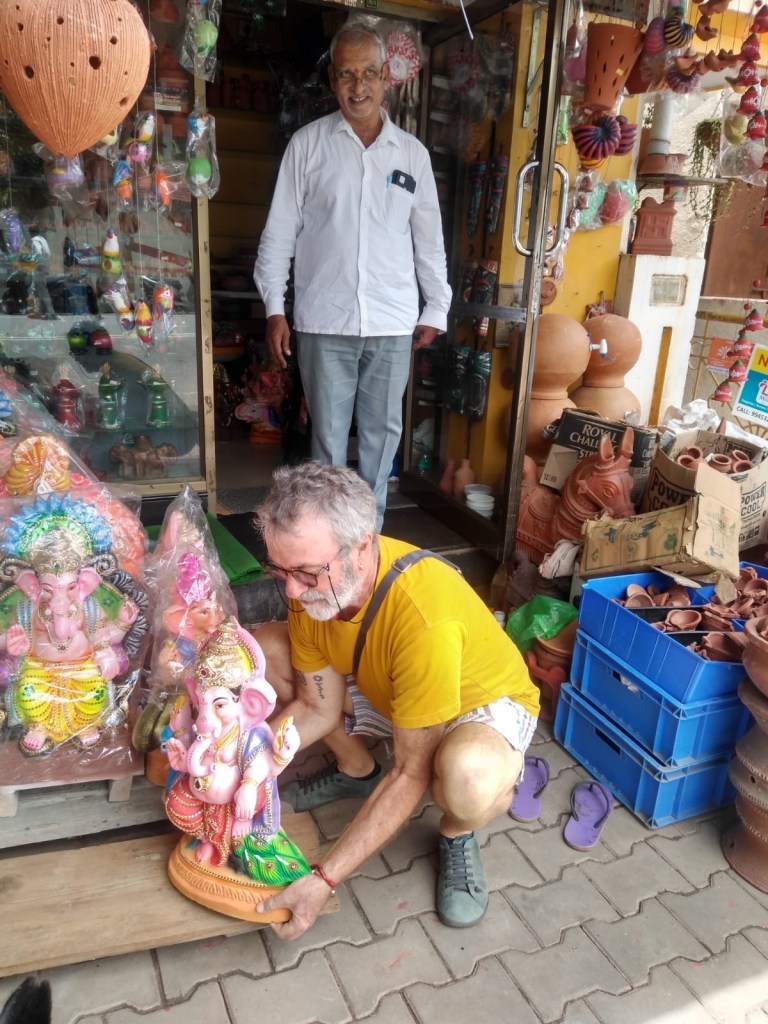
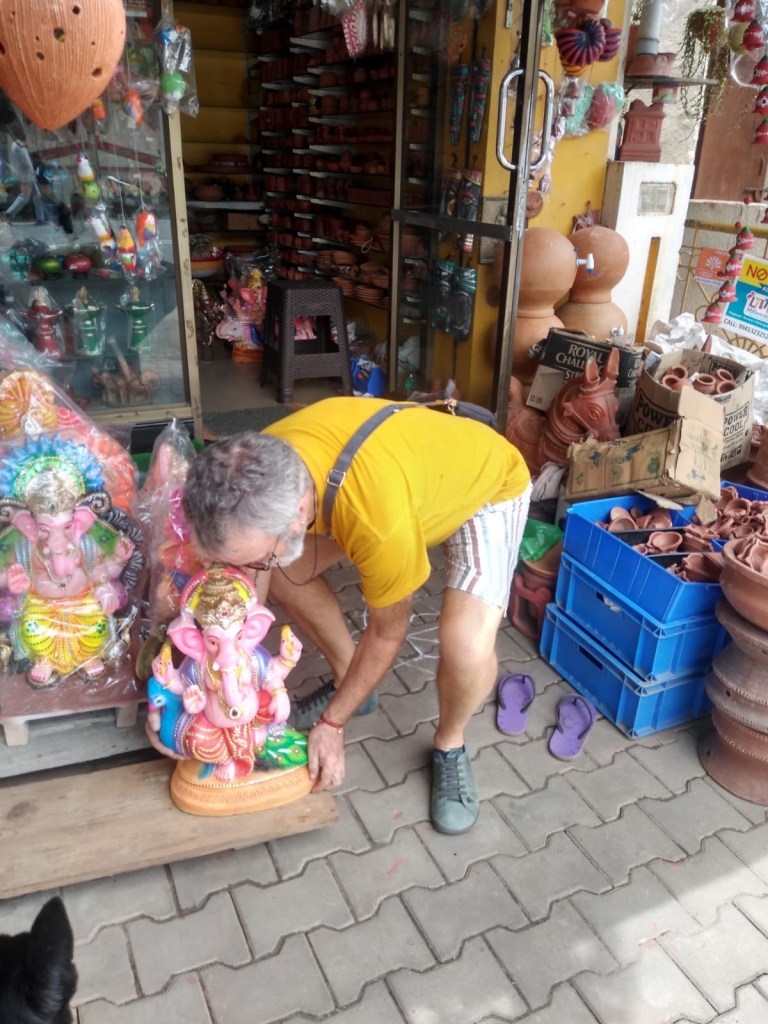







 Me and MYCycle